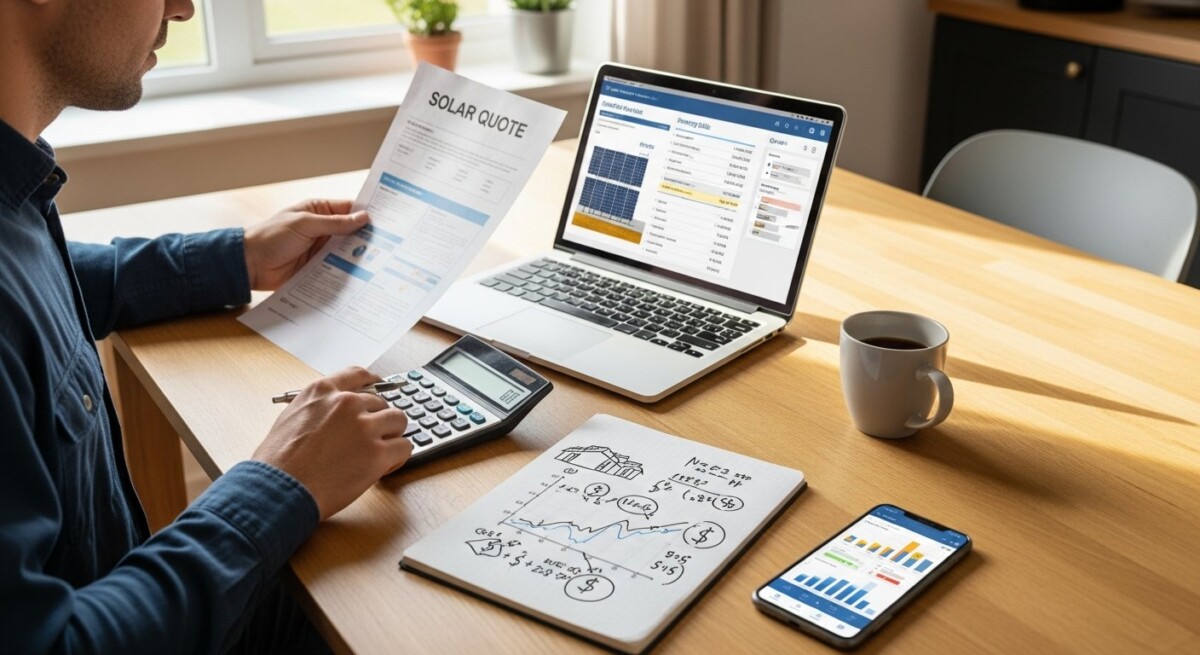
You open your monthly electricity bill and feel a familiar sting. Rates keep climbing, and you wonder if there is a better way. Many homeowners are now searching for how to calculate savings from solar quotes to see if solar panels can finally lower those costs. The idea of reducing your energy bill and becoming less dependent on the power grid sounds appealing, but figuring out the numbers can feel overwhelming.
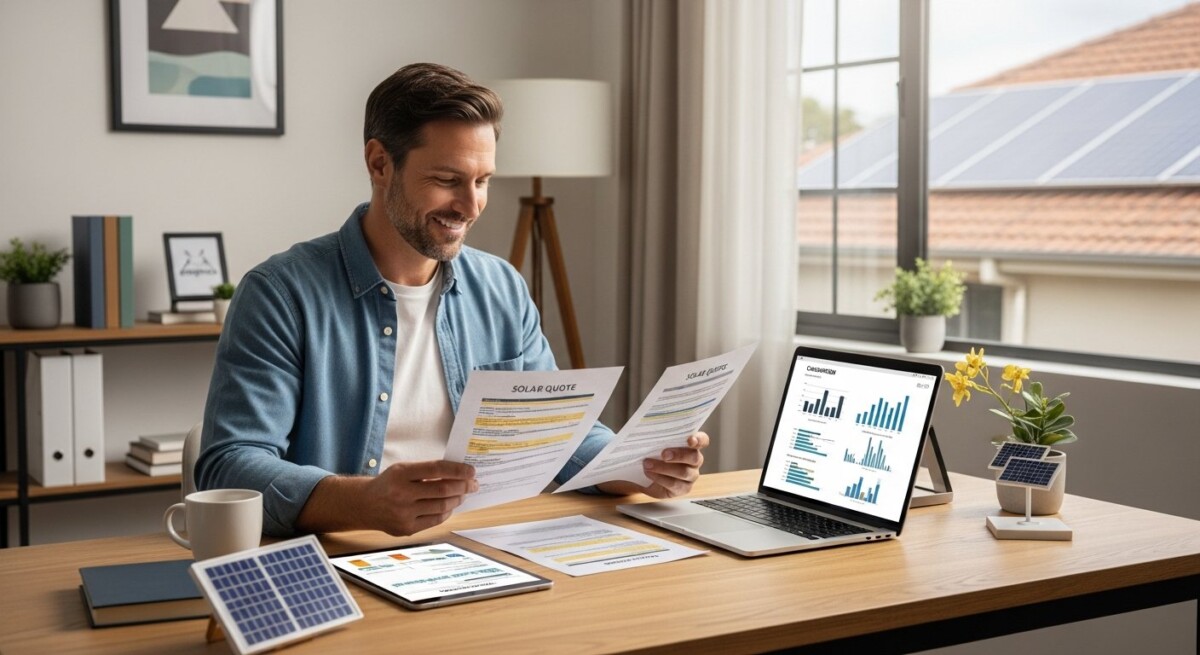
Understanding how to calculate savings from solar quotes is the key to making a smart investment. By comparing different proposals side by side, you can see exactly how much you might save each month and over the life of the system. This article will walk you through the process in clear, simple language so you can compare offers with confidence.
Understanding how to calculate savings from solar quotes
At its core, calculating savings from solar quotes means figuring out how much money a solar panel system will save you compared to what you currently pay your utility company. Each quote shows an estimated annual energy production, the system size, and the total cost. Your job is to compare those numbers against your current electricity usage and rates.
Most quotes also include a projected payback period , the number of years it takes for your energy savings to cover the upfront installation cost. For example, if a system costs $15,000 and saves you $1,500 per year, your payback period is about ten years. After that point, the electricity your panels generate is essentially free, aside from minimal maintenance costs.
More homeowners are considering solar because the math has improved dramatically. Equipment prices have dropped, and federal tax credits can reduce your upfront cost by 30 percent. When you learn how to calculate savings from solar quotes properly, you can identify the proposal that offers the best long-term value for your specific home and energy habits.
Key numbers in every solar quote
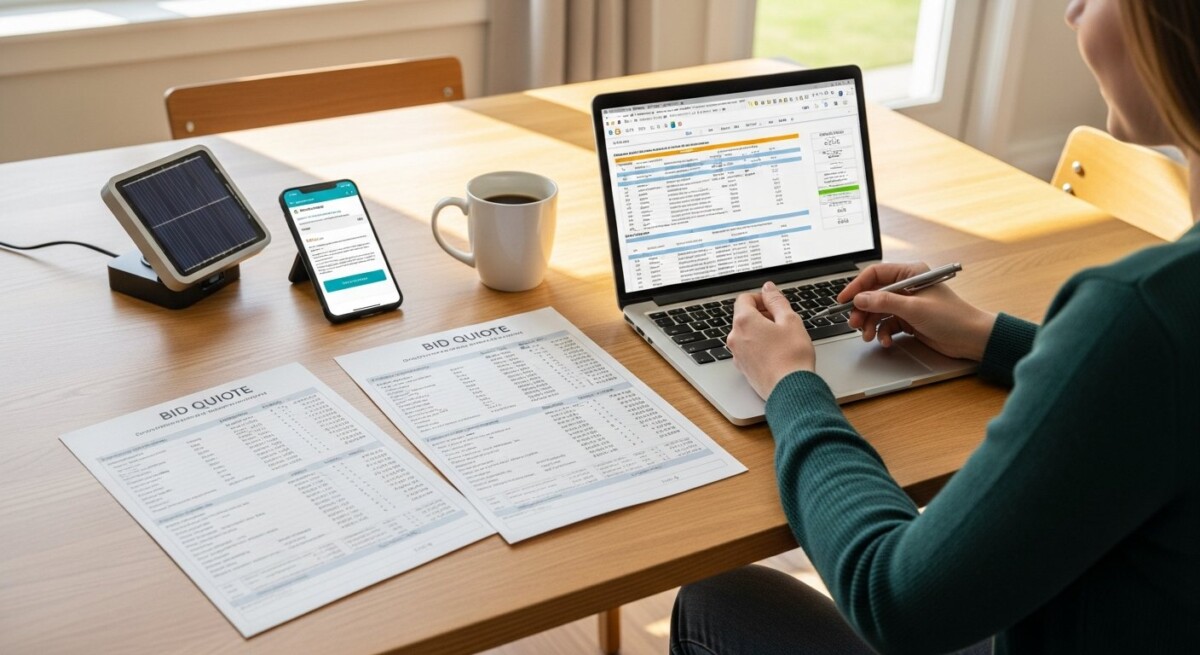
Every professional quote should include the system size in kilowatts (kW), the estimated annual kilowatt-hours (kWh) produced, the total cost before incentives, and the projected first-year savings. Look for the net cost after applying the federal tax credit and any local rebates. These figures form the foundation of your savings calculation.
Why Solar Energy Is Becoming More Popular
Electricity prices have risen steadily across the United States, and many homeowners expect that trend to continue. Solar panels offer a way to lock in a lower, more predictable energy cost for decades. Instead of paying a utility company that raises rates every year, you generate your own power from sunlight.
Environmental concerns also play a big role. Solar energy produces no greenhouse gas emissions during operation, which helps reduce your household carbon footprint. For families who want to leave a cleaner planet for their children, solar is one of the most effective home improvements available.
Long-term savings are the biggest driver for most homeowners. Over 25 years , the typical warranty period for solar panels , the total savings can reach tens of thousands of dollars. When you combine lower monthly bills with increased home value, solar becomes a compelling financial decision.
If you are considering solar power for your home, comparing installation quotes can help you understand your options. Request a free solar quote or call (800) 555-0199 to learn more.
Common Questions Homeowners Have About Solar
Most homeowners start with the same question: how much does solar installation cost? The answer depends on your home size, energy usage, and the equipment you choose. A typical residential system ranges from $10,000 to $30,000 before incentives, but the federal tax credit and local rebates can significantly reduce that amount.
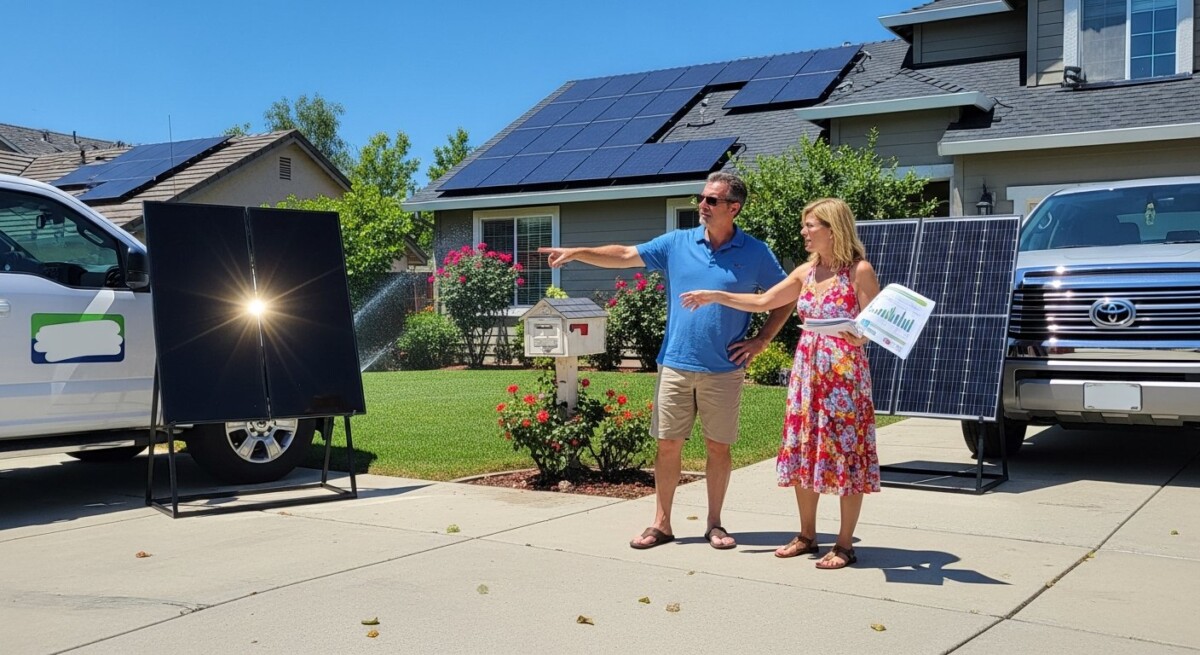
Another common concern is whether your roof is suitable for solar panels. Installers evaluate factors like roof age, material, shading from trees, and orientation. South-facing roofs with little shade produce the most energy, but east and west-facing roofs can also work well. A professional site assessment will answer this question for your specific home.
Many homeowners also worry about system performance on cloudy days or during winter. Solar panels still generate electricity in indirect sunlight, just at a reduced rate. Modern systems are designed to produce enough energy over the course of a full year to offset your annual usage, even in less sunny climates.
- How much will solar panels cost for my home?
- Is my roof suitable for solar installation?
- Will solar panels work on cloudy or rainy days?
- How long do solar panels last?
- What happens if I move after installing solar?
- Are there financing options available?
How Solar Panel Installation Works
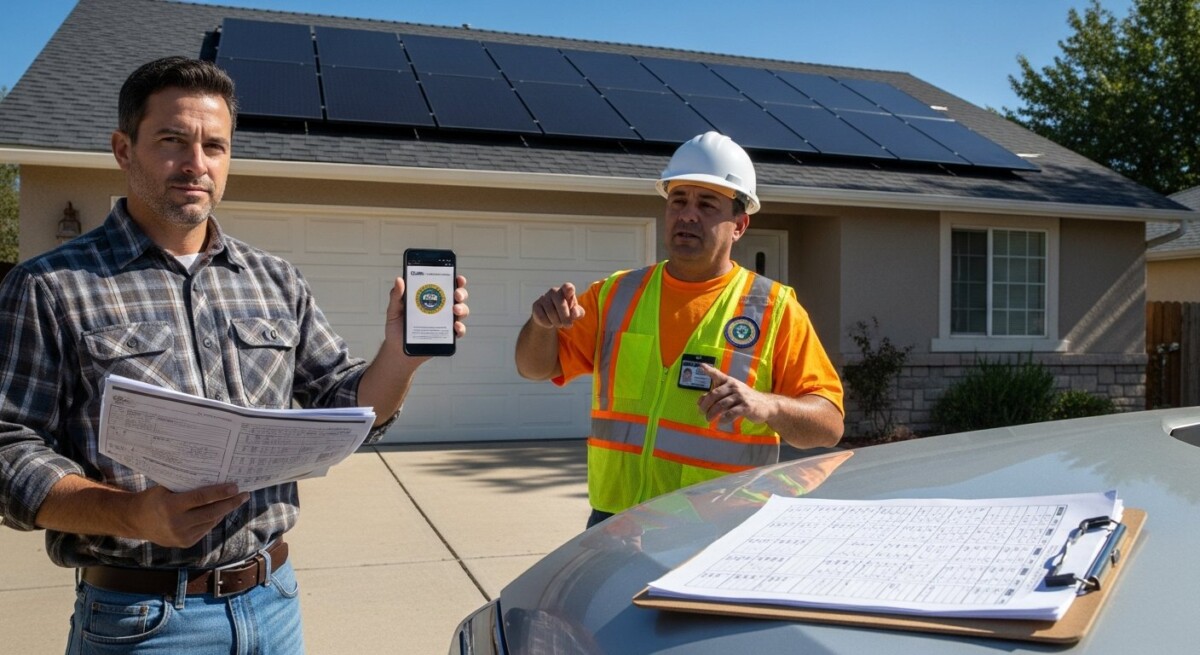
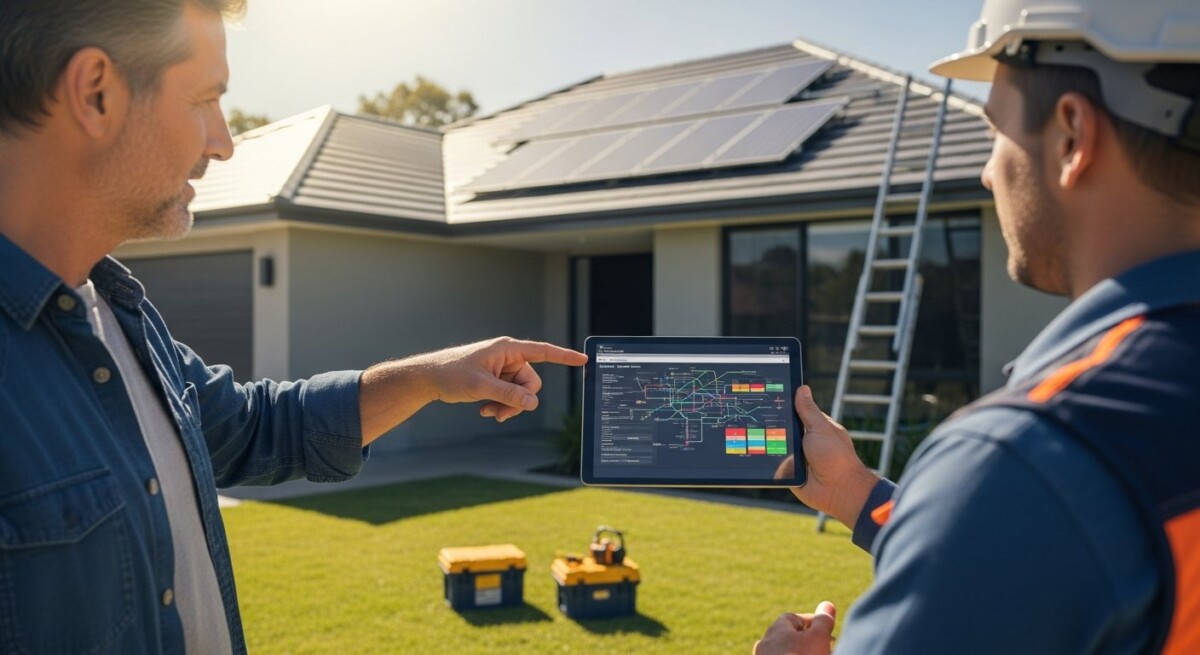
The installation process begins with a home energy assessment. An installer reviews your past electricity bills, measures your roof, and checks for any shading or structural issues. This information helps them design a system that matches your energy needs and site conditions.
Once the design is complete, the installer handles all permits and approvals with your local government and utility company. This step ensures your system meets building codes and grid connection requirements. The actual panel installation usually takes one to three days, depending on system size and roof complexity.
After installation, a final inspection and utility approval are required before you can turn the system on. Once activated, your solar panels begin generating electricity immediately, and you start saving on your monthly bill from day one.
- Schedule a home energy assessment and roof evaluation.
- Review the system design and total cost estimate.
- Installer obtains permits and utility approvals.
- Professional installation of panels and inverter equipment.
- Final inspection and system activation.
Speaking with experienced installers can help you determine the best solar solution for your home. Compare solar quotes here or call (800) 555-0199 to explore available options.
Signs Your Home May Be Ideal for Solar
Certain home characteristics make solar panels more effective and economical. The most important factor is strong sunlight exposure. If your roof receives direct sunlight for most of the day, especially between 9 a.m. and 3 p.m., your system will produce more energy and deliver higher savings.
High electricity bills are another strong indicator. Homes that pay $100 or more per month for electricity often see the fastest payback periods. The more you currently spend on energy, the more you stand to save by switching to solar.
Sufficient roof space and a relatively new roof also matter. Solar panels are designed to last 25 to 30 years, so installing them on a roof that needs replacement in a few years can create extra expense. If you plan to stay in your home for at least five to ten years, the long-term savings become much more attractive.
- Roof receives direct sunlight for most of the day.
- Monthly electricity bills are consistently high.
- Roof is in good condition and less than 10 years old.
- You plan to stay in your home for at least five more years.
- Your state or utility offers solar incentives or net metering.
- Your roof has enough unobstructed space for panels.
What Affects Solar Installation Costs
System size is the primary cost driver. Larger homes with higher energy consumption need more panels, which increases the upfront price. However, larger systems also produce more savings over time, so the return on investment can still be excellent.
Equipment quality also plays a role. Premium solar panels with higher efficiency ratings cost more but generate more electricity per square foot. Inverters, mounting hardware, and battery storage options add to the total. Choosing reliable equipment with strong warranties can prevent costly repairs down the road.
Installation complexity affects labor costs. A simple roof with easy access and standard shingles is cheaper to install than a complex multi-story roof with tile or slate. Local incentives and net metering policies also vary by location, which changes the effective cost and payback period for homeowners in different areas.
The cost of solar installation varies depending on your home and energy needs. Request personalized solar quotes or call (800) 555-0199 to see what options are available.
Tips for Choosing a Reliable Solar Installer
Not all solar installers are created equal. The best way to find a trustworthy professional is to compare multiple quotes and check each company’s credentials. Look for installers with at least three to five years of experience and a proven track record in your area.
Warranties are another critical factor. A reliable installer offers a workmanship warranty of at least ten years, while the solar panels themselves should come with a 25-year performance warranty. Reading customer reviews on platforms like Google and the Better Business Bureau can reveal how a company handles service calls and problems after installation.
Comparing multiple quotes is essential for getting the best value. Each installer may recommend different equipment or system sizes, and prices can vary significantly. By reviewing at least three quotes, you can spot outliers and choose a proposal that balances cost, quality, and projected savings.
- Check the installer’s licensing, insurance, and industry certifications.
- Read recent customer reviews on multiple platforms.
- Review warranty terms for both equipment and workmanship.
- Get at least three detailed quotes to compare.
- Ask about monitoring options for system performance.
- Verify that the installer handles permits and utility approvals.
Long-Term Benefits of Installing Solar Panels
The most obvious benefit is lower electricity bills. Once your system is paid off, the energy it produces is essentially free for the rest of its lifespan. Many homeowners see their monthly electric bill drop to near zero, especially in states with net metering where excess power is credited back to you.
Solar panels also increase your home’s resale value. Studies consistently show that homes with solar systems sell for a premium compared to similar homes without them. Buyers recognize the value of lower utility costs and are often willing to pay more for a home with solar already installed.
Energy independence is another powerful advantage. Generating your own electricity means you are less affected by grid outages and utility rate hikes. Over the 25- to 30-year life of your system, the cumulative savings and peace of mind make solar one of the smartest home investments available.
Frequently Asked Questions
How do I calculate my solar savings?
Start by finding your average monthly electricity usage in kilowatt-hours (kWh) from your utility bills. Then multiply that number by your current rate per kWh to get your monthly cost. A solar quote will show the estimated annual kWh production and the net system cost. Divide the net cost by your annual savings to find the payback period.
What is a good payback period for solar panels?
A payback period of 6 to 10 years is generally considered good for residential solar. Your specific payback depends on system cost, energy usage, local electricity rates, and available incentives. After the payback period, the electricity your panels generate is essentially free.
Does solar increase home value?
Yes, multiple studies show that solar panels increase home resale value by 3 to 4 percent on average. The exact amount depends on your local real estate market and the age of the system. Buyers value the lower utility bills and energy independence that solar provides.
Can I get solar panels for free?
There is no such thing as truly free solar panels. Some companies offer solar leases or power purchase agreements (PPAs) with no upfront cost, but you do not own the system and your long-term savings are lower. Buying the system outright or with a solar loan typically delivers the greatest financial return.
How long do solar panels last?
Most solar panels come with a 25-year performance warranty, and they often continue producing electricity well beyond that timeframe. Panels gradually degrade at about 0.5 percent per year, so after 25 years they still operate at roughly 87 percent of their original capacity.
Do solar panels work during a power outage?
Standard grid-tied solar systems shut off during a power outage to protect utility workers. If you want backup power during outages, you need a battery storage system or a special inverter that can island your home from the grid. Batteries add to the upfront cost but provide energy independence.
What happens if I move after installing solar?
If you own your solar system, it can increase your home’s resale value and make your property more attractive to buyers. If you have a solar loan, you can pay it off at closing or transfer the loan to the new homeowner, depending on the lender’s policies.
Are solar quotes really free?
Yes, reputable solar companies provide free, no-obligation quotes. They will review your energy usage, assess your roof, and give you a detailed proposal without charging a fee. Comparing multiple quotes helps you find the best system and price for your home.
Solar energy offers a practical way to reduce your electricity bills, increase your home’s value, and contribute to a cleaner environment. By learning how to calculate savings from solar quotes, you can confidently compare offers and choose the system that fits your budget and energy goals. Take the first step today by requesting quotes from trusted installers in your area.