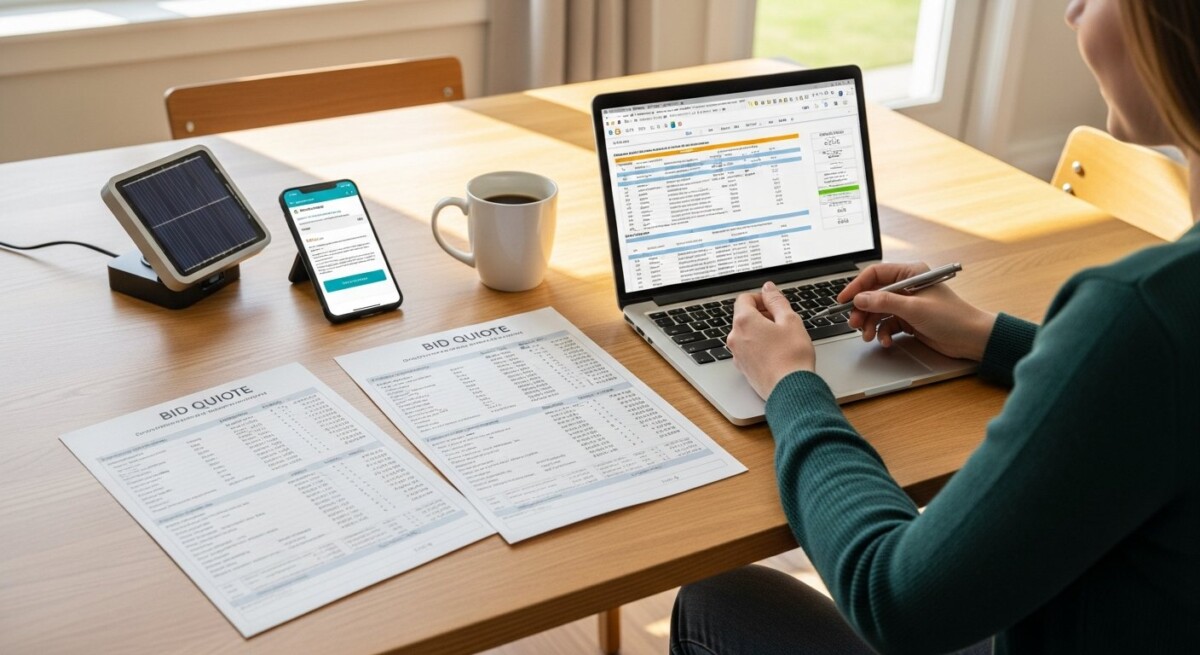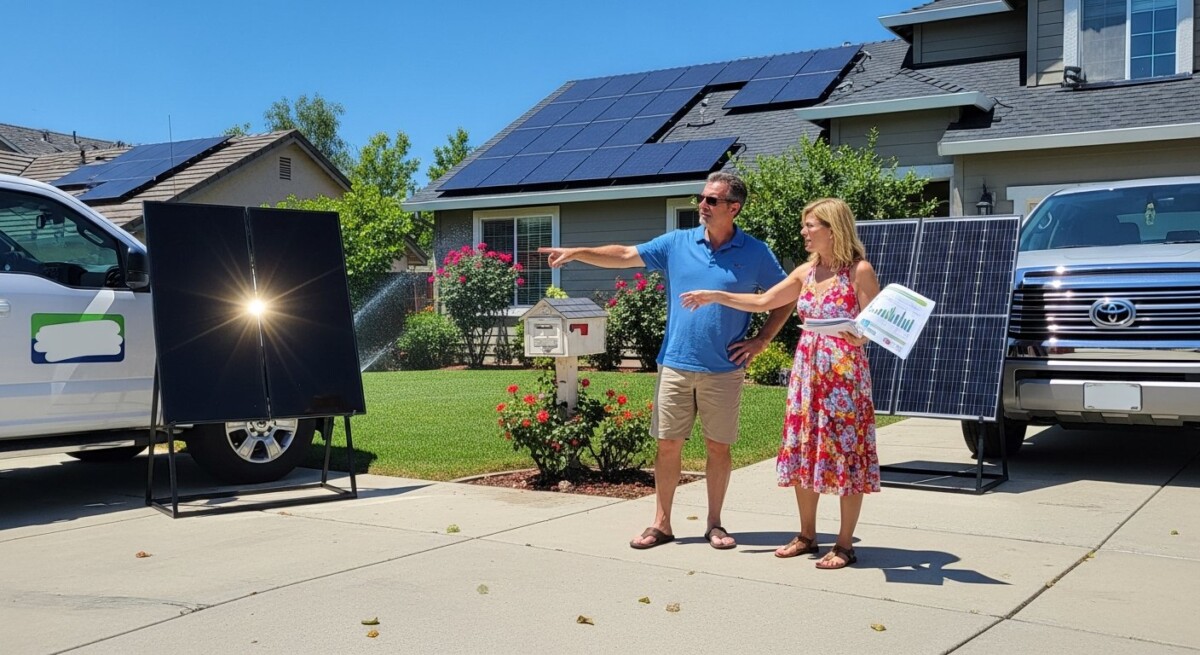
Finding the right solar installer is one of the most important decisions a homeowner can make. The solar panel market has grown rapidly across the United States, and with that growth comes a wide range of contractors, equipment options, and pricing models. Comparing solar installer quotes near me is the smartest way to ensure you get a system that fits your home, your budget, and your long-term energy goals. Without a proper comparison, you risk overpaying, choosing inferior equipment, or missing out on valuable incentives.
Many homeowners assume that all solar quotes are roughly the same. This assumption can lead to costly mistakes. Prices vary significantly based on the installer’s overhead, the brand and efficiency of the panels, the type of inverter, and the complexity of your roof. A quote that seems low might include lower-quality components or exclude essential services like monitoring and warranty coverage. On the other hand, a high quote might include premium equipment and comprehensive support that pays off over decades of energy production.
This guide walks you through every step of evaluating solar proposals. You will learn what to look for in a quote, how to spot hidden fees, which financing options work best, and how to use free quote services to streamline your search. By the end, you will feel confident making an informed decision that saves you money and reduces your carbon footprint.
Why Comparing Multiple Quotes Matters
Solar panel installation is a major home improvement project with a typical cost ranging from $15,000 to $30,000 before incentives. The difference between a well-negotiated quote and an average one can be thousands of dollars. When you request solar installer quotes near me from at least three different companies, you gain leverage and insight. You see what each installer values, whether they prioritize customer service, premium hardware, or competitive pricing.
Beyond price, quotes reveal important details about the installer’s approach. Some companies include thorough roof inspections and structural assessments. Others provide a simple estimate based on satellite imagery. The level of detail in a quote often reflects the quality of service you can expect during and after installation. A vague or rushed quote is a red flag. A detailed, transparent proposal shows that the company takes its work seriously.
Another critical factor is equipment selection. Solar panels, inverters, and mounting systems vary in efficiency, durability, and warranty length. Comparing quotes side by side lets you see which brands each installer recommends and why. You might find that one installer offers a premium panel with a 25-year warranty at a slightly higher price, while another offers a budget panel with only a 12-year warranty. The long-term value of the premium option often outweighs the upfront savings.
Key Components of a Solar Quote
When you receive a solar proposal, it should include several specific elements. Understanding each component helps you compare apples to apples. A complete quote typically covers the following areas.
System Size and Estimated Production
The quote should state the total system size in kilowatts (kW) and the estimated annual energy production in kilowatt-hours (kWh). These numbers depend on your roof’s orientation, shading, and local sunlight hours. A reputable installer uses software like Aurora or Helioscope to model your home’s solar potential. If a quote lists production numbers without explanation, ask how they calculated them. Reliable estimates are based on site-specific data, not generic averages.
Equipment Details
Every major component should be listed by brand, model, and warranty. This includes solar panels, inverters (or microinverters/optimizers), racking or mounting hardware, and any battery storage if included. Look for panels with efficiency ratings above 20% and inverters with at least a 10-year warranty. Many top-tier manufacturers now offer 25-year performance guarantees. The quote should also specify whether the warranty covers parts, labor, or both.
Installation Costs and Fees
The total price should break down into equipment, labor, permits, and any additional fees. Some quotes include a line item for overhead or profit margin. Others bundle everything into a single price. Ask about potential extra costs such as electrical panel upgrades, tree trimming, or roof repairs. These costs can add $1,000 to $5,000 or more. A transparent installer will identify these possibilities during the initial quote rather than surprising you later.
Financing Terms
Most solar companies offer multiple financing options: cash purchase, solar loan, solar lease, or power purchase agreement (PPA). The quote should clearly state the terms for each option, including interest rates, loan duration, monthly payments, and any prepayment penalties. Be wary of loans with high dealer fees that inflate the system cost. A cash price is typically the lowest, but loans and leases can make solar accessible with zero down. Compare the total cost over 20 years, not just the monthly payment.
How to Evaluate and Compare Quotes
Once you have three or more quotes, you need a systematic way to compare them. Start by normalizing the data. Convert all prices to cost per watt. To calculate cost per watt, divide the total system price (before incentives) by the system size in watts. For example, a $20,000 system with a size of 6,000 watts (6 kW) costs $3.33 per watt. The national average in 2025 is roughly $2.50 to $3.50 per watt before incentives. A quote above $4.00 per watt may be overpriced unless it includes premium equipment or extensive work.
Next, compare the estimated annual production. A system that produces more kWh per kW of capacity is more efficient. This metric is called the production ratio. A ratio of 1.2 to 1.5 is typical for most U.S. locations. If one quote has a significantly lower ratio, ask why. It could be a sign of shading issues, poor panel orientation, or an installer who underestimated your roof’s potential.
Warranty coverage is another major differentiator. Look for comprehensive warranties that cover panels, inverters, workmanship, and roof penetration. Panel warranties should guarantee at least 80% power output after 25 years. Inverter warranties vary by type: string inverters often have 5 to 10 years, while microinverters offer 20 to 25 years. Workmanship warranties from the installer should last at least 10 years. A company that stands behind its work will offer a strong warranty without excessive fine print.
Finally, check the installer’s reputation. Read reviews on Google, Yelp, and the Better Business Bureau. Look for patterns in feedback. A few negative reviews are normal, but consistent complaints about poor communication, delays, or unresolved issues are warning signs. Ask each installer for references from recent customers in your area. A reputable company will happily provide them.
Financing Options and Incentives
Solar financing can be confusing, but it is essential to understand before signing a contract. The federal solar Investment Tax Credit (ITC) allows you to deduct 30% of the system cost from your federal taxes. This credit applies to both cash purchases and loans. Leases and PPAs typically transfer the credit to the installer, which is why they offer lower monthly payments but no ownership benefit.
Many states and utilities offer additional incentives. These include rebates, performance-based incentives, and net metering programs. Net metering credits you for excess electricity your system sends back to the grid. The value of these credits varies by utility. Some offer full retail rate, while others offer a lower wholesale rate. Ask your installer how net metering works in your area and factor that into your savings estimate.
When comparing financing, look at the total cost of ownership. A cash purchase gives you the best long-term savings because you avoid interest and fees. A solar loan can be a good middle ground if you want to own the system but cannot pay upfront. Be cautious of loans with high dealer fees that are built into the system price. These fees can add 20% to 30% to the cost. A loan with a lower interest rate but high dealer fees may end up costing more than a loan with a slightly higher rate and no fees.
Leases and PPAs require little to no money down, but they also provide lower savings over time. With a lease, you pay a fixed monthly amount for the electricity the system produces. With a PPA, you pay a per-kWh rate that typically increases by 1% to 3% each year. Both options include maintenance and monitoring, but you do not own the system or qualify for the ITC. If you plan to stay in your home for less than 10 years, a lease or PPA might make sense. If you plan to stay longer, ownership is usually better.
Red Flags to Watch For
Not all solar installers operate with integrity. Some use high-pressure sales tactics, misleading savings claims, or hidden fees. Here are common red flags to avoid.
- Guaranteed savings without a detailed audit: Any installer who promises exact savings without a site visit and energy bill analysis is exaggerating. Real savings depend on your current electricity rates, usage patterns, and local net metering policies.
- Pressure to sign immediately: Legitimate companies give you time to compare quotes and review terms. If a salesperson says a price is only available today, walk away. That tactic is designed to prevent you from shopping around.
- Vague equipment descriptions: A quote that says premium panels or high-efficiency inverter without naming brands and models is hiding something. You deserve to know exactly what you are paying for.
- Unusually low price: A quote that is significantly lower than others may indicate substandard equipment, inexperienced installers, or omitted costs. Cheap solar often leads to expensive repairs later.
- No mention of permits or inspections: Proper solar installation requires building permits and utility interconnection agreements. An installer who skips these steps is cutting corners and may leave you with a non-compliant system.
If you encounter any of these red flags, remove that installer from your list. The solar industry is competitive, and there are many honest, qualified companies ready to earn your business.
Using Free Quote Services to Simplify the Process
Requesting individual quotes from multiple companies can be time-consuming. That is where free quote services become valuable. Platforms like FreeSolarPowerQuotes connect you with pre-vetted, licensed solar installers in your area. You fill out a simple form with your address, electricity bill, and shading information. Within a few days, you receive multiple quotes from competing installers, all tailored to your home.
This approach saves hours of research and phone calls. It also ensures that you compare quotes from companies that meet basic quality standards. The service is free and carries no obligation. You can review the quotes at your own pace and choose the installer that best meets your needs. In our guide on finding solar quotes near you for major energy savings, we explain how to make the most of these platforms and avoid common pitfalls.
Once you receive quotes through a matching service, apply the same evaluation criteria discussed earlier. Compare cost per watt, equipment quality, warranty terms, and financing options. The convenience of a quote service does not replace the need for due diligence, but it does make the process more efficient and less overwhelming.
Questions to Ask Each Installer
Before making a final decision, schedule a call or in-person meeting with each installer. Prepare a list of questions that go beyond the quote. Ask about their experience with your specific roof type, whether they subcontract installation work, and how they handle ongoing monitoring and maintenance. A direct conversation reveals a lot about their professionalism and customer service philosophy.
Ask for proof of licensing, insurance, and certifications. Most states require solar contractors to hold a general contractor or electrical license. National certifications from the North American Board of Certified Energy Practitioners (NABCEP) are a strong indicator of technical expertise. Insurance should cover general liability and workers compensation. If an installer cannot provide these documents, move on.
Inquire about the timeline from contract signing to system activation. Typical residential installations take 4 to 8 weeks, depending on permitting and utility approvals. Delays are common, but a reliable installer will communicate proactively about any setbacks. Finally, ask about their post-installation support. Who do you call if a panel stops working? How quickly do they respond to service requests? A company that values long-term relationships will have clear answers.
Making Your Final Decision
After gathering and comparing all the data, trust your instincts along with the numbers. The cheapest quote is not always the best value, and the most expensive is not always the highest quality. Look for the installer that offers the best combination of fair pricing, quality equipment, strong warranties, and excellent customer reviews. A good installer will educate you, answer your questions patiently, and never pressure you.
Once you select an installer, review the contract carefully before signing. Confirm that all verbal promises are included in writing. Pay attention to cancellation policies, payment schedules, and warranty claim procedures. If something seems unclear, ask for clarification. A reputable company will welcome your thoroughness.
Solar energy is a long-term investment that can reduce your electricity bills, increase your home value, and help the environment. By taking the time to compare solar installers in Denver Colorado and save on energy bills or wherever you live, you set yourself up for success. The effort you put into evaluating quotes today will pay dividends for decades.
The process of comparing solar installer quotes near me does not have to be stressful. With the right knowledge and tools, you can navigate the market with confidence. Start by requesting quotes from multiple installers, use a free matching service to simplify your search, and apply the comparison framework outlined in this guide. Your future self, with lower utility bills and a cleaner conscience, will thank you.