Every month, you open your electricity bill and wince. Rates keep climbing, and the power grid feels less reliable than ever. That is why more homeowners are searching online for how to compare free solar estimates,and for good reason. Solar energy offers a path to lower bills, energy independence, and a smaller carbon footprint. But with so many installers promising big savings, how do you know which estimate is right for your home? The answer lies in comparing quotes carefully, not just picking the cheapest one.
Understanding How To Compare Free Solar Estimates
A free solar estimate is a detailed proposal from an installation company. It outlines the system size, equipment brand, total cost, financing options, and projected energy savings for your specific home. Think of it as a roadmap for your solar journey. The installer uses your past electricity bills, roof measurements, and local sunlight data to create a custom plan.
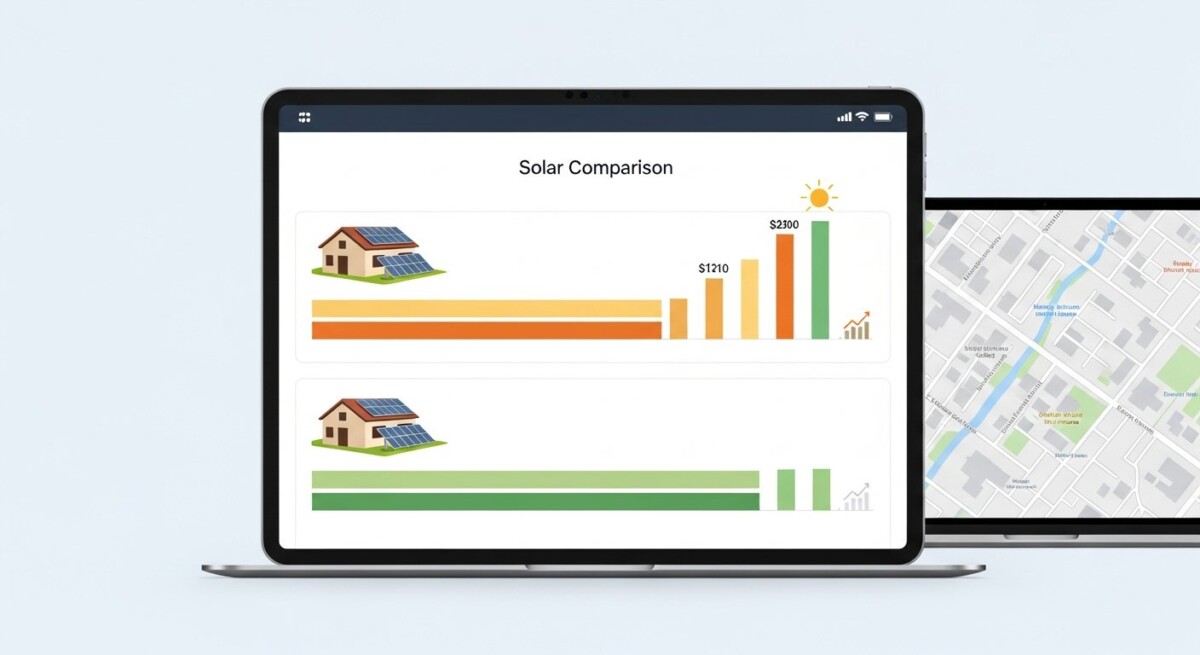
Comparing these estimates side by side helps you spot differences in pricing, equipment quality, and warranty terms. Without this comparison, you risk overpaying or ending up with a system that underperforms. In our guide on why solar estimates vary, we explain how factors like panel efficiency and installer overhead affect each quote.
What Makes a Solar Estimate Reliable?
A reliable estimate includes three key elements: a clear breakdown of hardware costs, a realistic production forecast, and transparent financing terms. Avoid quotes that lump everything into one vague number. You want to see the cost of panels, inverters, labor, permits, and any additional fees listed separately. This transparency lets you compare apples to apples across multiple providers.
Why Solar Energy Is Becoming More Popular
Electricity rates in the United States have risen by over 15% in the last five years, and experts predict continued increases. This steady climb makes solar an attractive long-term investment. Homeowners are tired of unpredictable utility bills and want to lock in lower energy costs for decades.
Environmental concerns also drive the shift. Solar panels produce clean energy without emitting greenhouse gases, helping families reduce their carbon footprint. Add in federal tax credits, state rebates, and net metering programs, and the financial case becomes even stronger. Many homeowners see solar as both a smart financial move and a way to contribute to a healthier planet.
If you are considering solar power for your home, comparing installation quotes can help you understand your options. Request a free solar quote or call to learn more.
Common Questions Homeowners Have About Solar
Before diving into quotes, most homeowners ask similar questions. How much does a system really cost? Will my roof support panels? What happens on cloudy days or at night? These concerns are normal, and good installers address them clearly in their estimates.
You also need to understand how solar interacts with your local utility. Some utilities offer net metering, which credits you for excess energy sent to the grid. Others have time-of-use rates that affect your savings. A trustworthy installer will explain these details and help you choose the right system size.
- How much will I save on my monthly electricity bill?
- What happens if my panels produce more energy than I use?
- Do I need a battery backup system?
- How long does installation take from start to finish?
- What warranties come with the panels and inverter?
- Will solar increase my home’s property taxes?
How Solar Panel Installation Works
Solar installation follows a straightforward process that typically takes one to three months from initial consultation to activation. Understanding each step helps you evaluate estimates more confidently. Installers with clear timelines and transparent processes are usually more reliable.
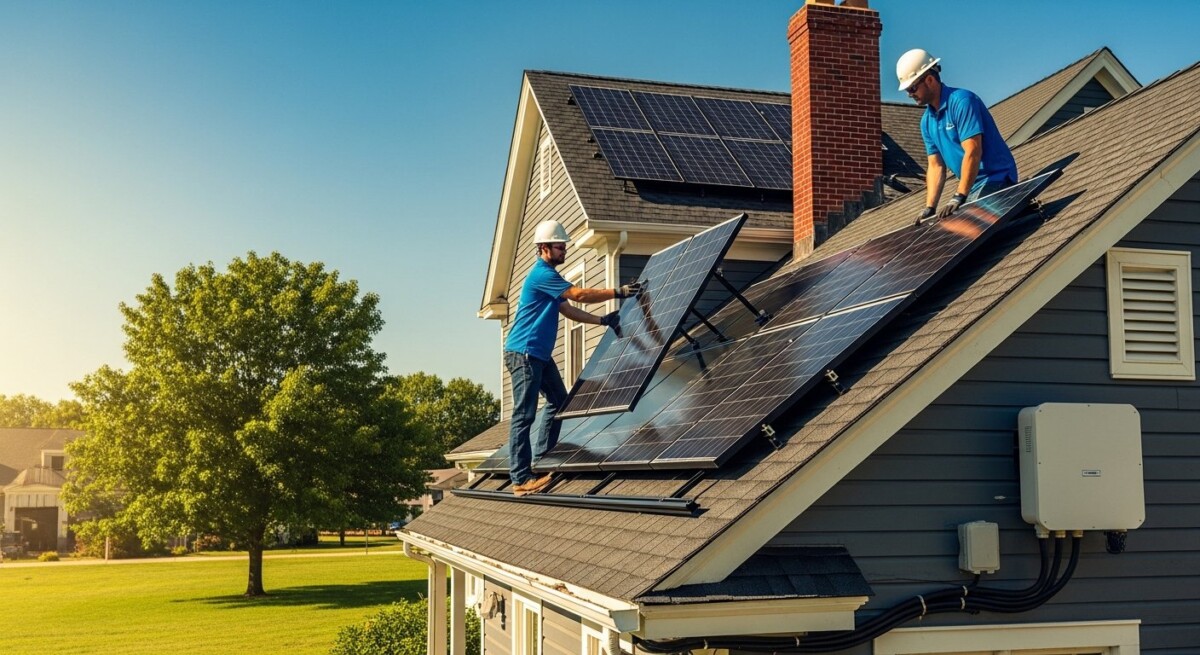
First, the company reviews your energy usage and roof characteristics. Then they design a system that maximizes sun exposure and meets your needs. After securing permits from your local government and utility, the physical installation begins. Most residential installations take one to three days, followed by inspections and grid connection.
- Home energy assessment , Reviewing 12 months of utility bills and analyzing your roof’s solar potential.
- System design , Creating a custom layout with panel placement, inverter type, and optional battery storage.
- Permits and approvals , Submitting paperwork to your city, HOA, and utility company for approval.
- Panel installation , Mounting panels, wiring the inverter, and connecting the system to your electrical panel.
- System activation , Passing final inspections and turning on the system to start generating electricity.
Speaking with experienced installers can help you determine the best solar solution for your home. Compare solar quotes here or call to explore available options.
Signs Your Home May Be Ideal for Solar
Not every home is equally suited for solar panels, but many are better candidates than homeowners realize. The most important factor is roof condition and orientation. A south-facing roof with little to no shade and at least 200 square feet of usable space is ideal. However, east- and west-facing roofs can also work well depending on your location.
Your current electricity usage matters too. If you pay more than $100 per month on average, solar can likely reduce your bills significantly. Homeowners who plan to stay in their home for seven years or more see the greatest financial returns from solar investment. For a deeper look at how accurate these projections are, check out our analysis on how accurate free solar estimates are for real savings.
- Your roof gets at least 4 hours of direct sunlight per day.
- You pay more than $100 per month for electricity.
- Your roof is less than 15 years old and in good condition.
- You plan to stay in your home for at least five more years.
- Your local utility offers net metering or solar incentives.
- Your HOA and local building codes allow solar panel installation.
What Affects Solar Installation Costs
Solar system prices vary widely based on several factors. System size, measured in kilowatts, is the biggest driver,larger systems cost more but generate more electricity. Equipment quality also matters: premium panels and microinverters cost more upfront but often deliver better performance and longer warranties.
Installation complexity adds to the price. A simple roof with easy attic access and a standard electrical panel costs less to wire than a complex multi-story home with tile roofing. Local incentives can reduce your out-of-pocket cost by thousands of dollars. Federal tax credits, state rebates, and utility incentives change frequently, so comparing quotes helps you find the best deal in your area.
The cost of solar installation varies depending on your home and energy needs. Request personalized solar quotes or call to see what options are available.
Tips for Choosing a Reliable Solar Installer
Choosing the right installer is just as important as choosing the right equipment. A reputable company stands behind its work with strong warranties and transparent communication. Start by checking each installer’s licensing, insurance, and Better Business Bureau rating. Experience matters,look for companies with at least three years in business and hundreds of completed installations.
Customer reviews reveal a lot about service quality. Read recent reviews on Google, Yelp, and solar-specific forums. Pay attention to comments about communication, installation timelines, and post-installation support. A company that responds professionally to negative reviews is often more trustworthy than one with perfect ratings and no complaints.
- Verify the installer’s state license and general liability insurance.
- Ask for at least three recent customer references in your area.
- Compare warranty terms: workmanship, equipment, and production guarantees.
- Read online reviews on multiple platforms, not just the company’s website.
- Get quotes from at least three different installers before deciding.
- Ask about financing options, including cash, loan, and lease agreements.
Long-Term Benefits of Installing Solar Panels
The most obvious benefit is lower electricity bills. Most homeowners save between $600 and $2,000 per year depending on system size, local rates, and sun exposure. Over the 25- to 30-year lifespan of a solar system, those savings add up to tens of thousands of dollars,far exceeding the upfront installation cost.
Solar panels also increase your home’s resale value. Studies show that homes with solar systems sell for about 4% more than comparable homes without solar. Buyers recognize the value of lower utility bills and energy independence. Plus, generating your own clean energy reduces reliance on fossil fuels and lowers your household’s carbon emissions by three to four tons per year.
Frequently Asked Questions
How do I know if a free solar estimate is accurate?
Accuracy depends on the quality of data the installer uses. A reliable estimate includes a review of your actual utility bills, not just regional averages, and uses satellite or on-site roof measurements. Ask the installer to explain how they calculated your projected savings and verify their assumptions about future electricity rate increases.
Should I choose the lowest-priced solar quote?
Not necessarily. The cheapest quote may use lower-quality equipment, shorter warranties, or less experienced installers. Compare the total cost per watt, equipment brands, warranty terms, and the company’s reputation before making a decision. Sometimes paying a little more upfront leads to better long-term performance and fewer headaches.
How long does it take to recoup my solar investment?
The payback period typically ranges from 6 to 12 years depending on your electricity rates, system cost, and available incentives. After that point, your electricity is essentially free for the remaining life of the system. A good installer will include a payback projection in your estimate.
Do I need a battery with my solar panels?
Batteries are optional but increasingly popular. They store excess energy for use at night or during power outages. If your utility offers net metering at full retail rate, a battery may not be cost-effective. If you experience frequent outages or want maximum energy independence, a battery adds value.
Will solar panels work on a shaded roof?
Partial shading reduces energy production but doesn’t necessarily rule out solar. Modern microinverters and power optimizers minimize the impact of shade on individual panels. An installer can model your roof’s sun exposure and recommend the best equipment and panel layout to maximize output.
What maintenance do solar panels require?
Solar panels are very low maintenance. Rain usually washes away dirt and debris. You should inspect them once or twice a year and clean them if you notice significant buildup. Most systems come with monitoring software that alerts you to performance issues, so you can address problems quickly.
Can I take solar panels with me if I move?
Technically yes, but the cost of removal and reinstallation often outweighs the benefit. Most homeowners leave the system for the new owners, who benefit from lower electric bills. This can be a strong selling point when you list your home.
How much does a typical residential solar system cost in 2025?
After the federal tax credit, a typical 6 kW to 8 kW system costs between $12,000 and $20,000. Prices vary by location, equipment, and installer. Comparing multiple free estimates is the best way to find a competitive price for your specific home.
Exploring solar energy is a smart step toward lower electricity bills and a more sustainable future. By learning how to compare free solar estimates, you empower yourself to choose a system that fits your home and budget. The best time to start is now,request quotes from trusted installers and see how much you can save.