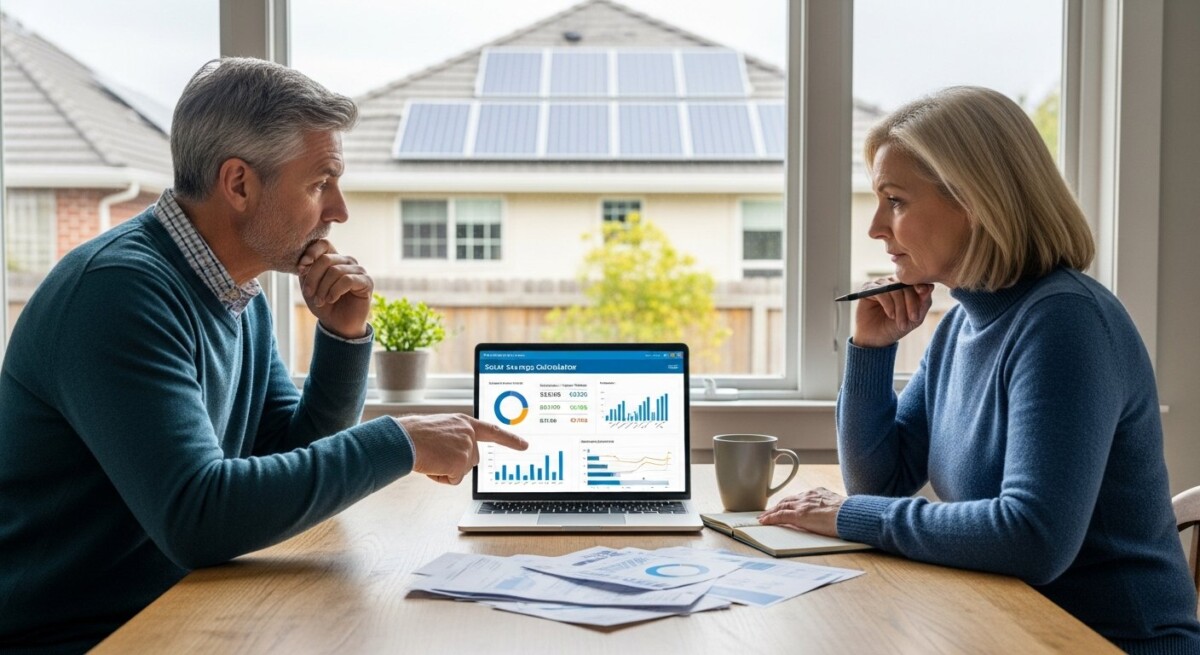
You open your monthly electricity bill and feel a familiar sting. Those rising costs make you wonder if there is a better way. Many homeowners are now searching for how to evaluate solar quote accuracy to ensure they get the best deal. The promise of reducing energy bills and gaining energy independence is powerful, but a bad solar quote can waste thousands of dollars. Learning to spot an accurate quote is the first step toward a smart investment.
Understanding How to Evaluate Solar Quote Accuracy
A solar quote is more than just a price tag. It is a detailed proposal that outlines the equipment, installation costs, expected energy production, and estimated savings. Learning how to evaluate solar quote accuracy means checking each of these components to see if they match your home’s actual needs and local conditions.
An accurate quote will be transparent about system size in kilowatts, panel efficiency, inverter type, and warranty terms. It will also include a realistic projection of how much electricity you can expect to generate each year. This matters because an inflated production estimate can make a system look more profitable than it really is, leading to disappointment later.
More homeowners are comparing quotes because they want to avoid overpaying or under-sizing their system. By understanding what a fair and accurate quote looks like, you can negotiate with confidence and choose an installer who puts your interests first. In our guide on what affects solar quote accuracy, we break down the numbers that matter most.
Why Solar Energy Is Becoming More Popular
Electricity rates have been climbing steadily across the United States. For many families, solar panels offer a way to lock in lower energy costs for decades. Instead of paying the utility company more each year, you generate your own power and protect your budget from future rate hikes.
Environmental concerns also drive the shift. Homeowners want to reduce their carbon footprint and contribute to a cleaner planet. Solar energy produces no emissions and uses a free, renewable resource,the sun. Pairing these environmental benefits with long-term financial savings makes solar an attractive option for millions of households.
Government incentives and rebates further sweeten the deal. The federal solar tax credit allows you to deduct a significant percentage of your installation costs from your taxes. Many states and local utilities offer additional rebates or performance-based incentives, which can lower your upfront cost by thousands of dollars.
If you are considering solar power for your home, comparing installation quotes can help you understand your options. Request a free solar quote or call to learn more.
Common Questions Homeowners Have About Solar
Before making a decision, most homeowners have several questions. The most common ones revolve around cost, roof suitability, and system performance. Understanding these concerns helps you evaluate solar quote accuracy more effectively.
For example, you might wonder if your roof gets enough sunlight or if your home qualifies for net metering. You may also ask how long it will take for the system to pay for itself. A trustworthy installer will answer these questions clearly and back their claims with data.
- How much will solar panels actually save me each month?
- Is my roof strong enough and oriented correctly for solar?
- What happens on cloudy days or at night?
- How long do solar panels last, and what maintenance do they need?
- Can I add a battery for backup power?
- Are there financing options that fit my budget?
How Solar Panel Installation Works
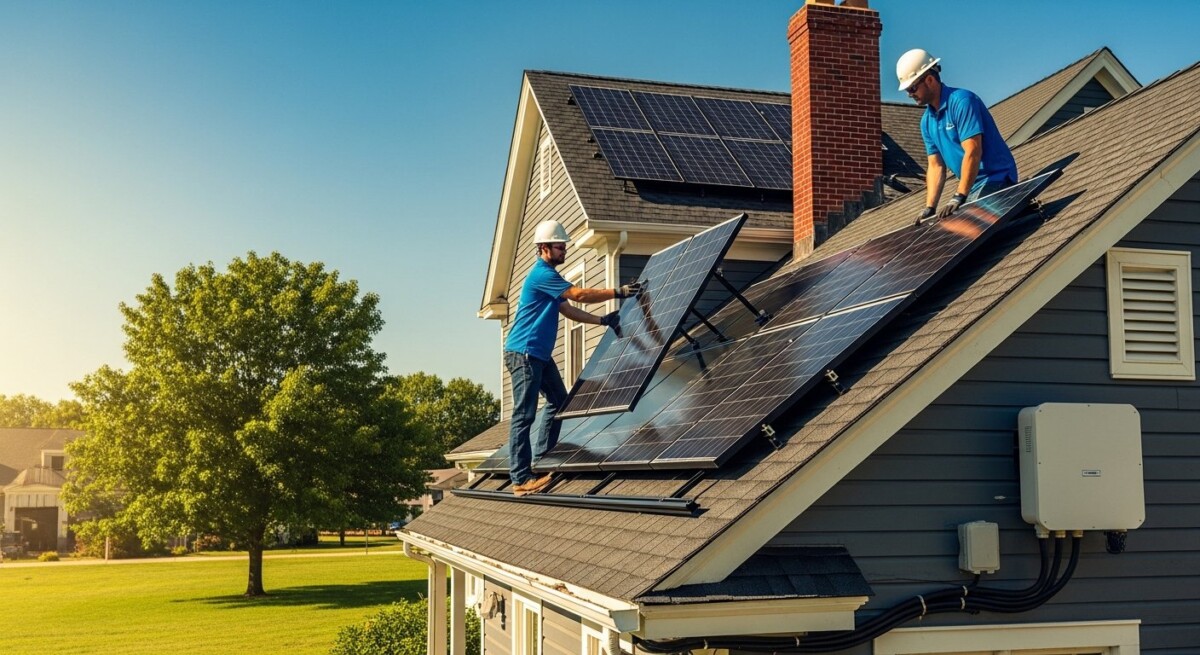
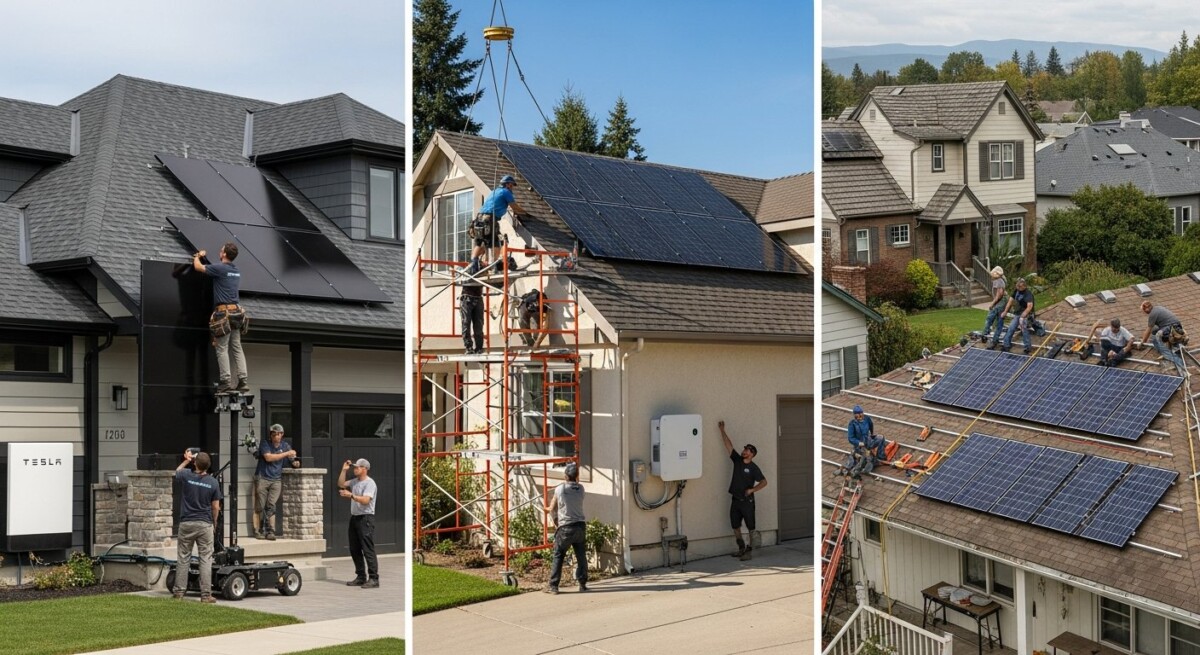
The installation process may sound complex, but professional installers handle most of the heavy lifting. It starts with a home energy assessment, where an expert reviews your electricity usage and examines your roof. They use this information to design a system that meets your specific needs.
After the design is finalized, the installer handles permits and approvals from your local government and utility company. This step ensures your system meets all safety and grid connection requirements. Once permits are in place, the actual installation usually takes one to three days, depending on the system size.
- Home energy assessment and roof inspection
- System design and equipment selection
- Permitting and utility approvals
- Panel and inverter installation
- Final inspection and system activation
Speaking with experienced installers can help you determine the best solar solution for your home. Compare solar quotes here or call to explore available options.
Signs Your Home May Be Ideal for Solar
Not every home is equally suited for solar panels, but many are. The best candidates have a roof that faces south, west, or east with minimal shading from trees or nearby buildings. If your roof gets several hours of direct sunlight each day, you are in a strong position to generate meaningful savings.
High electricity bills are another strong indicator. If you pay a lot for power each month, solar can offset a large portion of that cost. Also, if you plan to stay in your home for at least five to ten years, the long-term savings will justify the upfront investment.
- Your roof gets strong, direct sunlight for most of the day
- Your monthly electricity bills are high or increasing
- You have enough unobstructed roof space for the panels
- You plan to stay in your home for the next several years
- Your local utility offers net metering or fair compensation for excess power
What Affects Solar Installation Costs
Solar system prices vary widely based on several factors. The size of the system, measured in kilowatts, is the biggest driver. A larger system that produces more electricity will cost more upfront but may deliver greater long-term savings. Equipment quality also matters,premium panels and inverters often come with better warranties and higher efficiency.
Installation complexity can raise costs too. If your roof is steep, has multiple angles, or requires electrical panel upgrades, the labor may be higher. Finally, local incentives and rebates can significantly reduce your net cost. Some states offer substantial tax credits or cash rebates that lower the price by thousands of dollars.
The cost of solar installation varies depending on your home and energy needs. Request personalized solar quotes or call to see what options are available.
Tips for Choosing a Reliable Solar Installer
Choosing the right installer is just as important as choosing the right equipment. A reliable installer will have proper licensing, insurance, and a proven track record. They should also offer clear warranties on both the equipment and their workmanship. Checking online reviews and asking for references can give you confidence in your choice.
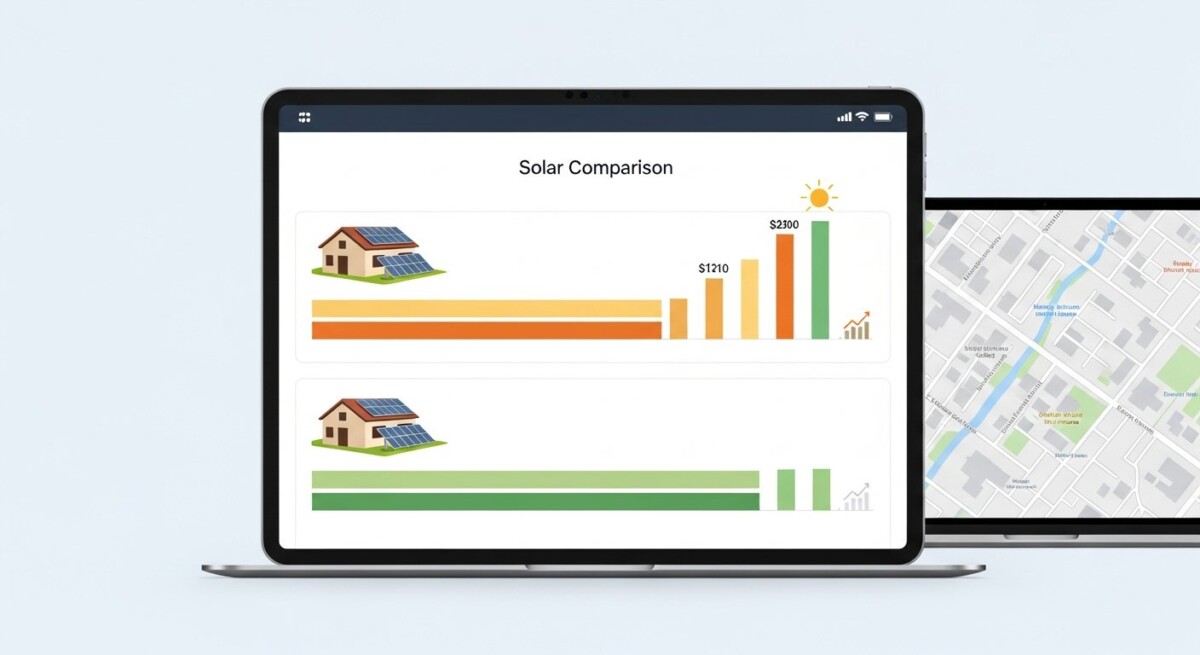
Another key tip is to get multiple quotes. Comparing at least three proposals lets you see what different companies offer at different price points. This is where knowing how to evaluate solar quote accuracy pays off,you can spot inconsistencies in production estimates or pricing.
- Review the installer’s experience and certification (e.g., NABCEP)
- Check warranty coverage on panels, inverters, and installation labor
- Read customer reviews on sites like Google, Yelp, and the Better Business Bureau
- Compare at least three quotes to understand the market range
Long-Term Benefits of Installing Solar Panels
The most obvious benefit is lower electricity bills. Once your system is paid off, the electricity it generates is essentially free. Over a 25-year warranty period, a typical solar system can save tens of thousands of dollars, depending on your local utility rates and sun exposure.
Solar panels also increase your home’s resale value. Studies show that homes with solar systems sell for a premium compared to similar homes without solar. Buyers appreciate the reduced utility costs and the environmental benefits. Plus, you gain a measure of energy independence, protecting yourself from unpredictable rate hikes and grid outages when paired with battery storage.
Finally, there is the satisfaction of contributing to a cleaner environment. Every kilowatt-hour of solar power avoids the carbon emissions associated with fossil fuel electricity. For many homeowners, this combination of financial and environmental returns makes solar one of the most rewarding home improvements they can make.
Frequently Asked Questions
How do I know if a solar quote is accurate?
An accurate solar quote includes detailed information about system size, panel and inverter models, estimated annual production, and a breakdown of costs. It should also show the assumptions used for production estimates, such as roof tilt and shading. Compare the quote with your actual electricity usage and get a second opinion if something seems too good to be true.
What should I look for when comparing solar quotes?
When comparing quotes, focus on the total cost per watt, the quality of the equipment, and the warranty terms. Also compare the estimated energy production and how it aligns with your electricity bills. Be wary of quotes that show very high savings without explaining how they were calculated.
How much can solar panels reduce my electricity bill?
Most homeowners see a 50% to 90% reduction in their monthly electricity bills, depending on system size and local sun exposure. Some households with net metering may even eliminate their bills entirely. Your actual savings depend on your energy usage, the system’s production, and your utility’s rate structure.
Is my roof suitable for solar panels?
Most roofs can accommodate solar panels if they are in good condition and receive adequate sunlight. A south-facing roof with little shading is ideal, but east- and west-facing roofs can also work well. A professional installer will assess your roof’s age, material, and structure during the free evaluation.
How long does it take to recoup the cost of solar panels?
The payback period for solar panels typically ranges from 6 to 12 years, depending on your system cost, electricity rates, and available incentives. After that point, the electricity your panels produce is essentially free. Federal and state tax credits can shorten this payback period significantly.
What happens if my solar panels produce more electricity than I use?
Excess electricity is usually sent back to the grid, and your utility may credit you through net metering. These credits can offset the electricity you use at night or on cloudy days. Some utilities offer cash payments for excess generation, though the rates vary by location.
Do solar panels work during a power outage?
Standard grid-tied solar systems shut down during a power outage for safety reasons. If you want backup power during an outage, you need a solar battery system like the Tesla Powerwall or similar. Batteries store excess energy for use when the grid is down.
What government incentives are available for solar panels?
The federal solar investment tax credit (ITC) allows you to deduct 30% of your installation costs from your federal taxes. Many states also offer additional rebates, tax credits, or performance payments. Local utility companies may have their own programs, so it pays to research what is available in your area.
Evaluating solar quote accuracy does not have to be overwhelming. By understanding the key components of a quote, comparing multiple offers, and choosing a trusted installer, you can make a confident decision that saves you money and helps the environment. Start today by requesting free quotes from vetted professionals and take the first step toward energy independence.