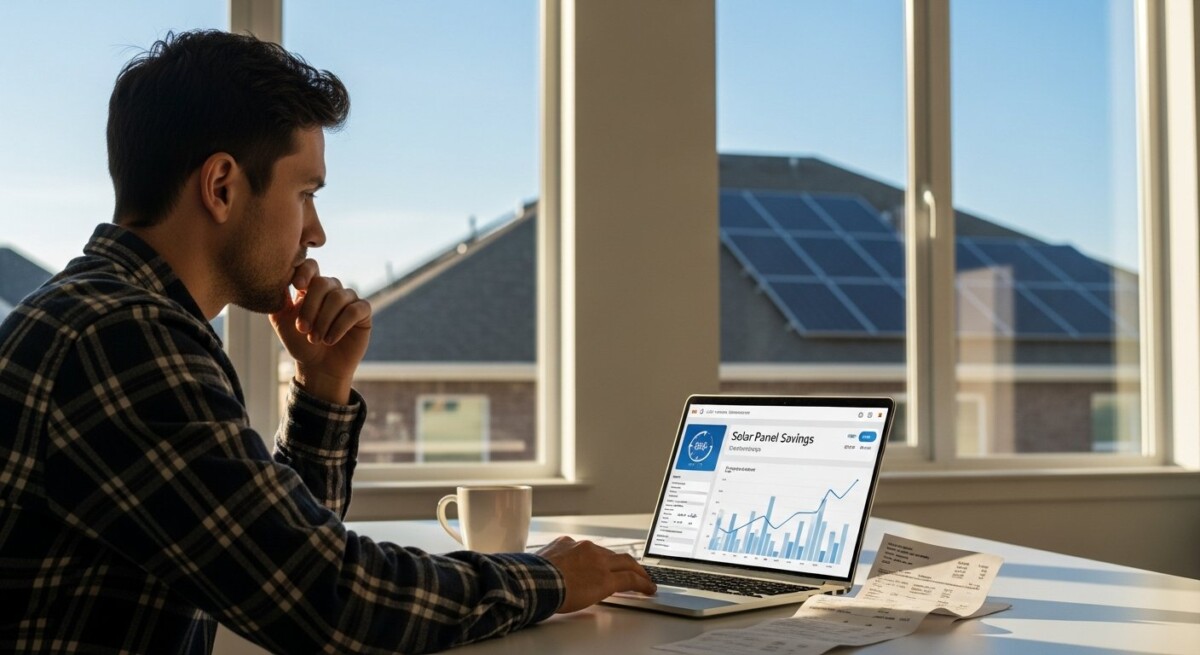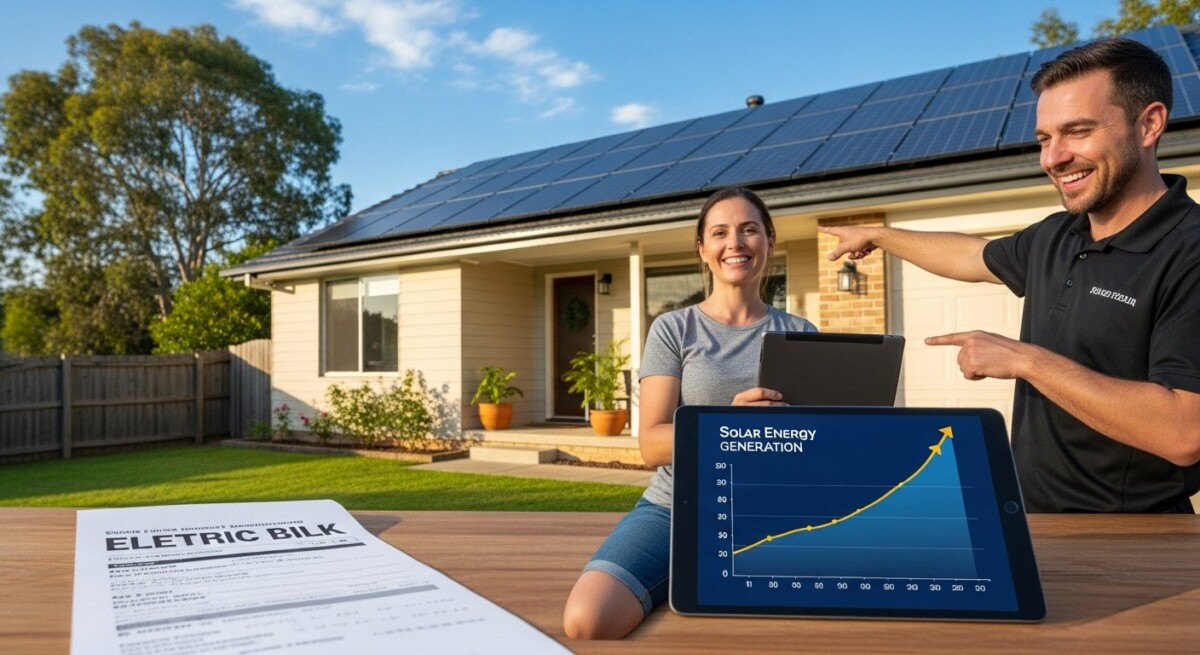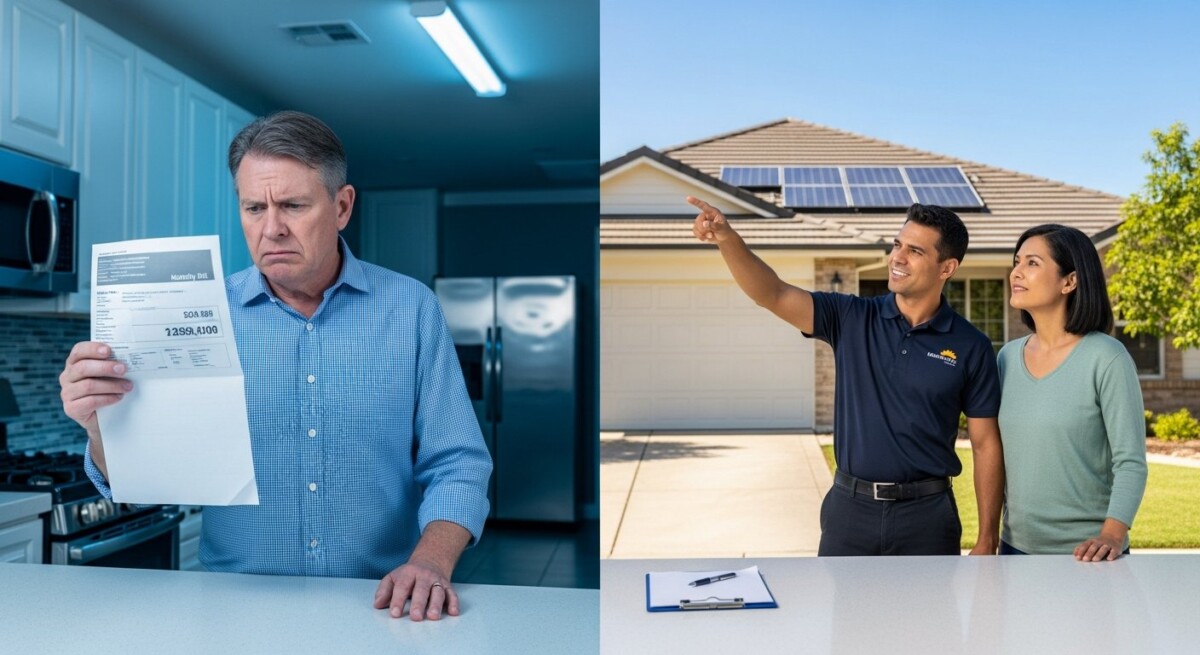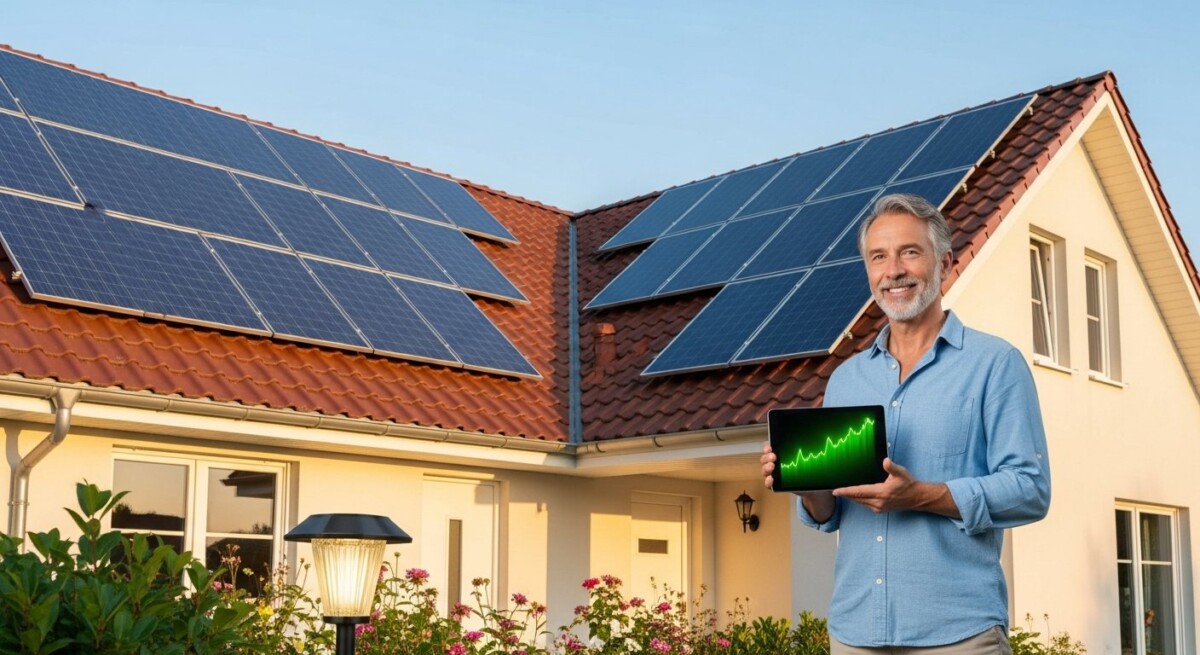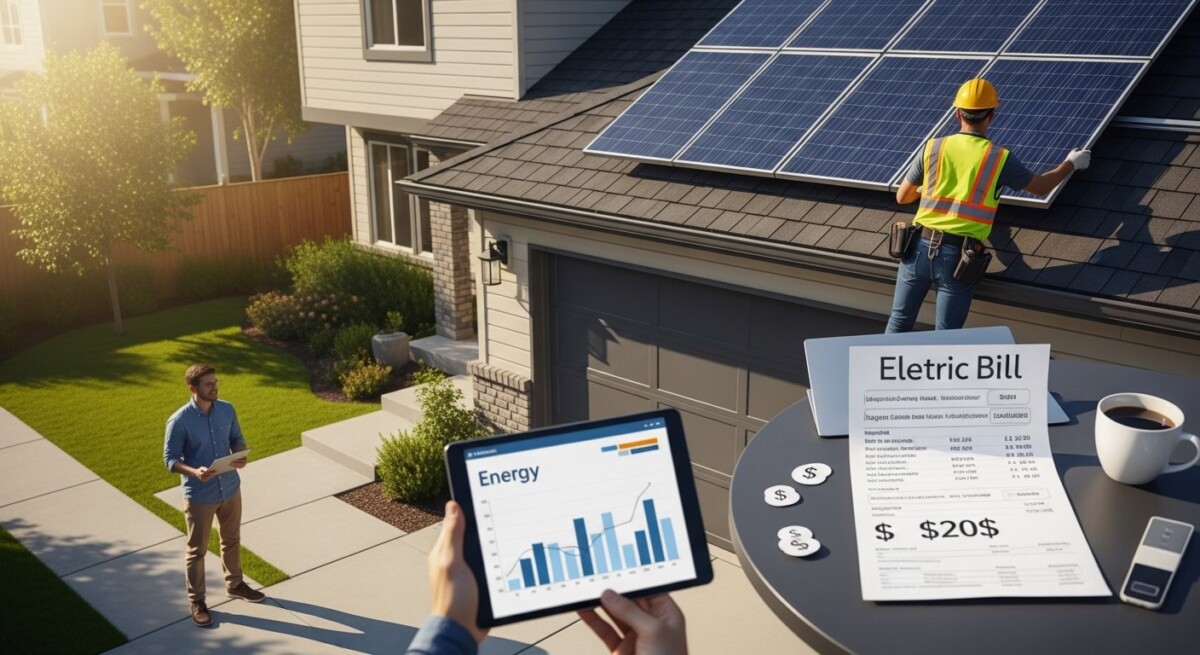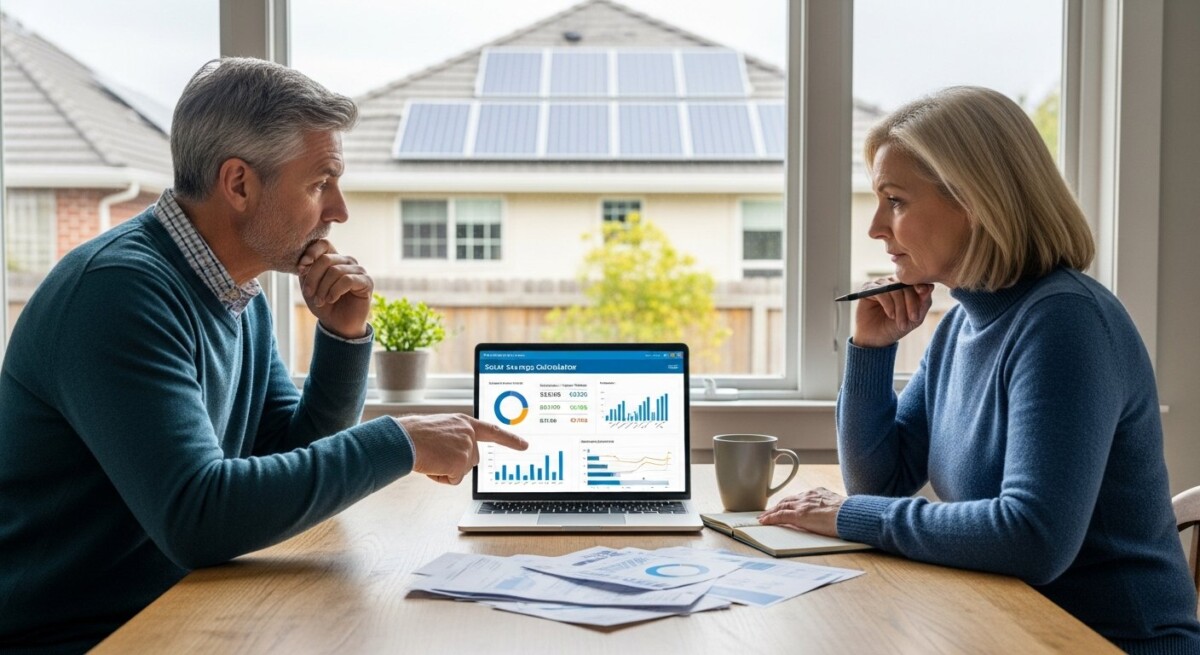
You open your monthly electricity bill and notice the number has crept up again. For many homeowners, this frustrating pattern sparks a search for a smarter, more stable solution. That’s when the idea of solar energy comes into focus,a way to reduce energy bills and become less dependent on the power grid. This article offers a clear solar system investment analysis so you can understand the financial and environmental benefits of going solar.
Understanding Solar System Investment Analysis
A solar system investment analysis simply means looking at the upfront cost of solar panels compared to the long-term savings they provide. Think of it as a financial checkup for your home: you calculate how much you spend on electricity now, estimate how much solar will save you over 20,25 years, and then decide if the investment makes sense for your budget.
Solar panels work by converting sunlight into direct current (DC) electricity. An inverter changes that DC power into alternating current (AC) electricity your home can use. When your system produces more power than you need, the extra energy often flows back to the grid, earning you credits through net metering. More homeowners are considering solar because it offers predictable energy costs and protection from rising utility rates.
Why Solar Energy Is Becoming More Popular
Electricity prices have risen steadily over the past decade, and many homeowners feel the pinch. Solar energy offers a way to lock in a lower, more predictable rate for decades. Instead of paying the utility company more each year, you generate your own power and keep more money in your pocket.
Environmental concerns also play a big role. Solar power produces no greenhouse gases during operation, which means you can reduce your household carbon footprint significantly. And the long-term savings are real: most homeowners recoup their investment within 7,10 years and then enjoy free electricity for the remaining life of the system.
If you are considering solar power for your home, comparing installation quotes can help you understand your options. Request a free solar quote or call (855) 444-6326 to learn more.
Common Questions Homeowners Have About Solar
Many homeowners wonder about the upfront cost of solar installation. The average residential system costs between $15,000 and $25,000 before incentives, but federal and state tax credits can reduce that amount by 30% or more. Another common question is whether a roof can support panels,most roofs with 15,20 years of life left are suitable.
People also ask about system performance on cloudy days or during winter. Solar panels still generate electricity in indirect sunlight, though output is lower. Modern systems are designed to meet your annual energy needs, not just peak summer production.
- How much does a solar system cost after incentives?
- Will solar panels work on my roof type?
- How long does installation take?
- What happens during a power outage?
- Do I need a battery with my solar system?
- How do I maintain solar panels?
How Solar Panel Installation Works
Installing solar panels is a straightforward process when you work with a professional installer. It begins with a home energy assessment to evaluate your electricity usage and roof condition. The installer then designs a custom system that fits your roof and meets your energy goals.
After you approve the design, the installer handles permits and approvals from your local government and utility company. The physical installation usually takes one to three days, followed by an inspection and system activation. From start to finish, most projects are complete within four to eight weeks.
- Home energy assessment and roof inspection
- Custom system design and equipment selection
- Permitting and utility approvals
- Panel and inverter installation
- Final inspection and system activation
Speaking with experienced installers can help you determine the best solar solution for your home. Compare solar quotes here or call (855) 444-6326 to explore available options.
Signs Your Home May Be Ideal for Solar
Not every home is perfectly suited for solar, but many are. If your roof faces south or west and receives strong sunlight for most of the day, you have a great candidate. High electricity bills are another strong indicator,the more you pay the utility, the more solar can save you.
You also need enough usable roof space. A typical 6,8 kilowatt system requires about 400,600 square feet. If you plan to stay in your home for five years or more, solar becomes an even smarter financial move because you have time to fully recoup your investment.
- Unshaded roof with south or west exposure
- Monthly electricity bills over $100,$150
- Roof in good condition with 15+ years of life left
- Plan to stay in your home for at least 5,7 years
- State or local incentives available in your area
What Affects Solar Installation Costs
Several factors influence the total cost of a solar system. The size of the system,measured in kilowatts,directly affects the price because larger systems require more panels and equipment. Equipment quality also matters: premium panels and inverters cost more upfront but often produce more power and last longer.
Installation complexity can add to the price. A simple roof with easy access costs less to install than a steep, multi-story roof with complex wiring. Local incentives and rebates can lower your net cost significantly, so it pays to research what’s available in your state and city.
The cost of solar installation varies depending on your home and energy needs. Request personalized solar quotes or call (855) 444-6326 to see what options are available.
Tips for Choosing a Reliable Solar Installer
Choosing the right installer is one of the most important decisions you will make. A reliable company will conduct a thorough site assessment, explain equipment options clearly, and provide a detailed quote with no hidden fees. Look for installers with at least three to five years of experience and strong customer reviews.
Warranties matter, too. A good installer offers a workmanship warranty of at least 10 years and uses panels with a 25-year performance guarantee. Reading online reviews and checking the Better Business Bureau can help you avoid companies with poor service records.
- Review installer experience and certifications
- Check panel and inverter warranties (25-year performance warranty preferred)
- Read customer reviews on Google and Yelp
- Compare at least three quotes from different companies
- Ask about maintenance and monitoring services
Long-Term Benefits of Installing Solar Panels
The most obvious benefit is lower electricity bills. Once your system is paid off, you generate free power for the remaining life of the panels, which is typically 25,30 years. Solar panels also increase your home’s resale value,studies show that homes with solar sell for about 4% more than comparable homes without it.
Environmentally, solar reduces your reliance on fossil fuels and cuts your household carbon emissions by three to four tons per year. Energy independence means you are less affected by grid outages and utility rate hikes. As you evaluate your solar system investment analysis, remember that the financial and environmental returns compound over time, making solar one of the smartest home improvements you can make.
How long does it take to recoup a solar investment?
Most homeowners recoup their solar investment within 7 to 10 years through lower electricity bills. After that break-even point, the electricity your panels produce is essentially free. The exact payback period depends on your local electricity rates, system size, and available incentives.
What is the average cost of a solar system in 2025?
The average cost of a residential solar system ranges from $2.50 to $3.50 per watt before incentives. For a typical 6-kilowatt system, that means a total cost between $15,000 and $21,000. Federal tax credits and state rebates can reduce that cost by 30% or more.
Do solar panels work during a power outage?
Standard grid-tied solar systems shut down during a power outage for safety reasons. If you want backup power during an outage, you need a solar battery system like the Tesla Powerwall or Enphase Encharge. Batteries store excess solar energy for use when the grid goes down.
How much can I save on my electricity bill with solar?
Most homeowners save between 50% and 90% on their monthly electricity bills after installing solar. The exact savings depend on your energy consumption, system size, and local net metering policies. In some cases, homeowners reduce their bills to near zero.
What maintenance do solar panels require?
Solar panels require very little maintenance. Rain usually keeps them clean enough, but occasional rinsing with a hose can remove dust or bird droppings. Most systems come with monitoring software that alerts you to performance issues, and professional inspections every few years are recommended.
Are there government incentives for solar in 2025?
Yes, the federal solar investment tax credit (ITC) allows you to deduct 30% of your solar installation cost from your federal taxes. Many states offer additional rebates, performance payments, or property tax exemptions. Local utility companies sometimes provide cash incentives or net metering programs.
Will solar panels increase my home insurance?
Solar panels may slightly increase your homeowner’s insurance premium because they add value to your home. However, the increase is usually modest, often $50 to $100 per year. Many insurers cover solar panels under the standard dwelling policy.
How do I compare solar installation quotes?
When comparing quotes, look at the total system cost, equipment brand and warranty, estimated annual production, and the installer’s reputation. Do not focus solely on price,a slightly more expensive quote may include better panels, a longer warranty, or superior customer service. Request quotes from at least three companies before deciding.
Investing in solar panels is a big decision, but it is also one of the most rewarding home improvements you can make. By understanding your solar system investment analysis and comparing multiple installation quotes, you can choose a system that fits your budget, lowers your electricity bills, and helps protect the environment. Start exploring your options today so you can lock in savings for decades to come.