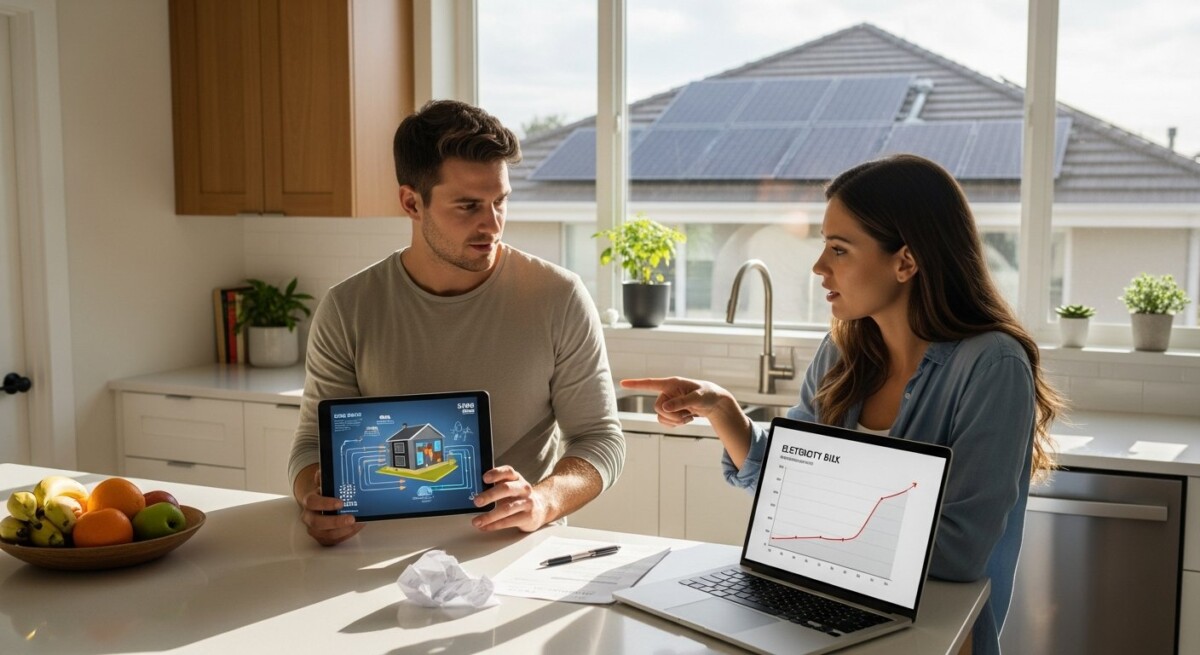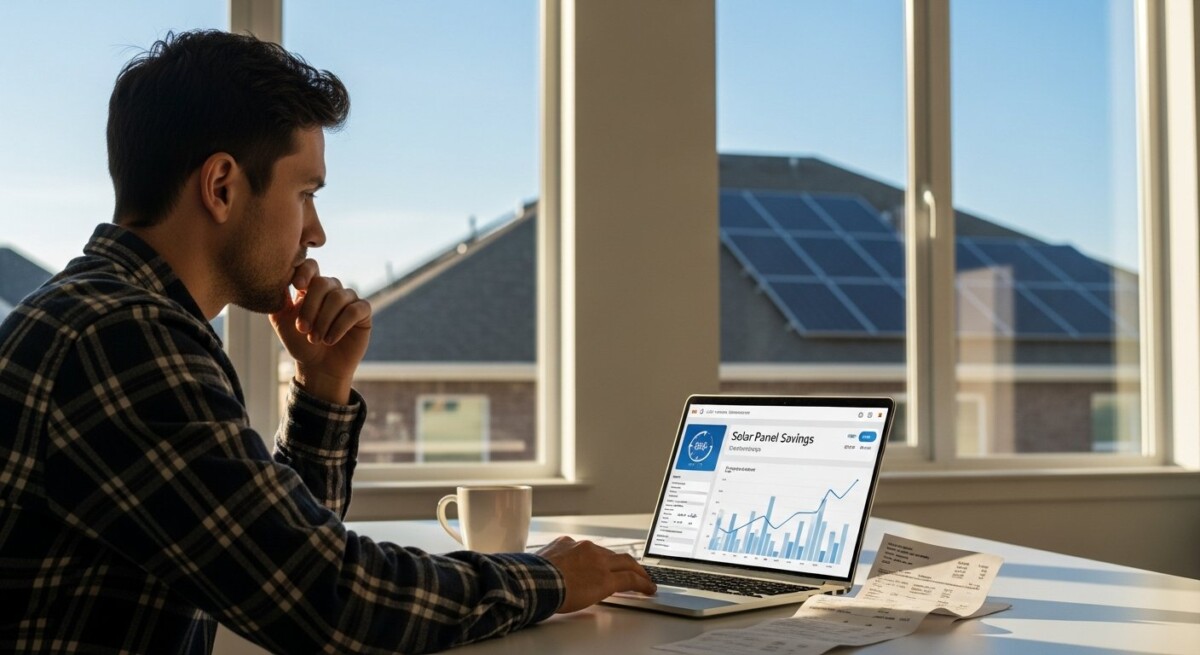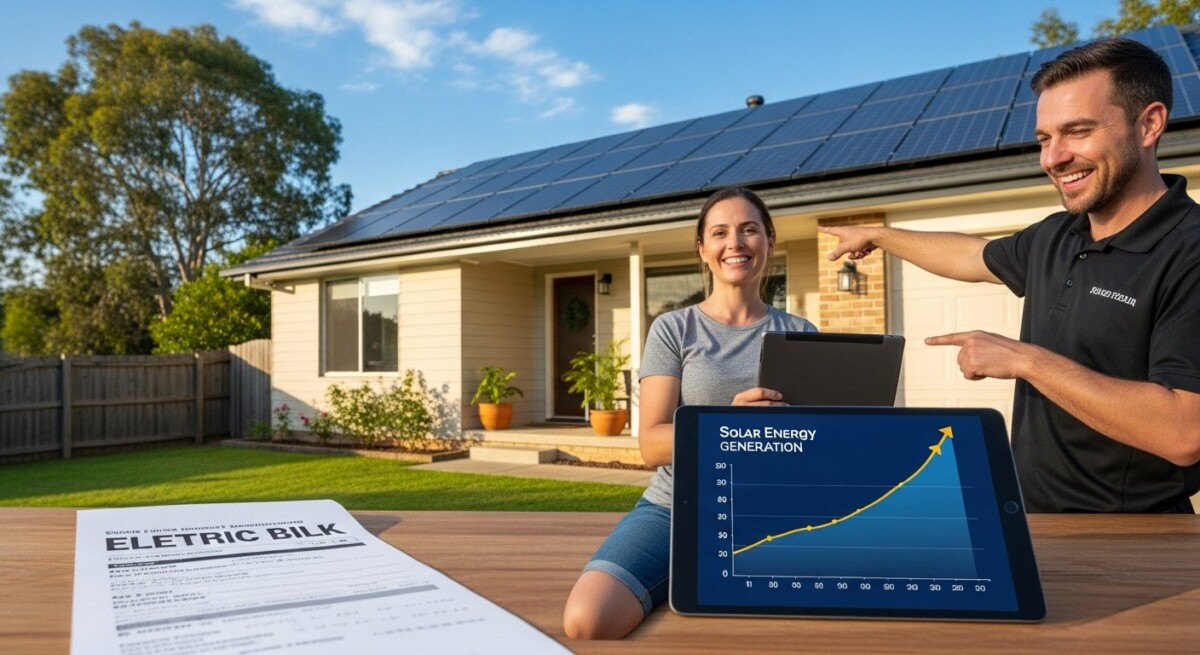
Your monthly electricity bill keeps climbing. You have thought about solar power, but you are not sure if it works for an older home. Many homeowners are now searching for a solar for existing homes upgrade to reduce energy costs and gain more control over their power supply.
The idea of installing solar panels on a house that was not built with them may feel complicated. Yet modern solar technology makes it easier than ever to add renewable energy to almost any property. With the right approach, you can lower your bills, increase your home’s value, and help the environment.
Understanding solar for existing homes upgrade
A solar for existing homes upgrade means adding photovoltaic (PV) panels to a house that was originally built without them. The system captures sunlight and converts it into electricity that powers your lights, appliances, and electronics. Any extra energy can flow back to the grid, often earning you credits on your bill.
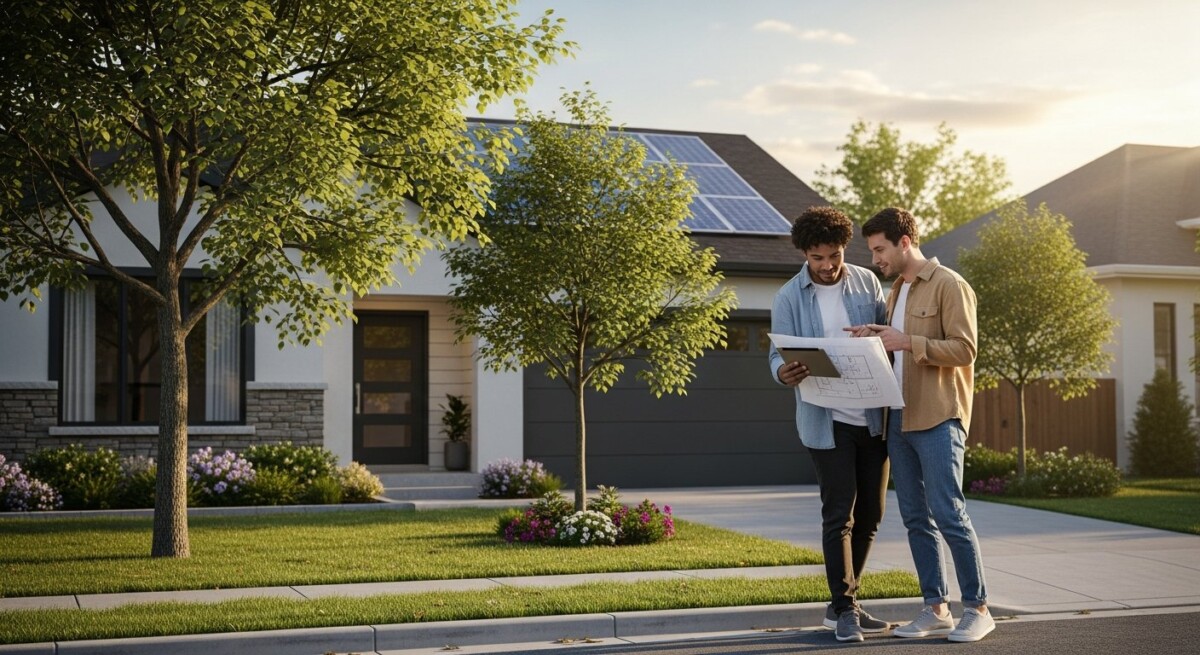
The process starts with a professional assessment of your roof, energy usage, and local sunlight conditions. Installers then design a custom system that fits your home’s structure and your family’s power needs. This is not a one-size-fits-all solution; each upgrade is tailored to the specific home.
How solar panels work on an existing roof
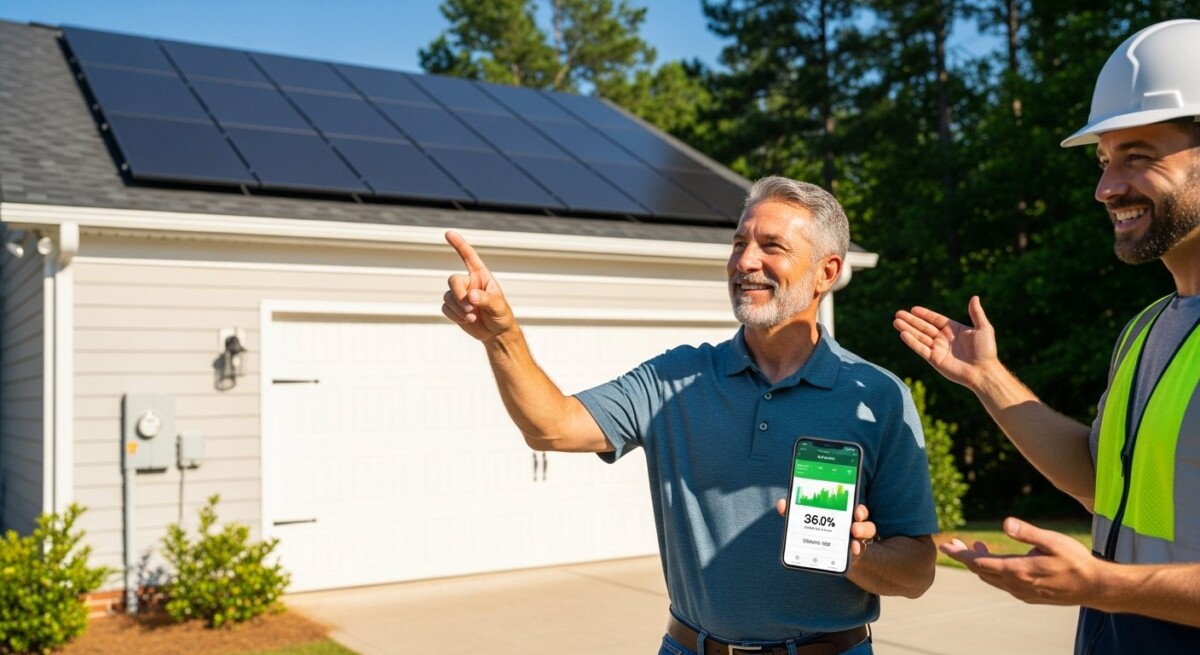
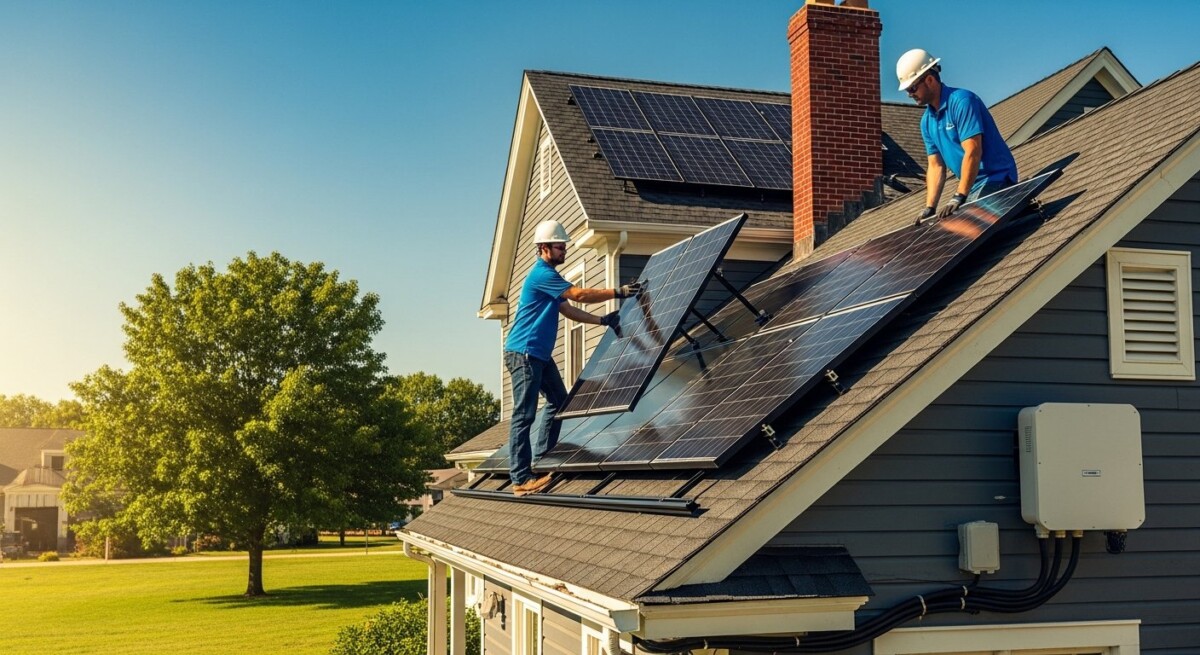
Solar panels are mounted on racks that attach to your existing roof without causing leaks or damage. The panels connect to an inverter that changes direct current (DC) into alternating current (AC) your home can use. A monitoring system lets you track how much energy you are producing and saving in real time.
Why Solar Energy Is Becoming More Popular
Electricity rates have risen steadily over the past decade, and many homeowners feel the pinch every month. Solar power offers a way to lock in lower energy costs and protect your budget from future rate hikes. The savings can add up to thousands of dollars over the life of the system.
Beyond finances, more people want to reduce their carbon footprint and rely less on fossil fuels. Solar energy is clean, renewable, and produces no emissions once installed. It also gives you a sense of energy independence, especially during power outages or grid disruptions.
Government incentives and rebates make the switch even more attractive. The federal solar tax credit allows you to deduct a significant portion of your installation costs from your taxes. Many states and utilities offer additional rebates, further lowering the upfront price.
If you are considering solar power for your home, comparing installation quotes can help you understand your options. Request a free solar quote or call to learn more.
Common Questions Homeowners Have About Solar
Many homeowners worry that solar panels cost too much or require a perfect roof. The truth is that prices have dropped dramatically over the last decade, and financing options like loans and leases make solar accessible for most budgets. A professional installer can evaluate your roof and recommend the best mounting approach, even for older or shaded homes.
Another common concern is whether solar panels work in cloudy or cold climates. Solar panels still generate electricity on overcast days, though at a reduced rate. Modern systems are designed to perform well in a wide range of weather conditions, including snow and heat.
- How much does a solar upgrade cost?
- Will solar panels damage my roof?
- How long do solar panels last?
- Do I need to replace my roof first?
- What happens during a power outage?
- Can I add batteries later?
How Solar Panel Installation Works
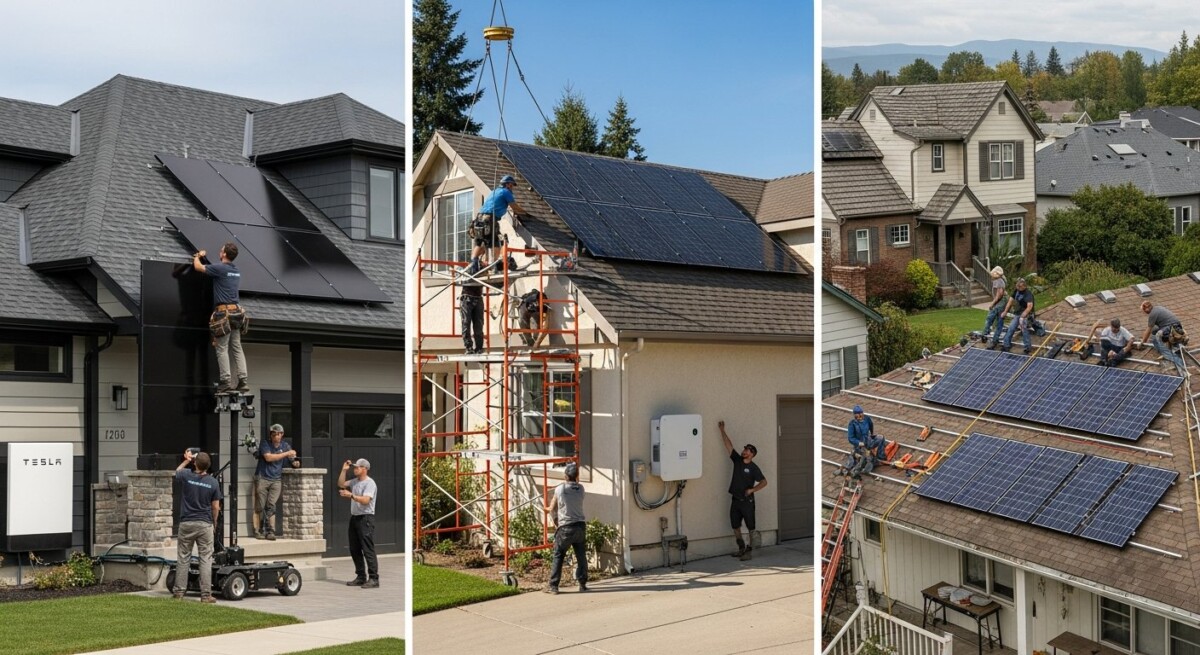
Installing solar on an existing home follows a clear, step-by-step process. A certified installer handles everything from the initial energy audit to the final connection. You do not need to be a construction expert; the professionals manage the technical details.
The entire project usually takes one to three days for the physical installation, depending on system size and roof complexity. Permitting and approvals add a few weeks before installation can begin. Your installer will keep you informed at every stage.
- Home energy assessment: Review your past bills and evaluate your roof’s condition and sunlight exposure.
- System design: Create a custom layout that maximizes energy production and fits your home aesthetically.
- Permits and approvals: Submit plans to your local building department and utility company for approval.
- Panel installation: Mount the solar panels, connect the inverter, and run wiring to your electrical panel.
- System activation: Get final inspection and permission to operate from your utility, then start generating power.
Speaking with experienced installers can help you determine the best solar solution for your home. Compare solar quotes here or call to explore available options.
Signs Your Home May Be Ideal for Solar
Not every home is equally suited for solar, but most can benefit with the right design. The best candidates have a roof that faces south, west, or east with little shading from trees or nearby buildings. A roof in good condition with at least 15 to 20 years of life remaining is ideal.
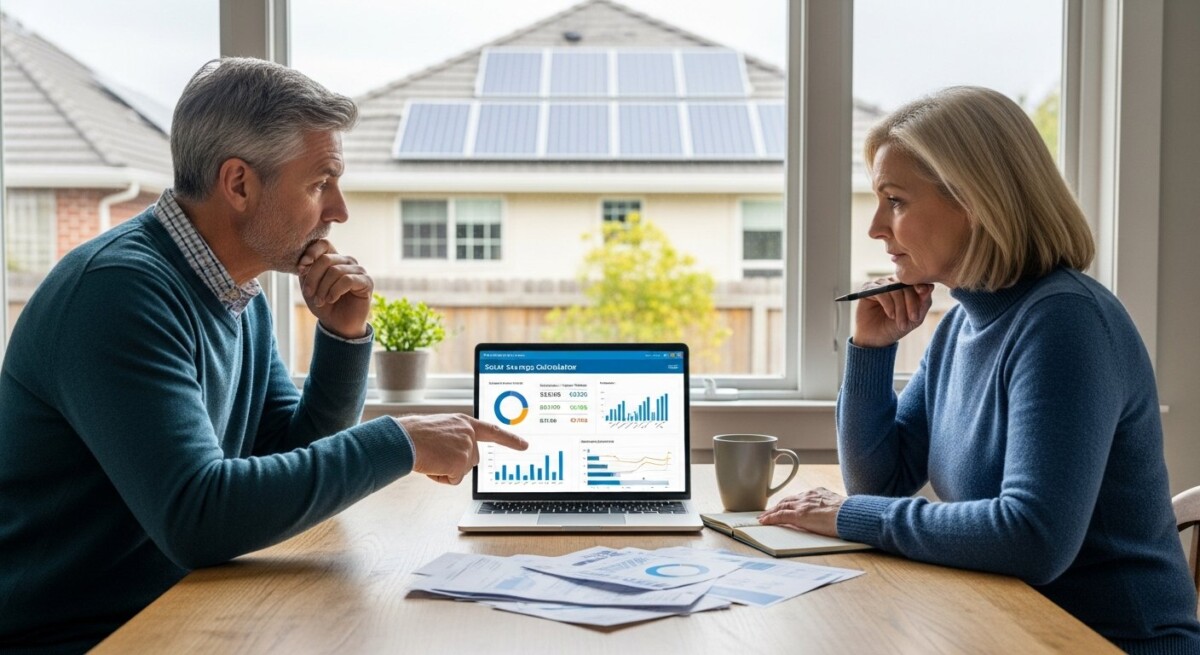
Your electricity bill also matters. If you pay more than $100 per month on average, solar can likely save you money. Homeowners who plan to stay in their house for five years or more see the greatest financial return.
- Your roof receives strong sunlight for most of the day.
- Your monthly electricity bill is consistently high.
- You have at least 300 square feet of unshaded roof space.
- You plan to live in your home for several more years.
- Your local utility offers net metering or other solar incentives.
What Affects Solar Installation Costs
The size of your solar system is the biggest cost factor. A larger system that covers all your electricity needs will cost more upfront but also save more over time. Equipment quality also matters; high-efficiency panels and reliable inverters cost more but perform better and last longer.
Installation complexity can add to the price. A simple roof with easy access costs less than a steep, multi-story roof with complex wiring. Local incentives and the federal tax credit can reduce your net cost by 30 percent or more, making solar more affordable than many expect.
The cost of solar installation varies depending on your home and energy needs. Request personalized solar quotes or call to see what options are available.
Tips for Choosing a Reliable Solar Installer
Finding the right installer is just as important as choosing the right equipment. A reputable company will have proper licenses, insurance, and a track record of successful installations in your area. They should also offer clear warranties on both the panels and the workmanship.
Reading customer reviews and checking references can give you confidence in your choice. Avoid high-pressure sales tactics or promises that seem too good to be true. The best installers take time to explain your options and answer all your questions.
- Review the installer’s experience and certifications.
- Check the warranty terms for panels, inverter, and labor.
- Read recent customer reviews on independent platforms.
- Compare at least three quotes before making a decision.
- Ask about financing options and any hidden fees.
Long-Term Benefits of Installing Solar Panels
Once your solar system is up and running, your monthly electricity bills will drop significantly. Over 20 to 25 years, those savings can total tens of thousands of dollars. Your home’s resale value also increases; studies show that homes with solar sell for a premium compared to similar homes without it.
You also reduce your environmental impact. A typical residential solar system offsets several tons of carbon dioxide each year, equivalent to planting hundreds of trees. And by generating your own power, you become less vulnerable to utility rate increases and grid outages.
Frequently Asked Questions
How much does a solar upgrade for an existing home cost?
The average cost ranges from $10,000 to $25,000 before incentives, depending on system size and location. After the federal tax credit and any state rebates, the net cost is often 30 to 50 percent lower. A free quote from a local installer will give you a precise estimate for your home.
Can I install solar panels on an old roof?
Yes, but your roof should be in good condition before installation. If your roof is near the end of its life, it is wise to replace it first to avoid removing and reinstalling the panels later. A professional installer will inspect your roof and advise you on the best approach.
How long do solar panels last?
Most solar panels come with a 25-year performance warranty and can continue producing power for 30 years or more. The inverter may need replacement after 10 to 15 years. With minimal maintenance, your system can provide clean energy for decades.
Will solar panels work during a power outage?
Standard grid-tied systems shut off during an outage for safety reasons. If you want backup power, you can add a solar battery like the Tesla Powerwall or LG Chem. Batteries store excess energy for use when the grid goes down.
Do I need to clean my solar panels?
Rain usually keeps panels clean enough to operate efficiently. In dusty or dry areas, occasional rinsing with a hose can help. Most systems require very little maintenance, and many installers offer monitoring to alert you if performance drops.
What financing options are available for solar?
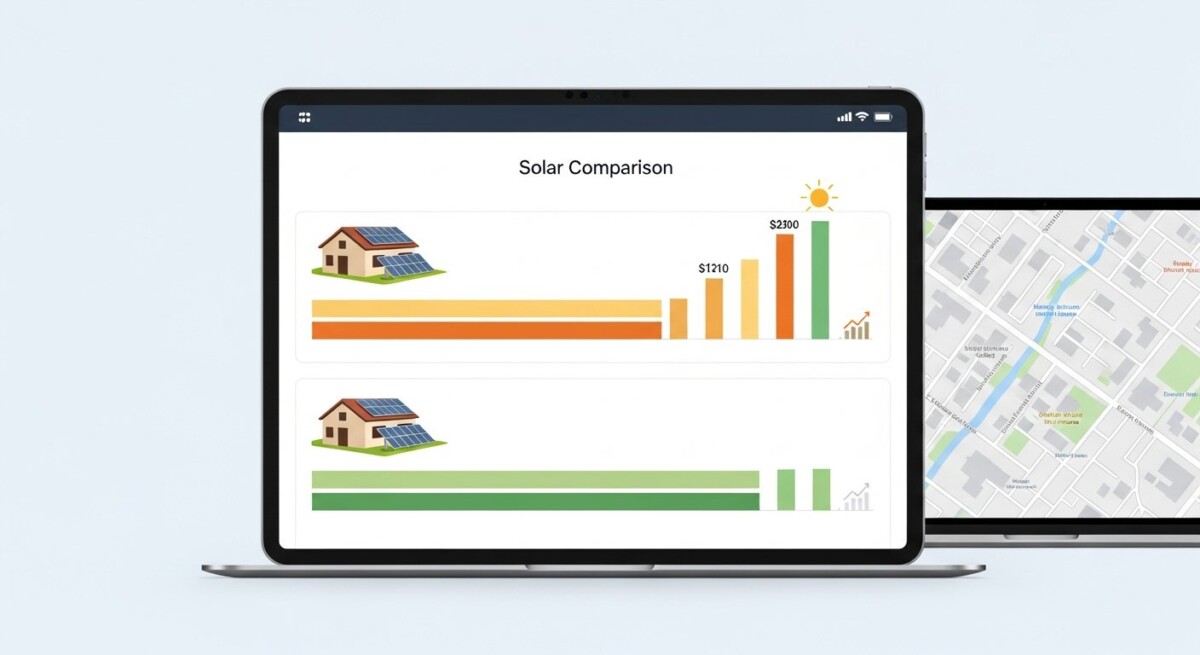
You can pay cash, take out a solar loan, or lease the system. Cash purchases offer the highest long-term savings, while loans and leases let you go solar with little or no money down. Your installer can help you compare the options.
Will solar increase my property taxes?
In many states, solar installations are exempt from property tax assessments, so your home’s value increases without a tax hike. Check with your local assessor’s office to confirm the rules in your area. This benefit makes solar even more financially attractive.
How do I find a trustworthy solar installer?
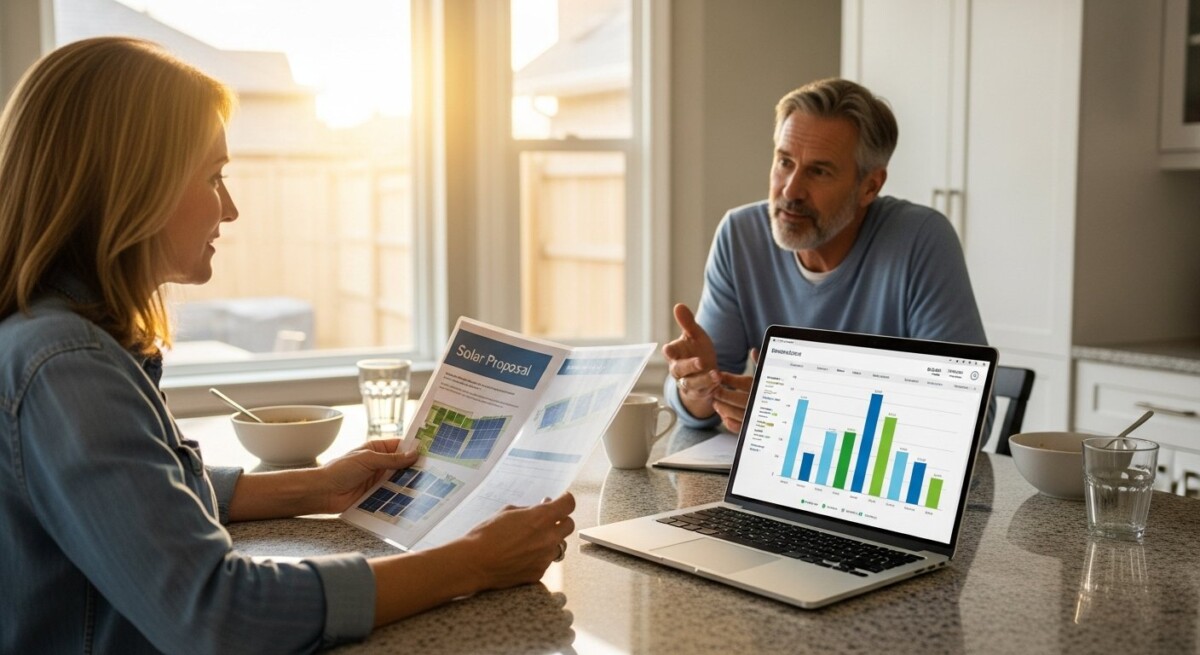
Start by getting multiple quotes from licensed, insured companies with good reviews. Ask for references and verify their certifications, such as NABCEP. Comparing quotes side by side helps you see differences in price, equipment, and warranty.
Switching to solar is a smart investment for your home, your wallet, and the planet. By comparing quotes from experienced installers, you can find a system that fits your budget and energy goals. Take the first step today and see how much you can save with a solar for existing homes upgrade.