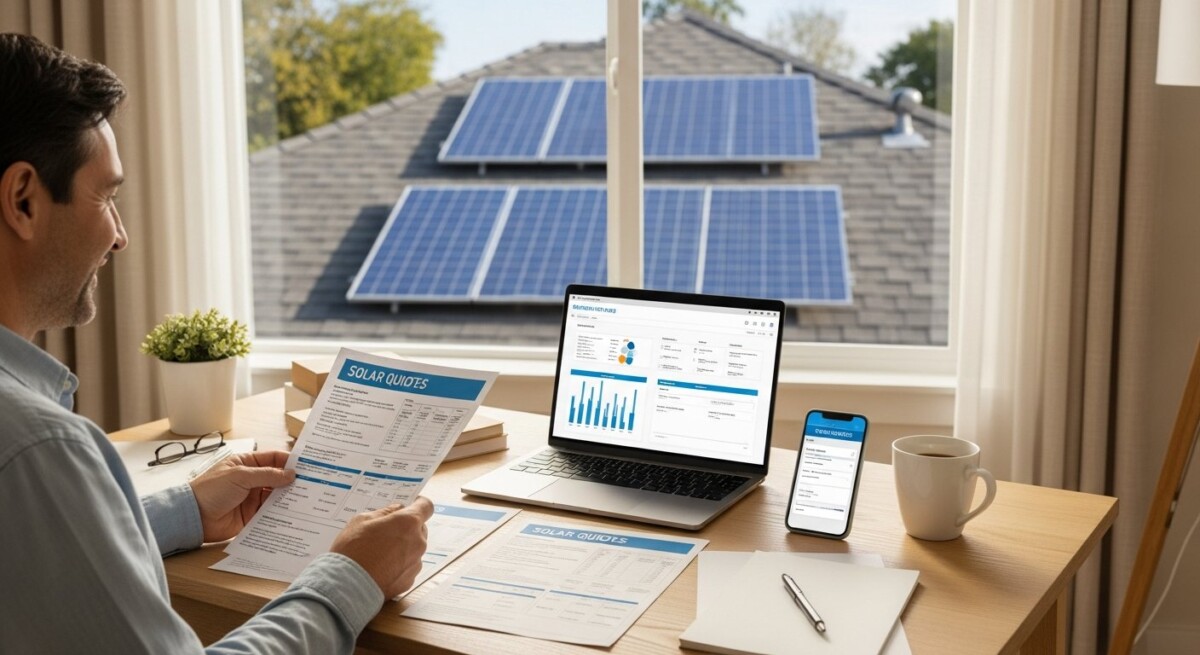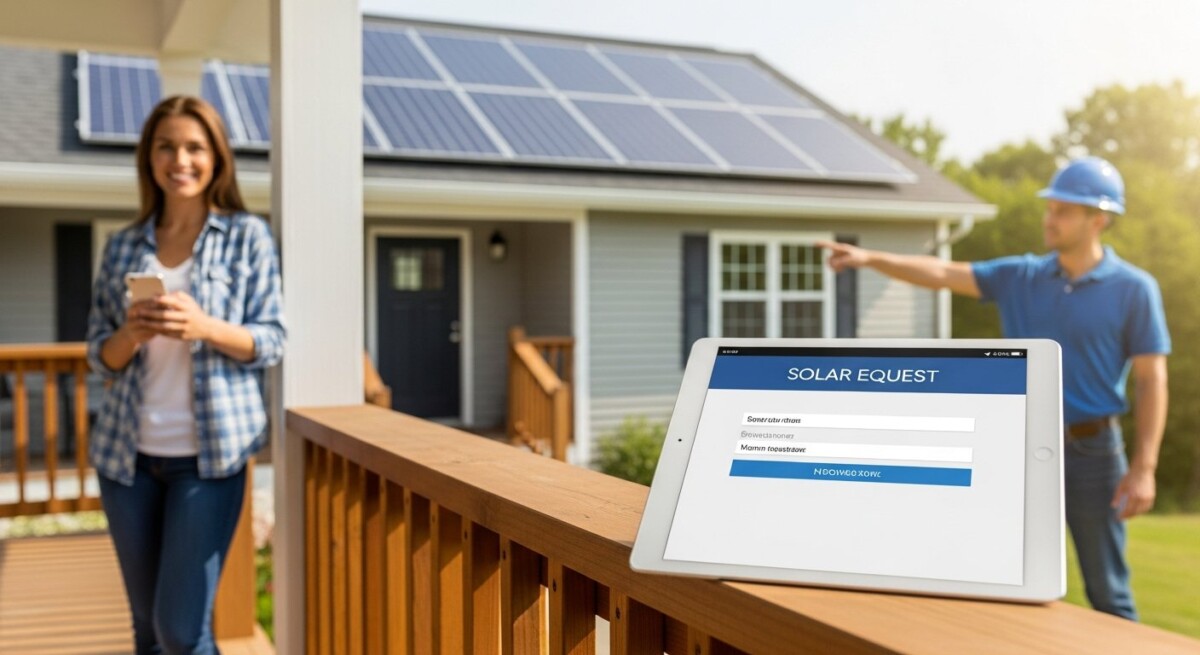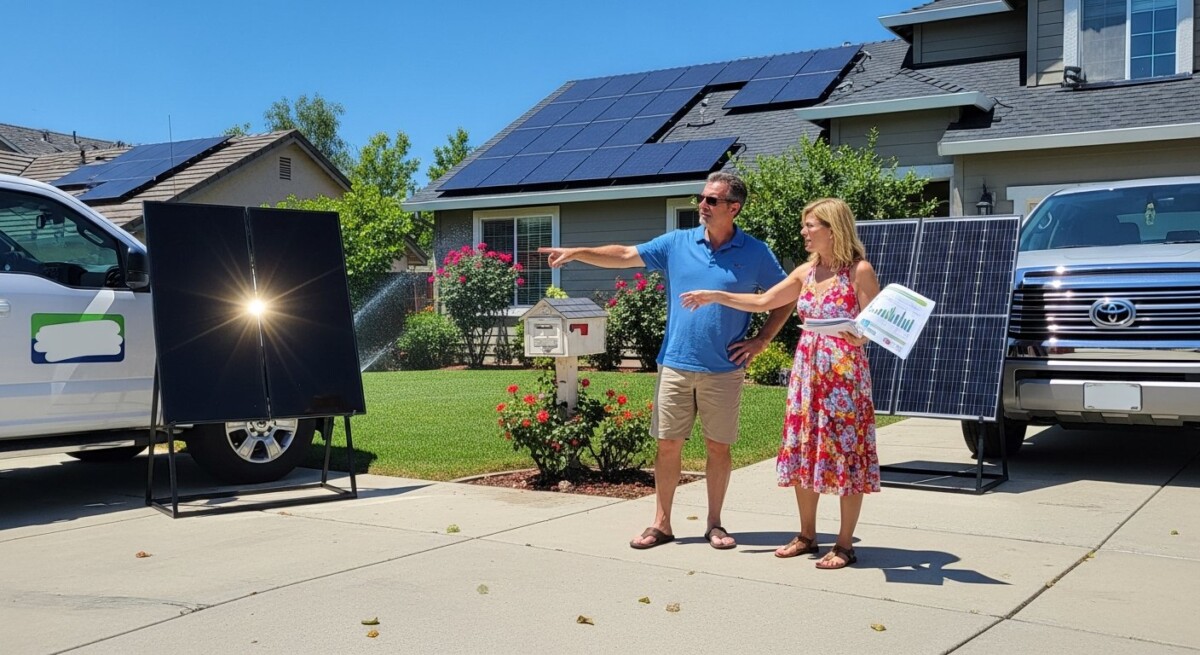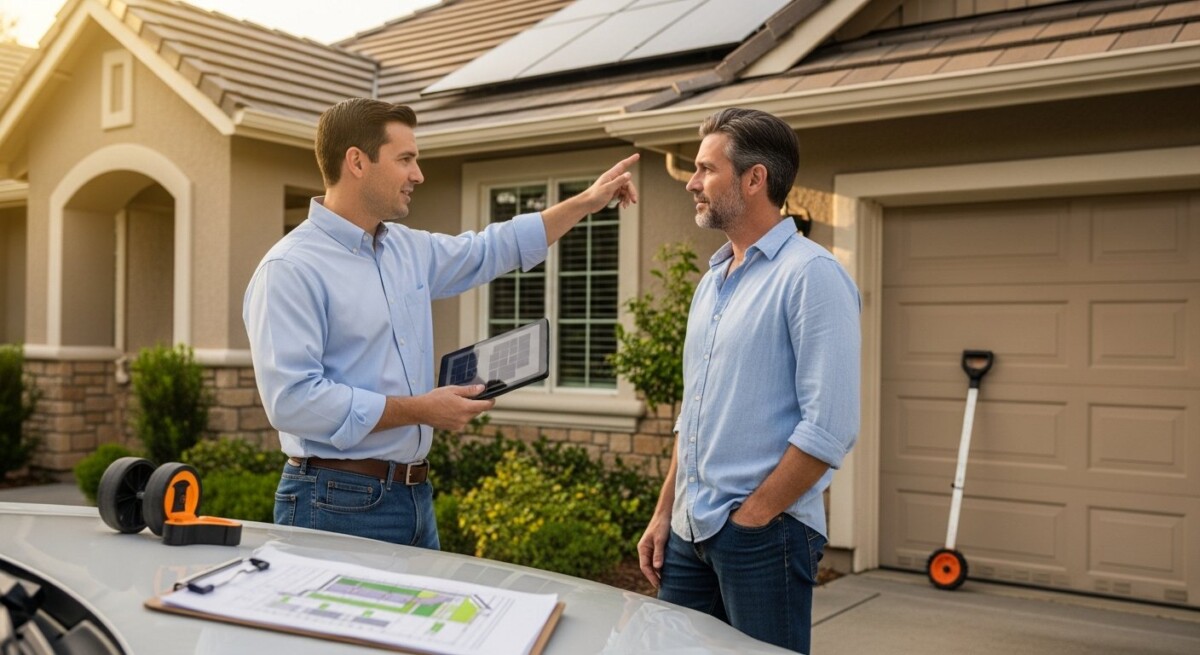
You have heard the promise of free solar consultations, and it sounds almost too good to be true. A trained professional shows up, evaluates your roof, and hands you a custom proposal without asking for a cent. The reality is that this model exists because solar companies have learned that removing upfront barriers is the fastest way to help homeowners switch to clean energy. A zero cost solar consultation is not a gimmick. It is a standard industry practice that benefits both the homeowner and the installer by building trust before any money changes hands.
Understanding what happens during that visit, how to prepare, and what questions to ask can mean the difference between a smooth transition to solar and a frustrating experience with hidden fees or mismatched equipment. This guide walks you through every stage of the process so you can walk into your consultation informed, confident, and ready to make a smart energy decision.
Why Solar Companies Offer Free Consultations
Solar installation is a high-ticket investment, and most homeowners are naturally cautious about spending tens of thousands of dollars on a system they have never seen in action. A zero cost solar consultation serves as a low-risk entry point. The company invests time and expertise upfront to demonstrate value, answer questions, and show exactly how solar would work on your specific property.
From the company’s perspective, the consultation is a chance to qualify leads and reduce the number of wasted site visits. A trained assessor can quickly determine whether your roof has adequate sun exposure, structural integrity, and available space. If your home is not a good candidate, the consultant will explain why and may offer alternative solutions like community solar or ground-mounted panels. This honest approach builds credibility and prevents homeowners from pursuing a path that would ultimately disappoint them.
The free model also aligns with solar financing trends. Many homeowners are not paying cash upfront. Instead, they use solar loans, leases, or power purchase agreements. A no-cost consultation allows the installer to walk through these options without pressuring you to commit financially. You can compare multiple proposals from different providers before making any decision.
What Is Included in a Zero Cost Solar Consultation
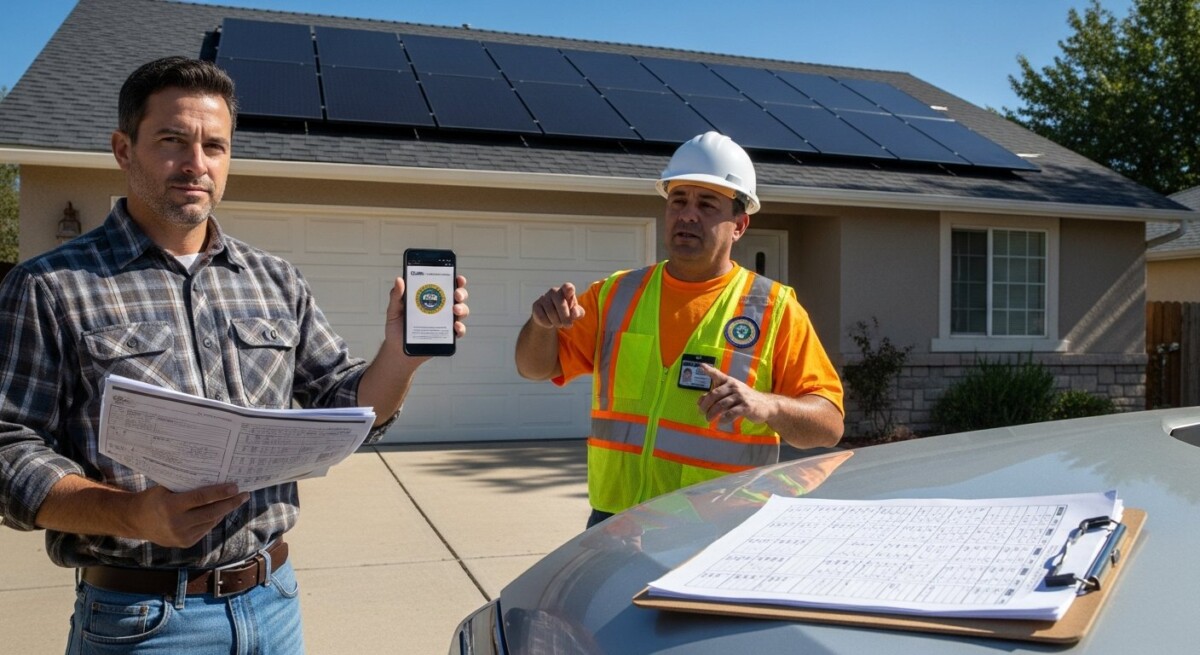
A thorough consultation covers far more than a quick roof measurement. The best providers treat the visit as a comprehensive energy audit combined with a solar feasibility study. You should expect the consultant to examine your utility bills, assess your home’s energy consumption patterns, and evaluate the physical condition of your roof and electrical panel.
Before the consultant arrives, gather at least 12 months of electricity bills. This data helps the professional calculate your average monthly usage, peak demand times, and seasonal variations. Without this information, any savings estimate is just a guess. The consultant will also check for shading from trees, chimneys, or neighboring buildings. Even partial shade can reduce panel output significantly, so the assessment must account for obstructions at different times of day and throughout the year.
Here are the key elements you should expect during the visit:
- Roof inspection for age, material, pitch, and structural soundness. South-facing roofs generally perform best, but east and west orientations can also work with modern panel technology.
- Electrical panel evaluation to confirm it can handle the additional load from a solar system. Older homes may require an upgrade before installation.
- Solar irradiance measurement using tools like a Solmetric SunEye or a drone-based LiDAR scan. This data predicts how much energy your site can produce.
- Discussion of available incentives, including the federal Investment Tax Credit, net metering policies in your state, and any local rebates or performance-based incentives.
After the assessment, the consultant will present a preliminary system design and a savings projection. Some companies provide a digital 3D model of your roof with panels placed to scale, which makes it easy to visualize the final result. The proposal should include equipment specifications, estimated annual production, and a clear breakdown of costs and financing options.
How to Prepare for Your Free Solar Consultation
Preparation turns a generic sales pitch into a tailored energy solution. Start by reviewing your current electricity rate and usage patterns. If you have time-of-use billing, note when your rates are highest. Solar panels can offset those expensive peak hours if your system is sized correctly and paired with battery storage.
Make a list of your household’s future energy needs. Are you planning to buy an electric vehicle, install a heat pump, or add a home addition? These changes will increase your electricity consumption, and the solar system should be designed with that growth in mind. A consultant who asks about your five-year plans is one who cares about long-term value.
You should also check your homeowner’s association rules and local permitting requirements. Some HOAs have restrictions on panel placement or require specific equipment colors. Knowing these constraints upfront saves time and prevents redesigns later. If you live in a historic district, there may be additional approval steps.
Finally, prepare a list of questions. Ask about the warranty terms for panels, inverters, and workmanship. Inquire about the company’s installation timeline and whether they subcontract labor. A reputable installer will have certified technicians on staff and will provide a detailed project schedule. For more guidance on exactly what to expect, read our comprehensive breakdown of what is included in free solar consultation.
Common Misconceptions About Free Solar Consultations
Some homeowners worry that a free consultation is a high-pressure sales tactic in disguise. While bad actors exist in every industry, the majority of solar companies treat the consultation as an educational service. You are not obligated to sign a contract after the visit. A professional consultant will respect your timeline and provide the information you need to compare options with other providers.
Another misconception is that the consultation covers only grid-tied systems without storage. In reality, many consultants can design hybrid systems that include battery backup. If energy independence or protection from power outages matters to you, mention it early in the conversation. The consultant can model different scenarios, such as running your home on battery during peak rate periods or maintaining power through a grid failure.
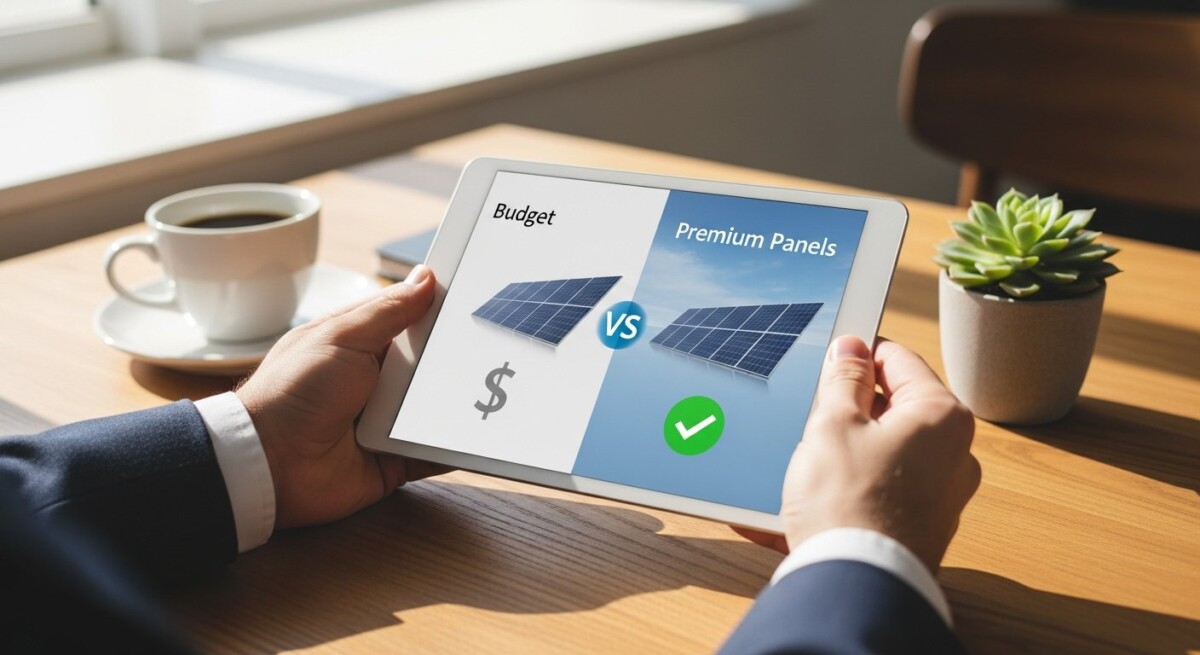
Some people also believe that a free consultation means the company uses low-quality equipment to keep costs down. This is not true. The equipment specified in a free consultation is the same premium hardware used in paid proposals. The consultation itself is a marketing expense, not a reflection of product quality. Reputable companies use Tier 1 panels and reliable inverters because a system that performs well leads to referrals and repeat business.
Comparing Multiple Solar Consultations
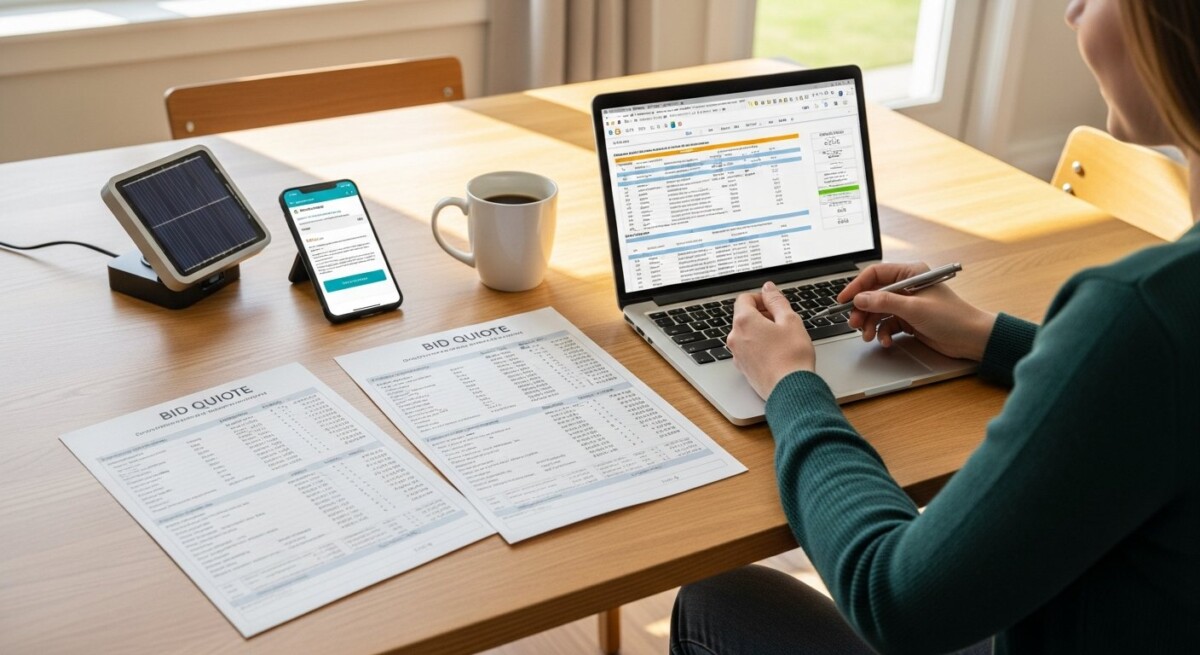
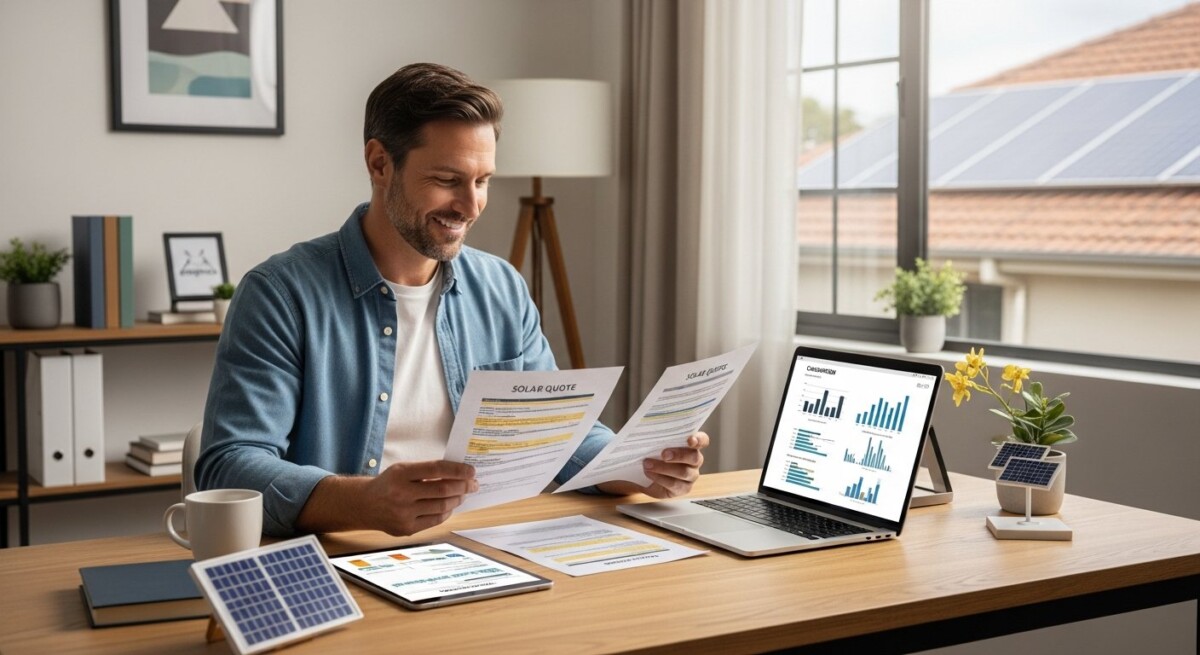
Getting a single consultation is a good start, but comparing two or three proposals gives you leverage and clarity. Each company may have different equipment preferences, pricing structures, or financing partners. A zero cost solar consultation from multiple providers allows you to see which proposal offers the best value for your specific situation.
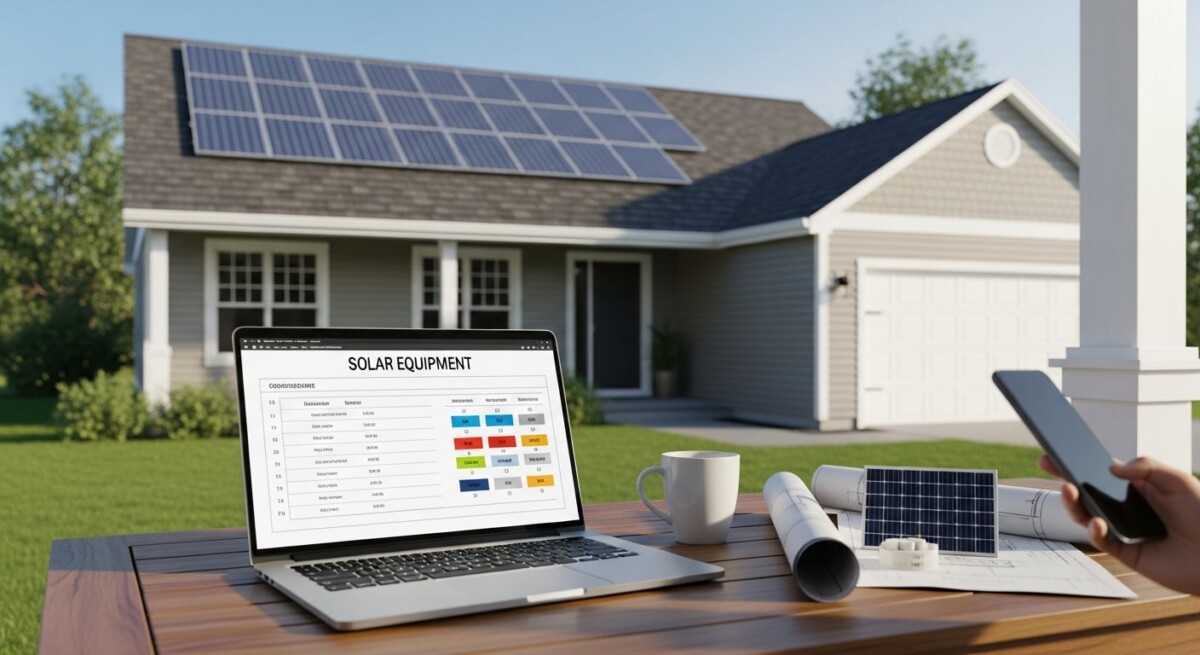
When comparing proposals, focus on the cost per watt, the estimated annual production, and the warranty terms. The cost per watt is calculated by dividing the total system price by the system size in watts. This metric normalizes pricing across different system sizes and makes comparison straightforward. Be wary of any proposal that guarantees a specific monthly savings without accounting for utility rate increases or changes in your usage.
Also pay attention to the fine print on financing. A solar loan with a low interest rate might include dealer fees that inflate the total cost. A lease or power purchase agreement locks in a fixed rate per kilowatt-hour, which can be beneficial if utility rates rise but may limit your savings if rates stay flat. The consultant should explain these trade-offs clearly.
If you are unsure which path to take, consider using a platform that aggregates multiple quotes from vetted installers. Services like Free Solar Power Quotes connect you with pre-screened providers in your area, saving you the hassle of researching each company individually. You can read our guide on solar consultation near me to learn how to find qualified installers in your region.
The Role of Technology in Modern Solar Consultations
Technology has transformed the solar consultation from a clipboard-and-tape-measure affair into a data-driven experience. Many consultants now use satellite imagery and AI-powered design tools to create accurate proposals without even climbing onto your roof. These tools pull high-resolution images from services like Google Earth or Nearmap, then simulate shading and production based on historical weather data.
On-site tools have also improved. Handheld devices like the SunEye measure solar access instantly, while drones equipped with thermal cameras can detect hot spots in your roof that indicate underlying issues. Some companies even use augmented reality to show you how panels will look on your roof before installation begins. This technology reduces guesswork and gives you confidence that the proposed system will deliver the promised results.
Battery storage assessments are another area where technology shines. Modern software can model your home’s load profile and determine the optimal battery size for your needs. It factors in time-of-use rates, backup requirements, and the battery’s depth of discharge. This level of precision helps you avoid overspending on storage capacity you will never use.
Financing Options Explained During a Free Consultation
One of the most valuable parts of a zero cost solar consultation is the financing education. Most homeowners do not realize they have multiple ways to pay for solar beyond a cash purchase. The consultant will explain the pros and cons of each option based on your financial situation and goals.
Solar loans are the most popular choice because they allow you to own the system outright while spreading payments over 10 to 25 years. Many loans have low fixed rates and no prepayment penalties. The federal tax credit can be applied to the loan principal, reducing your balance in the first year. Leases and power purchase agreements, on the other hand, require zero upfront payment but mean you do not own the system. The installer retains ownership and handles maintenance, while you pay a fixed rate for the electricity generated.
The consultant should also discuss the value of pairing solar with battery storage. In states with time-of-use rates, a battery can shift your consumption away from expensive peak hours, increasing your overall savings. Some utilities offer rebates for battery installations, and the federal tax credit now covers standalone battery systems as long as they are charged by solar. These incentives can make a combined solar-plus-storage system more affordable than you might expect.
Your consultant will also review the solar Investment Tax Credit, which currently allows you to deduct 30 percent of the system cost from your federal taxes. This credit applies to both the panels and the battery if installed together. The consultant should provide a clear example of how the credit reduces your net cost and how you can claim it on your annual tax return.
What Happens After the Consultation
Once the consultation is complete, the company will send a formal proposal, usually within 24 to 48 hours. This document includes the final system design, equipment list, price, financing options, and a savings forecast. Take your time reviewing it. Compare it with proposals from other providers and check that the assumptions match your actual energy usage.
If you decide to move forward, the next steps involve signing a contract, securing financing, and obtaining permits. The installer will handle the permit applications and schedule the installation. Depending on your location and the complexity of the project, installation can take one to three days. After the system passes inspection and receives permission to operate from your utility, you can start generating your own electricity.
Many companies offer post-installation monitoring and support. Some provide an app that tracks your system’s production in real time and alerts you if performance drops. This transparency ensures you get the savings you were promised.
A zero cost solar consultation is the smartest first step toward energy independence. It costs you nothing but an hour of your time and gives you the knowledge and data needed to make an informed investment. With the right preparation and a trusted provider, you can turn sunlight into savings without any upfront financial risk.