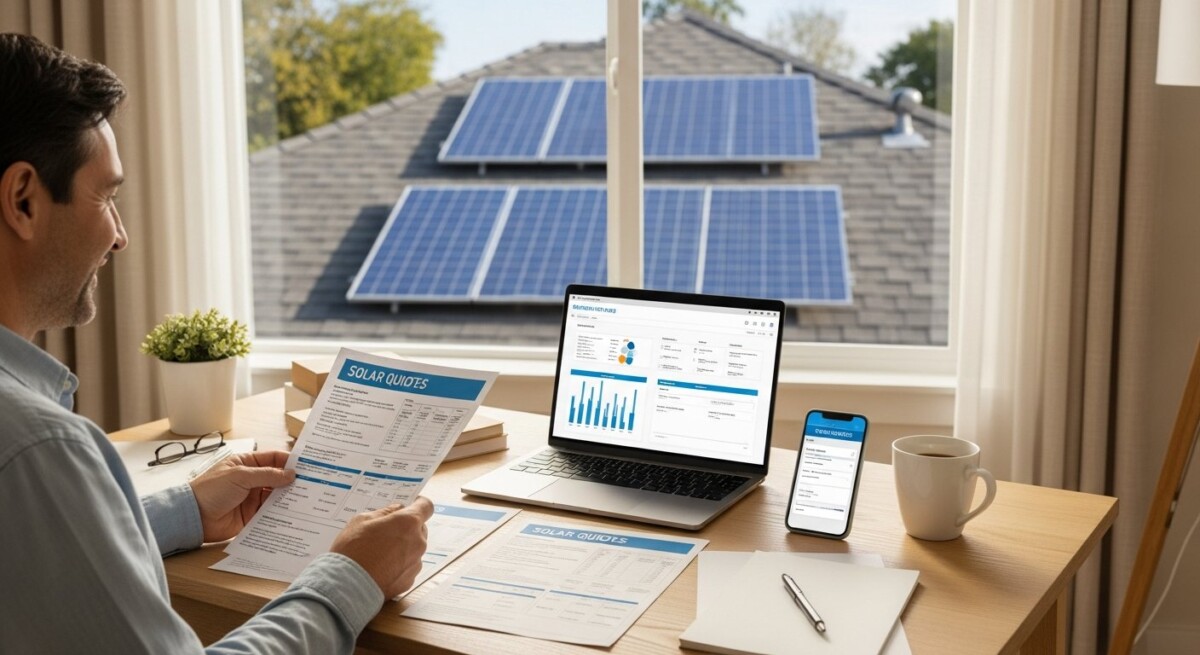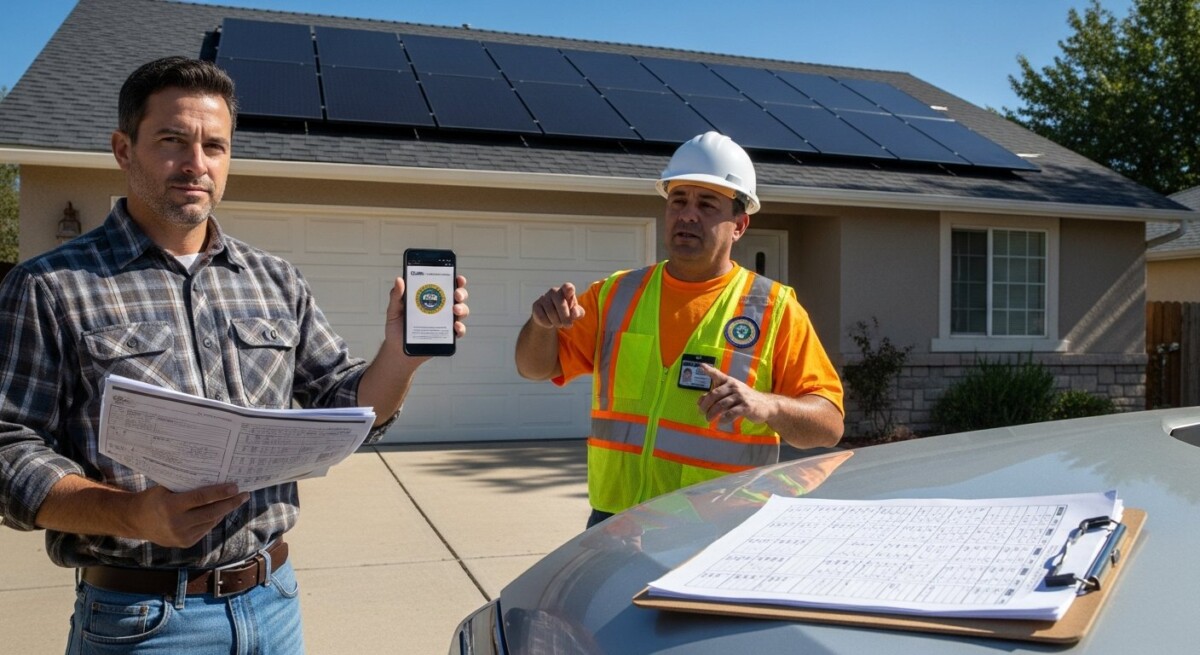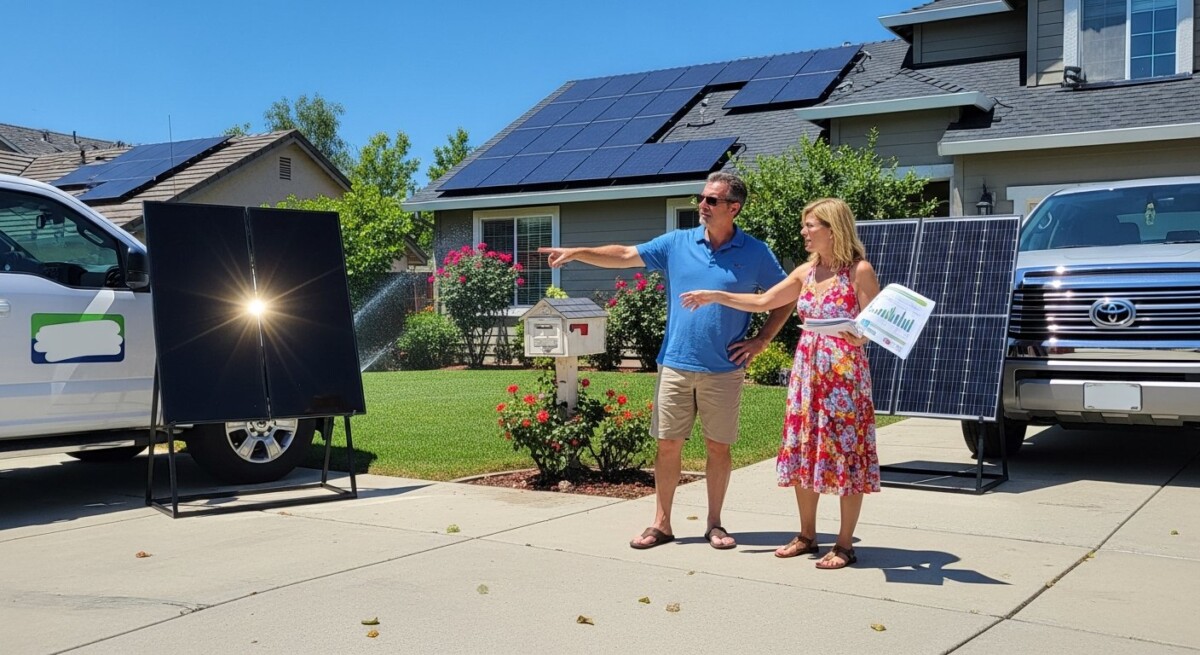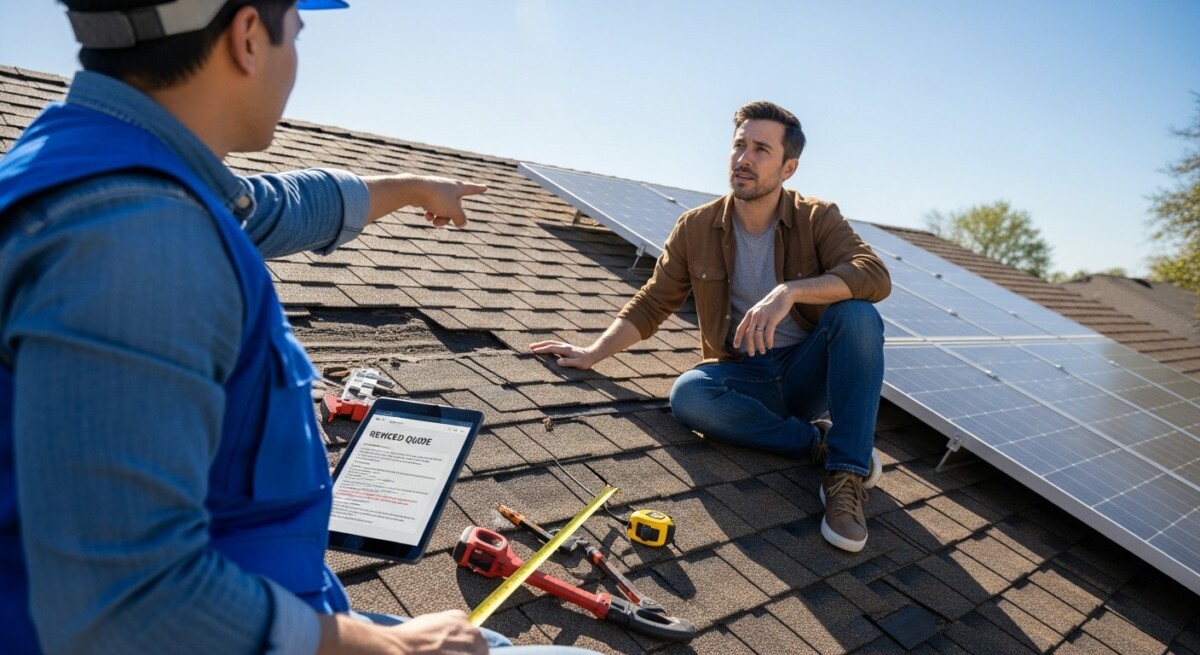
You received a solar quote that looked great on paper. The price was right, the equipment was top-tier, and the projected savings seemed realistic. Then the solar company sent a technician to your roof for a site visit. A few days later, a revised quote arrived with a higher price and a note about “unforeseen conditions.” This scenario is more common than most homeowners realize, and understanding why it happens can save you thousands of dollars and a lot of frustration.
The simple answer to “can solar quotes change after site visit” is yes. In fact, most reputable solar companies include language in their initial proposals stating that the final price is subject to change after a physical inspection. The key is knowing what triggers these changes, how to anticipate them, and how to protect yourself from unreasonable price hikes. This guide walks you through every aspect of post-site-visit quote adjustments so you can move forward with confidence.
Why Solar Quotes Change After a Site Visit
A solar quote is essentially an estimate based on assumptions. The salesperson or remote design team uses satellite imagery, your utility bills, and basic property data to create a preliminary system design. This initial quote is a starting point, not a binding contract. The site visit reveals real-world conditions that can significantly affect the complexity and cost of installation.
Several factors discovered during a site visit commonly lead to quote adjustments. Roof condition is the most frequent culprit. If the roofer finds deteriorated shingles, rot, or an old roof that needs replacement before panels can be installed, the cost increases substantially. Similarly, the roof structure itself may require reinforcement if it cannot support the additional weight of solar panels.
Another major factor is electrical panel capacity. Your home’s main electrical panel must be able to handle the additional load from a solar system. If the panel is outdated or undersized, an upgrade costing $1,000 to $3,000 may be necessary. The site visit also reveals the exact routing for conduit and wiring, which can be more complex if your attic is cramped or if the shortest path to the panel involves difficult obstacles.
Shading and Panel Placement Issues
Satellite imagery often misses subtle shading from nearby trees, chimneys, or neighboring buildings. During the site visit, the technician uses a solar pathfinder or similar tool to measure actual sunlight exposure across different parts of your roof. If significant shading is discovered, the installer may need to:
- Use microinverters or power optimizers instead of a string inverter (adding $500-$1,500)
- Reduce the system size if usable roof space is less than anticipated
- Relocate panels to a less optimal but less shaded roof face
- Recommend tree trimming or removal before installation
These adjustments directly affect both the equipment cost and the projected energy production. A system that was supposed to offset 100% of your usage might only achieve 85% after accounting for real-world shading. The revised quote reflects this new reality.
Common Reasons for Price Increases
While some quote changes result in lower prices (if the initial estimate was conservative), most adjustments are upward. Understanding the specific cost drivers helps you evaluate whether a revised quote is reasonable or if you should seek a second opinion.
Roof repairs or reinforcement. If the site visit reveals that your roof needs work before solar installation, you face two options: proceed with repairs through the solar company (often at a premium) or hire a separate roofer. Either way, the cost is real and should be factored into your budget. Some solar companies offer combined roofing and solar packages that can be more cost-effective than hiring two separate contractors.
Electrical panel upgrades. An older home with a 100-amp panel typically needs a 200-amp upgrade to accommodate solar. This is a standard requirement that many homeowners overlook when comparing initial quotes. The site visit confirms the panel’s condition and whether local code requires additional safety equipment like arc-fault breakers.
Conduit and trenching. If your main electrical panel is on the opposite side of the house from the best roof face for solar, the installer may need to run conduit across the roof or through the attic. In some cases, trenching is required to connect the solar system to the panel, especially for ground-mounted systems. These labor-intensive tasks add $500 to $2,000 to the total cost.
Permitting and utility requirements. Some municipalities have specific structural or fire code requirements that only become apparent during a site visit. For example, you may need to maintain a 36-inch clearance along ridge lines for firefighter access, which can reduce usable roof space and require a different panel layout. Utility companies may also require a disconnect switch or a specific meter configuration that was not accounted for in the initial quote.
When Solar Quotes Decrease After a Site Visit
Not all post-site-visit changes are bad news. In some cases, the initial quote was intentionally padded to cover worst-case scenarios, and the site visit reveals simpler conditions. If your roof is in excellent condition, your electrical panel has ample capacity, and the conduit run is short and straightforward, the installer may reduce the price.
This is more common with companies that use conservative assumptions in their initial estimates. They would rather quote high and lower the price than quote low and surprise you with increases. If you receive a revised quote that is lower than the original, it is a good sign that the company is transparent and wants to earn your trust. It also means the project is likely to proceed smoothly with fewer change orders down the line.
How to Protect Yourself From Unfair Price Hikes
The best defense against unexpected quote increases is preparation. Before you sign an initial proposal, ask the solar company specific questions about their site visit process and how they handle post-inspection adjustments. A reputable company will provide clear answers and may even include a price-lock guarantee for a limited time.
Here are practical steps you can take to minimize surprises:
- Get a detailed scope of work. Ask for an itemized quote that lists equipment costs, labor, permits, and any assumptions about roof condition and electrical work. This makes it easier to identify what changed after the site visit.
- Request a roof inspection before signing. Some solar companies offer a combined site visit and roof inspection before providing a final quote. This upfront investment of time can prevent surprises later.
- Ask about contingency allowances. Some installers build a 10-15% contingency into their initial quotes to cover unforeseen issues. If they use this approach, any unused contingency is refunded to you or reduces the final price.
- Read the fine print. Look for clauses that allow the company to adjust the price after the site visit. If the language is vague (e.g., “price subject to change based on site conditions”), ask for specific examples of what would trigger a change.
- Compare multiple quotes. Getting quotes from at least three different solar companies gives you leverage. If one company tries to raise the price significantly after the site visit, you can compare their revised quote against the others to see if it is reasonable.
For more detailed guidance on evaluating solar proposals, see our complete breakdown of solar quote adjustments and how to negotiate effectively.
Red Flags to Watch For
While price adjustments are normal, some changes signal a company that is either incompetent or dishonest. If you encounter any of the following red flags, consider walking away from the deal:
Dramatic price increases without explanation. If the revised quote is 25% or more higher than the original and the company cannot provide a clear, itemized breakdown of why, you are likely dealing with a bait-and-switch tactic. Legitimate increases are almost always tied to specific, documented site conditions.
Pressure to sign immediately. Some salespeople use the site visit as an opportunity to create urgency. They might say something like, “If you sign today, I can lock in this price, but tomorrow it goes up.” This is a high-pressure sales tactic, not a legitimate business practice. A reputable company gives you time to review the revised quote.
Refusal to provide a written revised quote. If the salesperson gives you a verbal price increase but hesitates to put it in writing, that is a major red flag. Always insist on a written, itemized revised quote before proceeding.
Adding services you did not ask for. Some companies bundle unnecessary upgrades (like a premium monitoring system or extended warranty) into the revised quote without your consent. Review the new quote carefully to ensure it matches the scope you agreed upon.
Negotiating a Fair Revised Quote
If you receive a revised quote that seems high, you have options. Start by asking the company to explain each line item that changed. A legitimate installer will be happy to walk you through the site visit findings and show you photos or measurements that justify the increase.
For example, if the installer says your electrical panel needs an upgrade, ask to see the photo of the panel and the specific code requirement that triggers the upgrade. Most reputable companies document site visit findings with photos and notes. If they cannot provide this documentation, be skeptical.
You can also negotiate on specific items. For instance, if the company wants to charge $3,000 for an electrical panel upgrade, get a quote from a licensed electrician for the same work. If the electrician’s quote is lower, ask the solar company if they will match it or allow you to hire the electrician separately. Some solar companies will agree to this; others require that they handle all electrical work for warranty purposes.
Another negotiation tactic is to ask about alternative equipment or system designs. For instance, if the site visit revealed shading issues that require expensive microinverters, ask if a different panel layout or a smaller system could reduce costs while still meeting your energy needs. The installer may have multiple design options that were not presented in the initial quote.
The Role of Free Solar Quotes in Managing Expectations
Using a service like FreeSolarPowerQuotes to obtain multiple quotes from pre-vetted installers can help you manage the site-visit process. When you receive quotes through a lead generation platform, you typically get proposals from three or more companies that have already reviewed your basic information. This gives you a baseline for comparison.
It is important to understand that free solar quotes are preliminary estimates. They are designed to give you a ballpark figure and to help you compare the pricing and approach of different companies. The real value comes after the site visits, when you have revised quotes from multiple installers. At that point, you can compare not only the final prices but also the transparency and professionalism of each company.
For homeowners who are early in the research process, learning how to uncover hidden savings in solar quotes can make a significant difference in the final cost of your system. Understanding the difference between initial estimates and final bids is one of the most valuable skills you can develop as a solar shopper.
Final Thoughts on Quote Changes
Solar quote changes after a site visit are a normal part of the solar buying process. They reflect the transition from a rough estimate based on assumptions to a precise bid based on actual conditions. The key is to work with transparent companies that explain their pricing clearly and to protect yourself by getting multiple quotes and asking the right questions.
Remember that a revised quote is not necessarily a bad thing. It may reflect legitimate costs that ensure your system is safe, efficient, and compliant with local codes. The goal is not to avoid all price increases but to ensure that any increase is justified and that you are getting fair value for your investment. With the right preparation and expectations, you can navigate the site-visit process with confidence and secure a solar system that delivers the savings and reliability you deserve.