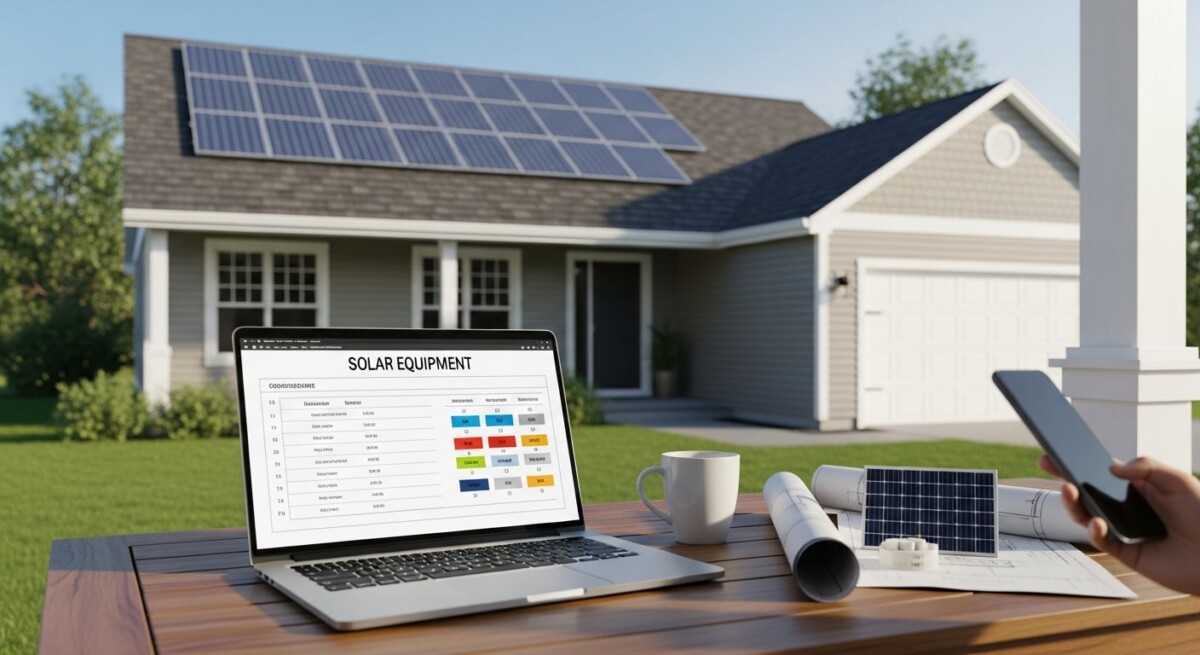
Your electricity bill is climbing, and you have wondered if solar panels could finally cut those monthly costs. Yet the thought of contacting multiple installers, comparing equipment, and deciphering financing options can feel overwhelming. That is where a simple search for free solar quotes near me changes everything. Instead of spending hours on research, you can receive personalized proposals from pre-vetted installers in minutes, all with zero obligation.
The solar industry has grown rapidly, and with that growth comes a flood of claims, promises, and fine print. Homeowners who jump at the first offer often miss better terms, higher-quality panels, or more favorable financing. The smart approach is to gather multiple quotes, compare them side by side, and choose the solution that fits your home and budget. This article walks you through exactly how to get those quotes, what to look for, and how to avoid common pitfalls.
Why Multiple Solar Quotes Matter
Solar installation is not a one-size-fits-all product. Your roof orientation, shading, local utility rates, and energy consumption all influence the system design and cost. One installer might recommend high-efficiency panels that cost more upfront but deliver better long-term savings. Another might propose a lower-cost system with a slightly longer payback period. Without comparing multiple options, you cannot know which proposal truly serves your needs.
In our guide on how free solar quotes work: your path to savings, we explain the step-by-step process that leads to informed decisions. The key insight is simple: competition drives better pricing and service. When installers know you are evaluating multiple bids, they are more likely to offer competitive rates, better warranties, and transparent terms. A single quote leaves you vulnerable to overpaying or accepting subpar equipment.
How to Get Free Solar Quotes Near Me
Finding reputable solar quotes requires more than typing a phrase into a search engine. You need a trusted platform that vets installers, standardizes the proposal format, and protects your personal information. Follow these steps to streamline the process:
- Use a dedicated solar quote service. Websites like FreeSolarPowerQuotes.com connect you with multiple pre-screened installers in your area. You submit basic information about your property and energy usage once, and the system forwards your request to qualified providers.
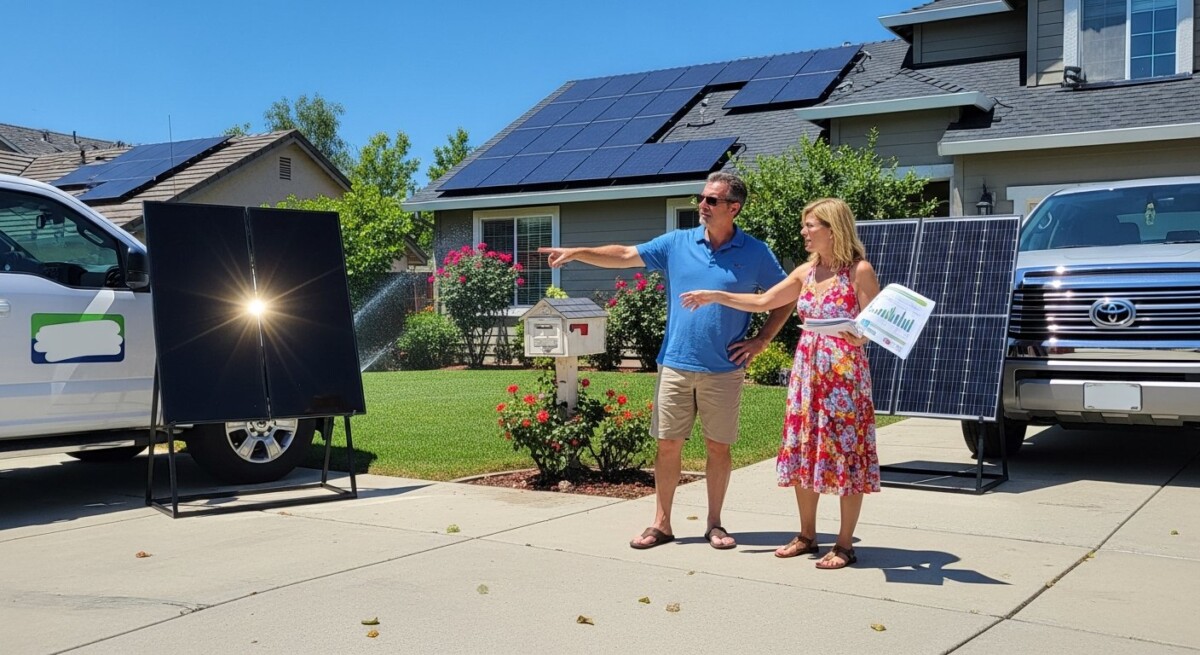
- Provide accurate home details. Your roof size, age, material, and shading affect system design. The more precise your information, the more accurate the proposals will be. Many services use satellite imagery to verify roof dimensions and sun exposure.
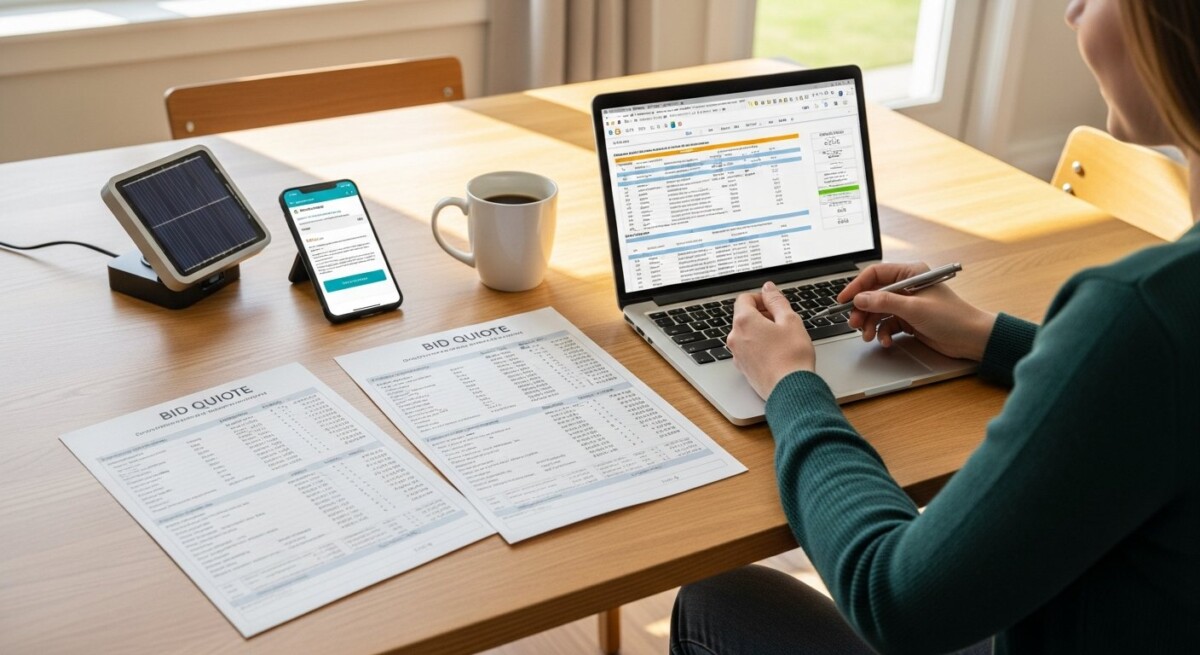
- Review proposals side by side. Each quote should include system size (in kilowatts), panel brand and model, inverter type, estimated annual production, total cost, financing options, and warranty terms. Create a spreadsheet or use the comparison tools provided by the quote platform.
- Ask clarifying questions. Do not hesitate to request clarification on anything that seems unclear. Reputable installers welcome questions about equipment performance, installation timeline, and maintenance requirements.
Once you have three to five quotes, you can begin a meaningful comparison. Pay attention to the cost per watt, which standardizes pricing across different system sizes. A lower cost per watt generally indicates better value, but also factor in equipment quality and warranty coverage.
What to Look for in a Solar Quote
Not all solar proposals are created equal. Some installers bury important details in fine print, while others present transparent, easy-to-understand offers. Here are the critical elements to examine in every free solar quotes near me proposal:
- System specifications. Look for the exact panel model, wattage, and efficiency rating. Also note the inverter type (string inverter, microinverters, or power optimizers) and any battery storage options included.
- Total cost and financing terms. The quote should list the gross system cost, any applicable incentives, and the net cost after federal tax credits. If financing is offered, review the interest rate, loan term, and monthly payment.
- Production estimate. Installers should provide an estimated annual kilowatt-hour (kWh) production based on your roof and local weather patterns. This estimate helps you calculate your payback period.
- Warranty coverage. Solar panels typically carry a 25-year performance warranty, while inverters may have 10- to 15-year warranties. Workmanship warranties should cover installation defects for at least 10 years.
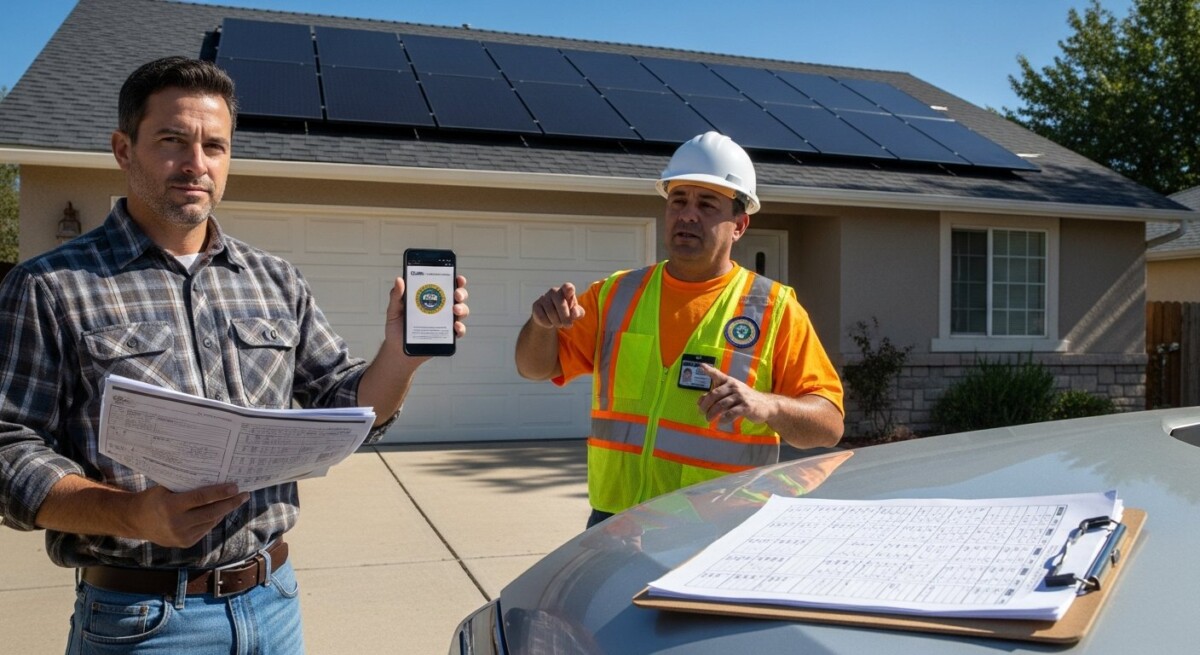
- Insurance and licensing. Verify that the installer holds general liability insurance, workers’ compensation, and proper state licenses. This protects you if something goes wrong during installation.
If any of these details are missing, request them before moving forward. A transparent installer will gladly provide the information. If they hesitate or deflect, consider that a red flag.
Financing Options and Incentives
The upfront cost of solar panels can deter homeowners, but financing options have made solar accessible to more households. When you receive free solar quotes near me, the proposals should include at least one financing pathway. The most common options are:
Cash purchase. Paying outright gives you the best long-term return because you avoid interest payments and retain full ownership of the system. If you have the funds available, this is typically the most cost-effective approach.
Solar loan. Many installers partner with lenders to offer low-interest loans specifically for solar installations. Loans allow you to own the system from day one, qualify for federal tax credits, and pay over time. Compare APR, loan term, and any prepayment penalties.
Solar lease or power purchase agreement (PPA). With a lease or PPA, you do not own the system. Instead, you pay a fixed monthly lease fee or purchase the electricity generated at a lower rate than your utility charges. These options require little to no money down but offer lower long-term savings because the installer retains the tax credits.
In addition to financing, federal and state incentives can significantly reduce your net cost. The federal Investment Tax Credit (ITC) currently allows you to deduct 30% of your system cost from your federal taxes. Many states offer additional rebates, performance-based incentives, or property tax exemptions. Your solar quotes should account for these incentives in the net cost calculation.
Common Mistakes to Avoid
Even with multiple quotes in hand, homeowners can make costly errors. Being aware of these pitfalls helps you navigate the process confidently.
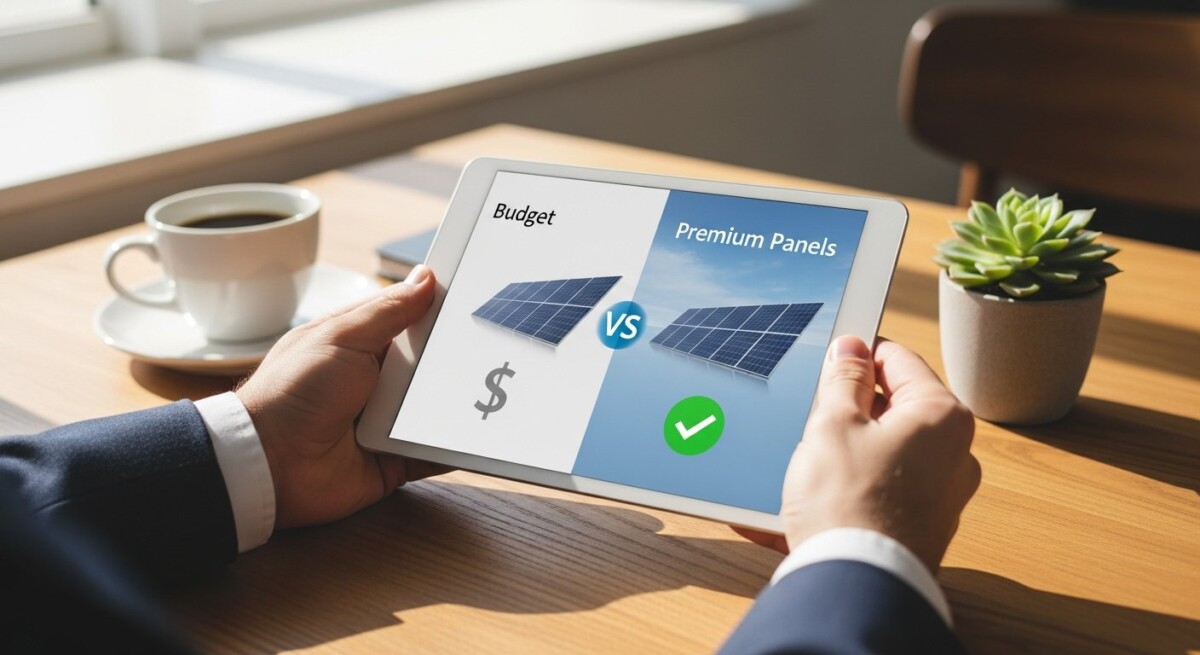
Focusing only on price. The cheapest quote is not always the best value. A lower-priced system might use older panel technology, a shorter warranty, or less experienced installers. Balance cost with quality and long-term reliability.
Ignoring the fine print. Some contracts include escalator clauses in leases or PPAs that increase your payment by 2-3% annually. Others have early termination fees or require you to transfer the lease when selling your home. Read every term carefully before signing.
Overlooking utility policies. Your local utility’s net metering policy determines how much credit you receive for excess solar energy sent to the grid. Some utilities offer full retail credit, while others provide wholesale rates. Understanding this policy affects your payback calculation.
Not checking installer reputation. Research each installer’s Better Business Bureau rating, online reviews, and complaint history. Ask for references from recent customers in your area. A low price means nothing if the installer goes out of business or performs shoddy work.
When to Install Solar Panels
Timing can influence both cost and convenience. Spring and fall are popular installation seasons because weather conditions are mild and daylight hours are sufficient for crews to work efficiently. However, demand peaks during these months, which can lead to longer wait times and potentially higher prices.
Winter installations are possible in most climates, though snow and cold can slow the process. Some installers offer off-season discounts to keep their crews busy. If you are flexible with timing, ask for pricing for different seasons.
Another timing factor is the federal tax credit. As long as you install your system before the credit is scheduled to step down, you will qualify for the full 30% deduction. Check the current status of the ITC and any state-specific deadlines to ensure you do not miss out.
How to Compare Quotes Effectively
Once you have collected several free solar quotes near me, use a systematic approach to compare them. Start by normalizing each quote to cost per watt. Divide the total system cost (before incentives) by the system size in watts. For example, a $20,000 system with 6,000 watts (6 kW) costs $3.33 per watt. The national average hovers around $2.50 to $3.50 per watt, depending on location and equipment.
Next, evaluate the equipment quality. Tier 1 solar panels from manufacturers like LG, Panasonic, or REC typically offer higher efficiency and longer warranties than budget brands. Inverters from Enphase or SolarEdge are industry leaders. A slightly higher cost per watt may be justified if the equipment is superior.
Finally, assess the installer’s reputation and service offerings. A company that provides comprehensive monitoring, responsive customer support, and a solid workmanship warranty adds value that may not appear in the price alone. In our article on how free solar quotes Houston Texas slash your energy bills, we highlight how local market knowledge can make a significant difference in system performance and savings.
Making Your Final Decision
After comparing quotes, you should have a clear frontrunner. Before signing, schedule a site visit with the installer to confirm roof condition, electrical panel capacity, and any structural considerations. A thorough site assessment should be included in the quote process, but some companies skip this step until after the contract is signed. Insist on a physical inspection before committing.
Review the contract with a critical eye. Confirm that all verbal promises are documented in writing, including the timeline, payment schedule, and warranty details. If the installer offers a production guarantee, understand what happens if the system underperforms. Some companies refund the difference, while others simply credit your account.
Once you are satisfied, proceed with installation. Expect the process to take one to three days for a typical residential system, depending on complexity. After installation, the utility company may need to inspect and approve the system before it can be turned on. Your installer should handle this step.
Going solar is a significant investment, but the long-term savings and environmental benefits make it worthwhile for many homeowners. By starting with free solar quotes near me and following the steps outlined here, you can confidently choose a system that meets your needs and budget.
The journey to lower energy bills and a smaller carbon footprint begins with a single step: requesting those quotes. Take advantage of the resources available through platforms like FreeSolarPowerQuotes.com to connect with trusted installers and receive competitive proposals. With the right information and a clear comparison process, you can make an informed decision that pays dividends for years to come.