
Solar Site Visit Questions to Ask Before You Sign
Ask the right solar site visit questions to avoid hidden costs and design flaws. Learn what to ask before signing your solar contract.

By Caleb Morgan
Learn more about Solar Panel Installation and Repair for guides, costs, and what to expect.
Compare Solar Panel Installation and Repair Pros Near You

Enter your ZIP code to compare top-rated local professionals and request free quotes.
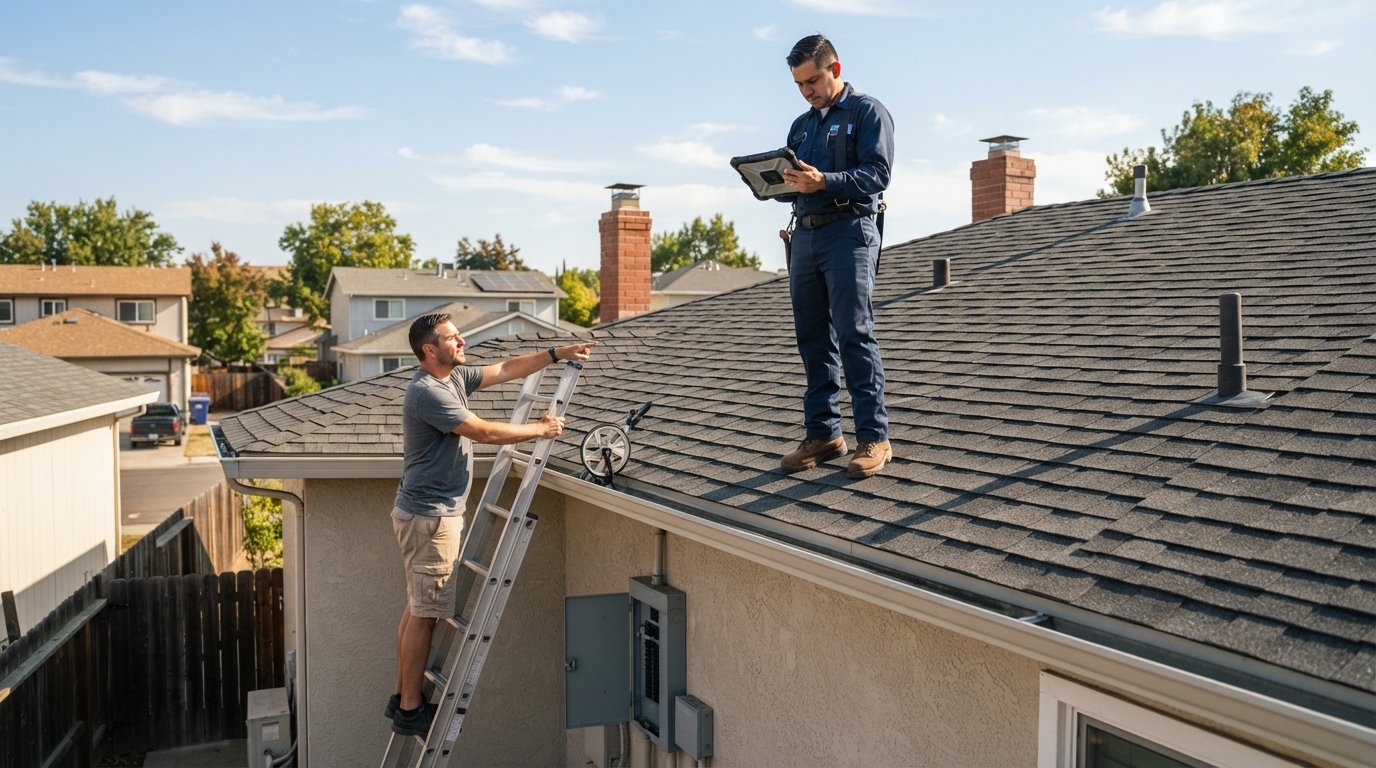
Your solar journey starts long before the panels go on your roof. The site visit is that pivotal moment when a solar installer comes to your home to assess your property, measure your roof, and confirm that your system will work as promised. But this visit is not just a formality. It is your best opportunity to gather critical information, clarify expectations, and protect yourself from costly surprises later. Asking the right questions to ask during solar site visit can mean the difference between a smooth installation and a project plagued by delays, hidden fees, and underperforming equipment.
Many homeowners feel overwhelmed during this stage. They nod along as the technician walks the roof, checks the electrical panel, and takes photos, but they forget to ask about the details that matter. That is a mistake. The site visit is your chance to vet the installer's competence, understand the system design, and confirm that the quote you received is accurate. In this guide, we will walk you through the most important solar site visit questions, organized by category, so you can walk into that meeting with confidence.
Why the Solar Site Visit Is So Important
Think of the site visit as the bridge between a rough estimate and a final, binding proposal. The initial quote you received was likely based on satellite imagery, your average electricity bill, and generic assumptions about your roof. The site visit verifies those assumptions in person. It is where the installer checks your roof's condition, orientation, tilt, and shading, as well as your electrical panel's capacity and your home's overall readiness for solar.
This is also the moment when the installer can identify potential complications that could increase costs or delay the project. For example, if your roof is old or damaged, you may need to replace it before installing panels. If your electrical panel is outdated, it may need an upgrade. If you have a complex roof with multiple angles or obstructions, the design may need to be adjusted. All of these factors affect the final price and the timeline. By asking the right solar site visit questions, you can learn about these issues early and make informed decisions.
In addition, the site visit gives you a chance to evaluate the installer's professionalism. Does the technician explain things clearly? Are they thorough in their inspection? Do they answer your questions honestly? These are strong indicators of how the rest of the process will go. If the technician is rushed, dismissive, or vague, that is a red flag. A reputable installer will welcome your questions and take the time to ensure you understand the plan.
Preparation: What to Have Ready Before the Visit
Before the technician arrives, take some time to prepare. Gather your past 12 months of electricity bills, a copy of your current solar quote, and any questions you have about your energy usage. If you have a home warranty or insurance policy, it may also be helpful to have those documents on hand. The more information you provide, the more accurate the assessment will be.
You should also think about your goals for going solar. Are you primarily interested in reducing your monthly bills? Do you want to protect yourself against rising energy rates? Are you considering battery backup for emergency power? Your answers will influence the system size and design. Communicate these goals clearly during the visit.
Finally, check the weather. If it is raining or snowing, the technician may not be able to safely inspect the roof. You may need to reschedule. Also, ensure that the technician has clear access to your electrical panel, attic, and any other areas they need to examine. If you have pets, keep them secured during the visit.
Key Questions About Roof Condition and Structural Integrity
Your roof is the foundation of your solar system. If it is not in good shape, the panels cannot perform safely or effectively. This is why the first set of solar site visit questions should focus on your roof's condition and structural integrity.
Ask the installer: "What is the condition of my roof, and how many years of life does it have left?" Solar panels typically last 25 to 30 years, so you want your roof to last at least as long. If your roof is nearing the end of its lifespan, it may be wise to replace it before installing solar. The installer can help you assess this, but you should also consider getting a professional roofing inspection if you have any doubts.
Another critical question is: "Are there any signs of damage, such as cracked tiles, missing shingles, or soft spots?" The technician should walk the roof and look for issues that could affect the installation. If they identify problems, ask for specifics. For example, "Can you show me where the damage is?" and "What are my options for repairing or replacing the roof?"
You should also ask about the roof's orientation and tilt. In the United States, south-facing roofs with a tilt between 15 and 40 degrees are generally ideal for solar. However, east- and west-facing roofs can still work well, especially with modern panel technology. Ask the installer: "Is my roof's orientation and tilt optimal for solar production?" and "How much energy will I lose if my roof is not perfectly south-facing?"
Shading is another major factor. Trees, chimneys, neighboring buildings, and even power lines can cast shadows that reduce your system's output. Ask: "Are there any shading issues that will affect my system's performance?" If the installer identifies shading problems, ask about solutions, such as microinverters, power optimizers, or trimming trees. Also ask: "What is the estimated annual energy production for my specific roof?" This will give you a realistic expectation of your savings.
Questions About Electrical Panel and System Capacity
Your electrical panel is the gateway between your solar system and your home. If it is too small or outdated, it may need to be upgraded to handle the extra power. This can add significant cost to your project, so it is essential to ask about it during the site visit.
Start with: "Is my current electrical panel large enough to support a solar system?" Most modern panels are 200 amps, which is sufficient for most homes. However, if you have an older panel with 100 or 150 amps, you may need an upgrade. The installer should be able to tell you whether an upgrade is necessary and provide an estimate for the cost.
You should also ask: "How many solar panels can my roof physically accommodate?" This will depend on the usable roof area, the panel size, and the local building codes. The installer should calculate this based on your roof measurements and the system design. Ask: "What is the maximum system size I can install without needing a panel upgrade?" and "What are the advantages and disadvantages of a larger system?"
Another important question is: "Will I need to upgrade my main service panel, and if so, how much will that cost?" Panel upgrades typically range from $1,000 to $3,000, depending on the complexity. Some installers include this cost in the initial quote, while others add it as a change order. By asking upfront, you can avoid unexpected expenses later. Also, ask: "Does my utility company have any requirements for solar interconnection, such as a specific meter or disconnect switch?" The installer should be familiar with local utility rules.
Finally, ask about the system's expected output. "How many kilowatt-hours (kWh) will my system produce annually?" This number should be based on your roof's specific conditions, not just a national average. The installer should be able to provide a detailed production estimate using software like Aurora or Helioscope. Compare this estimate to your actual electricity usage to determine the ideal system size.
Inverter and Equipment Selection Questions
The inverter is the brain of your solar system. It converts the direct current (DC) electricity generated by your panels into alternating current (AC) that your home can use. The type of inverter you choose affects your system's performance, monitoring capabilities, and warranty. During the site visit, ask the installer about their recommended equipment and why they chose it.
Ask: "Which inverter brand and model do you recommend, and what are the benefits of that choice?" There are three main types of inverters: string inverters, microinverters, and power optimizers. String inverters are the most affordable but can be less efficient if one panel is shaded. Microinverters are more expensive but offer panel-level monitoring and better performance in shaded conditions. Power optimizers are a middle ground, combining some of the benefits of both. The installer should explain the trade-offs and help you choose the best option for your roof.
You should also ask about the panels themselves. "What brand and model of solar panels will be installed, and what is their efficiency rating?" Higher-efficiency panels generate more electricity per square foot, which is important if you have limited roof space. Ask about the panel's degradation rate, which is how much output it loses each year. A typical warranty guarantees 80% to 90% of rated output after 25 years. Ask: "What is the warranty on the panels, and does it cover both product and performance?"
If you are considering battery storage, ask: "Do you recommend adding a battery, and if so, which one?" Batteries can provide backup power during outages and allow you to store excess energy for use at night. However, they add significant cost. The installer should help you determine whether a battery is worth the investment based on your energy usage and goals. Ask about the battery's capacity, round-trip efficiency, and warranty.
Finally, ask about monitoring. "How will I be able to monitor my system's performance?" Most modern systems come with a mobile app or web portal that shows real-time production and alerts you to issues. Ask if the monitoring is included in the price and whether there are any monthly fees. Also ask: "What happens if I notice a performance issue? How do I get support?"
Installation Process and Timeline Questions
Knowing what to expect during the installation process can reduce anxiety and help you plan. The site visit is a great time to ask about the timeline, the crew, and the steps involved. These questions will also reveal how organized and transparent the installer is.
Ask: "How long will the installation take?" A typical residential installation takes one to three days, depending on the system size and roof complexity. However, the entire process from contract to activation can take several weeks or even months, depending on permits, inspections, and utility approval. Ask for a detailed timeline, including when you can expect the panels to be installed and when the system will be connected to the grid.
You should also ask: "Will you handle all permits and inspections?" In most jurisdictions, the installer is responsible for obtaining the necessary permits and scheduling inspections. However, some installers may require you to handle certain aspects, so it is important to clarify. Ask: "Who is responsible for the interconnection agreement with my utility company?" and "How long does the utility typically take to approve the connection?"
Another key question is: "What safety protocols do you follow during the installation?" The crew should be trained, insured, and follow OSHA guidelines. Ask about their safety record and whether they have any certifications, such as NABCEP (North American Board of Certified Energy Practitioners). Also ask: "Who will be working on my roof? Are they employees or subcontractors?" If they use subcontractors, ask about their training and background checks.
Finally, ask about the cleanup process. "Will you clean up the work area at the end of each day?" and "What happens if there is damage to my property during the installation?" A reputable installer will have a plan for addressing any issues. Ask about their insurance coverage and how they handle claims.
Financial and Contract Questions
The site visit is also the time to verify the financial details of your solar project. You want to make sure that the final contract matches the quote you received and that there are no hidden fees. These questions will help you avoid surprises on your final bill.
Start with: "Is this site visit going to change the price I was quoted?" Installers often use the site visit to finalize the system design, and sometimes the price can change based on what they find. For example, if your roof requires extra mounting hardware or your electrical panel needs an upgrade, the cost may increase. Ask the installer to explain any potential price changes and provide a written estimate before you sign the contract. This is also a good time to ask about the payment schedule: "When is the deposit due, and what are the milestones for payment?"
You should also ask about the financing options. "What financing programs are available, and what are the interest rates and terms?" Many solar companies offer loans, leases, or power purchase agreements (PPAs). Each option has pros and cons, so it is important to understand the long-term costs. Ask about the annual percentage rate (APR), the length of the loan, and any prepayment penalties. Also ask: "Do you offer a cash discount if I pay upfront?"
Another important question is: "What warranties are included, and what do they cover?" There are three main warranties: the panel manufacturer's warranty, the inverter warranty, and the installation workmanship warranty. Ask about the length of each warranty and what it covers. For example, does the workmanship warranty cover labor costs if a panel needs to be replaced? Does the inverter warranty cover both parts and labor? Ask for a copy of the warranty documents so you can review them before signing.
Finally, ask about the estimated savings. "Based on the final system design, what will my monthly savings be?" The installer should provide a realistic estimate based on your current electricity rates and the system's expected production. Ask them to show you the calculation so you understand how they arrived at the number. Also ask: "What happens if my utility rates increase in the future?" Solar can protect you against rate hikes, but the exact savings will depend on your usage and the net metering policy in your area.
Post-Installation Support and Maintenance Questions
Your solar system is a long-term investment, so it is important to know what kind of support you will receive after the installation is complete. The site visit is a good time to ask about maintenance, troubleshooting, and warranty service. These questions will give you peace of mind that you are buying more than just equipment.
Ask: "What maintenance is required for my solar system?" Solar panels are generally low-maintenance, but they may need occasional cleaning to remove dust, leaves, or bird droppings. In many areas, rain is sufficient to keep them clean. However, if you live in a dusty or wildfire-prone area, you may need to clean them more often. Ask the installer for their recommendations and whether they offer cleaning services.
You should also ask: "How do I report a problem with my system?" The installer should have a clear process for troubleshooting and repairs. Ask for their customer service phone number and response times. Also ask: "Do you offer remote monitoring and diagnostics?" Many installers can log into your system's monitoring platform and identify issues remotely, which can save time and money. Ask: "What is your warranty service process?" If a panel fails, how long will it take to get a replacement?
Finally, ask about the longevity of the system. "How long will my solar system last, and what is the expected degradation rate?" Most panels are designed to last 25 to 30 years, but they will gradually lose efficiency over time. The installer should provide a degradation curve, showing how much output you can expect in year 10, year 20, and year 25. This will help you understand the long-term value of your investment.
As you can see, the solar site visit is not just a technical inspection. It is a strategic conversation that can save you thousands of dollars and countless headaches. By asking these solar site visit questions, you are taking control of the process and ensuring that your solar project is a success.
If you are still in the research phase, you may want to read more about solar quote changes after site visit to understand how the initial estimate may evolve. And when you are ready to get quotes, NewSolarQuotes can help you compare offers from reputable installers in your area.
Remember, the goal is not to interrogate the installer, but to collaborate with them. A good installer will appreciate your questions and view them as a sign that you are an engaged, informed customer. So go ahead, ask away, and get ready to enjoy the many benefits of solar energy.