
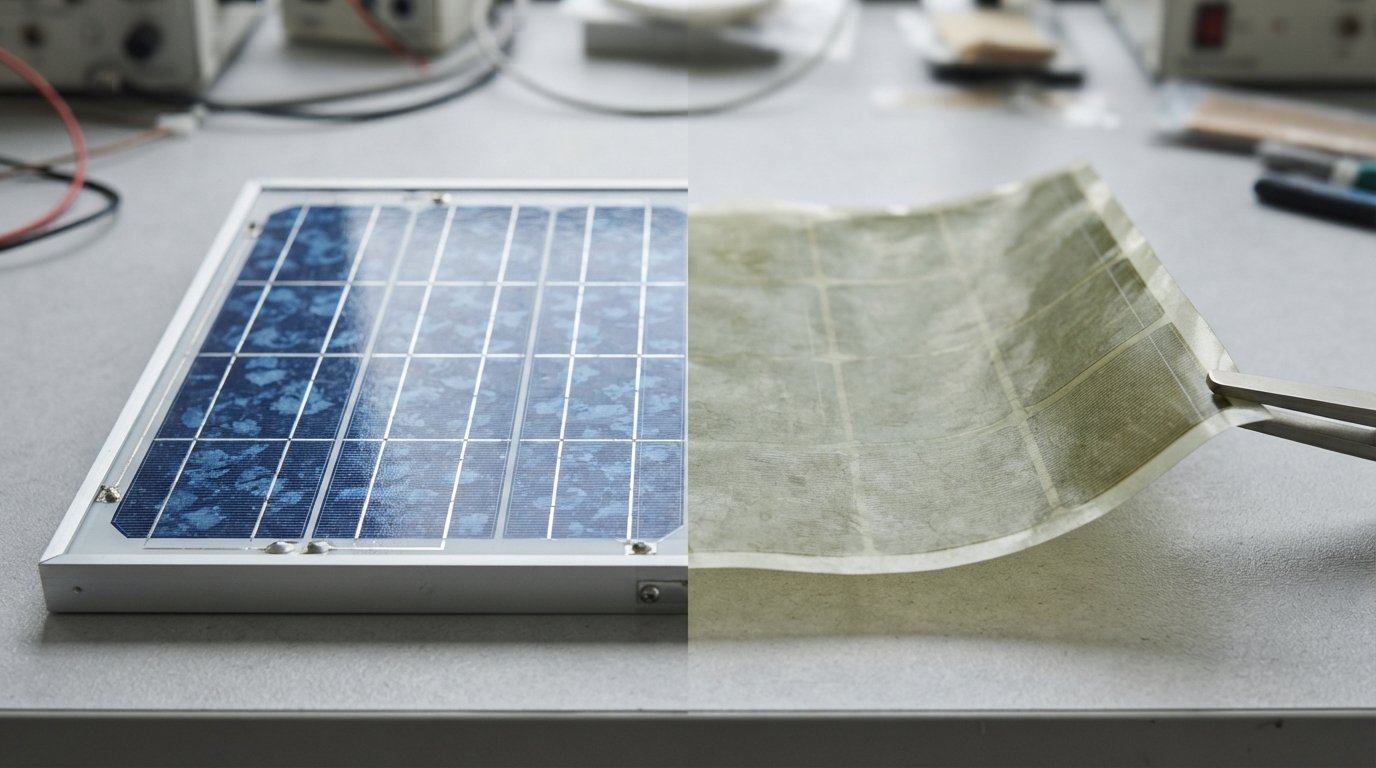
Organic Solar Cells vs Silicon Panels for Homes: A 2026 Reality Check
Compare organic solar cells vs silicon panels for homes and see which tech wins today. Call (833)-793-7166 for free solar quotes and expert guidance.

Learn more about Solar Panel Installation and Repair for guides, costs, and what to expect.
Compare Solar Panel Installation and Repair Pros Near You

Enter your ZIP code to compare top-rated local professionals and request free quotes.
If you have been following solar energy news, you have probably seen headlines about organic solar cells: flexible, semi-transparent, ultra-thin, and potentially cheap to produce. The promise is compelling, especially for homeowners who want solar that blends into their roof rather than sitting on top of it. But when you start comparing organic solar cells vs silicon panels for homes, the picture gets more complicated. Silicon dominates the residential market for good reasons, and organic photovoltaics, while advancing quickly, still face significant hurdles before they become a practical choice for most American households. This article breaks down the real differences, the current tradeoffs, and what you can realistically do today if you are shopping for home solar.
How Organic Solar Cells and Silicon Panels Differ at the Material Level
The fundamental difference between these two technologies comes down to the material that absorbs sunlight and converts it into electricity. Crystalline silicon panels, which make up the vast majority of residential installations in the United States, use wafers of highly purified silicon. Silicon is abundant, well understood, and has benefited from decades of manufacturing refinement. A typical silicon panel today converts somewhere between 20 and 23 percent of the sunlight that hits it into usable electricity, and the best residential models push slightly higher.
Organic solar cells, by contrast, use carbon-based polymers or small molecules as the light-absorbing layer. These materials can be dissolved in solvents and printed or coated onto flexible substrates at relatively low temperatures. That manufacturing approach opens up possibilities that silicon cannot easily match: semi-transparent modules for windows, lightweight films that can be applied to curved surfaces, and roll-to-roll production that could eventually reduce costs. The tradeoff is that organic materials are less efficient at converting sunlight and are more sensitive to degradation from oxygen, moisture, and ultraviolet exposure.
There is also a middle category worth mentioning: thin-film solar panels made from materials like cadmium telluride or copper indium gallium selenide. These are not organic, but they share some of the flexibility and lightweight characteristics that make organic cells attractive. If you want to understand how thin-film options compare with traditional silicon, our guide on best thin-film solar panels for homes explains the current landscape in detail.
Efficiency, Durability, and Lifespan: The Core Tradeoffs
Efficiency is the first thing most homeowners ask about, and it is where organic solar cells still lag significantly. Laboratory records for organic photovoltaics have climbed into the high teens, but commercial modules typically deliver lower performance, often in the 8 to 12 percent range. For a homeowner, that means you need more roof area to generate the same amount of power. If you have a large, unshaded roof, that might be acceptable. If you have a modest roof or want to maximize output from limited space, silicon's higher efficiency is a decisive advantage.
Durability is the second major concern. Silicon panels come with warranties of 25 to 30 years, and manufacturers expect them to keep producing useful power well beyond that. Organic solar cells degrade faster when exposed to air and moisture, and their operational lifespan in real-world conditions is typically measured in years rather than decades. Encapsulation technology is improving, but no organic module on the market today matches the proven longevity of crystalline silicon.
Here is a quick comparison of the key performance factors homeowners should weigh:
- Efficiency: Silicon panels typically convert 20 to 23 percent of sunlight; organic cells in commercial form often convert 8 to 12 percent.
- Lifespan: Silicon carries 25 to 30 year warranties; organic modules currently have shorter expected lifespans and less mature warranty coverage.
- Flexibility: Organic cells can be printed on flexible substrates and made semi-transparent; silicon is rigid and opaque.
- Cost trajectory: Silicon is already cheap and mass-produced; organic cells promise lower material costs but have not yet achieved scale in residential markets.
These tradeoffs explain why organic solar cells have not yet displaced silicon in residential installations. The efficiency gap and the durability question are not minor details; they directly affect how much power a system produces, how long it lasts, and what kind of return on investment a homeowner can expect. Until organic modules can close those gaps, silicon will remain the default choice for most homes.
Where Organic and Flexible Solar Technologies Are Actually Used Today
Organic photovoltaics are not sitting idle in laboratories. They are finding real applications, just not typically on residential rooftops. One of the most visible uses is in building-integrated photovoltaics, where semi-transparent organic modules are incorporated into windows, facades, and shading elements. These applications value aesthetics and transparency over raw efficiency, and they can offset some building energy use without requiring dedicated roof space.
Another growing use is in portable and off-grid products: solar chargers for electronics, lightweight panels for camping and hiking, and flexible modules for remote sensors or agricultural monitoring. In these niches, the lightweight and flexible nature of organic cells matters more than long-term durability or high efficiency. You will also find organic solar cells in some consumer electronics and IoT devices, where they can harvest ambient light to power small sensors or displays.
For homeowners, the practical takeaway is that organic solar cells are not yet a mainstream residential product in the United States. You cannot walk into a typical solar installer's office and order an organic rooftop system the way you can order a silicon array. The technology is real and improving, but its current commercial footprint is concentrated in specialty applications rather than standard home installations.
The Realistic Timeline for Residential Availability in the US Market
Predicting exactly when organic solar cells will become a viable residential option is difficult, but the trajectory is clearer than the timeline. The technology needs to clear several hurdles before it can compete with silicon for home installations: higher efficiency, proven long-term durability, standardized warranties, building code certification, and a manufacturing base that can produce modules at scale. Each of these takes time.
Industry analysts generally expect organic photovoltaics to gain traction first in niche markets and building-integrated applications before they appear as standard residential rooftop products. Some forecasts suggest that within the next five to ten years, organic modules could become more common in specialized residential contexts, such as solar windows or flexible cladding on homes with architectural constraints. But a broad shift away from silicon for standard rooftop installations is not imminent. Silicon manufacturing is deeply entrenched, costs continue to fall, and the installed base of silicon panels is enormous.
For homeowners, this means the decision today is not really organic versus silicon. It is whether to install silicon now or wait for organic technology to mature. Waiting has an opportunity cost: every year you delay, you forgo electricity savings and potentially miss out on current incentives. The 30 percent federal residential clean energy credit, for example, is scheduled to step down over time, and state-level programs vary. If you are considering solar, it is worth getting quotes now to understand your options rather than waiting for a technology that may not be ready for your roof for years.
What to Buy Now While Emerging Tech Matures
If you are interested in solar for your home today, the practical choice is crystalline silicon, ideally from a reputable manufacturer with strong warranties and a track record in your region. Silicon panels are proven, widely available, and supported by a mature installer network. You can also consider high-efficiency silicon models if roof space is limited, or thin-film options if you have specific weight or flexibility constraints. For most homeowners, a standard silicon system paired with a well-designed inverter and, optionally, battery storage is the most reliable path to savings.
As you evaluate installers and equipment, it helps to understand the broader home service ecosystem. If you need to coordinate solar installation with roofing repairs, electrical upgrades, or other home improvements, platforms that connect you with vetted local professionals can simplify the process. For example, Repairmen is a nationwide directory that helps homeowners find licensed contractors for appliance repair, remodeling, and related services, which can be useful when your solar project involves multiple trades.
To get started with solar quotes, here is a simple framework:
- Assess your roof and energy use: Check roof age, shading, and your annual electricity consumption to estimate system size.
- Compare at least three quotes: Use a service like FreeSolarPowerQuotes to connect with pre-screened local installers and compare pricing and equipment.
- Review incentives and financing: Confirm current federal, state, and utility incentives, and compare cash, loan, lease, and PPA options.
- Verify installer credentials: Check licensing, insurance, warranties, and customer reviews before signing a contract.
This approach lets you capture savings now while keeping an eye on emerging technologies. If organic solar cells eventually become a compelling residential option, you can consider them for a future roof replacement or addition. For now, silicon is the workhorse that delivers reliable results.
Making Sense of the Comparison for Your Home
When you compare organic solar cells vs silicon panels for homes, the conclusion is clear for most homeowners in 2026: silicon is the practical choice. Organic cells offer exciting possibilities for flexibility, transparency, and potentially lower manufacturing costs, but they are not yet competitive on efficiency, durability, or residential availability. The smart move is to install proven silicon solar now, take advantage of current incentives, and let the emerging technology mature on its own timeline. If you want to explore quotes from vetted installers in your area, FreeSolarPowerQuotes can connect you with local providers at no cost and no obligation.