
Solar Panel Noise and Flicker Complaints: What to Expect
Solar panel noise and flicker complaints are rare but manageable. Call (833)-793-7166 for expert advice on minimizing issues.

Learn more about Solar Panel Installation and Repair for guides, costs, and what to expect.
Compare Solar Panel Installation and Repair Pros Near You

Enter your ZIP code to compare top-rated local professionals and request free quotes.
You have probably heard the claims: solar panels are silent, they produce no glare, and they never bother anyone. Then a neighbor mentions a strange hum from the inverter, or you notice a reflection on a nearby wall, and you start to wonder. The truth is that solar panel noise and flicker complaints do happen, but they are far less common than most people fear. Understanding what causes these issues, how often they occur, and what you can do about them will help you set realistic expectations and avoid surprises. This guide walks you through the real-world experiences of homeowners and installers, so you know exactly what to expect when you go solar.
Inverter Hum Versus Panel Noise: What Is Normal
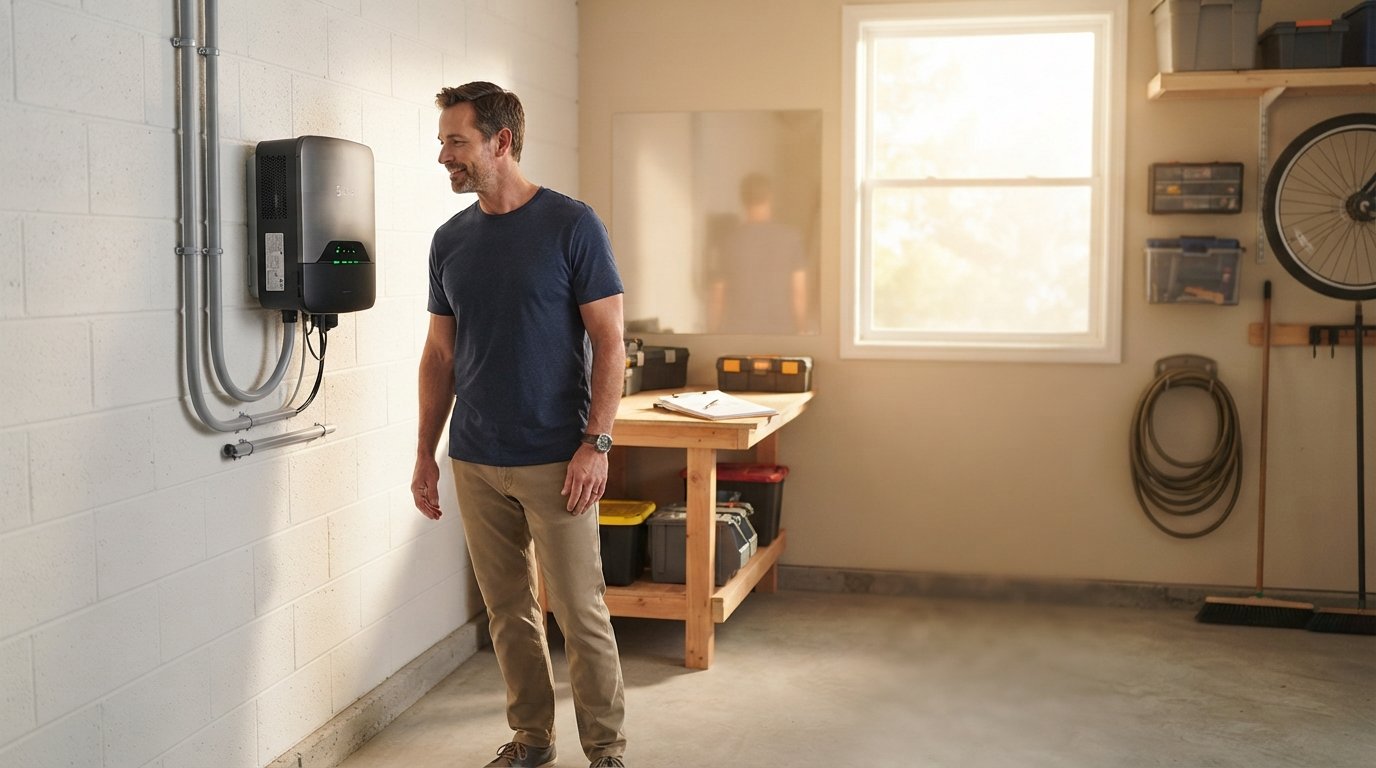
When people talk about solar panel noise, they are usually not talking about the panels themselves. Solar panels have no moving parts, so they produce no mechanical noise. The sound you might hear comes from the inverter, the device that converts direct current (DC) electricity from your panels into alternating current (AC) for your home. Inverters contain electronic components and, in some cases, cooling fans, which can create a low hum or buzz. This is completely normal and is typically no louder than a refrigerator.
String inverters are often mounted on a wall in a garage or utility room, and their hum is usually unnoticeable unless you are standing right next to them. Microinverters, which are installed under each panel, produce very little noise and are virtually silent from ground level. The key is to understand that panel noise is essentially zero, while inverter noise is minimal and manageable. If you hear a loud or unusual sound, it could indicate a problem with the inverter that warrants a service call.
What about flicker? Flicker is not a sound but a visual phenomenon. It occurs when the inverter's power output fluctuates rapidly, causing lights to flicker or dim. This is rare and usually associated with older or faulty inverters, or with certain LED bulbs that are sensitive to power quality changes. Modern, high-quality inverters are designed to minimize flicker, and most homeowners never experience it. If you do notice flicker, it is often a sign that the inverter needs adjustment or replacement, and your installer can address it.
Glare and Reflection Concerns for Neighbors and Flight Paths
Glare from solar panels is another common concern, especially for neighbors who worry about bright reflections shining into their windows. In reality, solar panels are designed to absorb sunlight, not reflect it. The glass surface is treated with an anti-reflective coating, and the panels are tilted toward the sun, which means most reflection goes upward into the sky rather than sideways into neighboring properties. Studies have shown that solar panels typically reflect less light than a standard window or a car windshield.
That said, there are situations where glare can be noticeable. If panels are mounted at a steep angle and the sun hits them at a low angle, a brief flash of light might be visible. This is usually a temporary issue that occurs only at certain times of day and year. For neighbors, the impact is often minimal, but it is worth discussing during the planning phase. If you live near an airport or flight path, glare can be a more serious concern. The Federal Aviation Administration (FAA) has guidelines for solar installations near airports, and some projects require a glare analysis to ensure pilots are not distracted. Homeowners in such areas should check local regulations and work with their installer to mitigate any potential issues.
Mitigation options for glare include adjusting the tilt of the panels, using anti-reflective coatings, or planting screening vegetation. In most residential settings, glare is a non-issue, but being proactive and communicating with neighbors can prevent complaints before they arise.
Flicker Risks With Certain Inverter and LED Interactions
Flicker is a more technical issue that can occur when the inverter's output is not perfectly smooth. Some inverters, particularly older models or those with certain settings, can cause lights to flicker, especially LED bulbs that are sensitive to voltage fluctuations. This is not a common problem with modern equipment, but it is worth understanding if you have a lot of LED lighting in your home.
The interaction between solar inverters and LED drivers can sometimes create a visible flicker. LED bulbs have drivers that convert AC power to the low-voltage DC they need, and if the inverter's output has a slight ripple, it can cause the LEDs to flicker. This is more likely to happen with cheap LED bulbs or with inverters that are not properly configured. If you experience flicker after installing solar, your installer can often resolve it by adjusting the inverter settings or recommending higher-quality LED bulbs.
Another type of flicker is related to the rapid shutdown feature required by the National Electrical Code (NEC). Some rapid shutdown systems can cause a brief flicker when they activate, but this is a one-time event and not a continuous issue. Overall, flicker is a rare complaint and is usually easily fixed. It is not a reason to avoid solar, but it is something to be aware of if you are particularly sensitive to lighting changes.
Mitigation Options Like Inverter Placement and Screen Planting
If you are concerned about noise or glare, there are several practical steps you can take to minimize any impact. The first is to choose the right inverter placement. String inverters should be mounted away from bedrooms and living areas, ideally in a garage or on an exterior wall that is not adjacent to a window. Microinverters are inherently quieter and can be a good choice if noise is a top concern. Your installer can help you select the best option for your home layout.
For glare, consider the angle and orientation of your panels. While you want to maximize sun exposure, you can also adjust the tilt slightly to reduce reflection toward neighboring properties. Planting trees or shrubs as a screen can also help, although you need to ensure they do not shade your panels. Some installers offer anti-reflective coatings, but these are rarely necessary for residential systems.
If a neighbor complains about noise or flicker, the best approach is to document the issue and contact your installer. They can inspect the system, check for faulty components, and make adjustments. In most cases, the problem is easily resolved. It is also helpful to keep a log of when the issue occurs, as this can help diagnose the cause. For example, if flicker only happens on sunny afternoons, it might be related to the inverter's power output at peak times.
What to Document If a Neighbor Complains
If a neighbor raises a concern about noise or flicker, it is important to handle it professionally and transparently. Start by listening to their complaint and taking it seriously, even if you suspect it is minor. Then, document the details: the date and time of the complaint, the specific nature of the issue (noise, glare, flicker), and any patterns you notice. This information will be valuable if you need to involve your installer or the manufacturer.
Next, contact your solar installer and explain the situation. They can schedule a service visit to assess the system and determine if any adjustments are needed. In many cases, a simple fix like tightening a loose component or updating inverter firmware can resolve the issue. If the complaint is about glare, your installer can evaluate the panel angle and suggest mitigation measures. It is also a good idea to keep a record of all communications with your neighbor and your installer, as this can help resolve any disputes that may arise.
Finally, remember that most solar systems operate quietly and without causing glare. Complaints are relatively rare, and when they do occur, they are usually resolved quickly. By being proactive and communicative, you can address any concerns and maintain good relationships with your neighbors. For more information on solar costs and what to expect in different states, you might find our guide on solar panel costs in Maine helpful, as it covers similar expectation-setting topics.
When planning your solar installation, it is also wise to work with a reputable contractor who can advise on best practices for minimizing noise and glare. If you are also considering home improvements beyond solar, companies like 180 Remodel offer remodeling and renovation services that can complement your solar project, ensuring your home is both energy-efficient and aesthetically pleasing.
In the end, solar panel noise and flicker complaints are uncommon and usually manageable. By understanding the causes and taking simple precautions, you can enjoy the benefits of solar energy with peace of mind. If you have specific concerns, reach out to your installer or a solar advisor for personalized guidance.