If you live in Denver and have watched your electricity bills climb year after year, you are not alone. Many homeowners in the Mile High City are searching for ways to take control of their energy costs. That search often leads to one solution: solar installation Denver Colorado. By generating your own power, you can reduce monthly expenses and rely less on the traditional grid.
Understanding Solar Installation Denver Colorado
Solar installation is the process of mounting photovoltaic (PV) panels on your roof or property to capture sunlight and convert it into electricity. In Denver, where the sun shines over 300 days a year, this technology works especially well. The panels produce direct current (DC) electricity, which an inverter changes into alternating current (AC) for your home.
More Denver homeowners are choosing solar because it turns a natural resource,sunlight,into a financial asset. Instead of paying the utility company for every kilowatt-hour, you generate your own power and only draw from the grid when needed. Over time, this shift can dramatically lower your energy bills.
How Solar Panels Work in Denver’s Climate
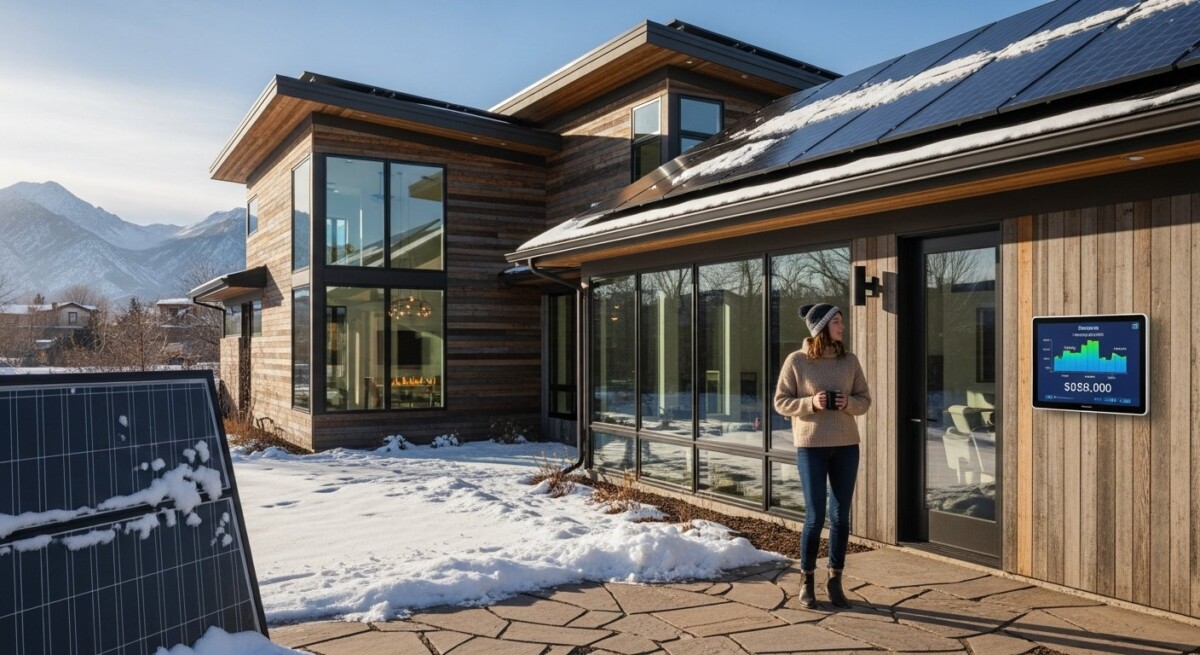
Denver’s high altitude and low humidity mean intense, consistent sunlight throughout the year. Even on cloudy days, panels still produce electricity, though at a reduced rate. Snow can actually help by reflecting extra light onto the panels, and modern systems are designed to shed snow quickly. This climate makes Denver one of the best cities in the U.S. for solar energy production.
Why Solar Energy Is Becoming More Popular
Rising electricity prices are a major reason homeowners switch to solar. Xcel Energy, the primary utility in Denver, has raised rates several times in recent years, and those increases are expected to continue. Solar offers a way to lock in a lower, predictable energy cost for decades.
Environmental concerns also drive the shift. Solar power produces no greenhouse gases during operation, helping reduce your carbon footprint. For many families, the combination of long-term savings and environmental benefits makes solar an attractive choice. After the system pays for itself,typically in 7 to 12 years,the electricity you produce is essentially free.
If you are considering solar power for your home, comparing installation quotes can help you understand your options. Request a free solar quote or call (855) 780-1349 to learn more.
Common Questions Homeowners Have About Solar
Before investing in solar, most homeowners have practical questions about cost, roof suitability, and performance. Understanding these answers can help you make a confident decision. Professional installers can address these concerns during a free consultation.
Here are some of the most common questions Denver homeowners ask:
- How much does solar installation cost in Denver? Costs vary based on system size and equipment, but the average residential system ranges from $15,000 to $25,000 before incentives.
- Is my roof suitable for solar panels? Most south-facing roofs with good sun exposure work well. An installer will evaluate your roof’s age, angle, and shading.
- Will solar panels work during winter? Yes, Denver’s sunny winters still produce significant energy, and panels are designed to handle snow.
- How long does installation take? The entire process, from design to activation, usually takes 4 to 8 weeks.
- What happens if I produce more electricity than I use? Net metering credits your account for excess power, reducing future bills.
- Do I need a battery backup? Batteries are optional but can provide backup power during outages and increase energy independence.
How Solar Panel Installation Works
The solar installation process is straightforward when you work with an experienced professional. It begins with a home energy assessment to determine your current usage and roof conditions. From there, the installer designs a system tailored to your home and energy goals.
Once the design is finalized, your installer handles all permits and approvals with the city of Denver and your homeowners’ association. After approvals, the physical installation typically takes one to three days, followed by a final inspection and connection to the grid. Your system is then activated, and you start saving immediately.
- Home energy assessment , Review your electricity bills and roof conditions.
- System design , Create a custom layout for optimal sun exposure.
- Permits and approvals , Secure necessary permissions from local authorities.
- Panel installation , Mount panels, install inverters, and run wiring.
- System activation , Connect to the grid and start generating power.
Speaking with experienced installers can help you determine the best solar solution for your home. Compare solar quotes here or call (855) 780-1349 to explore available options.
Signs Your Home May Be Ideal for Solar
Not every home is perfectly suited for solar, but many Denver properties are excellent candidates. The most important factor is sunlight exposure. Homes with a south-facing roof that receives direct sun for most of the day will produce the most energy. In our guide on grounding solar dreams for a safe installation, we explain how proper mounting and electrical safety are critical for maximizing performance.
Other indicators include high electricity bills, which make solar more financially beneficial, and a roof in good condition that won’t need replacement soon. If you plan to stay in your home for at least five more years, the long-term savings will outweigh the upfront investment.
- Strong, unobstructed sunlight on your roof for most of the day
- High monthly electricity bills (over $100 is a good threshold)
- At least 400 square feet of usable roof space
- A roof that is less than 10 years old or in excellent condition
- Plans to live in your home for 5+ years
- No significant shading from trees or nearby buildings
What Affects Solar Installation Costs
The cost of a solar system depends on several key factors. The size of the system, measured in kilowatts (kW), is the biggest driver. A larger system costs more upfront but generates more electricity and provides greater bill savings. The quality of the panels and inverters also affects the price,premium equipment tends to be more efficient and last longer.
Installation complexity can add to the cost. A simple roof mount on a south-facing asphalt shingle roof is the most affordable scenario. Complex roofs with multiple angles, tile materials, or heavy shading require more labor and specialized equipment. Local incentives, such as the federal Investment Tax Credit (ITC) and Xcel Energy rebates, can reduce your net cost by 30% or more.
The cost of solar installation varies depending on your home and energy needs. Request personalized solar quotes or call (855) 780-1349 to see what options are available.
Tips for Choosing a Reliable Solar Installer
Choosing the right installer is just as important as choosing the right equipment. A reputable company will help you avoid costly mistakes, such as oversizing your system or underestimating shading. Look for installers with strong local experience in Denver, because they understand city permitting and utility requirements. Before you commit, review the essential documents for solar installation and long-term savings to know what paperwork and warranties to expect.
It is also wise to check warranties on both the panels and the workmanship. Most quality panels come with a 25-year performance warranty, while workmanship warranties typically last 10 to 15 years. Reading customer reviews on platforms like Google and the Better Business Bureau can reveal how an installer handles service after the sale.
- Look for installers with at least 5 years of experience and valid licenses
- Request and compare at least three detailed quotes
- Verify that the installer offers a 25-year panel warranty and a 10-year workmanship warranty
- Read recent customer reviews to gauge reliability and service quality
- Ask about financing options, including loans and leases
- Confirm that the installer handles all permits and inspections
Long-Term Benefits of Installing Solar Panels
The most immediate benefit of solar is lower electricity bills. Many Denver homeowners see their monthly bills drop by 50% to 90% after installation. Over 25 years, the average homeowner saves between $20,000 and $40,000, depending on system size and energy usage. These savings increase as utility rates rise.
In addition to financial savings, solar panels increase your home’s resale value. Studies show that homes with solar sell for about 4% more than comparable homes without it. You also gain energy independence,protecting yourself from future rate hikes and grid outages if paired with battery storage. Environmentally, a typical residential solar system offsets the equivalent of planting 150 trees each year.
Frequently Asked Questions
How much does solar installation cost in Denver, Colorado?
The average cost for a residential solar system in Denver ranges from $15,000 to $25,000 before federal and local incentives. After the 30% federal tax credit, the net cost drops to roughly $10,500 to $17,500. Many installers offer financing to make the upfront cost more manageable.
Is Denver a good location for solar panels?
Yes, Denver is one of the best cities for solar in the U.S. due to its high altitude, low humidity, and over 300 sunny days per year. These conditions allow panels to produce electricity efficiently year-round, even in winter.
How long does it take to install solar panels in Denver?
The physical installation typically takes one to three days. However, the entire process,from the initial consultation to system activation,usually takes 4 to 8 weeks. This timeline includes design, permitting, and utility approvals.
Do solar panels work during Denver winters?
Yes, solar panels work well in Denver winters. Sunlight is still abundant, and cold temperatures actually improve panel efficiency. Snow slides off angled panels quickly, and reflective snow can boost energy production.
What incentives are available for solar in Denver?
Denver homeowners can claim the federal Investment Tax Credit (ITC), which covers 30% of the system cost. Xcel Energy also offers net metering and occasional rebates. Some local programs provide additional incentives for low-income households.
Do I need a battery with my solar system?
Batteries are optional but beneficial if you want backup power during outages or wish to store excess energy for nighttime use. Without a battery, you still save money by selling excess power back to the grid through net metering.
Will solar increase my home insurance?
In most cases, adding solar panels will not significantly increase your homeowners insurance premium. You should notify your insurance provider after installation to ensure the system is covered under your existing policy.
How do I choose the right solar installer in Denver?
Start by comparing at least three quotes from licensed, experienced installers. Check their reviews, warranty offerings, and local permits handled. A trustworthy installer will answer all your questions transparently and provide a clear contract.
Denver homeowners have a clear opportunity to reduce their electricity bills and gain energy independence through solar energy. By understanding the installation process, costs, and benefits, you can make an informed decision. The best way to start is by comparing quotes from multiple installers to find the right system and price for your home. With the abundant Colorado sun, there has never been a better time to explore solar installation Denver Colorado.