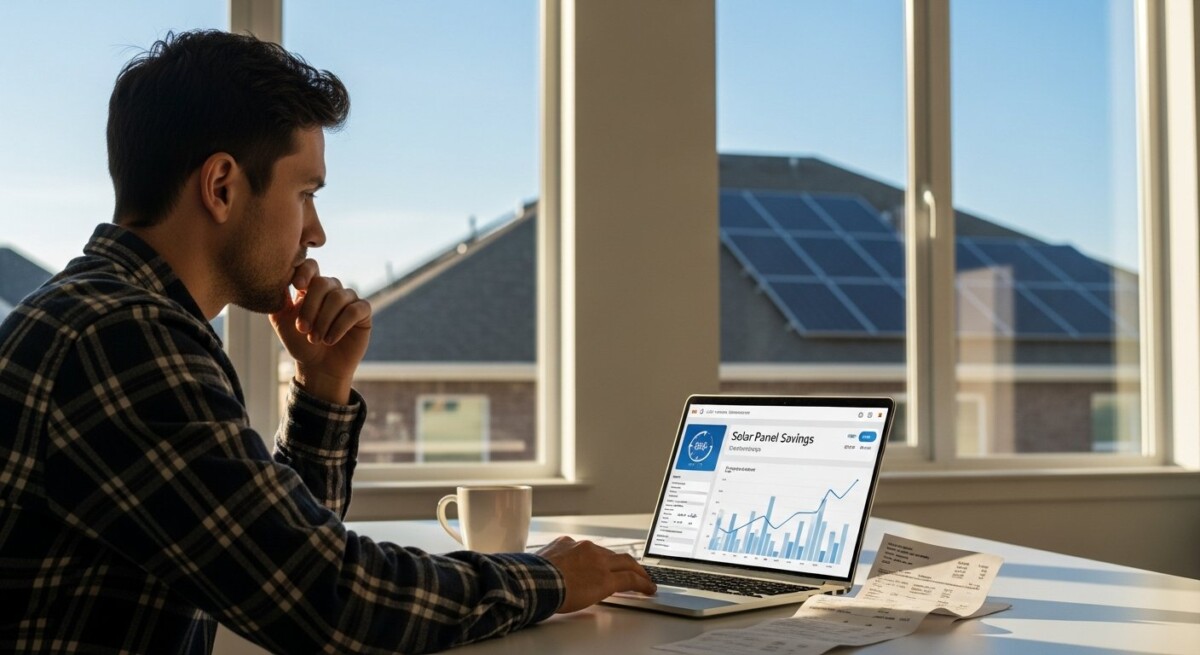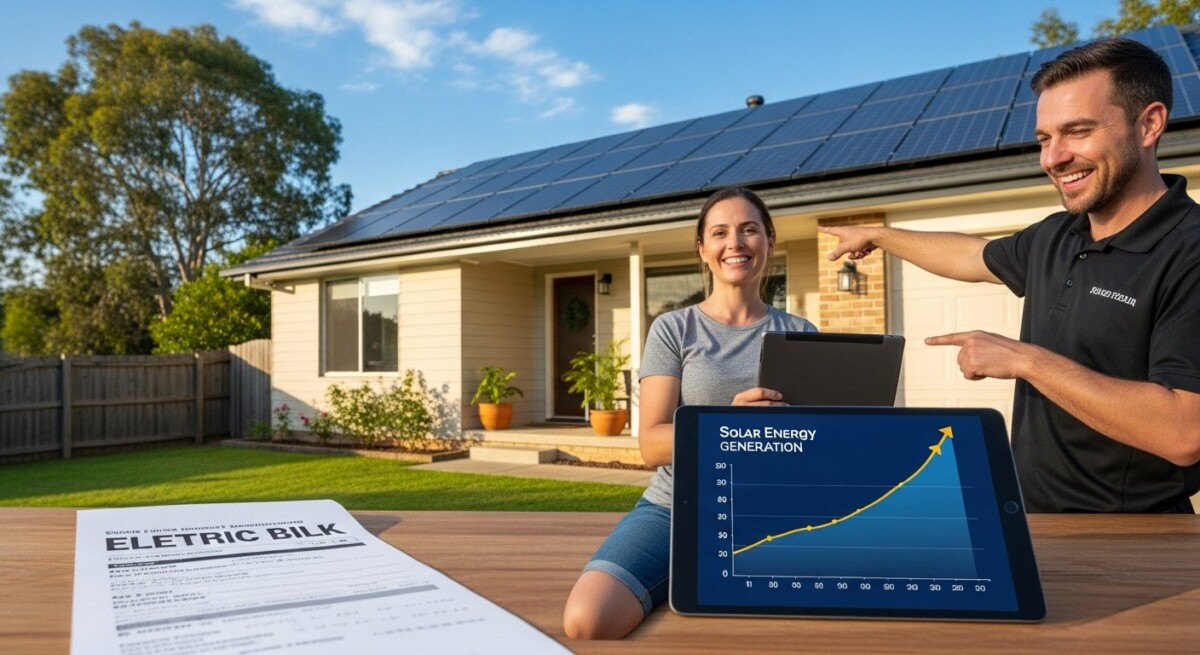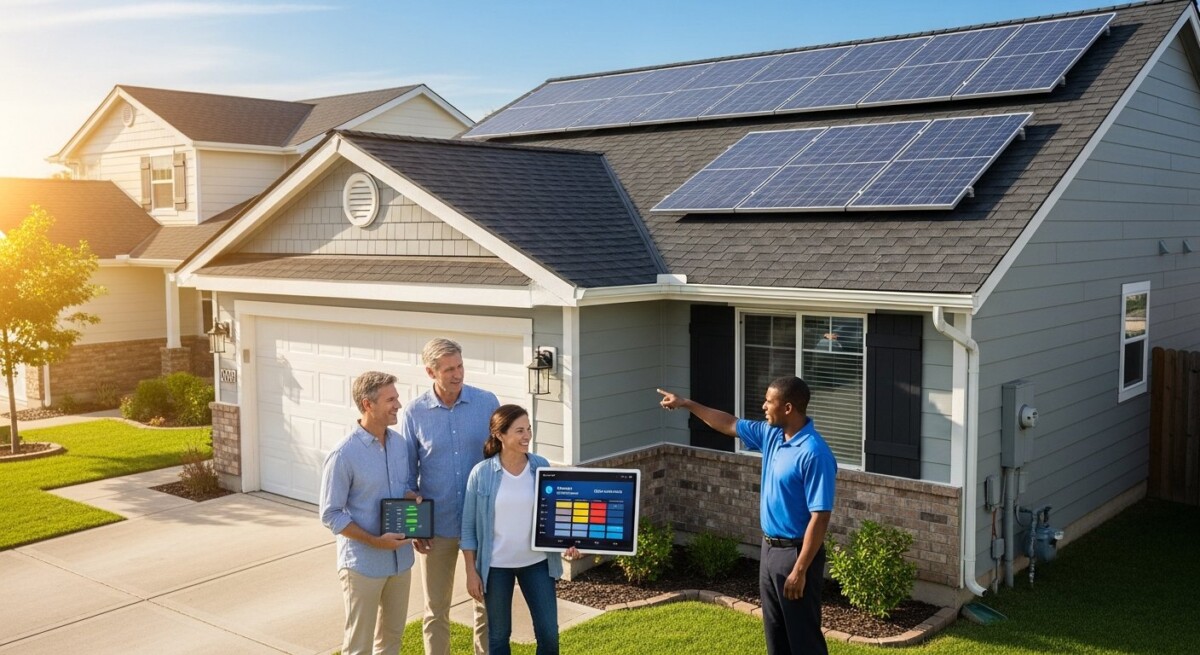
Your monthly electricity bill keeps climbing, and you have started wondering if there is a better way to power your home. You are not alone. More homeowners are searching for answers about solar energy, and the first question they often ask is how free solar quotes work. Understanding this process can help you take control of your energy costs and reduce your dependence on the power grid. This guide explains everything you need to know about obtaining and comparing solar installation quotes so you can make an informed decision.
Understanding How Free Solar Quotes Work
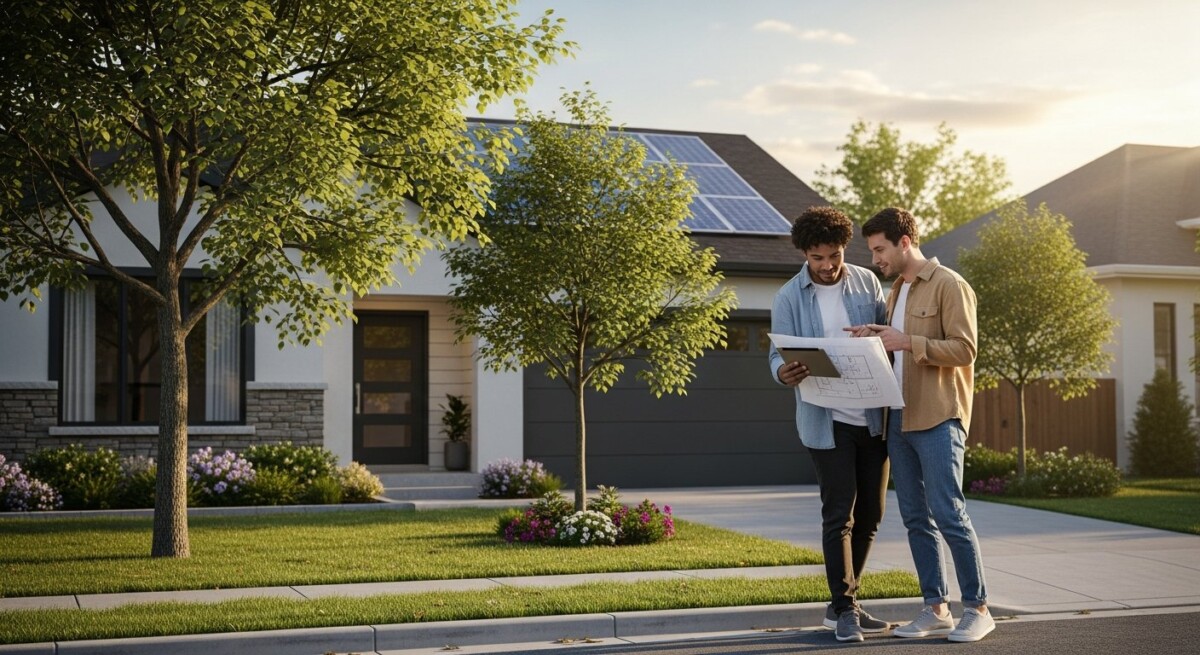
A free solar quote is simply an estimate from a solar installation company that tells you how much a system would cost for your specific home. The process starts when you share some basic information about your property and your energy usage. The installer then uses that data to design a system that fits your roof and your budget.
These quotes are truly free because solar companies compete for your business. They understand that educated homeowners are more likely to say yes, so they provide detailed proposals at no cost. The goal is to give you a clear picture of your potential savings without any pressure to buy.
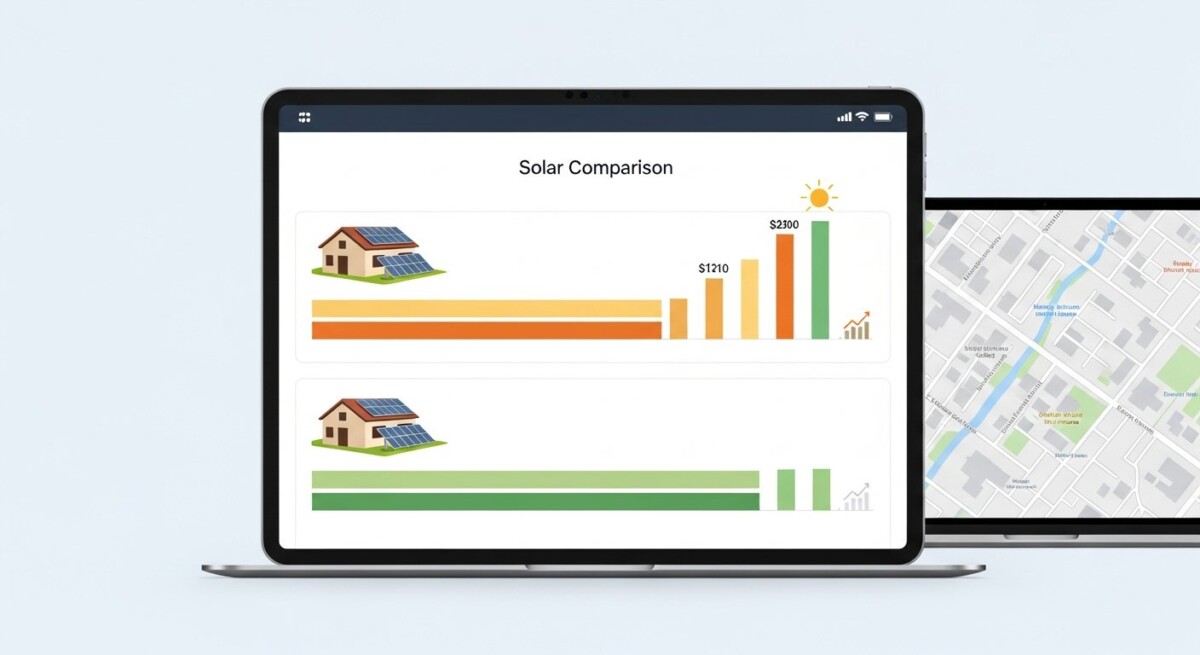
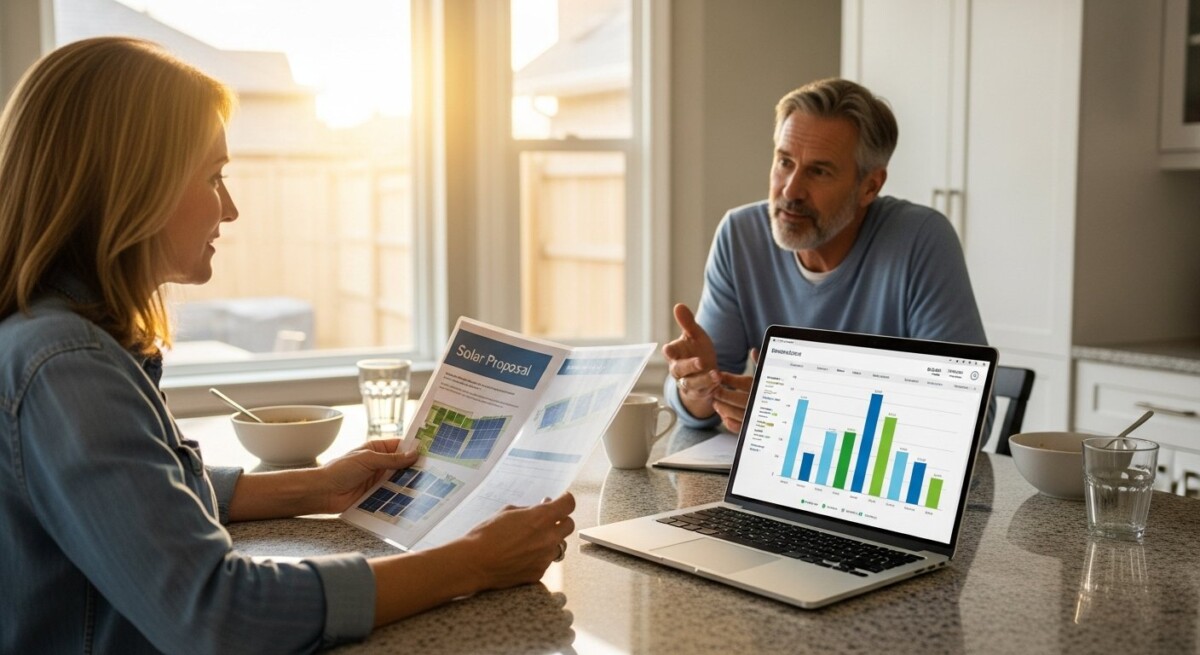
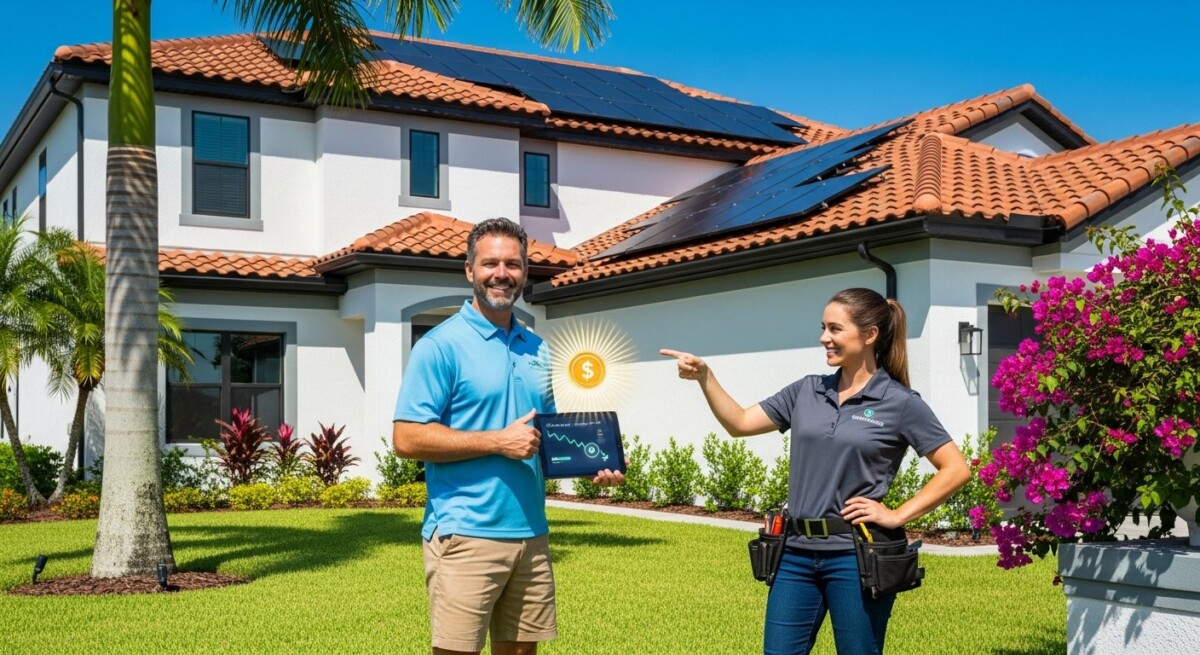
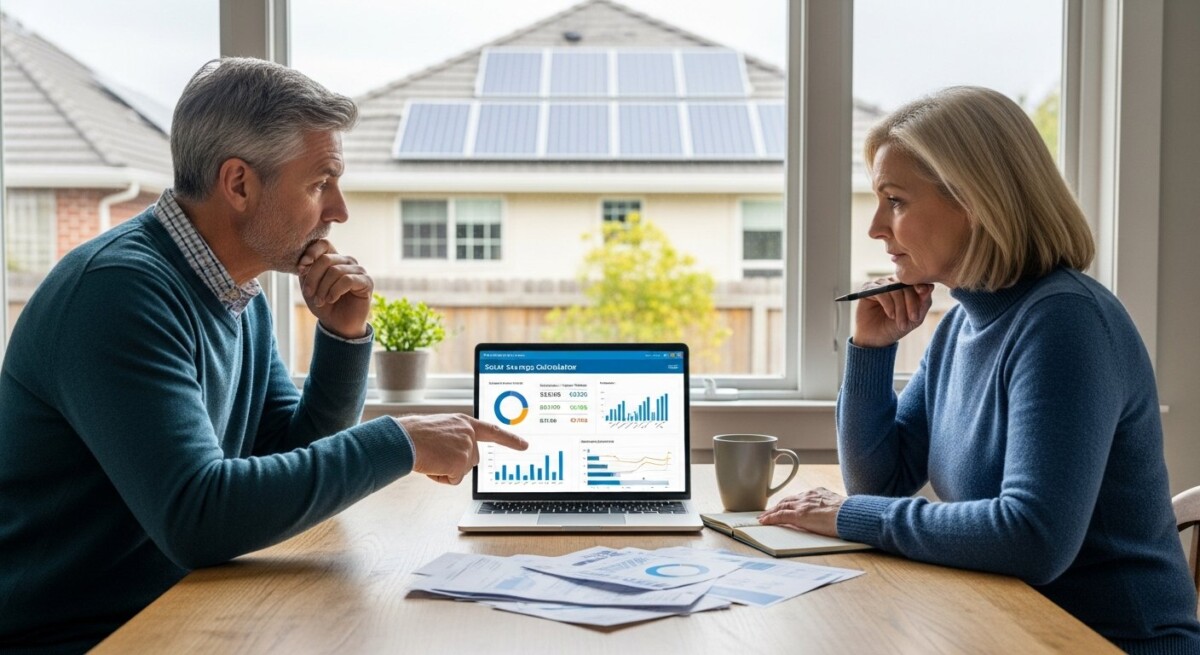
Most quotes include the cost of equipment, installation, permits, and any available incentives. You will also see projected energy production and estimated monthly savings. Because every home is different, comparing multiple quotes helps you find the best value. For a deeper explanation of this process, see our guide on how solar power quotes work.
Why Solar Energy Is Becoming More Popular
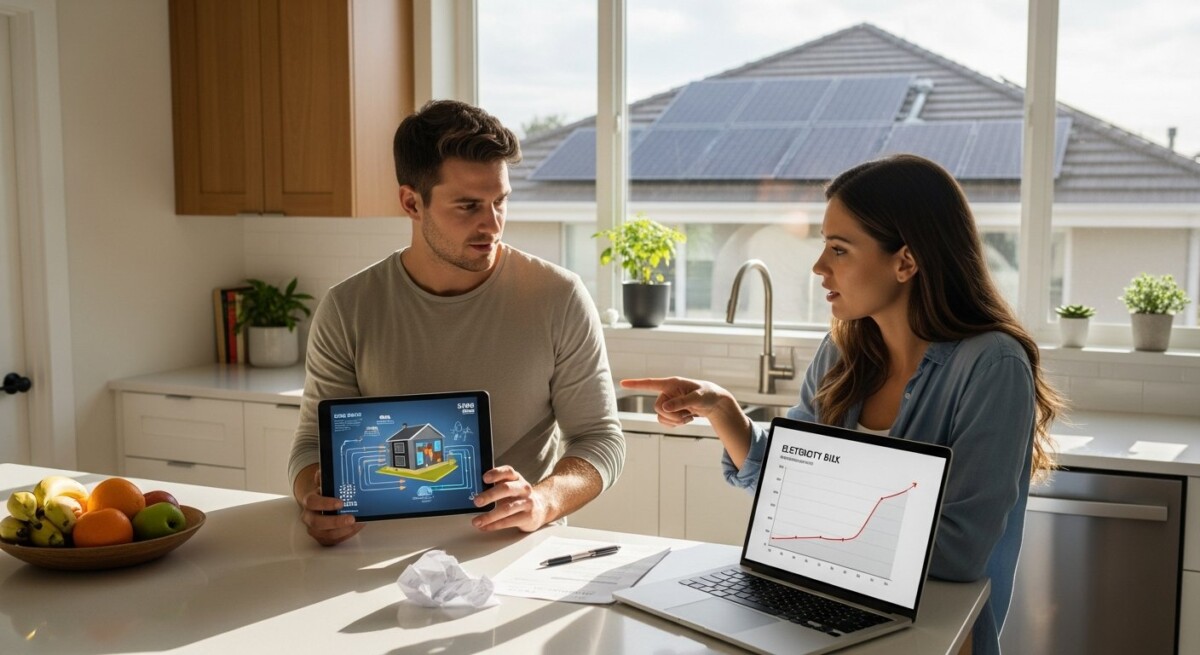
Rising electricity prices are pushing homeowners to look for alternatives. Over the past decade, the cost of grid electricity has increased steadily, while the price of solar panels has dropped significantly. This shift makes solar a practical choice for many families who want to lock in lower energy costs.
Environmental concerns also play a major role. Solar power produces clean energy without releasing carbon dioxide or other pollutants. Homeowners who install panels often feel good about shrinking their carbon footprint while still enjoying modern comforts.
Long-term savings are another powerful motivator. Once your system is paid off, the electricity it generates is essentially free. Over 25 years, those savings can add up to tens of thousands of dollars. That combination of financial and environmental benefits explains why solar adoption continues to grow across the United States.
If you are considering solar power for your home, comparing installation quotes can help you understand your options. Request a free solar quote or call to learn more.
Common Questions Homeowners Have About Solar
Before investing in solar panels, most homeowners have several practical concerns. The biggest one is usually upfront cost. Many people worry that solar is too expensive, but financing options and government incentives make it more accessible than ever.
Roof suitability is another frequent question. Not every roof faces the right direction or gets enough sunlight. A professional installer will evaluate your roof’s angle, shading, and structural integrity during the quote process to determine if solar is a good fit.
System performance also raises questions. Homeowners want to know how much power their panels will produce on cloudy days or during winter. Modern solar technology is efficient enough to generate electricity even in less-than-ideal conditions, though production will vary by season.
- How much does a solar system cost for an average home?
- Will solar panels work on my roof if it is shaded by trees?
- What happens if my system produces more electricity than I use?
- How long does it take to install solar panels?
- Do I need a battery backup for my solar system?
- Will solar panels increase my home insurance premiums?
How Solar Panel Installation Works
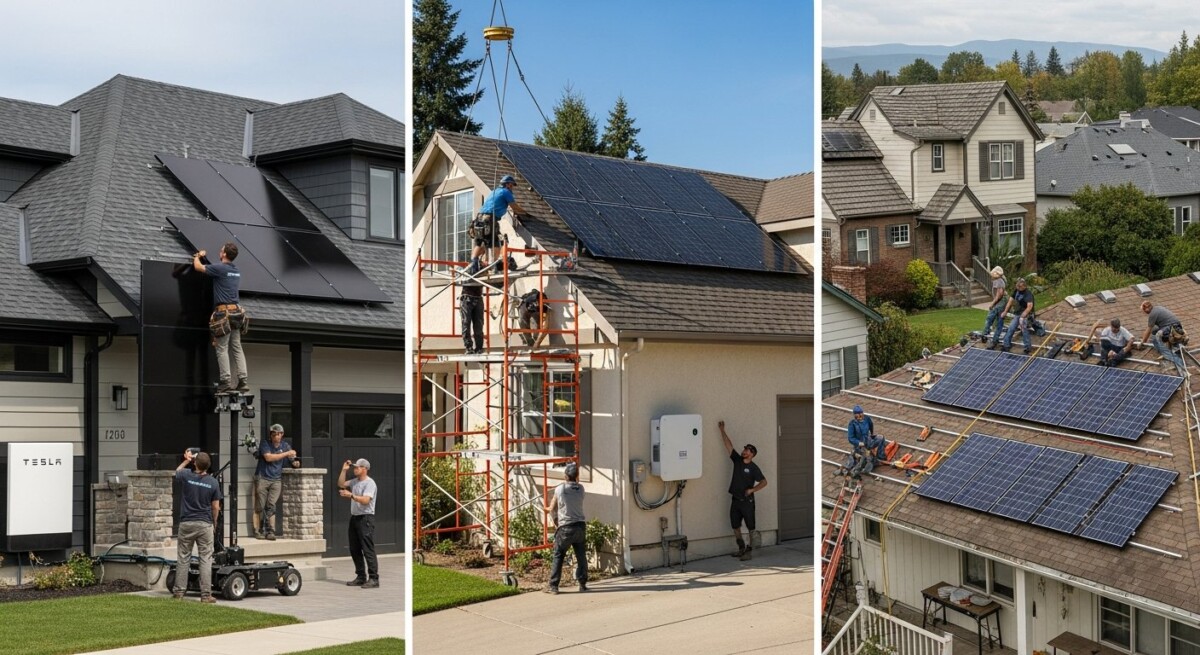
Once you choose a quote and sign a contract, the installation process follows a clear sequence. A professional team handles everything from design to final inspections, so you do not have to manage the technical details yourself.
The entire process usually takes between one and three months, depending on permitting and weather. Most of that time is spent on paperwork and approvals rather than the actual installation, which typically takes only a few days.
- Home energy assessment , The installer reviews your electricity bills and measures your roof.
- System design , Engineers create a custom layout for your panels and electrical components.
- Permits and approvals , The installer submits plans to your local government and utility company.
- Panel installation , Crews mount the panels, connect wiring, and set up the inverter.
- System activation , An inspector signs off, and the utility company turns on your solar connection.
Speaking with experienced installers can help you determine the best solar solution for your home. Compare solar quotes here or call to explore available options.
Signs Your Home May Be Ideal for Solar
Not every home is equally suited for solar panels, but many are. The most important factor is sunlight exposure. If your roof gets direct sun for most of the day, especially between 9 a.m. and 3 p.m., your system will produce more energy.
High electricity bills are another strong indicator. If you pay more than $100 per month for power, solar can likely save you money. Homes in states with high utility rates see the fastest return on investment.
- Your roof faces south, west, or east with minimal shading.
- You spend more than $100 per month on electricity.
- Your roof is less than 15 years old and in good condition.
- You plan to stay in your home for at least five to ten years.
- Your local utility offers net metering or other solar incentives.
- Your area receives plenty of sunny days throughout the year.
What Affects Solar Installation Costs
The cost of a solar system depends on several variables, starting with size. A larger system that covers more of your energy usage will cost more upfront but deliver greater long-term savings. Most homeowners choose a system that offsets 80 to 100 percent of their annual electricity use.
Equipment quality also matters. Premium panels and inverters cost more but often come with better warranties and higher efficiency. Budget-friendly options can still perform well, but you should compare the trade-offs carefully.
Installation complexity is another factor. A simple roof with easy access and standard shingles costs less to work on than a steep, tile, or multi-story roof. Local incentives, including federal tax credits and state rebates, can significantly reduce your final price.
The cost of solar installation varies depending on your home and energy needs. Request personalized solar quotes or call to see what options are available.
Tips for Choosing a Reliable Solar Installer
Selecting the right installer is just as important as choosing the right equipment. A reputable company will guide you through the process, handle permits correctly, and stand behind their work. Start by checking how long the installer has been in business and whether they have experience with homes like yours.
Warranties offer important protection. Look for a workmanship warranty of at least ten years and equipment warranties that cover panels for 25 years. Reading customer reviews on independent sites can also reveal how responsive and reliable a company is.
- Verify the installer’s licensing and insurance in your state.
- Ask about the warranty on both equipment and installation labor.
- Read recent reviews on Google, Yelp, or the Better Business Bureau.
- Request quotes from at least three different companies before deciding.
- Ask for references from past customers with similar roof types.
- Confirm whether the company subcontracts installation work or uses its own crews.
Long-Term Benefits of Installing Solar Panels
The most immediate benefit of solar panels is lower electricity bills. Once your system is running, you generate your own power and buy less from the utility company. Over time, those savings can cover the cost of the system and then some.
Home value also tends to increase after a solar installation. Studies show that homes with solar panels sell for more than comparable homes without them. Buyers recognize the value of lower energy costs, making your property more attractive on the market.
Beyond finances, solar gives you greater energy independence. You become less vulnerable to rate hikes and grid outages, especially if you pair your panels with battery storage. And every kilowatt-hour you generate from the sun reduces your environmental impact, helping create a cleaner future for your community.
How long does a solar panel system last?
Most solar panels come with a performance warranty of 25 years, and they often continue producing electricity well beyond that. The panels gradually lose efficiency over time, but even after 25 years, they typically still generate around 80 to 85 percent of their original capacity.
Will solar panels work during a power outage?
Standard grid-tied solar systems shut down during a blackout for safety reasons. If you want backup power during outages, you will need a battery storage system or a special inverter that allows islanding. Your installer can explain these options during the quote process.
How much can I save on my electricity bills with solar?
Savings depend on your local electricity rates, system size, and sun exposure. Most homeowners save between 20 and 50 percent on their monthly bills. Over the 25-year life of the system, total savings can range from $20,000 to $50,000 or more.
What government incentives are available for solar?
The federal solar investment tax credit allows you to deduct 30 percent of your system cost from your federal taxes. Many states also offer additional rebates, tax credits, or performance-based incentives. Your solar installer can help you identify all programs you qualify for.
Do I need to clean my solar panels?
Rain usually keeps panels clean enough to perform well. In very dry or dusty areas, occasional cleaning with water and a soft brush may help. Most homeowners do not need to clean their panels more than once or twice a year.
Can I install solar panels myself to save money?
DIY solar installation is possible, but it carries significant risks. You must follow local building codes, obtain permits, and connect the system safely to the grid. Mistakes can damage your roof, void equipment warranties, or create safety hazards. Professional installation is generally recommended for the best results and peace of mind.
How do I know if my roof is strong enough for solar panels?
During the free quote process, the installer will inspect your roof’s structure and age. Most roofs in good condition can support the weight of solar panels. If your roof needs repairs or replacement, it is best to address that before installation.
Will solar increase my property taxes?
Many states offer property tax exemptions for solar installations, meaning your home value increases without raising your tax bill. Check with your local assessor or ask your installer about exemptions in your area. This benefit makes solar even more financially attractive.
Solar energy offers a practical path to lower bills, greater independence, and a cleaner environment. The first step is simply learning about your options through free, no-obligation quotes. By comparing offers from multiple installers, you can find the system that fits your home and budget perfectly. Start exploring your solar possibilities today and see how much you could save.