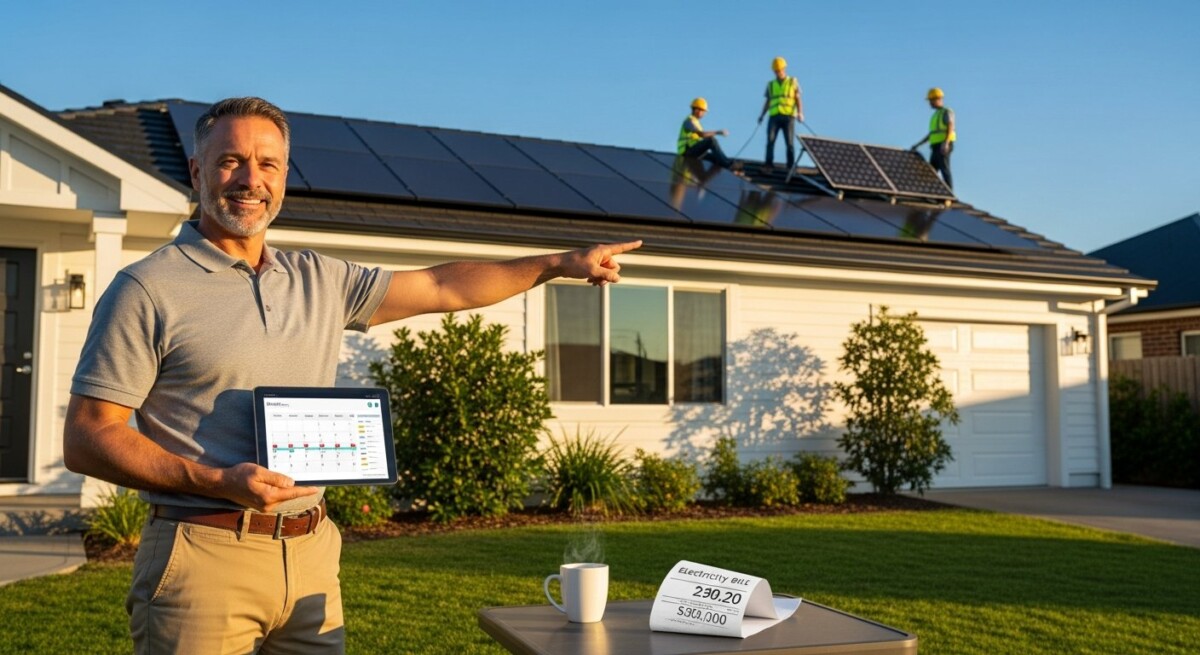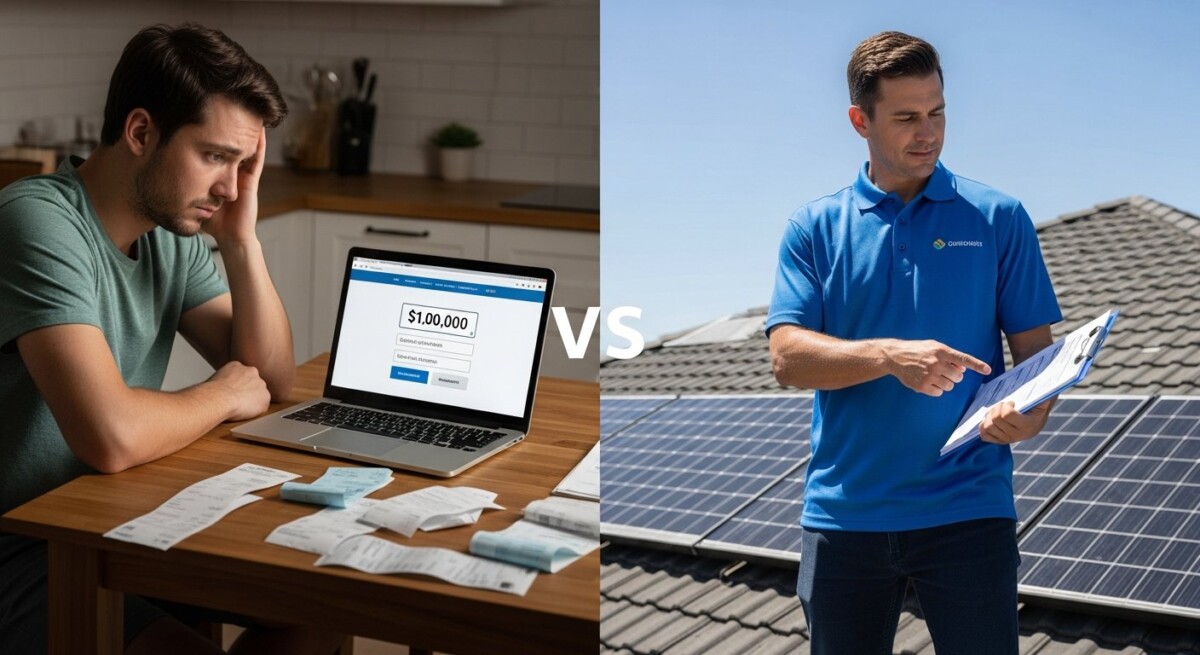
Your monthly electricity bill keeps climbing, and you have started wondering if there is a better way. Many homeowners feel the same frustration as they watch their energy costs rise year after year. That is why more people are turning to solar energy, and the first step often involves filling out a solar quote request form to see what is possible for their home.
By taking a few minutes to submit your details, you can discover how solar panels might reduce your electricity bills and help you become less dependent on the power grid. The process is straightforward, and the potential savings can be life-changing. Let us walk through everything you need to know about using a solar quote request form to start your journey toward energy independence.
Understanding the Solar Quote Request Form
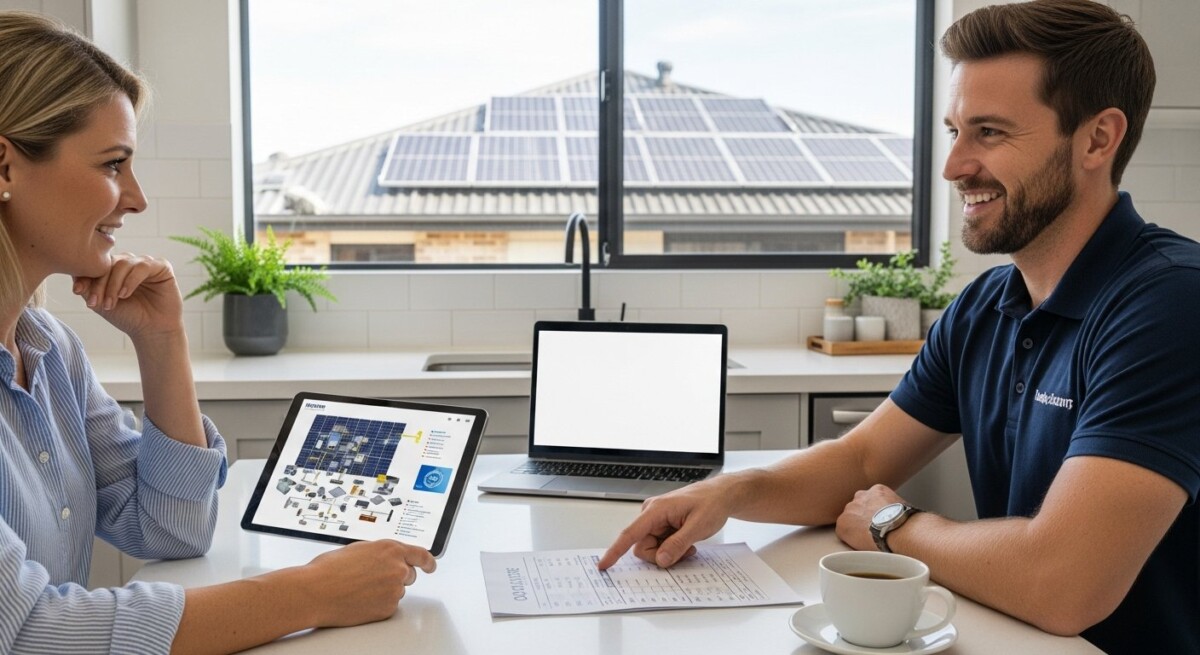
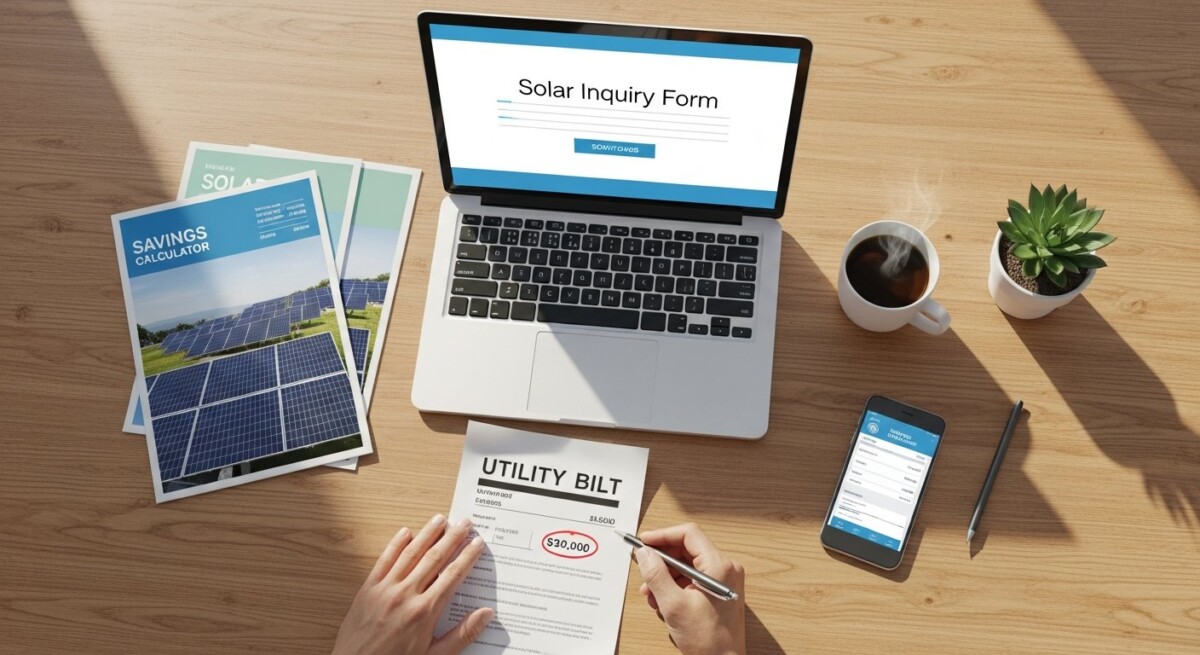
A solar quote request form is a simple online tool that connects you with local solar installation companies. You provide basic information about your home, such as your address, average monthly electricity usage, and roof type. Installers then use that data to create customized quotes for your property.
Think of it as a way to let multiple solar professionals compete for your business. Instead of calling one company at a time, you submit one form and receive several proposals. This saves you hours of research and ensures you see a range of prices and system designs.
Most forms ask for your name, phone number, email, and utility bill details. Some may also request information about shading or roof age. The entire process takes less than five minutes, and you typically hear back from installers within one to two business days.
Why Solar Energy Is Becoming More Popular
Rising electricity prices are forcing homeowners to look for alternatives. In many states, utility rates have increased by double digits over the past few years, and there is no sign of a slowdown. Solar panels offer a way to lock in lower energy costs for decades.
Environmental concerns also play a major role. Homeowners want to reduce their carbon footprint and contribute to a cleaner planet. Solar power produces no greenhouse gas emissions during operation, making it one of the most eco-friendly energy choices available.
Long-term savings are another powerful motivator. While the upfront cost of solar installation can seem high, the average homeowner recoups their investment within seven to ten years through lower electricity bills. After that, the energy your panels produce is essentially free.
If you are considering solar power for your home, comparing installation quotes can help you understand your options. Request a free solar quote or call (855) 939-2275 to learn more.
Common Questions Homeowners Have About Solar
Many homeowners hesitate because they are unsure about the cost. A typical residential solar system ranges from $15,000 to $25,000 before incentives, but federal tax credits and state rebates can reduce that amount significantly. Most installers also offer financing options with low monthly payments.
Roof suitability is another frequent concern. Solar panels work best on roofs that face south or west and receive direct sunlight for most of the day. However, even north-facing roofs can generate substantial energy, especially with modern high-efficiency panels.
System performance questions often arise. Will your panels work on cloudy days? Yes, they still produce electricity, though at a reduced rate. Most systems are designed to cover 100% of your annual energy needs by generating more power in summer and less in winter.
- How much does a solar system cost after incentives?
- Will my roof support solar panels?
- How long do solar panels last?
- What happens if my panels produce more energy than I use?
- Do I need a battery with my solar system?
- How long does installation take?
How Solar Panel Installation Works
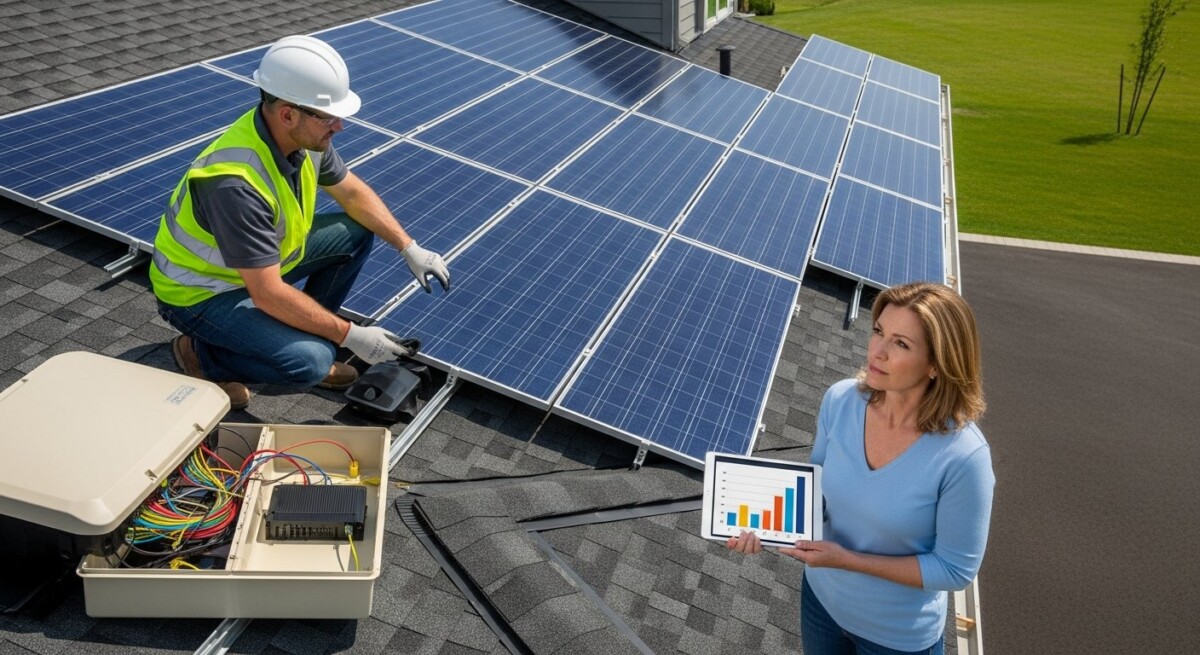
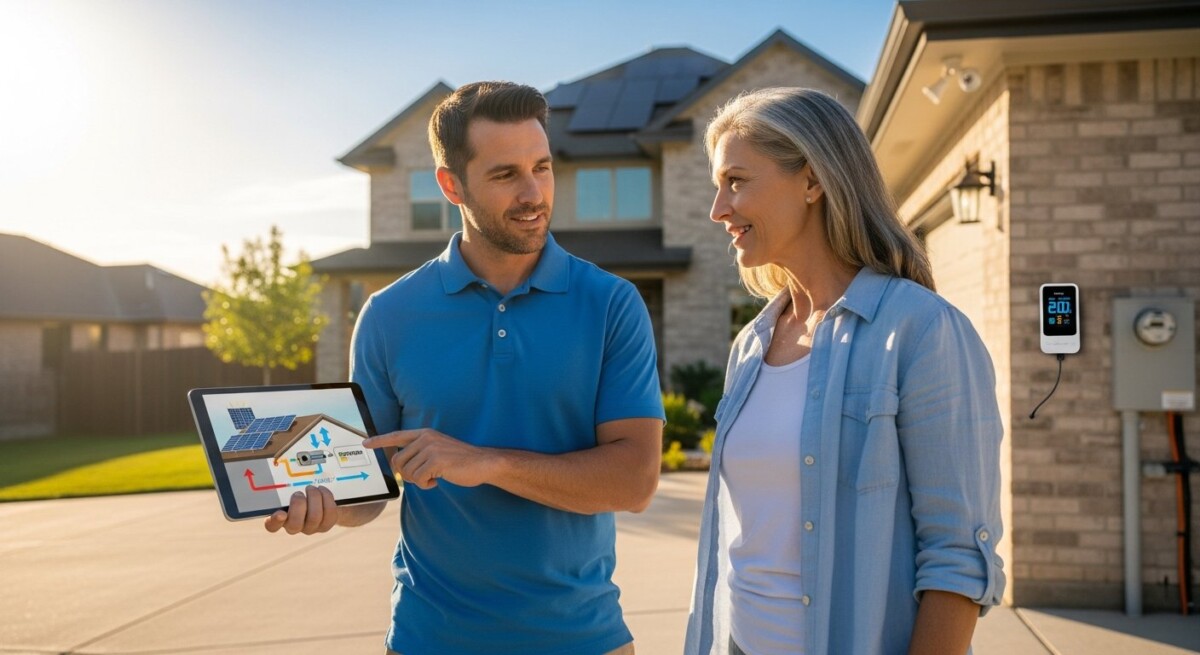
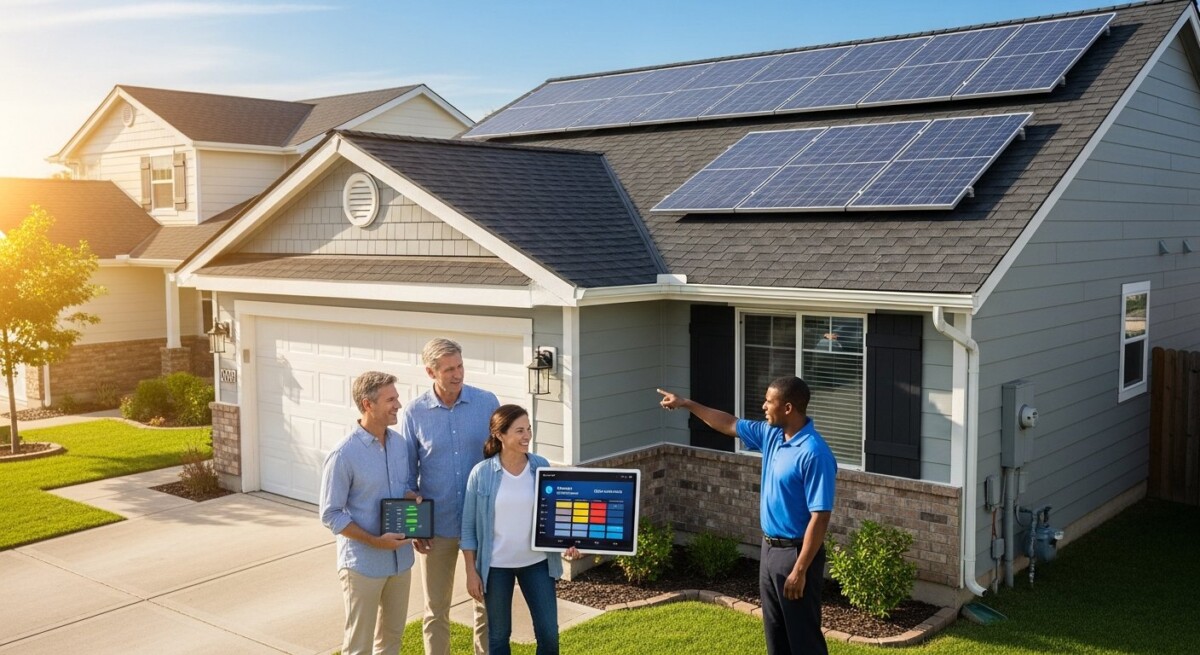
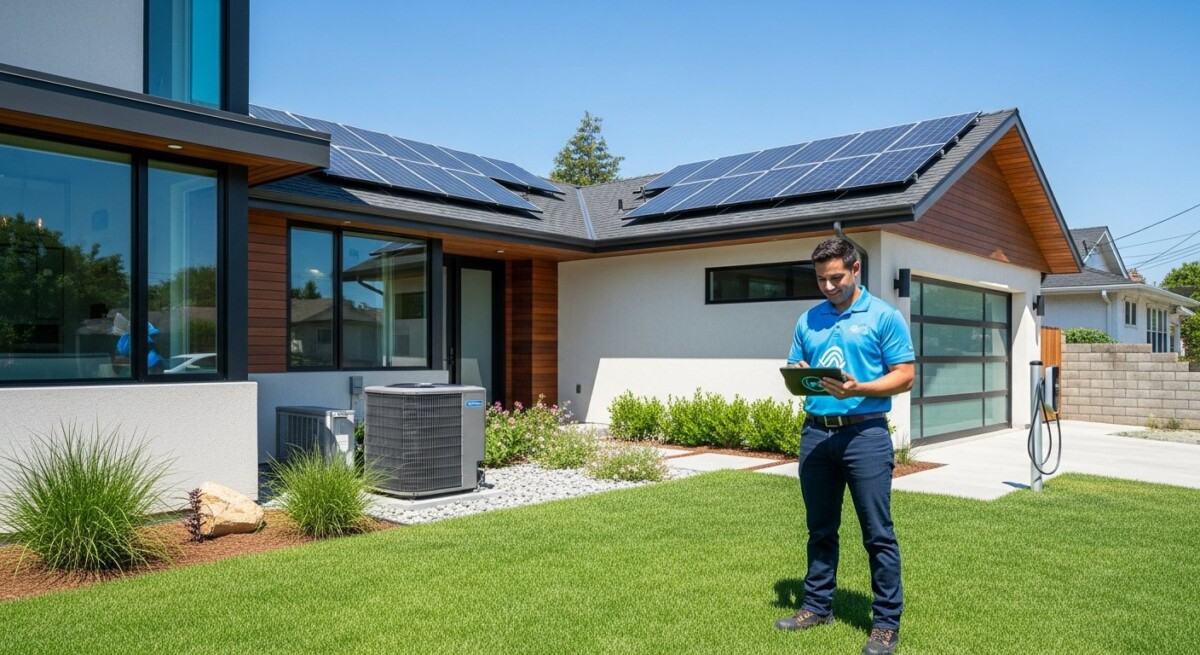
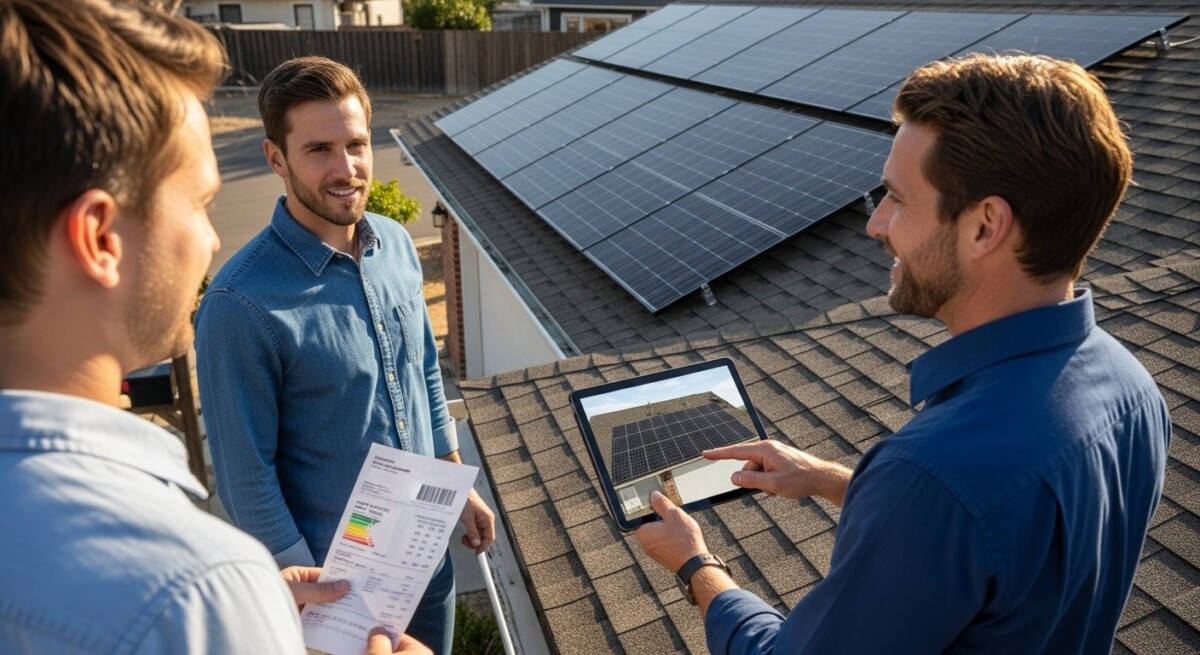
The installation process begins with a home energy assessment. A solar installer reviews your past electricity bills, evaluates your roof condition, and measures available space. This data determines the optimal system size for your needs.
Next, the installer designs a custom solar array for your roof. They select the right panels, inverters, and mounting equipment. Before any work begins, the company handles all necessary permits and approvals from your local utility and building department.
- Home energy assessment and roof inspection
- System design and equipment selection
- Permit applications and utility approvals
- Panel installation and electrical wiring
- System inspection and final activation
Speaking with experienced installers can help you determine the best solar solution for your home. Compare solar quotes here or call (855) 939-2275 to explore available options.
Signs Your Home May Be Ideal for Solar
Homes with strong sunlight exposure are prime candidates for solar energy. If your roof gets at least four to five hours of direct sun each day, you will likely see excellent energy production. South-facing roofs with little to no shade are especially effective.
High electricity bills are another clear indicator. If you pay more than $100 per month, solar can probably save you money. The more you spend on electricity, the faster your solar investment pays off.
- You have a south- or west-facing roof with minimal shade
- Your monthly electricity bill exceeds $100
- Your roof is less than 15 years old in good condition
- You plan to stay in your home for at least five more years
- Your local utility offers net metering or solar incentives
What Affects Solar Installation Costs
System size is the biggest cost driver. A larger system with more panels generates more electricity but costs more upfront. The average home needs a 6 to 10 kilowatt system, which can cost $15,000 to $30,000 before incentives.
Equipment quality also matters. Premium panels from brands like SunPower or LG are more efficient and come with longer warranties, but they cost more. Budget-friendly panels from manufacturers like Canadian Solar or Trina Solar still perform well and can lower your overall price.
Installation complexity can increase costs. If your roof is steep, has multiple angles, or requires electrical panel upgrades, the labor charges will be higher. Local incentives and rebates can offset these expenses significantly.
The cost of solar installation varies depending on your home and energy needs. Request personalized solar quotes or call (855) 939-2275 to see what options are available.
Tips for Choosing a Reliable Solar Installer
Not all solar companies are created equal. Look for installers with at least three to five years of experience and a strong track record in your area. A reliable installer will have proper licensing, insurance, and certifications from organizations like the North American Board of Certified Energy Practitioners (NABCEP).
Check the warranty coverage carefully. Most panels come with a 25-year performance warranty, and inverters typically have 10 to 12 years of coverage. A good installer should also offer a workmanship warranty of at least five years.
- Review the installer’s experience and NABCEP certification
- Check warranty terms for panels, inverters, and labor
- Read customer reviews on Google, Yelp, and SolarReviews
- Compare at least three quotes before making a decision
- Ask for references from recent installations in your area
Long-Term Benefits of Installing Solar Panels
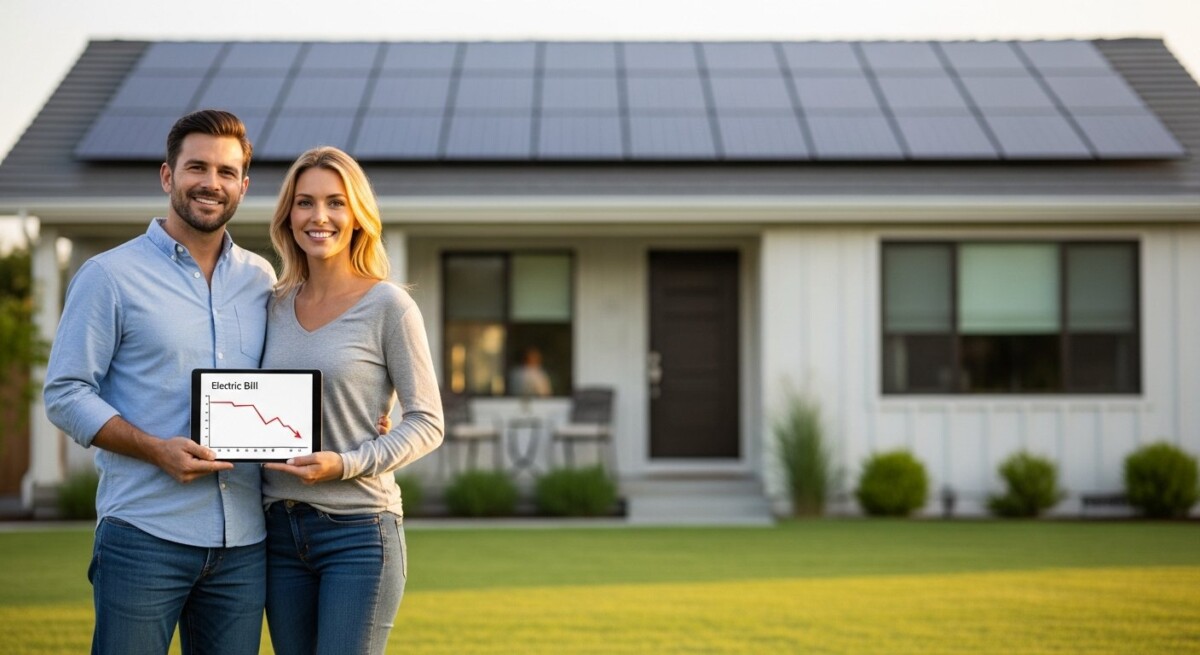
Lower electricity bills are the most immediate benefit. Once your system is paid off, your monthly energy costs drop to near zero. Over 25 years, the average homeowner saves between $20,000 and $50,000 on electricity.
Solar panels also increase your home’s resale value. Studies show that homes with solar systems sell for 4% to 6% more than comparable homes without solar. Buyers are willing to pay a premium because they know they will save on utility costs.
Energy independence is another powerful advantage. With solar panels, you generate your own power and protect yourself from future rate hikes. Adding a battery system allows you to store excess energy for use during outages or at night.
How do solar panels work at night?
Solar panels do not generate electricity at night. However, most homes remain connected to the grid and draw power when the sun is down. Net metering programs allow you to send excess daytime energy back to the grid in exchange for credits that offset nighttime usage.
Can I install solar panels myself?
DIY installation is possible but not recommended for most homeowners. Solar systems involve high-voltage electricity, roof penetrations, and complex permitting. Professional installers ensure safety, proper performance, and compliance with local codes.
How long does it take to install solar panels?
Most residential installations take one to three days. Permitting and utility approvals add two to six weeks before installation begins. Your installer will provide a timeline after the site assessment.
What size solar system do I need?
The size depends on your annual electricity usage. A typical home uses 10,000 to 12,000 kilowatt-hours per year and needs a 6 to 8 kilowatt system. Your solar installer will calculate the exact size during the quote process.
Are solar panels worth it in cloudy climates?
Yes, solar panels still produce energy on cloudy days, though at 10% to 25% of their rated capacity. Germany, one of the cloudiest countries, leads the world in solar adoption. Modern panels are designed to capture diffuse sunlight effectively.
How often do solar panels need maintenance?
Solar panels require very little maintenance. Rain usually keeps them clean, but in dry areas, you may need to rinse them once or twice a year. Most systems come with monitoring software that alerts you to any performance issues.
What happens if I move after installing solar?
If you own your system outright, you can include it in the home sale and often recoup the cost through a higher selling price. Leased systems can be transferred to the new homeowner, subject to their approval.
Do solar panels work during a power outage?
Standard grid-tied systems shut down during outages for safety reasons. If you want backup power, you need a solar battery system. Batteries store energy for use when the grid is down.
Submitting a solar quote request form is the smartest first step toward lower energy bills and long-term savings. By comparing multiple quotes, you can find the right system at the right price. Take a few minutes today to explore your solar options and start saving.