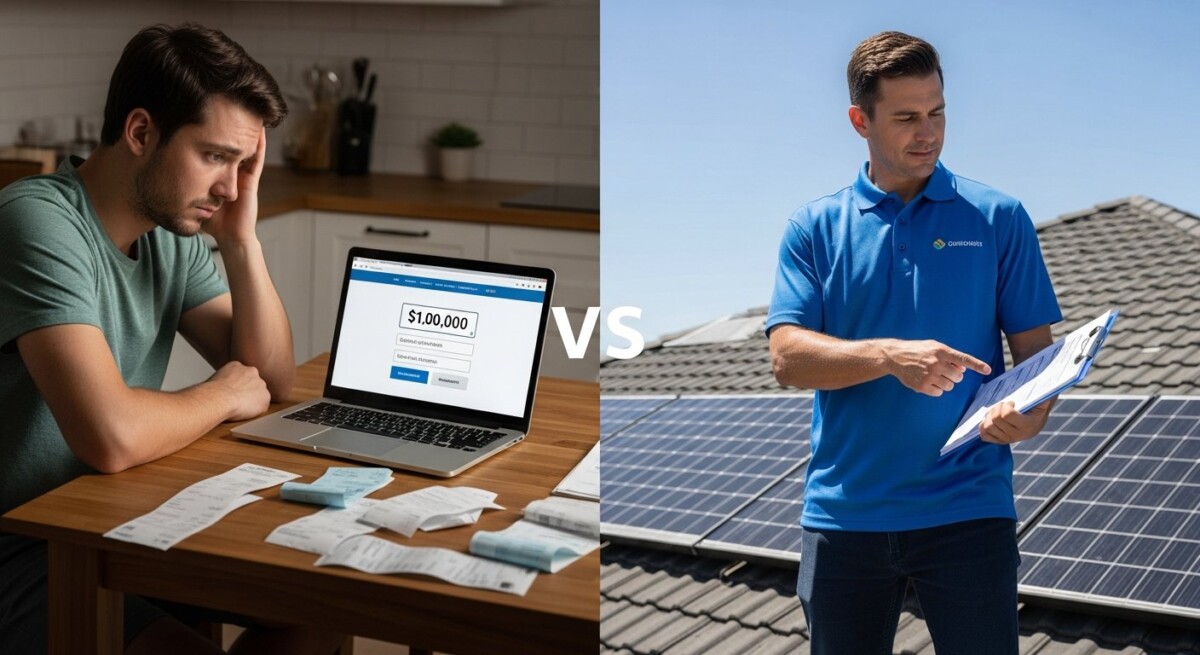
You have probably noticed your electricity bill creeping up month after month. Like many homeowners, you may be searching online for the difference between solar quote and estimate to see if solar panels could finally cut those costs. The idea of reducing your energy bills and becoming less dependent on the power grid is appealing, but the process can feel confusing at first. Understanding the difference between a solar quote and an estimate is a critical first step toward making a smart, money-saving decision for your home.
Understanding the Difference Between Solar Quote and Estimate
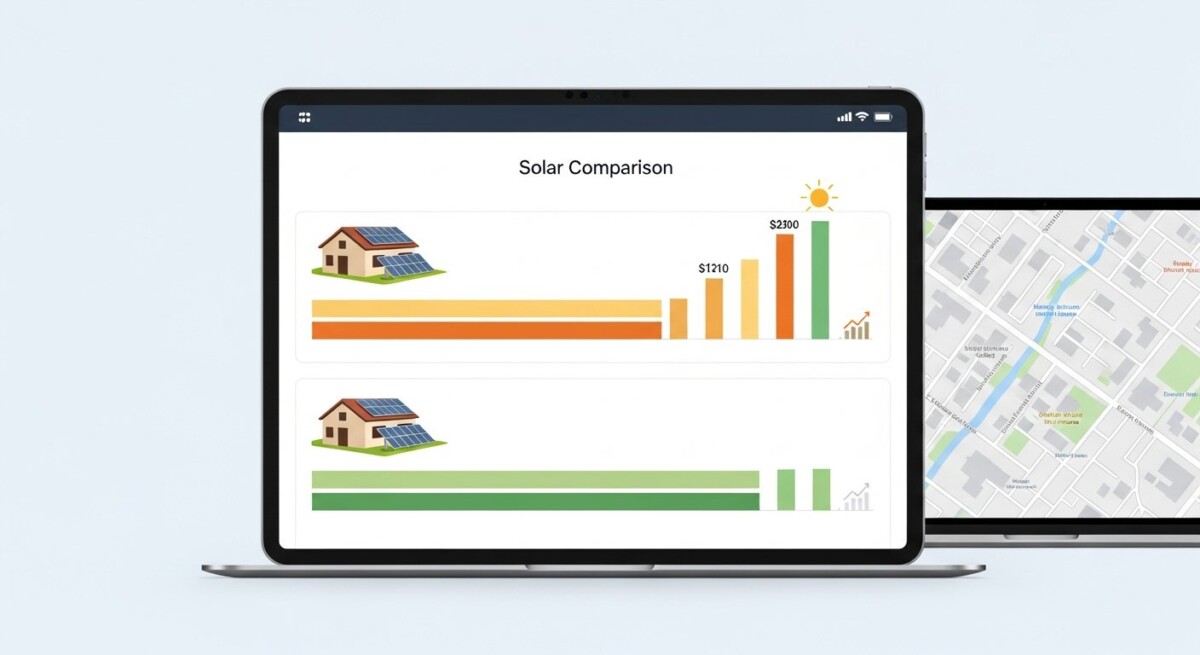
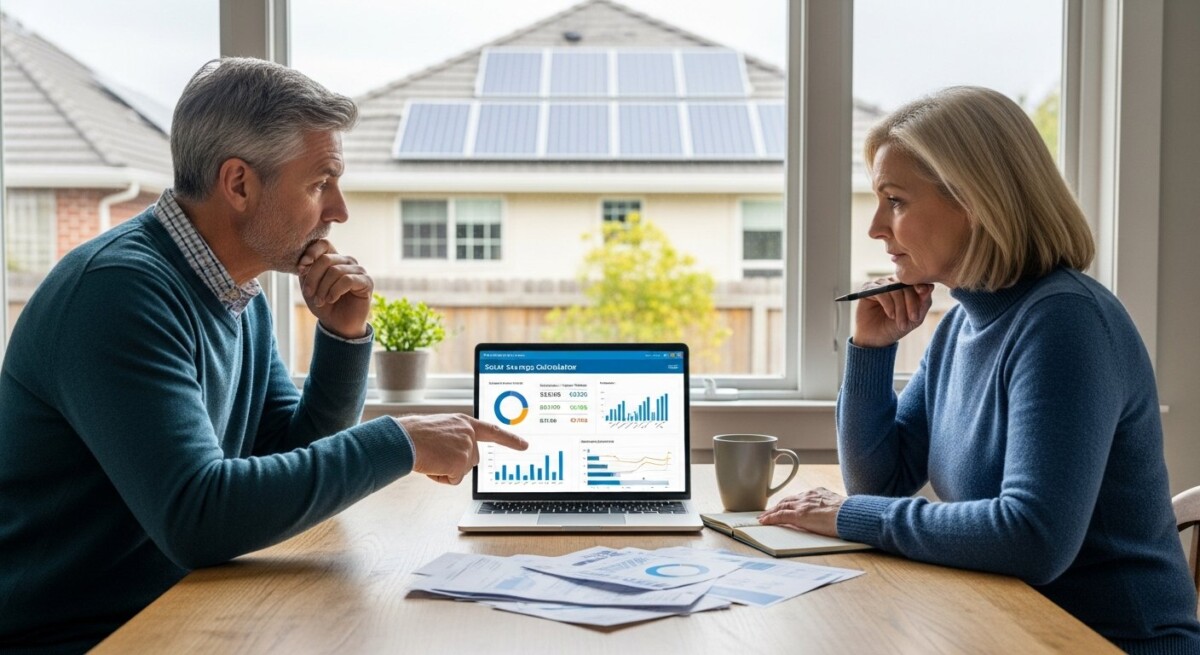
A solar estimate is a rough, ballpark figure that gives you a general idea of what a system might cost. It is often based on average home sizes and typical energy usage, and it usually comes from online calculators or quick phone conversations. An estimate is useful for initial budgeting, but it is not a binding commitment from a solar company.
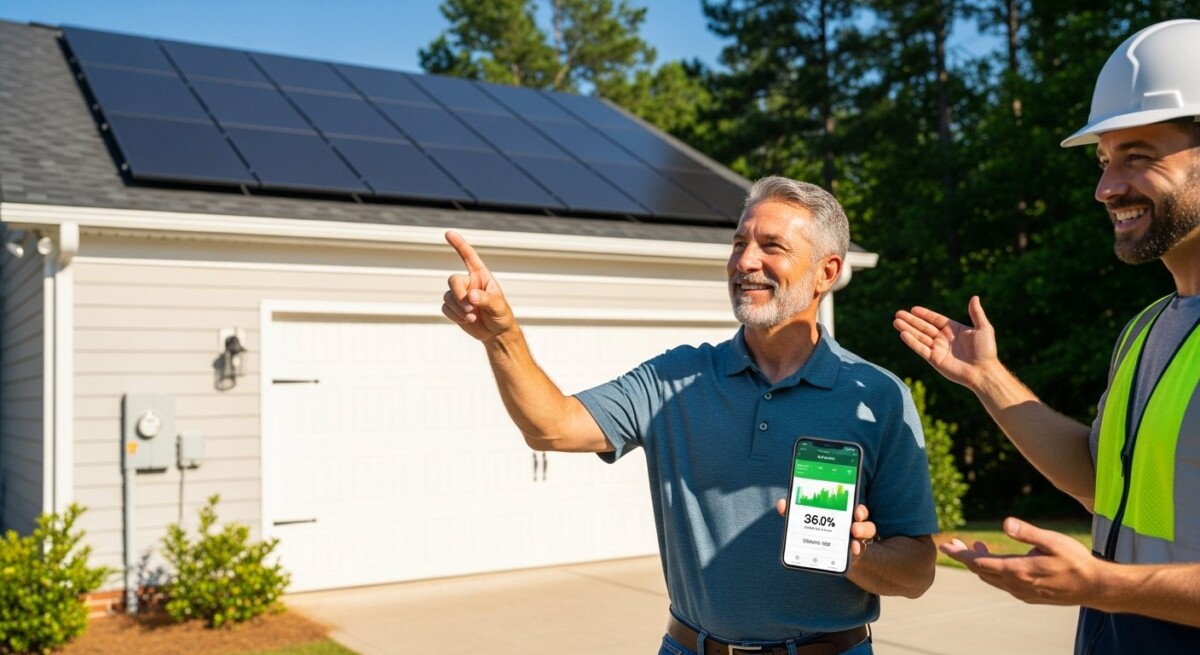
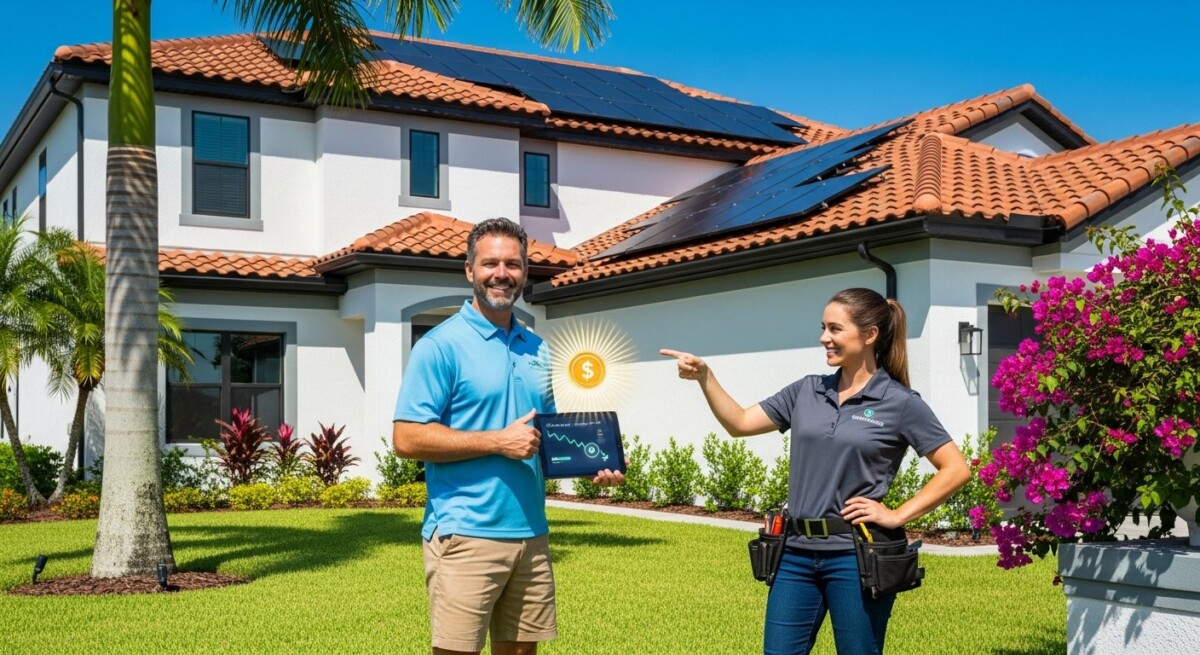
A solar quote, on the other hand, is a detailed, itemized proposal tailored specifically to your home. A professional installer visits your property, inspects your roof, reviews your past electricity bills, and designs a system that matches your exact energy needs. The quote includes the price of equipment, labor, permits, and estimated savings, and it is the document you use to compare offers from different installers.
Why the Difference Matters
Relying solely on an estimate can lead to surprises later. An estimate might show a low price that does not account for roof repairs, panel upgrades, or local permitting fees. A firm quote protects you from those hidden costs and gives you a clear picture of your investment before you sign anything. For homeowners serious about reducing electricity bills, getting multiple detailed quotes is the only way to compare apples to apples.
Why Solar Energy Is Becoming More Popular
Electricity rates have risen steadily over the past decade, and many homeowners are tired of unpredictable bills. Solar panels allow you to generate your own power, locking in a lower, more stable energy cost for decades. This shift toward energy independence is one of the main reasons solar adoption is growing so quickly.
Environmental concerns also play a major role. Solar energy produces no carbon emissions, helping homeowners reduce their carbon footprint while still powering their homes comfortably. Beyond the environmental benefit, long-term financial savings are compelling: most homeowners recoup their initial investment within five to ten years and then enjoy free electricity for the remaining life of the system.
If you are considering solar power for your home, comparing installation quotes can help you understand your options. Request a free solar quote or call (855) 975-2706 to learn more.
Common Questions Homeowners Have About Solar
Many homeowners worry about the upfront cost of solar panel installation. The good news is that federal tax credits, state rebates, and financing options can significantly lower the initial expense. In many cases, you can install solar with zero money down and start saving on your electric bill from day one.
Another common concern is whether your roof is suitable for solar panels. Most roofs in good condition with southern or western exposure work well, but a professional installer will evaluate your specific situation during the on-site visit. Performance expectations also come up frequently: modern solar panels are highly efficient and can generate substantial power even on cloudy days.
- How much does a typical solar system cost for a single-family home?
- Will solar panels work during a power outage?
- How long do solar panels last, and do they require maintenance?
- What happens if I move after installing solar panels?
- Do I need to replace my roof before installing solar?
- How long does the installation process take from start to finish?
How Solar Panel Installation Works
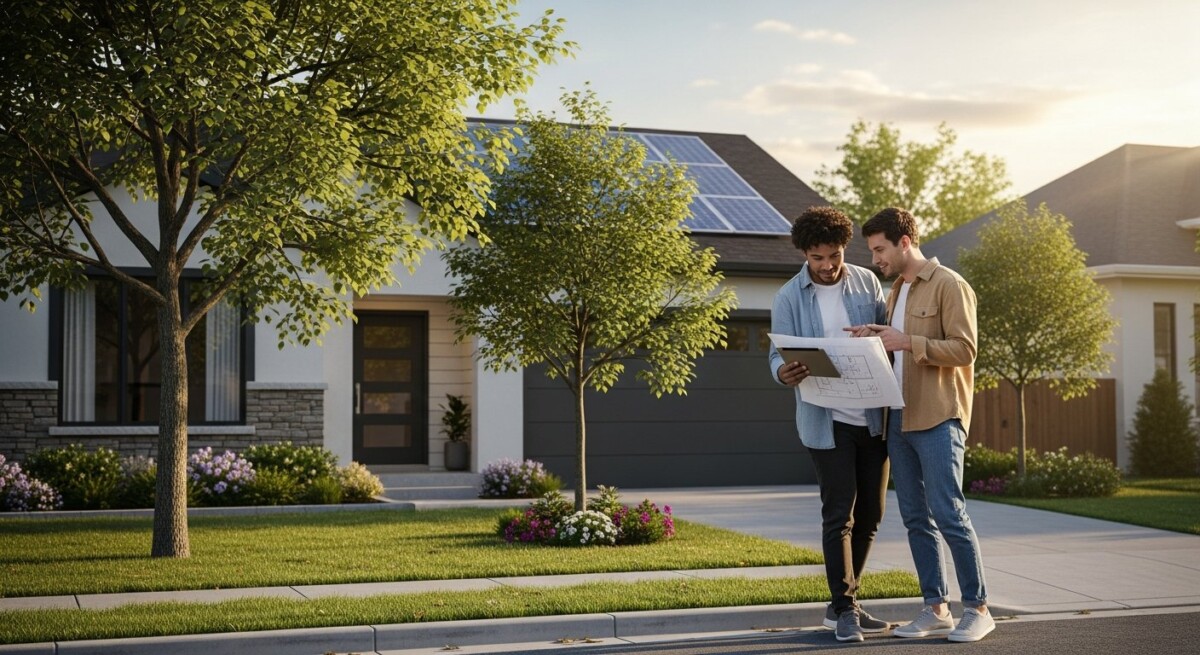
Solar installation is a straightforward process when you work with an experienced professional. It begins with a home energy assessment, where the installer reviews your electricity usage and inspects your roof to determine the best system size and panel placement. After that, the installer designs a custom system and provides you with a detailed quote.
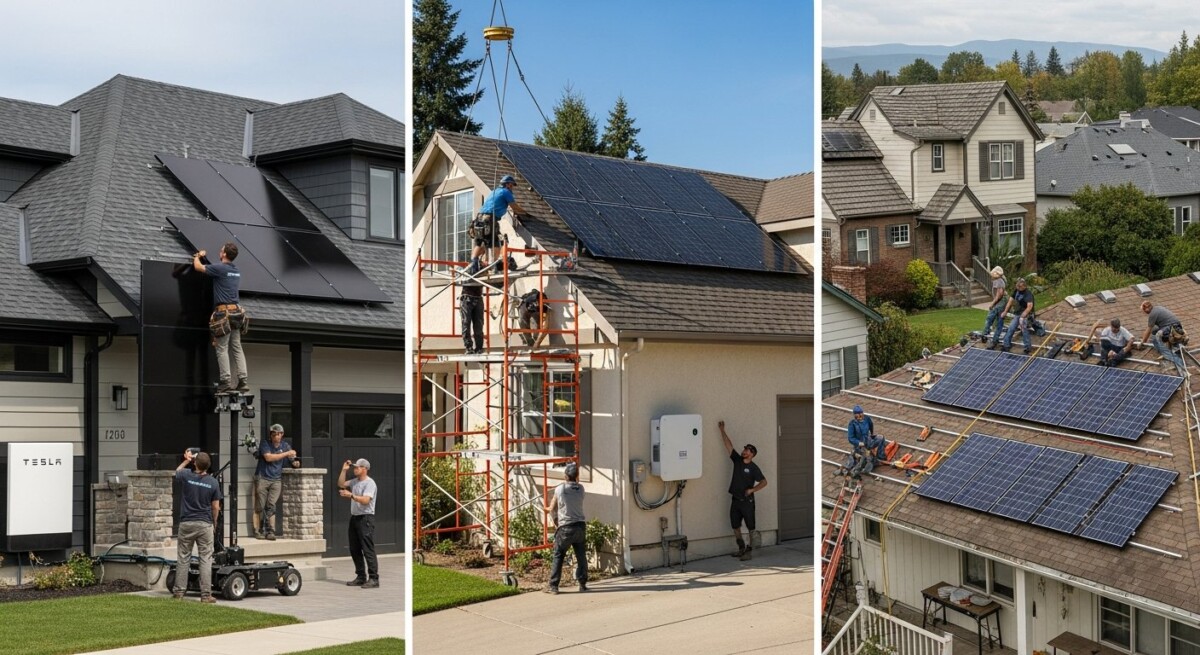
Once you accept the quote, the installer handles all permits and approvals with your local utility and municipality. This step ensures your system meets local codes and qualifies for net metering, which credits you for excess power you send back to the grid. The actual panel installation usually takes one to three days, followed by a final inspection and system activation.
- Home energy assessment and roof inspection
- Custom system design and detailed quote
- Permitting and utility approvals
- Professional panel and inverter installation
- Final inspection and system activation
Speaking with experienced installers can help you determine the best solar solution for your home. Compare solar quotes here or call (855) 975-2706 to explore available options.
Signs Your Home May Be Ideal for Solar
Not every home is equally suited for solar panels, but many are. The most important factor is sunlight exposure: homes with south-facing roofs that receive direct sunlight for most of the day will generate the most electricity. If your roof is shaded by large trees or neighboring buildings, your installer may recommend trimming branches or adjusting panel placement.
High electricity bills are another strong indicator that solar could benefit you. If you pay more than $100 per month for electricity, solar panels can likely reduce or eliminate that bill. Additionally, if you plan to stay in your home for at least five more years, the long-term savings will far outweigh the initial investment.
- Your roof gets at least four to five hours of direct sunlight per day
- Your monthly electricity bill exceeds $100
- You have adequate roof space without major obstructions
- You plan to stay in your home for at least five years
- Your roof is in good condition and less than 15 years old
What Affects Solar Installation Costs
The size of your solar system is the biggest cost driver. A larger system that covers 100% of your electricity usage will cost more than a smaller system that offsets only part of your bill. Equipment quality also matters: premium panels and inverters cost more upfront but often come with longer warranties and higher efficiency.
Installation complexity can increase costs if your roof is steep, has multiple angles, or requires structural reinforcement. Local incentives, such as state tax credits or utility rebates, can reduce your out-of-pocket cost significantly. In our guide on maximizing savings with solar subsidies, we explain how to take full advantage of these programs. Comparing quotes from multiple installers helps you see how each company factors in these variables.
The cost of solar installation varies depending on your home and energy needs. Request personalized solar quotes or call (855) 975-2706 to see what options are available.
Tips for Choosing a Reliable Solar Installer
Choosing the right installer is just as important as choosing the right equipment. Look for a company with several years of experience and a strong track record of completed installations in your area. A reliable installer will be transparent about pricing, timelines, and what to expect during the process.
Warranties are another critical factor. Reputable installers offer a workmanship warranty of at least 10 years and will help you understand the manufacturer warranties on the panels and inverter. Reading customer reviews on independent sites gives you insight into how the company handles service after the sale.
- Verify the installer’s license, insurance, and certifications
- Ask about equipment warranties and workmanship guarantees
- Read recent customer reviews on Google or EnergySage
- Get at least three detailed quotes before making a decision
- Ask for references from past customers in your area
Long-Term Benefits of Installing Solar Panels
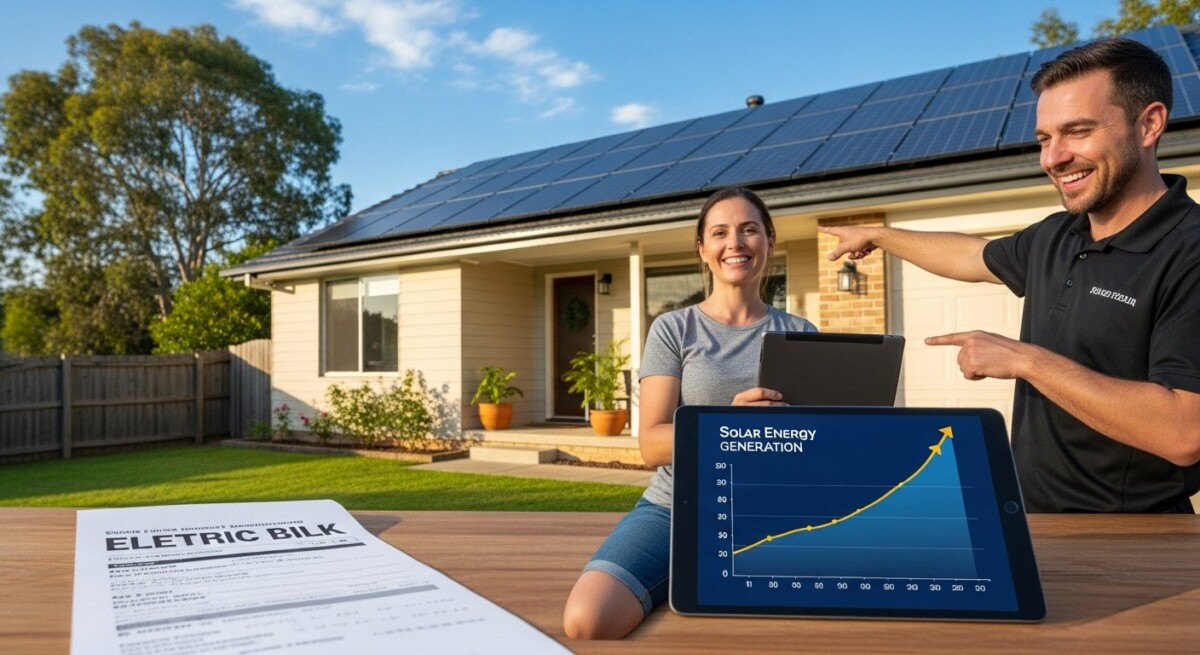
The most immediate benefit of solar panels is lower electricity bills. Once your system is paid off, your monthly electric cost drops dramatically, often to just a small connection fee. Over 25 years, the average homeowner saves between $20,000 and $50,000 on electricity costs, depending on their location and energy usage.
Solar panels also increase your home’s resale value. Studies show that homes with solar systems sell for more than comparable homes without solar, and they tend to sell faster. Beyond financial gains, you gain energy independence and the satisfaction of reducing your environmental impact. For a deeper look at combining solar with other clean energy solutions, see our article on solar and electric sustainable energy solutions.
Frequently Asked Questions
What is the difference between a solar quote and an estimate?
A solar estimate is a rough, non-binding price based on general assumptions about your home. A solar quote is a detailed, binding offer created after an installer visits your property and reviews your specific energy usage and roof conditions. Always ask for a firm quote before making a decision.
How long does it take to get a solar quote?
Most solar companies provide a detailed quote within a few days of the initial consultation. The process includes a site visit, roof inspection, and review of your electricity bills. Some companies offer virtual quotes using satellite imagery, but an in-person inspection is more accurate.
Can I install solar panels myself to save money?
DIY solar installation is possible but not recommended for most homeowners. Professional installers ensure the system meets local building codes, qualifies for incentives, and operates safely. Mistakes can void warranties, cause roof damage, or create electrical hazards that cost more to fix than hiring a pro.
What government incentives are available for solar?
The federal solar tax credit allows you to deduct 30% of your system cost from your federal taxes. Many states and utilities offer additional rebates, tax credits, or performance payments. Your installer will help you identify and apply for all applicable incentives based on your location.
How much can I save on my electricity bill with solar?
Savings depend on your system size, local electricity rates, and how much sun your roof receives. Most homeowners reduce their electric bill by 50% to 100%. Your solar quote will include an estimated annual savings figure based on your actual usage and local utility rates.
Do solar panels work during cloudy weather or winter?
Yes, solar panels still generate electricity on cloudy days, though at a reduced rate. Modern panels are designed to capture diffuse light, and snow often slides off angled panels quickly. Net metering credits earned during sunny months can offset lower production in winter.
What happens to excess electricity my solar panels produce?
Excess power is sent back to the utility grid through a process called net metering. Your utility credits you for that power, effectively spinning your meter backward. You can use those credits to offset electricity you use at night or during cloudy periods.
How long do solar panels last, and what maintenance do they need?
Solar panels typically last 25 to 30 years with minimal maintenance. Most manufacturers offer a 25-year performance warranty. Occasional cleaning to remove dust, leaves, or snow is usually all that is needed to keep them operating efficiently.
Understanding the difference between a solar quote and an estimate helps you avoid confusion and make a confident decision. By comparing multiple detailed quotes from trusted installers, you can find a system that fits your budget and maximizes your long-term savings. Start exploring your options today and take the first step toward lower electricity bills and greater energy independence.