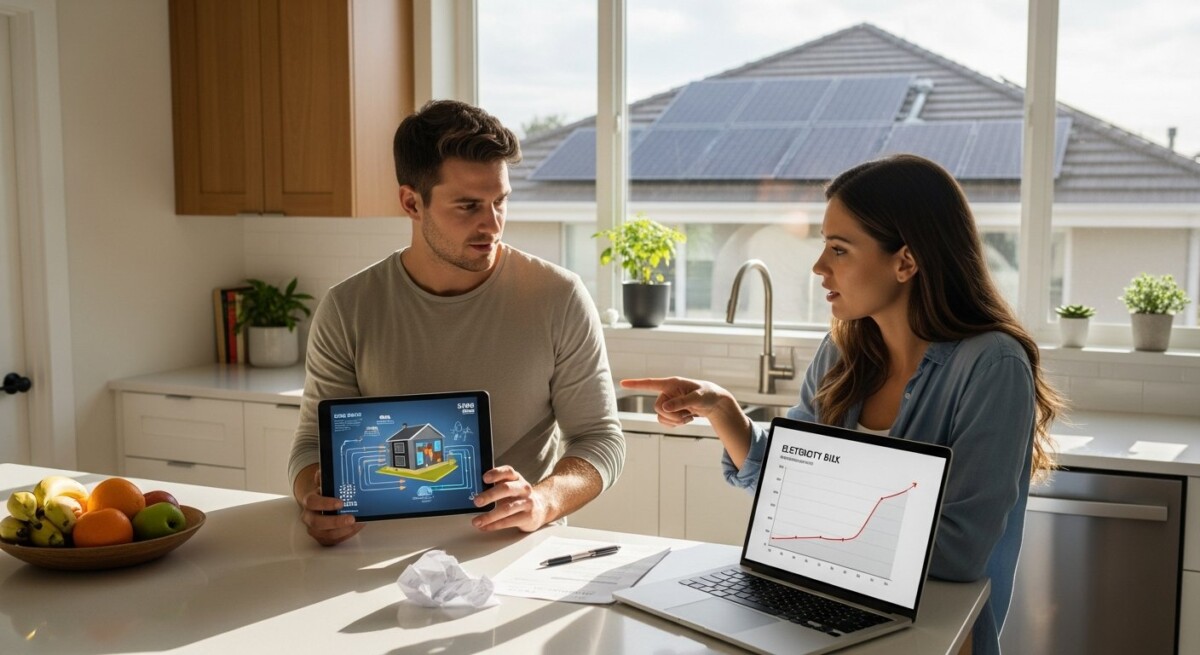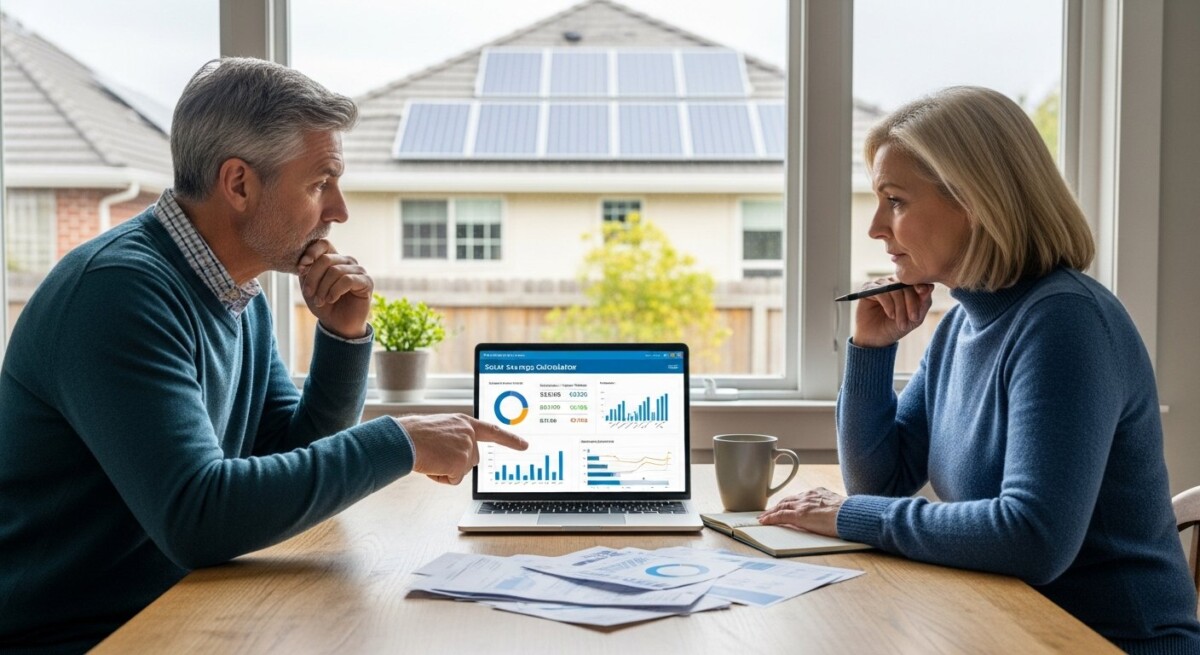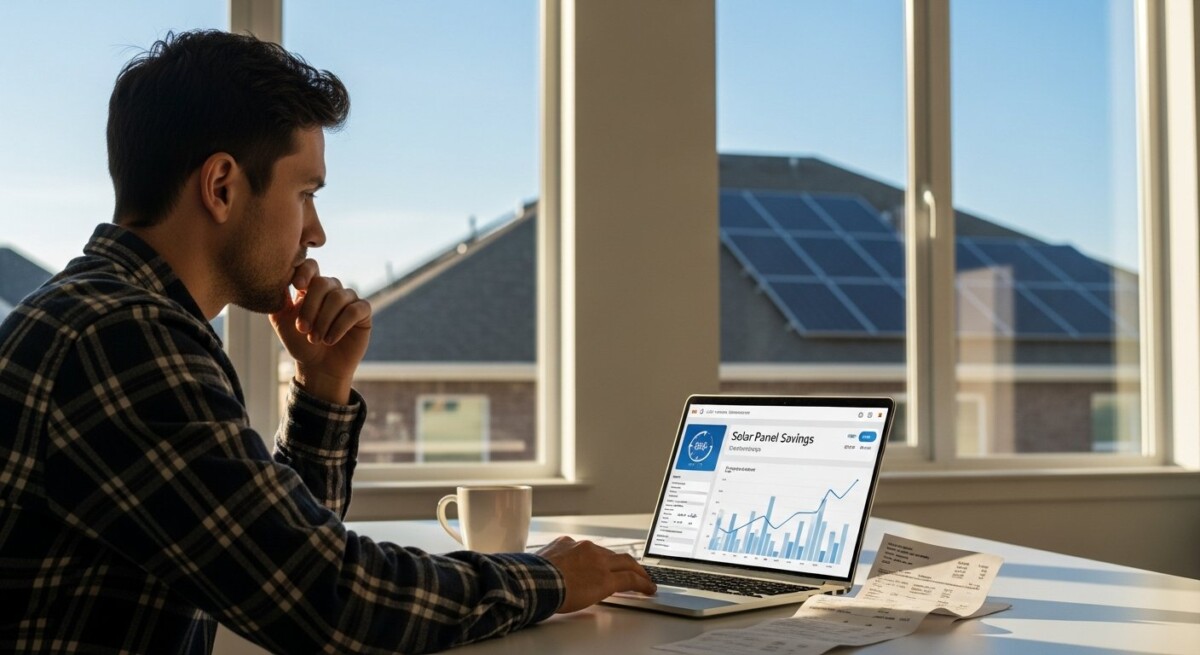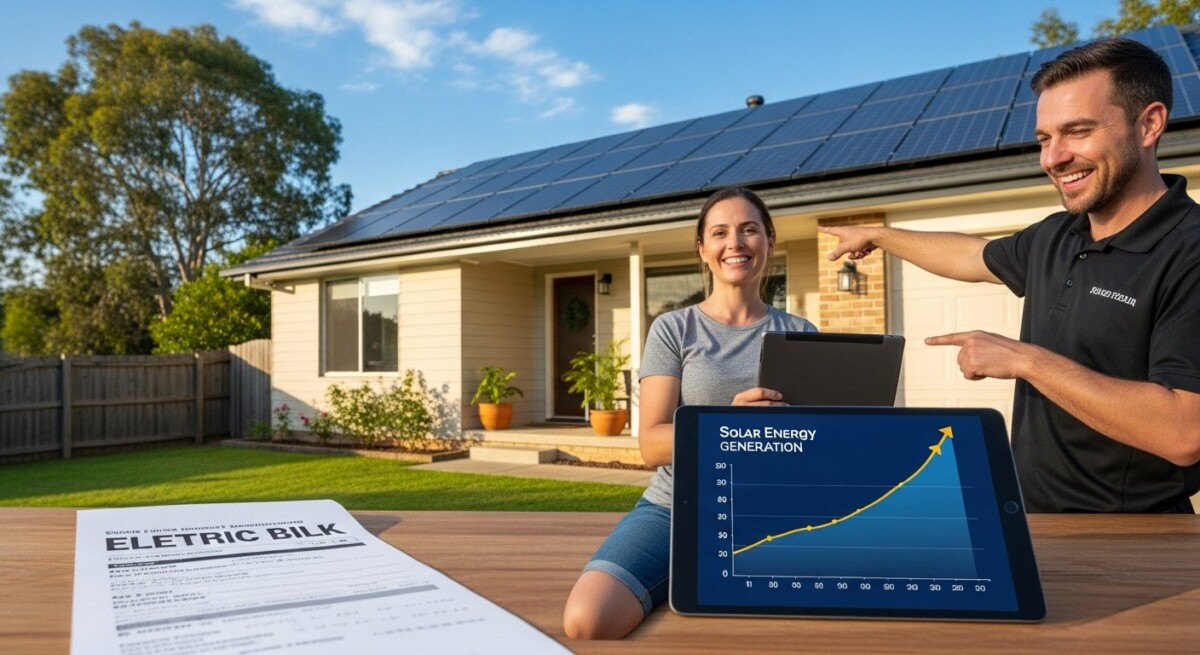
You open your monthly electricity bill and notice it has crept up again. Rising energy costs are pushing many homeowners to search for what determines solar system cost and whether switching to solar power makes financial sense. The idea of reducing your electricity bills and becoming less dependent on the power grid is increasingly appealing, but the upfront price tag often raises questions. Understanding the factors behind solar pricing helps you make a confident, informed decision.
Understanding What Determines Solar System Cost
Solar system cost refers to the total price of purchasing and installing photovoltaic (PV) panels on your home. This includes the equipment,panels, inverters, mounting hardware, and wiring,plus labor, permits, and any necessary electrical upgrades. The system size, measured in kilowatts (kW), directly affects the final price because larger systems require more panels and components.
Several key elements shape the cost: the quality and efficiency of the solar panels, the type of inverter you choose, the complexity of your roof installation, and local labor rates. Government incentives and rebates can significantly reduce what you pay out of pocket. By understanding these variables, you can compare quotes more effectively and choose a system that fits both your budget and your energy needs.
How Solar Panels Generate Electricity for Your Home
Solar panels contain photovoltaic cells that convert sunlight into direct current (DC) electricity. An inverter then transforms DC into alternating current (AC), which powers your home’s appliances and lights. Any excess electricity can flow back to the grid, often earning you credits through net metering programs.
Why Solar Energy Is Becoming More Popular
Homeowners across the country are turning to solar energy for several compelling reasons. Electricity rates have risen steadily over the past decade, and solar offers a way to lock in lower, predictable energy costs for decades. Many families see solar as a hedge against future rate hikes, giving them greater control over their monthly budget.
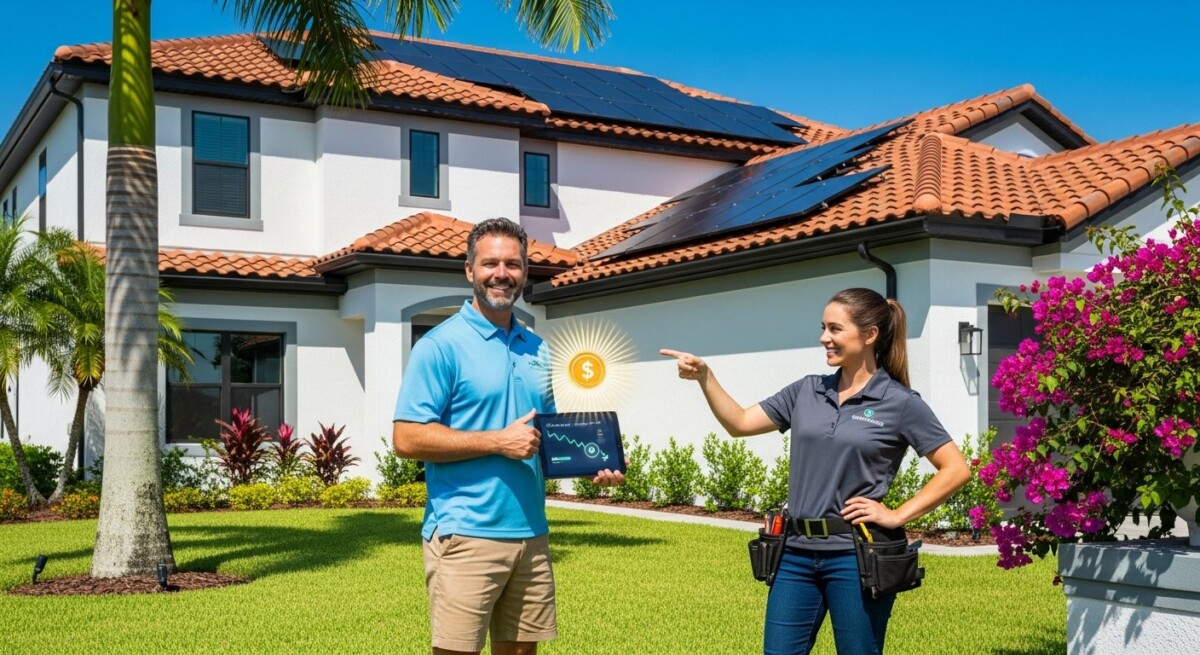
Environmental concerns also play a major role. Solar power produces clean, renewable energy that reduces your carbon footprint and reliance on fossil fuels. Long-term savings are another powerful motivator: while the initial investment can be significant, most homeowners recoup their costs through lower utility bills within 7 to 10 years, after which electricity from the sun is essentially free.
If you are considering solar power for your home, comparing installation quotes can help you understand your options. Request a free solar quote or call (855) 780-1429 to learn more.
Common Questions Homeowners Have About Solar
When researching solar, most homeowners share similar concerns. The upfront installation cost is often the first question,many are surprised to learn that solar prices have dropped significantly over the past decade and that financing options exist. Roof suitability is another common worry; not every roof faces the right direction or has enough unshaded space for optimal production.
System performance and reliability also come up frequently. Homeowners want to know how much power a system will generate in their local climate and whether panels will still produce electricity on cloudy days. Maintenance is simpler than many expect,panels require little more than occasional cleaning and annual inspections.
- How much does a typical residential solar system cost?
- Will solar panels work on my roof type and age?
- How long do solar panels last, and what warranties are available?
- Do I need a battery, or can I stay connected to the grid?
- What happens if my panels produce more electricity than I use?
- Are there financing options that require little or no money down?
How Solar Panel Installation Works
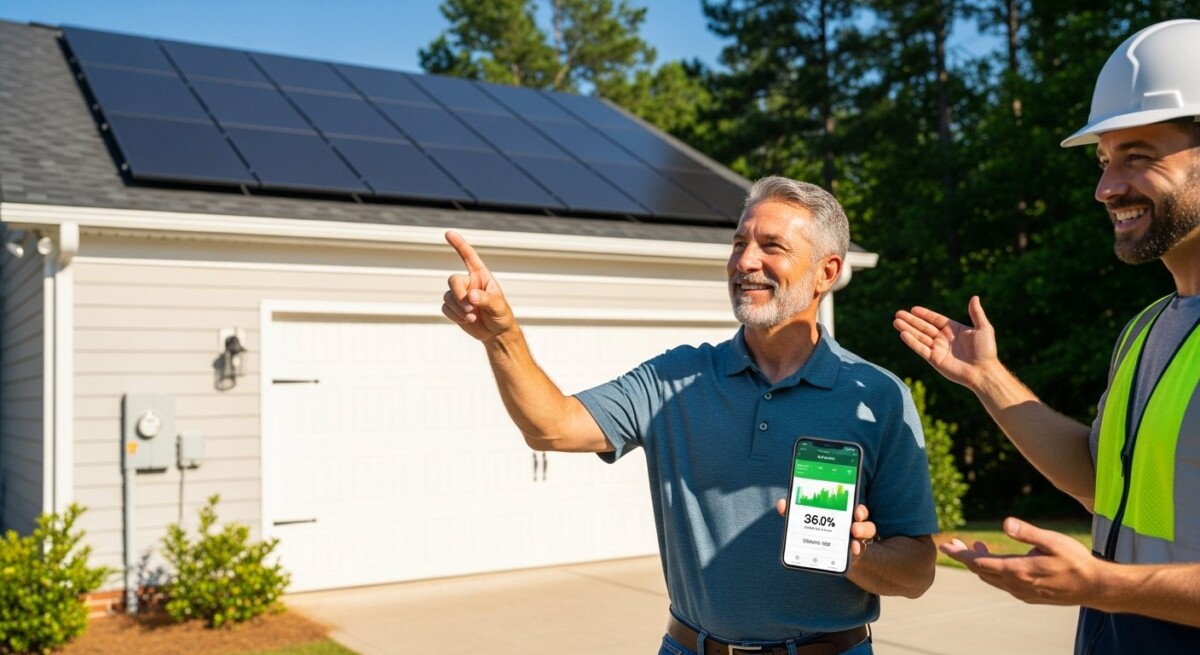
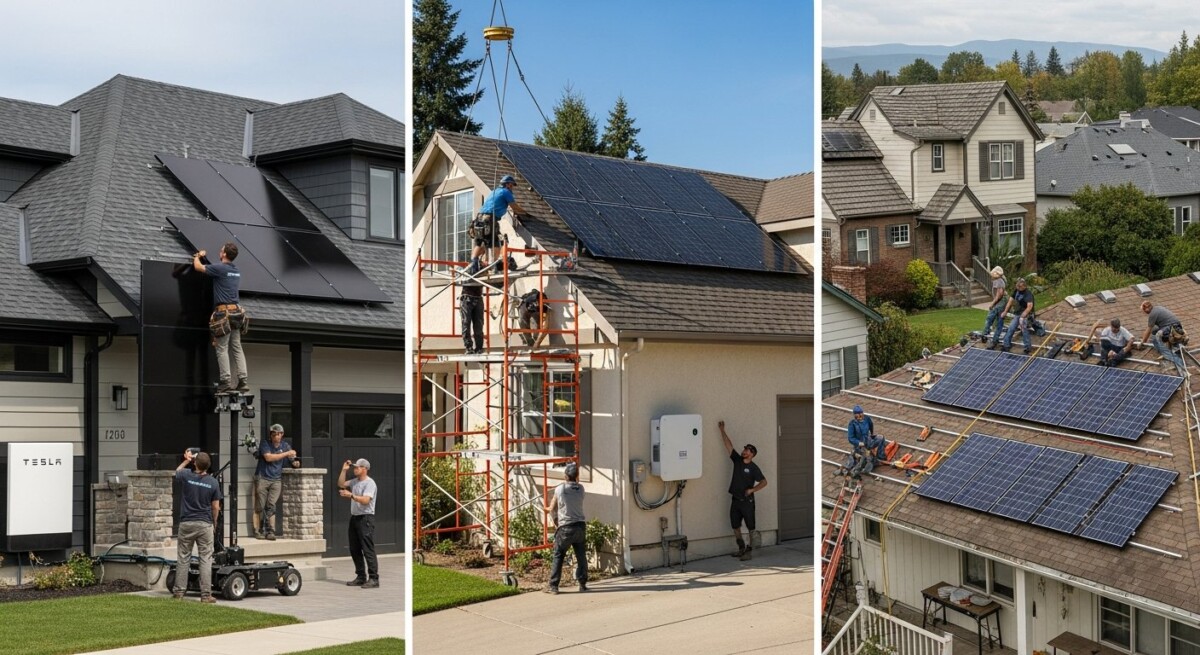
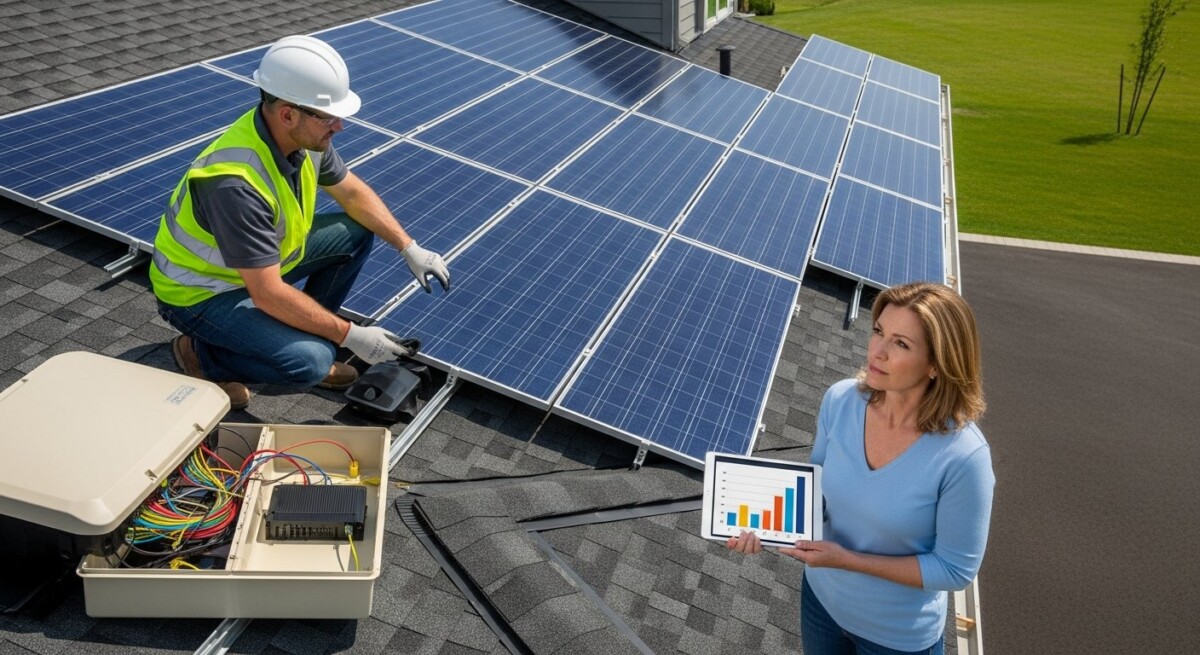
The installation process is straightforward when handled by experienced professionals. It begins with a thorough home energy assessment, where an installer evaluates your electricity usage, roof condition, and sunlight exposure. Based on this data, they design a system tailored to your energy goals and budget.
After you approve the design, the installer handles permits and approvals from your local utility and municipality. The physical installation typically takes one to three days, followed by a final inspection and system activation. Your installer will walk you through how to monitor your system’s performance and answer any questions about operation.
- Home energy assessment and usage analysis
- Custom system design and equipment selection
- Permit applications and utility interconnection approvals
- Panel mounting, wiring, and inverter installation
- Final inspection, grid connection, and system activation
Speaking with experienced installers can help you determine the best solar solution for your home. Compare solar quotes here or call (855) 780-1429 to explore available options.
Signs Your Home May Be Ideal for Solar
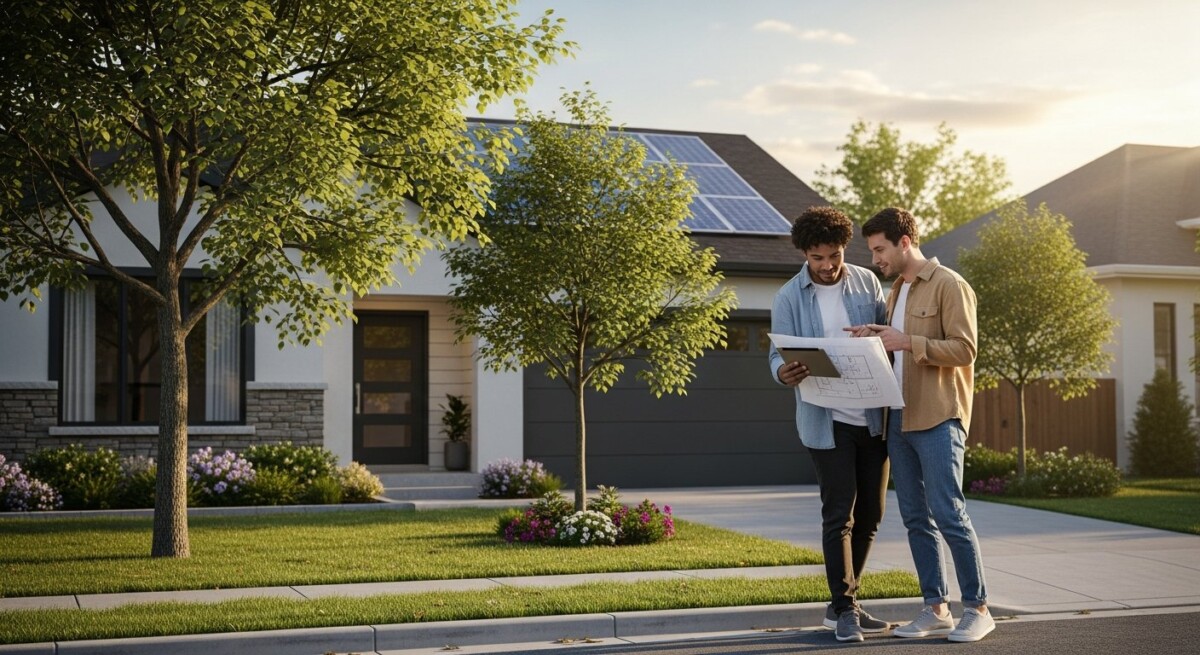
Certain home characteristics make solar panels more effective and cost-efficient. Homes with south-facing roofs that receive strong, direct sunlight for most of the day are prime candidates. If your electricity bills are consistently high,especially during peak summer months,solar can deliver substantial monthly savings.
Sufficient roof space is another important factor. A typical 6 kW system requires about 300 to 400 square feet of clear, unshaded roof area. If you plan to stay in your home for at least five to seven years, the long-term financial benefits become even more attractive, as your system will have time to pay for itself and generate pure savings.
- Your roof faces south, west, or east with minimal shading
- You pay high electricity rates or your bills exceed $100 per month
- Your roof is in good condition and has at least 15 years of life remaining
- You plan to stay in your home for the next 5 years or more
- Your local utility offers net metering or solar incentives
What Affects Solar Installation Costs
System size is the primary driver of cost,a larger system that covers more of your energy needs will naturally cost more upfront. Equipment quality also matters. Premium, high-efficiency panels and advanced inverters cost more but often produce more electricity over their lifespan, which can improve long-term savings.
Installation complexity can raise or lower the price. Simple roof layouts with standard shingles are quicker and cheaper to install than complex roofs with multiple angles, tile, or slate. Local incentives and rebates can dramatically cut your net cost; the federal solar Investment Tax Credit (ITC) currently allows you to deduct 30% of the system cost from your federal taxes. Our guide on solar system size explains how to match system capacity to your household usage for maximum savings.
The cost of solar installation varies depending on your home and energy needs. Request personalized solar quotes or call (855) 780-1429 to see what options are available.
Tips for Choosing a Reliable Solar Installer
Selecting the right installer is just as important as choosing quality equipment. Look for companies with several years of experience, proper licensing, and a strong track record of completed installations in your area. Review warranties carefully,both the equipment warranty (typically 25 years for panels) and the workmanship warranty (usually 5 to 10 years) protect your investment.
Reading customer reviews on platforms like Google, Yelp, and the Better Business Bureau gives you insight into a company’s reputation and customer service. The most reliable way to find a fair price and trustworthy installer is to compare multiple quotes. Each quote should itemize equipment, labor, permits, and warranty terms so you can make an apples-to-apples comparison.
- Verify installer licenses, certifications (such as NABCEP), and insurance
- Ask about panel and inverter warranties,aim for at least 25 years on panels
- Read online reviews and ask for references from recent customers
- Get at least three detailed quotes and compare them side by side
- Inquire about financing options, including loans, leases, and PPAs
Long-Term Benefits of Installing Solar Panels
Lower electricity bills are the most immediate benefit. Many homeowners see their monthly utility costs drop by 50% or more, with some systems covering nearly all of a home’s electricity needs over the course of a year. These savings add up: over 25 years, the average homeowner can save tens of thousands of dollars.
Solar panels also increase your home’s resale value. Studies consistently show that homes with solar systems sell for a premium compared to similar homes without them. Beyond financial gains, solar gives you greater energy independence,you rely less on the grid and are less affected by rate hikes or power outages. Environmentally, each kilowatt-hour of solar power prevents carbon emissions, helping create a cleaner future.
How Long Do Solar Panels Last?
Most solar panels come with a 25-year performance warranty and continue producing electricity well beyond that, though their output gradually declines. A well-maintained system can function effectively for 30 years or more, delivering clean energy and savings for decades.
Will Solar Work on a Cloudy Day?
Yes, solar panels still generate electricity on cloudy days, just at a reduced rate,typically 10% to 25% of their full capacity. Modern systems are designed to capture diffuse sunlight, and net metering allows you to bank credits from sunny days to use when production is lower.
What Is Net Metering and How Does It Save Money?
Net metering is a billing arrangement where your utility credits you for excess electricity your solar panels send back to the grid. When your system produces more than you use, your meter runs backward, and you earn credits that offset future bills. This arrangement maximizes your savings and makes solar more cost-effective.
Do I Need a Solar Battery?
A battery is optional for most homeowners connected to the grid. Batteries provide backup power during outages and allow you to store excess energy for evening use, but they add significant cost. For many, net metering offers sufficient financial benefit without a battery.
What Happens to My Solar System During a Power Outage?
Standard grid-tied solar systems shut down automatically during a power outage to protect utility workers. If you have a battery with islanding capability, your home can continue running on stored solar energy. Without a battery, your panels will not produce electricity until the grid is restored.
Can I Install Solar Panels Myself to Save Money?
DIY solar installation is possible but carries significant risks. Improper wiring can create fire hazards, void equipment warranties, and fail electrical inspections. Most utilities require professional installation for grid interconnection, and you may miss out on manufacturer warranties and federal tax credits without a certified installer.
How Much Does a Solar System Cost After Incentives?
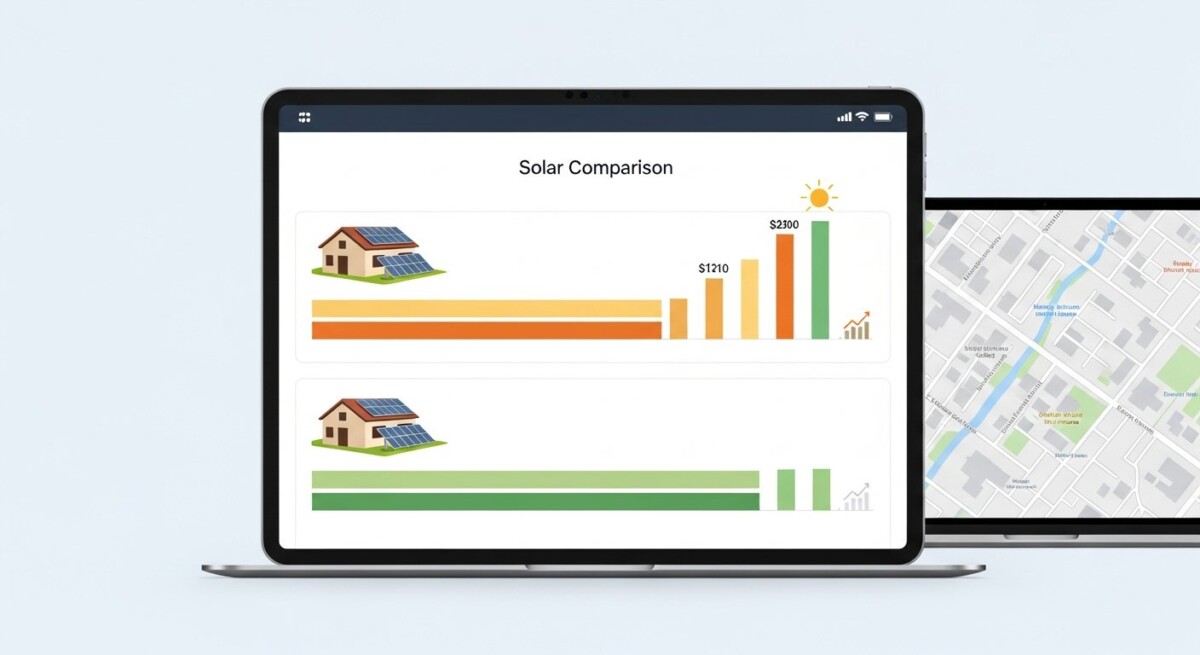
The average residential solar system before incentives ranges from $15,000 to $25,000. After applying the 30% federal tax credit and any state or local rebates, the net cost typically falls between $10,500 and $17,500. Your final price depends on system size, equipment, and installer rates.
How Do I Know Which Solar Quote Is Best?
Compare quotes based on total cost, equipment quality, warranty terms, and installer reputation,not just the lowest price. A slightly more expensive system with premium panels and a strong warranty may deliver better long-term value. Request itemized quotes and ask questions until you feel confident in your choice.
Understanding what determines solar system cost empowers you to make a smart investment in your home and your future. By comparing multiple solar installation quotes, you can find a system that fits your budget, reduces your electricity bills, and moves you toward energy independence. Learn how to estimate solar system size to get started, then explore your options with trusted local installers. The sun is shining,take the first step today.