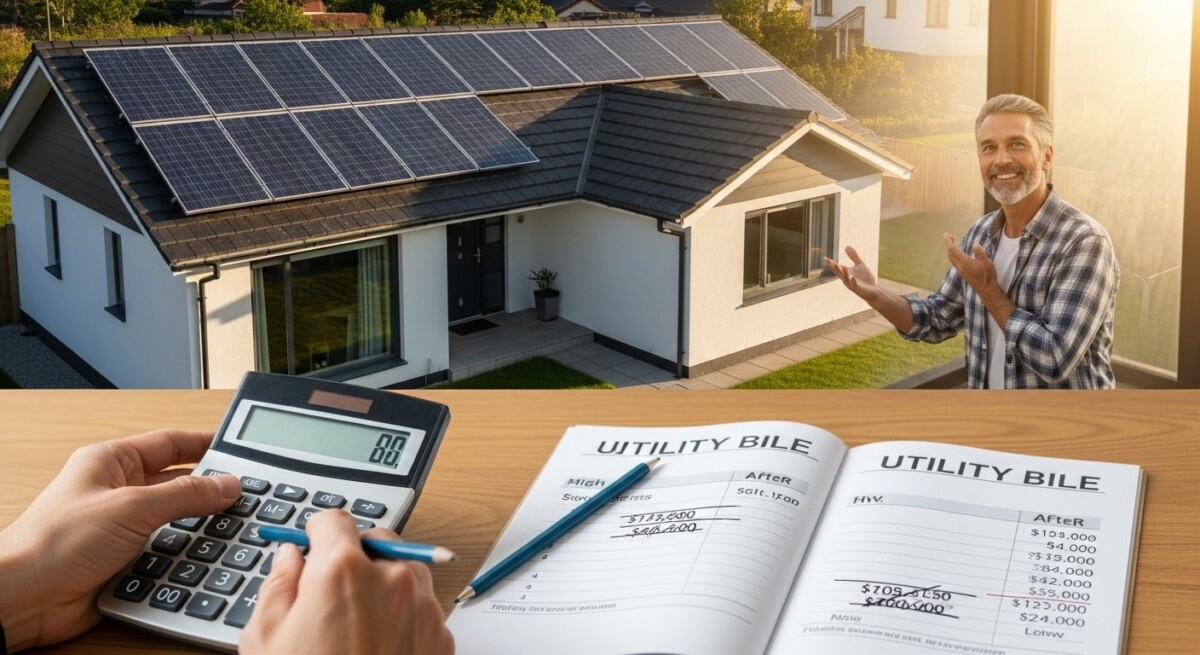
You open your monthly electricity bill and notice it has crept up again. Maybe you have started wondering if there is a way to take control of those rising costs and reduce your dependence on the power grid. That is exactly why so many homeowners are now searching for information on how solar power quotes work.
Understanding solar quotes is the first step toward lowering your energy bills and gaining more energy independence. In this guide, we will walk you through everything you need to know, from what a solar quote includes to how you can compare installation offers and avoid costly mistakes.
Understanding how solar power quotes work
A solar power quote is a detailed estimate provided by a solar installation company. It outlines the cost of equipment, labor, permits, and any additional services required to install solar panels on your home. Think of it as a roadmap that shows you exactly what you are paying for and what kind of energy savings you can expect.
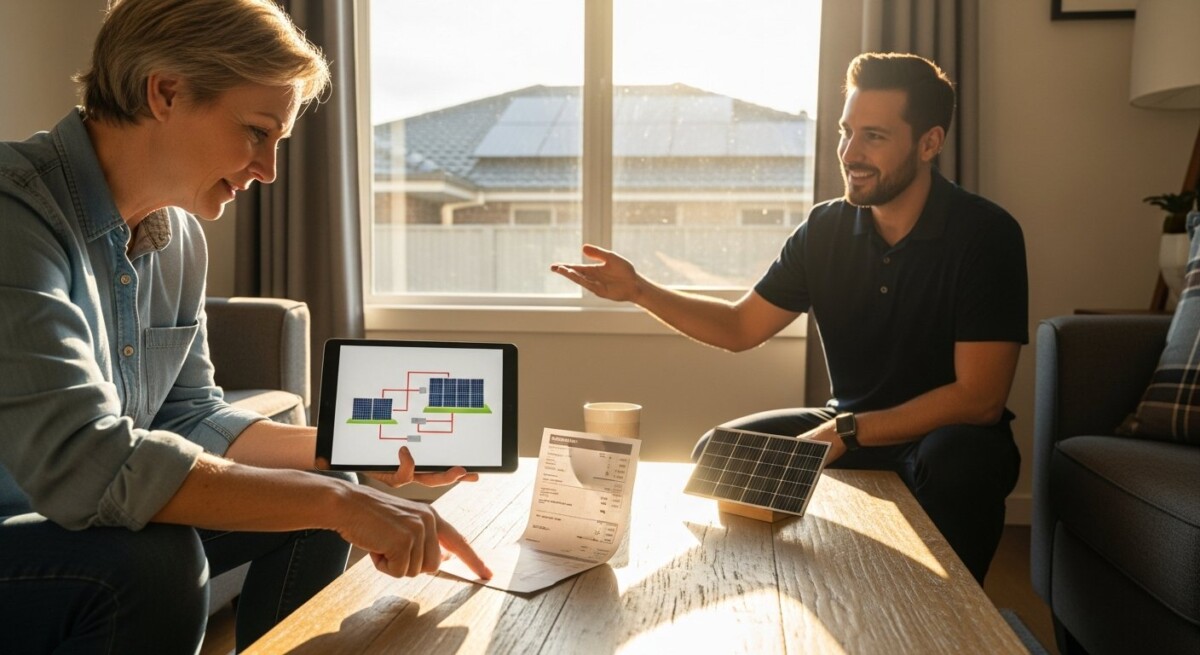
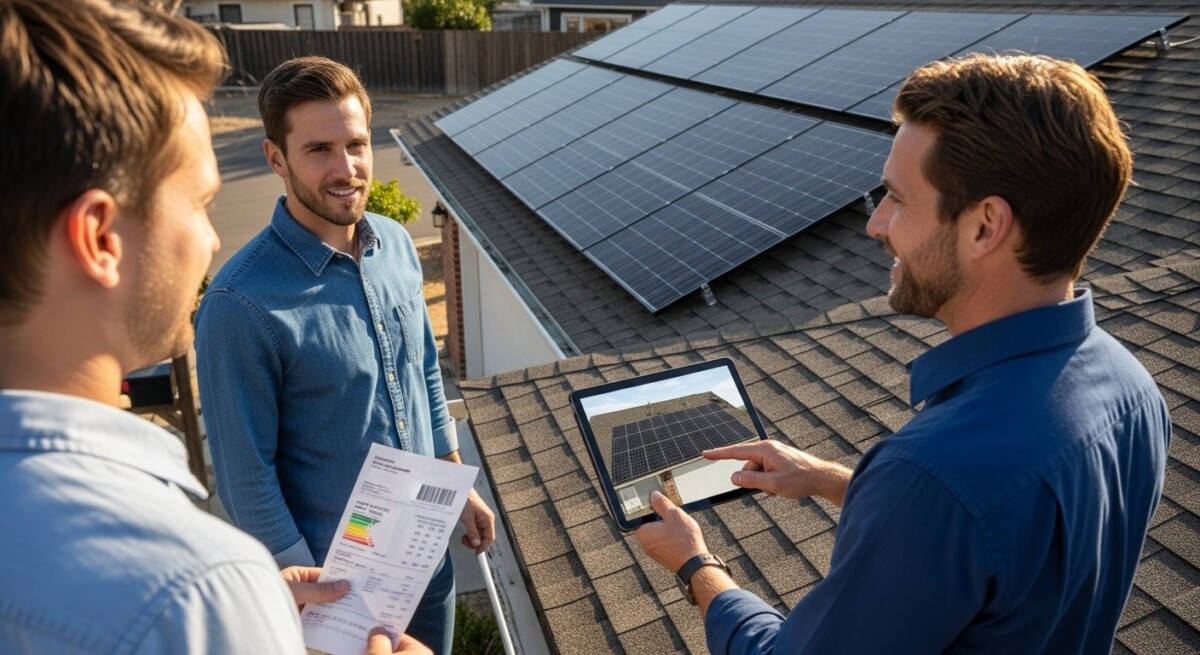
When you request a quote, the installer typically reviews your home energy usage, roof layout, and sunlight exposure. They then design a system tailored to your needs. The quote will include the total price, financing options, estimated energy production, and projected savings over time.
More homeowners are choosing solar because it offers a way to lock in lower electricity rates for decades. By comparing quotes, you can find a system that fits your budget and maximizes long-term savings. In our guide on reducing operational costs with solar power, we explain how strategic system sizing can make a big difference.
Key components of a solar quote
A standard solar quote usually includes the following: system size in kilowatts, panel and inverter brands, total installation cost, estimated annual energy production, warranty details, and financing or lease options. Some quotes also show your expected payback period and monthly savings.
It is important to review each component carefully. A lower price may mean lower-quality equipment or shorter warranties, while a higher quote might include premium panels and better long-term support.
Why Solar Energy Is Becoming More Popular
Rising electricity prices are one of the biggest motivators for homeowners to switch to solar. Over the past decade, utility rates have increased steadily, and solar panels offer a way to hedge against future hikes. By generating your own power, you reduce the amount you buy from the grid.
Environmental concerns also play a major role. Solar energy is clean, renewable, and reduces your carbon footprint. Many homeowners feel good about contributing to a healthier planet while also saving money.
Long-term savings are another powerful draw. While the upfront cost of solar panels can be significant, federal tax credits, state rebates, and net metering programs can lower the price substantially. Over 20 to 25 years, most homeowners save tens of thousands of dollars on electricity.
If you are considering solar power for your home, comparing installation quotes can help you understand your options. Request a free solar quote or call (855) 780-3252 to learn more.
Common Questions Homeowners Have About Solar
It is natural to have questions before making a significant investment like solar panels. Many homeowners wonder about the upfront cost, whether their roof is suitable, and how well the system will perform in different weather conditions.
Another common concern is maintenance. Fortunately, solar panels require very little upkeep. Most systems only need occasional cleaning and an annual checkup to ensure everything runs smoothly.
- How much does a solar system cost for a typical home?
- Will solar panels work on my roof if it is shaded or old?
- What happens when it is cloudy or during winter months?
- How long do solar panels last, and what warranties are available?
- Can I add battery storage to my system later?
- Do I need to replace my roof before installing solar panels?
How Solar Panel Installation Works
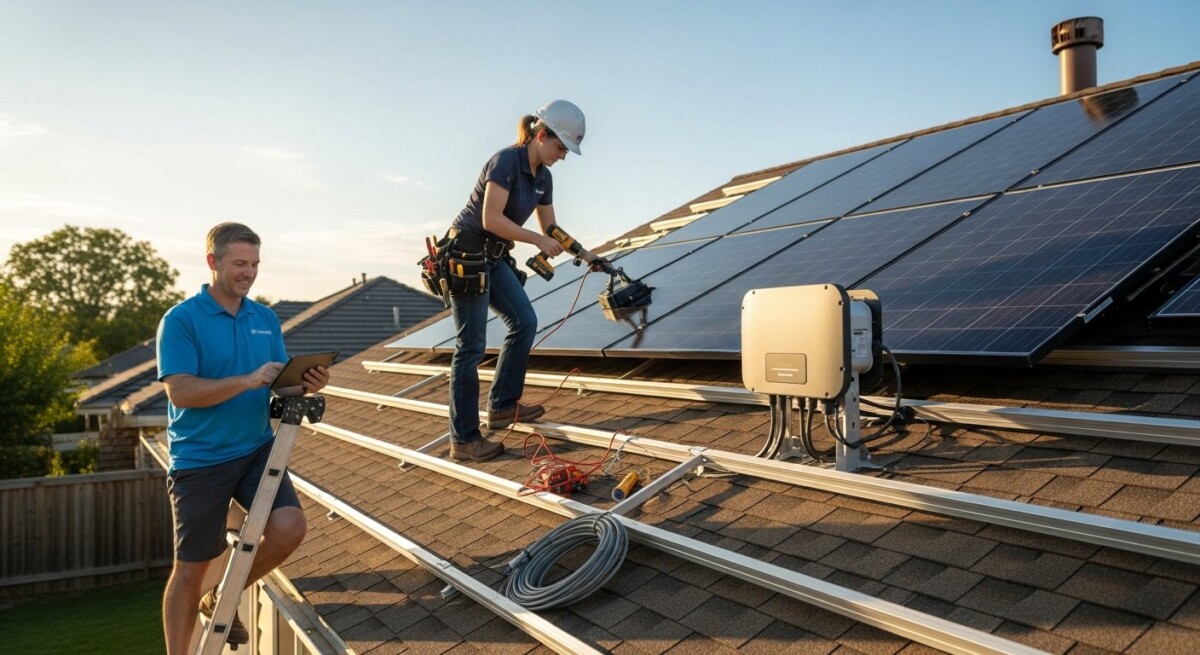
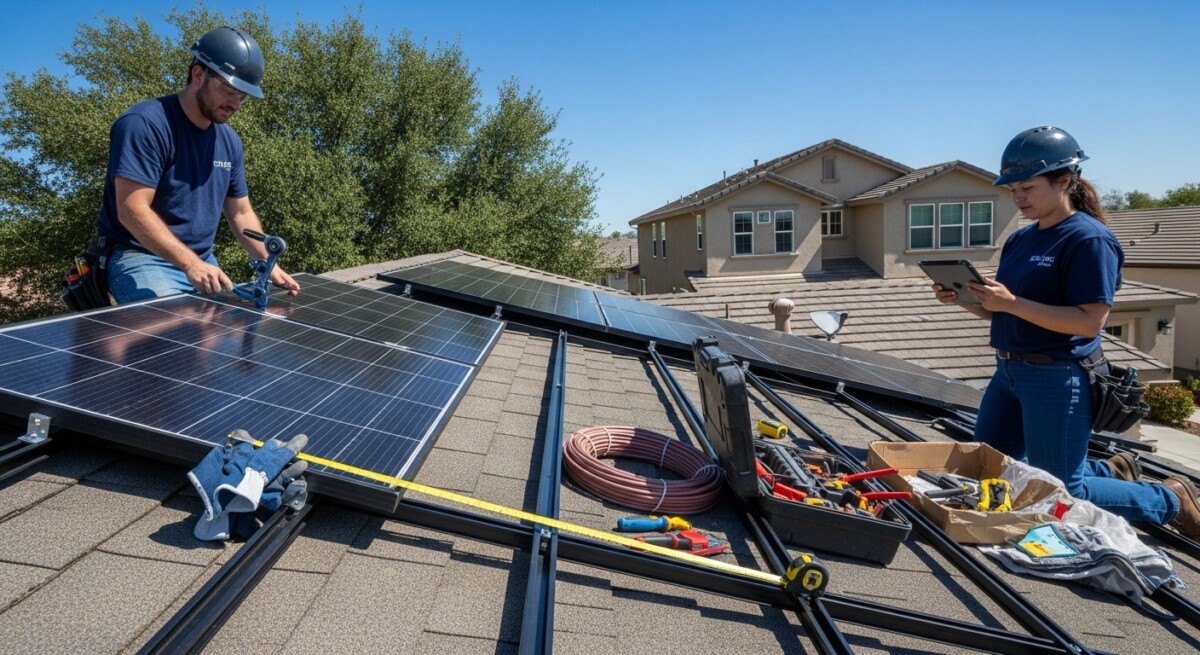
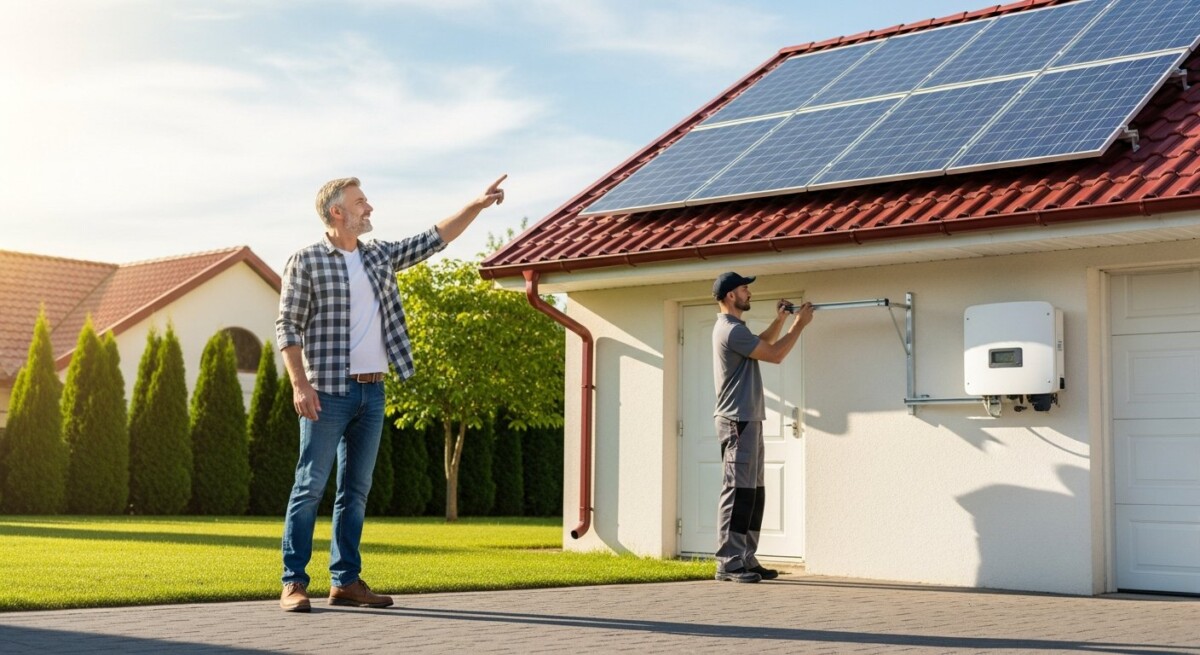
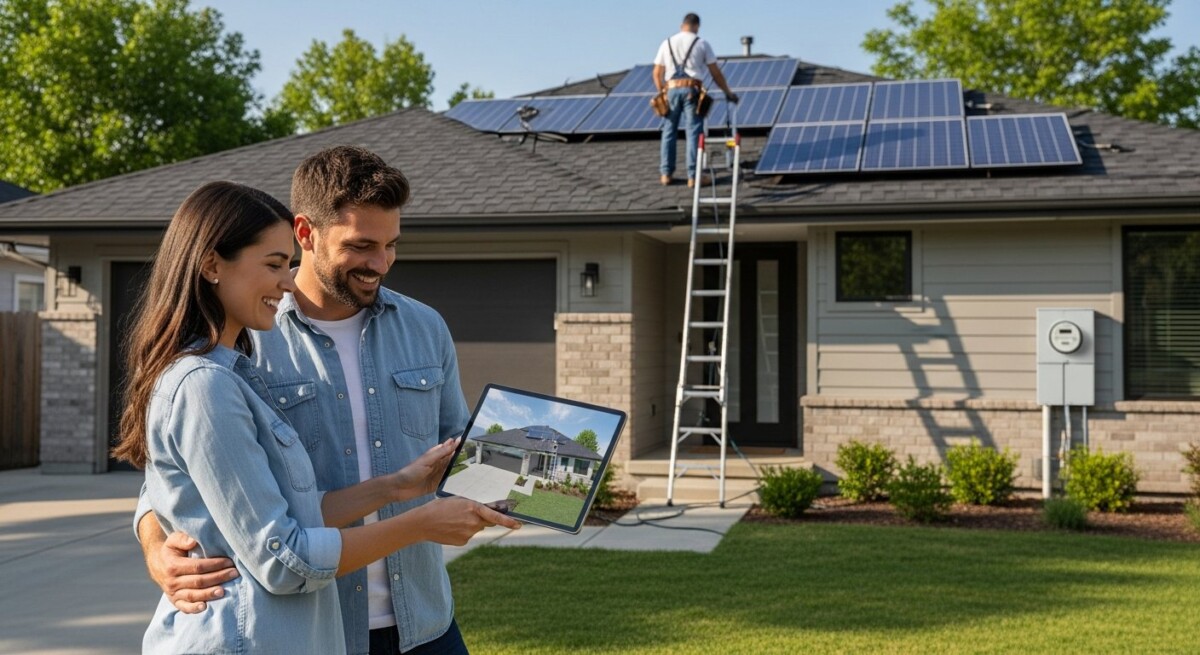
The installation process is more straightforward than many homeowners expect. It typically takes one to three days once all permits and approvals are in place. A professional crew handles the heavy lifting, from mounting the panels to connecting the system to your electrical panel.
Before installation begins, your installer will conduct a home energy assessment to determine your current usage and identify opportunities for efficiency improvements. This step ensures the solar system is sized correctly for your needs.
- Home energy assessment: Review your past electricity bills and evaluate your home’s energy efficiency.
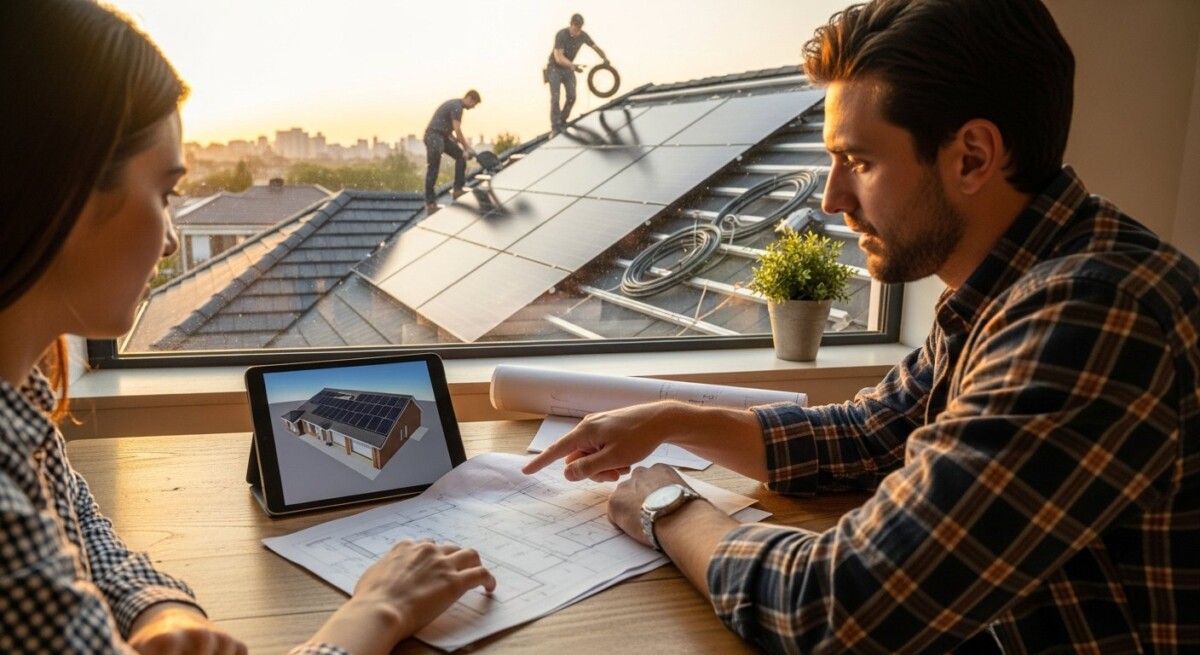
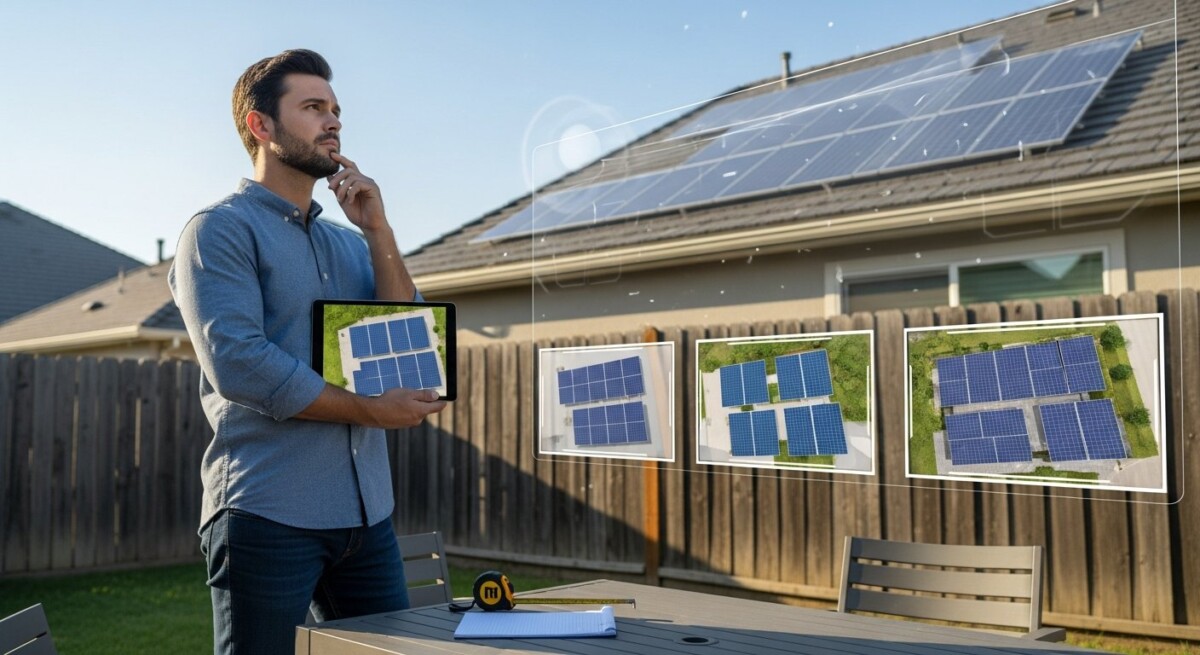
- System design: The installer creates a custom layout for your roof, choosing panel placement and equipment.
- Permits and approvals: The installer handles all necessary permits from your local government and utility company.
- Panel installation: Crews mount the panels, install inverters, and connect wiring safely.
- System activation: After inspection and utility approval, your system is turned on and starts generating power.
Speaking with experienced installers can help you determine the best solar solution for your home. Compare solar quotes here or call (855) 780-3252 to explore available options.
Signs Your Home May Be Ideal for Solar
Not every home is equally suited for solar panels, but many are. The most important factor is sunlight exposure. A south-facing roof with minimal shading from trees or nearby buildings will produce the most energy.
High electricity bills are another strong indicator. If you pay more than $100 per month, solar panels can likely reduce that amount significantly. Additionally, if you plan to stay in your home for the next five to ten years, the investment becomes more worthwhile.
- Your roof receives strong, direct sunlight for most of the day.
- Your monthly electricity bills are consistently high.
- You have enough unobstructed roof space to accommodate panels.
- You plan to own your home for several more years.
- You live in a state with favorable net metering policies or solar incentives.
- Your roof is in good condition and less than 10 years old.
What Affects Solar Installation Costs
The cost of a solar system depends on several variables. System size is the biggest factor,larger systems that produce more electricity cost more upfront but also generate greater savings over time. Equipment quality also matters; premium panels and inverters often come with better efficiency and longer warranties.
Installation complexity can drive up costs as well. Roofs with steep slopes, unusual angles, or multiple stories require more labor and safety equipment. Local incentives, such as federal tax credits, state rebates, and solar renewable energy certificates, can reduce your net cost significantly.
The cost of solar installation varies depending on your home and energy needs. Request personalized solar quotes or call (855) 780-3252 to see what options are available.
Tips for Choosing a Reliable Solar Installer
Choosing the right installer is just as important as choosing the right equipment. A reputable company will have proper licensing, insurance, and a track record of successful installations. They should also offer clear warranties on both the equipment and their workmanship.
Reading customer reviews and asking for references can give you insight into the installer’s reliability and customer service. It is also wise to compare multiple quotes to see how different companies price similar systems. In our article on solar power success stories and business case studies, you can see how professional installers helped homeowners and businesses achieve excellent results.
- Review the installer’s experience and ask how many systems they have installed.
- Check that they offer comprehensive warranties on panels, inverters, and labor.
- Read online reviews on platforms like Google, Yelp, and the Better Business Bureau.
- Compare at least three quotes to understand pricing and equipment options.
- Ask about financing options, including loans, leases, and power purchase agreements.
- Confirm that the installer handles all permits and utility paperwork.
Long-Term Benefits of Installing Solar Panels
Lower electricity bills are the most immediate benefit. Once your system is paid off, your monthly energy costs drop dramatically or even disappear. Over the 25- to 30-year lifespan of most panels, those savings add up to tens of thousands of dollars.
Solar panels also increase your home’s resale value. Studies have shown that homes with solar systems sell for more and spend less time on the market. Buyers appreciate the lower utility costs and environmental benefits.
Finally, solar energy gives you greater energy independence. You are less affected by utility rate increases and power outages, especially if you pair your system with battery storage. And by using clean, renewable energy, you reduce your household’s carbon footprint and contribute to a more sustainable future.
Frequently Asked Questions
How long does it take to get a solar quote?
Most solar companies provide a preliminary quote within 24 to 48 hours after you submit your information. A detailed, site-specific quote usually takes a week after an in-person or virtual assessment of your home.
Can I negotiate a solar quote?
Yes, you can negotiate. Many installers are open to matching or beating competitor prices, especially if you have a written quote from another company. Just make sure you are comparing equivalent equipment and warranties.
Do solar quotes include the federal tax credit?
Some quotes show the price before the tax credit, while others list it separately. Always ask the installer to clarify whether the quoted price includes incentives or if it is the gross cost before applying rebates.
What if my roof needs repairs before solar installation?
Your installer will inspect your roof during the assessment. If repairs or a replacement are needed, you should complete that work before the panels go up. Some solar companies offer roof replacement services or can coordinate with a roofer.
How much can I save with solar panels each month?
Savings vary based on your location, energy usage, and system size. On average, homeowners save between $50 and $150 per month on electricity bills. Over 20 years, that can total $20,000 or more.
Do solar panels work during a power outage?
Standard grid-tied solar systems shut down during an outage for safety reasons. If you want backup power, you will need to add battery storage, which stores excess energy for use when the grid goes down.
Are there financing options for solar installation?
Yes, most installers offer solar loans, leases, and power purchase agreements. Loans allow you to own the system and claim incentives, while leases and PPAs require little or no upfront cost but offer lower long-term savings.
How long do solar panels last?
Most solar panels come with a 25-year performance warranty and continue producing electricity well beyond that. Many systems still operate at 80% or more of their original capacity after 30 years.
Understanding how solar power quotes work is the first step toward taking control of your energy costs and making a smart investment in your home. By comparing multiple quotes, you can find a system that fits your budget, meets your energy needs, and delivers long-term savings. Start by requesting free quotes from trusted installers today.