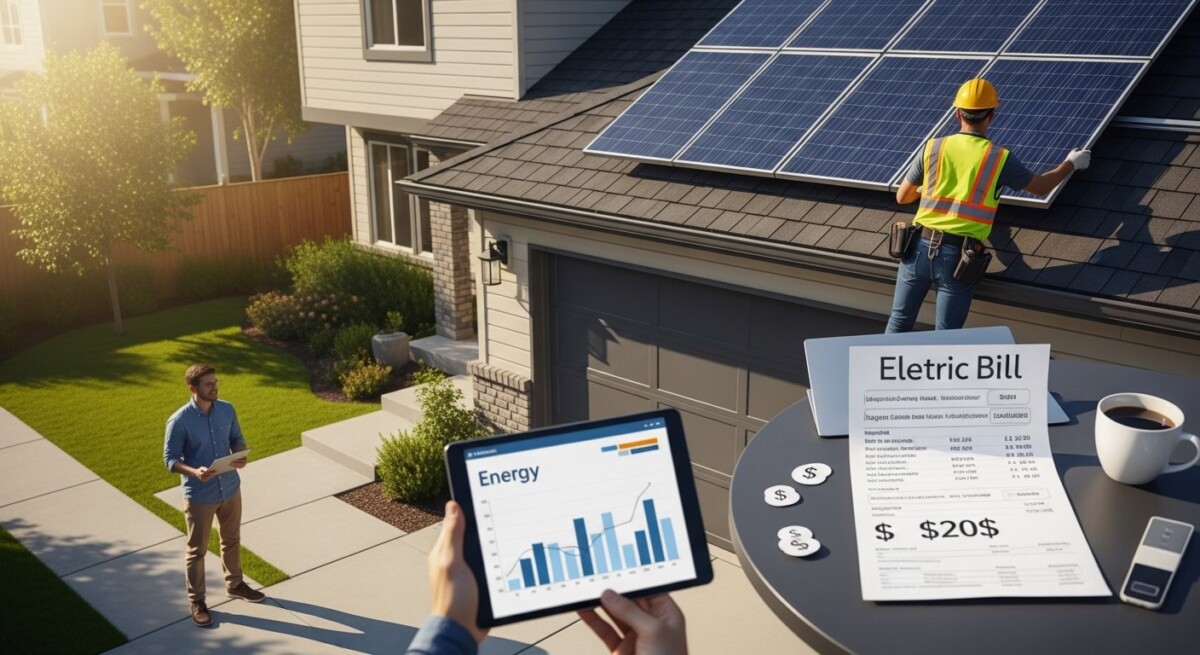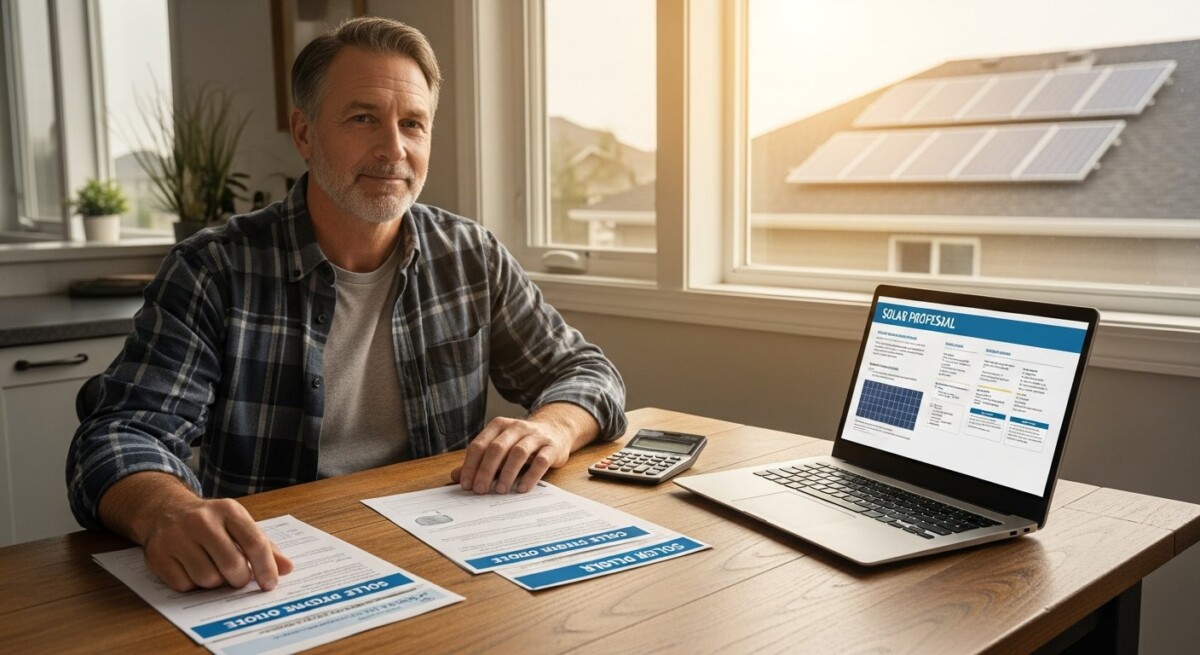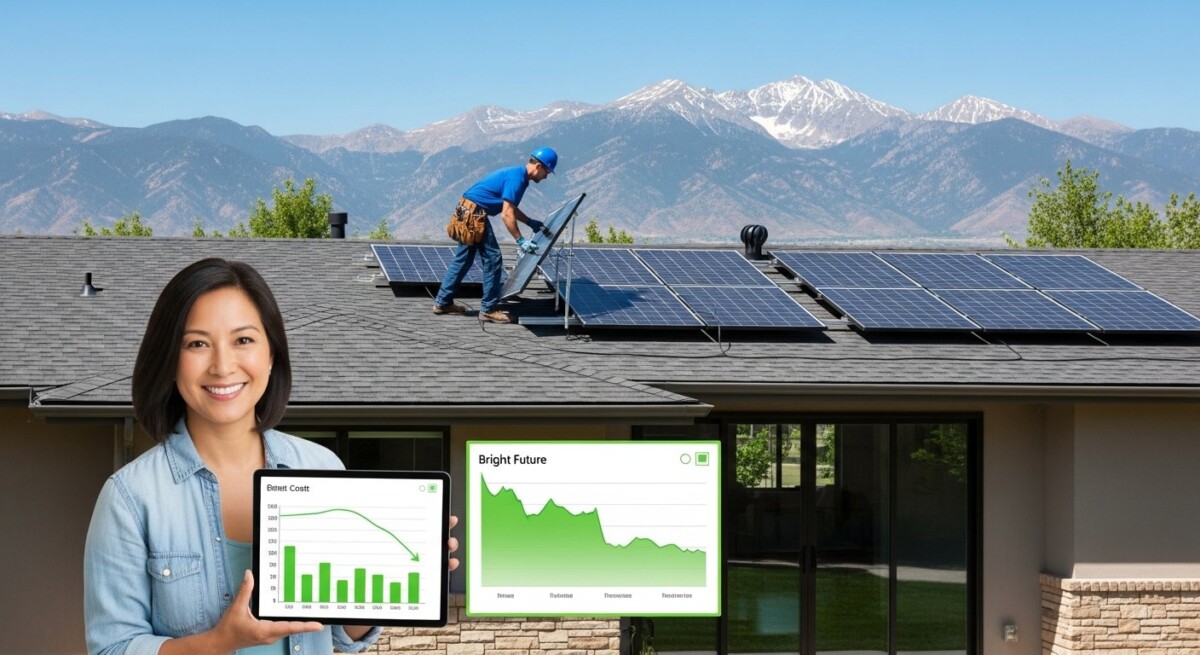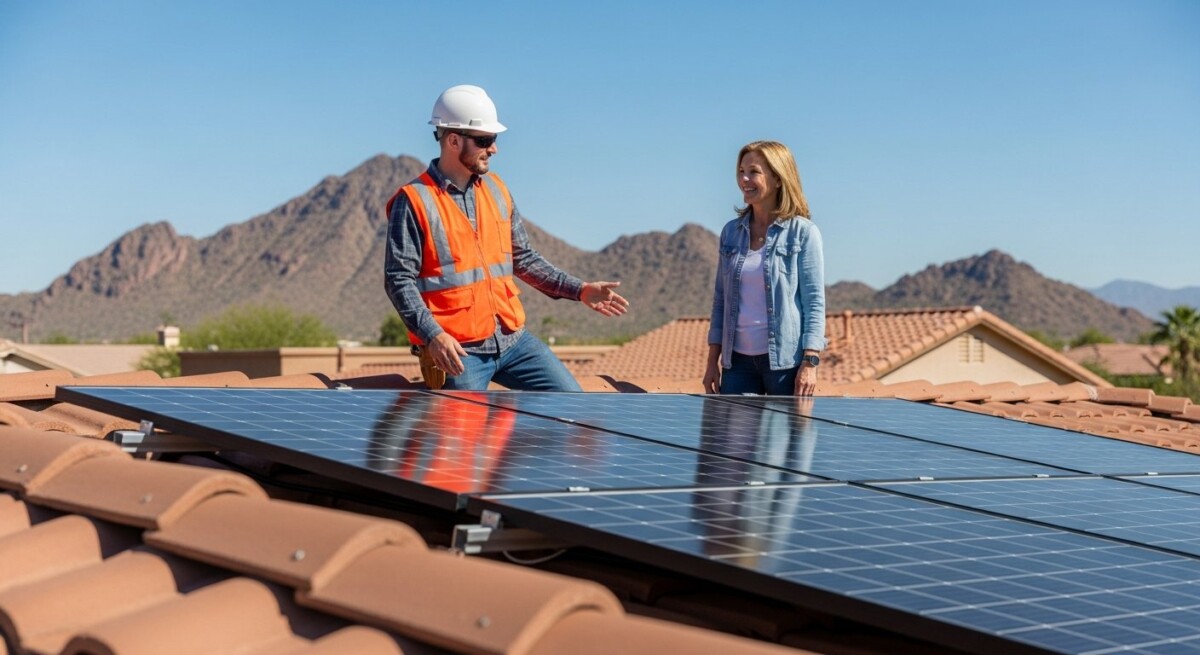
Imagine opening your monthly electric bill and seeing a number that keeps climbing higher. Many homeowners feel this frustration as utility rates rise year after year. You might be searching for a way to reduce those costs and take control of your energy future.
That search often leads people to ask, “What affects solar installation cost?” Understanding these factors is the first step toward making an informed decision. When you know what drives the price, you can better evaluate your options and find a system that fits your budget while lowering your electricity bills.
Solar power offers a practical path toward energy independence and long-term savings. By learning the key cost drivers, you can compare quotes with confidence and choose the right solution for your home.
Understanding what affects solar installation cost
Solar panel installation involves converting sunlight into electricity using photovoltaic (PV) panels mounted on your roof or property. The system includes panels, an inverter, wiring, racking, and sometimes batteries for energy storage. When sunlight hits the panels, direct current (DC) electricity flows to the inverter, which converts it into alternating current (AC) power your home can use.
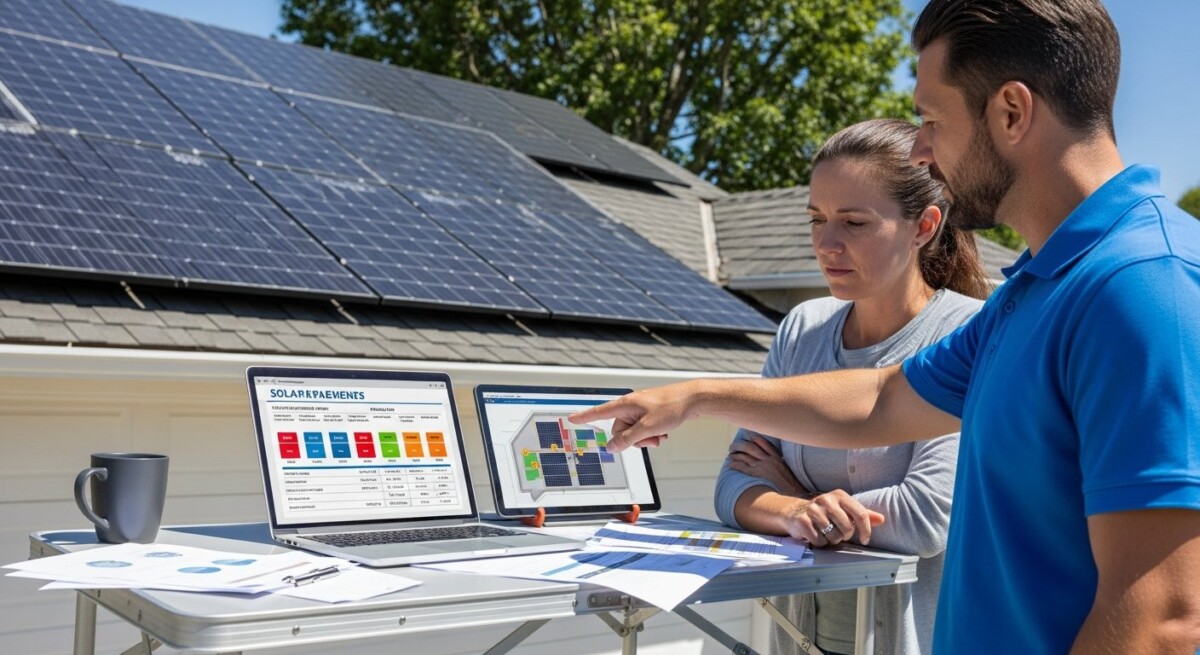
Several elements influence solar installation cost, including system size, equipment quality, roof complexity, labor rates, and local permits. Your geographic location and available incentives also play a major role in the final price. By understanding these variables, you can spot a fair quote and avoid overpaying.
More homeowners are turning to solar because it reduces monthly utility bills and provides a hedge against future rate hikes. As technology improves and prices continue to drop, solar has become an accessible option for many families.
What exactly drives the price up or down?
High-efficiency panels and premium inverters cost more upfront but often generate more electricity over their lifespan. A simple roof with good sun exposure keeps installation labor lower, while a complex roof with multiple angles or old tiles may require extra work and materials. Local incentive programs, such as net metering or tax credits, can significantly reduce your out-of-pocket expense.
Why Solar Energy Is Becoming More Popular
Electricity rates have risen steadily across the United States, putting pressure on household budgets. Solar panels allow you to generate your own power, which directly offsets what you would otherwise buy from the utility. Over time, that offset translates into substantial savings.
Beyond financial reasons, many homeowners are motivated by environmental concerns. Solar energy produces no greenhouse gas emissions during operation, helping reduce your carbon footprint. The combination of saving money and protecting the planet is a powerful motivator.
Long-term savings are a primary driver of solar adoption. A well-designed system can pay for itself in 7 to 10 years, then continue producing free electricity for another 15 to 20 years. That kind of return on investment is hard to ignore.
If you are considering solar power for your home, comparing installation quotes can help you understand your options. Request a free solar quote or call 1-800-555-0199 to learn more.
Common Questions Homeowners Have About Solar
Many homeowners worry about the upfront cost of solar panels and whether their roof can support them. Others question how well the system will perform in cloudy weather or during winter months. These are valid concerns that experienced installers can address.
Solar technology has advanced significantly, and modern panels work efficiently even in indirect sunlight. A professional installer will evaluate your roof orientation, shading, and structural integrity before recommending a system. They can also explain financing options that reduce or eliminate the initial investment.
- How much does a typical residential solar system cost?
- Will solar panels work on my roof?
- How long do solar panels last?
- Do I need a battery with my solar system?
- What happens if I move after installing solar?
How Solar Panel Installation Works
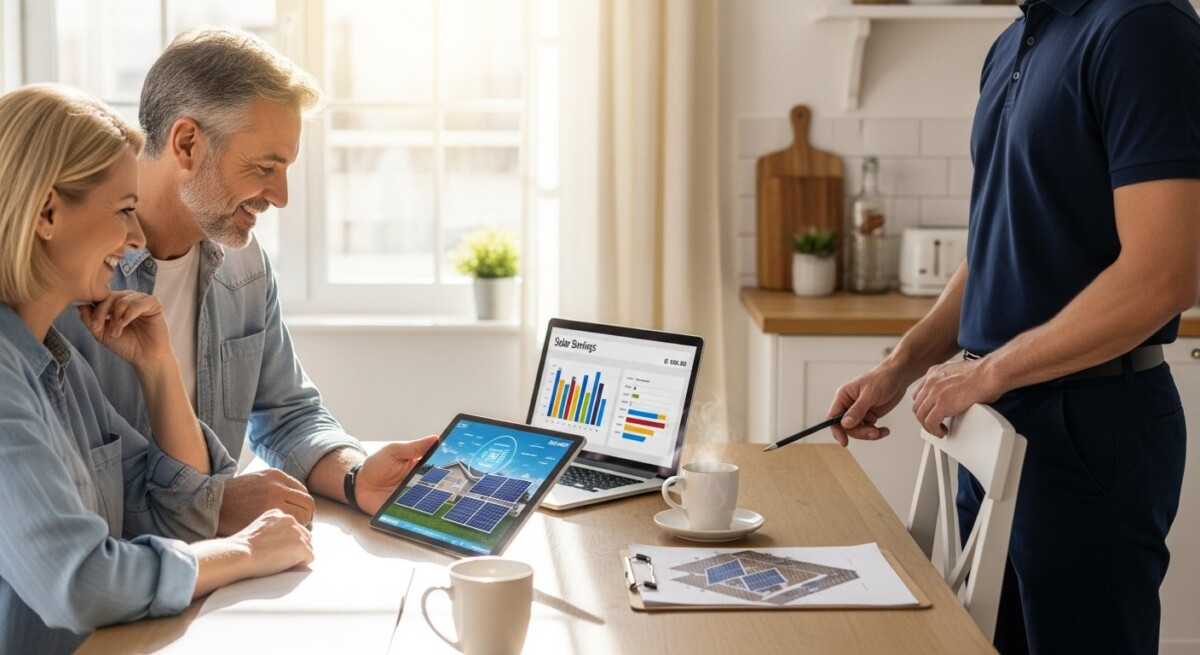
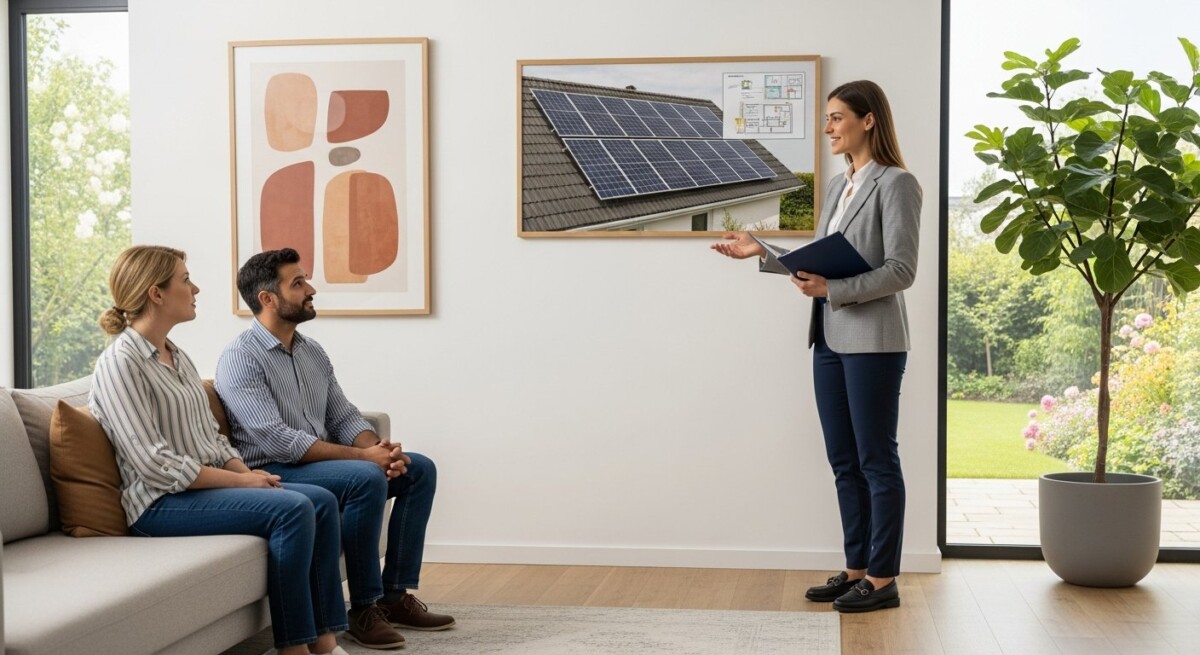
The process begins with a home energy assessment, where an installer reviews your electricity usage, roof condition, and sunlight exposure. They use this data to design a system sized to meet your energy needs. After you approve the design, the company handles permits and approvals from your local utility and municipality.
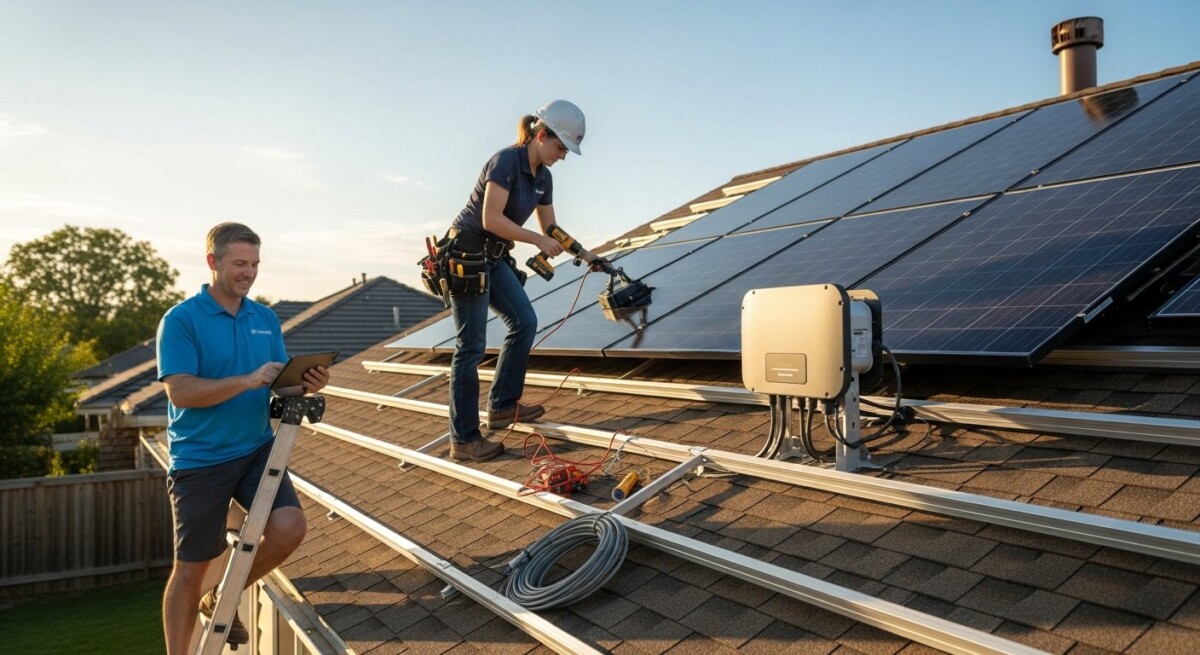
Installation typically takes one to three days, depending on system complexity. Crews mount racking on your roof, secure the panels, connect the inverter, and wire the system to your electrical panel. After inspection and approval from your utility, the system is turned on and begins generating power.
- Home energy assessment and usage analysis
- System design and equipment selection
- Permits and utility approvals
- Panel and inverter installation
- System activation and monitoring setup
Speaking with experienced installers can help you determine the best solar solution for your home. Compare solar quotes here or call 1-800-555-0199 to explore available options.
Signs Your Home May Be Ideal for Solar
Not every home is equally suited for solar panels, but many are. If your roof gets strong sunlight for most of the day, especially with a south-facing orientation, your system will produce more electricity. Homes in sunny regions generally see faster payback periods.
High electricity bills are another strong indicator. If you pay more than $100 per month on average, solar can provide meaningful savings. You also need enough roof space to accommodate the panels without too much shading from trees or nearby buildings.
- Your roof receives at least 4,5 hours of direct sunlight daily
- You pay high electricity rates or have rising utility bills
- Your roof is less than 15 years old and in good condition
- You plan to stay in your home for at least 5,7 years
- Your local utility offers net metering or solar incentives
What Affects Solar Installation Costs
System size is the biggest factor affecting solar installation cost. A larger system with more panels generates more electricity but costs more upfront. The average residential system ranges from 5 kW to 10 kW, with prices varying by region and equipment quality.
Equipment quality also matters. Premium panels from established brands cost more but often come with better warranties and higher efficiency. Inverters, racking, and monitoring systems add to the total, as does the complexity of your roof,steep pitches, multiple stories, or unusual materials can increase labor costs.
Local incentives and financing options can dramatically change your net cost. Federal tax credits, state rebates, and solar renewable energy certificates (SRECs) can reduce your price by 30% or more. Comparing quotes from multiple installers helps you see how these factors apply to your specific situation.
The cost of solar installation varies depending on your home and energy needs. Request personalized solar quotes or call 1-800-555-0199 to see what options are available.
Tips for Choosing a Reliable Solar Installer
Choosing the right installer is just as important as choosing the right equipment. A reputable company will conduct a thorough site evaluation, provide a clear contract, and explain all costs upfront. They should also handle permits and inspections as part of the service.
Warranties are a key indicator of quality. Look for a 25-year performance warranty on panels and at least a 10-year workmanship warranty from the installer. Customer reviews and references can give you insight into their reliability and customer service.
- Verify the installer’s licenses, certifications, and insurance
- Ask about panel and inverter warranties in writing
- Read online reviews on Google, Yelp, and the Better Business Bureau
- Get at least three detailed quotes for comparison
- Ask about monitoring and maintenance services
Long-Term Benefits of Installing Solar Panels
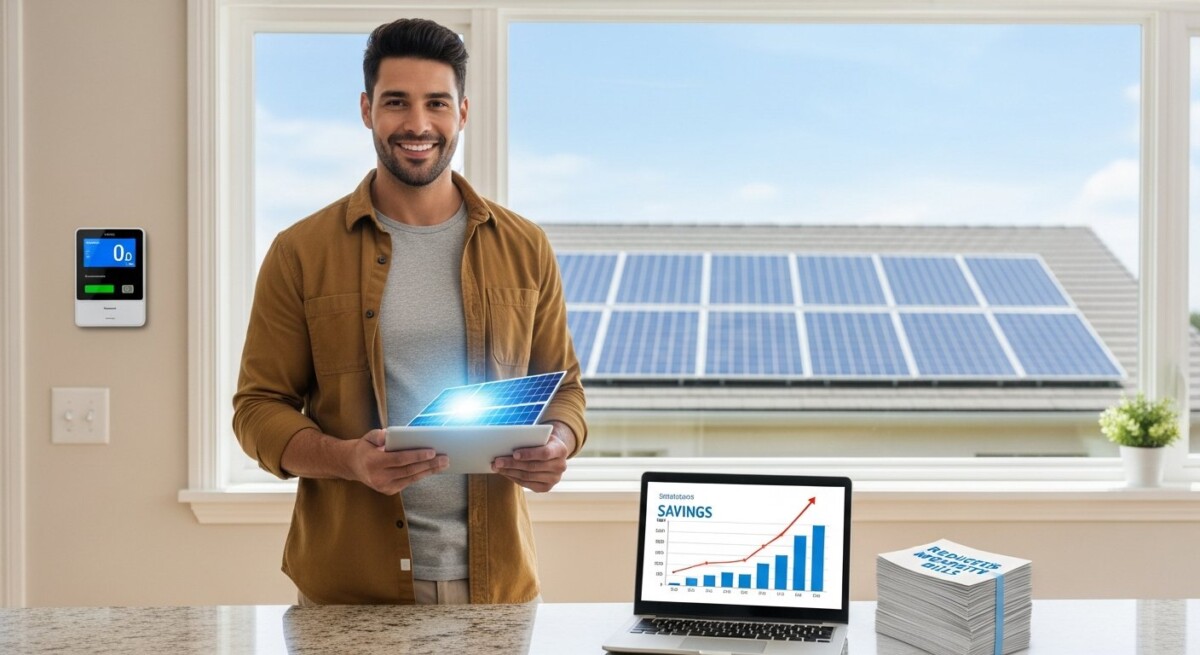
Lower electricity bills are the most immediate and tangible benefit. Once your system is paid off, the electricity it generates is essentially free. Over 25 years, that can mean tens of thousands of dollars in savings.
Solar panels also increase your home’s value. Studies have shown that homes with solar sell for more than comparable homes without it. Buyers are attracted to lower utility costs and the environmental appeal of renewable energy.
Energy independence is another major advantage. By generating your own power, you reduce reliance on the grid and protect yourself from future rate increases. Plus, every kilowatt-hour of solar electricity reduces greenhouse gas emissions, contributing to a cleaner environment.
What is the average payback period for solar panels?
The typical payback period for residential solar panels in the United States ranges from 7 to 12 years. This depends on your electricity rates, system cost, available incentives, and how much sun your home receives. After the payback period, you enjoy free electricity for the remaining life of the system.
How much can I save on my electricity bill with solar?
Most homeowners save between 50% and 90% on their monthly electricity bills after installing solar. The exact savings depend on system size, your energy consumption, and local utility rates. With net metering, you can also earn credits for excess power sent back to the grid.
Does roof orientation affect solar installation cost?
Yes, roof orientation can affect both installation cost and system performance. South-facing roofs with a pitch between 15 and 40 degrees are ideal. East- or west-facing roofs may require more panels to achieve the same output, which increases cost.
What government incentives are available for solar?
The federal solar Investment Tax Credit (ITC) allows you to deduct 30% of your solar system cost from your federal taxes. Many states offer additional rebates, tax credits, or performance-based incentives. Local utilities may also provide net metering programs or cash rebates.
Do I need to replace my roof before installing solar?
If your roof is nearing the end of its lifespan, it is wise to replace it before installing solar. Removing panels to replace a roof later adds significant cost. A professional installer can assess your roof’s condition during the initial consultation.
Can I install solar panels myself to save money?
DIY solar installation is possible but not recommended for most homeowners. Improper wiring or mounting can create safety hazards, void warranties, and fail inspection. Professional installers ensure the system meets local codes and performs optimally.
How long do solar panels last?
Most solar panels come with a 25-year performance warranty, but they can continue producing electricity for 30 years or more. Panels gradually lose efficiency at about 0.5% per year, so after 25 years, they still produce around 85% of their original output.
Will solar panels work during a power outage?
Standard grid-tied solar systems shut down during a power outage for safety reasons. If you want backup power during outages, you need a battery storage system. Batteries store excess solar energy for use when the grid goes down.
Understanding what affects solar installation cost empowers you to make a smart investment in your home and your future. By comparing quotes from multiple trusted installers, you can find a system that fits your budget and delivers reliable savings for decades. Start exploring your solar options today,the sun is ready to work for you.