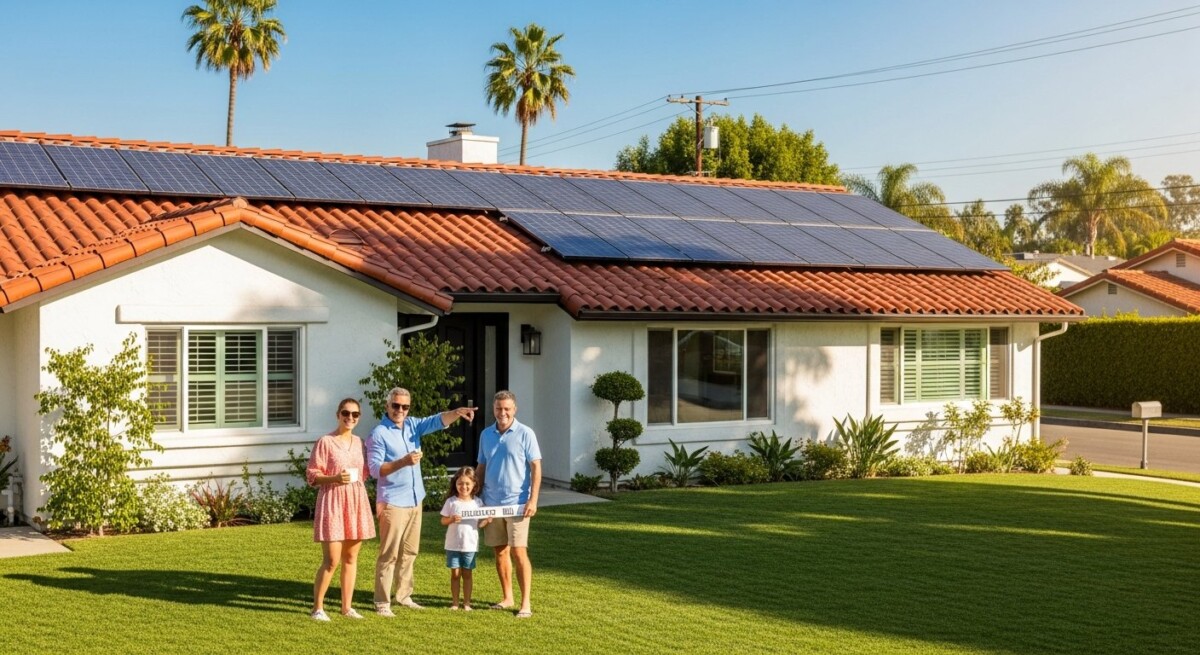
Imagine opening your monthly electricity bill and seeing a number that keeps climbing. For many homeowners, rising utility rates make this a frustrating reality. That is why more people are searching for how to calculate solar savings before making the switch to renewable energy. Reducing your dependence on the power grid while lowering monthly expenses sounds appealing, but the numbers can seem confusing at first. Understanding the math behind solar panel installation helps you make a confident, informed decision.
Understanding how to calculate solar savings
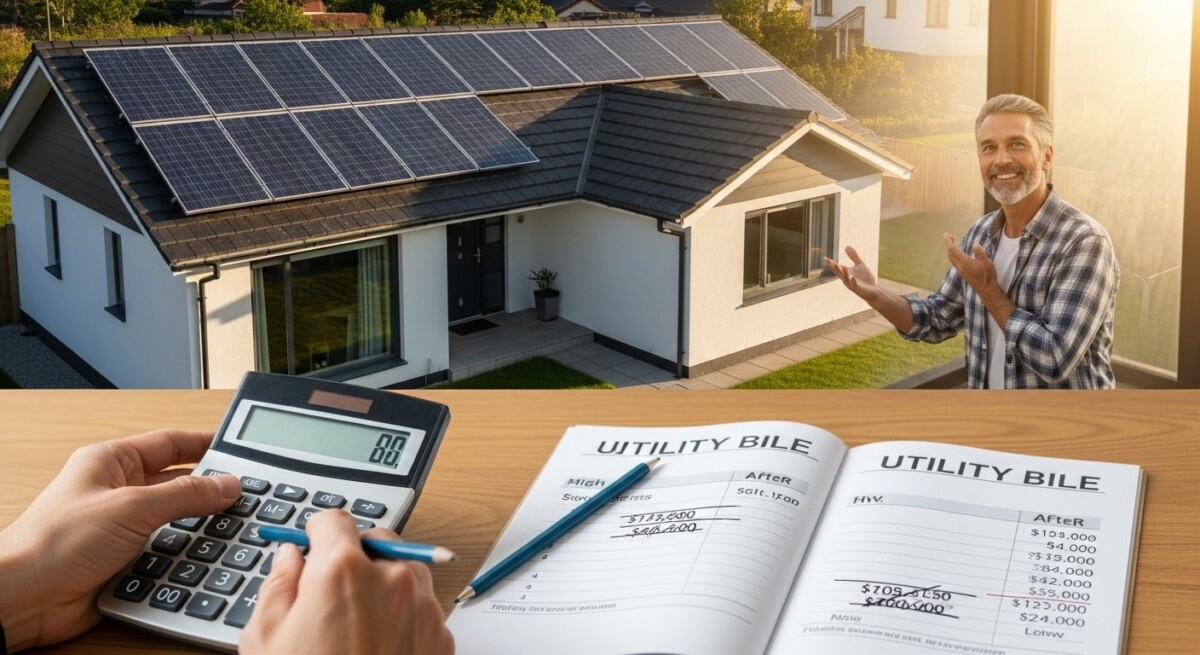
At its simplest, how to calculate solar savings involves comparing what you currently spend on electricity with what you would spend after installing solar panels. The difference is your potential savings. Solar panels convert sunlight into direct current electricity, which an inverter changes into usable alternating current for your home. Any excess power can often flow back to the grid, earning you credits through net metering programs.
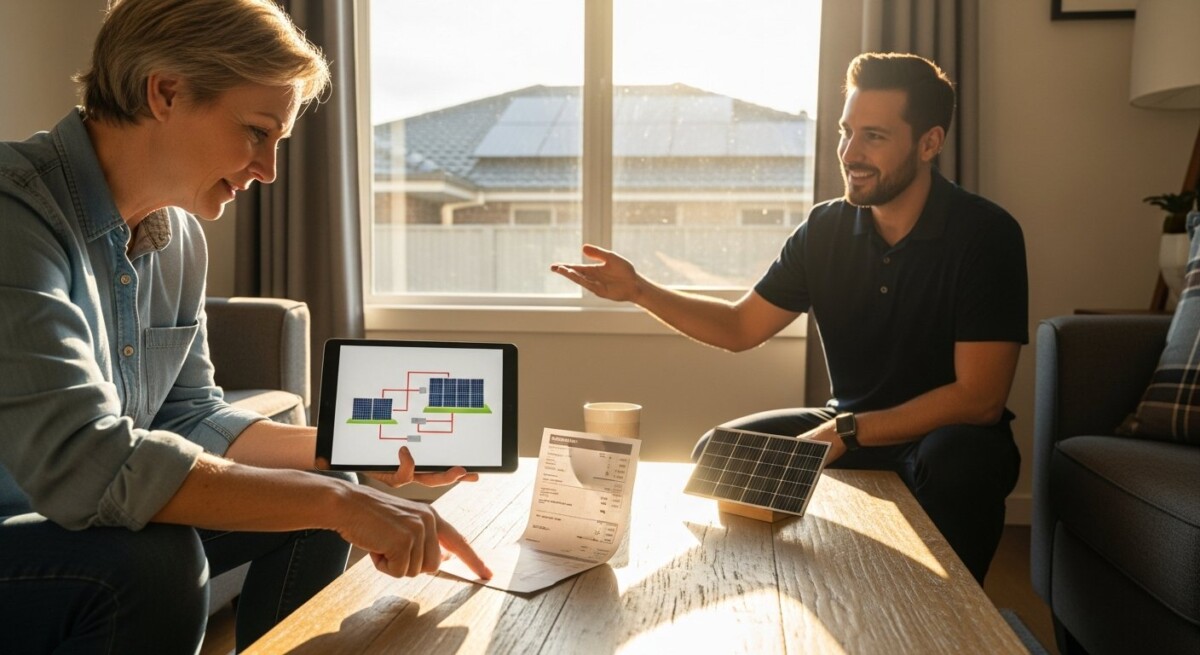
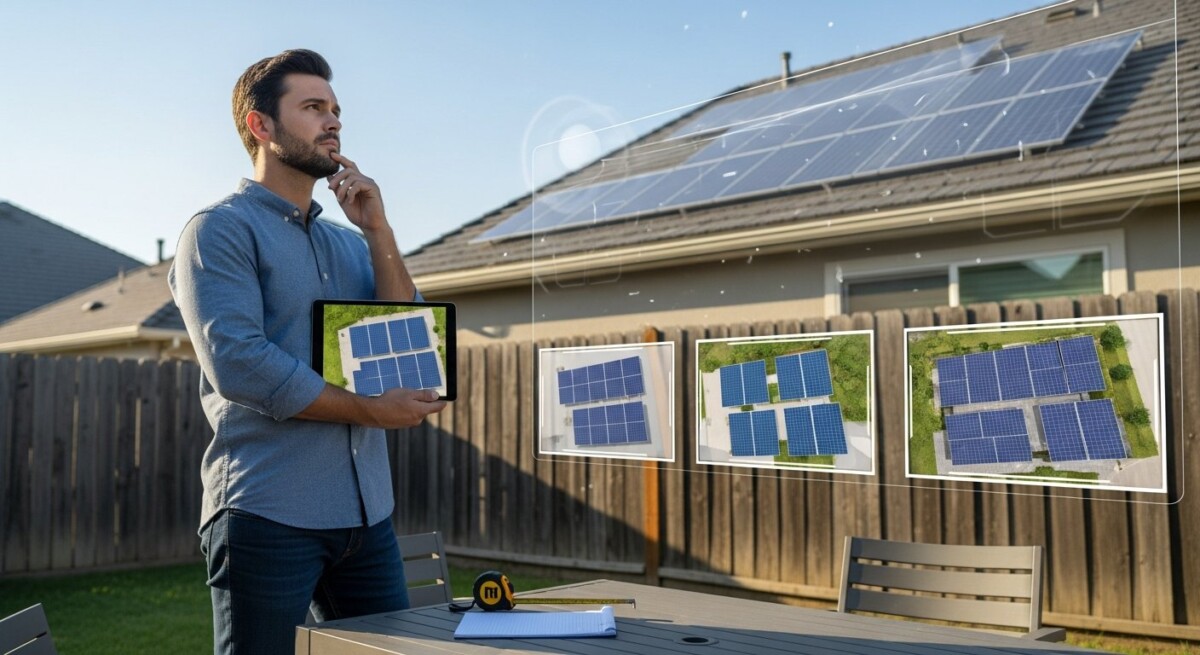
To estimate your savings, start with your average monthly electric bill and the number of kilowatt-hours you use. Then factor in your roof’s sun exposure, the size of the solar system you need, and local electricity rates. A professional installer uses these variables to generate a personalized projection. In our guide on are solar quotes really free, we explain how reputable companies provide these estimates at no cost.
Key variables in your solar savings calculation
Your location plays a major role. Homes in sunnier states generally produce more energy and save more. The angle and condition of your roof also matter, as does the direction it faces. South-facing roofs in the northern hemisphere capture the most sunlight throughout the day.
Equipment efficiency is another factor. Higher-efficiency panels generate more electricity per square foot, which can boost your long-term savings. Your installer will recommend a system size that matches your household consumption, ensuring you do not overpay for extra capacity you will not use.
Why Solar Energy Is Becoming More Popular
Electricity prices have risen steadily over the past decade, and many homeowners feel the pinch. Solar energy offers a way to lock in lower, predictable energy costs. Beyond financial relief, people are drawn to reducing their carbon footprint and gaining energy independence from the grid.
The upfront cost of solar has dropped significantly, while federal tax credits and local rebates make installation more affordable. Many homeowners also appreciate that solar panels can increase property value. According to studies, homes with solar systems sell for a premium compared to similar homes without them.
If you are considering solar power for your home, comparing installation quotes can help you understand your options. Request a free solar quote or call to learn more.
Common Questions Homeowners Have About Solar
Before investing, most homeowners want clarity on costs, performance, and durability. Solar panels are designed to last 25 to 30 years, and most come with warranties that cover both equipment and power output. Even on cloudy days, panels still generate electricity, though at reduced levels.
Many people worry about roof damage during installation. Reputable installers use mounting systems that seal properly and protect your roof. Some even offer a roof penetration warranty for added peace of mind.
- How much does a typical solar system cost?
- Will solar panels work on my roof type?
- What happens if I move after installing solar?
- How long does installation take?
- Do I need a battery backup?
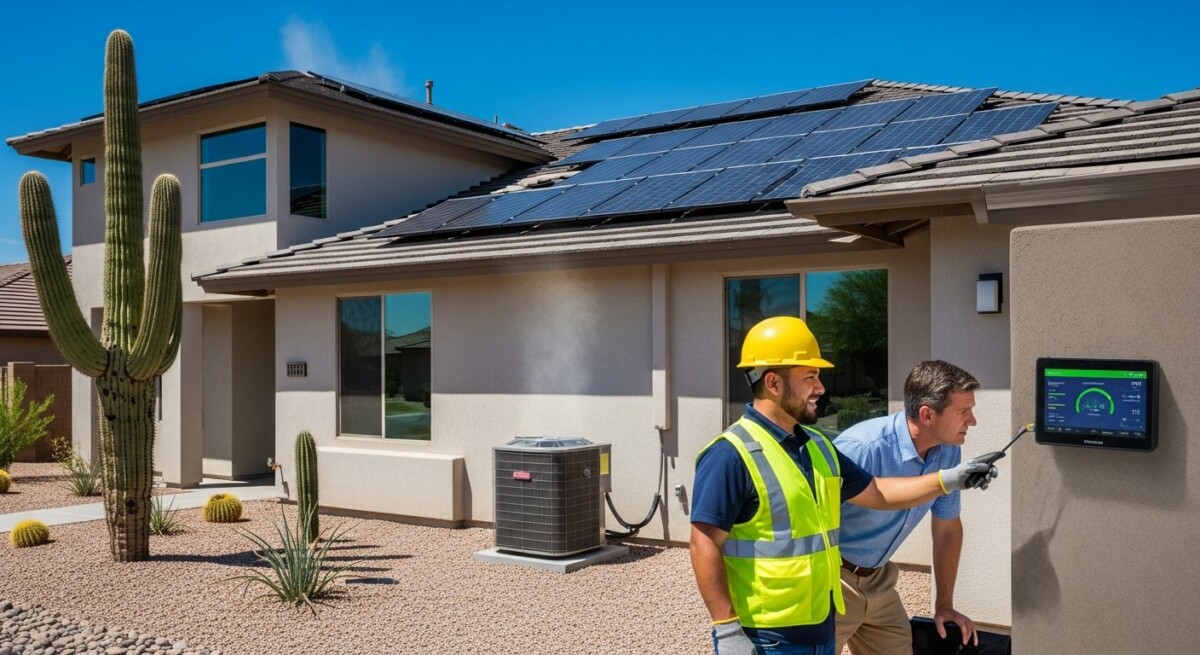
- Can I monitor my system’s performance?
How Solar Panel Installation Works
The installation process is more straightforward than many homeowners expect. A qualified installer handles everything from permits to final connection, so you do not have to navigate utility paperwork alone.
- Home energy assessment , The installer reviews your electricity bills and examines your roof’s condition and sun exposure.
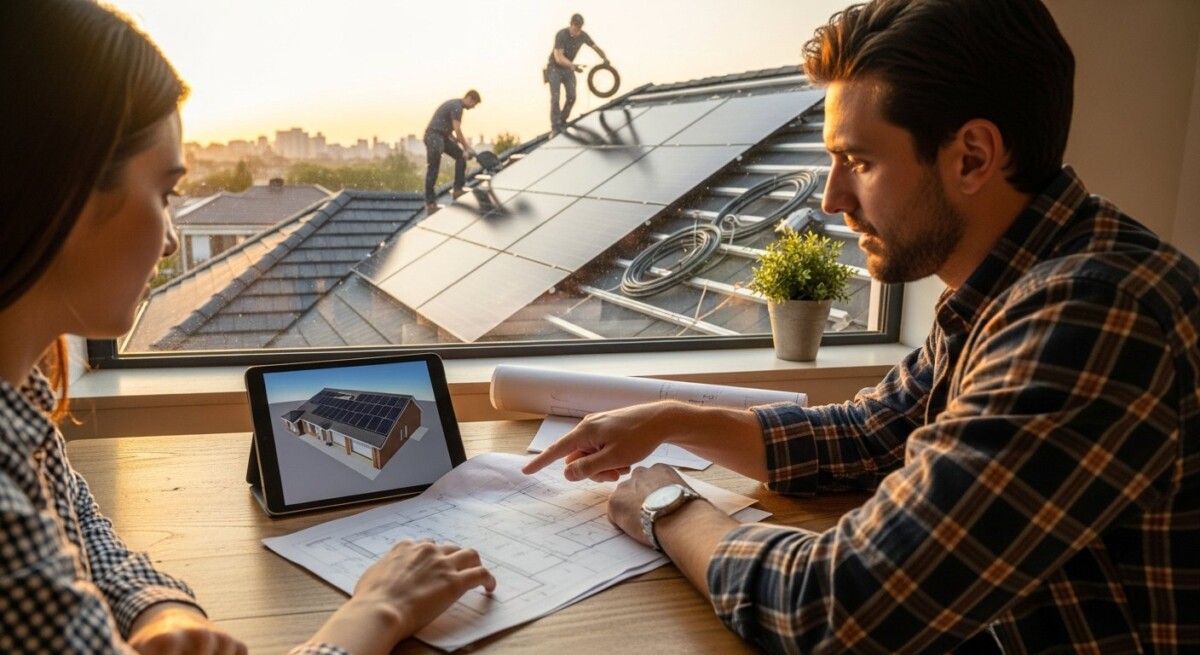
- System design , Based on your needs, they design a custom solar array and select appropriate equipment.
- Permits and approvals , The installer secures necessary building permits and utility interconnection agreements.
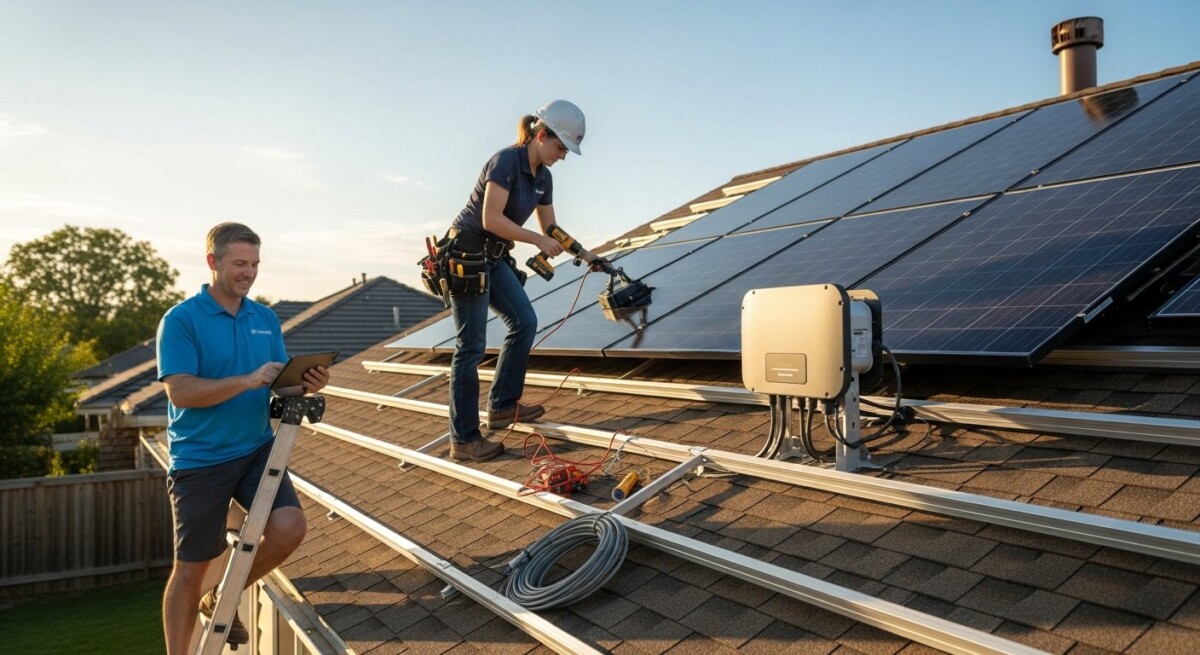
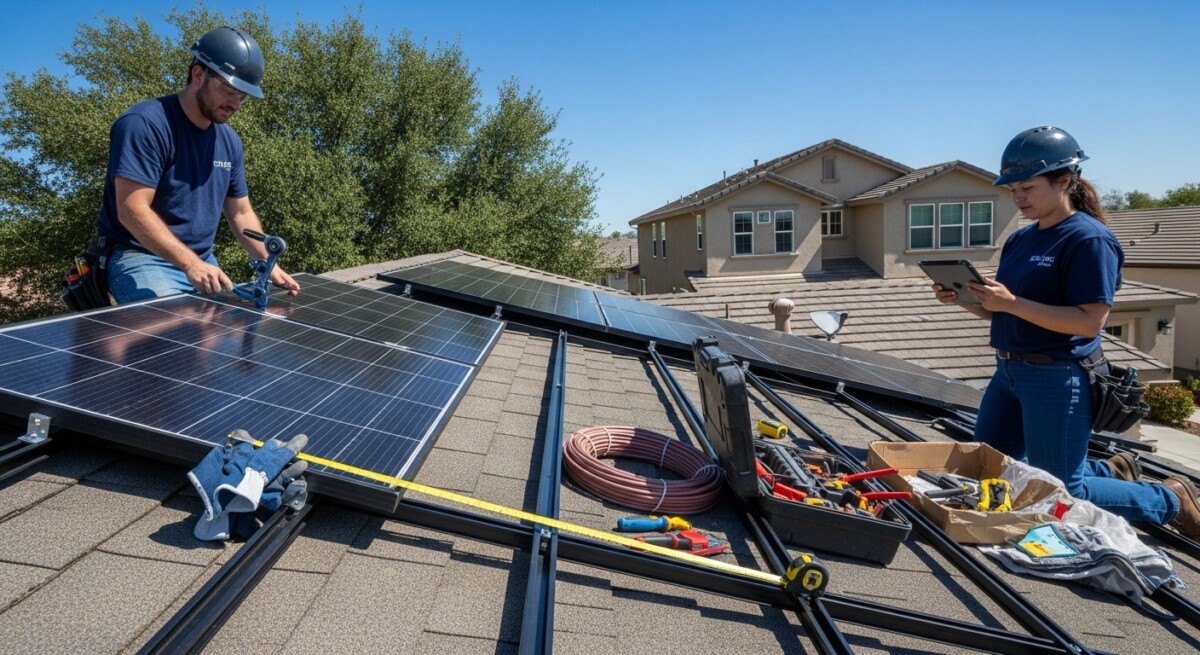
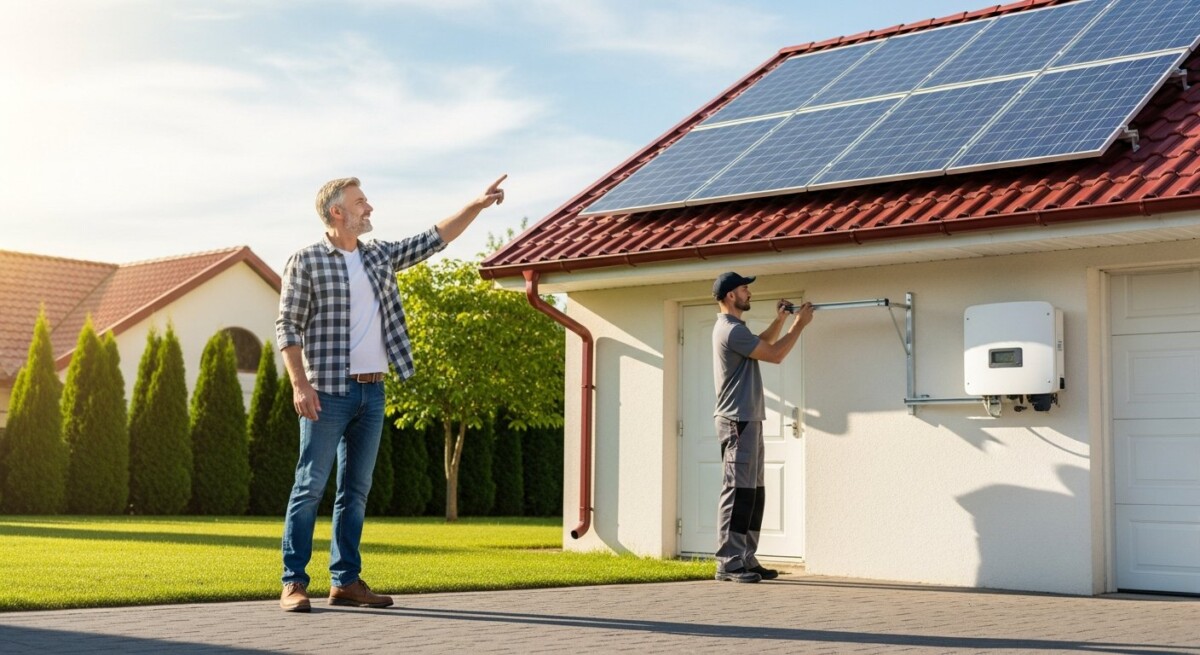
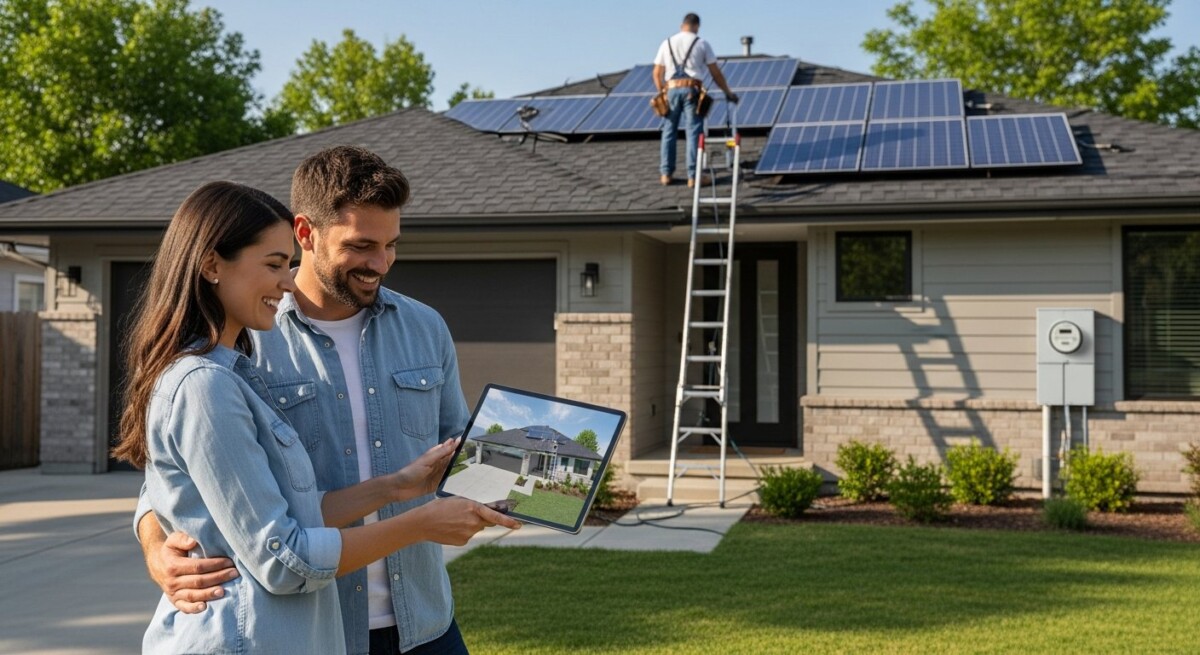
- Panel installation , Crews mount the panels, connect wiring, and set up the inverter and monitoring system.
- System activation , After final inspection, the utility grants permission to operate, and your panels start generating power.
Speaking with experienced installers can help you determine the best solar solution for your home. Compare solar quotes here or call to explore available options.
Signs Your Home May Be Ideal for Solar
Not every home is equally suited for solar, but many properties can benefit. A south- or west-facing roof with minimal shading is ideal. If your roof needs replacement soon, it may be wise to do that before installing panels.
- You receive strong, direct sunlight for most of the day.
- Your monthly electricity bills are consistently high.
- You have enough unobstructed roof space for panels.
- You plan to stay in your home for at least five more years.
- Your state or utility offers net metering or solar incentives.
- Your roof is in good condition and less than 15 years old.
What Affects Solar Installation Costs
System size is the biggest cost driver. A larger system that covers 100% of your electricity use costs more upfront but delivers greater long-term savings. Equipment quality also matters,premium panels and inverters come with higher price tags but often include better warranties and efficiency.
Installation complexity can increase labor costs. Factors like a steep roof, multiple stories, or electrical panel upgrades add to the total. However, local incentives and the federal Investment Tax Credit can reduce your out-of-pocket expense by 26% or more.
The cost of solar installation varies depending on your home and energy needs. Request personalized solar quotes or call to see what options are available.
Tips for Choosing a Reliable Solar Installer
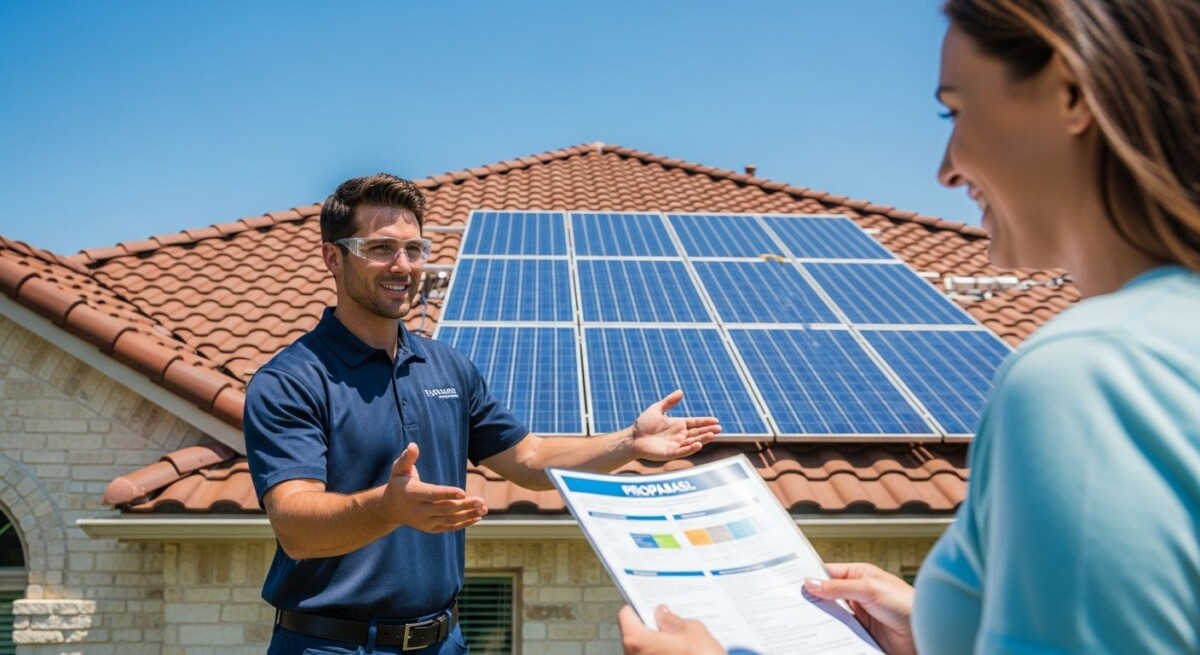
Selecting the right installer is just as important as choosing the right equipment. A trustworthy professional will conduct a thorough site assessment and provide a clear, itemized quote. They should also explain financing options, including loans, leases, and power purchase agreements.
- Check how long the company has been in business and their installation record.
- Ask about equipment warranties and workmanship guarantees.
- Read online reviews on platforms like Google, Yelp, and the Better Business Bureau.
- Get at least three quotes to compare pricing and system designs.
For a deeper look at why accurate estimates matter, read our article on how accurate solar quotes ensure your energy savings. Comparing multiple proposals helps you avoid overpaying and find the best value.
Long-Term Benefits of Installing Solar Panels
Over 25 years, the average homeowner saves tens of thousands of dollars on electricity. Those savings often exceed the total cost of the system, meaning solar essentially pays for itself and then some. Your home also becomes more valuable to future buyers.
Environmentally, solar energy reduces greenhouse gas emissions and reliance on fossil fuels. Each kilowatt-hour of solar power offsets pollution that would otherwise come from coal or natural gas plants. Energy independence gives you protection from future rate hikes and grid outages, especially if you pair panels with battery storage.
Frequently Asked Questions
How long does it take for solar panels to pay for themselves?
Most homeowners recoup their investment within 6 to 10 years, depending on local electricity rates, system size, and available incentives. After that break-even point, the electricity your panels generate is essentially free.
Can I calculate solar savings myself?
You can get a rough estimate using online calculators, but professional quotes provide far more accuracy. Installers use detailed data about your roof, shading, and local utility rates to give a reliable projection.
Do solar panels work during a power outage?
Standard grid-tied systems shut down during outages for safety reasons. If you want backup power, you need a battery storage system or a hybrid inverter designed to island from the grid.
What maintenance do solar panels require?
Solar panels are low-maintenance. Rain usually keeps them clean, but in dusty areas, occasional rinsing with a hose helps. Most systems come with monitoring software that alerts you to performance issues.
Are there financing options for solar installation?
Yes, you can purchase panels outright, take out a solar loan, lease the equipment, or enter a power purchase agreement. Each option affects your savings and ownership differently, so compare terms carefully.
Will solar increase my property taxes?
In many states, solar installations are exempt from property tax assessments. Check your local laws, but most homeowners see no tax increase from adding solar panels.
How do I know if my roof can support solar panels?
A professional installer will evaluate your roof’s age, material, and structural integrity during the site assessment. They can recommend reinforcements if needed.
Understanding how to calculate solar savings puts you in control of your energy future. By comparing multiple installation quotes, you can find a system that fits your budget and delivers the savings you expect. Start exploring your options today and take the first step toward lower bills and a cleaner home.