
Solar Plus Backup Generator Automatic Transfer Switch Setup
Ensure safety and code compliance with a solar plus backup generator automatic transfer switch setup. Call (833)-793-7166 for expert guidance.

By Elena Walsh
Learn more about Solar Panel Installation and Repair for guides, costs, and what to expect.
Compare Solar Panel Installation and Repair Pros Near You

Enter your ZIP code to compare top-rated local professionals and request free quotes.
When the grid goes down, your solar panels alone will not keep the lights on unless you have a battery and a way to safely disconnect from utility lines. Add a backup generator to the mix, and you get a robust, resilient energy system that can power your home indefinitely. But tying solar, batteries, and a generator together requires careful planning, especially when it comes to the automatic transfer switch (ATS). This guide walks you through the critical steps to design a safe, code-compliant solar plus backup generator automatic transfer switch setup that isolates power sources, prevents backfeeding, and keeps your home powered through any outage.
How Automatic Transfer Switches Isolate Generator and Inverter Sources
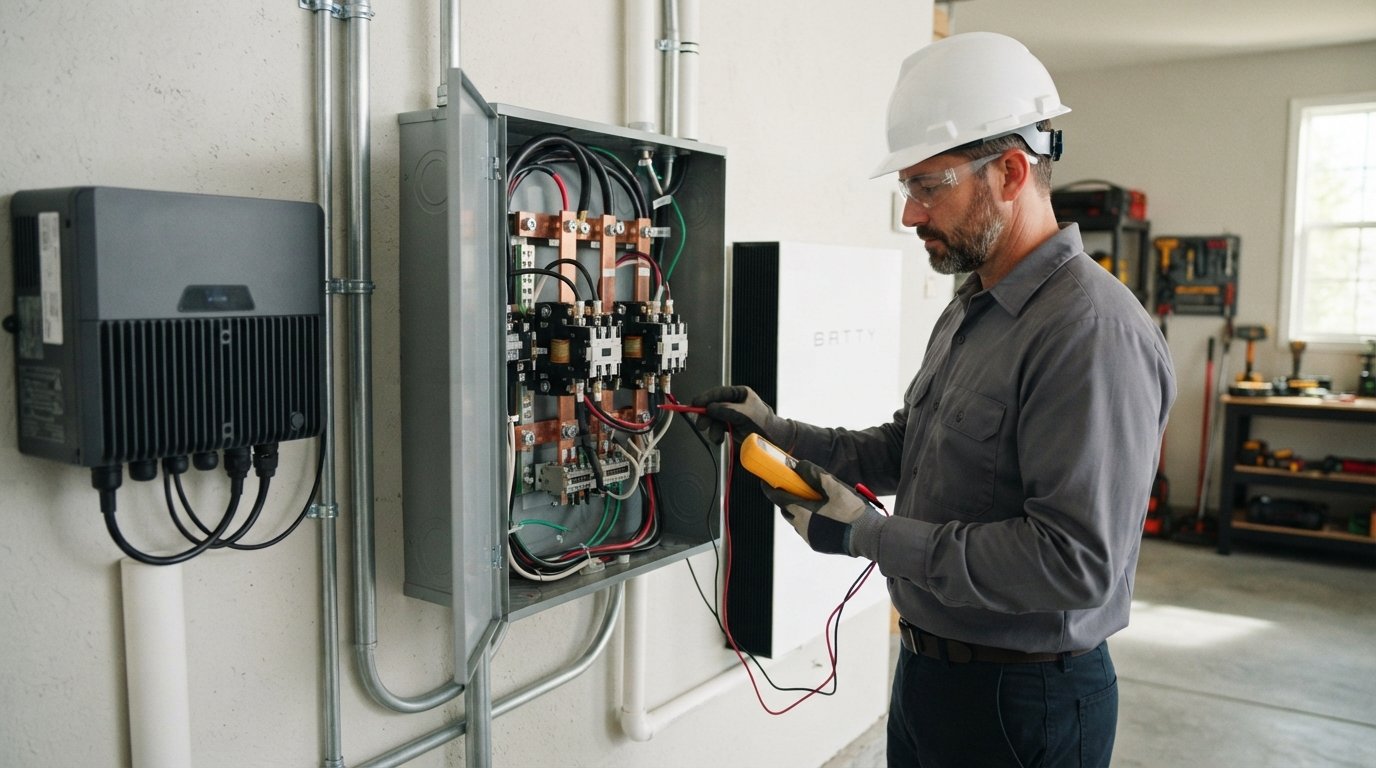
An automatic transfer switch is the brain of your backup power system. It monitors the utility grid and, when it senses an outage, disconnects your home from the grid and connects it to your backup power source. In a solar plus generator setup, the ATS must manage multiple sources: the solar inverter (often DC-to-AC), the battery inverter, and the generator. The goal is to ensure that only one source feeds your home's electrical panel at a time, preventing dangerous backfeed and equipment damage.
The ATS works by physically switching the electrical connection. When the grid fails, it opens the utility-side contactor and closes the generator-side contactor after the generator starts and stabilizes. If you have a battery inverter, the ATS may also coordinate with it to ensure the battery does not feed power into the generator or the grid. This isolation is crucial because utilities require a positive break between their lines and any customer-owned generation to protect line workers.
In a typical setup, the ATS is installed between the utility meter and your main distribution panel. The generator and the solar/battery system are connected to the ATS as separate inputs. The ATS then selects the appropriate source based on availability and priority. For example, you might prioritize solar and battery first, then generator, then grid. The ATS logic must be programmed to handle these transitions seamlessly, often with a time delay to allow the generator to warm up and the inverter to synchronize.
Preventing Backfeed Hazards and Utility Interconnection Issues
Backfeeding occurs when your home's generation sources push power back onto the utility grid during an outage. This is a serious safety hazard for utility workers and can damage your equipment. The ATS is your primary defense against backfeeding, but it must be correctly installed and configured. Utilities have strict interconnection rules, and your system must comply with local codes and the National Electrical Code (NEC).
One common mistake is to rely solely on the solar inverter's anti-islanding feature. While modern inverters are designed to shut down when the grid is lost, they are not a substitute for a physical disconnect. The ATS provides a visible, lockable break that utilities can verify. Moreover, if you have a generator, the ATS must ensure that the generator cannot backfeed into the grid or into the solar inverter. This requires careful wiring and often a separate transfer switch for the generator.
To avoid utility interconnection issues, you must obtain proper permits and coordinate with your utility company before installing a multi-source system. Many utilities require a detailed single-line diagram showing the ATS, generator, solar inverter, and battery. They may also require a visible disconnect switch for each source. Working with a qualified installer who understands local regulations is essential. For a deeper dive into battery integration, see our guide on solar battery backup explained.
Sequencing Generator Start with Battery State of Charge
In a solar plus battery plus generator system, you want to maximize the use of solar energy and minimize generator runtime. The ATS can be programmed to start the generator only when the battery state of charge (SOC) drops below a certain threshold. This sequencing ensures that you use stored solar energy first, then the generator as a last resort. It also reduces fuel consumption and wear on the generator.
To implement this, you need a smart ATS or an energy management system that communicates with the battery inverter and the generator controller. The ATS monitors the battery SOC and triggers the generator when needed. For example, you might set the generator to start when the battery reaches 20% SOC and to stop when it reaches 80% SOC. This hysteresis prevents rapid cycling. Additionally, the ATS must coordinate with the solar inverter to ensure that the generator and the inverter do not operate simultaneously in a way that could cause conflicts. Some advanced inverters can frequency-shift to curtail solar production when the generator is running, preventing overvoltage.
Proper sequencing also involves load management. When the generator is running, it may not be able to handle the full house load plus battery charging. The ATS can be designed to shed non-critical loads or to prioritize essential circuits. This is often done with a separate critical loads panel. The goal is to create a seamless experience where the homeowner barely notices the transition, while the system operates efficiently and safely.
Permit and Inspection Requirements for Multi-Source Systems
Installing a solar plus backup generator automatic transfer switch setup is not a do-it-yourself project. It requires permits from your local building department and often from your utility. The permitting process ensures that your system meets safety standards and does not pose a hazard to the grid or to people. Inspectors will check the ATS installation, wiring methods, grounding, and labeling.
Before you begin, consult with your local permitting office to understand the requirements. You will likely need to submit electrical plans stamped by a licensed engineer or electrician. The plans must show the ATS, generator, solar panels, inverter, battery, and all disconnects. The utility will also review the interconnection application and may require a witness test. Common inspection points include proper grounding and bonding of all equipment, correct conductor sizing, and clear labeling of all power sources.
It is also important to consider the NEC and local amendments. The 2020 and 2023 NEC include specific requirements for energy storage systems and interconnected power sources. For instance, NEC Article 705 covers interconnections, and Article 706 covers energy storage. Your installer must be familiar with these codes to ensure compliance. Failure to obtain permits can result in fines, forced removal of the system, and voided insurance. Therefore, always work with licensed professionals and verify that all inspections are passed before energizing the system.
Frequently Asked Questions
Can I use a single ATS for both solar and generator?
In some cases, a single ATS can manage both sources if it is designed for multiple inputs. However, many systems use separate transfer switches: one for the generator and one for the solar/battery system. The best approach depends on the specific equipment and the desired level of automation. A qualified installer can design a solution that meets your needs and code requirements.
What happens if the generator fails during an outage?
If the generator fails, the ATS should automatically switch back to the battery or solar source if available. However, if the battery is depleted and the sun is not shining, you may lose power. A well-designed system includes alarms and monitoring to alert you of generator issues so you can perform maintenance.
Do I need a generator if I have a solar battery?
It depends on your energy goals and climate. A battery can cover short outages, but a generator provides extended backup for multi-day outages. Many homeowners choose both for maximum resilience. For a comparison, explore NewSolarQuotes for independent guidance on renewable energy options.
Designing a solar plus backup generator automatic transfer switch setup is a complex but rewarding project. It gives you energy independence and peace of mind. Always prioritize safety and code compliance by hiring licensed professionals and obtaining the necessary permits. With the right design, your system will seamlessly power your home for years to come.