
Solar Battery Backup Explained: Save Money and Gain Energy Independence
A clear explanation of solar battery backup systems for homeowners. Learn how they work, their benefits for savings and energy independence, and how to get started.

By Ethan Whitaker
Learn more about Solar Panel Installation and Repair for guides, costs, and what to expect.
Compare Solar Panel Installation and Repair Pros Near You

Enter your ZIP code to compare top-rated local professionals and request free quotes.
Have you ever watched your electricity bill climb higher each month and wondered if there was a better way? Many homeowners are asking this same question, leading them to search for solar battery backup systems explained. By pairing solar panels with a battery, you can reduce your energy bills dramatically and become far less dependent on the unpredictable power grid.
Understanding Solar Battery Backup Systems Explained
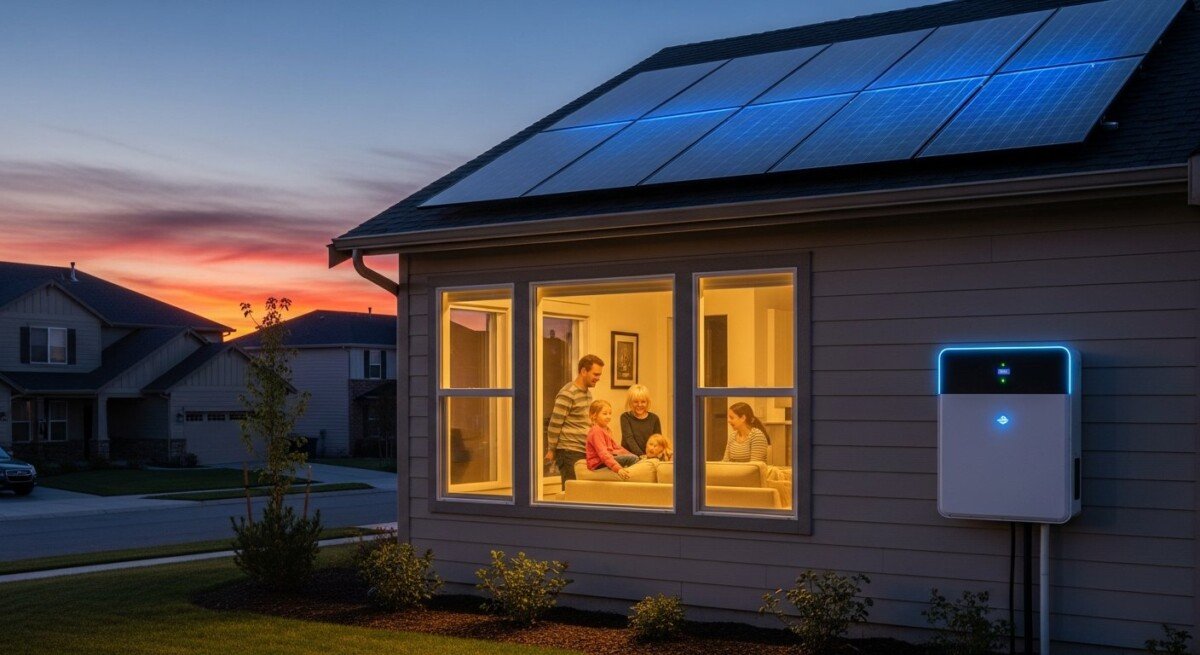
A solar battery backup system is a powerful addition to your home’s solar panel array. In simple terms, it’s a large rechargeable battery that stores the excess electricity your solar panels produce during the day. This stored energy is then available for you to use whenever you need it, day or night.
The system works seamlessly with your solar panels and your home’s electrical panel. When the sun is shining, solar power runs your home and charges the battery. After sunset or during a power outage, your home automatically switches to drawing clean, stored energy from the battery instead of from the utility grid.
This technology is becoming a mainstream choice because it solves a key limitation of solar alone. Without a battery, any excess solar power you don’t use immediately gets sent back to the grid. With a battery, you keep that power for yourself, maximizing your investment and securing your home’s electricity supply.
Why Solar Energy Is Becoming More Popular
Homeowners are switching to solar power for several compelling, practical reasons. First and foremost are rising electricity prices, which seem to increase every year without fail. Solar panels provide a predictable, fixed cost for a significant portion of your energy needs, shielding you from future rate hikes.
There is also a growing desire to reduce our environmental footprint. Generating your own clean, renewable energy directly from the sun significantly cuts your household’s carbon emissions. It’s a tangible step toward a more sustainable future for your family and community.
Finally, the long-term financial savings are undeniable. While there is an upfront investment, solar panels and batteries are designed to last for decades. Over their lifetime, the amount you save on electricity bills can far exceed the initial cost, making it a wise financial decision for your home.
If you are considering solar power for your home, comparing installation quotes can help you understand your options. Request a free solar quote or call to learn more.
Common Questions Homeowners Have About Solar
It’s normal to have questions when considering a significant home upgrade like solar. Many people worry about the upfront cost, which is why understanding available financing, tax credits, and long-term savings is so important. A professional installer can provide a clear breakdown of costs versus benefits.
Another common concern is whether a home is suitable. Installers will assess your roof’s condition, angle, and sun exposure to ensure your system will perform efficiently. Even homes with less-than-ideal roofs can often benefit from solar with the right design and equipment.
Questions about system performance and maintenance are also frequent. Modern solar systems are remarkably durable and require minimal upkeep. Reputable installers provide strong warranties and monitoring tools so you can see your system’s production and savings in real-time.
- How much will a solar and battery system really cost?
- Is my roof strong enough and does it get enough sun?
- What happens during a blackout or at night?
- How long will the system last, and what maintenance is needed?
- Will I still have an electricity bill?
- What financing options and government incentives are available?
How Solar Panel Installation Works
The installation process is managed by your chosen professional company from start to finish. It begins with a detailed consultation and energy assessment of your home. The installer will review your past electricity bills, evaluate your roof, and discuss your energy goals to design the right system.
Once you approve the design, the installer handles all the necessary permits and paperwork with your local authorities and utility company. This step is crucial for compliance and for securing permission to connect your system to the grid, a process known as interconnection.
The physical installation is typically completed in one to three days. After the panels, inverter, and battery are installed and connected, a final inspection ensures everything is safe and up to code. Then, your system is activated, and you can start generating your own power.
- Home Energy Assessment and Consultation
- Custom System Design and Proposal
- Permitting and Utility Approvals
- Professional Installation of Equipment
- Final Inspections and System Activation
Speaking with experienced installers can help you determine the best solar solution for your home. Compare solar quotes here or call to explore available options.
Signs Your Home May Be Ideal for Solar
Certain home characteristics make solar panel installation particularly advantageous. The most obvious is strong, unobstructed sunlight on your roof for most of the day. South-facing roofs in the Northern Hemisphere are typically ideal, but east and west-facing roofs can also work very well.
If you have high monthly electricity bills, solar can offer substantial savings. The more you currently pay for electricity, the faster your solar investment is likely to pay for itself. Homeowners planning to stay in their homes for the long term will reap the maximum financial benefits from their system.
- Your roof receives direct sunlight for 4-6+ hours per day.
- You have high or rising monthly electricity costs.
- Your roof is in good condition and has adequate, unshaded space.
- You plan to own your home for 5-10+ years.
- You live in an area with net metering or time-of-use rates.
- You experience frequent power outages or value energy security.
What Affects Solar Installation Costs
The total cost of a solar-plus-battery system depends on several key factors. The system’s size, measured in kilowatts (kW), is the primary driver,larger systems for bigger homes cost more. The quality and brand of the solar panels, inverter, and battery you choose also influence the price.
Installation complexity matters too. A simple, single-story roof is easier to work on than a steep, multi-story roof. Most importantly, federal, state, and local incentives can dramatically reduce your net cost. The federal solar tax credit, for example, allows you to deduct a significant percentage of the system cost from your federal taxes. For a detailed look at the financials, our guide on understanding solar battery storage cost for homeowners breaks down the investment.
The cost of solar installation varies depending on your home and energy needs. Request personalized solar quotes or call to see what options are available.
Tips for Choosing a Reliable Solar Installer
Selecting the right installer is as important as choosing the right equipment. Look for a company with extensive local experience and a proven track record. They should understand your area’s specific climate, permitting rules, and utility requirements.
Always check reviews, ask for references, and verify that the company is properly licensed and insured. A trustworthy installer will provide clear, detailed proposals and warranties for both the equipment and their workmanship. They should be your partner for the life of the system.
- Choose an installer with strong local experience and credentials.
- Read customer reviews and ask for references.
- Compare detailed proposals from multiple companies.
- Ensure they offer robust equipment and workmanship warranties.
- Ask who will handle permits, inspections, and utility paperwork.
- Confirm they use high-quality, name-brand components.
Long-Term Benefits of Installing Solar Panels
The most immediate and ongoing benefit is dramatically lower electricity bills. By generating your own power, you buy far less from the utility company. Over 25+ years, these savings can amount to tens of thousands of dollars, providing an excellent return on investment.
Solar panels also increase your home’s market value and appeal to future buyers. Studies consistently show that homes with solar sell faster and for more money. Furthermore, you gain remarkable energy independence and security, knowing your essential appliances can keep running during grid outages.
Finally, you contribute to a cleaner environment by reducing reliance on fossil fuels. This personal action toward sustainability is a powerful legacy. A well-designed system, including a secure solar panel roof mounting system, ensures your investment is protected and performs optimally for decades.
How does a solar battery work with my existing solar panels?
A solar battery integrates directly with your solar panel system through an inverter. During the day, your solar panels generate electricity. This power first runs your home, then charges the battery with any excess. At night or during an outage, your home draws power from the fully charged battery instead of the grid.
What is the lifespan of a solar battery backup system?
Most modern solar batteries are designed to last between 10 to 15 years, depending on the technology and usage. They come with warranties that guarantee a certain capacity over a set number of years or cycles. Your solar panels will typically last 25 years or longer.
Will I still have an electricity bill with solar and a battery?
You will likely still receive a small bill for connection fees or for any power you use that exceeds what your solar and battery system can provide, especially during periods of low sunlight. However, your bill will be drastically reduced, and some months you may even have a credit.
Can a solar battery power my entire home during an outage?
This depends on the size of your battery and your home’s energy use. A properly sized system can power essential circuits (like lights, refrigeration, and internet) for hours or even days. To power an entire home with high-energy appliances like air conditioning, a larger, more powerful battery system is required.
Are there tax credits or rebates for adding a battery?
Yes. The federal solar investment tax credit (ITC) currently applies to the cost of a battery if it is installed alongside new solar panels. Many states and local utilities also offer additional rebates or incentives specifically for battery storage, making the investment more affordable.
How do I know what size solar battery I need?
A qualified solar installer will analyze your past energy bills and your goals (like which appliances you want to back up) to recommend the right battery size. They calculate your essential load and typical usage to ensure the system meets your needs without overspending on unnecessary capacity.
Understanding solar battery backup systems is the first step toward taking control of your energy costs and security. By generating and storing your own clean power, you invest in long-term savings, increased home value, and true energy independence. The best way to start is by gathering information tailored to your specific home. Comparing detailed quotes from reputable, local installers gives you the clarity and confidence to make an informed decision for your family’s future.
Learn more about Solar Panel Installation and Repair for guides, costs, and what to expect.
Compare Solar Panel Installation and Repair Pros Near You
Enter your ZIP code to compare top-rated local professionals and request free quotes.