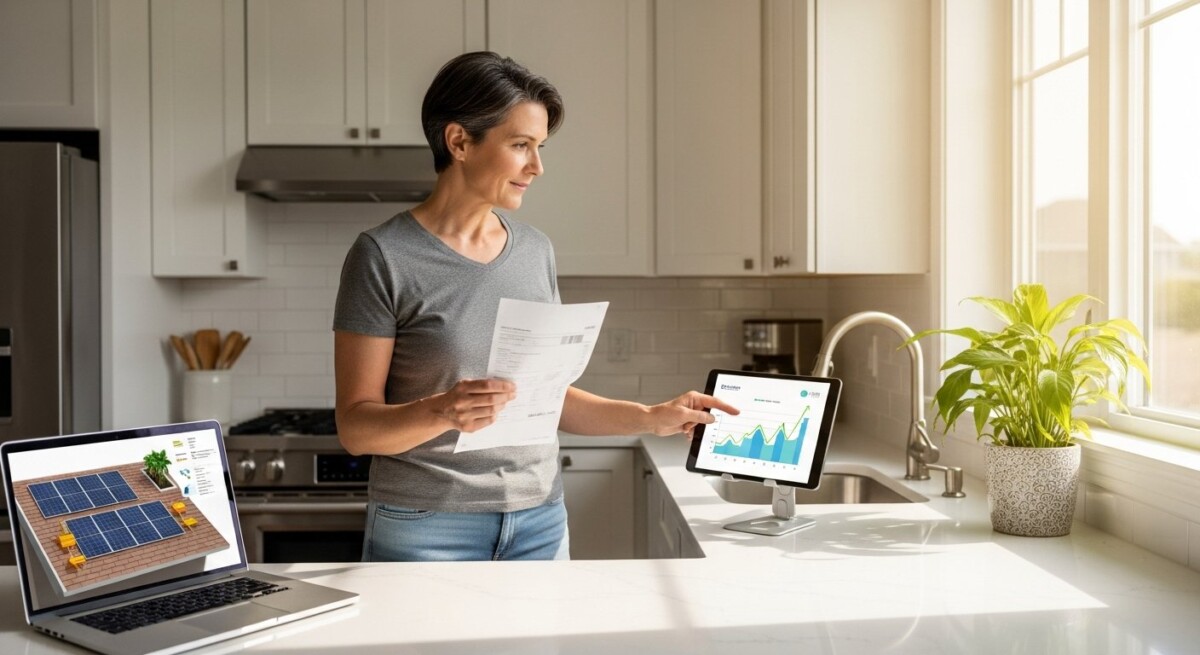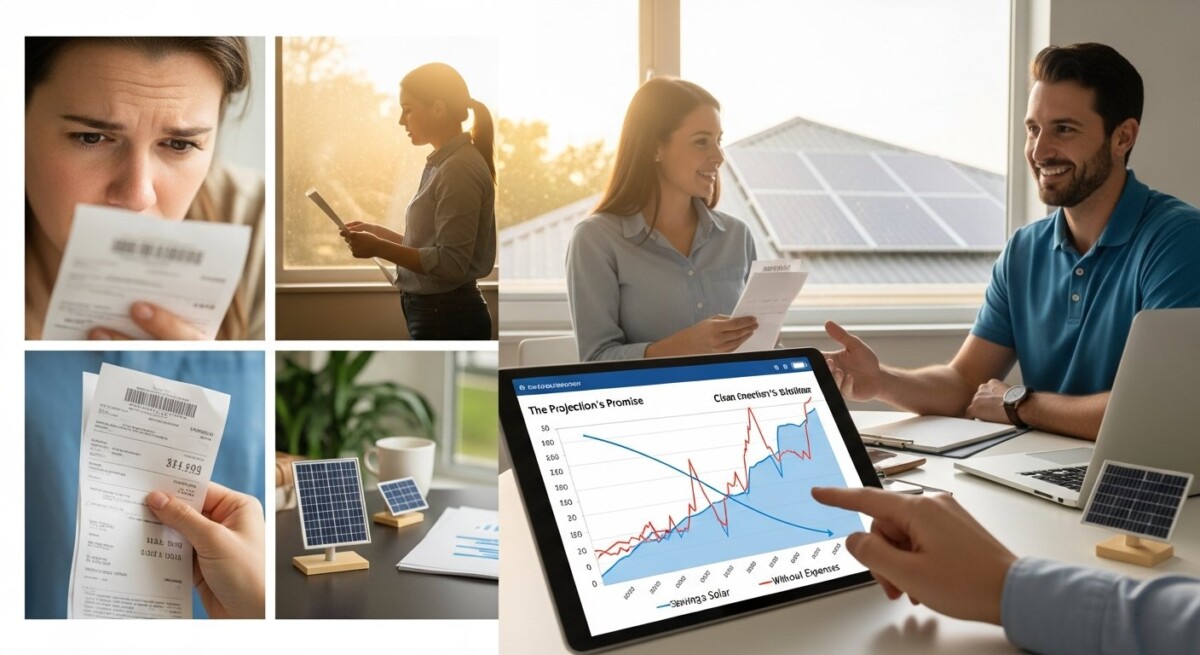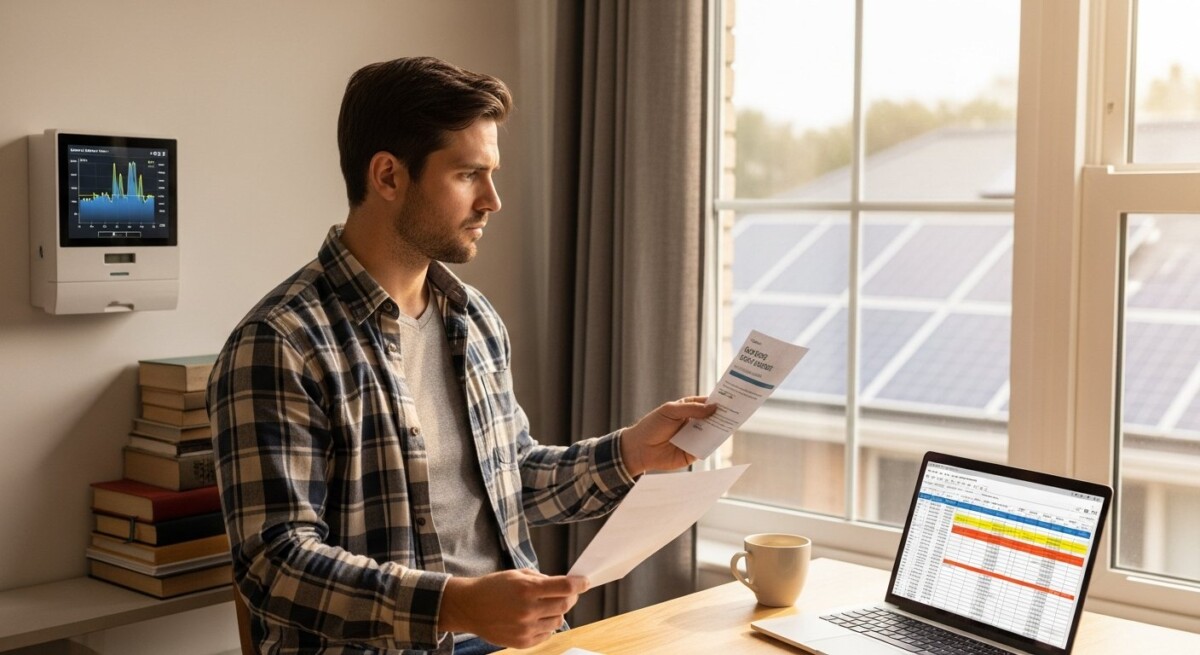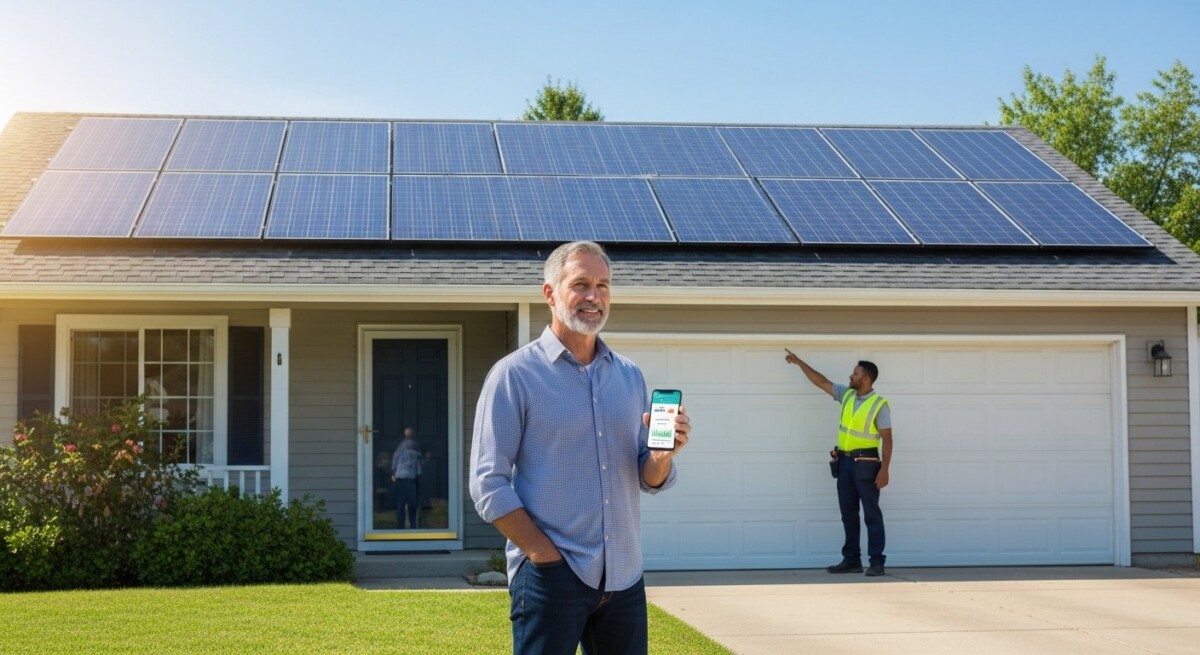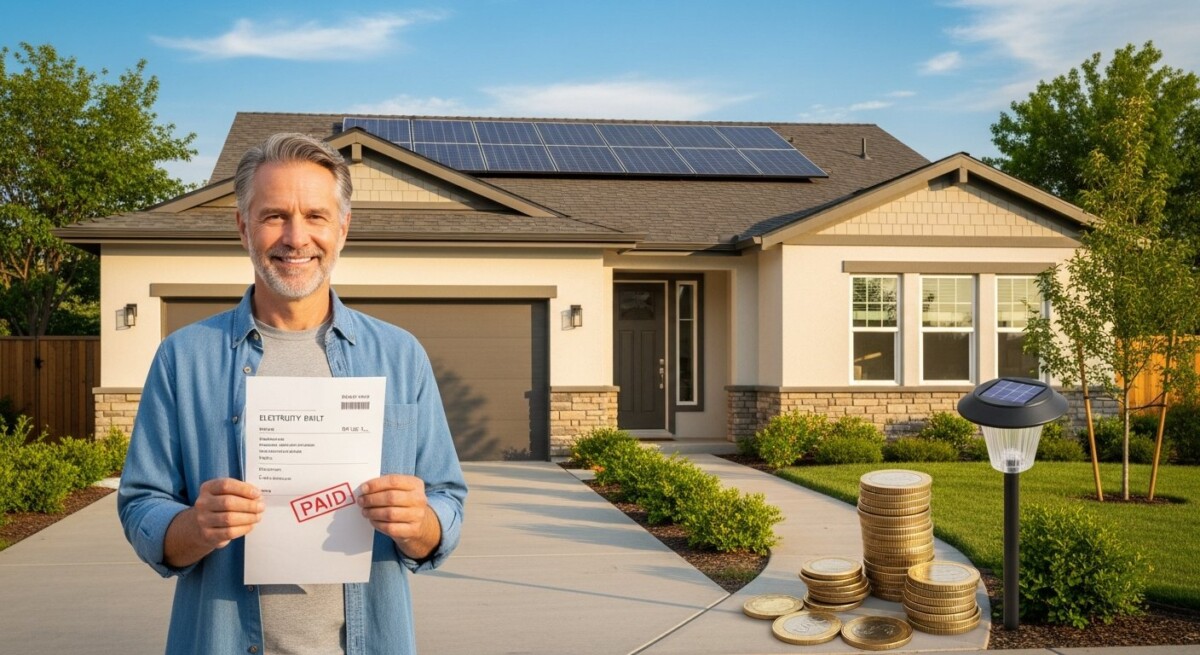
Your monthly electricity bill keeps climbing, and it feels like the power company raises rates every year. You are not alone,many homeowners are now searching for a way to reduce those costs and gain more control over their energy use. Solar for energy bill reduction offers a practical solution that turns sunlight into direct savings, helping you keep more money in your pocket each month.
By installing solar panels on your roof, you generate your own electricity and rely less on the grid. This shift can dramatically lower your monthly expenses and even protect you from future rate hikes. If you have been wondering whether solar makes sense for your home, this guide will explain how it works, what it costs, and how to get started with confidence.
Understanding Solar for Energy Bill Reduction
Solar panels capture sunlight and convert it into usable electricity for your home. This process, called photovoltaics, uses semiconductor materials in the panels to create a flow of electrons when exposed to sunlight. The direct current (DC) electricity then passes through an inverter, which changes it into alternating current (AC) that powers your lights, appliances, and electronics.
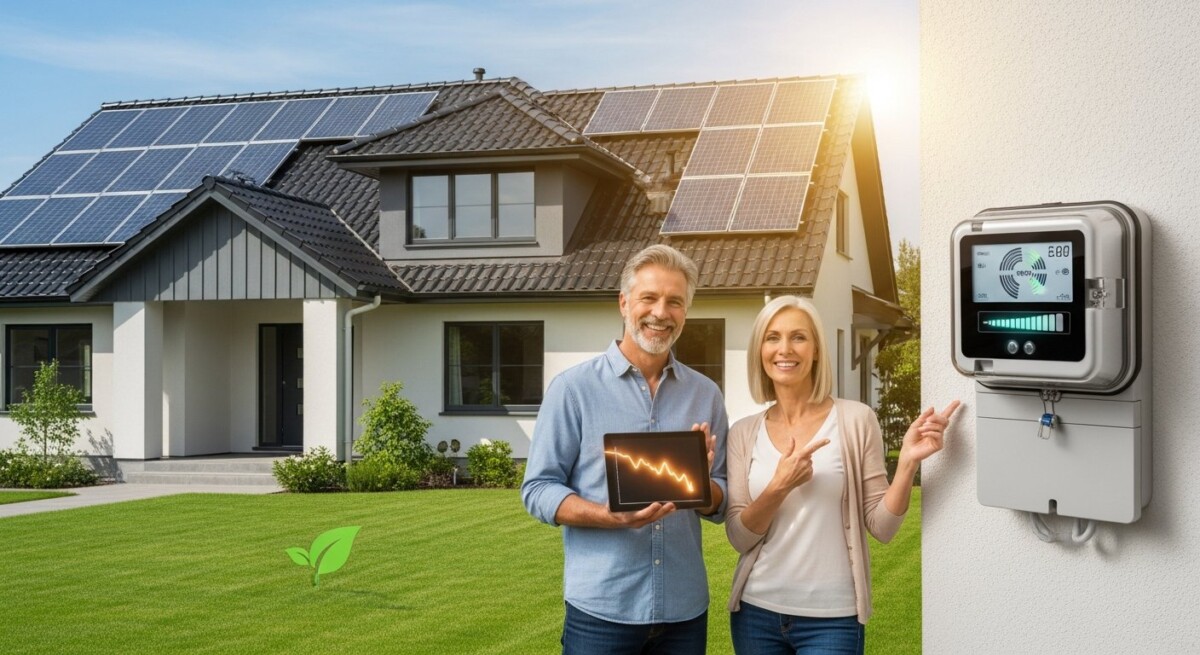
When your solar system produces more electricity than you need, the excess energy flows back to the grid. Many utility companies offer net metering programs that credit you for this surplus, effectively spinning your meter backward and further lowering your bill. Over the course of a year, your solar panels can offset a significant portion of your electricity consumption, making solar for energy bill reduction a smart, long-term investment.
How Net Metering Boosts Your Savings
Net metering is the billing arrangement that credits solar homeowners for the extra power they send to the grid. During sunny months, you build up credits that you can use during cloudy days or at night when your panels are not producing. This system ensures you get the full value of the electricity your panels generate, maximizing your savings month after month.
Why Solar Energy Is Becoming More Popular
Electricity prices have risen sharply across the United States over the past decade, and experts expect that trend to continue. Homeowners are tired of unpredictable bills and want a solution that provides long-term stability. Solar energy offers exactly that,a way to lock in lower energy costs and reduce dependence on the utility company.
Environmental concerns also drive interest in solar power. Burning fossil fuels for electricity releases carbon dioxide and other pollutants that contribute to climate change. By switching to solar, you shrink your carbon footprint and support cleaner air and water for your community. Combined with the financial benefits, it is easy to see why more families are making the switch.
If you are considering solar power for your home, comparing installation quotes can help you understand your options. Request a free solar quote or call (555) 123-4567 to learn more.
Common Questions Homeowners Have About Solar
Many homeowners hesitate to explore solar because they worry about upfront costs, roof suitability, or system reliability. These are valid concerns, but they often have straightforward answers. Understanding the facts can help you make an informed decision without unnecessary stress.
For example, modern solar panels are built to last 25 to 30 years and come with strong warranties that cover performance and equipment. Installation costs have dropped significantly in the last decade, and federal tax credits can reduce your out-of-pocket expense by 30%. Below are some of the most frequent questions homeowners ask when researching solar for energy bill reduction.
- How much does a solar system cost after incentives?
- Will solar panels work on my roof type or age?
- What happens if my panels produce more power than I use?
- How long does it take for solar panels to pay for themselves?
- Do solar panels require a lot of maintenance?
- Can I still use solar if I have trees shading my roof?
How Solar Panel Installation Works
The installation process is more straightforward than most people realize. A professional solar installer handles every step, from assessing your home to turning on your system. You do not need to be an expert,just a willing homeowner ready to save money.
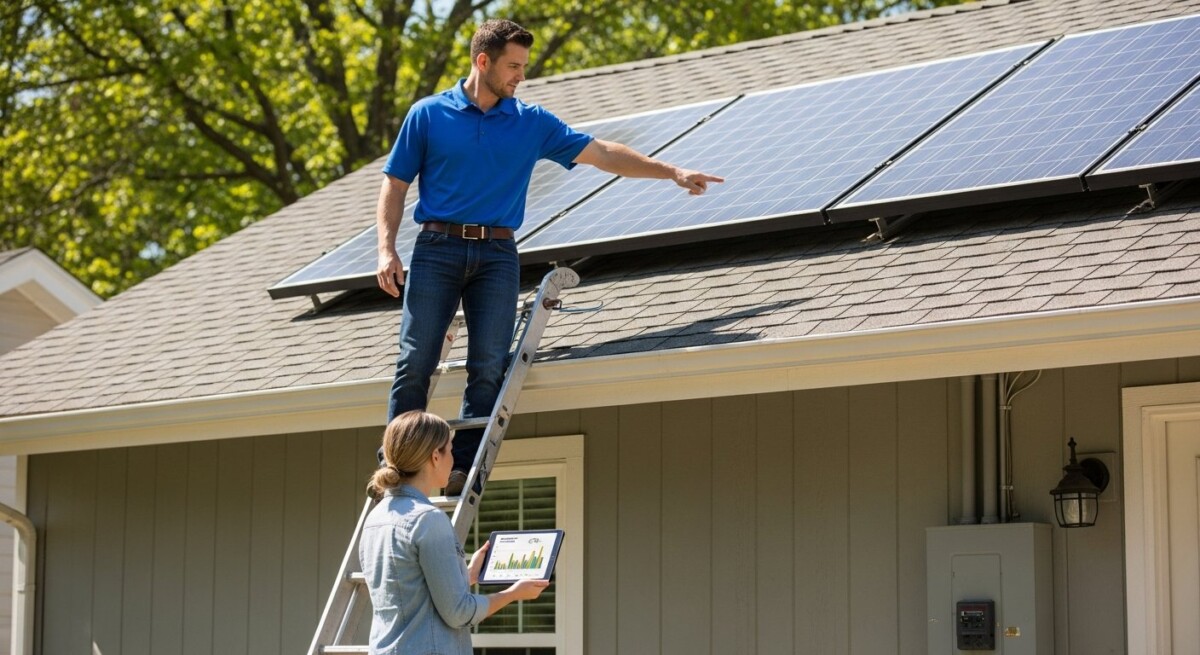
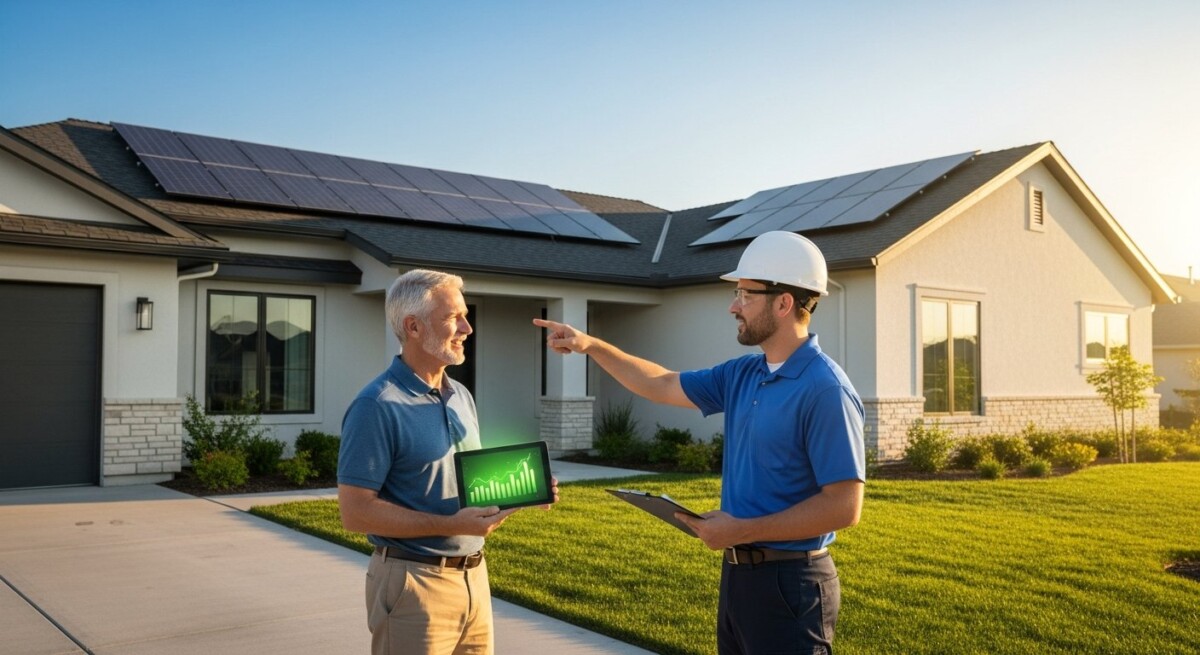
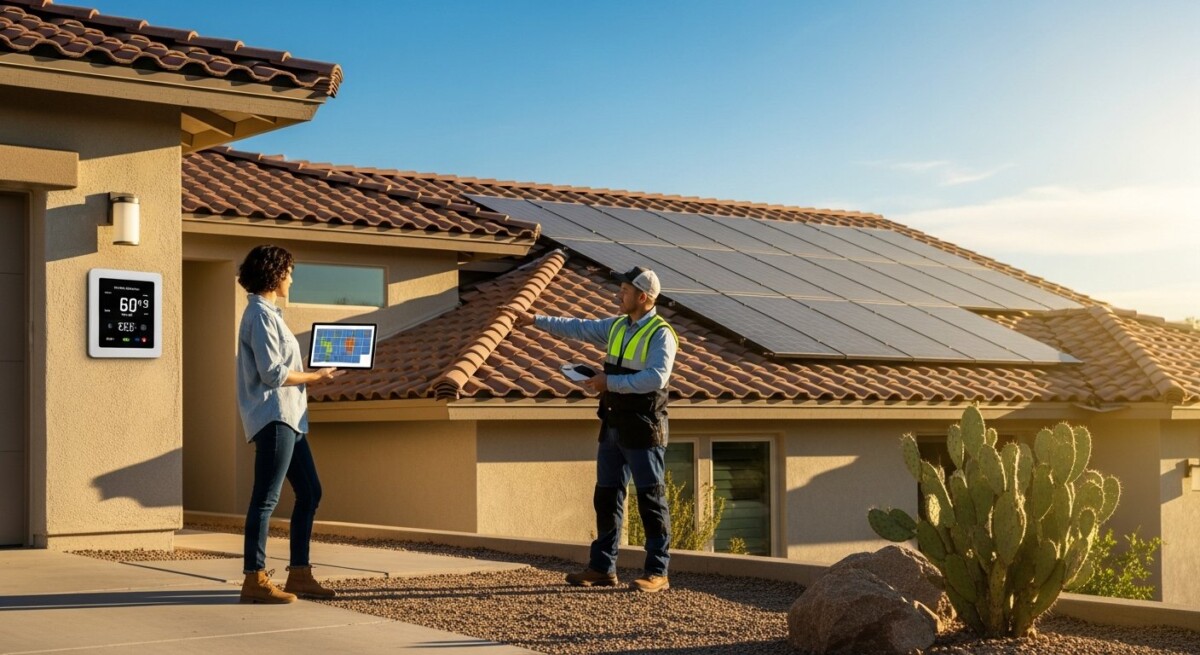
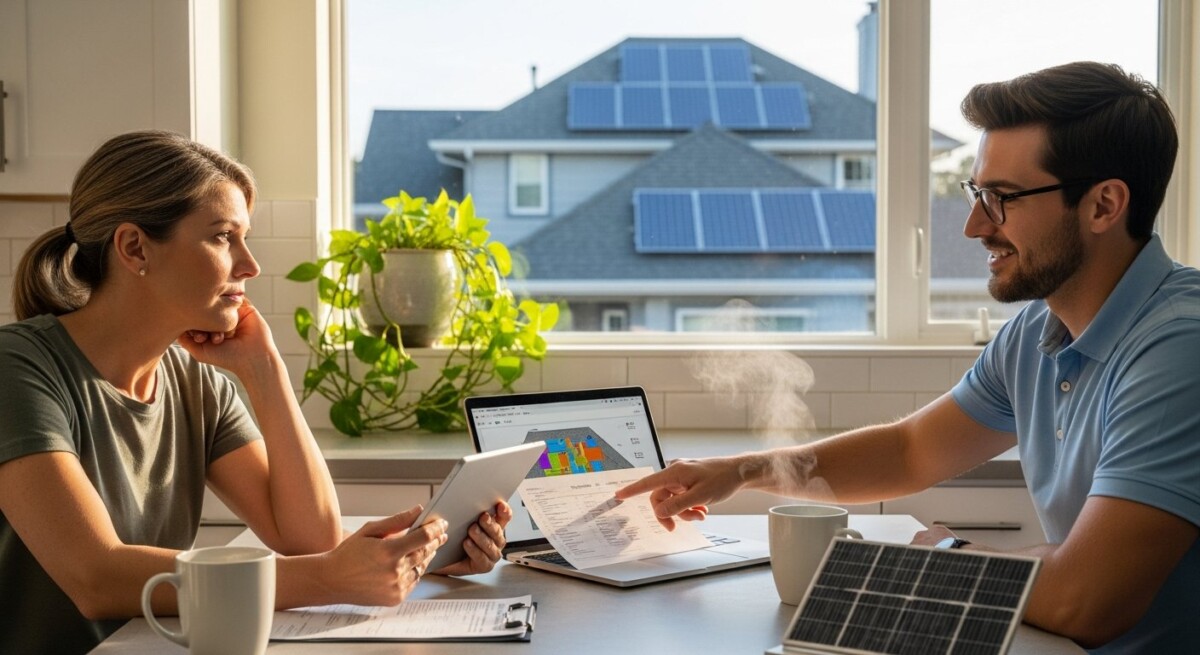
First, an installer visits your home to evaluate your roof, check your electrical panel, and review your past electricity bills. They use this information to design a system that matches your energy needs and fits your roof space. After finalizing the design, they handle all permits, approvals, and inspections required by your local jurisdiction.
- Home energy assessment , Review your electricity usage and roof condition.
- System design , Create a custom solar plan tailored to your home.
- Permits and approvals , Obtain necessary permissions from your city and utility company.
- Panel installation , Mount the panels, install the inverter, and connect wiring.
- System activation , Pass final inspection and flip the switch to start saving.
Speaking with experienced installers can help you determine the best solar solution for your home. Compare solar quotes here or call (555) 123-4567 to explore available options.
Signs Your Home May Be Ideal for Solar
Every home is different, but certain characteristics make solar panels particularly effective. If your roof gets plenty of direct sunlight throughout the day, you can expect strong energy production. South-facing roofs with little to no shade are the gold standard, but east- and west-facing roofs can also work well.
You should also consider your current electricity costs. If you pay high rates or use a lot of power, solar will deliver bigger savings. Additionally, if you plan to stay in your home for several more years, you will have plenty of time to recoup your investment and enjoy years of reduced bills.
- Your roof receives at least four to five hours of direct sunlight per day.
- Your monthly electricity bills are consistently high, often over $100.
- You have adequate roof space facing south, east, or west.
- Your roof is in good condition and less than 10 years old.
- You plan to remain in your home for at least five to seven more years.
- Your state or utility offers net metering or solar incentives.
What Affects Solar Installation Costs
The price of a solar system depends on several factors, and understanding them helps you compare quotes accurately. Larger systems cost more upfront but generate more electricity and savings over time. Equipment quality also matters,premium panels and inverters often come with better warranties and higher efficiency.
Installation complexity can drive costs higher if your roof is steep, has multiple angles, or requires structural reinforcements. Local incentives, including the federal Investment Tax Credit (ITC), state rebates, and utility programs, can reduce your net cost by thousands of dollars. When you compare quotes, make sure each one lists the total system price, equipment specifications, and estimated annual production so you can see the full picture.
The cost of solar installation varies depending on your home and energy needs. Request personalized solar quotes or call (555) 123-4567 to see what options are available.
Tips for Choosing a Reliable Solar Installer
Not all solar companies are created equal, so doing a little homework can save you headaches later. A trustworthy installer will be licensed, insured, and experienced with local permitting requirements. They should also provide clear, written estimates that break down costs, equipment, warranties, and projected savings.
Reading customer reviews on platforms like Google, Yelp, and the Better Business Bureau can reveal how a company treats its clients. Ask for references from recent installations in your area and follow up to hear about their experience. Most importantly, get multiple quotes so you can compare pricing, equipment, and service quality side by side.
- Verify the installer’s license, insurance, and certifications (e.g., NABCEP).
- Ask about equipment warranties (panels, inverter, and workmanship).
- Read online reviews and check the company’s Better Business Bureau rating.
- Request at least three detailed quotes from different installers.
- Confirm the company handles permits, inspections, and utility paperwork.
- Choose an installer that offers a production guarantee or performance monitoring.
Long-Term Benefits of Installing Solar Panels
Installing solar panels is not just about this month’s electric bill,it is about securing decades of savings. Most solar systems pay for themselves within 6 to 10 years, after which your electricity is essentially free for the remaining life of the panels. Over 25 years, those savings can total tens of thousands of dollars, depending on your energy use and local utility rates.
Solar also increases your home’s resale value. Studies show that homes with solar panels sell for a premium compared to similar homes without them. Buyers recognize the value of lower utility bills and are often willing to pay more for a property that already has solar installed. Plus, you gain energy independence,you are less affected by utility rate increases and power outages, giving you peace of mind.
Frequently Asked Questions
How much can I save on my electricity bill with solar panels?
Most homeowners save between 50% and 90% on their monthly electricity bills after installing solar panels. Your exact savings depend on your system size, local electricity rates, and how much sun your roof receives. Over 20 years, the average homeowner saves between $20,000 and $40,000.
Do solar panels work during cloudy days or in winter?
Yes, solar panels still generate electricity on cloudy days, though at a reduced rate,typically 10% to 25% of their full capacity. Net metering credits from sunny months help cover your usage during winter. Panels actually perform better in cooler temperatures, so winter production can still be significant.
What is the federal solar tax credit and how does it work?
The federal Investment Tax Credit (ITC) allows you to deduct 30% of your solar installation cost from your federal income taxes. For example, if your system costs $20,000, you get a $6,000 credit. There is no cap on the credit, and it applies to both residential and commercial installations.
Will solar panels damage my roof?
When installed correctly by a professional, solar panels do not damage your roof. Installers use flashing and seals to prevent leaks, and the panels actually protect the roof area underneath from weather exposure. Most reputable installers also offer a workmanship warranty that covers any roof-related issues.
How long do solar panels last and what maintenance do they need?
Solar panels typically last 25 to 30 years and require very little maintenance. Rain usually washes away dust and debris, but you may need to hose them off during dry spells. Most systems come with performance monitoring so you can spot any issues early.
Can I get solar panels if I have an older roof?
Yes, but it is best to replace an aging roof before installing solar panels. Removing and reinstalling panels later to replace a roof adds extra cost. A professional installer will inspect your roof and advise whether repairs or replacement are needed first.
What happens if I sell my home with solar panels?
If you own your solar panels outright, they typically increase your home’s resale value. Buyers often pay a premium for homes with solar because of the lower utility bills. If you have a solar lease or power purchase agreement, the new owner may need to take over the contract, which can be a consideration during negotiations.
How do I find the best solar installer near me?
The best way is to compare multiple quotes from licensed, insured installers with good reviews. Look for companies with NABCEP certification and strong warranties. Free quote services like FreeSolarPowerQuotes can connect you with vetted installers in your area.
Solar for energy bill reduction is a proven way to lower your monthly expenses, increase your home’s value, and contribute to a cleaner environment. The key is to research your options, understand your energy needs, and compare quotes from trusted professionals so you can find the right system at the right price. Start exploring your solar possibilities today and take the first step toward energy independence.