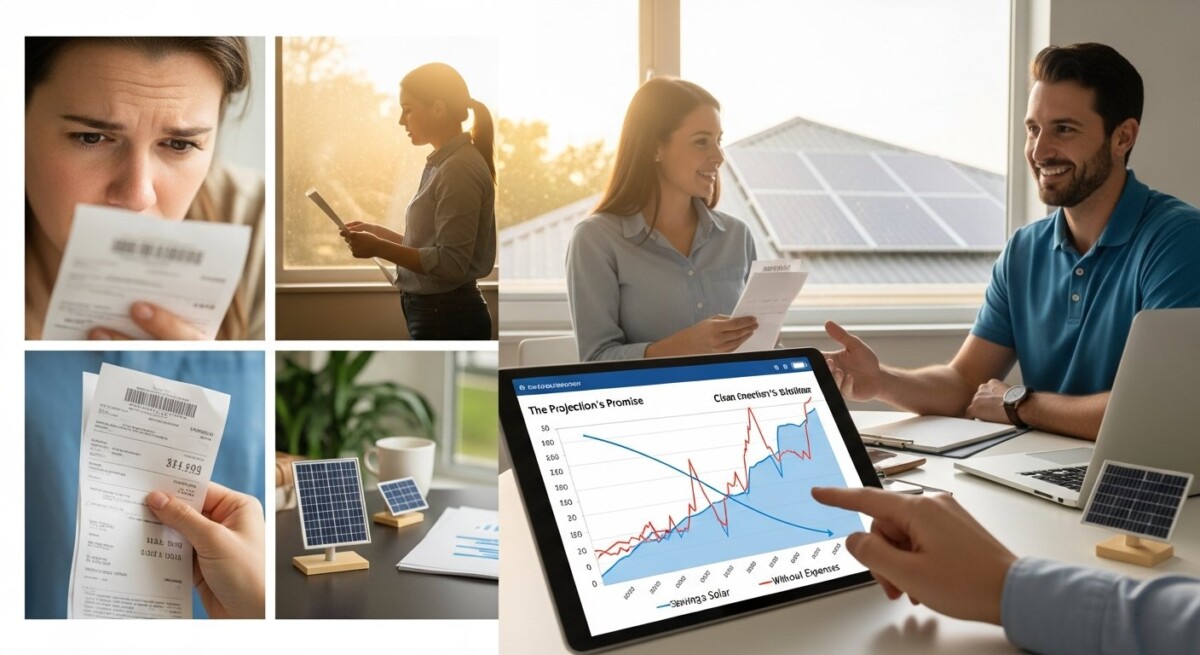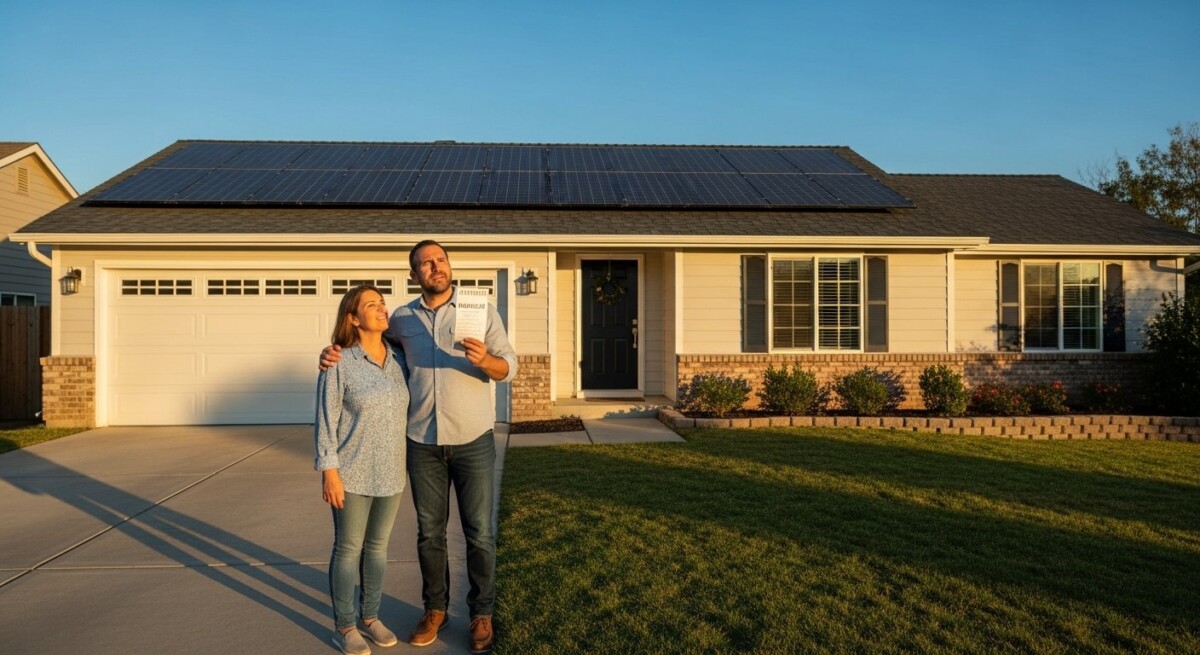
You open your monthly electric bill and feel a familiar pinch. Rates keep climbing, and you wonder if there is a better way. Many homeowners now search for solar for long term savings as a practical answer to rising utility costs. The idea of reducing monthly expenses while gaining energy independence is more appealing than ever.
Solar panels convert sunlight into electricity for your home, cutting what you owe the power company. Over time, those savings add up. In our guide on why solar savings estimates change, we explain how home energy use and local rates affect your bottom line. This article will walk you through the financial and environmental benefits so you can decide if solar is right for you.
Understanding Solar for Long Term Savings
Solar panels capture sunlight and turn it into usable electricity through photovoltaic cells. An inverter converts that direct current into alternating current your home can use. Any extra power flows back to the grid, often earning you credits through net metering.
When we talk about solar for long term savings, we mean the cumulative reduction in electricity bills over 20 to 30 years. A well-designed system can lower or even eliminate your monthly power bill. The initial investment pays off gradually, and after the system is paid for, your electricity becomes nearly free.
More homeowners are choosing solar because it turns a fixed upfront cost into decades of predictable energy expenses. Instead of watching rates rise each year, you lock in a large portion of your energy costs. This stability is especially valuable for families on a budget.
Why Solar Energy Is Becoming More Popular
Electricity prices have risen steadily across the United States, and no slowdown is in sight. Homeowners feel the pressure and look for ways to gain control. Solar offers a direct way to reduce dependence on the grid and avoid future rate hikes.
Environmental concerns also drive interest in solar. Generating your own clean energy reduces your carbon footprint and supports a healthier planet. Many families feel good knowing their home runs on renewable power rather than fossil fuels.
Long-term savings remain the top motivator. With federal tax credits, state incentives, and net metering programs, the financial case for solar has never been stronger. Homeowners who act now can lock in savings that grow as utility rates increase.
If you are considering solar power for your home, comparing installation quotes can help you understand your options. Request a free solar quote or call to learn more.
Common Questions Homeowners Have About Solar
It is normal to have questions before making a big home improvement decision. Solar installation involves upfront costs, technical details, and long-term commitments. Understanding the basics helps you feel confident moving forward.
Below are some of the most common concerns homeowners raise when researching solar. Each question touches on an important factor that affects whether solar makes sense for your specific situation.
- How much does a solar system cost? Prices vary based on system size, equipment quality, and your home’s layout. Most systems range from $10,000 to $30,000 before incentives.
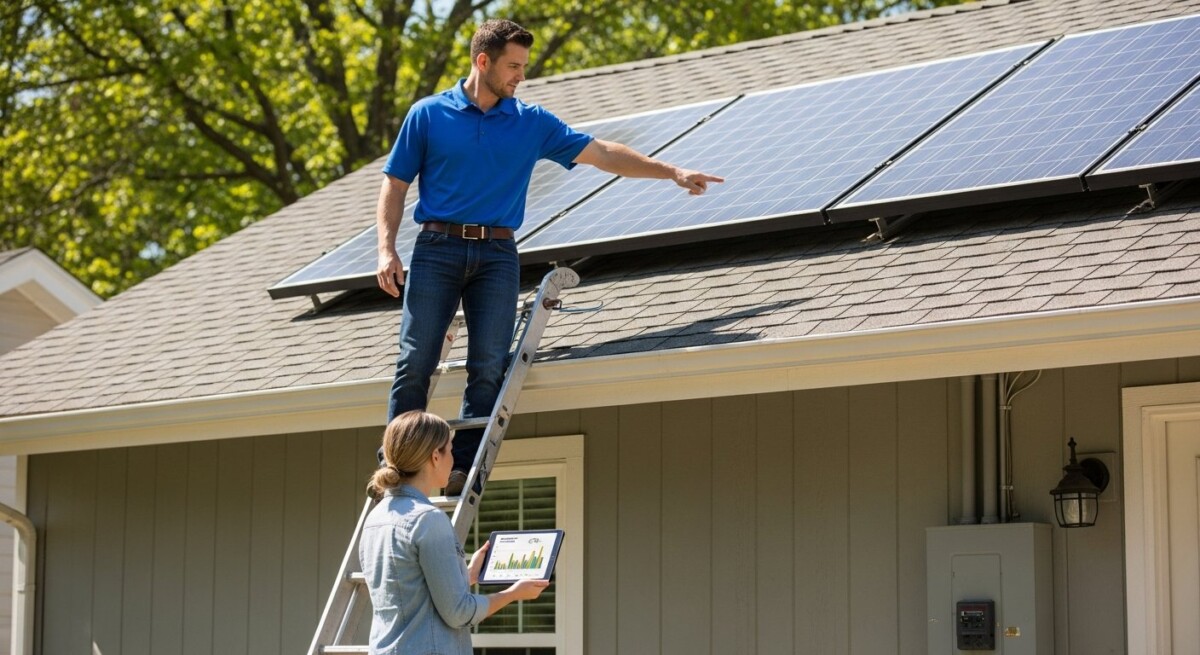
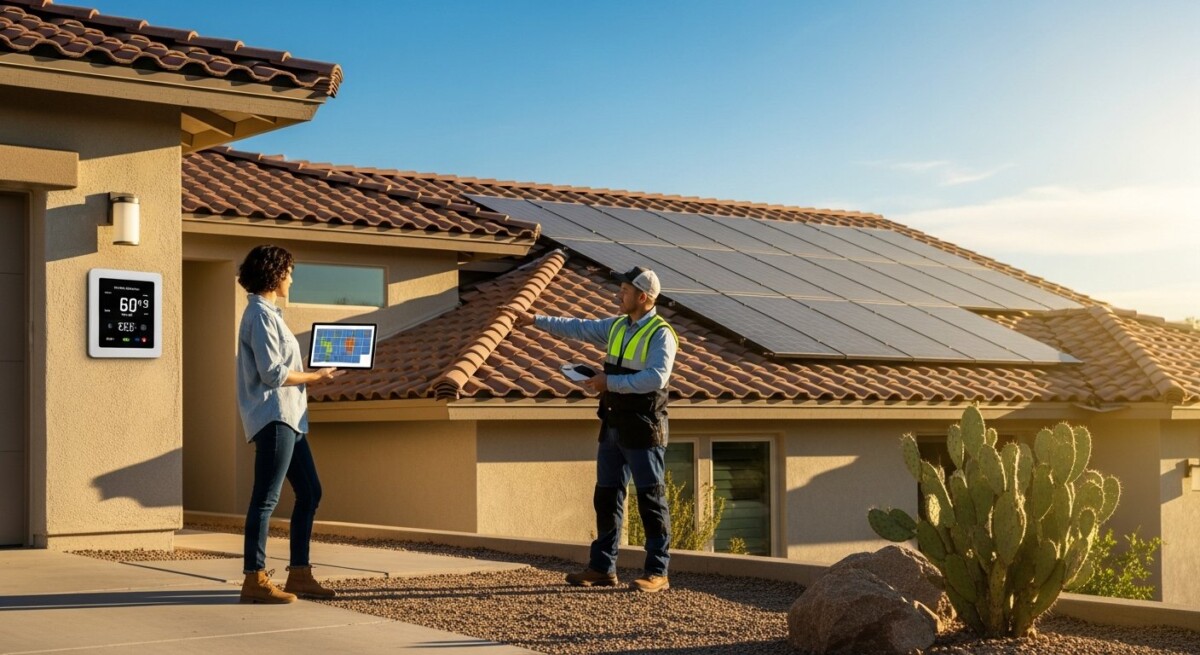
- Will solar work on my roof? South-facing roofs with little shade work best, but east and west exposures can also produce well. A professional assessment will tell you for sure.
- How long do panels last? Most panels come with 25-year performance warranties and continue producing power for 30 years or more.
- What happens at night or on cloudy days? Your home stays connected to the grid, so you draw power as needed. Net metering credits often make up for lower production periods.
- Do I need a battery? Batteries are optional but can provide backup power and increase energy independence. Many homeowners start without one and add it later.
- Will solar increase my home value? Studies show that homes with solar panels sell for more than comparable homes without them.
How Solar Panel Installation Works
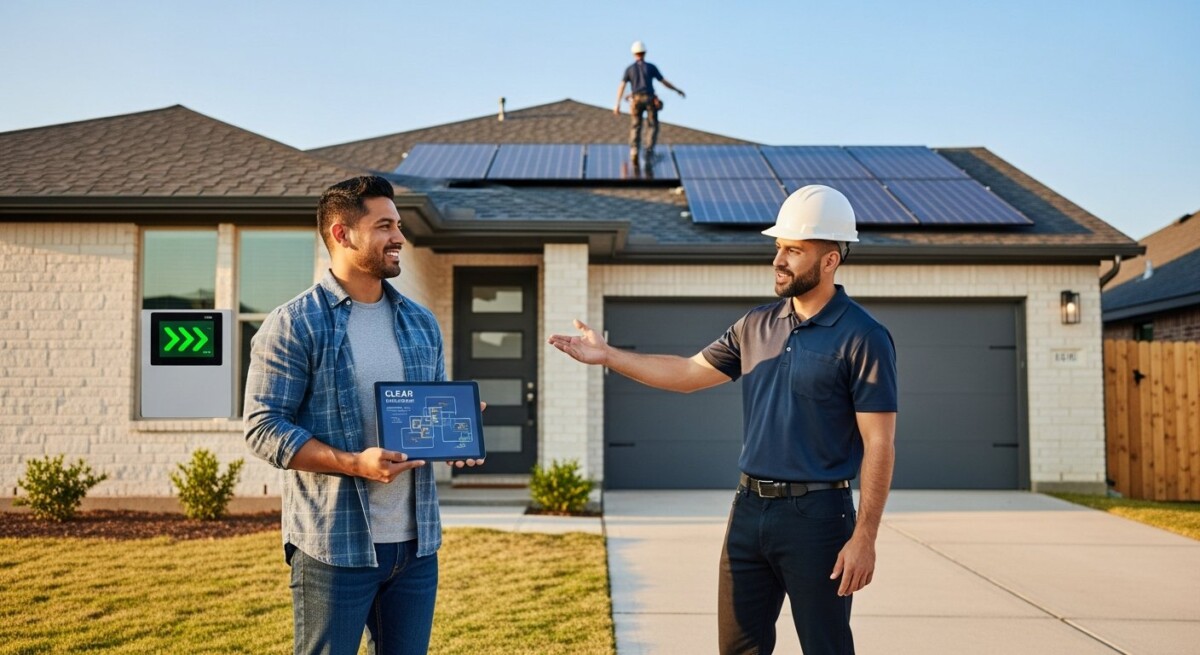
Solar installation follows a clear process designed to match your home’s energy needs. Professional installers handle every step, from initial assessment to final activation. You do not need to be an expert,just a willing homeowner.
The typical timeline from consultation to system turn-on is four to eight weeks. Delays can occur with permits or equipment availability, but experienced installers keep things moving. Knowing the steps helps you plan and set realistic expectations.
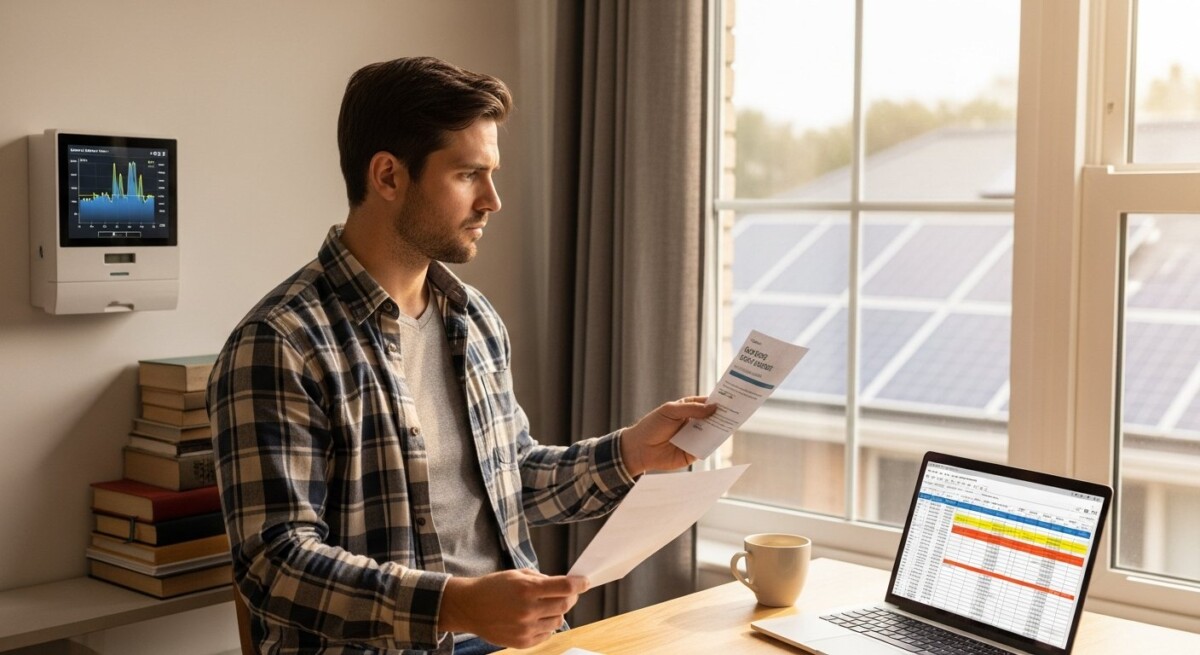
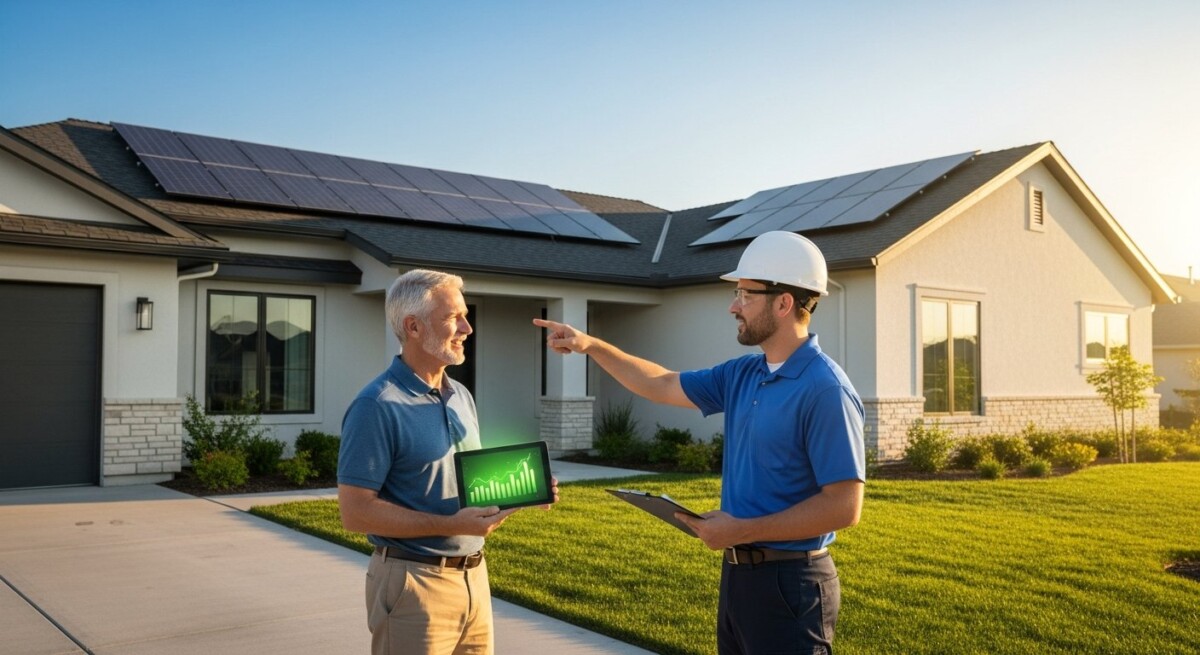
- Home energy assessment , An installer reviews your past electric bills and evaluates your roof’s condition, angle, and shading.
- System design , A customized layout is created to maximize sun exposure and meet your energy goals.
- Permits and approvals , The installer handles all necessary paperwork with your local government and utility company.
- Panel installation , Crews mount the panels, connect wiring, and set up the inverter and monitoring equipment.
- System activation , After final inspection and utility approval, your system is turned on and starts generating power.
Speaking with experienced installers can help you determine the best solar solution for your home. Compare solar quotes here or call to explore available options.
Signs Your Home May Be Ideal for Solar
Not every home is equally suited for solar panels, but many are. Certain characteristics make installation easier and savings more substantial. If your home matches several of these signs, solar is likely a strong investment.
Even if your situation is not perfect, modern technology and flexible mounting options can often overcome challenges. A professional site visit will give you a clear answer. Below are common indicators that your home is solar-ready.
- Strong sunlight exposure , Your roof receives direct sunlight for most of the day without heavy shade from trees or buildings.
- High electricity bills , You pay more than $100 per month on average, meaning solar can offset significant costs.
- Suitable roof space , You have at least 300 square feet of unshaded roof area in good condition.
- Long-term home ownership plans , You intend to stay in your home for at least five to seven years to recoup the investment.
- South or west-facing roof , These orientations capture the most sunlight throughout the day.
- Local incentives available , Your state or utility offers rebates, tax credits, or net metering that improve the financial return.
What Affects Solar Installation Costs
Solar pricing is not one-size-fits-all. Several variables influence the final quote you receive from installers. Understanding these factors helps you compare offers intelligently and avoid overpaying.
System size is the biggest cost driver. A larger system that covers 100% of your electricity use will cost more upfront but deliver greater long-term savings. Equipment quality also matters,premium panels and inverters often carry longer warranties and better efficiency.
Installation complexity can add to the price. Steep roofs, complicated wiring, or older electrical panels may require extra labor. Local incentives, including the federal solar tax credit, can reduce your net cost significantly. In our article on solar payback calculation, we show how to factor these variables into your savings estimate.
The cost of solar installation varies depending on your home and energy needs. Request personalized solar quotes or call to see what options are available.
Tips for Choosing a Reliable Solar Installer
Finding a trustworthy installer is just as important as choosing good equipment. The right company will design a system that fits your home and stand behind their work. A poor installer can lead to headaches, delays, and lower energy production.
Take your time and do some research before signing a contract. The solar industry is growing fast, and not every company has the same level of experience or customer service. Following these tips will help you select a partner you can count on.
- Review installer experience , Look for companies with at least three to five years in business and a track record of successful installations in your area.
- Check warranties , Ensure the installer offers a workmanship warranty of at least 10 years, and confirm the panel and inverter warranties are solid.
- Read customer reviews , Browse online reviews on Google, Yelp, or the Better Business Bureau to see what past clients say.
- Compare multiple quotes , Get at least three quotes to compare pricing, equipment, and warranty terms side by side.
- Ask about financing , A good installer will explain cash, loan, and lease options without pressuring you into one choice.
Long-Term Benefits of Installing Solar Panels
The most obvious benefit of solar is lower electricity bills that last for decades. Once your system is paid off, the power it generates is essentially free. Over 25 years, that can mean tens of thousands of dollars in savings.
Solar also increases your home’s resale value. Studies show that buyers are willing to pay a premium for homes with owned solar panels. This means you can recover a significant portion of your investment if you decide to sell.
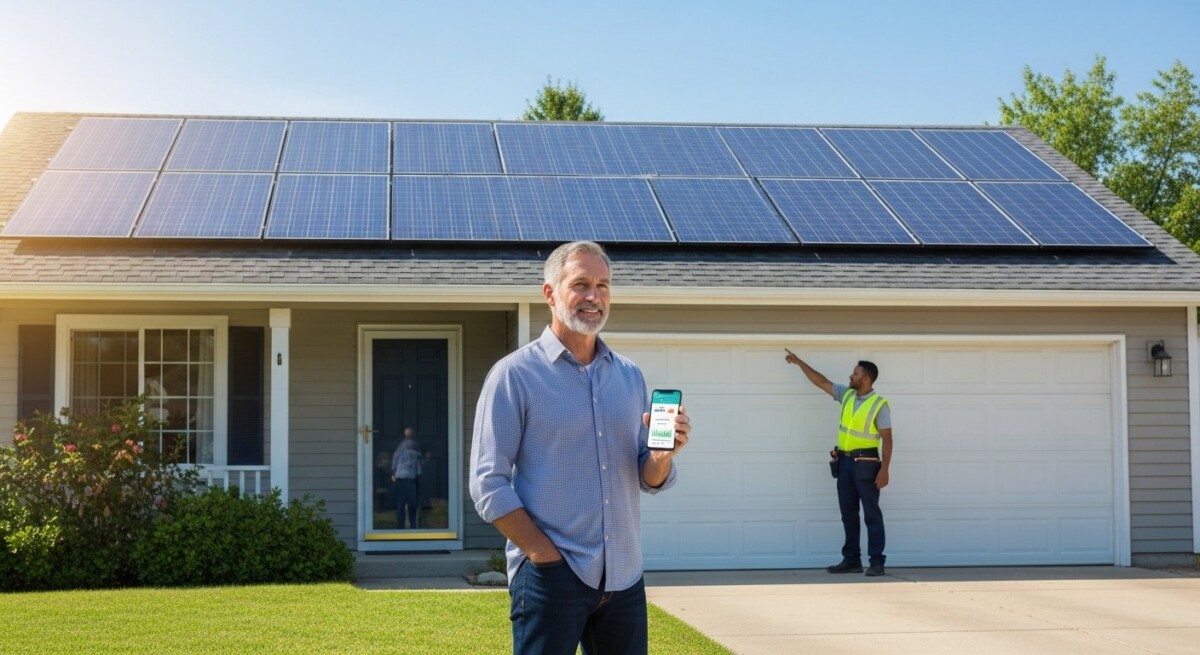
Energy independence is another major advantage. You become less vulnerable to grid outages and utility rate increases. At the same time, you reduce your environmental impact by using clean, renewable energy every day.
How long does it take to break even on solar?
Most homeowners reach the break-even point within six to ten years. This depends on your system cost, local electricity rates, and available incentives. After that, the electricity your panels produce is essentially free.
Do solar panels work during a power outage?
Standard grid-tied solar systems shut off during an outage for safety reasons. If you want backup power, you need a battery storage system. Batteries store excess energy for use when the grid goes down.
Can I install solar panels myself to save money?
DIY solar is possible but not recommended for most homeowners. Improper installation can lead to roof damage, electrical hazards, and voided warranties. Professional installers ensure safety, code compliance, and optimal performance.
Will solar work in cloudy or cold climates?
Yes, solar panels still generate electricity on cloudy days, just at a reduced rate. Cold temperatures actually improve panel efficiency. Solar is effective in all climates, including the Pacific Northwest and northern states.
What maintenance do solar panels require?
Solar panels need very little maintenance. Rain usually keeps them clean, though you may need an occasional rinse in dry or dusty areas. Most systems come with monitoring software that alerts you to any issues.
Are there financing options for solar installation?
Yes, you can pay cash, take out a solar loan, or enter a lease or power purchase agreement. Each option has different financial implications. Comparing quotes from multiple installers helps you find the best fit for your budget.
How do I know if my roof can support solar panels?
A professional installer will inspect your roof’s age, material, and structural integrity. Most asphalt shingle roofs in good condition can support panels. If your roof needs replacement soon, it is wise to do that before installation.
What happens if I move after installing solar?
If you own the system, you can include it in the home sale or transfer it to the new owner. Leased systems may require a transfer agreement. Owned solar panels often increase your home’s market value.
Solar energy offers a practical path to lower bills, greater independence, and a cleaner planet. The key to getting the best value is comparing multiple installation quotes from reputable providers. Start today by requesting free quotes tailored to your home and energy needs.