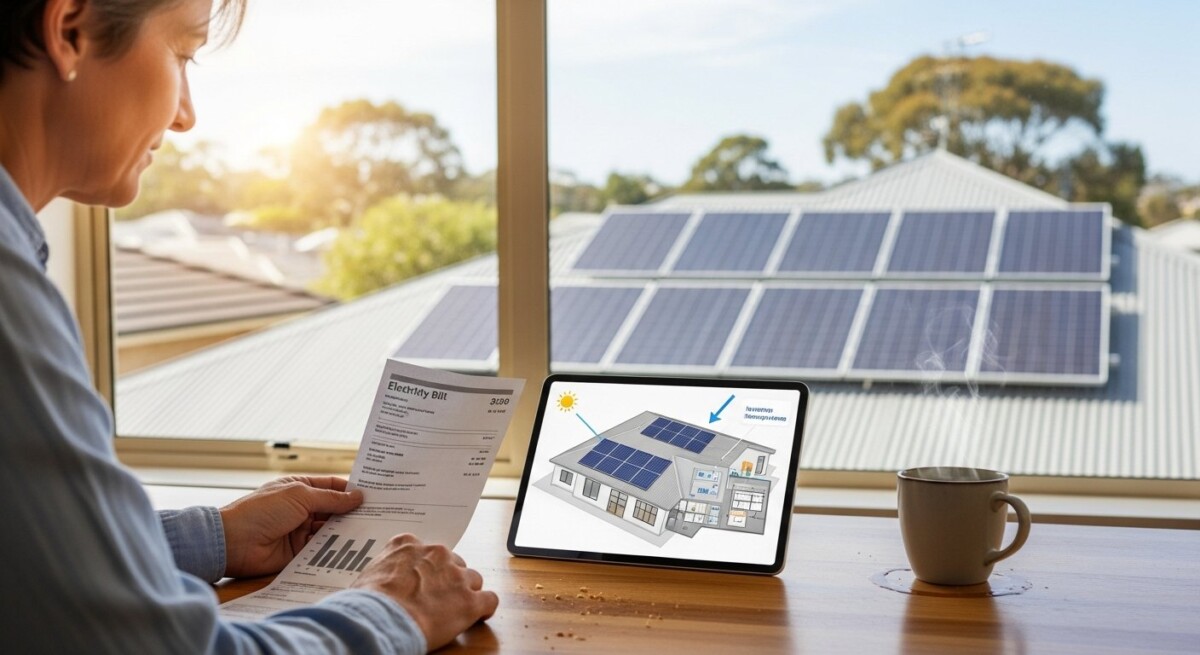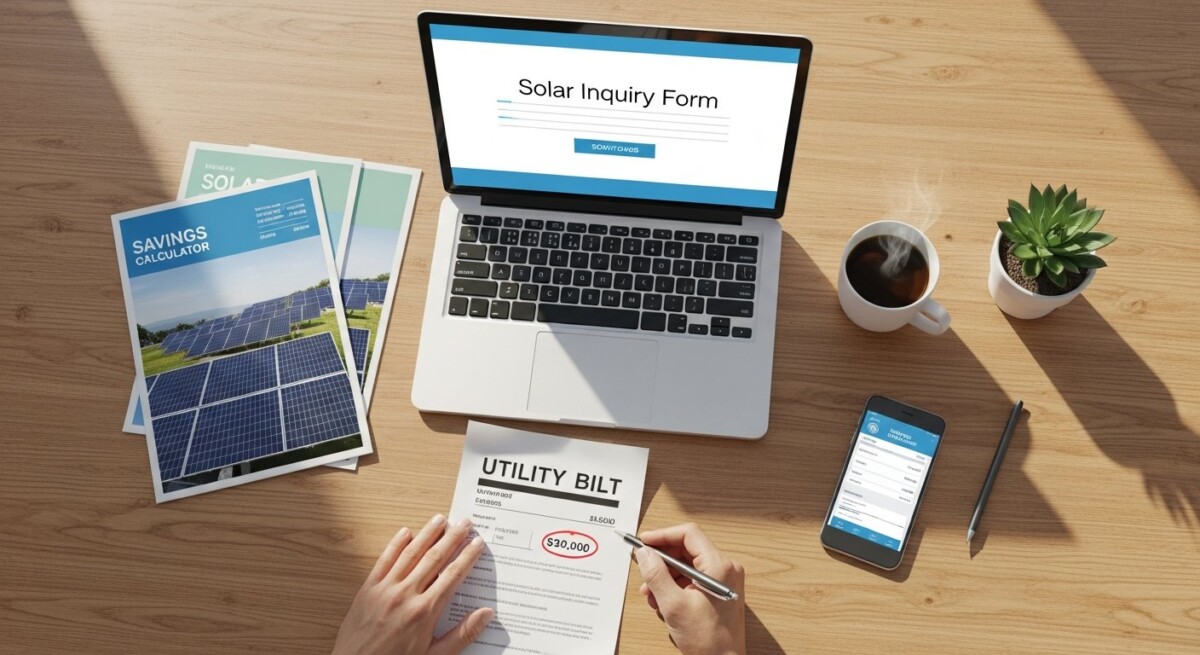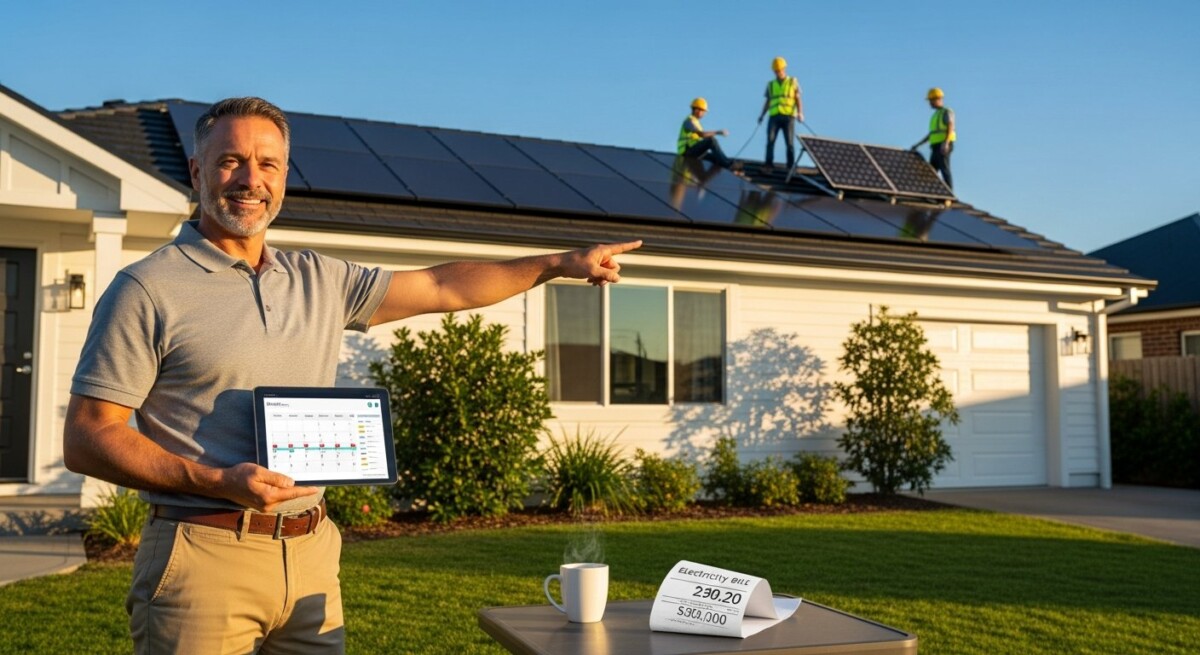
You open your monthly electricity bill and feel a familiar sting. Rates keep climbing, and you wonder if there is a way to take control. That is why many homeowners start searching for how to evaluate solar quote accuracy. They want to reduce energy bills, gain independence from the grid, and make a smart investment. Understanding what makes a solar quote reliable is the first step toward cleaner, cheaper power.
Understanding How To Evaluate Solar Quote Accuracy
A solar quote is more than a price tag. It breaks down the equipment, installation, and expected energy production for your home. To evaluate its accuracy, you need to check each component carefully. A trustworthy quote shows exactly what you are paying for and why.
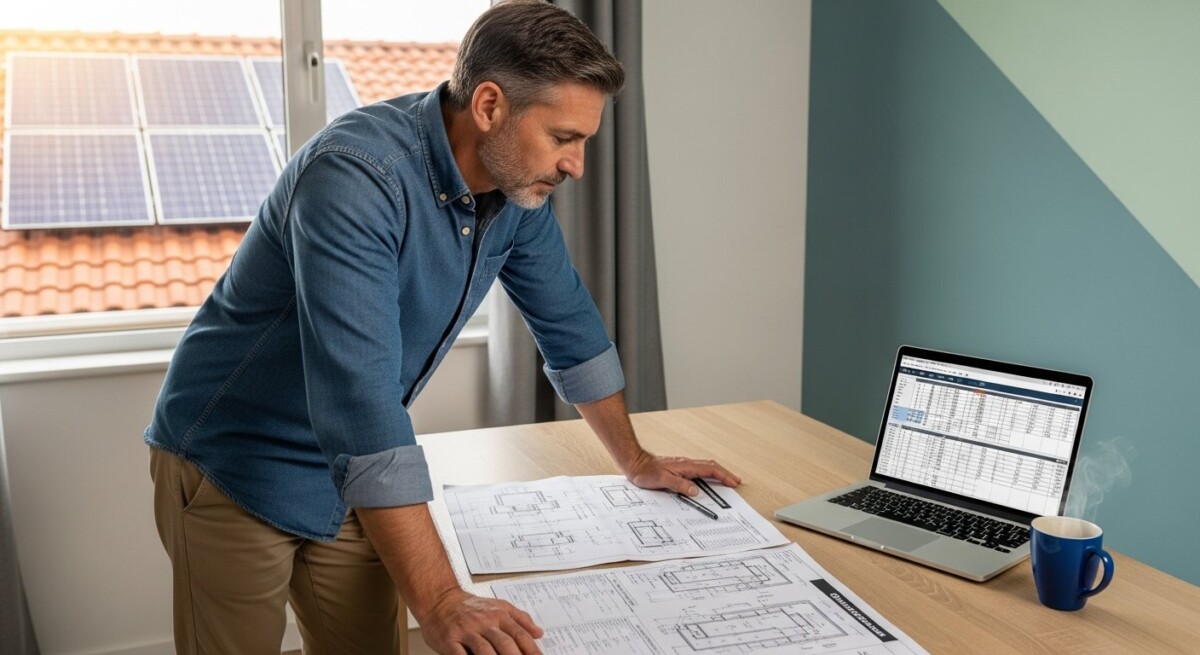
Accurate quotes include details like panel wattage, inverter type, and estimated annual output in kilowatt-hours. They also account for your roof’s size, angle, and shading. Without these specifics, you cannot compare offers fairly or predict your savings.
More homeowners are going solar because prices have dropped and technology has improved. Federal tax credits and local rebates make the switch even more appealing. Learning how to evaluate solar quote accuracy helps you avoid overpaying and choose a system that truly fits your home.
Key Components of a Transparent Solar Quote
Look for line items that specify the brand and model of panels and inverters. Generic terms like “premium panel” can hide lower-quality equipment. A clear quote also lists labor costs, permit fees, and warranty terms.
Production estimates should be based on your actual electricity usage, not a generic average. The installer should review at least 12 months of your utility bills. This ensures the system size matches your needs and maximizes long-term savings.
Why Solar Energy Is Becoming More Popular
Electricity rates have risen steadily over the past decade, and they show no signs of dropping. Solar energy lets you lock in a lower, predictable cost for power. That stability is a huge relief for household budgets.
Environmental concerns also drive the shift. Solar panels produce clean energy without emitting carbon dioxide or other pollutants. Every kilowatt-hour from the sun reduces your home’s carbon footprint and helps fight climate change.
Long-term savings are the biggest motivator. Over 25 years, a typical solar system can save tens of thousands of dollars. Those savings depend on getting an accurate quote and the right system design from the start.
If you are considering solar power for your home, comparing installation quotes can help you understand your options. Request a free solar quote or call to learn more.
Common Questions Homeowners Have About Solar
Most homeowners wonder about the upfront cost of installation. The price has dropped significantly, and financing options like solar loans or leases make it accessible. Federal tax credits can cover 30% of the total cost.
Another frequent concern is roof suitability. Not every roof faces the right direction or has enough space. A professional assessment will tell you if your roof can support panels and how much energy you can generate.
System performance also raises questions. Will panels work on cloudy days? Yes, they still produce power, though at a reduced rate. Modern systems are designed to maximize production even in less-than-ideal conditions.
- How much does a solar system cost for an average home?
- Will solar panels work during a power outage?
- How long does installation take from start to finish?
- What maintenance do solar panels require?
- Can I add batteries for backup power later?
- How do net metering credits affect my bill?
How Solar Panel Installation Works
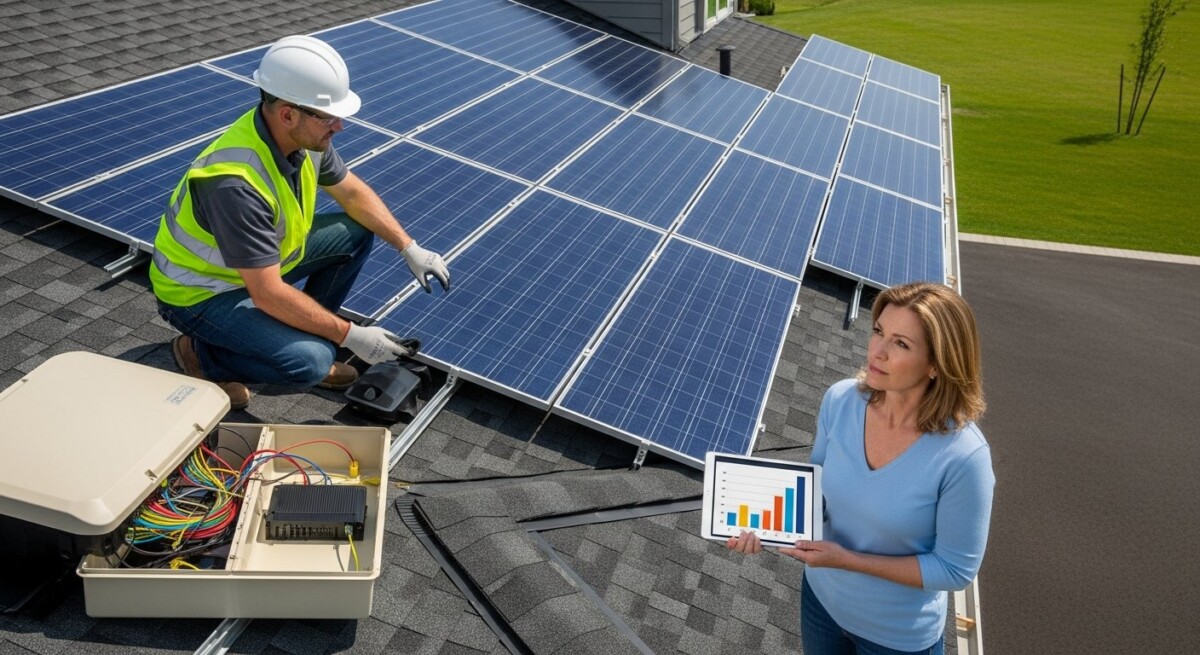
The process begins with a home energy assessment. An installer reviews your electricity usage, roof condition, and sunlight exposure. This data shapes the system design and helps you evaluate solar quote accuracy later.
Once you approve the design, the installer handles permits and approvals. This step can take a few weeks depending on your local city or utility requirements. After permits are cleared, the physical installation usually takes one to three days.
- Home energy assessment and roof inspection.
- System design tailored to your home and usage.
- Permit applications and utility approvals.
- Panel mounting, wiring, and inverter installation.
- Final inspection and system activation.
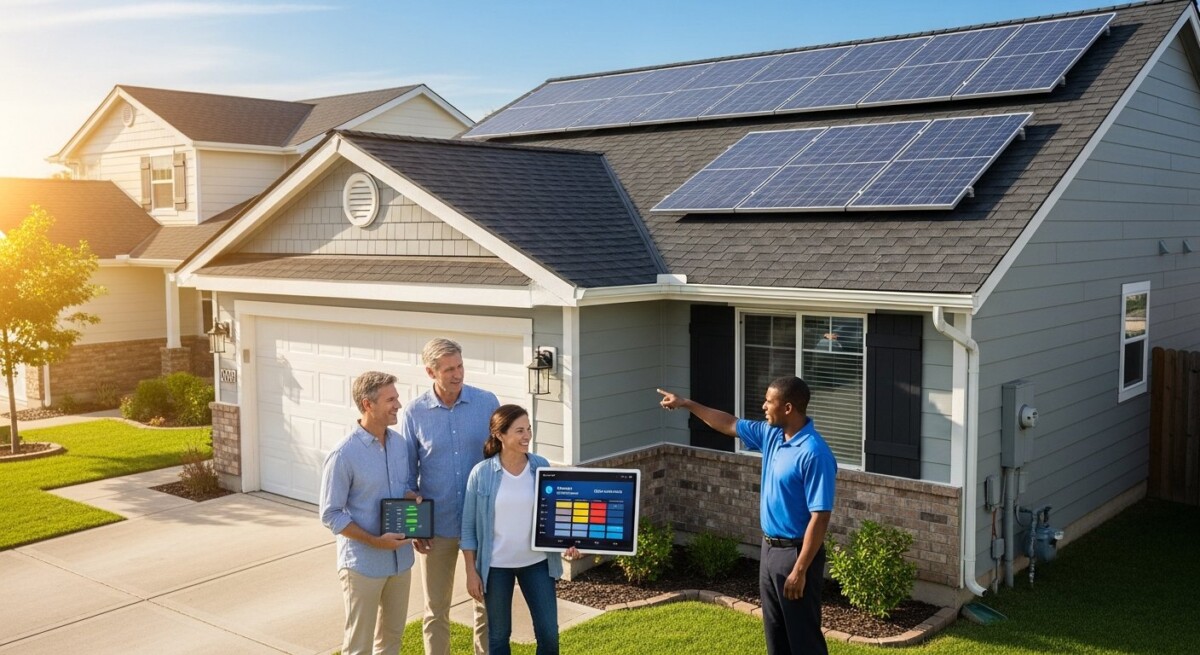
Speaking with experienced installers can help you determine the best solar solution for your home. Compare solar quotes here or call to explore available options.
Signs Your Home May Be Ideal for Solar
Homes with strong, direct sunlight for most of the day are prime candidates. South-facing roofs without heavy shading capture the most energy. Even east- and west-facing roofs can work well, especially with modern high-efficiency panels.
High electricity bills are another strong indicator. If you pay more than $100 per month, solar can likely reduce those costs. The more energy you use, the faster your system pays for itself.
- Your roof gets at least four to five hours of direct sun daily.
- You own your home and plan to stay for five years or more.
- Your roof is in good condition and has space for panels.
- Your electricity rates are above the national average.
- Your state offers net metering or solar rebates.
- You want to reduce your carbon footprint.
What Affects Solar Installation Costs
System size is the biggest cost driver. A larger system with more panels generates more electricity but costs more upfront. Your installer should size the system to cover your typical usage without overbuilding.
Equipment quality matters too. Premium panels and microinverters cost more but often produce more power and last longer. Lower-cost components may save money now but can reduce long-term savings.
Installation complexity also plays a role. A simple roof with easy access is cheaper to install than a steep, complex roof with multiple angles. Local incentives and utility rebates can lower your net cost significantly.
The cost of solar installation varies depending on your home and energy needs. Request personalized solar quotes or call to see what options are available.
Tips for Choosing a Reliable Solar Installer
Start by reviewing each installer’s experience and credentials. Look for certifications like NABCEP (North American Board of Certified Energy Practitioners). This shows the company meets industry standards for quality and safety.
Check warranties carefully. A good installer offers a workmanship warranty of at least 10 years, while panel warranties often run 25 years. Read customer reviews on platforms like Google, Yelp, and the Better Business Bureau.
- Ask for at least three detailed quotes from different companies.
- Verify the installer’s license and insurance coverage.
- Read the fine print on financing and lease agreements.
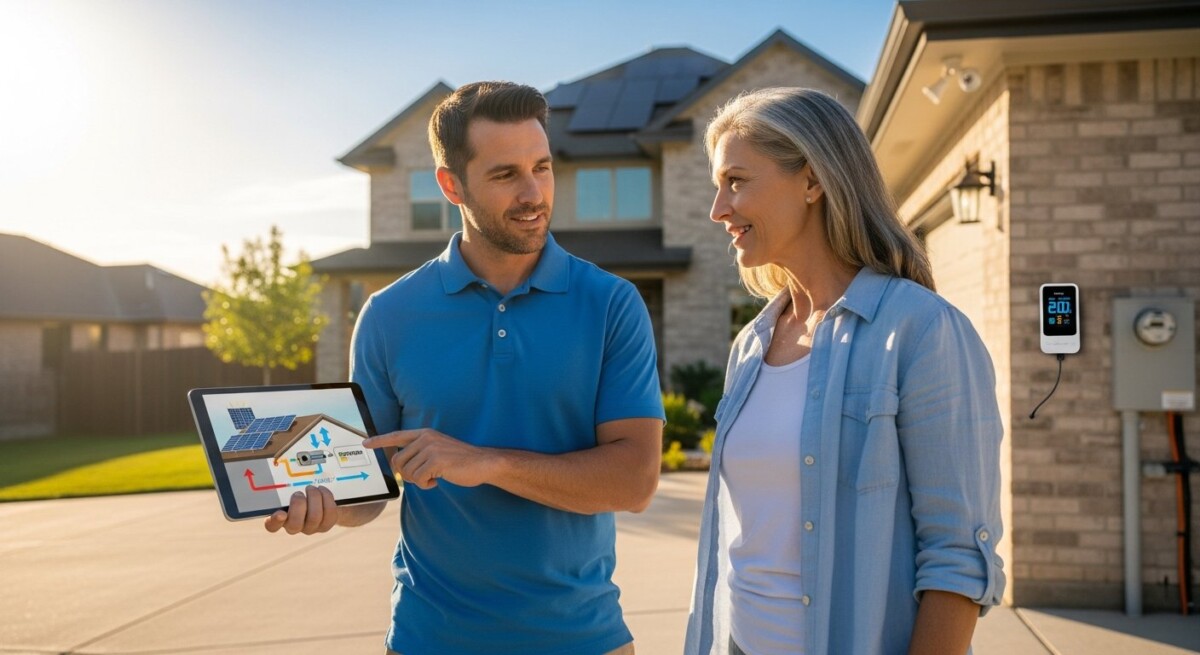
- Ask about monitoring tools to track system performance.
- Look for local installers with a strong community reputation.
Long-Term Benefits of Installing Solar Panels
Lower electricity bills are the most immediate benefit. Once your system is paid off, the power it generates is essentially free. Over 25 years, that can mean $20,000 to $50,000 in savings depending on your location and energy use.
Solar panels also increase your home’s resale value. Studies show that homes with solar sell for a premium compared to similar homes without it. Buyers recognize the value of reduced utility costs.
Energy independence is another powerful advantage. With solar panels and battery storage, you can keep the lights on during grid outages. You also protect yourself from future rate hikes set by your utility company.
Frequently Asked Questions
How do I know if a solar quote is accurate?
An accurate quote includes specific equipment brands, model numbers, and a production estimate based on your actual electricity usage. It should also list all fees, warranties, and financing terms. Compare multiple quotes to spot inconsistencies and ensure you are getting a fair deal.
What should I look for in a solar panel warranty?
Look for a product warranty of at least 25 years on panels and a 10-year workmanship warranty on installation. The performance warranty should guarantee at least 80% output after 25 years. Read the fine print to understand what is covered and excluded.
Can I install solar panels myself to save money?
DIY solar installation is possible but risky. Mistakes can lead to roof damage, electrical hazards, or voided warranties. Professional installers ensure proper permitting, safe wiring, and optimal system performance, which protects your investment.
How long does it take to recoup the cost of solar panels?
The payback period typically ranges from six to ten years, depending on your electricity rates, system cost, and available incentives. After that, the electricity your panels produce is essentially free. Federal tax credits and local rebates can shorten this timeframe.
Will solar panels work during a power outage?
Standard grid-tied solar systems shut off during outages for safety reasons. If you want backup power, you need a battery storage system like the Tesla Powerwall or similar. Batteries store excess energy for use when the grid goes down.
What happens if my roof needs repairs after solar installation?
If your roof needs repairs, the installer may need to remove and reinstall the panels. Some installers offer a “roof penetration warranty” that covers leaks. It is best to ensure your roof is in good condition before installing panels.
Do solar panels increase property taxes?
In many states, solar panel installations are exempt from property tax assessments. This means your home value can increase without raising your tax bill. Check your local laws or ask your installer about exemptions in your area.
How much maintenance do solar panels need?
Solar panels require very little maintenance. Rain usually keeps them clean, but in dusty areas you may need an occasional hose rinse. Most systems come with monitoring software that alerts you if something is wrong.
Choosing solar energy is a big decision, but understanding how to evaluate solar quote accuracy makes it manageable. Accurate quotes help you compare offers, avoid overpaying, and select a system that delivers real savings. Start by gathering multiple quotes from trusted installers and reviewing each one carefully. The right system can lower your electricity bills, increase your home’s value, and reduce your environmental impact for decades to come.