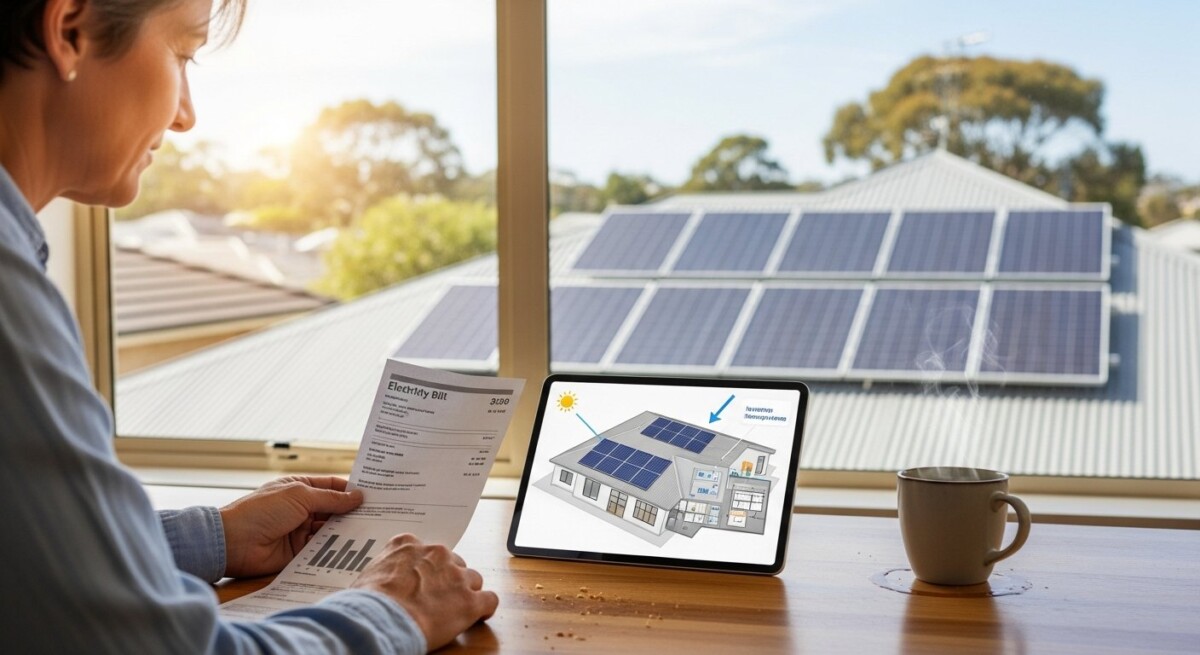
You open your monthly electricity bill and feel a familiar pang of frustration. The cost keeps climbing, and you wonder if there is a way to take control. This is exactly why so many homeowners are searching for how to calculate savings from solar quotes. The idea of reducing energy bills and becoming less dependent on the power grid is appealing, but the process can feel overwhelming. Understanding the numbers behind each proposal is the first step toward making a confident decision.
Understanding how to calculate savings from solar quotes
At its core, calculating savings from solar quotes means estimating how much money you will save on electricity over the life of a solar panel system. Each quote provides an estimate of the system size, equipment type, and total cost. By comparing these details with your current energy usage, you can project your future electric bills and total savings.
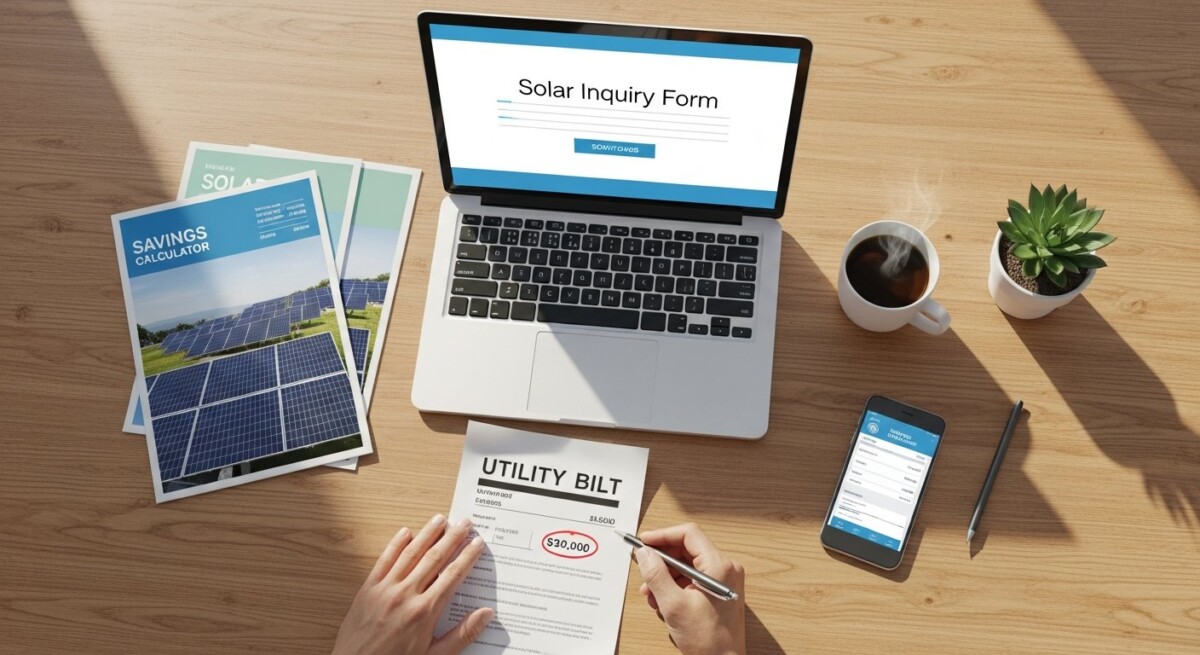
To get started, you need two key pieces of information: your average monthly kilowatt-hour (kWh) consumption and your current electricity rate. Your utility bill shows both numbers. A solar installer uses this data to design a system that offsets a portion of your energy use. The larger the system, the more of your bill it can cover,but system size also affects upfront cost.
Most quotes include a “solar savings estimate” that shows year-by-year projections. These estimates account for inflation in utility rates and the gradual degradation of solar panels. While no projection is perfect, a detailed quote helps you compare the long-term financial benefit of each option.
Key factors in the savings calculation
The three main variables in any savings calculation are system cost, available incentives, and your local electricity rates. Federal tax credits, state rebates, and net metering policies all directly impact your payback period and total savings. A trustworthy installer will explain how these factors apply to your specific situation.
Why solar energy is becoming more popular
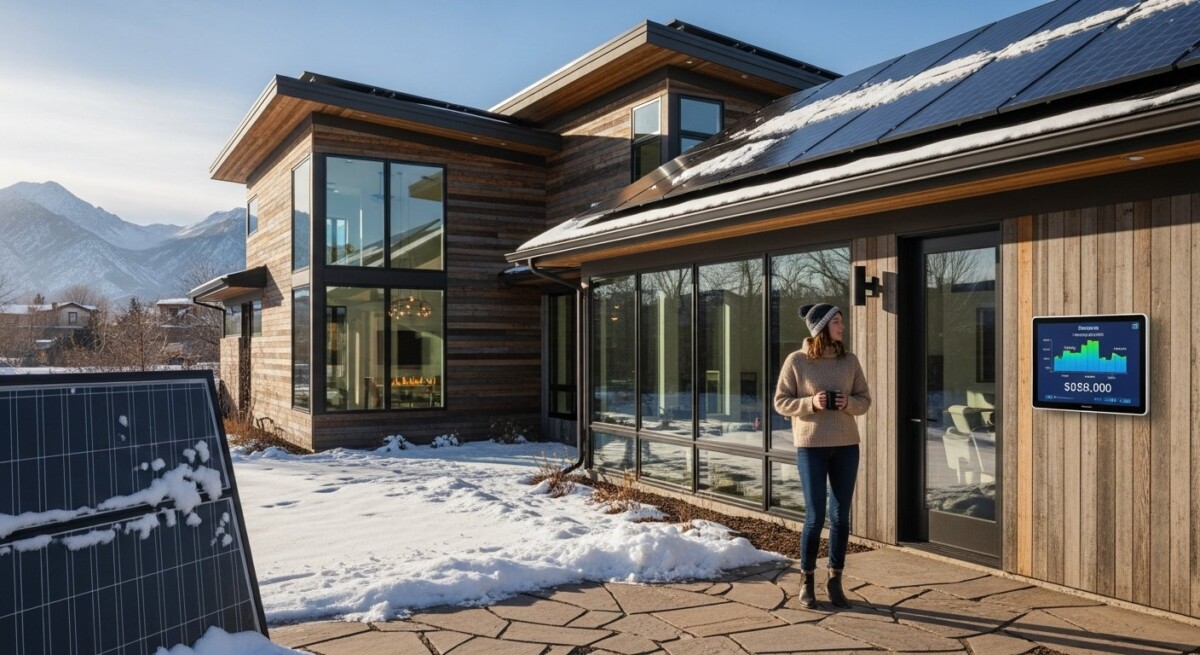
Rising electricity prices are the primary driver behind the solar boom. Over the past decade, residential electricity rates have increased steadily in most regions, and there is no sign of a reversal. Solar panels offer a hedge against these rising costs by locking in a lower, predictable rate for decades.
Environmental concerns also motivate many homeowners. Solar power produces no carbon emissions during operation, which helps reduce your household’s carbon footprint. For families who want to leave a cleaner planet for their children, solar is a tangible step.
Long-term savings are another powerful reason. Although the upfront investment can be significant, most homeowners recover their costs within six to ten years through lower electricity bills. After that point, the electricity your panels generate is essentially free, providing thousands of dollars in savings over the system’s 25- to 30-year lifespan.
If you are considering solar power for your home, comparing installation quotes can help you understand your options. Request a free solar quote or call (855) 780-1698 to learn more.
Common questions homeowners have about solar
It is normal to have questions before investing in solar. Three of the most common concerns are installation cost, roof suitability, and system performance. Homeowners want to know if the investment is worth it and whether their home is a good candidate.
Installation cost varies widely based on system size and equipment quality. A typical residential system costs between $15,000 and $25,000 before incentives. Federal and state tax credits can reduce that amount by 30% or more. Roof suitability depends on factors like age, material, shading, and orientation. A professional assessment can answer these questions with certainty.
System performance is often misunderstood. Solar panels work efficiently in most climates, not just sunny ones. Even on cloudy days, panels produce some electricity. Modern systems also include monitoring tools that let you track production in real time.
- How much does a solar system cost for an average home?
- Will solar panels work on my roof?
- How long do solar panels last?
- What happens during a power outage?
- Do I need to replace my roof before installing solar?
- Are there financing options available?
How solar panel installation works
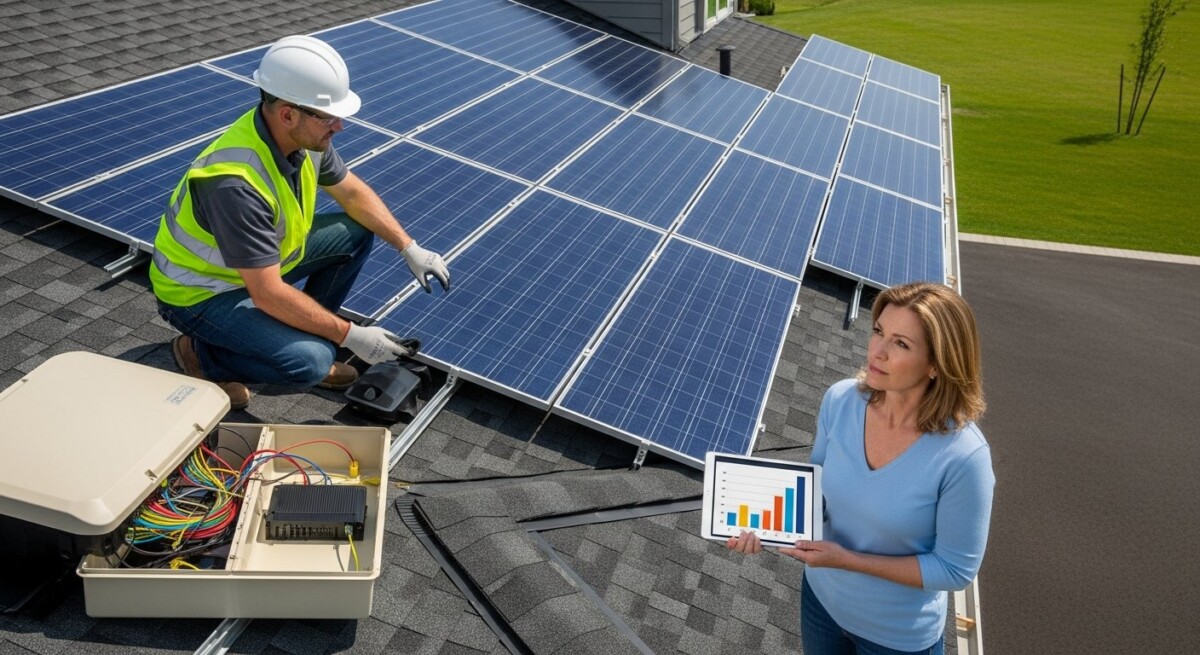
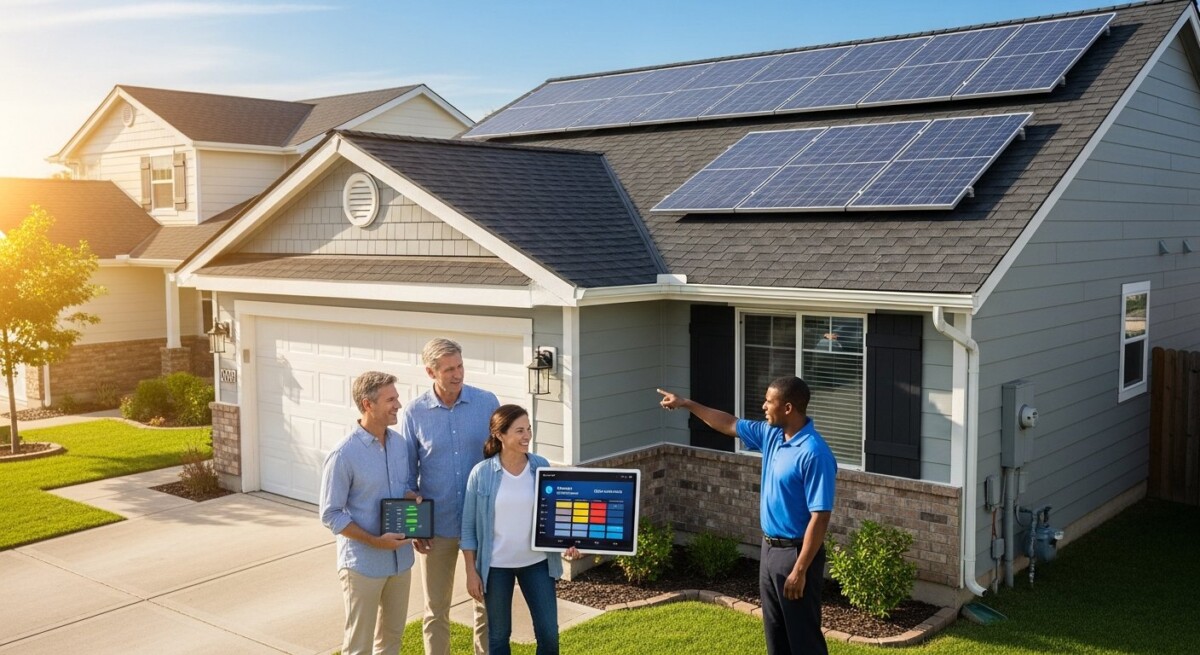
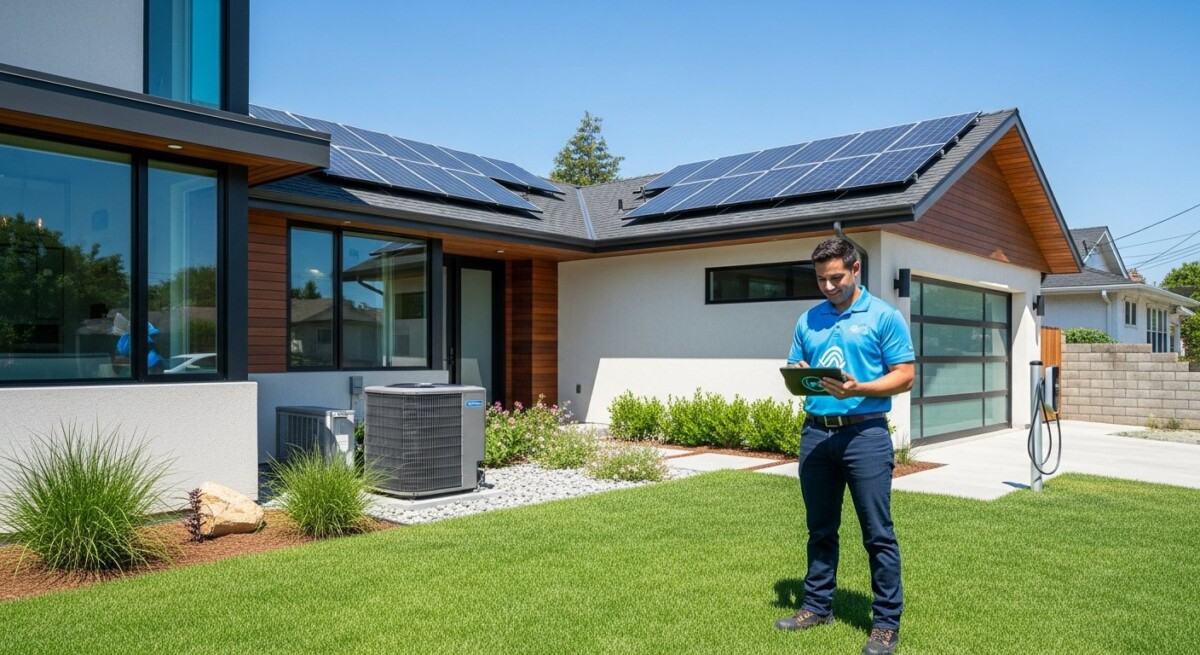
The installation process is more straightforward than most homeowners expect. It begins with a home energy assessment, where an installer reviews your electricity usage and inspects your roof. This step ensures the system is sized correctly for your needs.
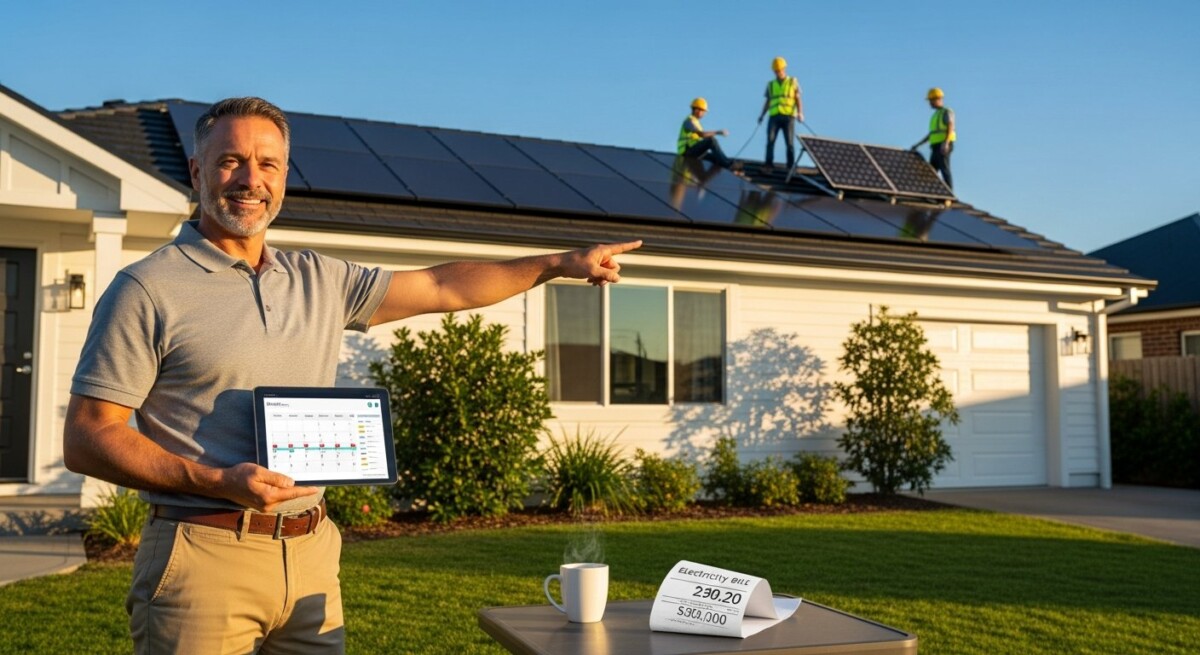
Next, the installer designs a custom system and handles all necessary permits and approvals. This paperwork can take a few weeks but is essential for connecting to the grid and qualifying for incentives. Once permits are approved, the physical installation typically takes one to three days.
After installation, a final inspection and utility approval are required before the system goes live. Once activated, you start generating your own electricity and seeing savings on your first bill. Most installers also provide ongoing monitoring and maintenance support.
- Home energy assessment and roof inspection
- Custom system design and equipment selection
- Permit applications and utility approvals
- Physical panel installation (1,3 days)
- Final inspection and system activation
Speaking with experienced installers can help you determine the best solar solution for your home. Compare solar quotes here or call (855) 780-1698 to explore available options.
Signs your home may be ideal for solar
Not every home is a perfect candidate, but many are. The best indicators are strong sunlight exposure, high electricity bills, and suitable roof space. If your roof faces south or west and receives direct sunlight for most of the day, you are likely a good candidate.
High electricity bills are actually a positive sign because they mean you have more potential savings. A larger system will offset more consumption and shorten your payback period. If you plan to stay in your home for at least five to seven years, solar becomes an even smarter investment.
Roof condition matters too. An older roof may need replacement before panels are installed. Many homeowners choose to replace their roof at the same time to avoid extra labor costs later. A professional installer can evaluate your roof and give honest advice.
- Your roof receives direct sunlight for most of the day
- Your monthly electricity bills are consistently high
- You have ample unshaded roof space
- You plan to stay in your home for at least five years
- Your roof is in good condition or due for replacement
- Your state or utility offers strong solar incentives
What affects solar installation costs
Several factors influence the final price of a solar system. System size is the most obvious,more panels mean higher upfront costs but also greater long-term savings. Equipment quality also matters. Premium panels and inverters cost more but often come with better warranties and higher efficiency.
Installation complexity can increase labor costs. A simple, south-facing roof with easy access is cheaper to install than a complex roof with multiple angles or obstructions. Local permitting fees and labor rates vary by region as well.
Government incentives and rebates significantly reduce net costs. The federal Investment Tax Credit (ITC) currently allows you to deduct 30% of the total system cost from your federal taxes. Many states and utilities offer additional rebates, performance incentives, or solar renewable energy credits (SRECs). A reliable installer will help you identify and apply for all available incentives.
The cost of solar installation varies depending on your home and energy needs. Request personalized solar quotes or call (855) 780-1698 to see what options are available.
Tips for choosing a reliable solar installer
Choosing the right installer is just as important as choosing the right equipment. A reputable company will provide transparent quotes, explain all costs and savings assumptions, and stand behind their work with solid warranties. Start by researching local installers with strong online reviews and industry certifications.
Always get multiple quotes before making a decision. Comparing proposals helps you spot inconsistencies and ensures you are getting fair pricing. Pay attention to the equipment brands, warranty terms, and the estimated energy production. A cheaper quote may use lower-quality components that degrade faster.
Check that the installer is licensed, bonded, and insured for your state. Ask for references from recent customers and follow up with them. A trustworthy installer will be happy to share this information.
- Review the installer’s experience and industry certifications
- Check warranty coverage for panels, inverters, and labor
- Read customer reviews on third-party platforms
- Compare at least three detailed quotes before signing
- Ask about financing options and leasing vs. ownership
Long-term benefits of installing solar panels
The most obvious long-term benefit is lower electricity bills. Once your system is paid off, the electricity it generates is essentially free. Over 25 years, the average homeowner saves between $20,000 and $40,000, depending on local rates and system size.
Solar panels also increase your home’s resale value. Studies show that homes with solar systems sell for a premium compared to similar homes without them. Buyers recognize the value of lower utility costs and energy independence.
On a broader scale, every solar installation reduces demand for fossil fuels and lowers greenhouse gas emissions. This environmental benefit is cumulative,the more homes that go solar, the greater the collective impact. Energy independence also means you are less vulnerable to utility rate hikes and grid disruptions.
How much can you save with solar?
While exact savings depend on your location, energy usage, and system size, most homeowners see a return on investment within 6 to 10 years. After that, the savings are pure profit. To get an accurate estimate for your home, the best approach is to gather multiple quotes and calculate the numbers yourself using the simple formula: (system cost , incentives) ÷ annual electricity savings = payback period.
Frequently asked questions
How do I calculate savings from solar quotes?
Start by comparing the estimated annual energy production (in kWh) to your current annual usage. Multiply the difference by your electricity rate. Then subtract the system cost after incentives and divide by the annual savings to estimate your payback period.
What is a good payback period for solar panels?
A payback period of 6 to 10 years is considered good for most residential systems. The exact timeline depends on your electricity rates, system cost, and available incentives.
Do solar panels work during cloudy weather?
Yes, solar panels still generate electricity on cloudy days, though at a reduced rate. Modern panels are designed to capture diffuse light. Your system will produce less power but still contribute to your energy needs.
How long do solar panels last?
Most solar panels come with a 25-year performance warranty and continue to produce electricity for 30 years or more. Their efficiency gradually decreases over time, typically by about 0.5% per year.
Can I install solar panels myself to save money?
DIY solar installation is possible but not recommended for most homeowners. Improper installation can void warranties, create safety hazards, and cause you to miss out on incentives. Professional installers ensure the system works safely and efficiently.
What happens if I move after installing solar?
If you own your system, it can increase your home’s resale value. If you lease the system, the new owner may need to take over the lease. It is important to understand your contract before installing.
Are solar panels worth it in 2025?
Yes, with the federal tax credit at 30% and electricity rates continuing to rise, solar remains a strong financial investment for most homeowners. The key is to compare quotes and choose a system that fits your needs.
How much does a solar system cost after incentives?
The average cost after the federal tax credit is between $10,500 and $17,500 for a typical home system. State and local incentives can reduce that further. Getting multiple quotes helps you find the best deal.
Understanding how to calculate savings from solar quotes puts you in control of your energy future. By comparing multiple proposals, evaluating equipment quality, and factoring in incentives, you can choose a system that delivers real financial and environmental benefits. The journey begins with a single step,requesting your first quote and seeing what solar can do for your home.