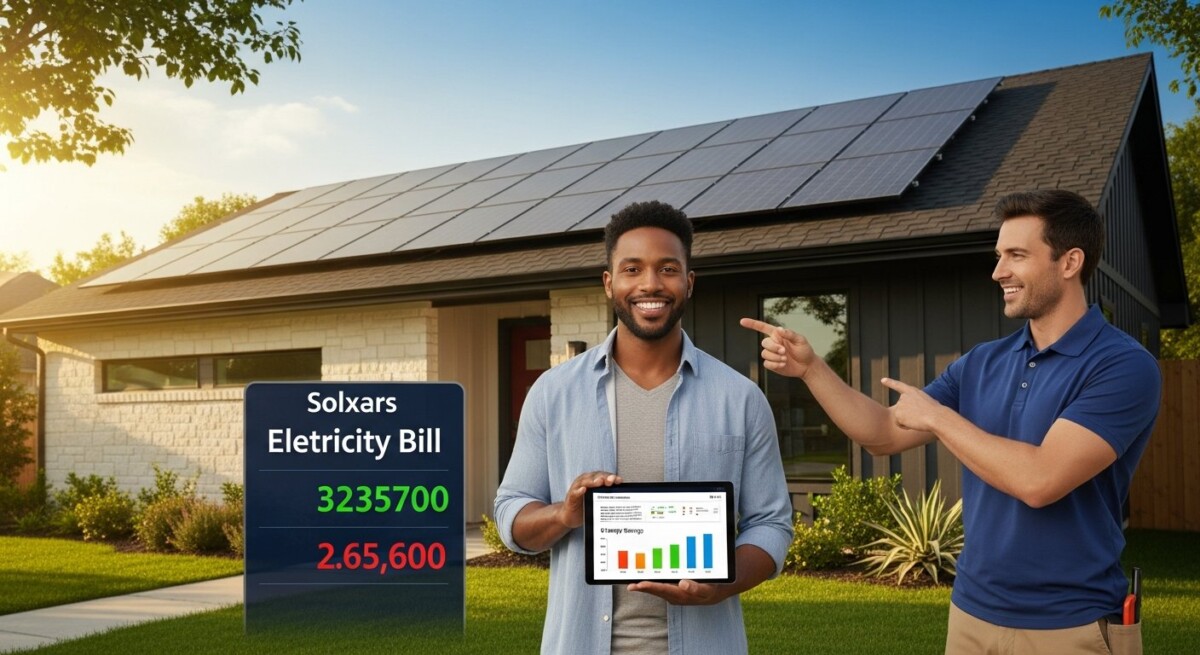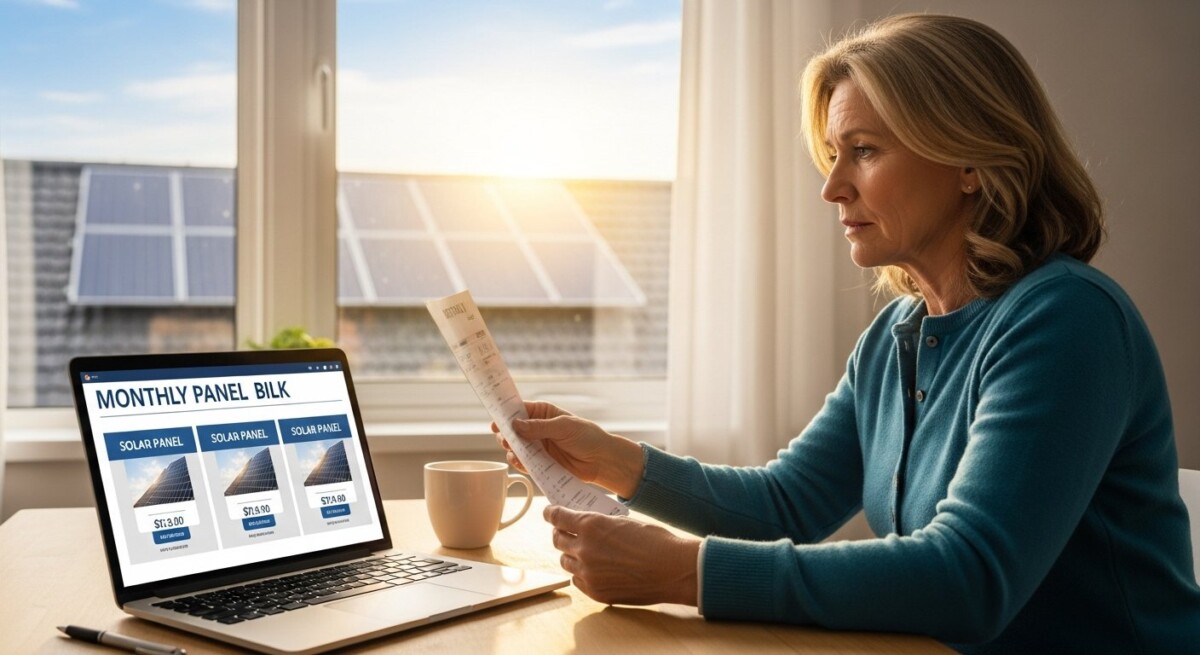
Every month, you open your electricity bill and wonder if there is a better way. Rising energy costs have pushed many homeowners to search for a solar installation quote comparison as a practical step toward lower bills and greater control over their power use. The idea of reducing your dependence on the grid while doing something good for the planet has never been more appealing.
Solar energy is no longer a futuristic concept. It is a proven home improvement that can save you thousands of dollars over the life of your roof. By comparing quotes from different installers, you can find a system that fits your budget, your home, and your energy goals without overpaying for equipment you do not need.
This guide will walk you through everything you need to know about solar installation quote comparison so you can make an informed decision with confidence.
Understanding Solar Installation Quote Comparison
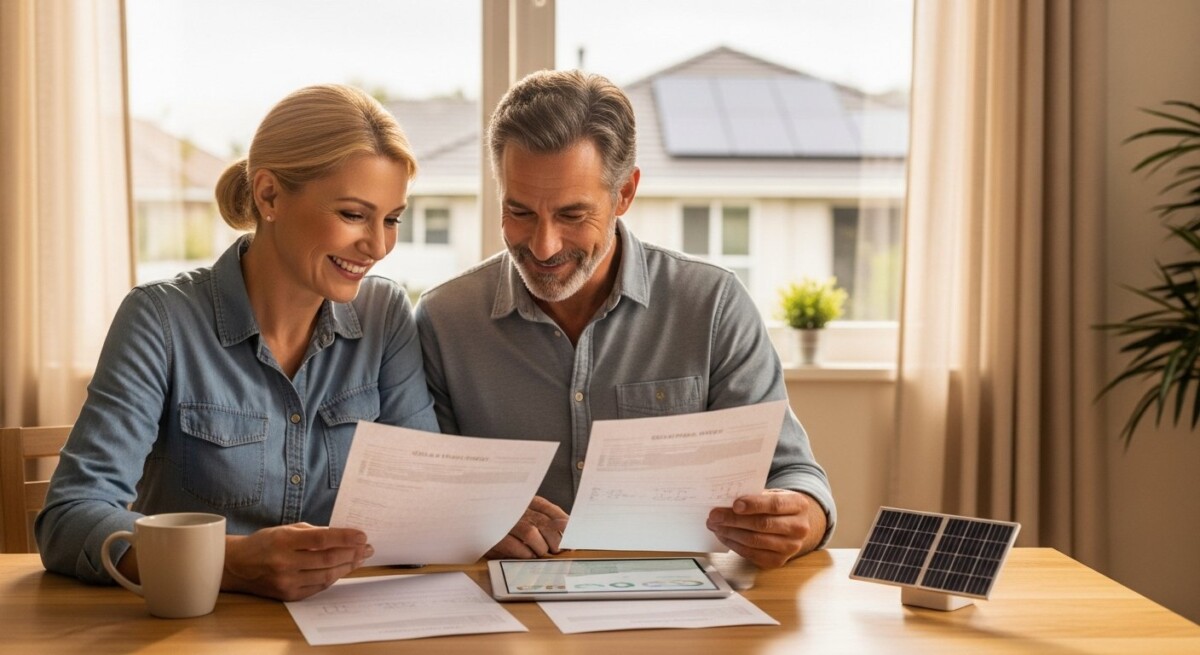
Comparing solar installation quotes means gathering price estimates and system proposals from multiple licensed solar companies before you make a purchase. Each quote outlines the cost of equipment, labor, permits, and any warranties. The goal is to see which installer offers the best value, not just the lowest price.
Think of it like shopping for a new car or a major appliance. You would not buy the first one you see without checking what else is available. The same logic applies to solar. A thorough comparison helps you understand what a fair price looks like and which company you can trust to do the job right.
More homeowners are turning to this approach because solar systems vary widely in quality, efficiency, and cost. A quote that seems cheap might use outdated panels or offer poor customer support. In our guide on how to review solar installation proposals for bigger savings, we explain how to spot the differences and avoid hidden fees.
Why Solar Energy Is Becoming More Popular
Electricity rates have risen steadily over the past decade, and they show no sign of slowing down. For many families, solar panels offer a way to lock in a lower, predictable energy cost for 25 years or more. That kind of financial stability is hard to ignore.
Environmental concerns also play a big role. Solar power produces clean energy without emitting carbon dioxide or other pollutants. Homeowners who care about climate change see solar as a direct way to shrink their carbon footprint while still enjoying modern comforts.
Long-term savings are the biggest driver. Most solar systems pay for themselves within 6 to 10 years through reduced electricity bills. After that, the electricity your panels produce is essentially free, which can add up to tens of thousands of dollars in savings over the system’s lifetime.
If you are considering solar power for your home, comparing installation quotes can help you understand your options. Request a free solar quote or call to learn more.
Common Questions Homeowners Have About Solar
It is normal to have questions before making a big investment. Many homeowners worry about the upfront cost of solar panels and whether the system will really perform as promised. Others wonder if their roof is suitable or if they need a battery backup.
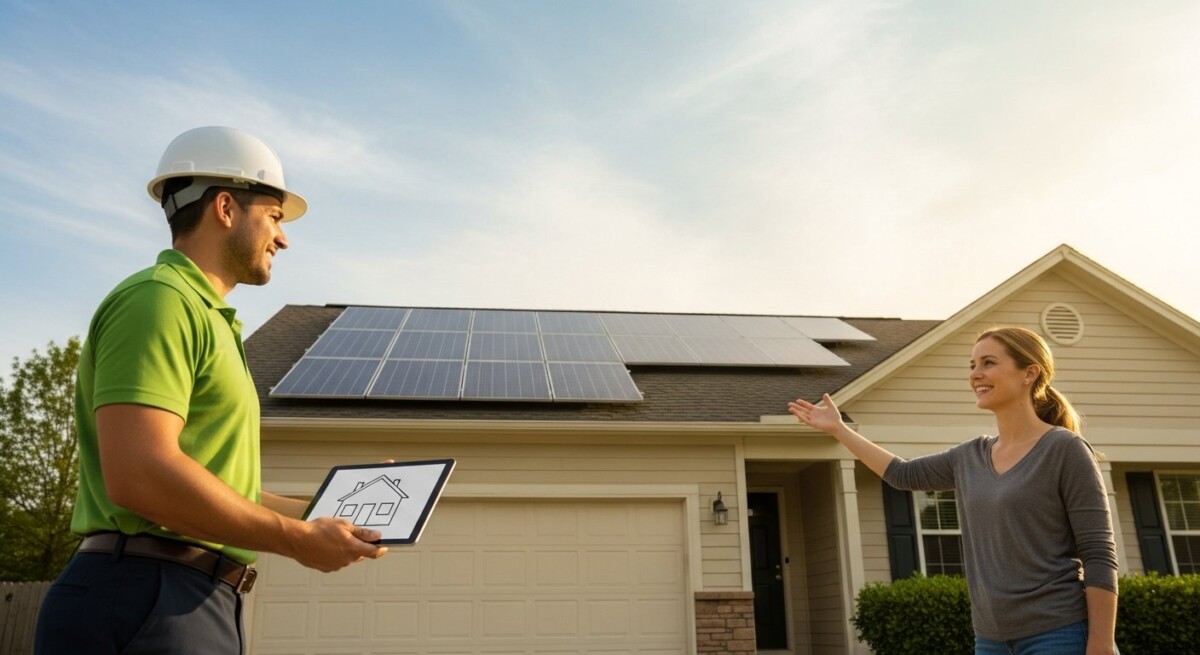
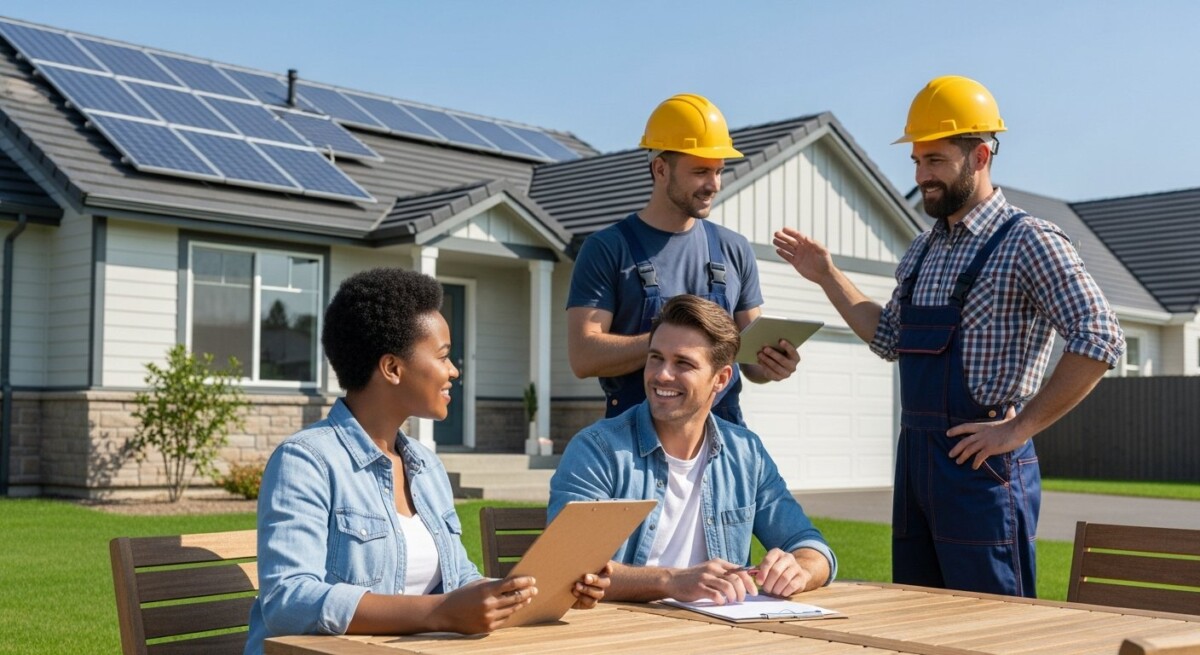
Professional installers are trained to answer these questions during a free consultation. They can assess your roof’s orientation, shading, and structural integrity. They can also explain how net metering works in your area, which allows you to sell excess power back to the grid.
Here are some of the most common questions homeowners ask:
- How much does a typical solar system cost?
- Will solar panels work on a shaded roof?
- How long does installation take?
- What happens during a power outage?
- Do I need to replace my roof first?
- How much can I really save on my electric bill?
How Solar Panel Installation Works
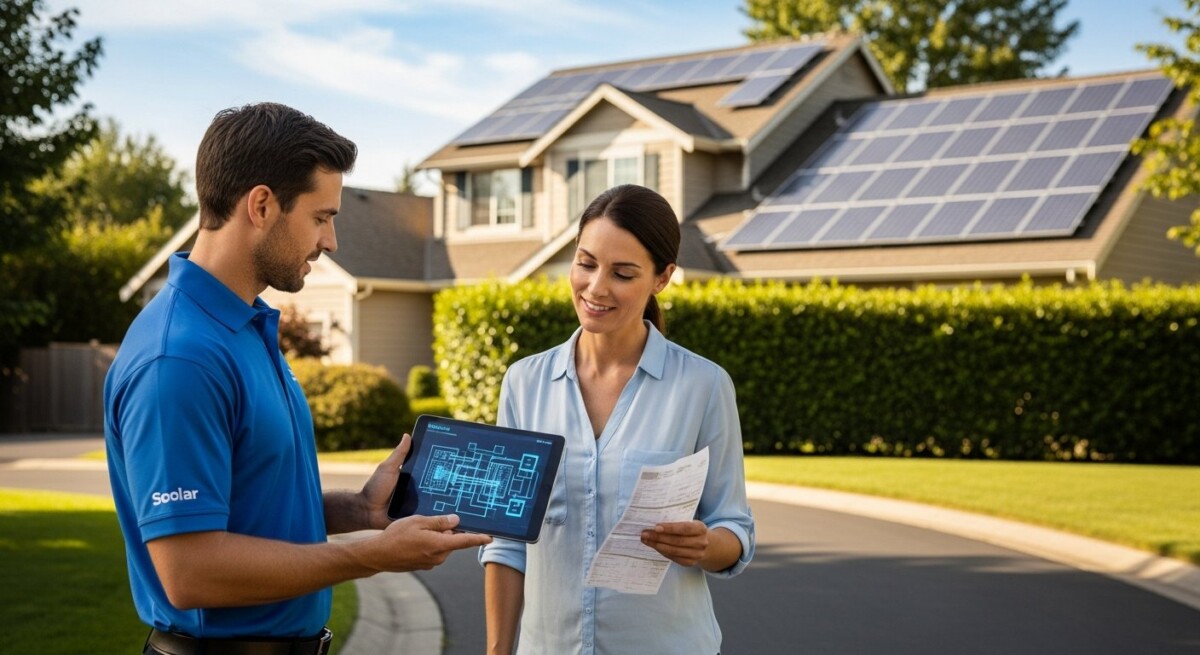
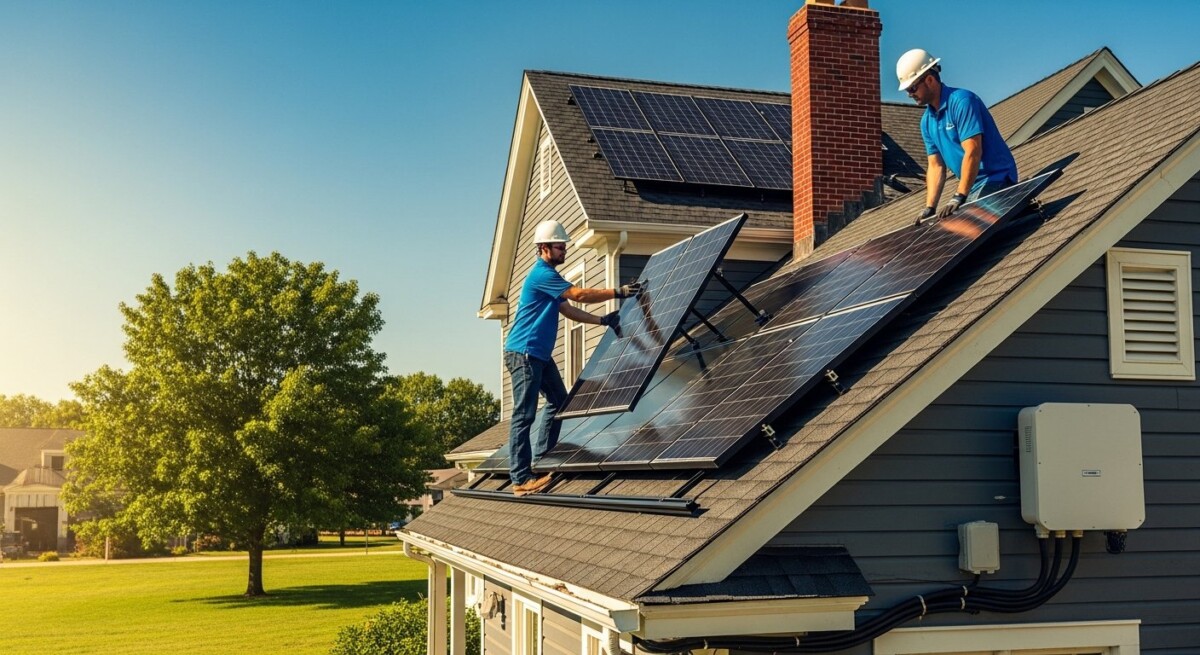
The installation process is more straightforward than most people think. It begins with a home energy assessment where an installer reviews your past electric bills and examines your roof. This step ensures the system is sized correctly for your actual usage.
Next, the company designs a custom solar array and handles all necessary permits and approvals from your local utility and building department. This paperwork can be tedious, but a good installer manages it for you. Once permits are approved, the physical installation usually takes one to three days.
Here are the main steps in the process:
- Home energy assessment and roof inspection
- System design and equipment selection
- Permitting and utility approvals
- Panel mounting and wiring installation
- System activation and final inspection
Speaking with experienced installers can help you determine the best solar solution for your home. Compare solar quotes here or call to explore available options.
Signs Your Home May Be Ideal for Solar
Not every home is perfectly suited for solar, but many are. The best candidates have a roof that faces south, west, or east with little to no shade from trees or nearby buildings. A pitch between 15 and 40 degrees is also ideal for capturing maximum sunlight.
High electricity bills are another strong indicator. If you pay more than $100 per month on average, solar can likely reduce that amount significantly. Homeowners who plan to stay in their house for at least five to seven years also benefit most because that is the typical payback period.
Here are signs that your home is a good fit for solar panels:
- Strong, direct sunlight on your roof for most of the day
- Monthly electric bills above $100
- A roof in good condition with at least 10 years of life remaining
- Enough unshaded roof space to fit the system you need
- Plans to stay in your home for at least five more years
What Affects Solar Installation Costs
The price of a solar system depends on several factors. System size is the biggest variable, measured in kilowatts (kW). A larger home with higher energy use will need more panels, which increases the total cost. Equipment quality also matters, premium panels and inverters cost more but often produce more power and last longer.
Installation complexity can drive up labor costs. A simple roof with easy access and standard shingles is cheaper to work on than a complex tile or slate roof. Local incentives, such as the federal solar tax credit, state rebates, and net metering policies, can reduce your out-of-pocket cost by thousands of dollars.
The cost of solar installation varies depending on your home and energy needs. Request personalized solar quotes or call to see what options are available.
Tips for Choosing a Reliable Solar Installer
Choosing the right installer is just as important as choosing the right equipment. A reputable company will have proper licensing, insurance, and a track record of satisfied customers. They should also offer strong warranties on both the panels and the workmanship.
Reading online reviews and asking for references can give you a clear picture of what it is like to work with a company. Take note of how they communicate during the quoting process. If they are pushy, vague, or slow to respond, that is a red flag.
Here are practical tips for vetting solar installers:
- Verify the company’s license and insurance credentials
- Ask about equipment warranties (typically 25 years for panels)
- Read recent customer reviews on Google and the Better Business Bureau
- Get at least three detailed quotes before deciding
- Ask how they handle maintenance and future repairs
Long-Term Benefits of Installing Solar Panels
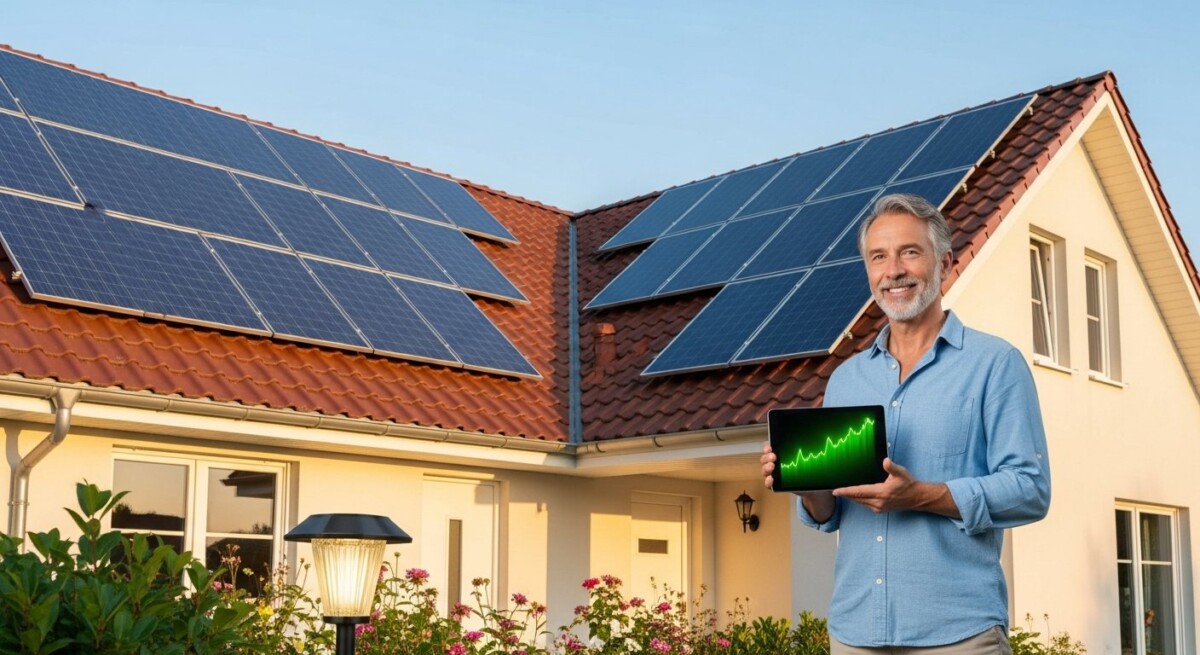
The most obvious benefit is lower electricity bills. Once your panels are paid off, the power they generate is essentially free for the rest of their lifespan. Many homeowners see their monthly electric bill drop by 50 to 90 percent, depending on system size and local sun exposure.
Solar panels also increase your home’s resale value. Studies show that homes with solar sell for a premium compared to similar homes without it. Buyers recognize the long-term savings and are often willing to pay more for a property with lower utility costs.
Energy independence is another powerful advantage. By generating your own power, you protect yourself from future rate hikes and grid instability. And because solar is clean energy, every kilowatt-hour you produce helps reduce the demand for fossil fuels, cutting greenhouse gas emissions in your community.
Frequently Asked Questions
How do I compare solar installation quotes effectively?
Start by looking at the total system cost, equipment quality, and warranty terms. Also compare the estimated energy production each installer predicts for your roof. The lowest price is not always the best deal if the panels are less efficient or the warranty is short.
What is the average cost of solar panel installation?
Nationally, the average cost for a residential solar system ranges from $15,000 to $25,000 before tax credits. The final price depends on system size, equipment choices, and your location. The federal tax credit currently covers 30 percent of the total cost.
How long does it take for solar panels to pay for themselves?
Most homeowners see a payback period of 6 to 10 years. This depends on your electricity rates, system cost, and available incentives. After the payback period, the electricity your panels produce is essentially free.
Will solar panels work during a power outage?
Standard grid-tied solar systems shut down during a power outage for safety reasons. If you want backup power during blackouts, you need a solar battery system like the Tesla Powerwall or Enphase IQ Battery. Batteries add to the upfront cost but provide energy independence.
Do I need to clean my solar panels regularly?
In most areas, rain is enough to keep panels clean. If you live in a dusty region or have heavy pollen, occasional rinsing with a garden hose can help. Most installers recommend an annual inspection to ensure the system is running efficiently.
What happens to solar panels at the end of their life?
Solar panels typically last 25 to 30 years with gradual performance decline. At end of life, they can be recycled. Many manufacturers have take-back programs, and recycling facilities are becoming more common across the United States.
Can I install solar panels myself to save money?
DIY solar installation is possible but not recommended for most homeowners. Permitting, electrical work, and roof sealing require professional expertise. Mistakes can void warranties, create safety hazards, and cost more to fix than hiring a pro.
How many solar panels do I need for my home?
The number of panels depends on your average monthly electricity usage, roof space, and panel efficiency. A typical home needs between 15 and 25 panels. An installer will calculate the exact number during a free energy assessment.
Taking the time to compare quotes from multiple installers is the smartest way to invest in solar energy. Each proposal gives you a clearer picture of what is possible for your home and your budget. With the right system and a trustworthy installer, you can start saving on electricity bills, reduce your carbon footprint, and gain greater control over your energy future.
If you are ready to explore your options, begin by requesting quotes from several licensed providers. Compare the equipment, pricing, and warranties side by side. The effort you put into solar installation quote comparison today will pay off in lower bills and peace of mind for decades to come.