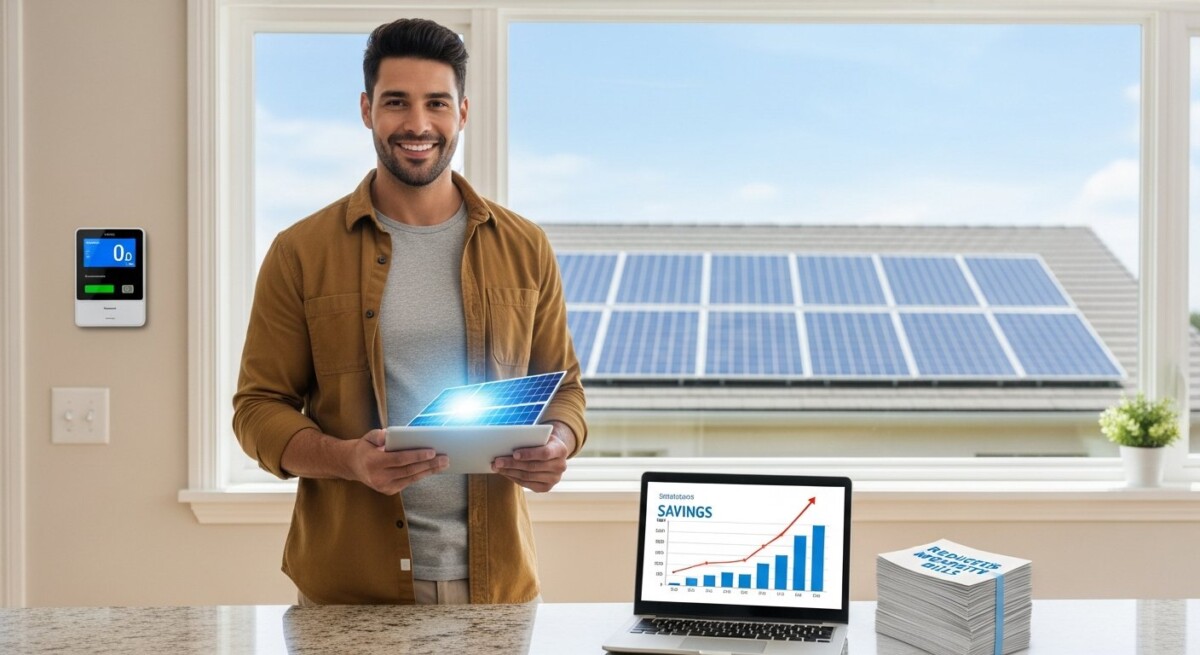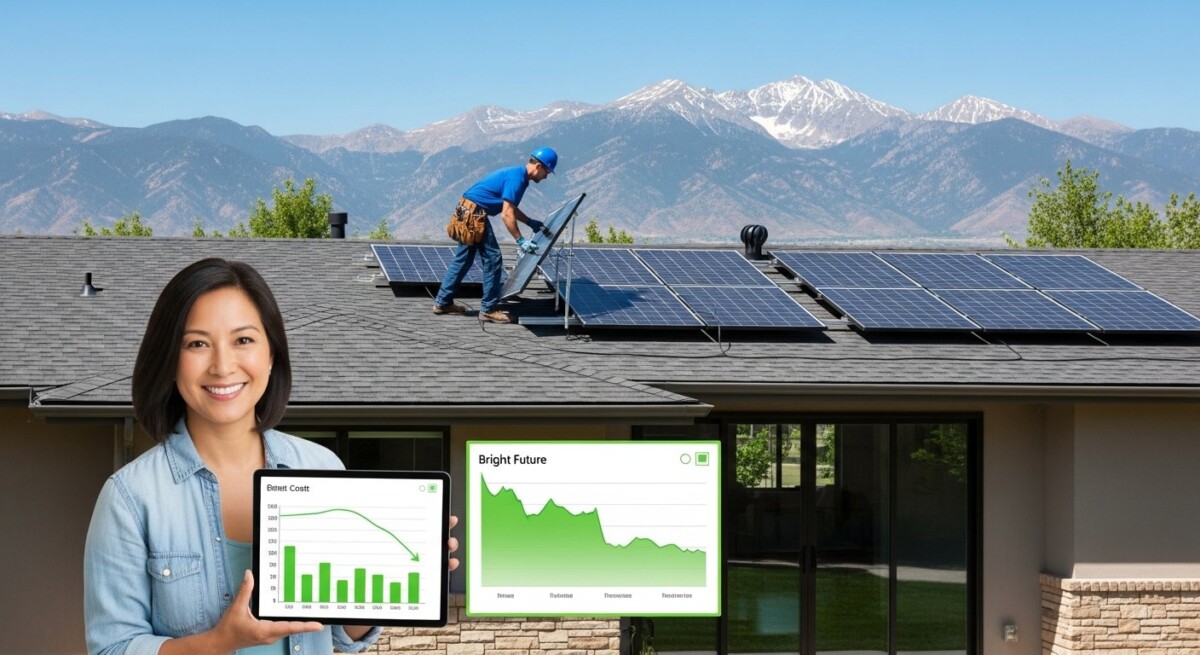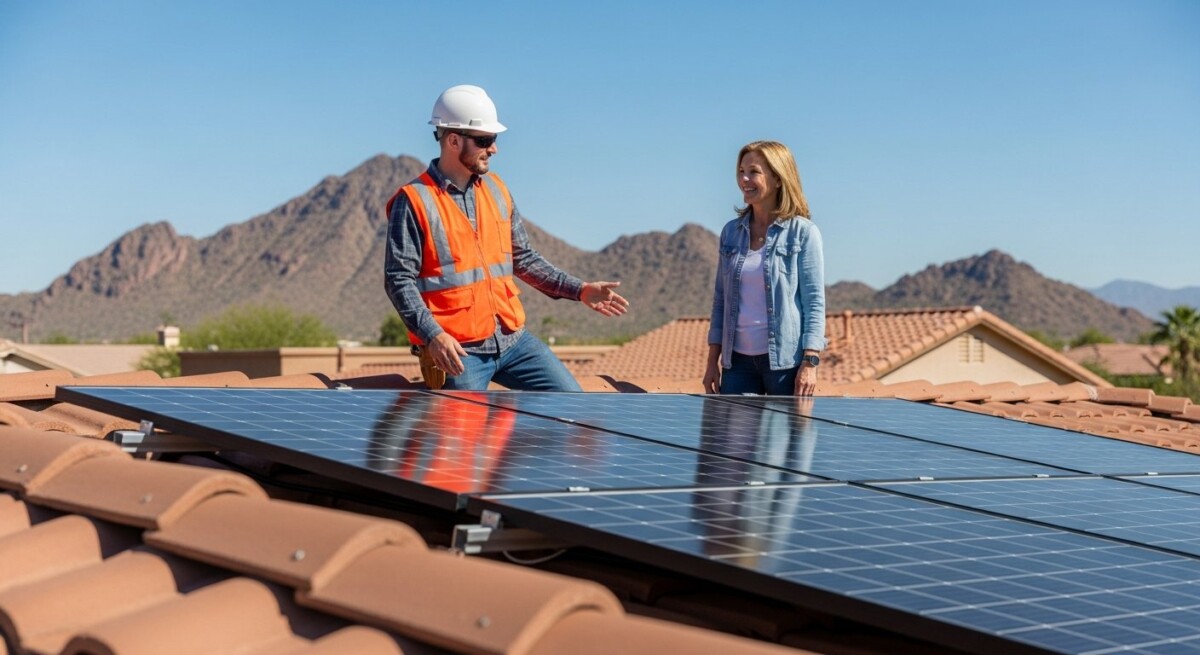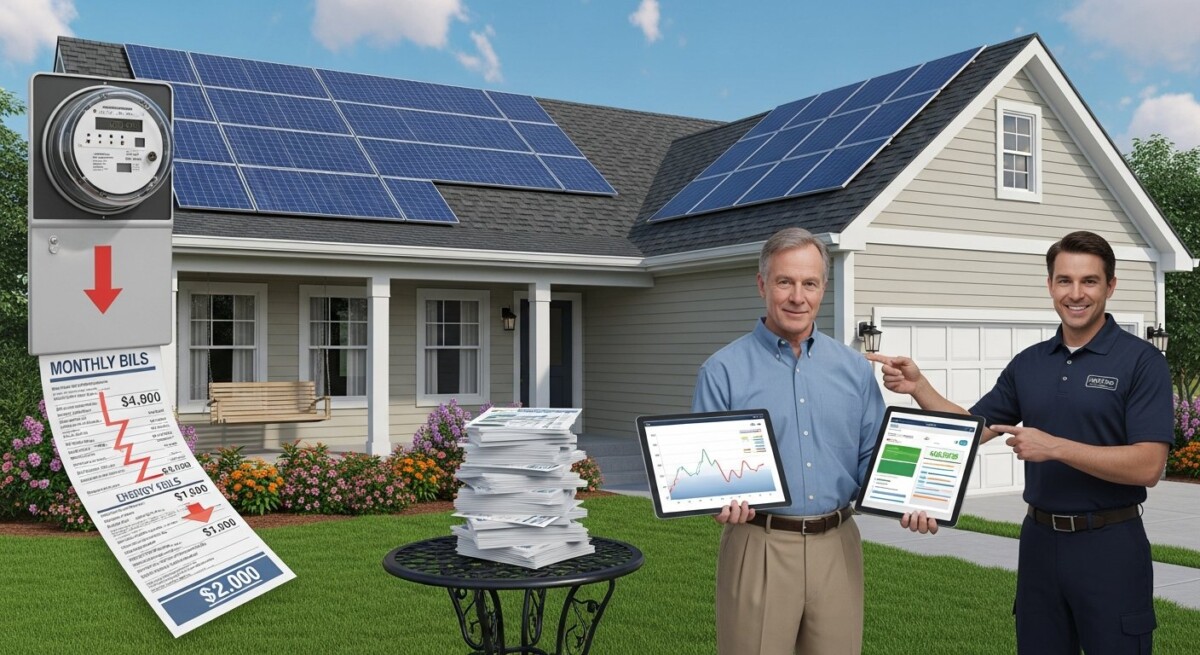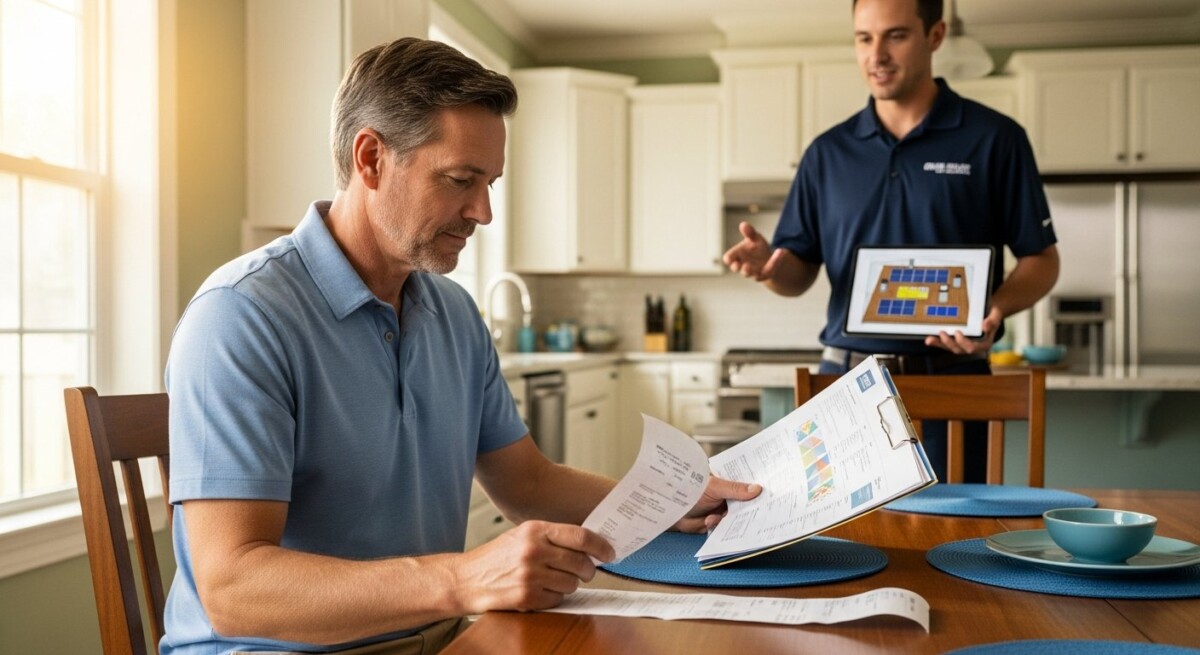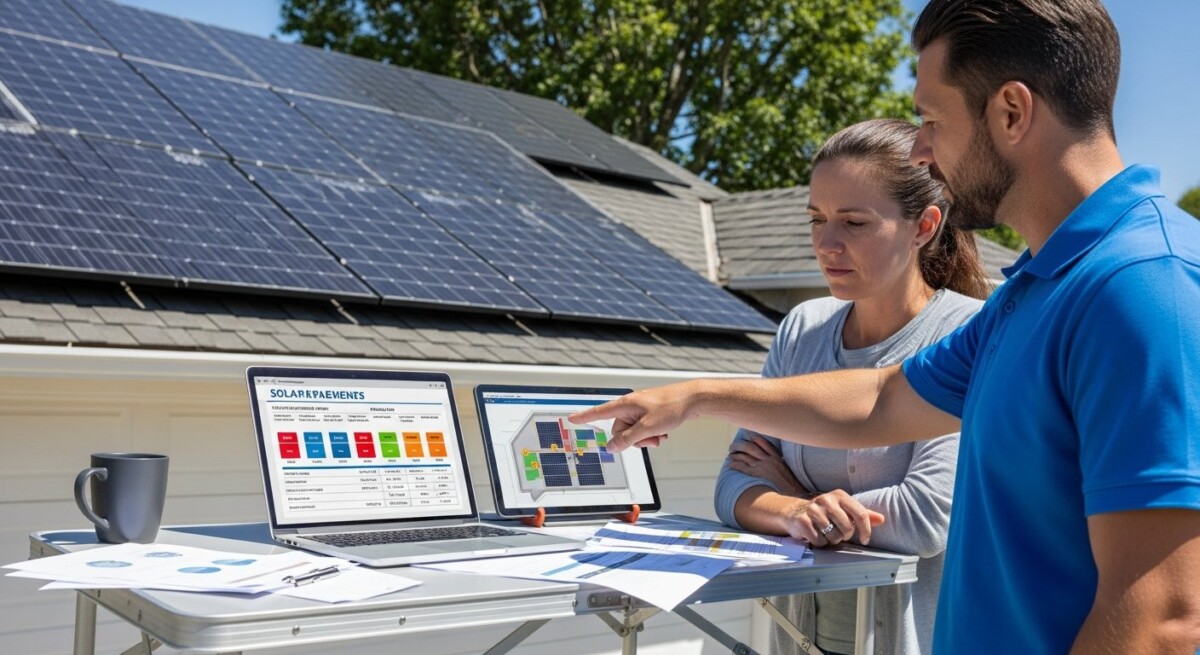
You’ve seen the ads and heard the buzz about solar power. Your neighbor just got panels installed, and your monthly electricity bill keeps climbing higher. So you start searching online for solar options, only to find that every quote you receive is different,sometimes by thousands of dollars. This confusion is completely normal, and understanding why solar estimates vary is the first step toward making a smart investment that lowers your energy bills for decades.
When homeowners begin researching solar panel installation, they quickly discover that prices range widely from one company to the next. Some quotes include premium equipment and full-service warranties, while others offer bare-bones systems at a lower upfront cost. The key is learning what drives these differences so you can compare apples to apples and choose the system that delivers the best long-term savings for your home.
Understanding Why Solar Estimates Vary
At its core, a solar estimate is a prediction of how much energy a system will produce and how much it will cost to install. Every home is unique, and every solar company approaches the process a little differently. Factors like your roof’s angle, shading from trees, local electricity rates, and available incentives all influence the final number.
Professional installers use advanced software to model your home’s solar potential. They consider your historical energy usage, the direction your roof faces, and even weather patterns in your area. Because each installer may use different assumptions or equipment brands, their estimates can vary significantly. Why solar estimates vary often comes down to these technical details and the quality of components being offered.
How Solar Systems Are Designed for Your Home
A solar system isn’t a one-size-fits-all product. Installers design a custom array of panels sized to offset a percentage of your electricity consumption. Some homeowners want to cover 100% of their usage, while others aim for a partial offset to stay within a budget. The number of panels, the efficiency of the inverters, and the type of mounting hardware all affect the final estimate.
Higher-efficiency panels cost more upfront but generate more power in limited roof space. Lower-cost panels may require more square footage to achieve the same output. When you receive multiple quotes, you are essentially seeing different design philosophies,some focused on maximizing savings, others on minimizing the initial price tag.
Why Solar Energy Is Becoming More Popular
Rising electricity costs are the number one reason homeowners turn to solar. Utility rates have increased steadily over the past decade, and in many states, they continue to climb each year. Solar panels give you a way to lock in a lower, predictable energy cost for the life of the system,typically 25 years or more.
Environmental concerns also play a major role. Solar energy produces no greenhouse gas emissions during operation, reducing your household’s carbon footprint. Many homeowners feel good about contributing to a cleaner planet while also protecting themselves from future rate hikes.
Long-term savings are the real game-changer. Although the upfront investment can seem large, most solar systems pay for themselves within 6 to 10 years through reduced electricity bills. After that, the power your panels generate is essentially free, delivering thousands of dollars in savings over the system’s lifetime.
If you are considering solar power for your home, comparing installation quotes can help you understand your options. Request a free solar quote or call to learn more.
Common Questions Homeowners Have About Solar
Before making a decision, most homeowners have a list of concerns. Installation cost is usually at the top. The good news is that federal tax credits, state rebates, and net metering programs can reduce the net cost by 30% or more. Your roof’s suitability is another big question. South-facing roofs with little shade are ideal, but east and west-facing roofs can also work well with the right design.
System performance is a common worry. Solar panels are built to last, and most come with 25-year performance warranties. They require minimal maintenance,just occasional cleaning and annual inspections. Here are a few other questions homeowners frequently ask:
- Will solar work during cloudy days or winter? Yes, panels still generate power in diffused light, though output is lower than in full sun.
- How long does installation take? Most residential installations are completed in one to three days, depending on system size and roof complexity.
- Do I need a battery? Batteries are optional but provide backup power and greater energy independence.
- What happens if I move? Solar panels can increase home resale value, and some systems are transferable to new owners.
- Are there financing options? Yes, many installers offer loans, leases, and power purchase agreements (PPAs) with little or no money down.
- How do I know if an installer is reputable? Look for certifications, read customer reviews, and compare multiple quotes before signing.
How Solar Panel Installation Works
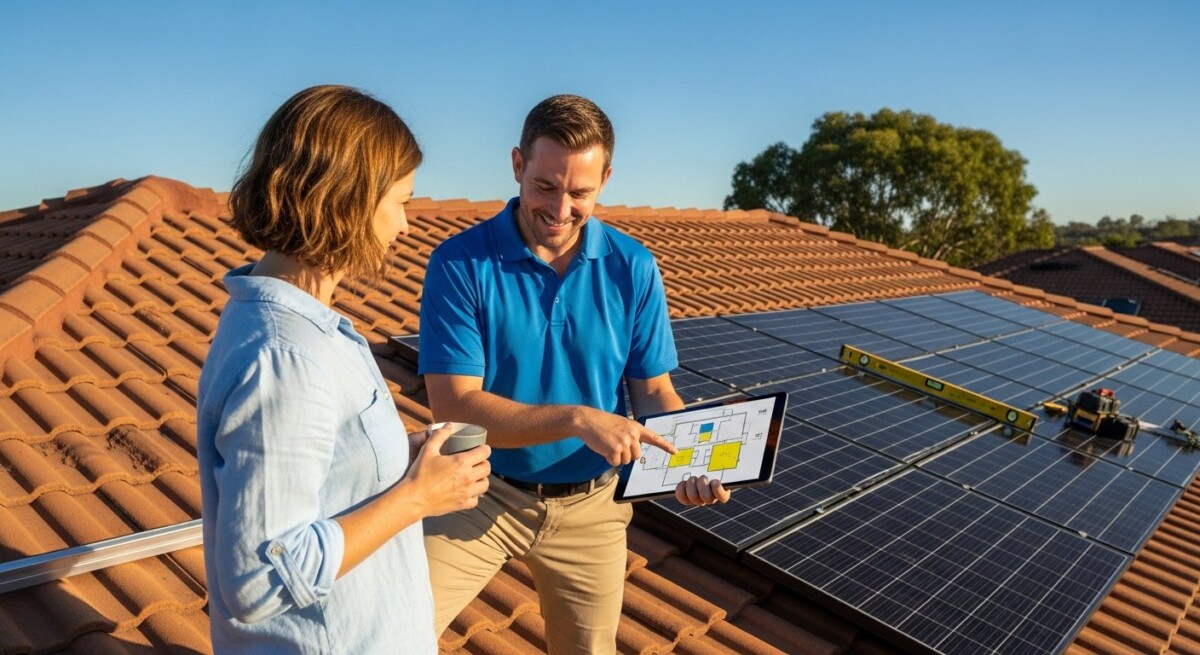
The installation process is straightforward when you work with an experienced professional. It begins with a home energy assessment, where the installer reviews your electricity bills, inspects your roof, and measures sunlight exposure. This data is used to design a system tailored to your specific needs.
Once the design is finalized, the installer handles all necessary permits and approvals from your local government and utility company. This step can take a few weeks but ensures your system meets safety and grid connection standards. Here are the main steps in order:
- Home energy assessment , Review your usage and roof condition.
- System design , Customize panel layout and equipment selection.
- Permits and approvals , Obtain building and electrical permits.
- Panel installation , Mount panels, connect wiring, and set up inverters.
- System activation , Final inspection, utility approval, and turning the system on.
Speaking with experienced installers can help you determine the best solar solution for your home. Compare solar quotes here or call to explore available options.
Signs Your Home May Be Ideal for Solar
Not every home is perfectly suited for solar, but many are. The most important factor is sunlight exposure. If your roof gets direct sun for most of the day,especially between 9 a.m. and 3 p.m.,you have strong solar potential. Trees or buildings that cast heavy shade can reduce output, but trimming branches or adjusting panel placement often solves the problem.
High electricity bills are another clear indicator. If you pay more than $100 per month on average, solar can likely save you money. Suitable roof space is also critical. A typical system needs about 300 to 500 square feet of unobstructed roof area. Here are signs that your home is a good candidate:
- Your roof receives strong sunlight for at least four to five hours per day.
- Your monthly electricity bills are consistently high.
- You have adequate roof space facing south, east, or west.
- Your roof is in good condition and less than 10 years old.
- You plan to stay in your home for at least five to seven years.
- Your local utility offers net metering or other solar incentives.
What Affects Solar Installation Costs
Several factors drive the price of a solar system. System size is the most obvious,more panels mean higher upfront costs but greater energy production. Equipment quality also matters. Premium panels from brands like SunPower or LG cost more but offer higher efficiency and longer warranties. Budget panels are cheaper but may degrade faster or produce less power over time.
Installation complexity can add to the cost. A simple, single-story roof with asphalt shingles is quick and inexpensive to work on. Complex roofs with tiles, slate, or multiple angles require more labor and specialized hardware. Local incentives also play a role. Some states offer generous rebates or tax credits that lower the net price significantly. Free solar estimates from multiple installers will help you see how these factors apply to your home.
The cost of solar installation varies depending on your home and energy needs. Request personalized solar quotes or call to see what options are available.
Tips for Choosing a Reliable Solar Installer
Choosing the right installer is just as important as choosing the right equipment. A reputable company will guide you through the process, handle permits, and stand behind their work. Start by checking that the installer is licensed, bonded, and insured in your state. Certifications from the North American Board of Certified Energy Practitioners (NABCEP) are a strong indicator of expertise.
Warranties matter. Look for a comprehensive warranty that covers the panels, inverters, and workmanship for at least 10 to 25 years. Customer reviews on platforms like Google, Yelp, and the Better Business Bureau can reveal how a company treats its clients. Here are practical tips to keep in mind:
- Review the installer’s experience,how many years have they been in business?
- Check warranty details for both equipment and labor.
- Read recent customer reviews and ask for references.
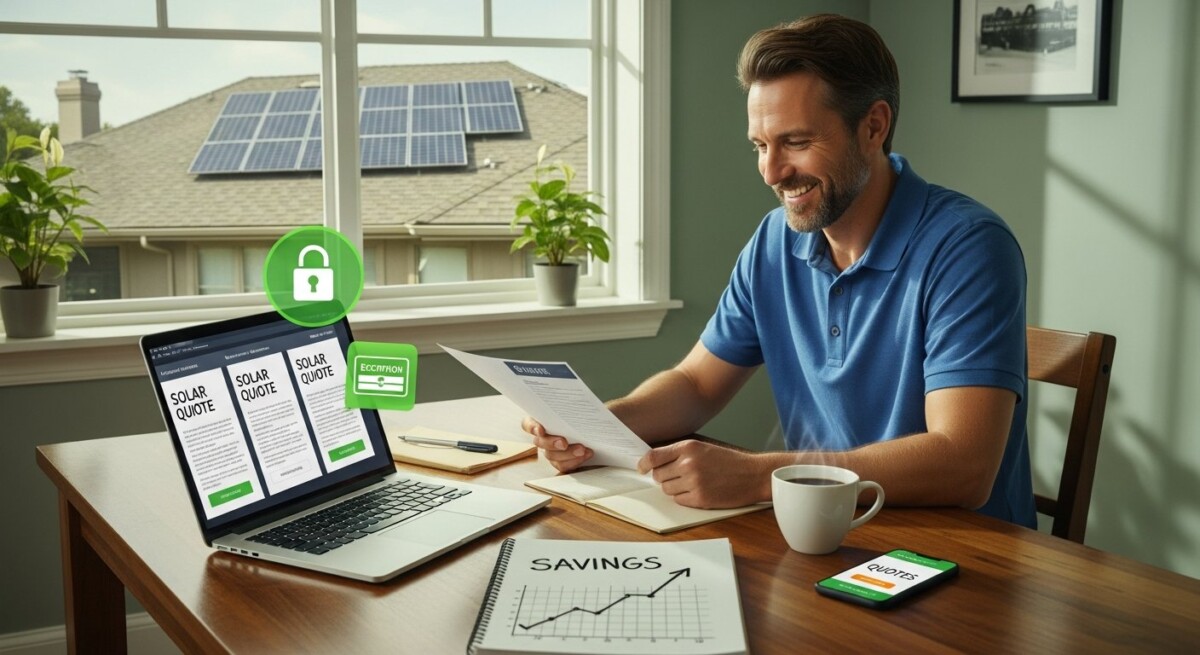
- Compare at least three quotes to understand pricing differences.
- Ask about financing options and whether they offer any guarantees.
- Verify that the company handles all permits and inspections.
Long-Term Benefits of Installing Solar Panels
The most obvious benefit is lower electricity bills. Once your system is paid off, the power it generates costs you nothing. Over 20 or 25 years, that can add up to tens of thousands of dollars in savings. Solar panels also increase your home’s value. Studies show that homes with solar sell for a premium compared to similar homes without it.
Beyond financial gains, solar offers energy independence. You become less vulnerable to utility rate increases and power outages,especially if you pair your system with battery storage. Environmentally, every kilowatt-hour of solar power reduces reliance on fossil fuels. Installing solar is one of the most impactful steps a homeowner can take to fight climate change while saving money.
Frequently Asked Questions
Why do solar estimates vary so much between companies?
Estimates vary because each installer uses different equipment, design assumptions, and pricing models. Some companies include premium panels and full warranties, while others offer lower-cost options. Comparing multiple quotes helps you see what each company includes and choose the best value for your home.
How much can I save on my electricity bill with solar panels?
Savings depend on your local electricity rates, system size, and sunlight exposure. Most homeowners reduce their electric bills by 50% to 90%, and many achieve net-zero energy usage. Over 25 years, typical savings range from $20,000 to $50,000 or more.
What is the federal tax credit for solar in 2025?
The federal Investment Tax Credit (ITC) allows you to deduct 30% of your solar installation costs from your federal taxes. This credit applies to systems installed through 2032, then steps down in later years. State and local incentives may further reduce your net cost.
How long do solar panels last?
Solar panels typically last 25 to 30 years, with most manufacturers offering performance warranties that guarantee at least 80% output after 25 years. Many panels continue producing power well beyond that period, though at a slightly reduced efficiency.
Do I need to replace my roof before installing solar?
If your roof is more than 15 years old or has significant damage, it’s wise to replace it before installing panels. Removing and reinstalling panels later adds cost. A professional installer will inspect your roof and advise you during the initial assessment.
Can I install solar panels myself to save money?
DIY solar installation is possible but not recommended for most homeowners. Professional installers ensure proper wiring, permits, and safety compliance. Incorrect installation can void warranties, create fire hazards, and prevent you from qualifying for incentives and net metering.
What happens to solar panels during a power outage?
Standard grid-tied solar systems shut off during a power outage to protect utility workers. If you want backup power, you need a battery storage system like the Tesla Powerwall or LG Chem. Batteries store excess energy for use when the grid goes down.
How do I find the best solar installer in my area?
Start by getting multiple quotes from licensed, insured installers with good reviews. Check their NABCEP certification, warranty terms, and customer feedback. Using a comparison service like FreeSolarPowerQuotes can connect you with vetted professionals in your area.
Understanding why solar estimates vary is the key to making a confident, informed decision. By comparing multiple quotes and working with experienced installers, you can find a system that fits your budget, reduces your electricity bills, and delivers reliable clean energy for decades. Take the first step today by exploring your solar options and seeing how much you could save.