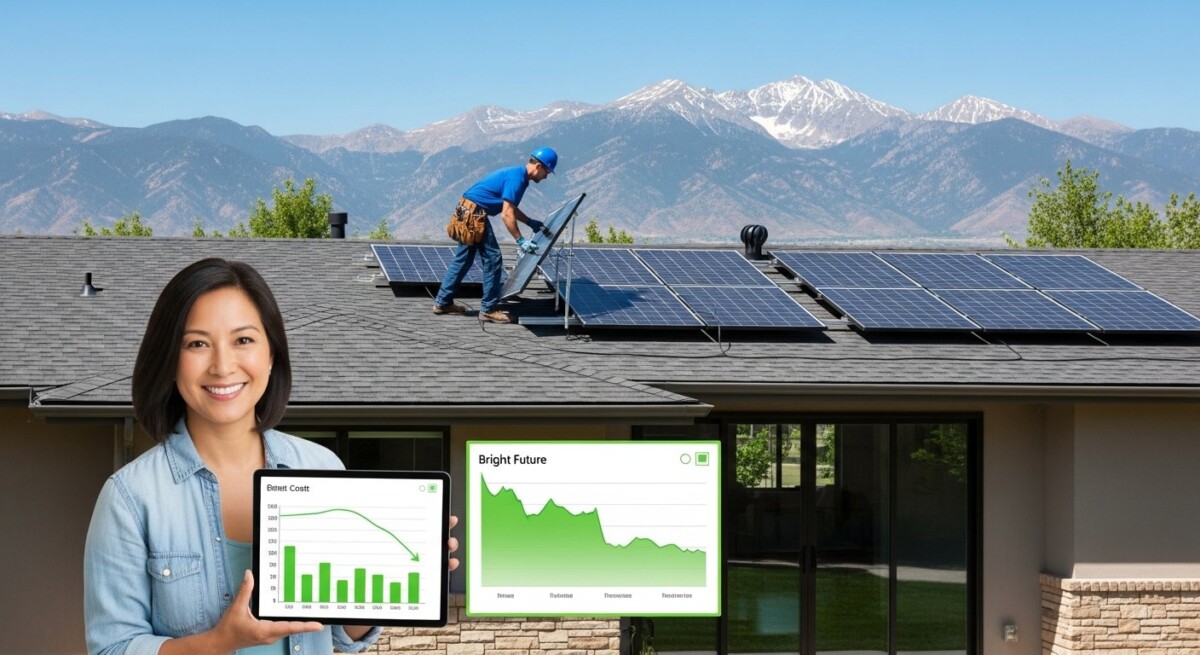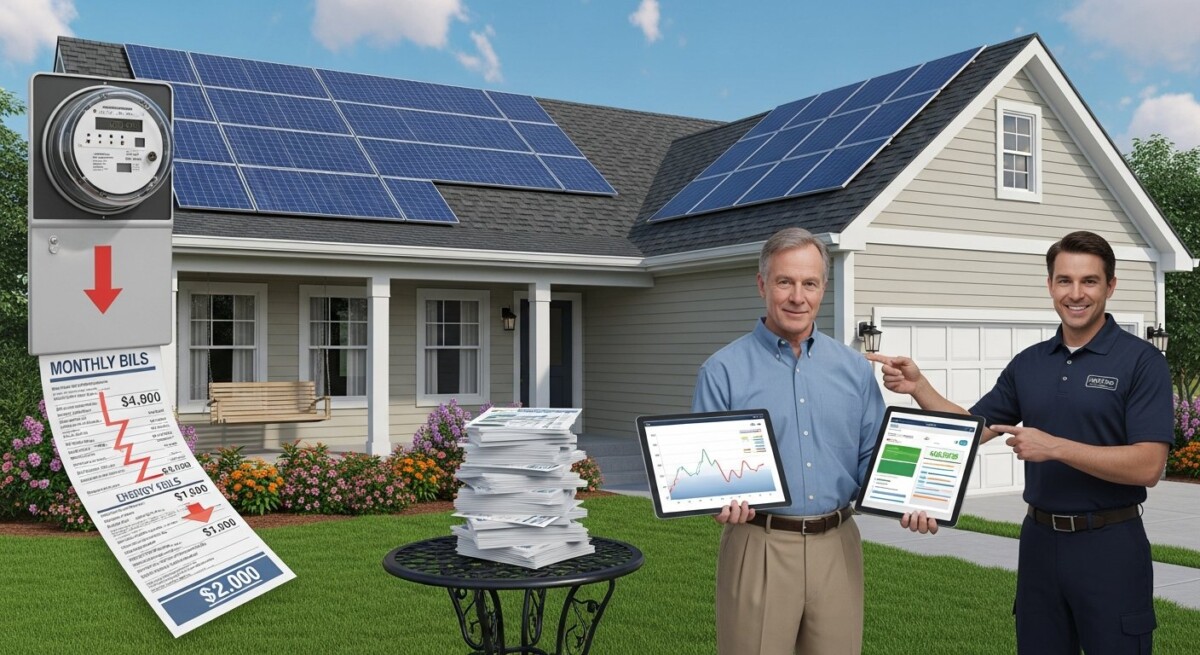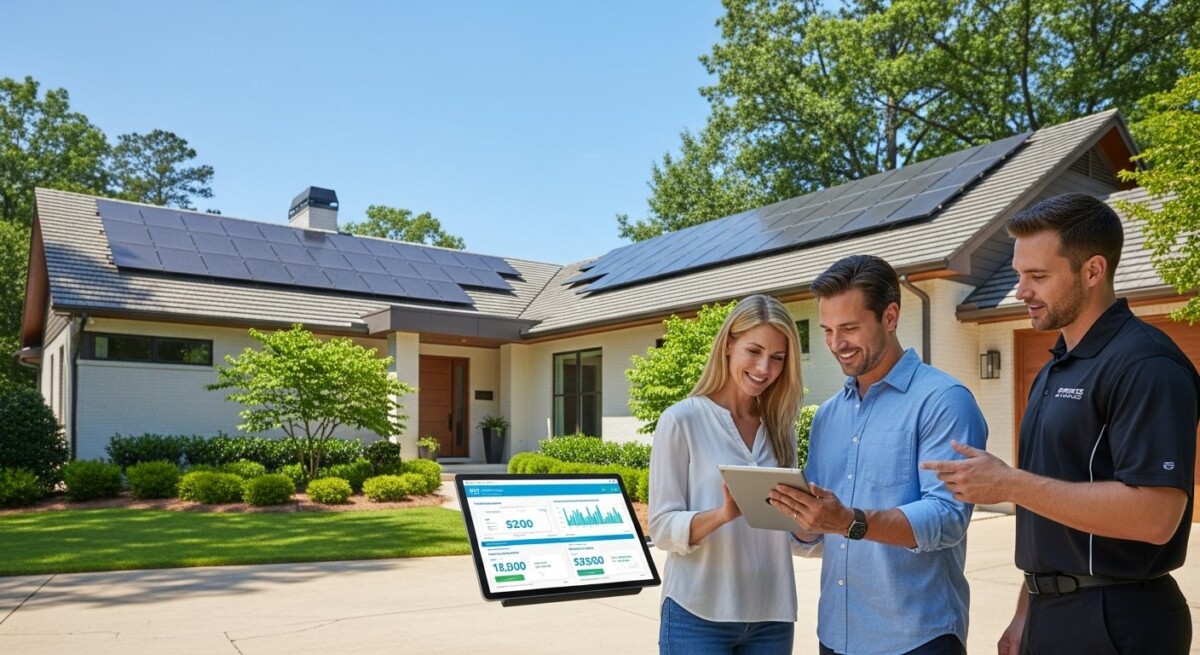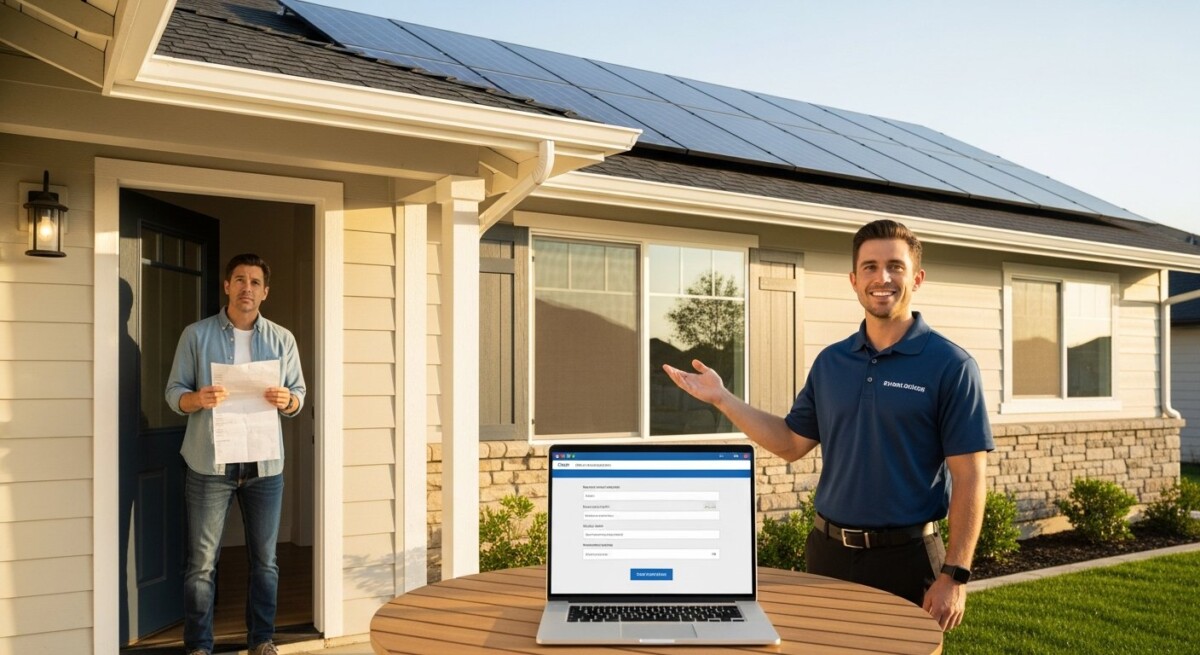
You open your monthly electricity bill, and the number seems higher than last year,again. Rising energy costs are pushing more homeowners to ask a simple question: what is solar payback calculation? Understanding when your solar panel system will pay for itself is the key to making a smart financial decision. It’s not just about going green; it’s about taking control of your household budget and reducing your dependence on the power grid.
Understanding what is solar payback calculation
Simply put, the solar payback period is the time it takes for your energy savings to equal the total cost of installing the system. Once you reach that point, the electricity your panels produce is essentially free. For example, if your system costs $12,000 after incentives and you save $1,200 per year on electricity, your payback period is ten years.
Calculating this number involves a few key inputs: the upfront cost (minus any tax credits or rebates), your average monthly electric bill, the amount of sunlight your roof receives, and the expected performance of the panels. Most residential systems in the United States have a payback period between six and twelve years. Because solar panels typically last 25 to 30 years, that leaves you with many years of nearly free electricity after the break-even point.
More homeowners are running these numbers because solar technology has become more affordable and reliable. In our guide on going green with solar, we explain how modern panels convert sunlight into electricity more efficiently than ever before. The combination of falling equipment prices and rising utility rates makes the payback calculation increasingly attractive for the average household.
How to estimate your own payback period
A rough estimate starts with your annual electricity cost. Multiply your monthly bill by twelve, then divide the net system cost by that number. For instance, a $15,000 system after tax credits divided by $1,800 in yearly savings equals roughly 8.3 years. Professional installers use more precise tools that factor in your roof’s angle, local shading, and utility rate structures to give you a personalized number.
Why Solar Energy Is Becoming More Popular
Electricity rates have risen steadily across the country, and many homeowners expect those increases to continue. Installing solar panels locks in a large portion of your energy costs for decades, shielding you from unpredictable rate hikes. This stability is a powerful motivator for families who want predictable monthly expenses.
Environmental concerns also play a major role. Solar energy produces no carbon emissions during operation, which helps reduce your household’s carbon footprint. For many people, the ability to generate clean energy from their own roof aligns with their values and provides a sense of personal contribution to a healthier planet.
Long-term savings remain the most compelling reason. After the payback period, the electricity you generate is essentially free, and net metering programs in many states allow you to sell excess power back to the grid. Over the full lifespan of a solar system, homeowners often save tens of thousands of dollars.
If you are considering solar power for your home, comparing installation quotes can help you understand your options. Request a free solar quote or call to learn more.
Common Questions Homeowners Have About Solar
Many homeowners worry about the upfront installation cost. While solar panels require a significant initial investment, federal and state incentives can reduce that cost by 30% or more. Financing options such as solar loans also allow you to start saving from day one with little or no money down.
Roof suitability is another frequent concern. South-facing roofs with minimal shading and good structural condition are ideal, but professional installers can work with east- or west-facing roofs as well. A site evaluation will determine whether your roof gets enough sunlight to make solar worthwhile.
System performance is also a common question. Solar panels are durable and require very little maintenance. They are designed to withstand hail, wind, and rain, and most manufacturers offer warranties of 25 years or more for power output.
- How much does a typical residential system cost?
- Will solar panels work on my roof type?
- What happens if my panels produce more electricity than I use?
- Do I need to replace my roof before installing solar?
- How long do solar panels last?
- Are there financing options available for solar installation?
How Solar Panel Installation Works
The process begins with a home energy assessment. An installer reviews your past electricity bills, evaluates your roof’s condition and sun exposure, and discusses your energy goals. This information is used to design a system that matches your specific needs.
Once the design is finalized, the installer handles all necessary permits and approvals from your local government and utility company. This step ensures your system meets building codes and interconnection requirements. After permits are secured, the physical installation typically takes one to three days.
- Home energy assessment and bill analysis
- Custom system design and equipment selection
- Permit applications and utility approvals
- Professional panel and inverter installation
- Final inspection and system activation
Speaking with experienced installers can help you determine the best solar solution for your home. Compare solar quotes here or call to explore available options.
Signs Your Home May Be Ideal for Solar
Homes with strong, unobstructed sunlight exposure are prime candidates for solar panels. If your roof receives direct sunlight for most of the day, especially between 9 a.m. and 3 p.m., your system will generate more electricity and shorten your payback period. Trees or nearby buildings that cast shade can reduce performance, but professional installers can often work around minor shading.
High electricity bills are another strong indicator. If you pay $150 or more per month, solar can likely reduce or even eliminate that expense. Homes with electric heating or cooling systems also benefit greatly because they consume more power and therefore save more with solar.
- Your roof faces south, east, or west with minimal shade
- Your monthly electric bill exceeds $100
- You have at least 300 square feet of usable roof space
- You plan to stay in your home for at least five more years
- Your roof is in good condition or recently replaced
- Your state offers net metering or solar incentives
What Affects Solar Installation Costs
System size is the biggest cost driver. A larger system that covers 100% of your electricity usage will cost more upfront but deliver greater long-term savings. Equipment quality also matters; premium panels and inverters are more efficient and durable but come with a higher price tag.
Installation complexity can increase costs. Roofs with steep angles, multiple stories, or unusual materials may require extra labor and safety equipment. Local permitting fees and labor rates vary by region, which is why getting quotes from multiple installers helps you find a fair price.
Government incentives significantly lower the net cost. The federal Investment Tax Credit (ITC) allows you to deduct 30% of the system cost from your federal taxes. Many states and utilities offer additional rebates, performance payments, or property tax exemptions that further reduce the payback period.
The cost of solar installation varies depending on your home and energy needs. Request personalized solar quotes or call to see what options are available.
Tips for Choosing a Reliable Solar Installer
Selecting the right installer is just as important as choosing the right equipment. A reputable company will provide a clear, detailed proposal that outlines equipment specifications, warranties, and projected energy savings. They should also handle all permits and inspections on your behalf.
Experience matters. Look for installers who have been in business for several years and have completed hundreds of residential projects. Check online reviews on platforms like Google, Yelp, or the Better Business Bureau, and ask for references from recent customers in your area.
- Verify the installer’s licenses and insurance coverage
- Ask about workmanship and equipment warranties (at least 10 and 25 years)
- Read recent customer reviews and testimonials
- Request at least three detailed quotes for comparison
- Confirm they use high-quality, Tier 1 solar panels
- Ensure they offer post-installation support and monitoring
Long-Term Benefits of Installing Solar Panels
Lower electricity bills are the most immediate benefit. After your system is installed, you will see a reduction in your monthly utility costs that grows over time as electricity rates rise. Once the payback period is complete, those savings become pure financial gain.
Home value also increases. Studies show that homes with solar panels sell for a premium compared to similar homes without them. Buyers are attracted to the promise of lower energy costs and energy independence, making your property more marketable.
Energy independence is another valuable benefit. Generating your own power reduces your reliance on the grid and protects you from future rate increases. For homeowners who pair solar with battery storage, that independence extends to power outages, providing backup electricity when the grid goes down.
Finally, the environmental impact is significant. By switching to solar, you reduce greenhouse gas emissions and help decrease the demand for fossil fuels. For many families, this contribution to a cleaner planet is a source of genuine pride and satisfaction.
Frequently Asked Questions
What is the average solar payback period?
The average payback period for residential solar systems in the United States is between six and twelve years. This varies based on your location, system size, electricity rates, and available incentives. A professional installer can give you a more precise estimate based on your home.
How does net metering affect the payback calculation?
Net metering allows you to send excess solar electricity back to the grid in exchange for credits on your bill. This reduces your net energy cost and shortens the payback period. Not all states offer net metering, so it is important to check your local policies.
Can I calculate solar payback myself?
Yes, you can get a rough estimate by dividing the net system cost by your annual electricity savings. For a more accurate calculation that includes inflation, rate escalation, and degradation of panels, use an online solar calculator or request a detailed quote from an installer.
Do solar panels work during cloudy days or winter?
Yes, solar panels still generate electricity on cloudy days, though at a reduced efficiency. Modern panels are designed to capture diffused sunlight, and systems are sized to account for seasonal variations. Net metering helps balance low-production months with high-production ones.
What happens if I sell my home before the payback period ends?
Selling a home with solar panels typically increases its resale value, often by enough to cover the remaining system cost. Buyers value the lower utility bills, and many are willing to pay a premium. You can also transfer the solar lease or loan to the new owner if applicable.
Are there state-specific incentives that shorten the payback period?
Yes, many states offer additional incentives such as rebates, performance payments, or property tax exemptions. For example, states like New York, California, and Massachusetts have strong incentive programs. A local installer can help you identify all available incentives in your area.
How long do solar panels last, and do they degrade over time?
Most solar panels come with a performance warranty of 25 to 30 years, and they often continue producing electricity beyond that. Panels do degrade slowly, typically losing about 0.5% to 0.8% of their output each year. Even after 25 years, they usually still operate at around 80% to 85% of their original capacity.
What is the federal solar tax credit, and how does it work?
The federal Investment Tax Credit (ITC) allows you to deduct 30% of your solar installation cost from your federal income taxes. This credit applies to both the equipment and installation labor. There is no cap on the credit amount, and it can be carried forward to future tax years if you cannot use the full amount in one year.
Understanding what is solar payback calculation is the first step toward making an informed decision about solar energy. By comparing your current electricity costs with the long-term savings from a properly sized system, you can determine whether solar is a smart investment for your home. To get started, request quotes from multiple certified installers and see how much you could save.