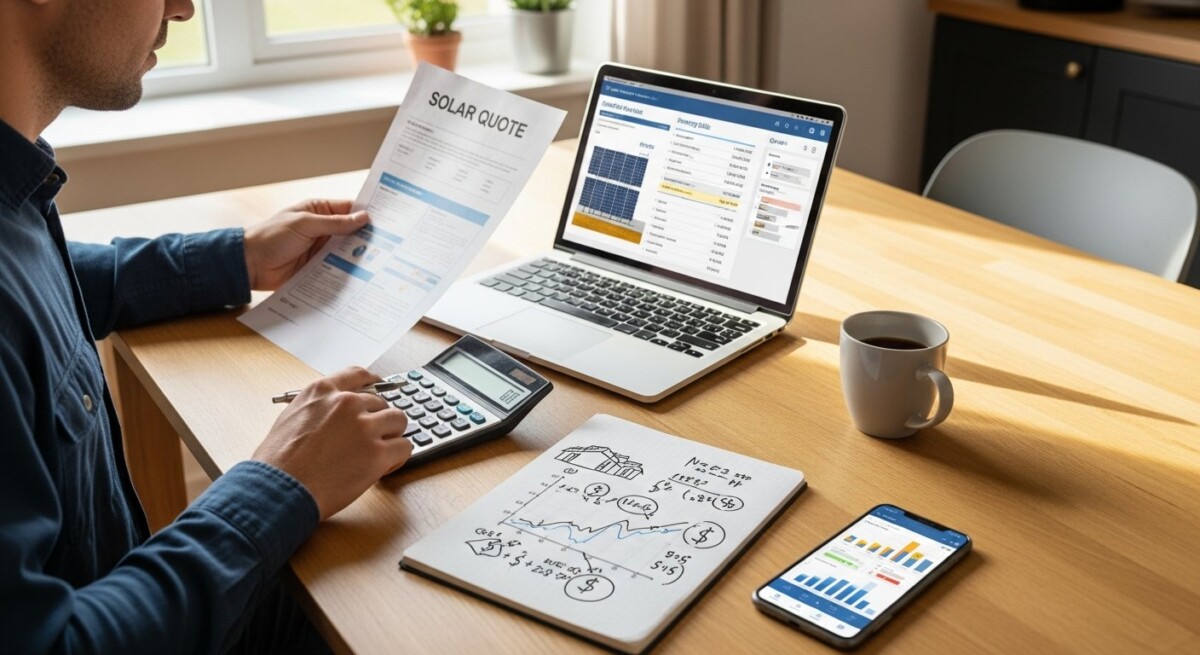
You’ve done your research, compared a few numbers online, and finally received a solar quote that looks promising. The estimated savings seem solid, and you’re ready to move forward. But then the installer schedules a site visit, and suddenly the price shifts. You might wonder: can solar quotes change after a site visit? The short answer is yes,and that change often works in your favor.
Rising electricity costs are pushing more homeowners to explore solar energy as a way to reduce monthly bills and gain energy independence. A site visit allows an installer to inspect your roof, electrical panel, and shading conditions, revealing details that an online estimate cannot capture. Understanding why these adjustments happen helps you make an informed decision and avoid costly surprises.
Understanding can solar quotes change after site visit
A solar quote is an initial estimate based on general information like your address, average electric bill, and satellite images of your roof. However, an in-person site visit uncovers the real-world factors that affect system design and installation complexity.
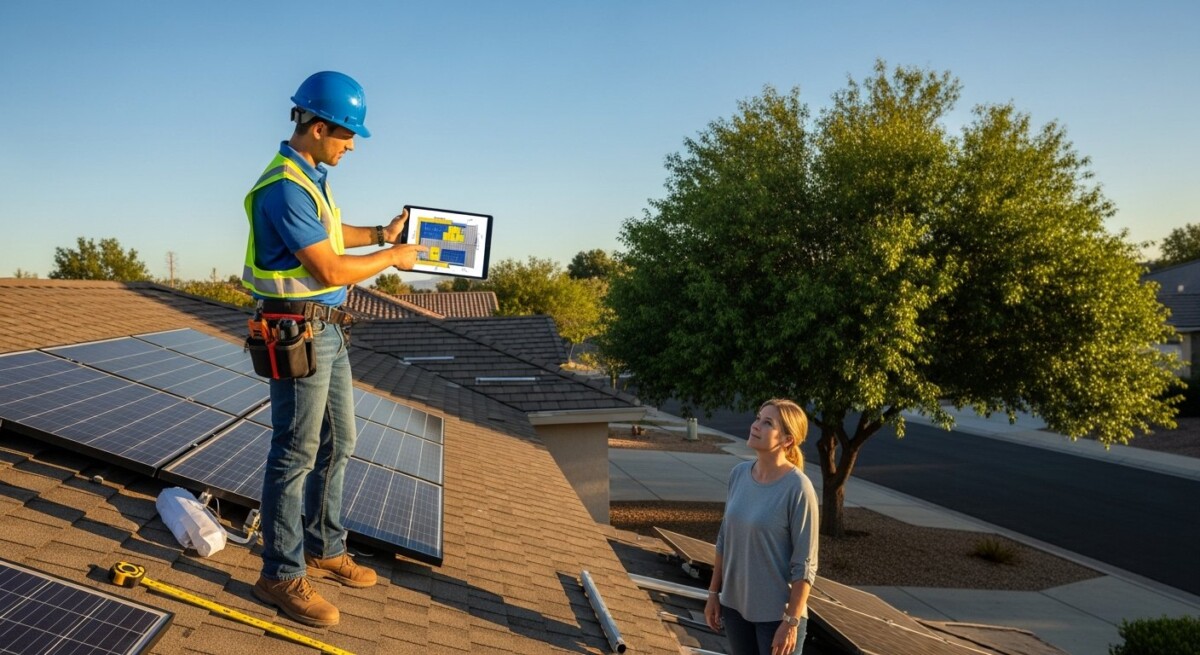
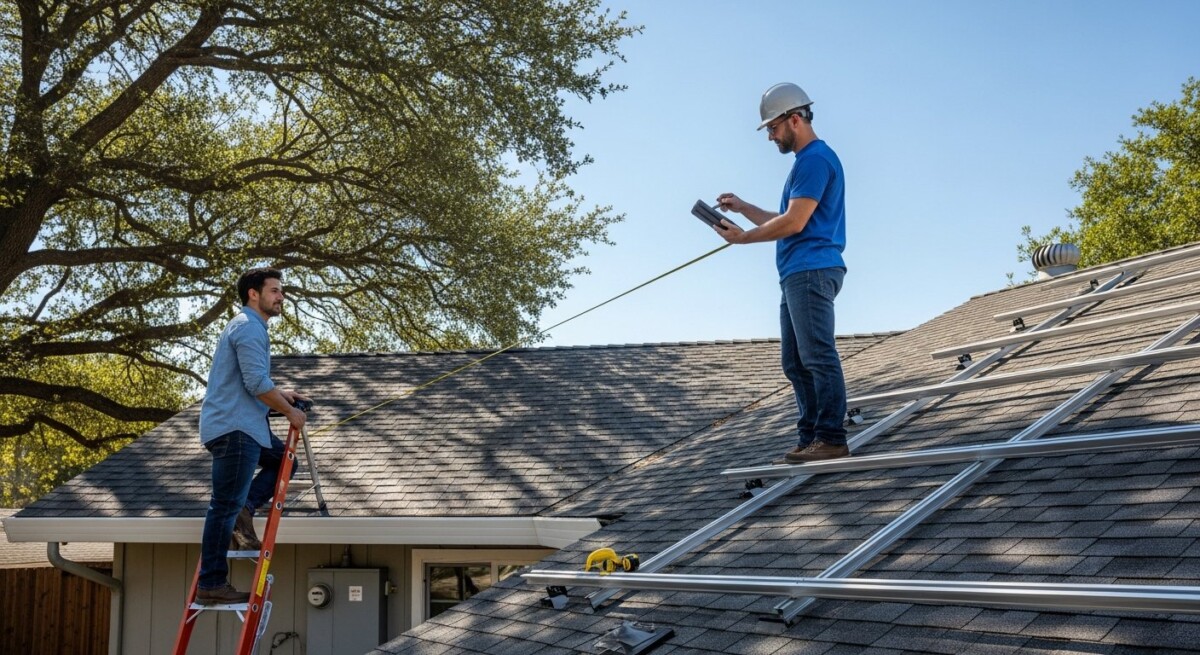
During the visit, the installer measures your roof’s exact dimensions, checks its orientation and tilt, and evaluates shading from trees or nearby structures. They also inspect your electrical panel to ensure it can handle the new solar system and assess the condition of your roof. These details directly influence the number of panels needed, the type of mounting equipment required, and the total labor cost.
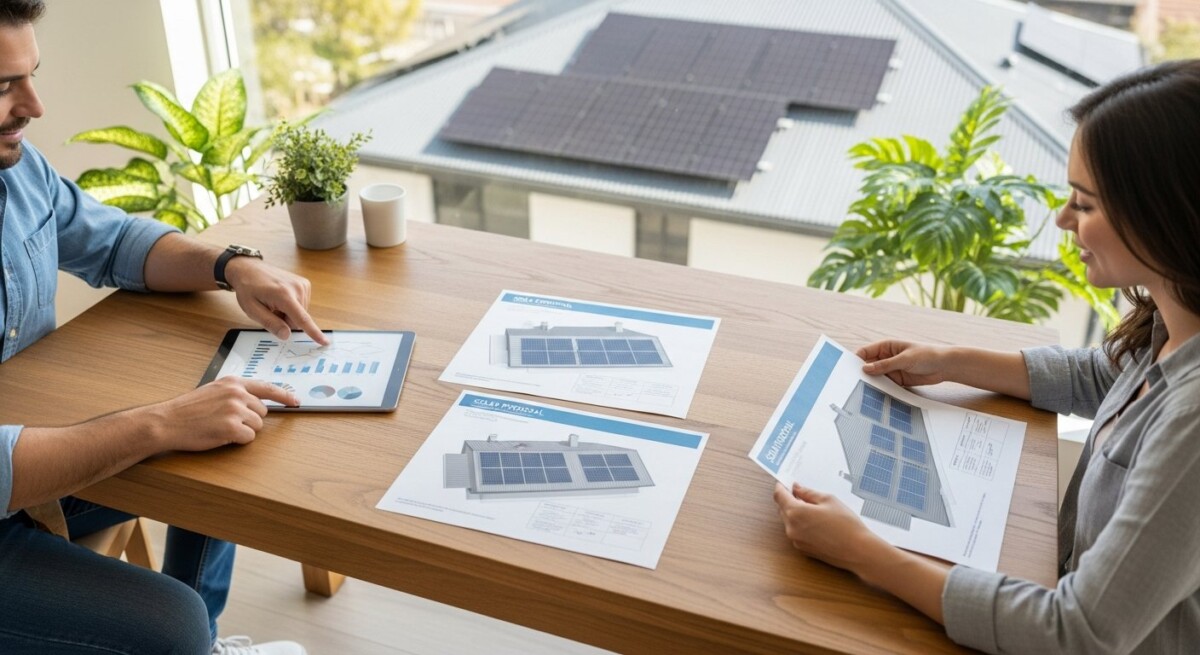
Once the installer has this data, they can customize the system for maximum efficiency. This may mean adjusting the panel count, upgrading your electrical panel, or adding microinverters to handle shading. As a result, the final quote may differ from the initial estimate,but it will be far more accurate and tailored to your home’s specific conditions.
Why the quote might go up or down
If your roof has a complex shape, requires structural reinforcement, or has limited sun exposure, the quote may increase. On the other hand, if the installer finds that your roof is ideal,south-facing with minimal shading,the cost could decrease because fewer panels or less specialized equipment are needed. Either way, the site visit ensures you pay for exactly what your home requires, not a one-size-fits-all guess.
Why Solar Energy Is Becoming More Popular
Homeowners across the United States are turning to solar energy at record rates. The primary driver is the steady increase in electricity prices, which have risen faster than inflation in many regions. By generating your own power, you lock in a lower, predictable energy cost for decades.
Beyond financial savings, solar power offers significant environmental benefits. It reduces your carbon footprint and helps combat climate change by replacing fossil fuel,based electricity with clean, renewable energy. Many homeowners also value the independence that comes with producing their own electricity, especially during grid outages or rate hikes.
Government incentives further sweeten the deal. The federal solar tax credit allows you to deduct 30% of your installation costs from your taxes, and many states offer additional rebates or performance-based incentives. These programs make solar more affordable than ever.
If you are considering solar power for your home, comparing installation quotes can help you understand your options. Request a free solar quote or call 1-800-555-0199 to learn more.
Common Questions Homeowners Have About Solar
Many homeowners hesitate because they have unanswered questions about cost, suitability, and performance. Understanding the answers can remove uncertainty and help you move forward confidently.
One of the most common concerns is whether solar will actually save money over time. The answer depends on your local electricity rates, the amount of sunlight your roof receives, and the size of the system you install. On average, homeowners save between $10,000 and $30,000 over 20 years after accounting for installation costs and incentives.
- How much does a solar system cost for an average home?
- Will solar panels work on a shaded or north-facing roof?
- How long do solar panels last, and what maintenance do they need?
- What happens if I sell my home before the system is paid off?
- Are there financing options that require little or no money down?
- How do I know if my roof needs repairs before installation?
How Solar Panel Installation Works
The installation process is more straightforward than many homeowners expect. A professional installer handles everything from design to permits to final activation, so you don’t have to manage the details yourself.
After you sign a contract, the installer conducts a detailed home energy assessment to confirm your usage patterns and identify efficiency improvements. They then design a custom system, submit permit applications to your local government, and schedule the installation. The actual panel installation typically takes one to three days, depending on system size.
- Home energy assessment , Review your electric bills and inspect your home’s energy usage.
- System design , Create a layout optimized for your roof and energy goals.
- Permits and approvals , Secure necessary permits from your city or county.
- Panel installation , Mount the panels, connect wiring, and install the inverter.
- System activation , Pass final inspection and turn on the system to start generating power.
Speaking with experienced installers can help you determine the best solar solution for your home. Compare solar quotes here or call 1-800-555-0199 to explore available options.
Signs Your Home May Be Ideal for Solar
Not every home is equally suited for solar, but many are better candidates than homeowners realize. A few simple indicators can tell you whether solar is worth pursuing.
The most important factor is sunlight exposure. A roof that faces south or west with minimal shading from trees, chimneys, or neighboring buildings will generate the most electricity. If your roof is older, you may need to replace it before installing panels,but this can be factored into the overall project cost.
- Your roof receives direct sunlight for most of the day.
- Your electricity bills exceed $100 per month on average.
- You have at least 300 square feet of unshaded roof space.
- You plan to stay in your home for at least five more years.
- Your local utility offers net metering or other solar-friendly policies.
What Affects Solar Installation Costs
Solar installation costs vary widely based on several key factors. Understanding these can help you evaluate quotes and recognize when a price change after a site visit is reasonable.
System size is the biggest cost driver. A larger system that covers 100% of your electricity needs costs more upfront but delivers greater long-term savings. Equipment quality also matters,high-efficiency panels and premium inverters cost more but produce more power and last longer.
Installation complexity can raise costs if your roof is steep, has multiple angles, or requires electrical panel upgrades. Local incentives can lower your net cost significantly, so check what rebates, tax credits, or performance payments are available in your area.
The cost of solar installation varies depending on your home and energy needs. Request personalized solar quotes or call 1-800-555-0199 to see what options are available.
Tips for Choosing a Reliable Solar Installer
Choosing the right installer is just as important as choosing the right equipment. A trustworthy installer ensures your system is designed correctly, installed safely, and backed by solid warranties.
Start by verifying that the installer is licensed, insured, and certified by organizations like the North American Board of Certified Energy Practitioners (NABCEP). These credentials indicate a commitment to professional standards and ongoing training.
- Review the installer’s experience and ask how many systems they have installed.
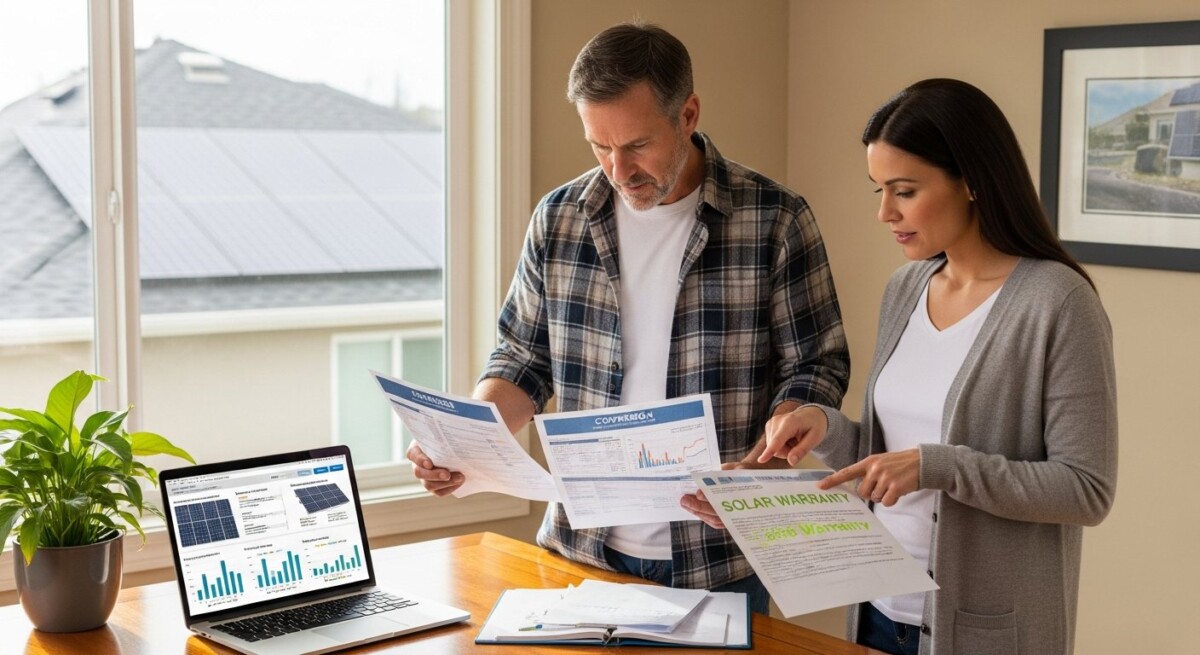
- Check warranty coverage for panels, inverters, and workmanship (typically 10,25 years).
- Read customer reviews on sites like Google, Yelp, and the Better Business Bureau.
- Compare at least three quotes to understand pricing and equipment options.
- Ask for references and follow up with past customers about their experience.
Long-Term Benefits of Installing Solar Panels
Installing solar panels is a long-term investment that pays off year after year. The most immediate benefit is a lower electricity bill,often by 50% to 90% depending on system size and local rates.
Over time, those savings add up. Most systems pay for themselves within six to ten years, then continue generating free electricity for the remainder of their 25- to 30-year lifespan. Solar also increases your home’s resale value; studies show that homes with solar panels sell for an average of 4% more than comparable homes without them.
Finally, solar reduces your reliance on fossil fuels and the power grid. You gain energy independence, protect yourself from future rate hikes, and contribute to a cleaner environment for your community.
Frequently Asked Questions
Can solar quotes change after a site visit?
Yes, solar quotes often change after a site visit because the installer gains accurate information about your roof’s condition, shading, and electrical system. The revised quote is more precise and reflects the true cost of installing a system that meets your home’s specific needs.
Why did my solar quote go up after the site visit?
Your quote may increase if the installer discovers issues like an older roof that needs reinforcement, heavy shading that requires specialized equipment, or an electrical panel that must be upgraded. These factors add to the installation cost but ensure the system operates safely and efficiently.
Can a solar quote go down after a site visit?
Absolutely. If the installer finds that your roof has ideal sun exposure, a simple layout, or fewer panels needed than initially estimated, the quote can decrease. The site visit allows for a more optimized design that may reduce equipment and labor costs.
How long does a solar site visit take?
A typical site visit lasts between 30 minutes and two hours, depending on the complexity of your home. The installer will measure your roof, inspect the electrical panel, and take photos to document the conditions.
Should I get multiple solar quotes before deciding?
Yes, obtaining at least three quotes from different installers helps you compare pricing, equipment, and warranties. This also gives you leverage to negotiate and ensures you find the best value for your specific home.
What happens if I don’t like the revised quote?
You are under no obligation to accept the revised quote. You can ask the installer to explain the changes, request alternative equipment options, or walk away and consider other quotes. The site visit is part of the evaluation process, not a binding commitment.
Do solar quotes include the federal tax credit?
Reputable installers typically show the gross system price and the net cost after applying the 30% federal tax credit. Always ask whether the quoted price includes incentives or if those are listed separately.
How can I prepare for a solar site visit?
Have your recent electricity bills ready and know your average monthly usage. Clear any obstacles around your electrical panel and roof access points. Be ready to discuss your energy goals, such as whether you want to offset 100% of your usage or just reduce your bill.
Understanding that solar quotes can change after a site visit helps you approach the process with realistic expectations. The site visit is not a hurdle,it is an opportunity to get a custom-designed system that maximizes your savings and fits your home perfectly. By comparing multiple quotes and working with experienced installers, you can make a confident decision that lowers your electricity bills, increases your home’s value, and moves you toward energy independence. Start exploring your options today.