You have probably seen solar advertisements promising thousands of dollars in savings. After receiving a few quotes, those numbers seem to shift, leaving you wondering what went wrong. Rising electricity costs have pushed many homeowners to search for why solar savings estimates change, and understanding this can help you make a smarter decision about reducing energy bills and becoming less dependent on the power grid.
Understanding Why Solar Savings Estimates Change
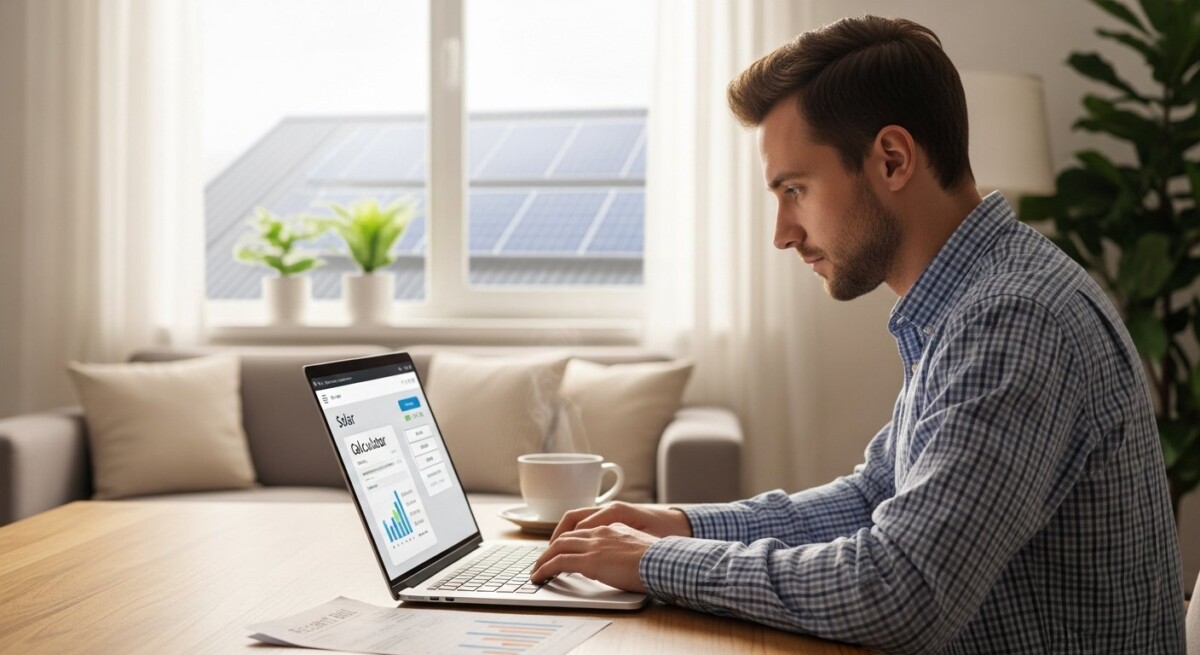
Solar savings estimates are projections, not guarantees. They depend on several variables that shift over time, including your local electricity rates, weather patterns, and how much energy your household actually uses. Installers use software to model these factors, but small changes in assumptions can lead to very different numbers.
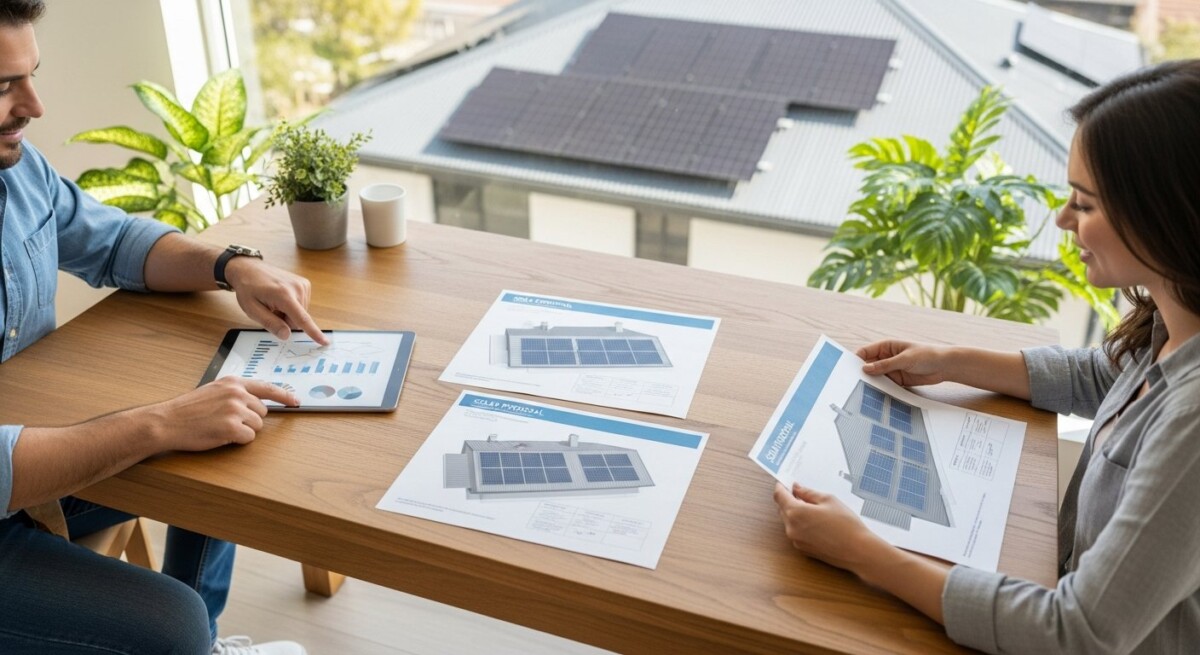
For instance, if your utility raises rates by 3% instead of 5% annually, your long-term savings drop. Similarly, a cloudy year or a change in your family’s energy habits will affect how much power your panels produce and how much you save. This is why comparing multiple quotes from different installers gives you a realistic range rather than a single perfect number.
How Solar Savings Are Calculated
Most installers start with your current electricity bill and estimate future rate increases. They then factor in your home’s solar potential,roof angle, shading, and local sunlight hours,and the size of the system you choose. Finally, they apply available incentives like the federal tax credit or state rebates to show your net cost and projected payback period.
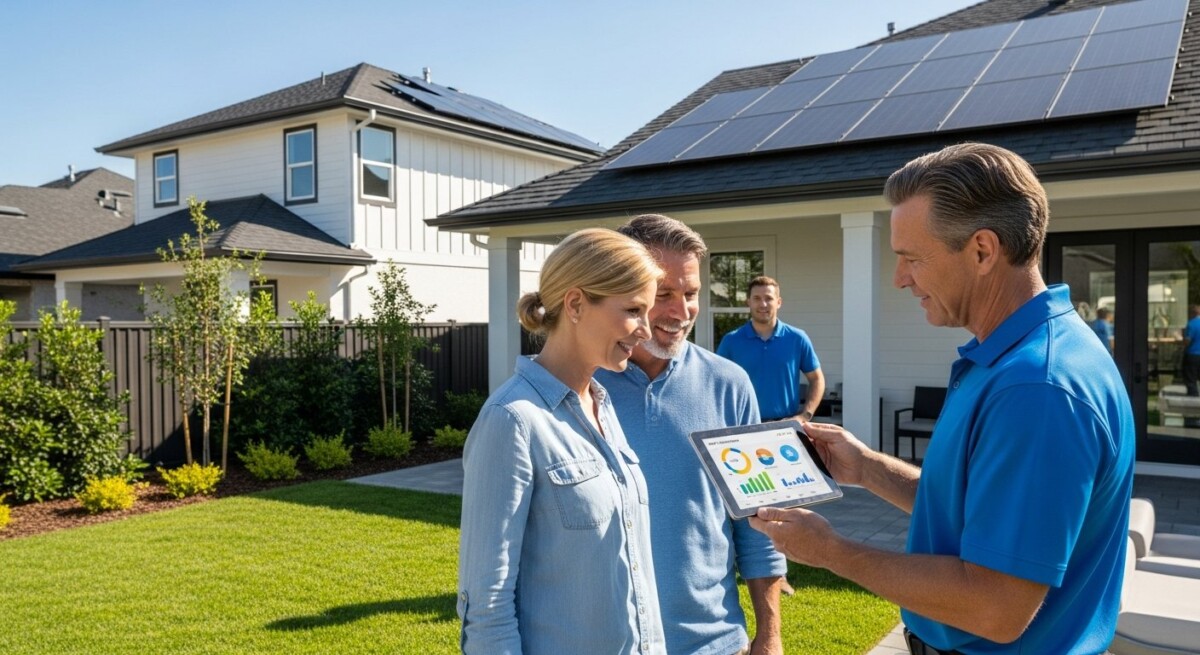
Even experienced installers use different data sets or assumptions, so two reputable companies can quote different savings for the same home. The key is to ask each installer for a breakdown of their assumptions so you can compare apples to apples.
Why Solar Energy Is Becoming More Popular
Electricity prices have risen steadily across the United States, and many homeowners are tired of unpredictable bills. Solar panels offer a way to lock in a large portion of your energy costs for 25 years or more, providing financial predictability in an unstable market.
Environmental concerns also drive adoption. Generating your own clean energy reduces your carbon footprint and helps combat climate change. At the same time, federal and state incentives make the upfront cost more manageable, and the long-term savings often outweigh the initial investment.
As solar technology improves and installation prices drop, more families see it as a practical home improvement rather than a luxury. The combination of lower bills, energy independence, and environmental benefits has made solar one of the fastest-growing energy sources in the country.
If you are considering solar power for your home, comparing installation quotes can help you understand your options. Request a free solar quote or call (855) 780-1286 to learn more.
Common Questions Homeowners Have About Solar
Before investing in solar, most homeowners want clear answers about cost, suitability, and performance. Understanding these basics helps you avoid surprises and choose a system that fits your home and budget.
Below are some of the most frequent concerns people bring up when researching solar panels.
- How much does a solar system cost? Prices vary widely based on system size, panel quality, and installation complexity, but the average residential system in 2025 ranges from $15,000 to $25,000 before incentives.
- Is my roof suitable for solar? Ideal roofs face south or west, have little shade, and are less than 15 years old. A professional assessment can confirm your roof’s condition and orientation.
- Will solar work in cloudy or cold climates? Yes,solar panels still generate power in diffuse light, and cold temperatures can actually improve efficiency. Snow often slides off tilted panels.
- How long do solar panels last? Most panels come with a 25-year performance warranty and can function well beyond that, though output gradually decreases.
- What happens if I move? Solar panels can increase your home’s resale value, and you may transfer the lease or loan to the new owner, depending on your agreement.
How Solar Panel Installation Works
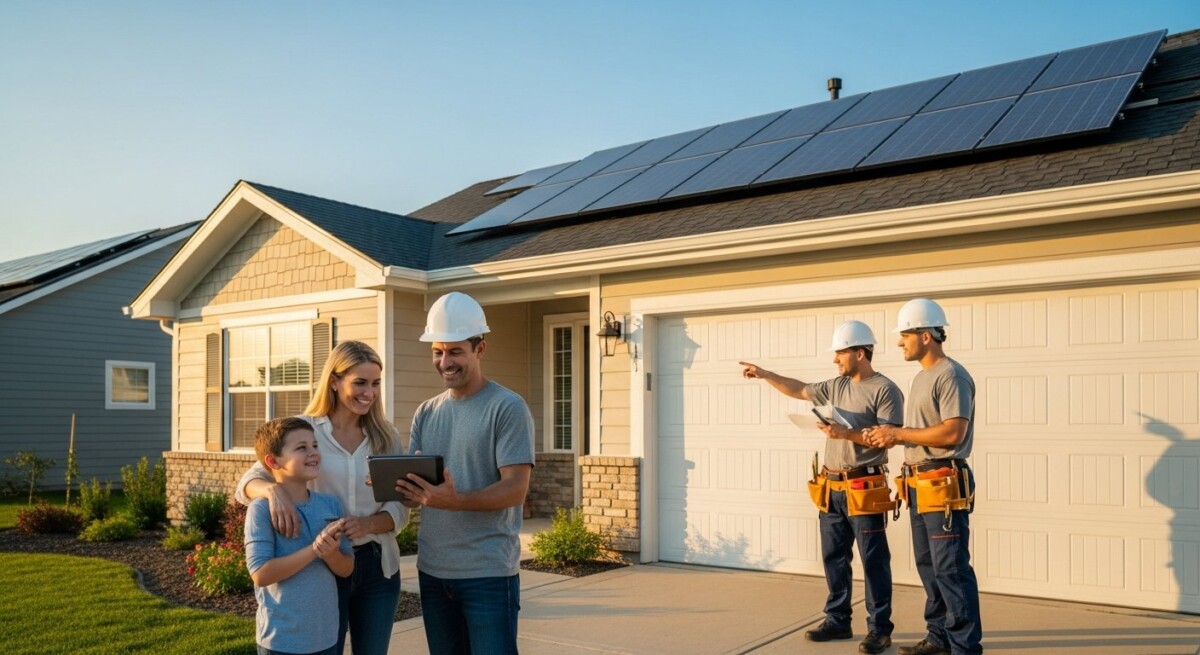
Installing solar panels involves several coordinated steps, but a professional installer handles most of the heavy lifting. The process typically takes one to three months from initial consultation to turning the system on.
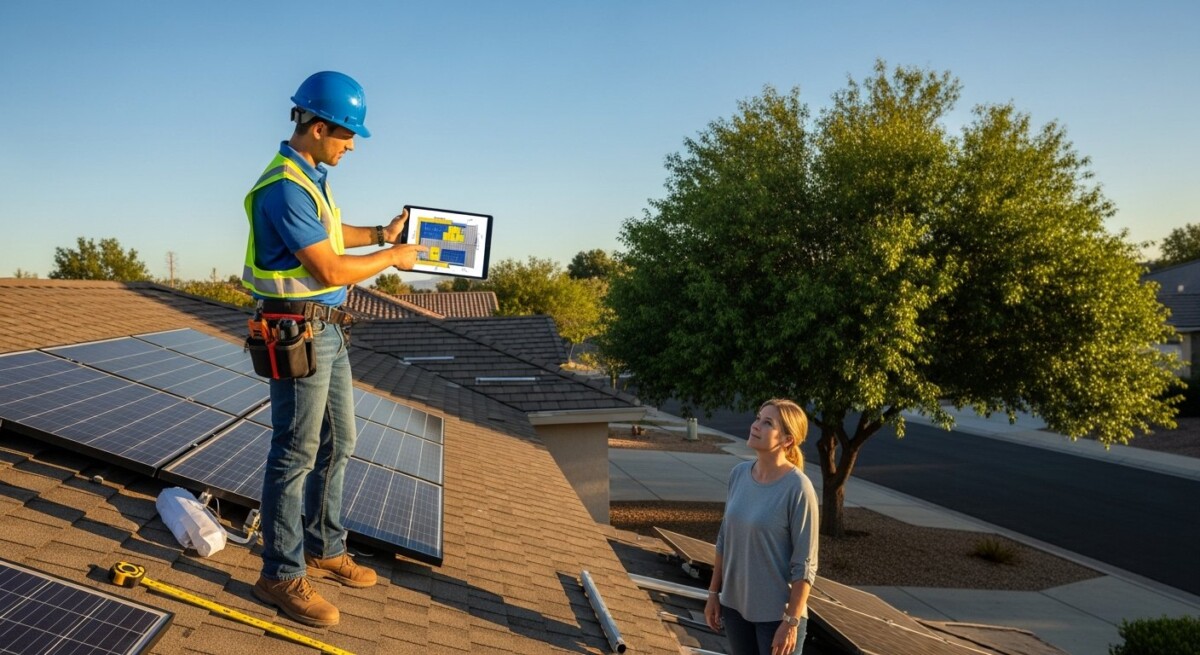
- Home energy assessment: An installer reviews your electricity bills and evaluates your roof’s size, angle, and sun exposure to determine the best system size.
- System design: Using software, the installer creates a custom layout showing where panels will go and how they will connect to your electrical panel.
- Permits and approvals: The installer secures necessary building permits and utility interconnection agreements,this step can take several weeks.
- Panel installation: A crew mounts racking on your roof, installs the panels, and connects the inverter and wiring. This usually takes one to three days.
- System activation: After a final inspection and utility approval, your system is turned on and starts generating power. You can monitor production through an app or online portal.
Speaking with experienced installers can help you determine the best solar solution for your home. Compare solar quotes here or call (855) 780-1286 to explore available options.
Signs Your Home May Be Ideal for Solar
Not every home is a perfect candidate for solar, but many are. If you check several of the boxes below, you are likely to see strong savings and a solid return on investment.
- Strong sunlight exposure: A south- or west-facing roof with minimal shade from trees or nearby buildings maximizes energy production.
- High electricity bills: The more you currently pay for power, the more you stand to save by generating your own electricity.
- Suitable roof space: A typical 6 kW system needs about 400,500 square feet of unshaded roof area. Larger homes or higher energy use require more space.
- Long-term home ownership plans: Solar panels pay off over 7,12 years on average, so staying in your home for a decade or more maximizes financial benefits.
- Good roof condition: If your roof needs replacement in the next few years, it is wise to replace it before installing panels to avoid extra costs later.
What Affects Solar Installation Costs
Several factors influence the final price of a solar system, and understanding them helps you evaluate quotes more effectively. The largest cost driver is system size, measured in kilowatts (kW). Larger systems cost more upfront but generate more electricity and savings over time.
Equipment quality also matters. Premium panels and inverters often come with better warranties and higher efficiency, which can boost long-term production. Installation complexity,such as a steep roof, multiple stories, or old electrical panels,adds labor time and cost.
Local incentives can dramatically lower your net price. The federal Investment Tax Credit (ITC) currently covers 30% of the system cost, and many states, utilities, or municipalities offer additional rebates or performance-based incentives. Your installer should factor these into your quote.
The cost of solar installation varies depending on your home and energy needs. Request personalized solar quotes or call (855) 780-1286 to see what options are available.
Tips for Choosing a Reliable Solar Installer
Finding a trustworthy installer is just as important as choosing the right equipment. A good installer will help you navigate permits, incentives, and financing while ensuring your system performs as promised for decades.
- Review installer experience: Look for companies that have been in business at least five years and have completed hundreds of residential installations in your area.
- Check warranties: Reputable installers offer workmanship warranties of 10 years or more, and they use panels and inverters with strong manufacturer warranties.
- Read customer reviews: Check platforms like Google, Yelp, and the Better Business Bureau to see what past customers say about communication, timeliness, and post-installation support.
- Compare multiple quotes: Getting at least three quotes lets you see the range of prices, equipment options, and savings estimates. This helps you identify outliers and choose the best value.
Long-Term Benefits of Installing Solar Panels
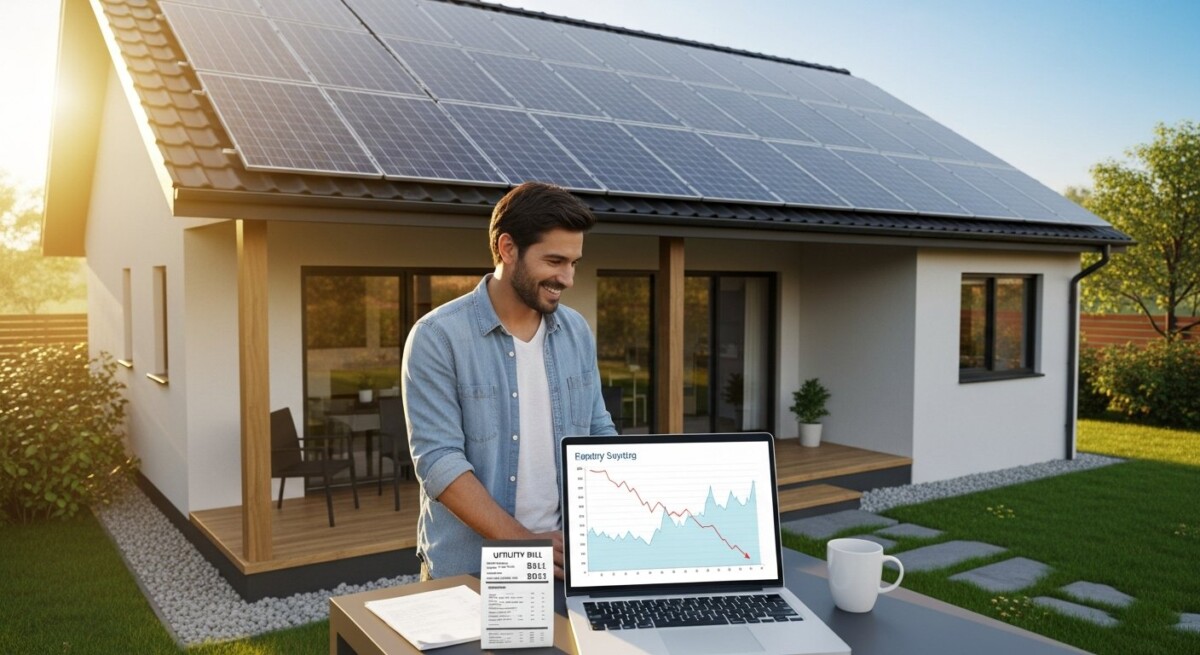
Installing solar panels is a long-term investment that pays off in multiple ways. The most immediate benefit is lower electricity bills, often by 50% to 90% depending on system size and local net metering policies. Over 25 years, these savings can total tens of thousands of dollars.
Solar panels also increase your home’s resale value. Studies show that homes with solar sell for about 4% more than comparable non-solar homes, and they tend to sell faster. Additionally, generating your own power shields you from future utility rate hikes and gives you a degree of energy independence.
From an environmental perspective, a typical residential solar system offsets roughly three to four tons of carbon dioxide annually,equivalent to planting over 100 trees each year. Combining financial, resilience, and eco-friendly benefits makes solar one of the most compelling home improvements available today.
Frequently Asked Questions
How accurate are solar savings estimates?
Solar savings estimates are educated projections, not guarantees. Accuracy depends on how realistic the installer’s assumptions are about future electricity rates, weather, and your energy usage. Comparing quotes from multiple installers and asking for their assumptions gives you a more reliable range.
Why do different installers quote different savings for my home?
Each installer may use different software, data sets, or assumptions about rate increases and system performance. Some may include financing costs or exclude them, and equipment choices also vary. That is why it is essential to review the details behind each quote.
Will solar panels work during a power outage?
Standard grid-tied solar systems shut off during an outage to protect utility workers. If you want backup power, you need a battery storage system or a special inverter that can island your home from the grid.
How long does it take to recoup the cost of solar panels?
The payback period typically ranges from 7 to 12 years, depending on your electricity rates, system cost, available incentives, and how much sun your home receives. After that, your electricity is essentially free for the remaining life of the panels.
Do I need to clean my solar panels?
Rain usually keeps panels clean enough, but in dusty areas or places with heavy pollen, occasional cleaning can improve output. Most installers recommend a simple rinse with a hose once or twice a year.
Can I install solar panels myself to save money?
DIY solar is possible but risky. Mistakes can lead to electrical hazards, roof leaks, or voided warranties. Professional installers handle permits, safety, and interconnection, which often saves money in the long run.
What happens to excess energy my solar panels produce?
Under net metering, excess energy flows back to the grid, and your utility credits you at the retail rate. Policies vary by state, so check with your installer about local net metering rules.
Do solar panels increase property taxes?
In many states, solar panels are exempt from property tax assessments, meaning your home’s value can increase without raising your tax bill. Confirm with your local tax authority or installer.
Solar energy offers a practical path to lower bills, energy independence, and a cleaner planet. The key is to understand why solar savings estimates change and to use that knowledge when comparing installation quotes. By researching your options and working with reputable professionals, you can make a confident decision that benefits your home and finances for decades. Start by requesting free, no-obligation quotes from trusted installers today.