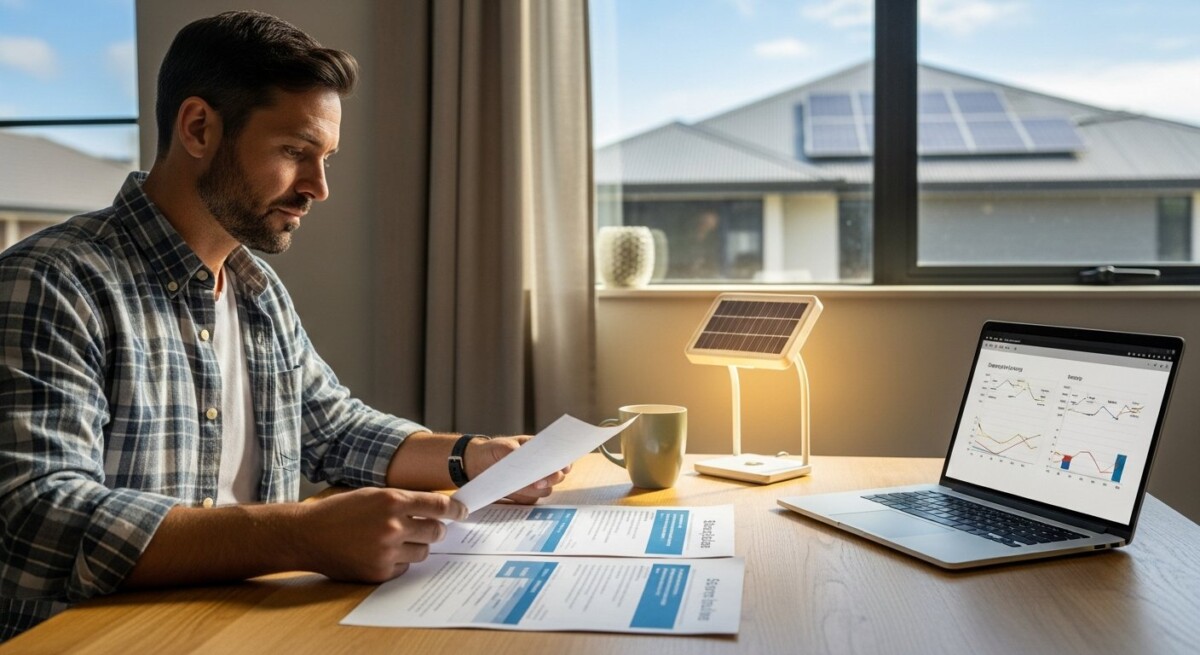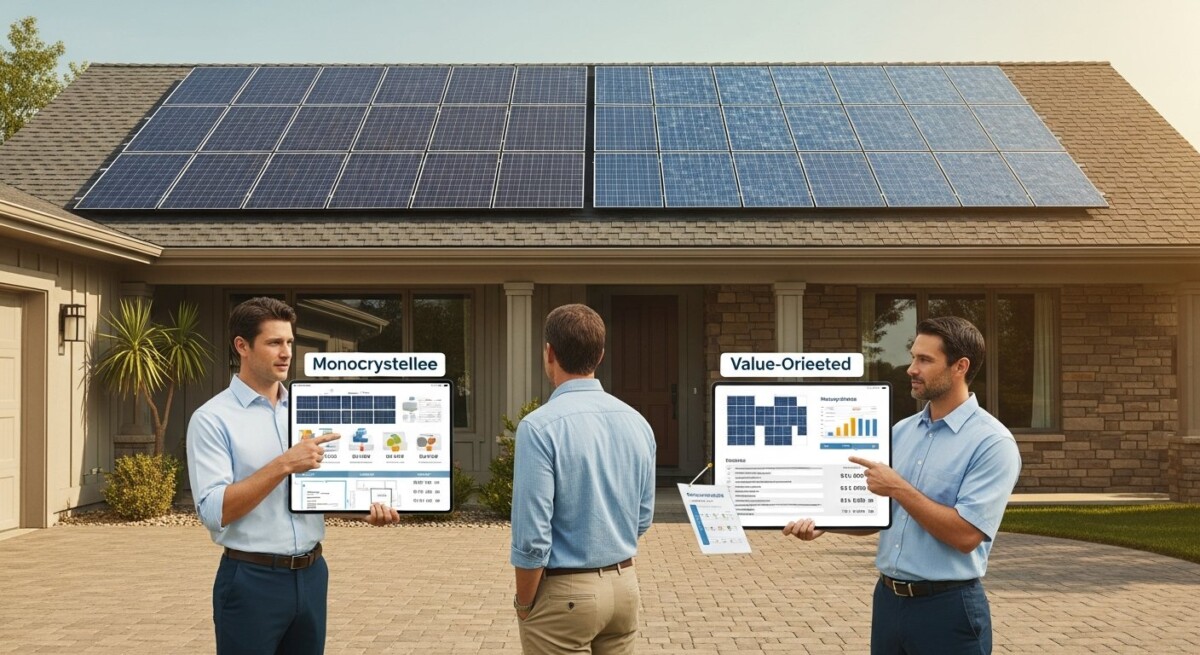
You have probably noticed your electricity bills creeping up month after month. Like many homeowners, you may be wondering if solar panels could help you take control of those costs. As you start researching, one thing quickly becomes clear: solar estimates vary widely from one company to the next. Understanding why solar estimates vary is the first step toward making a smart investment that actually reduces your energy bills and moves you toward energy independence.
Understanding why solar estimates vary
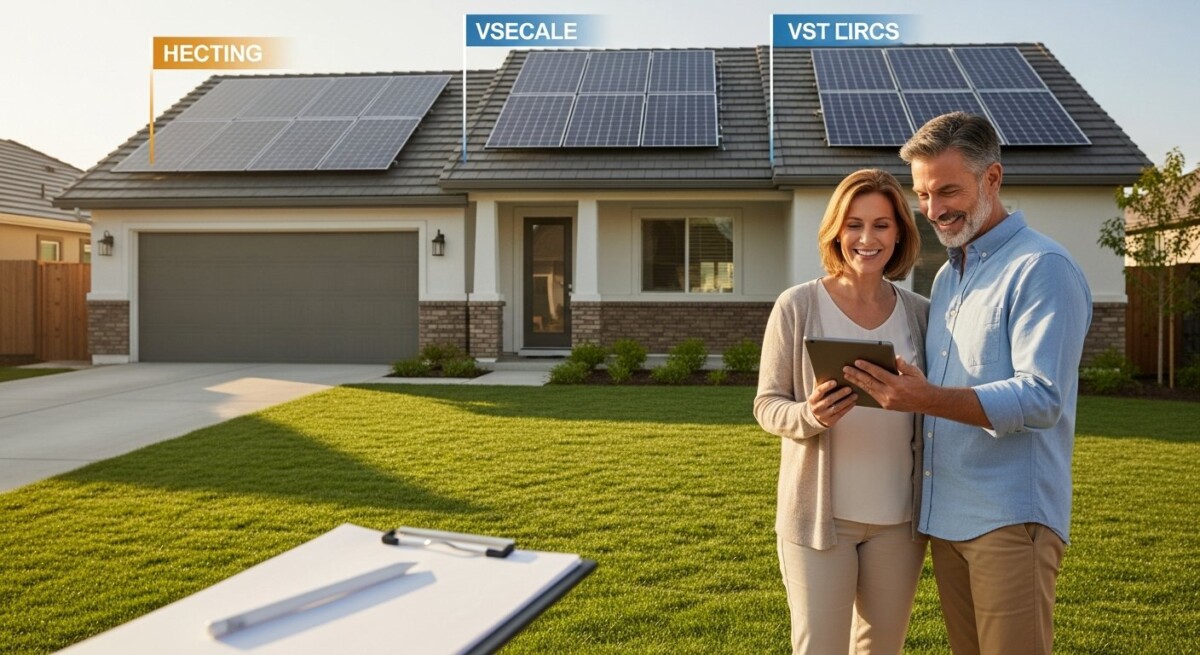
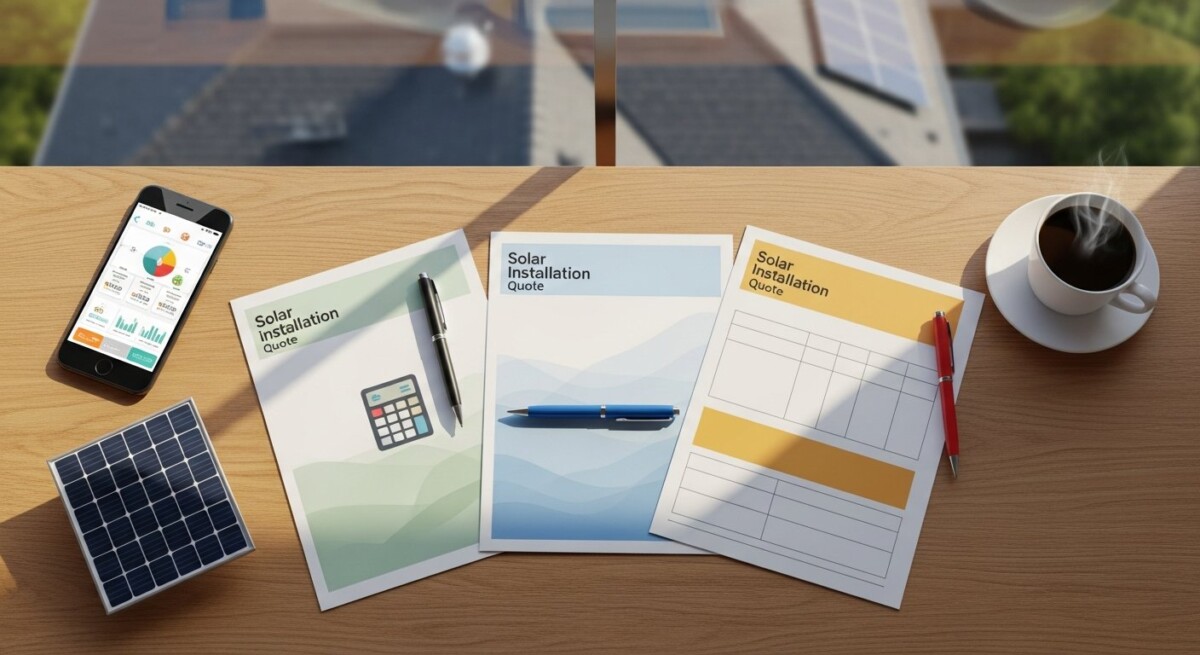
Solar estimates are simply the price quotes that installation companies give you for a complete solar panel system. These numbers can differ by thousands of dollars for the same home, which often leaves homeowners confused or suspicious. The truth is that why solar estimates vary comes down to a handful of key factors that every homeowner should understand before signing a contract.
Each solar company uses different equipment, calculates your energy needs differently, and applies its own pricing structure. Some installers may recommend a larger system than you actually need, while others might use premium panels that cost more but produce more power over time. The variation is not a sign of dishonesty,it reflects real differences in what each company offers and how they approach your home’s unique situation.
When you know the reasons behind the price differences, you can compare quotes with confidence and choose the system that truly fits your budget and energy goals. This knowledge turns a confusing process into a straightforward decision.
Why Solar Energy Is Becoming More Popular
More American homeowners are turning to solar power than ever before. Rising electricity rates have made traditional power increasingly expensive, and solar offers a way to lock in lower energy costs for decades. In our guide on free solar estimates, we explain how to get started on this path.
Environmental concerns also play a major role. Solar energy produces clean electricity without releasing carbon dioxide or other pollutants. For many families, reducing their carbon footprint while saving money feels like a win-win situation that aligns with their values.
The long-term financial picture is equally compelling. Solar panels typically pay for themselves within six to ten years through lower electricity bills, and they continue producing savings for twenty-five years or more. Government incentives, including the federal solar tax credit, make the upfront investment even more affordable.
If you are considering solar power for your home, comparing installation quotes can help you understand your options. Request a free solar quote or call to learn more.
Common Questions Homeowners Have About Solar
Before making a decision, most homeowners have several practical questions. The most common concern is upfront installation cost, which can range from $10,000 to $30,000 depending on system size and equipment. Many people also wonder whether their roof is suitable for solar panels,factors like age, material, and shading all matter.
System performance is another frequent worry. Homeowners want to know how much electricity their panels will actually produce and whether they will still have power during a blackout. Battery storage systems can provide backup power, but they add to the overall cost.
- How much does a solar system cost for an average home?
- Will solar panels work on my roof type and age?
- How much money will I actually save each month?
- What happens to my system during a power outage?
- How long does the installation process take?
- Are there financing options that require no money down?
How Solar Panel Installation Works
The installation process follows a clear sequence of steps that typically takes one to three months from start to finish. Understanding this timeline helps you plan accordingly and know what to expect from your installer.
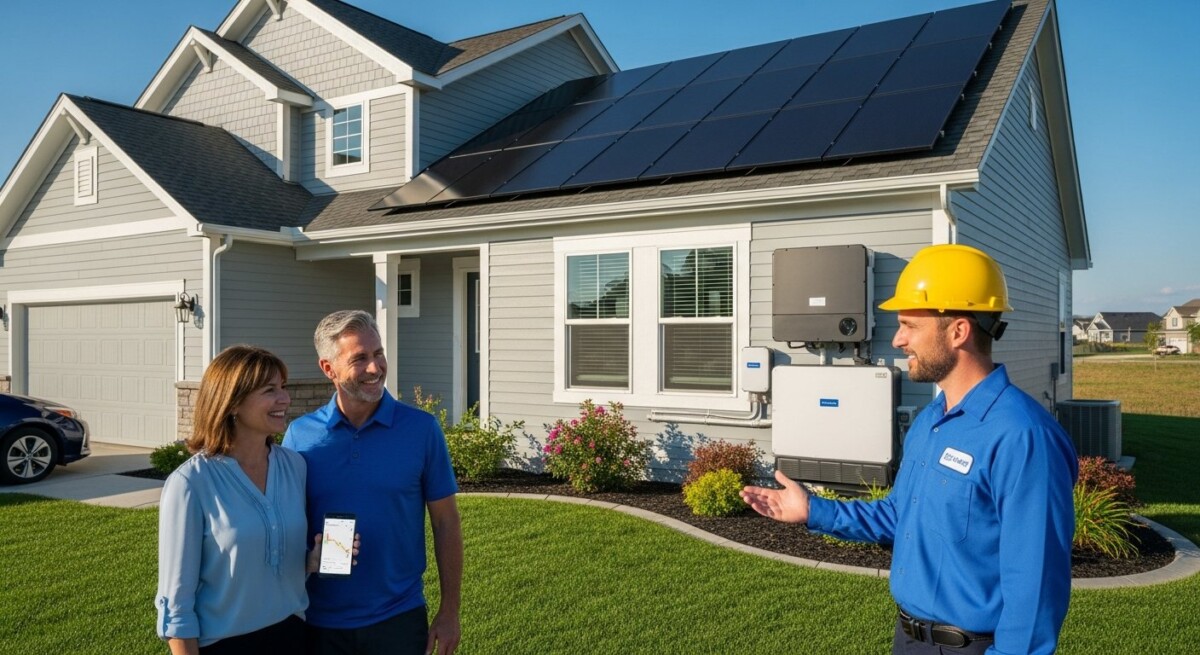
Every project begins with a home energy assessment, where the installer reviews your electricity bills, evaluates your roof, and determines the best system size for your needs. After that, the team designs a custom system and handles all necessary permits and approvals from your local government and utility company.
- Schedule a home energy assessment and roof inspection
- Receive a custom system design and final quote
- Submit permits and utility interconnection applications
- Install racking, solar panels, and electrical components
- Pass final inspections and receive permission to operate
- Activate the system and start generating savings
Speaking with experienced installers can help you determine the best solar solution for your home. Compare solar quotes here or call to explore available options.
Signs Your Home May Be Ideal for Solar
Not every home is equally suited for solar panels, but many properties have excellent solar potential. The most important factor is strong sunlight exposure,a south-facing roof with minimal shading from trees or nearby buildings will produce the most energy.
Your current electricity bills also tell a clear story. If you pay high rates or use a lot of electricity, solar panels will deliver bigger savings. A suitable roof with enough space and at least ten to fifteen years of remaining life is also essential for a worthwhile investment.
- Your roof faces south, west, or east with good sun exposure
- You currently pay high electricity rates from your utility
- Your roof has at least 300 to 500 square feet of usable space
- You plan to stay in your home for at least five to seven years
- Your roof is in good condition and less than 15 years old
- Local net metering policies allow you to sell excess power back to the grid
What Affects Solar Installation Costs
Several factors determine the final price you will pay for a solar system. The size of the system, measured in kilowatts, is the primary driver,larger systems cost more because they require more panels and equipment. The quality of the solar panels and inverters also influences the price, with premium components offering higher efficiency and longer warranties.
Installation complexity matters too. A simple roof with easy access and standard shingles is cheaper to work on than a complex roof with multiple angles, skylights, or tile materials. Local permit fees and labor rates also vary by region, which contributes to the differences in solar estimates across the country.
Government incentives and rebates can significantly lower your out-of-pocket cost. The federal solar tax credit currently covers 30 percent of the system cost, and some states and utilities offer additional incentives that further reduce the price.
The cost of solar installation varies depending on your home and energy needs. Request personalized solar quotes or call to see what options are available.
Tips for Choosing a Reliable Solar Installer
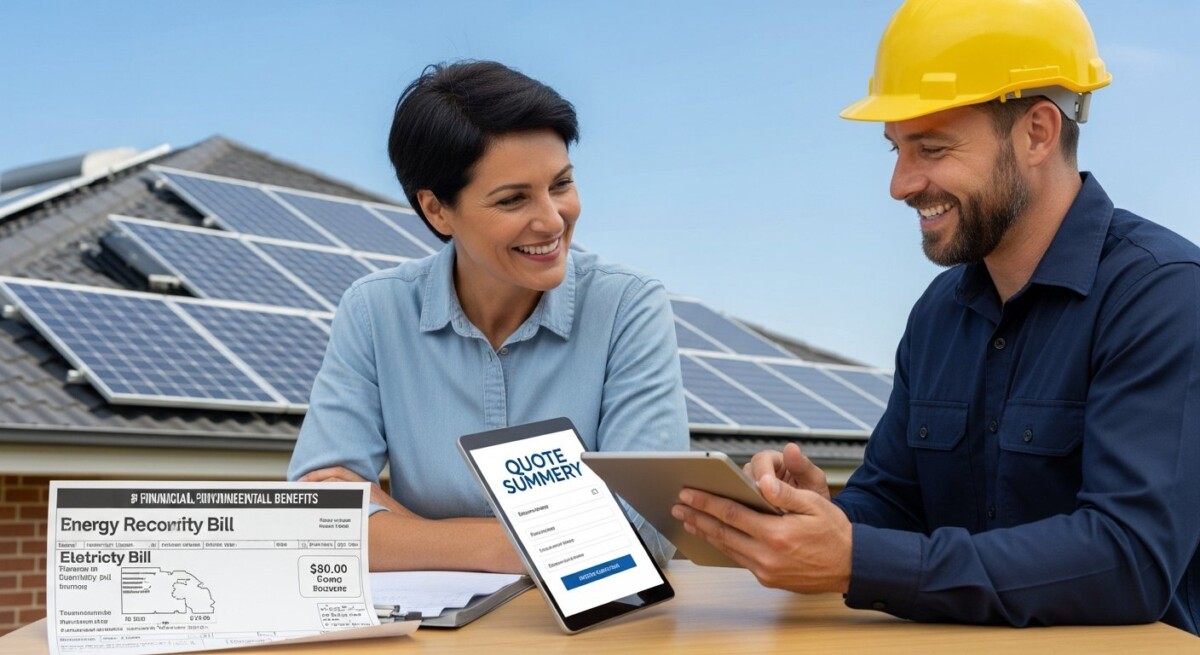
Finding a trustworthy installer is just as important as choosing the right equipment. A reliable company will conduct a thorough site visit, provide a detailed written estimate, and answer all your questions without pressure. They should also be licensed, insured, and experienced with your specific roof type.
Reading customer reviews and checking the company’s Better Business Bureau rating can reveal a lot about their reputation. Ask about warranties on both the equipment and the installation workmanship,a good installer stands behind their work for at least ten years.
- Verify the installer’s license, insurance, and certifications
- Read recent customer reviews on Google and the BBB
- Ask about equipment warranties and workmanship guarantees
- Request at least three detailed quotes from different companies
- Compare financing options including loans, leases, and PPAs
- Confirm the company handles all permits and inspections
Long-Term Benefits of Installing Solar Panels
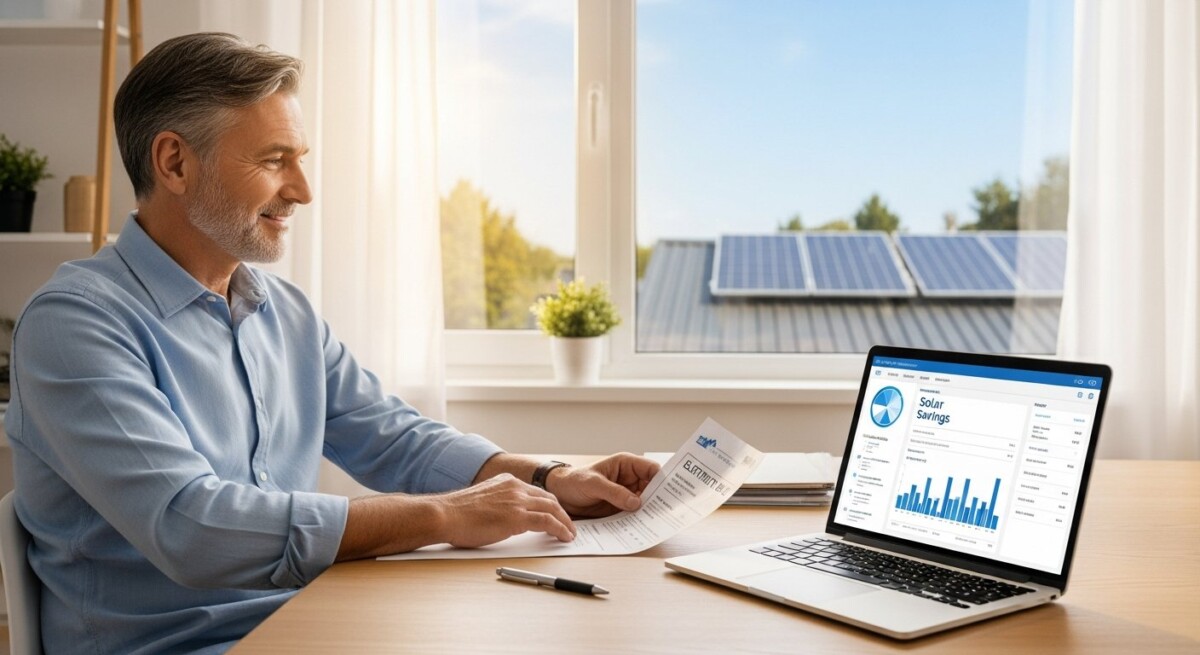
The most obvious benefit of going solar is lower electricity bills. Once your system is paid off, the electricity it produces is essentially free, protecting you from future rate increases. Over the typical twenty-five-year lifespan of solar panels, the total savings can easily reach tens of thousands of dollars.
Solar panels also increase your home’s resale value. Studies show that homes with solar systems sell for a premium compared to similar homes without them. Buyers recognize the value of lower utility costs and are willing to pay more for a property that already has solar installed.
Energy independence is another powerful advantage. Generating your own electricity reduces your reliance on the traditional power grid and protects you from blackouts when paired with battery storage. On a broader level, every solar home helps reduce carbon emissions and supports a cleaner environment for future generations.
How accurate are solar estimates?
Solar estimates are generally accurate when based on a proper site evaluation and your actual electricity usage. However, final costs can shift slightly due to permit fees or unexpected roof conditions. In our article on how accurate free solar estimates are, we break down what to expect from different types of quotes.
What is the average cost of solar panels in 2025?
The average cost for a residential solar system ranges from $2.50 to $3.50 per watt before incentives. For a typical 6-kilowatt system, that works out to roughly $15,000 to $21,000 before the federal tax credit.
How long do solar panels last?
Most solar panels come with a 25-year performance warranty and continue producing electricity well beyond that. Many panels still operate at 80 percent or more of their original capacity after 30 years.
Will solar panels work during a power outage?
Standard grid-tied solar systems shut down during a blackout for safety reasons. If you want backup power, you need to install a battery storage system such as the Tesla Powerwall or similar product.
Do I need to clean my solar panels?
Rain usually keeps solar panels clean enough to perform well. In dusty areas or after long dry spells, occasional cleaning with water can improve efficiency by a few percent.
Can I install solar panels myself to save money?
DIY solar installation is possible but not recommended for most homeowners. Professional installation ensures proper permitting, safe electrical work, and valid warranties that self-installation typically voids.
How much can I save on my electric bill with solar?
Typical homeowners save 50 to 90 percent on their monthly electricity bills after installing solar. The exact amount depends on system size, local utility rates, and how much energy your household uses.
What happens if I move after installing solar?
If you own your solar system outright, it can increase your home’s resale value. If you lease the system, the new homeowner may take over the lease or you may need to buy out the contract.
Understanding why solar estimates vary empowers you to make a confident, informed decision about your home’s energy future. By comparing multiple quotes from reputable installers, you can find a system that fits your budget, meets your energy needs, and delivers real savings for decades to come. Start exploring your options today and take the first step toward lower bills and energy independence.