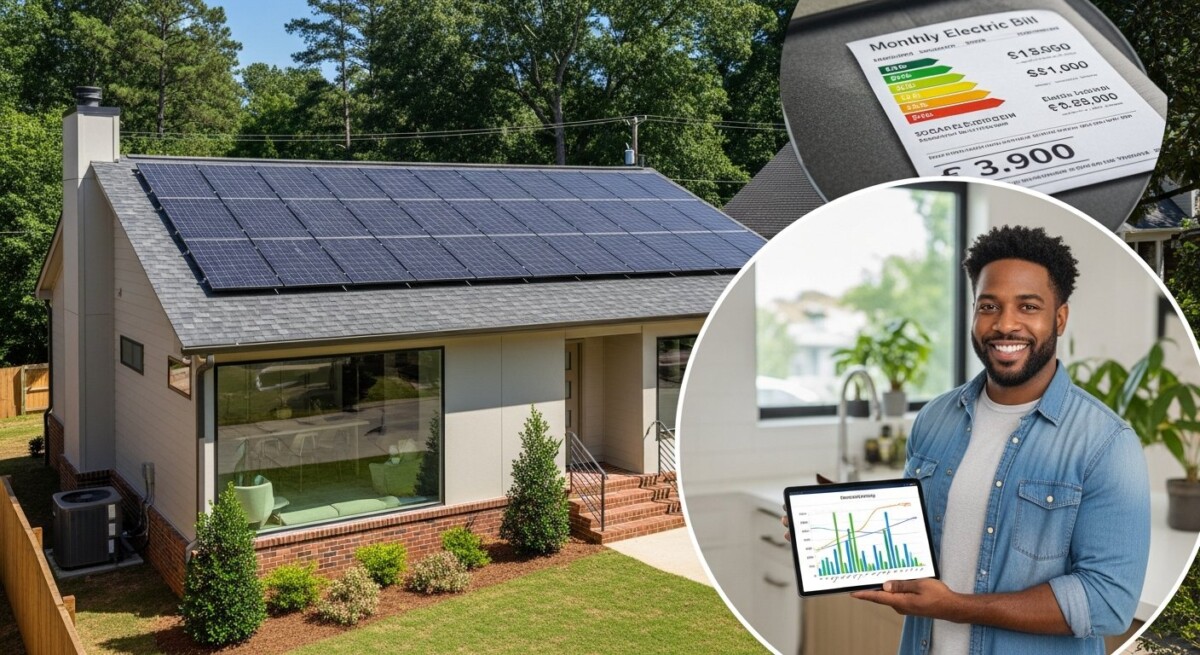
You open your monthly electric bill and feel a familiar sting. Rates keep climbing, and it feels like there is no end in sight. If you have started searching for a solar return on investment calculator, you are not alone. Many homeowners are looking for a way to reduce their energy bills and become less dependent on the power grid. A solar investment calculator helps you see exactly how much money you could save over time, making the decision to switch to solar clearer and more confident.
Understanding Solar Return on Investment Calculator
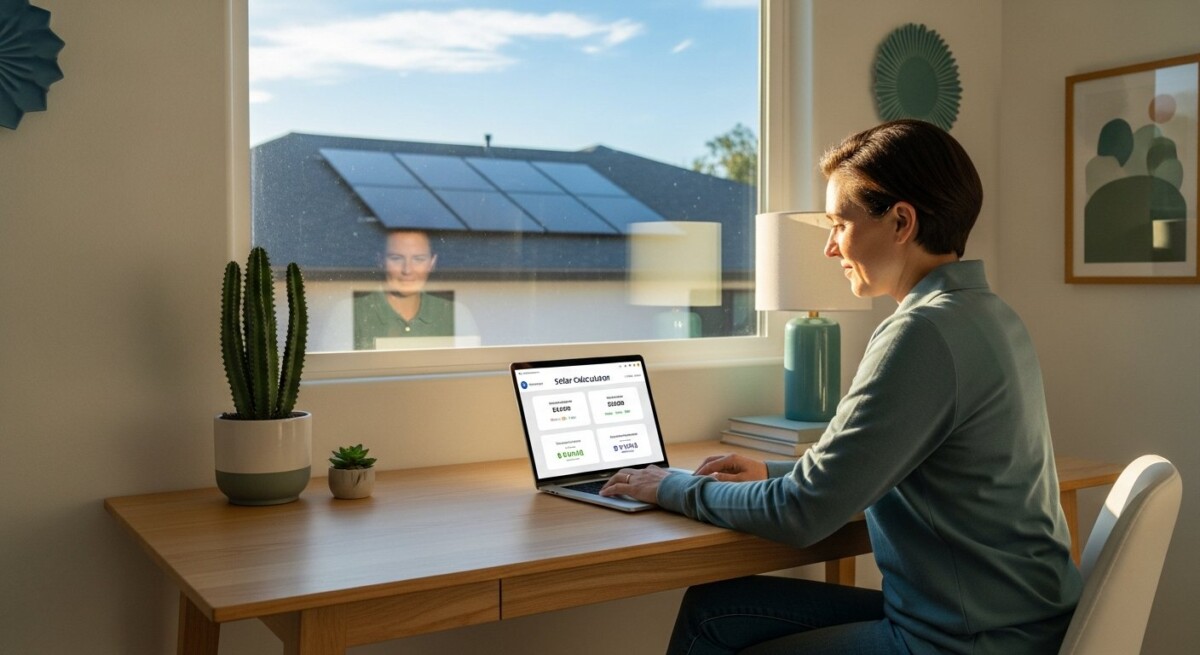
A solar return on investment calculator is a simple online tool that estimates how long it will take for your solar panel system to pay for itself. You enter details like your average monthly electric bill, your home’s location, and the size of the system you are considering. The calculator then shows your estimated annual savings, your payback period, and your total savings over 20 or 25 years.
Think of it as a financial roadmap for your solar journey. Instead of guessing whether solar panels are worth it, you get hard numbers based on real data. These calculators account for local electricity rates, sunlight hours in your area, and available incentives. This makes them one of the most practical tools for any homeowner researching solar energy.
More homeowners are turning to these calculators because they remove the guesswork. You no longer need to be a math expert or an energy analyst. With just a few clicks, you can see the potential return on your investment. This empowers you to make an informed decision without pressure from salespeople.
How to Use a Solar Payback Calculator Effectively
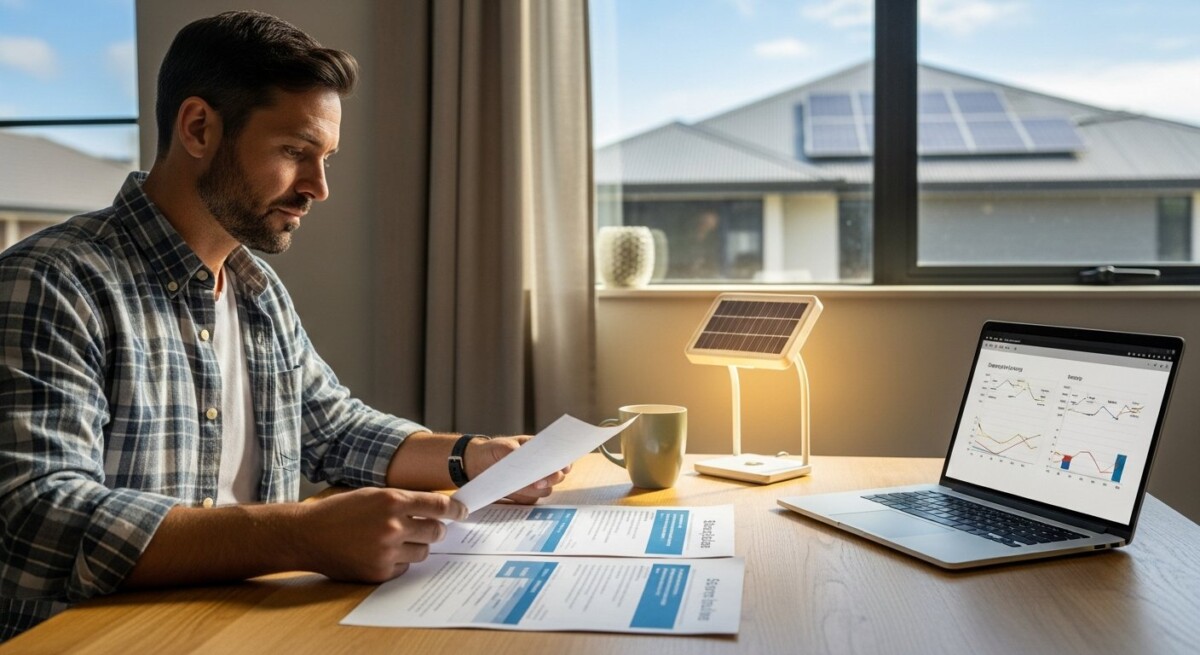
To get the most accurate results, gather your most recent 12 months of electric bills. This gives the calculator a clear picture of your annual energy usage. Also, check your roof’s orientation and shading, as these factors directly affect how much electricity your panels will produce. The more accurate your inputs, the more reliable your savings estimate will be.
Why Solar Energy Is Becoming More Popular
Electricity prices across the United States have risen steadily over the past decade. For many families, power bills now take a significant bite out of the monthly budget. Solar energy offers a way to lock in lower energy costs and protect yourself from future rate hikes. This financial stability is one of the biggest motivators for homeowners.
Environmental concerns also play a major role. More people want to reduce their carbon footprint and contribute to a cleaner planet. Solar panels generate electricity without producing greenhouse gases, making them one of the most environmentally friendly home upgrades you can make. It is a practical way to align your values with your daily life.
Long-term savings are the third pillar driving solar adoption. While the upfront cost can seem large, the average homeowner recovers their investment within 6 to 10 years. After that, the electricity your panels produce is essentially free. Over the 25-year lifespan of a typical system, total savings can easily reach tens of thousands of dollars.
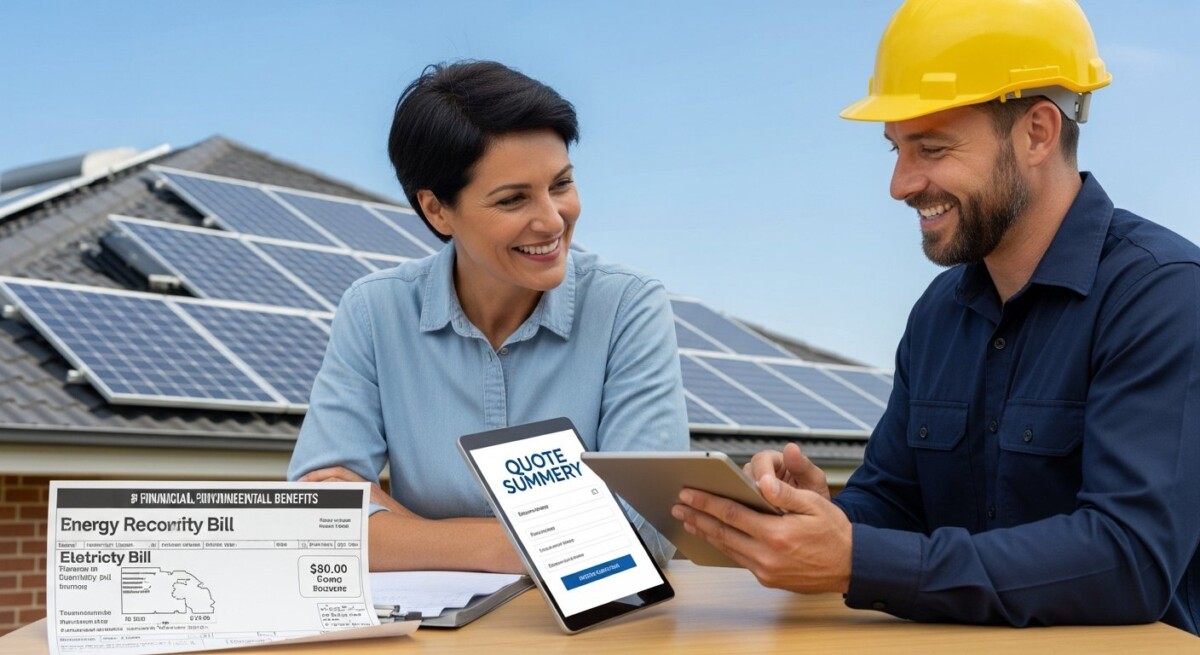
If you are considering solar power for your home, comparing installation quotes can help you understand your options. Request a free solar quote or call to learn more.
Common Questions Homeowners Have About Solar
Many homeowners hesitate because they worry about the initial installation cost. The good news is that federal tax credits, state rebates, and financing options have made solar more affordable than ever. You do not need to pay the full amount upfront. In many cases, your monthly loan payment is lower than your previous electric bill, meaning you start saving from day one.
Roof suitability is another frequent concern. Not every roof is ideal, but most can accommodate solar panels with some adjustments. A professional installer will evaluate your roof’s age, material, angle, and shading during a free assessment. If your roof needs repairs, you can often bundle that cost into your solar financing.
System performance questions are common too. Homeowners want to know if panels work on cloudy days or during winter. Modern solar panels are highly efficient and still generate electricity in diffuse light. Plus, net metering programs in many states let you earn credits for excess power your system sends back to the grid, giving you a buffer during less sunny periods.
- How much does a solar panel system cost? The average residential system costs between $15,000 and $25,000 before incentives, but prices vary by location and system size.
- Will solar panels work during a power outage? Standard grid-tied systems shut off for safety, but adding battery storage allows you to keep the lights on.
- How long do solar panels last? Most panels come with a 25-year performance warranty and continue producing electricity for 30 years or more.
- Do I need to clean my solar panels? Rain usually keeps them clean, but in dusty areas, occasional rinsing can boost efficiency.
- Can I install solar panels myself? While possible, professional installation ensures safety, proper permits, and eligibility for warranties and incentives.
- What happens if I move? Solar panels can increase your home’s resale value, and many buyers see them as a desirable upgrade.
How Solar Panel Installation Works
The installation process is simpler than most homeowners expect. It begins with a thorough home energy assessment, where an installer reviews your electricity usage and inspects your roof. This step ensures the system is sized correctly for your needs. From there, the installer designs a custom system that maximizes your roof’s sun exposure.
Once the design is approved, the installer handles all the permits and approvals required by your local utility and city government. This paperwork can be tedious, but a professional team manages it for you. After permits are secured, the actual installation typically takes one to three days, depending on system complexity.
Finally, the system is connected to the grid and activated. Your utility company will often install a new meter that tracks your energy production and consumption. Within a few weeks, you will start seeing the results on your electric bill,lower charges and, in some months, credits.
- Home energy assessment: Review past bills and inspect your roof.
- System design: Customize panel placement and equipment selection.
- Permits and approvals: Obtain necessary permissions from local authorities and your utility.
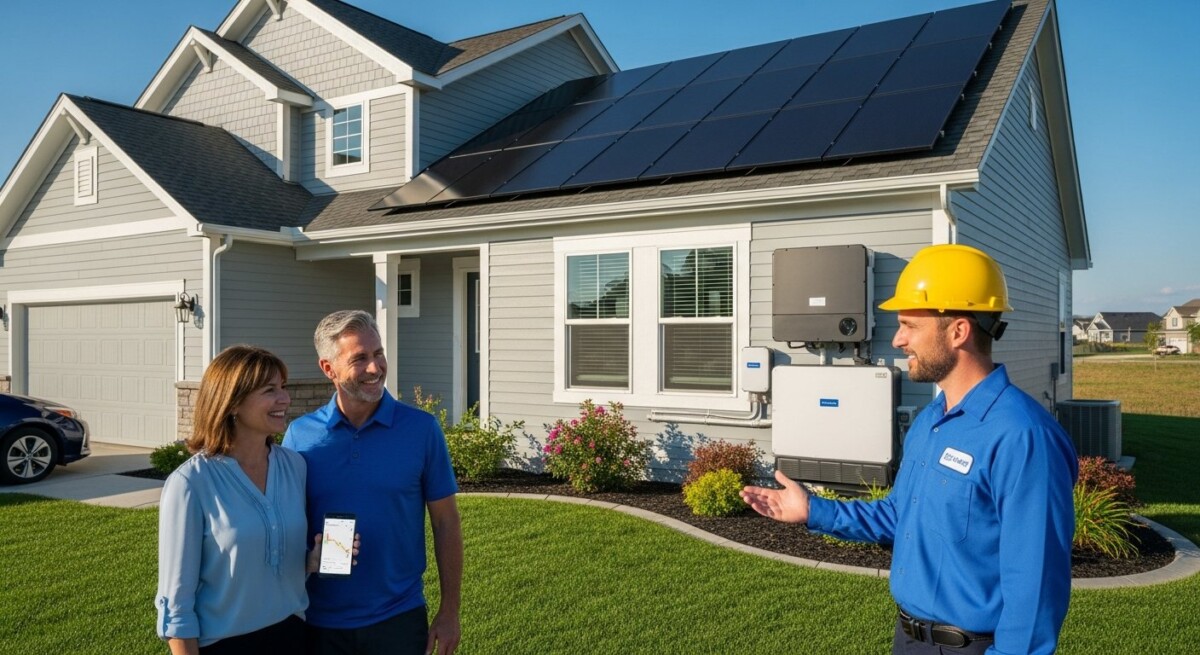
- Panel installation: Mount panels, connect wiring, and install the inverter.
- System activation: Final inspection, grid connection, and monitoring setup.
Speaking with experienced installers can help you determine the best solar solution for your home. Compare solar quotes here or call to explore available options.
Signs Your Home May Be Ideal for Solar
Certain home characteristics make solar a particularly smart investment. If your roof faces south, west, or east and gets direct sunlight for most of the day, you are in a strong position. Even roofs with partial shade can work well with modern optimizers or microinverters. The key is having enough unshaded space to accommodate the number of panels you need.
High electricity bills are another clear indicator. If you pay more than $100 per month on average, solar can likely reduce or eliminate that cost. Homes with electric heating, air conditioning, or electric vehicles often see even greater savings. The more electricity you use, the faster your solar system pays for itself.
If you plan to stay in your home for at least five to seven years, solar becomes a solid financial move. The payback period typically falls within that window, after which you enjoy free electricity for decades. Homeowners nearing retirement often find solar appealing because it reduces monthly expenses during fixed-income years.
- Strong sunlight exposure: Minimal shading from trees or nearby buildings.
- High electricity bills: Monthly costs above $100 or $150.
- Suitable roof space: At least 300 to 500 square feet of usable area.
- Long-term home ownership plans: Intending to stay for five years or more.
- Good roof condition: Roof is less than 10 years old or in excellent shape.
- Local incentives: Your state or utility offers rebates, tax credits, or net metering.
What Affects Solar Installation Costs
System size is the biggest cost driver. A larger system that covers 100% of your energy needs will cost more than a smaller one that offsets only part of your usage. However, the per-watt price often decreases as system size increases, making bigger systems more cost-effective in the long run. Your installer will help you find the right balance.
Equipment quality also matters. High-efficiency panels and premium inverters cost more upfront but produce more electricity over their lifespan. Cheaper components may save you money now but could lead to lower performance or earlier replacement. Investing in reliable equipment pays off over the 25-year life of your system.
Installation complexity can raise costs too. If your roof is steep, has multiple angles, or requires structural reinforcement, the labor will be higher. Similarly, older electrical panels may need upgrading to handle the new solar system. Local incentives and federal tax credits can offset these expenses significantly.
The cost of solar installation varies depending on your home and energy needs. Request personalized solar quotes or call to see what options are available.
Tips for Choosing a Reliable Solar Installer
Selecting the right installer is just as important as choosing the right equipment. A reputable company will have years of experience, proper licensing, and a strong track record of customer satisfaction. Do not be afraid to ask for references or look up reviews on sites like the Better Business Bureau. A trustworthy installer will be transparent about costs, timelines, and expected performance.
Warranties are another critical factor. The best installers offer workmanship warranties that cover their installation labor for 10 to 25 years. Combined with the manufacturer’s equipment warranty, this gives you comprehensive protection. Always read the fine print and understand what is covered before signing.
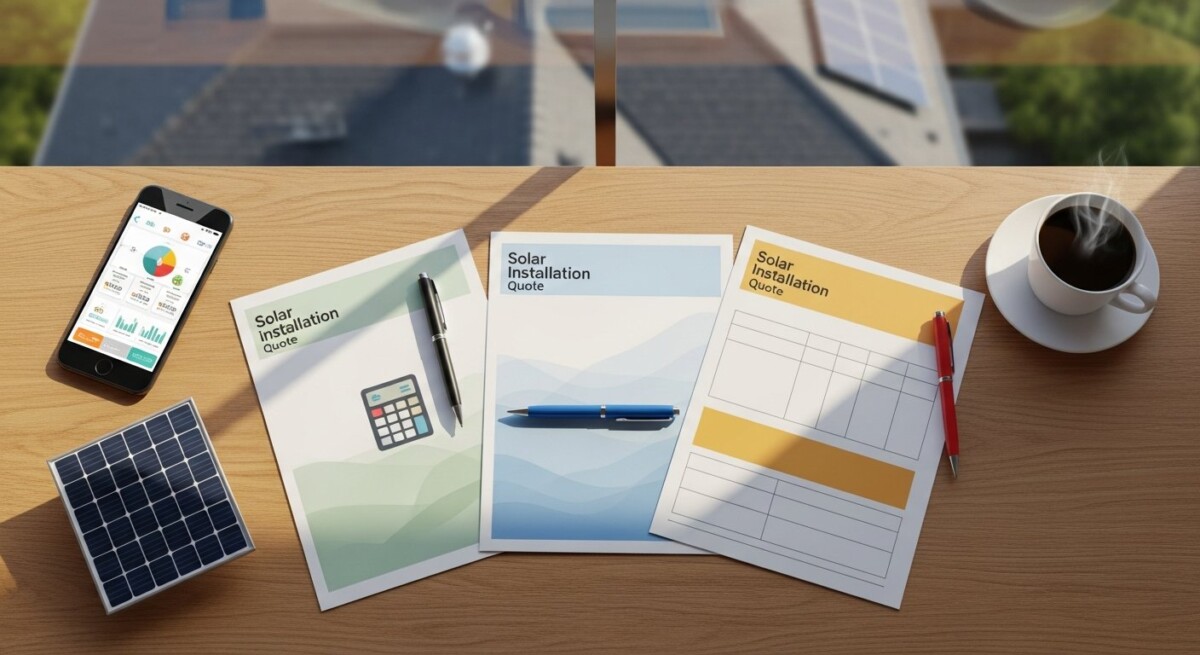
Finally, comparing multiple quotes is the single most effective way to get a fair price. Each installer will have different pricing, equipment options, and financing offers. By gathering three to five quotes, you can see the range of costs and choose the best value,not just the lowest price.
- Review installer experience: Look for at least 5 years in business and hundreds of completed projects.
- Check warranties: Ensure workmanship and equipment warranties are clearly stated.
- Read customer reviews: Check Google, Yelp, and solar-specific review platforms.
- Compare multiple quotes: Get at least three detailed proposals before deciding.
- Verify licensing and insurance: Confirm the installer is licensed in your state and carries liability insurance.
- Ask about monitoring: Ensure the system includes a way to track your energy production.
Long-Term Benefits of Installing Solar Panels
Lower electricity bills are the most immediate and obvious benefit. Once your system is paid off, your monthly electric cost drops to near zero, aside from a small connection fee. Over 20 years, those savings can add up to $30,000 or more, depending on your location and energy usage. That is money you can put toward retirement, travel, or home improvements.
Your home’s value also increases. Studies show that homes with solar panels sell for a premium compared to similar homes without them. Buyers recognize the value of lower utility costs and are often willing to pay more. In many markets, solar panels add about 4% to the home’s resale value.
Energy independence is another powerful benefit. By generating your own electricity, you are less vulnerable to power outages and utility rate increases. Pairing solar with battery storage gives you even greater control. And, of course, every kilowatt-hour you produce from the sun reduces your carbon footprint, helping create a cleaner environment for future generations.
Frequently Asked Questions
How accurate is a solar return on investment calculator?
A solar return on investment calculator is very accurate when you provide correct information about your energy usage, roof, and local rates. It uses real data from your utility and regional solar production estimates. However, unexpected changes in electricity prices or system performance can cause slight variations.
What is the average payback period for solar panels?
The average payback period for residential solar panels in the United States is between 6 and 10 years. This depends on your electricity costs, the size of your system, available incentives, and your local sunlight. After the payback period, you essentially get free electricity for the remaining life of the system.
Do solar panels work in cloudy or cold climates?
Yes, solar panels still generate electricity on cloudy days, though at reduced efficiency. Cold temperatures can actually improve panel performance because electronics work better in cooler conditions. Many states with less sunshine, like Massachusetts and New York, have thriving solar markets.
Can I get solar panels with no money down?
Yes, many installers offer $0-down financing options, such as solar loans or leases. With a solar loan, you own the system and make monthly payments, often lower than your previous electric bill. Leases require no upfront cost but you do not own the panels, which means you miss out on certain tax credits.
How much does a solar return on investment calculator cost to use?
Most online solar calculators are completely free to use. They are offered by solar companies, government agencies, and nonprofit organizations. Using one does not obligate you to buy anything, and it is a great way to start your research.
What happens to my solar savings if electricity rates go down?
While electricity rates can fluctuate, the long-term trend in the U.S. has been steady increases. Even if rates stabilize, your solar panels still reduce your reliance on the grid. Your savings are most significant when rates rise, but you always benefit from generating your own power.
Do I need a new roof before installing solar?
It is recommended that your roof have at least 10 to 15 years of life remaining before installing solar. If your roof is older, replacing it before installation avoids the cost of removing and reinstalling the panels later. Many installers can coordinate roof replacement as part of the project.
Can I use a solar ROI calculator for a business property?
Yes, many calculators offer options for commercial properties. Business solar installations have different incentives and tax structures, so look for a calculator specifically designed for commercial use. The same principles of payback and savings apply, but the numbers may differ.
Switching to solar is a big decision, but the numbers often speak for themselves. By using a solar return on investment calculator, you can see exactly how much you stand to save. The next step is simple: compare quotes from trusted installers to find the best system for your home and budget. Your future self,and your wallet,will thank you.