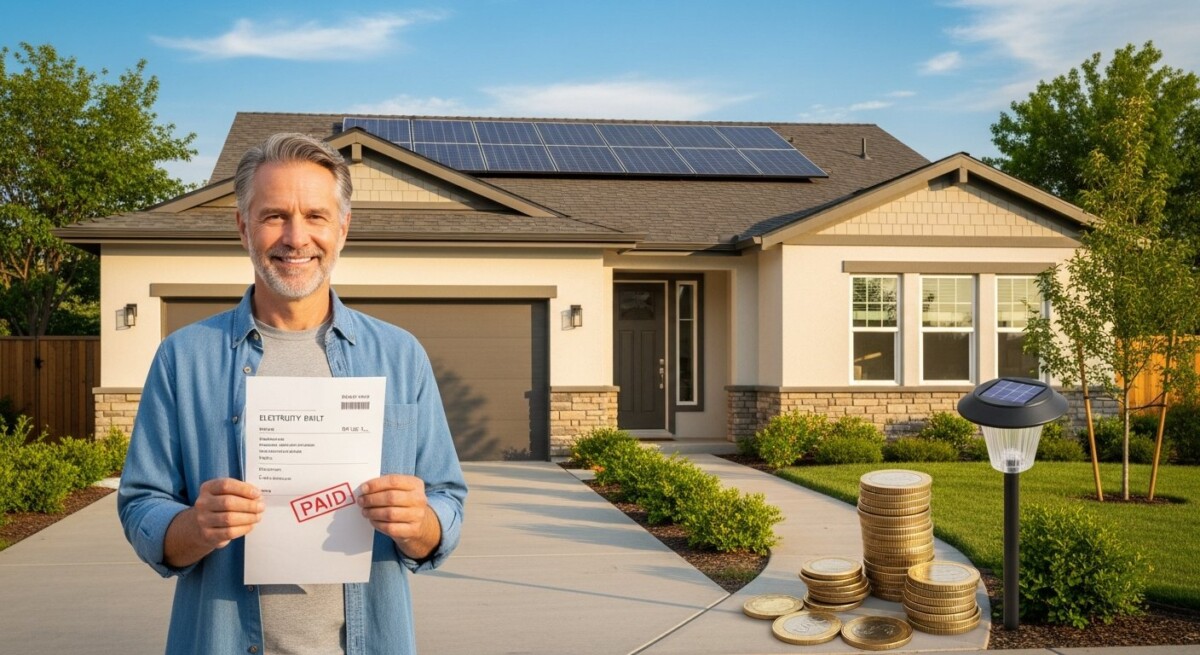
You open your monthly electricity bill and notice the total has crept up again. Rising energy costs are prompting more homeowners to explore solar power, yet many wonder if the investment truly pays off. This is where understanding what is solar payback calculation becomes essential. It helps you determine how long it takes for your solar panels to generate enough savings to cover their upfront cost, giving you a clear picture of long-term financial benefits and energy independence.
Understanding what is solar payback calculation
At its core, a solar payback calculation measures the time it takes for your energy savings to equal the total cost of installing a solar system. This period is known as the payback period, typically ranging from six to twelve years for most U.S. homes. The calculation considers factors such as system cost, available incentives, your current electricity rate, and how much sunlight your roof receives.
To compute your payback period, divide the net cost of the system (after rebates and tax credits) by your annual electricity savings. For example, if your system costs $12,000 after incentives and saves you $1,500 per year, your payback period is eight years. Once you reach that point, the electricity your panels produce is essentially free for the remaining life of the system, which can last 25 years or more.
This straightforward formula empowers homeowners to make informed decisions. By understanding what is solar payback calculation, you can compare different quotes and system sizes to find the option that offers the fastest return on investment. Many installers provide these estimates for free, helping you see the financial reality before committing.
Why Solar Energy Is Becoming More Popular
Electricity rates have risen steadily over the past decade, and many homeowners feel the pinch. Solar panels offer a way to lock in lower energy costs and protect against future price hikes. Beyond financial relief, environmental concerns drive interest in clean energy, as solar power reduces reliance on fossil fuels and lowers your household carbon footprint.
Long-term savings also play a major role. While the upfront investment may seem significant, the combination of lower monthly bills, increased home value, and available tax credits makes solar an attractive option. Homeowners who plan to stay in their homes for several years often find that the payback period aligns well with their ownership timeline, resulting in thousands of dollars in net savings over the system’s lifetime.
If you are considering solar power for your home, comparing installation quotes can help you understand your options. Request a free solar quote or call (855) 799-2089 to learn more.
Common Questions Homeowners Have About Solar
Many homeowners hesitate because they worry about installation cost. However, federal and state incentives can reduce the upfront price by 30 percent or more, making solar more accessible than ever. Roof suitability is another frequent concern, but most homes with south-facing roofs and minimal shading can accommodate panels effectively.
System performance also raises questions, especially regarding cloudy days or seasonal changes. Modern solar panels are designed to generate electricity even in diffuse light, and net metering programs allow you to earn credits for excess power sent to the grid. These features ensure your system remains productive year-round.
- How much does a typical solar system cost after incentives?
- Will solar panels work on my roof type?
- What happens during a power outage?
- How long do solar panels last?
- Do I need to replace my roof before installation?
- Can I finance a solar system with no money down?
How Solar Panel Installation Works
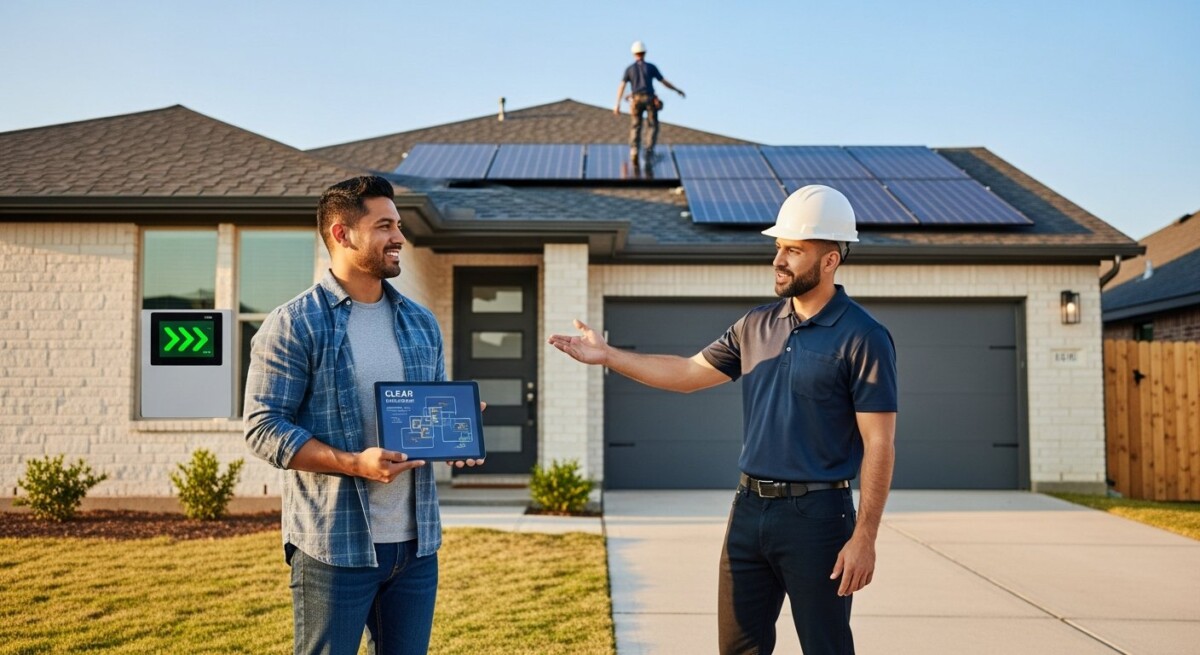
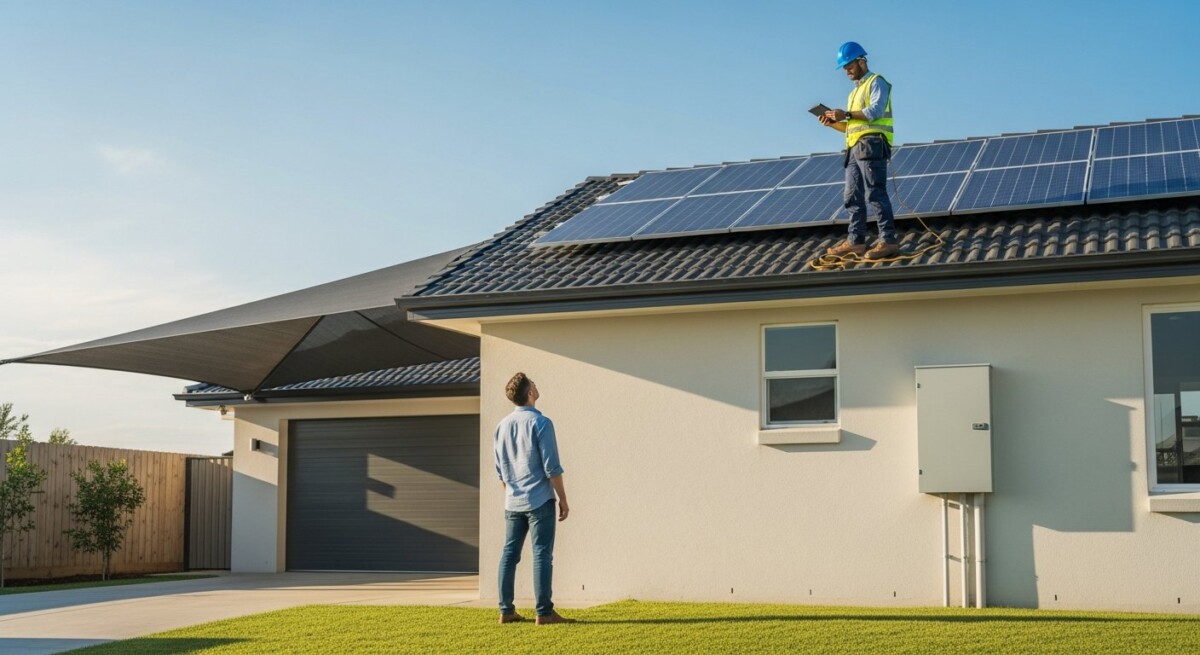
The installation process begins with a home energy assessment, where a professional evaluates your electricity usage, roof condition, and sun exposure. This data guides the design of a custom system tailored to your needs and budget. After finalizing the design, the installer handles permits and approvals from your local utility and municipality.
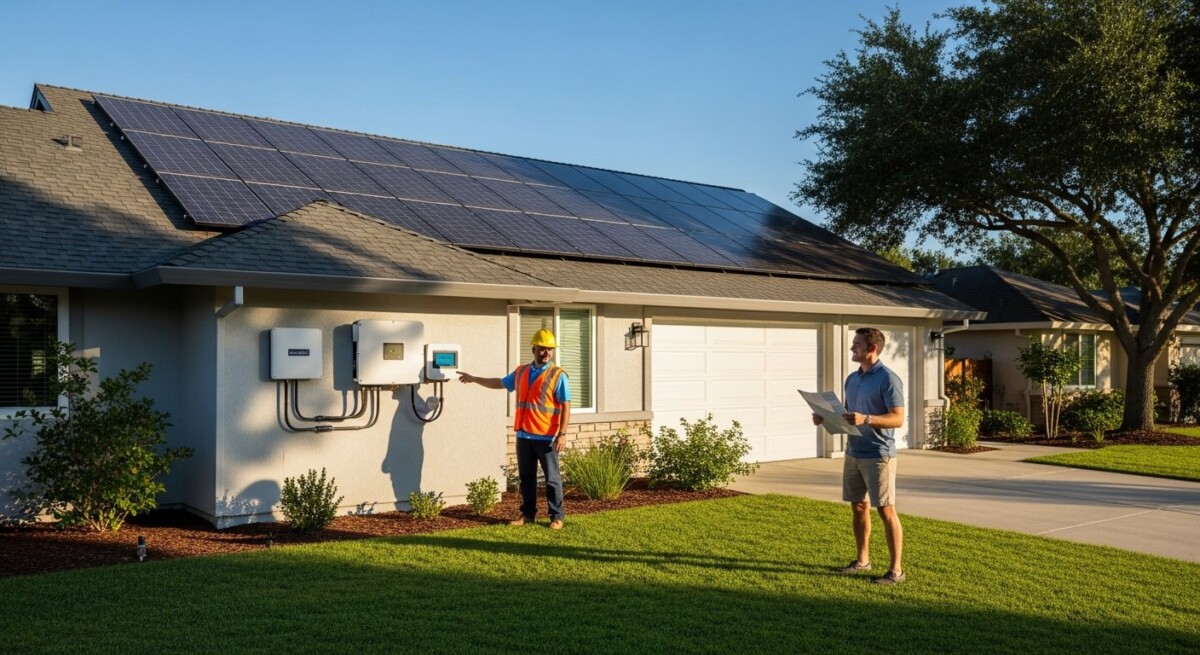
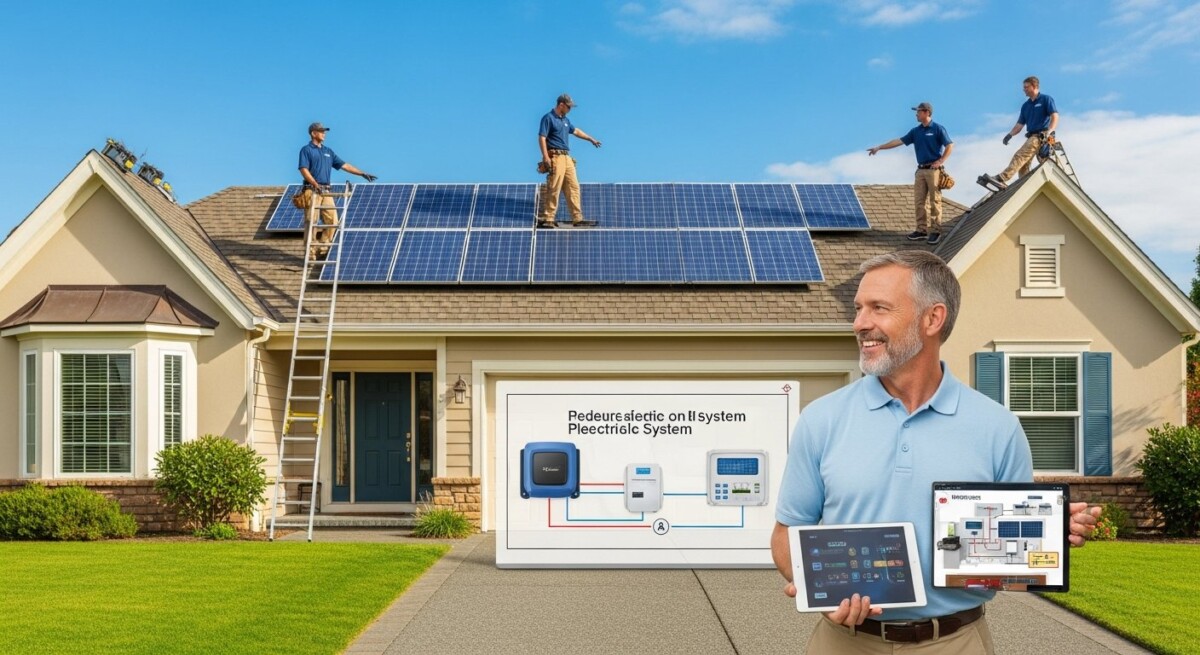
Once paperwork is complete, the physical installation typically takes one to three days. Crews mount racking systems on your roof, attach the panels, and connect the inverter that converts sunlight into usable electricity. After a final inspection, your system is activated, and you start generating clean power immediately.
- Home energy assessment and usage analysis
- Custom system design and equipment selection
- Permit applications and utility approvals
- Racking installation and panel mounting
- Electrical wiring and inverter setup
- Final inspection and system activation
Speaking with experienced installers can help you determine the best solar solution for your home. Compare solar quotes here or call (855) 799-2089 to explore available options.
Signs Your Home May Be Ideal for Solar
Homes with strong sunlight exposure, especially those with south-facing roofs that receive direct sun for most of the day, are prime candidates for solar. If your property has minimal shading from trees or nearby buildings, you can maximize energy production and shorten your payback period. High electricity bills also signal that solar could deliver substantial monthly savings.
Having suitable roof space is another key factor. A typical residential system requires about 300 to 500 square feet of unshaded roof area. If you plan to stay in your home for five or more years, the long-term savings from solar become even more compelling, allowing you to fully benefit from the system’s lifespan.
- Your roof receives direct sunlight for most of the day
- Your monthly electricity bills are consistently high
- You have at least 300 square feet of usable roof space
- Your roof is in good condition and less than 10 years old
- You plan to remain in your home for several years
- Your state or utility offers strong solar incentives
What Affects Solar Installation Costs
System size is the primary cost driver, as larger systems require more panels and equipment. A typical 6-kilowatt system costs between $15,000 and $25,000 before incentives, but prices vary based on your energy needs and roof layout. Equipment quality also matters,premium panels and inverters often carry higher upfront costs but deliver better efficiency and longer warranties.
Installation complexity can increase expenses if your roof has unusual angles, multiple stories, or requires structural reinforcement. Local incentives, including federal tax credits, state rebates, and net metering policies, can significantly reduce your net cost. Comparing quotes from multiple installers helps you see how these factors affect pricing and choose the best value.
The cost of solar installation varies depending on your home and energy needs. Request personalized solar quotes or call (855) 799-2089 to see what options are available.
Tips for Choosing a Reliable Solar Installer
Selecting the right installer is critical to ensuring your system performs well and delivers the savings you expect. Experienced companies bring knowledge of local permitting, utility requirements, and incentive programs. They also help you avoid common pitfalls like undersized systems or poor panel placement that can extend your payback period.
Always check warranties on both equipment and workmanship, and read customer reviews to gauge satisfaction. Comparing multiple quotes not only reveals pricing differences but also gives you insight into each installer’s approach and transparency. A trustworthy professional will explain the payback calculation clearly and answer all your questions without pressure.
- Verify the installer’s licensing, insurance, and industry certifications
- Ask about equipment warranties and performance guarantees
- Read online reviews and request references from past customers
- Compare at least three detailed quotes with clear cost breakdowns
- Ensure the installer includes a realistic payback period estimate
- Confirm they handle permits and utility approvals as part of the service
Long-Term Benefits of Installing Solar Panels
Lower electricity bills are the most immediate benefit, with many homeowners reducing their monthly costs by 50 to 90 percent. Over 25 years, these savings can total tens of thousands of dollars, far exceeding the initial investment. Additionally, solar panels increase your home’s resale value, often adding $15,000 or more to the selling price.
Reducing your environmental impact is another powerful advantage. Solar energy produces no greenhouse gases during operation, helping combat climate change and improve local air quality. Finally, generating your own electricity provides energy independence, shielding you from utility rate hikes and grid disruptions. These combined benefits make solar a practical, forward-thinking investment.
Frequently Asked Questions
What is a typical solar payback period?
Most homeowners see a payback period between six and twelve years, depending on system cost, local electricity rates, and available incentives. After this period, the electricity your panels produce is essentially free, leading to significant long-term savings.
How do I calculate solar payback for my home?
Divide the net cost of your solar system (after tax credits and rebates) by your annual electricity savings. For instance, a $10,000 system saving $1,200 per year yields a payback period of about 8.3 years. Many online calculators and installers can help you run the numbers.
Does solar payback include maintenance costs?
Solar panels require minimal maintenance,typically just occasional cleaning and inverter checks. Most systems come with warranties covering equipment and performance, so maintenance costs are low. Including a small annual buffer for cleaning can give you a more precise estimate.
What happens to my solar payback if electricity rates rise?
If utility rates increase, your annual savings grow, which shortens your payback period. Solar panels protect you from future rate hikes, making the investment even more valuable over time. This is a key reason why many homeowners find solar financially compelling.
Can I get solar panels with no upfront cost?
Yes, many installers offer financing options, including solar loans and leases, that require little or no money down. However, the payback calculation differs for these arrangements, as you may not receive the full tax credit or own the system outright. Compare ownership versus leasing carefully.
How does roof shading affect my solar payback?
Shading reduces your system’s energy production, which can extend the payback period. Installers can use microinverters or power optimizers to minimize shading losses. A professional site assessment will show how much shade impacts your specific roof and expected savings.
Are solar tax credits included in payback calculations?
Yes, the federal Investment Tax Credit (ITC) and any state or local rebates should be subtracted from the gross system cost before calculating payback. This gives you a realistic net cost and timeline. Your installer should clearly show these incentives in your quote.
What is the difference between payback period and return on investment?
Payback period measures how long it takes to recover your initial investment through savings, while return on investment (ROI) expresses total profit as a percentage of the cost over the system’s lifetime. Both metrics are useful, but payback is easier to understand for most homeowners.
Understanding what is solar payback calculation gives you the confidence to evaluate solar as a smart financial move. By comparing installation quotes and working with reputable professionals, you can find a system that fits your budget and delivers lasting savings. Start exploring your options today and take the first step toward energy independence and lower bills.