
Solar Installation Support and Warranty Service Guide
Understand what to expect after solar installation support and warranty service, from monitoring to claims. Call 8337937166 for free quotes and expert help.

By Olivia Ingram
Learn more about Solar Panel Installation and Repair for guides, costs, and what to expect.
Compare Solar Panel Installation and Repair Pros Near You

Enter your ZIP code to compare top-rated local professionals and request free quotes.
Going solar is a major investment, and the moment your panels start producing power is just the beginning of a long relationship with your installer, your equipment manufacturers, and possibly your financing partner. Many homeowners focus so heavily on the sales process and the installation day that they never stop to ask a simple question: what happens if something goes wrong six months or six years down the road? Understanding what to expect after solar installation support and warranty service is essential to protecting your investment and avoiding surprise costs. This guide walks you through the monitoring tools, the warranty tiers, the service request process, and the practical steps you can take to keep your system running at peak performance for decades.
Your First 30 Days: Monitoring and Performance Verification
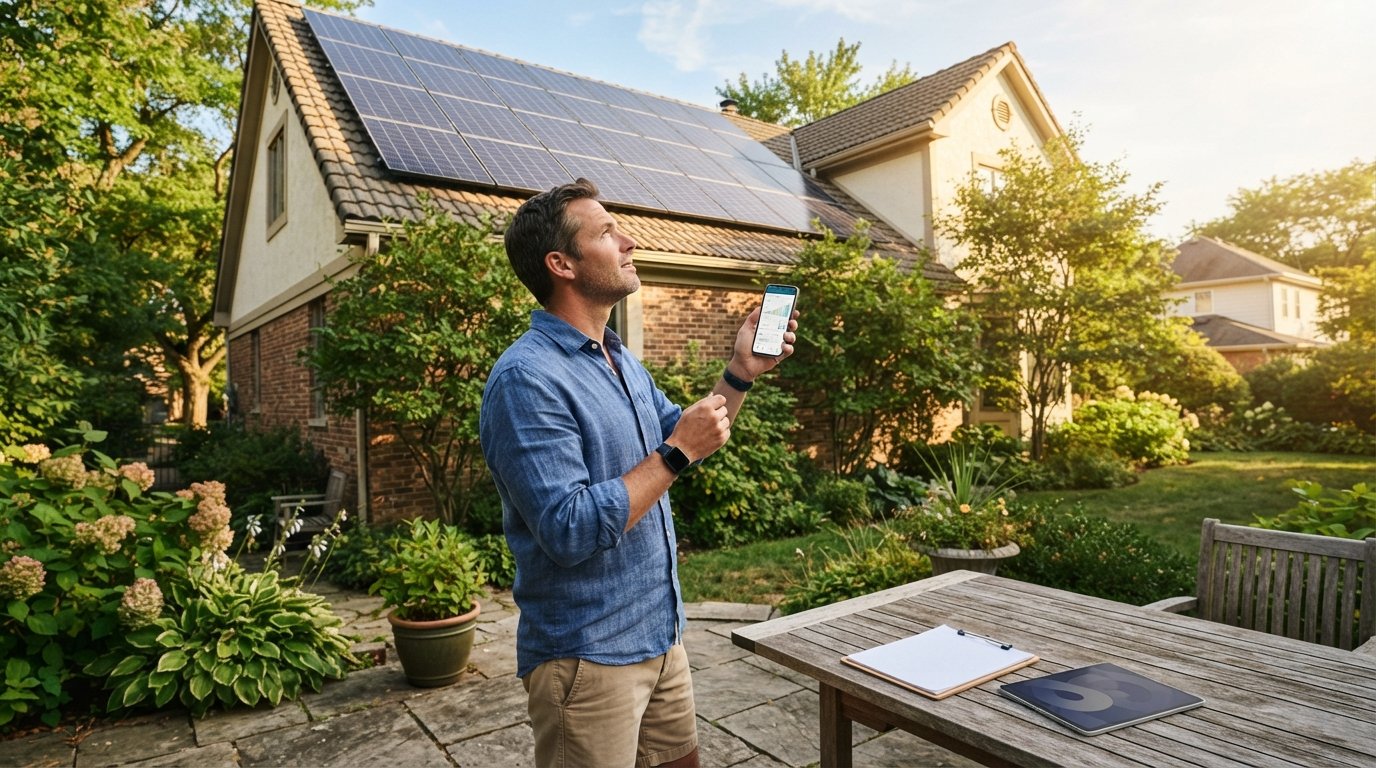
Once your system is commissioned and the utility grants permission to operate, your installer should walk you through the monitoring platform. Most systems today come with a mobile app or web portal that shows real-time production, historical output, and alerts for underperformance. During the first month, your primary job is to verify that the system is generating what the proposal predicted. Small variations are normal due to weather, but a significant shortfall could indicate a wiring issue, a faulty inverter, or a configuration error.
You should also confirm that your utility has correctly enrolled you in net metering or the applicable export compensation program. In some cases, paperwork delays mean you are not credited for the power you send to the grid. If you notice a discrepancy on your first post-solar electric bill, contact your installer's support team immediately. Most companies have a dedicated customer care or service department that handles these initial issues at no cost to you.
Here is a quick checklist for your first month of ownership:
- Log in to the monitoring app at least once a week and compare production to a neighbor's system or a solar production estimate.
- Save a copy of your system's as-built drawings, equipment serial numbers, and permit documents in a safe place.
- Review your first two utility bills to confirm net metering credits are applied correctly.
- Note any error codes or alerts in the monitoring platform and report them to your installer's support line.
If your installer is unresponsive during this initial period, that is a red flag. A reputable company will usually respond within one to two business days. FreeSolarPowerQuotes recommends that you keep a log of all communications, including dates, names, and what was discussed. This log will be invaluable if you ever need to escalate a warranty claim.
Understanding the Three Main Warranty Tiers
Solar warranties are not a single document. They come from three different sources: the equipment manufacturers, the installer, and sometimes a third-party insurance or performance guarantee provider. Knowing who covers what will save you time and frustration when you need to file a claim.
Manufacturer warranties cover the hardware itself. Solar panels typically carry a 25-year performance warranty and a 10- to 25-year product warranty. Inverters usually have a 10- to 12-year warranty, though many can be extended to 25 years for an additional fee. Racking and mounting hardware often has a 10- to 20-year warranty. These warranties are tied to the serial number of each component, so if you replace a panel, the new one may have a different warranty start date.
Workmanship warranties come from your installer and cover the quality of the installation. This includes roof penetrations, wiring connections, and labor. A typical workmanship warranty lasts 5 to 10 years, though some premium installers offer 25 years. This warranty is critical because it covers leaks or loose mounts that could otherwise cause expensive damage.
Performance guarantees are less common but valuable. Some installers or financing companies promise a specific kilowatt-hour output per year. If your system produces less, they cut you a check for the difference. These guarantees are usually part of a lease or power purchase agreement (PPA), not a cash purchase.
When you review your warranty documents, pay attention to exclusions. Most warranties do not cover damage from extreme weather, pests, or unauthorized modifications. They also require that you perform basic maintenance, such as keeping panels free of debris. If you fail to do so, the manufacturer may deny a claim.
How to Request Service and What Happens Next
When you notice a problem, whether it is a drop in production or a physical issue like a cracked panel, the first step is to contact your installer's support team. Most companies have an online portal, a dedicated email address, or a phone line for service requests. Be prepared to provide your system's serial numbers, a description of the issue, and any monitoring data that shows the problem.
After you submit a request, here is the typical timeline you can expect:
- Initial response (1-3 business days): The support team acknowledges your request and may ask for additional information or photos.
- Remote diagnosis (3-7 business days): Many issues can be diagnosed remotely through the monitoring platform. The installer may ask you to reset a breaker or check a connection.
- On-site inspection (1-3 weeks): If remote troubleshooting fails, a technician will schedule a visit. In busy seasons, this can take longer.
- Repair or replacement (varies): If a component is faulty, the installer will file a warranty claim with the manufacturer. Shipping and scheduling can add another 1-4 weeks.
During this process, keep in mind that the installer is your primary point of contact. They coordinate with the manufacturer on your behalf. However, if your installer has gone out of business, you may need to contact the manufacturer directly. In that case, you will likely be responsible for labor costs, even if the part is covered. This is why it is wise to choose an installer with a strong local presence and a track record of stability.
If you are still in the process of selecting an installer, our guide on tile roof solar installation explains how to evaluate workmanship warranties and installer reliability before you sign a contract.
What Is Typically Covered and What Is Not
Understanding the boundaries of your warranty coverage helps you set realistic expectations. Most warranties cover defects in materials and workmanship under normal operating conditions. They do not cover everything, and knowing the exclusions can prevent unpleasant surprises.
Here is a breakdown of common coverage and exclusions:
- Covered: Manufacturing defects in panels, inverters, and racking; premature degradation below the warranted rate; installation errors that cause leaks or electrical faults; labor for repairs under the workmanship warranty.
- Not covered: Damage from hail, wind, lightning, or flooding (your homeowners insurance may cover this); pest damage, such as rodents chewing wires; cosmetic issues that do not affect performance; damage from unauthorized modifications or improper maintenance; labor costs after the workmanship warranty expires.
It is also important to note that warranties are transferable in many cases. If you sell your home, the new owner can often inherit the remaining warranty coverage. This can be a selling point, but you must provide the proper documentation. Some manufacturers require a transfer fee or a notification within a certain timeframe.
For a broader look at how solar technology and warranty trends are evolving, you can explore industry resources like SolarEnergy.ai, which offers insights on equipment reliability and performance standards.
Working With Your Installer After the Sale
The relationship with your installer does not end when the system is turned on. A good installer will proactively reach out to check on performance, remind you about maintenance, and keep you informed about any recalls or firmware updates. However, you should not rely solely on them to notice problems. Regular monitoring on your part is the best way to catch issues early.
If you need to escalate a concern, start with the customer service department. If that fails, ask for a supervisor or the owner. In extreme cases, you can file a complaint with your state's licensing board or the Better Business Bureau. Some states also have a solar-specific consumer protection office. Keep in mind that most issues are resolved long before they reach that point.
For homeowners who want to avoid these headaches altogether, the best strategy is to choose a reputable installer from the start. FreeSolarPowerQuotes connects you with pre-screened local solar providers who offer free, no-obligation quotes. You can compare warranties, service terms, and customer reviews side by side before making a decision. This upfront diligence pays off enormously when you need support later.
Long-Term Maintenance and Performance Expectations
Solar panels are remarkably durable, but they are not maintenance-free. Over a 25-year lifespan, you can expect to perform some routine upkeep. This includes cleaning panels once or twice a year (more often in dusty or snowy regions), trimming trees that shade the array, and checking for loose wiring or pest nests. Your installer may offer a maintenance plan, or you can hire a third-party service.
Inverter replacement is the most common major expense outside of warranty. Most inverters last 10 to 15 years, so you may need to replace one during the life of your system. If your inverter is still under warranty, the manufacturer will provide a replacement, but you may pay for labor. Some homeowners opt for an extended warranty to cover that labor cost.
Performance degradation is normal and gradual. Most panels degrade at about 0.5% per year, so after 25 years they will still produce around 85% of their original output. If you notice a sudden drop, that is a sign of a problem, not normal degradation. Your monitoring app will help you spot these anomalies.
Finally, remember that warranty terms can change. Manufacturers occasionally update their policies, and installers may be acquired by larger companies. Keep copies of your original warranty documents and any correspondence. If you sell your home, pass these along to the new owner.
Navigating the post-installation phase does not have to be stressful. By understanding your monitoring tools, knowing the three warranty tiers, and following a clear service request process, you can protect your investment and enjoy decades of clean, reliable energy. When in doubt, reach out to your installer early and often, and never hesitate to ask questions about your coverage.