
Smart Home Energy Management With Solar Battery: 2026 Guide
A smart home energy management system with solar battery cuts bills and keeps your lights on during outages. Learn how it works and if it is worth it.

By Nathan Russell
Learn more about Solar Panel Installation and Repair for guides, costs, and what to expect.
Compare Solar Panel Installation and Repair Pros Near You

Enter your ZIP code to compare top-rated local professionals and request free quotes.
Imagine a home that automatically decides when to store solar power, when to use it, and when to sell it back to the grid. That is no longer a futuristic fantasy. A smart home energy management system with solar battery makes this possible, giving you real-time control over every kilowatt-hour your panels produce. For homeowners who have already invested in solar, this technology is the missing piece that turns a simple array into a true energy asset. Instead of guessing when to run the dishwasher or worrying about blackouts, you let an intelligent system optimize everything for you.
This article breaks down how these systems work, what they cost, and how they can pay for themselves through reduced bills and increased resilience. Whether you are a new solar shopper or a seasoned owner looking to upgrade, you will learn exactly what to look for and how to avoid common pitfalls. By the end, you will know whether a smart energy management system is the right investment for your home.
What Is a Smart Home Energy Management System?
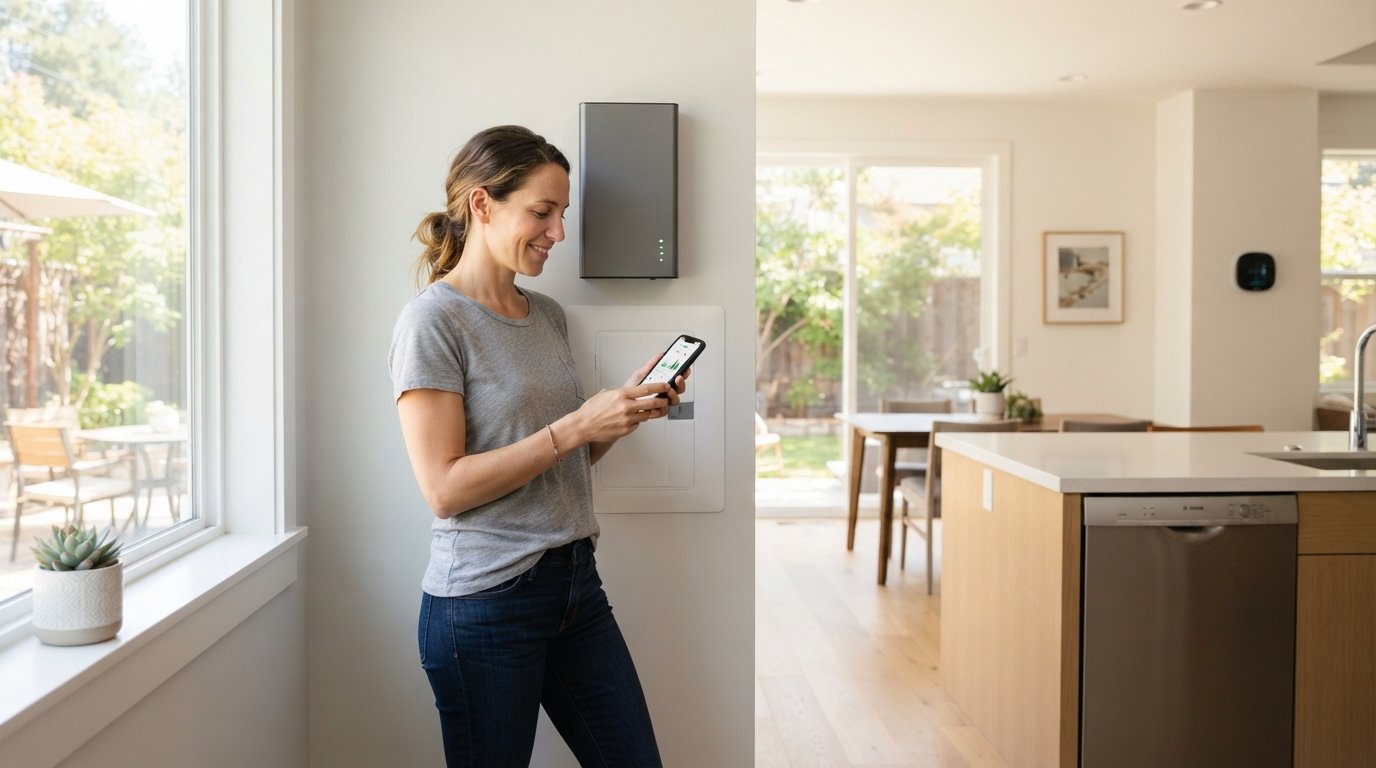
A smart home energy management system (SHEMS) is a centralized platform that monitors, controls, and optimizes your home's energy production and consumption. When paired with a solar battery, it becomes the brain of your entire energy ecosystem. It connects your solar panels, battery storage, inverter, and connected appliances into one seamless network, often accessible through a mobile app or web dashboard.
Think of it as a thermostat for your whole house, but far more advanced. The system uses real-time data, weather forecasts, and your personal usage patterns to make automatic decisions. For example, it might delay your electric vehicle charging until the middle of the night when rates are lowest, or it might discharge your battery during peak evening hours to avoid expensive utility charges. Some systems even allow you to participate in demand response programs, where your utility pays you to reduce usage during grid stress.
The core value proposition is simple: you gain visibility and control. Instead of receiving a surprise bill at the end of the month, you know exactly what each appliance costs, how much solar energy you are producing, and how much battery reserve you have. This transparency is the first step toward meaningful energy savings.
How Does a Solar Battery Fit In?
A solar battery stores excess energy produced during the day for use at night or during outages. Without a battery, any surplus solar power is typically sent back to the grid in exchange for net metering credits, which may be less valuable than the retail rate you pay. With a battery, you keep that energy for yourself, increasing your self-consumption rate and reducing your dependence on the utility.
The smart energy management system coordinates the battery's behavior. It decides when to charge, when to discharge, and how much reserve to keep for emergencies. For example, if the system detects that a storm is approaching, it might pre-charge the battery to 100% so you have backup power when the grid fails. Conversely, if electricity rates are high during the afternoon, it might discharge the battery to power your air conditioning instead of drawing from the grid.
This intelligent coordination is what separates a basic battery setup from a true smart home energy solution. With a standalone battery, you might set a few manual schedules, but you are still doing the thinking. With a smart system, the technology does the heavy lifting, continuously optimizing based on dozens of variables.
Key Benefits of a Smart Energy Management System With Solar Battery
Installing a smart energy management system with a solar battery offers several concrete advantages that go beyond simple energy savings. Here are the most impactful benefits you can expect:
- Lower electricity bills: By shifting consumption to off-peak hours and maximizing solar self-consumption, you can reduce your monthly utility costs by 30% to 60%.
- Backup power during outages: A battery with smart management keeps essential loads running for hours or even days, depending on capacity and usage.
- Increased home value: Homes with solar plus storage and smart management features are increasingly attractive to buyers, often selling for a premium.
- Environmental impact: You use more of your own clean energy, reducing reliance on fossil fuel power plants, especially during peak times.
Beyond these direct benefits, there is also the psychological comfort of knowing your home is resilient. When the next heatwave hits and the grid struggles, you will not be left in the dark. Moreover, many utilities are moving toward time-of-use (TOU) rates that penalize afternoon usage; a smart system automatically adapts to these tariffs, ensuring you always pay the lowest possible price.
Another often-overlooked benefit is the ability to monitor and manage energy from anywhere. If you are on vacation, you can check your system's performance, adjust settings, and even remotely turn off non-essential devices. This level of control is not just convenient; it also helps you troubleshoot issues before they become major problems.
How the System Optimizes Energy Use: A Step-by-Step Example
To understand how a smart energy management system works in practice, consider a typical day for a homeowner with a 10 kW solar array and a 13.5 kWh battery. Here is a step-by-step breakdown of how the system operates:
- Morning (6 AM to 9 AM): The system wakes up, checks the weather forecast, and reviews your historical usage patterns. It decides to run high-energy appliances like the dishwasher and washing machine during this period because solar production is ramping up and rates are still low.
- Midday (9 AM to 3 PM): Solar panels are at peak production. The system first powers your home, then charges the battery, and finally exports any surplus to the grid. If your battery is full, it may pre-cool your home to shift air conditioning load away from the evening peak.
- Afternoon (3 PM to 7 PM): This is typically the most expensive period due to high demand. The system automatically discharges the battery to power your home, avoiding drawing from the grid. If the battery runs low, it might reduce the charging rate of your EV or cycle the AC compressor to conserve energy.
- Evening (7 PM to 11 PM): The system continues to manage the battery discharge, ensuring you have enough reserve to get through the night. It may also delay non-essential tasks until after midnight when rates drop.
- Night (11 PM to 6 AM): If rates are lowest during these hours, the system might charge the battery from the grid (if your utility allows it) to prepare for the next morning. Otherwise, it simply monitors and maintains a safe reserve.
This constant analysis and adjustment happen automatically, without any input from you. The result is a home that runs efficiently without sacrificing comfort or convenience.
Choosing the Right System for Your Home
Selecting a smart home energy management system with solar battery is not a one-size-fits-all decision. You need to consider several factors, including your energy consumption, roof size, local utility rates, and budget. Here is a checklist to guide you:
- Determine your energy goals: Are you prioritizing bill reduction, backup power, or both?
- Evaluate your solar potential: Use a tool like the solar cost calculator to estimate production and payback.
- Check your utility's net metering policy: If you have full retail net metering, a battery may be less beneficial financially.
- Assess your backup needs: Which circuits must stay powered during an outage? This determines battery capacity.
- Consider future expansion: Can the system handle additional panels or batteries later?
Once you have a clear picture, you can start comparing specific products. Leading options include the Tesla Powerwall with its integrated app, the Enphase Ensemble system, and the LG Chem RESU paired with a smart controller. Each has its strengths, but the key is to choose a system that is compatible with your existing solar inverter and that offers the software features you actually need.
It is also wise to work with an experienced installer who can design a system tailored to your home. They can perform a load analysis, recommend the right battery size, and ensure all components speak the same communication protocol. A poorly integrated system can lead to frustration and reduced savings, so professional installation is worth the investment.
Costs and Financial Incentives
The upfront cost of a smart energy management system with a solar battery can range from $10,000 to $30,000 or more, depending on battery capacity, system complexity, and installation costs. However, you can offset these expenses with the 30% federal Investment Tax Credit (ITC), which applies to both the battery and the management system if they are installed with or after your solar panels. Many states also offer additional rebates or performance-based incentives, so it is worth researching your local programs.
Financing options are also available, including solar loans, home equity lines of credit, and even some utility-sponsored programs. The key is to calculate your payback period based on your actual energy usage and local rates. For many homeowners, the combination of reduced bills, increased home value, and resilience makes the investment worthwhile, especially in areas with frequent power outages or high electricity costs.
To get a precise estimate for your situation, use a resource like NewSolarQuotes, which provides independent tools and guides to help you understand solar and storage costs. Their calculators can show you potential savings and payback periods based on your zip code.
Making the Most of Your Investment
Once your smart energy management system is installed, there are several ways to maximize its value. First, take the time to understand the app and customize the settings to match your lifestyle. For example, if you work from home, you might set the system to prioritize daytime comfort, while if you are out all day, you might shift more load to the evening.
Second, keep an eye on your energy reports. These can reveal hidden inefficiencies, like an old refrigerator that is drawing more power than it should. Third, consider enrolling in any utility programs that reward smart charging or demand response. These can generate extra income or bill credits, further shortening your payback period.
Finally, do not forget regular maintenance. While solar batteries require minimal upkeep, the management system's software should be updated regularly to ensure optimal performance and security. Most systems update automatically, but it is good practice to check periodically.
In summary, a smart home energy management system with solar battery is not just a luxury; it is a practical investment in your home's efficiency and resilience. By automating energy decisions, you save money, reduce your carbon footprint, and gain peace of mind. As the energy landscape evolves, these systems will become increasingly standard, and those who adopt them early will reap the greatest rewards.