
How Solar Contractors Lower Your Lifetime Energy Costs
Hiring skilled solar contractors is key to maximizing your savings. Learn how to evaluate them and avoid common pitfalls.

By Caleb Morgan
Learn more about Solar Panel Installation and Repair for guides, costs, and what to expect.
Compare Solar Panel Installation and Repair Pros Near You

Enter your ZIP code to compare top-rated local professionals and request free quotes.
When you decide to go solar, the quality of your installation team matters as much as the panels on your roof. A skilled contractor ensures your system is sized correctly, installed safely, and connected to the grid without delays. A poor contractor can leave you with underperforming equipment, code violations, or unexpected repair bills. The difference between a smooth transition and a costly headache often comes down to the professionals you hire.
This guide explains what solar contractors do, how to evaluate them, and why their expertise directly affects your long-term savings. You will learn the key questions to ask, the certifications to look for, and the warning signs to avoid. By the end, you will feel confident choosing a partner who protects your investment and maximizes your energy independence.
What Solar Contractors Actually Do
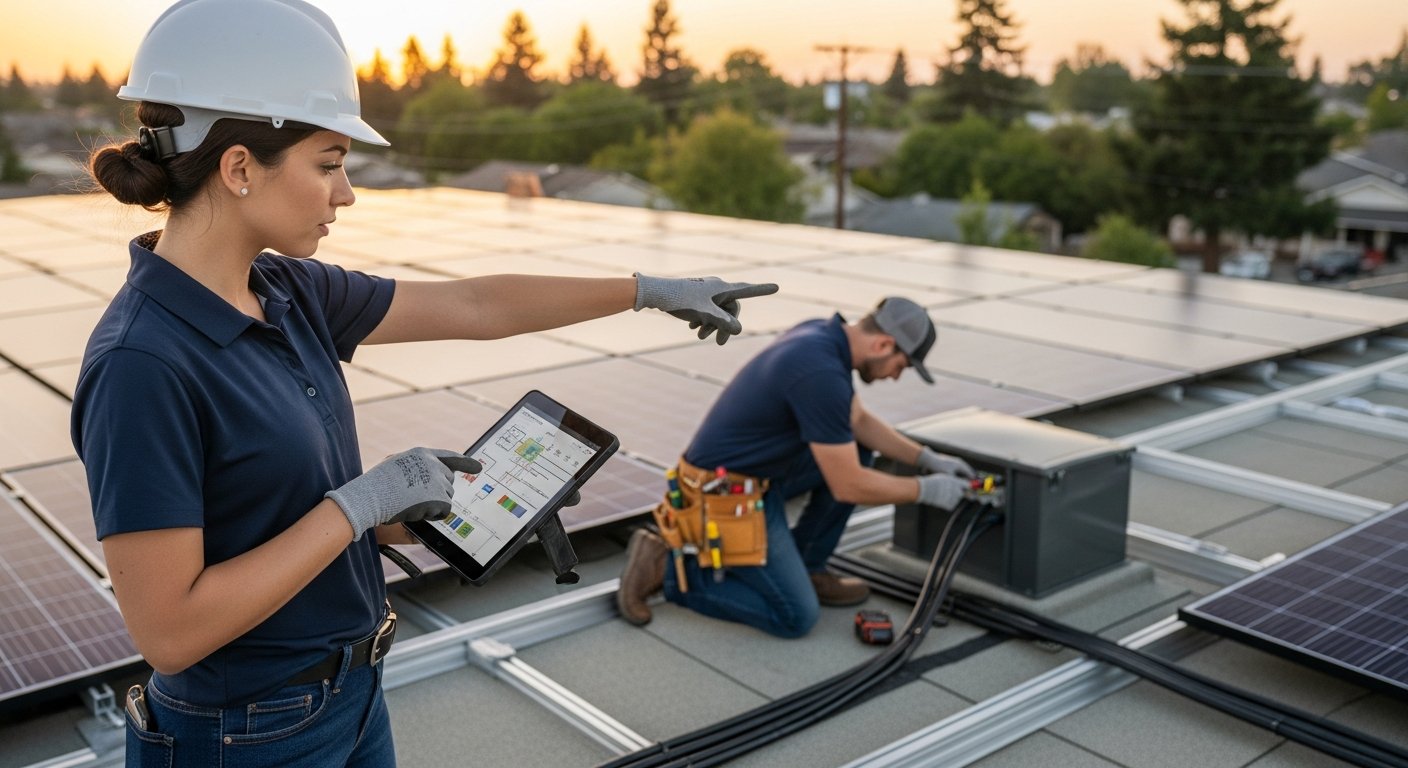
Solar contractors are licensed professionals who design, install, and maintain photovoltaic systems for homes and businesses. They are not just the crew that mounts panels; they manage the entire project from start to finish. Their responsibilities include conducting a site assessment, designing the system layout, obtaining permits, coordinating utility inspections, and ensuring the final installation meets all local codes.
Beyond the physical installation, contractors also handle the paperwork. They file interconnection agreements with your utility company, apply for net metering credits, and help you navigate state and federal incentives. A reputable contractor will also provide ongoing maintenance and monitoring services to keep your system producing at peak efficiency. This full-service approach is what separates a true professional from a simple equipment seller.
Why Professional Installation Matters for Your Savings
The financial performance of your solar system depends heavily on how well it is installed. A poorly designed system might produce 20% less energy than expected, which means lower bill savings and a longer payback period. Professional contractors use advanced software to model your roof’s sun exposure, shading, and historical weather data. They select the right panel angle, inverter type, and system size to match your specific electricity usage.
Proper installation also prevents structural and electrical issues. Roof penetrations must be sealed correctly to avoid leaks, and wiring must be routed safely to prevent fire hazards. A professional contractor will also ensure your system complies with the National Electrical Code and local building standards. This protects your home, your family, and your warranty coverage. When you hire an expert, you are paying for peace of mind and reliable performance for the next 25 years.
How to Evaluate Solar Contractors Before You Hire
Choosing the right contractor requires more than a quick online search. You need to verify their credentials, review their track record, and compare multiple bids. Start by checking that the contractor is licensed in your state and carries general liability and workers’ compensation insurance. This protects you if an accident occurs on your property. You should also look for certifications from the North American Board of Certified Energy Practitioners (NABCEP), which is the gold standard for solar professionals.
Next, ask for references from recent installations in your area. Contact those homeowners and ask about their experience, including whether the project stayed on schedule and within budget. You can also check online reviews on platforms like Google, Yelp, and the Better Business Bureau. Look for patterns in feedback rather than focusing on a single negative review. A contractor with a history of satisfied customers is a strong indicator of reliability.
Key Questions to Ask Every Solar Contractor
Before you sign any contract, schedule consultations with at least three different companies. Prepare a list of questions that will help you compare their proposals fairly. Here are the most important ones to ask:
- What are your exact qualifications, licenses, and insurance coverage?
- Which solar equipment brands do you install, and why do you recommend them?
- How do you calculate the system size and estimated annual production?
- What is the total cost, including permits, taxes, and any hidden fees?
- What warranties do you offer on the equipment and the workmanship?
Listen carefully to how they answer these questions. A confident and transparent contractor will provide clear, detailed responses. They should be able to explain their design process and offer realistic production estimates. If a contractor is vague or dismissive, consider that a red flag. You want a partner who communicates openly and prioritizes your long-term satisfaction.
Red Flags That Should Send You Running
Not every company claiming to be a solar contractor has your best interests at heart. Some installers use high-pressure sales tactics, make unrealistic promises, or cut corners to lower their bid. Watch out for contractors who quote a price that seems too good to be true or who demand a large deposit before doing any work. You should also be wary of companies that are not licensed in your state, as this can void permits and leave you liable for code violations.
Another red flag is a contractor who refuses to provide a detailed written contract. The agreement should specify the equipment brand and model, the system size, the timeline, the total cost, and the warranty terms. It should also outline the process for obtaining permits and scheduling inspections. If a contractor is unwilling to put everything in writing, they may be planning to cut corners later. Trust your instincts and walk away if anything feels off.
Comparing Bids: What to Look For
When you receive multiple bids, you may be tempted to choose the lowest price. However, the cheapest option is not always the best value. Compare the bids on a level playing field by looking at the cost per watt, the quality of the equipment, and the length of the warranty. A slightly higher upfront cost can be worth it if the contractor uses premium panels and offers a 25-year workmanship guarantee.
You should also consider the financing options each contractor offers. Many solar companies partner with lenders to provide loans, leases, or power purchase agreements (PPAs). These arrangements can reduce or eliminate your upfront cost, but the terms vary significantly. Read the fine print and understand how interest rates, monthly payments, and escalators affect your total savings. A contractor who offers flexible financing with transparent terms can make solar accessible without surprise bills.
The Role of Solar Contractors in Maximizing Incentives
Federal and state incentives can cover a significant portion of your solar installation cost. The federal Investment Tax Credit (ITC) currently allows you to deduct 30% of your system cost from your federal taxes. Many states also offer rebates, tax credits, or performance-based incentives. A knowledgeable contractor will help you identify all the incentives you qualify for and prepare the necessary paperwork to claim them.
They will also guide you through net metering policies, which credit you for excess energy you send back to the grid. Understanding how your utility credits these exports is essential for calculating your true savings. Some utilities charge a fixed monthly fee for net metering, while others offer time-of-use rates that vary by hour. A contractor who understands your local utility’s rules can design a system that maximizes your credits and minimizes your bill.
How to Verify a Contractor’s Reputation
Once you have a shortlist of contractors, take the time to verify their reputation independently. Start by visiting their physical office or showroom, if they have one. This gives you a sense of their professionalism and stability. You can also check their company’s registration with your state’s contractor licensing board and look for any complaints or disciplinary actions.
Online reviews are a valuable resource, but you should read them critically. Look for reviews that mention specific details about the installation process, communication, and follow-up service. A few negative reviews are normal, but a pattern of complaints about poor workmanship or unresponsive support is a serious warning. You can also ask the contractor for a list of recent installations and drive by a few to inspect the quality of the work yourself.
The Importance of Workmanship Warranties
A solar panel system is a long-term investment, so you need protection beyond the manufacturer’s equipment warranty. Most panels come with a 25-year performance warranty, and inverters typically have a 10 to 12-year warranty. However, these warranties only cover defects in the equipment, not the installation work itself. That is why you need a separate workmanship warranty from the contractor.
A strong workmanship warranty covers issues like roof leaks, electrical faults, and improper wiring for a period of at least 5 to 10 years. Ask the contractor to explain what is covered and how they handle warranty claims. Some companies offer a labor warranty that is transferable to a new homeowner, which can increase your home’s resale value. Make sure the warranty terms are clearly stated in your contract, and keep a copy for your records.
How Solar Contractors Support Maintenance and Monitoring
Your solar system will require minimal maintenance, but it is not completely hands-off. Panels need occasional cleaning to remove dust, leaves, and bird droppings that can reduce output. Inverters may need to be replaced after 10 to 15 years. A professional contractor can provide ongoing monitoring services that track your system’s performance and alert you to any issues.
Many contractors offer maintenance plans that include annual inspections, cleaning, and priority service calls. These plans typically cost a few hundred dollars per year, but they can extend the life of your system and ensure it always operates at peak efficiency. When you compare bids, ask about the cost and scope of maintenance services. A contractor who stands behind their work will be happy to discuss options for keeping your system running smoothly.
Finding Solar Contractors Through Free Solar Power Quotes
One of the easiest ways to connect with vetted solar contractors is through a matching service like Free Solar Power Quotes. This platform is designed to help homeowners and businesses get free, no-obligation quotes from reputable third-party providers in their area. You simply fill out a short form with your location and energy usage, and the service connects you with contractors who meet their quality standards.
Using a matching service saves you time and reduces the risk of dealing with unqualified installers. Free Solar Power Quotes does not install systems directly; it acts as an advocate for consumers, helping you find providers who offer transparent pricing and reliable service. The platform also provides educational resources on financing, incentives, and system design, so you can make an informed decision before you ever talk to a contractor. Start with a free quote request to see which vetted professionals are available in your area.
Why Local Expertise Matters
Solar installation is not a one-size-fits-all process. Local building codes, permit requirements, and utility interconnection rules vary widely from city to city and state to state. A contractor who is familiar with your local regulations can expedite the permitting process and avoid costly delays. They also know the typical weather patterns in your region, which helps them design a system that performs well in your specific climate.
Local contractors are also easier to reach if you need warranty service or repairs down the road. A national company may have a call center in another state, but a local installer can send a technician to your home quickly. When you compare bids, ask each contractor about their experience with local permits and utilities. The one who demonstrates deep local knowledge is likely to deliver a smoother project.
Financing Options: Leases, Loans, and PPAs
Solar contractors can help you choose a financing model that fits your budget and goals. The three main options are cash purchases, solar loans, and solar leases or power purchase agreements (PPAs). Cash purchases give you full ownership and the best long-term return, but they require a significant upfront investment. Solar loans allow you to own the system while spreading the cost over several years, with monthly payments that are often lower than your utility bill.
Leases and PPAs let you go solar with $0 upfront, and you pay a fixed monthly fee or a per-kilowatt-hour rate. The contractor or a third-party company owns the system and is responsible for maintenance. While leases and PPAs offer immediate savings, they typically provide lower overall savings than owning. A good contractor will explain the pros and cons of each option and help you choose the one that aligns with your financial goals.
Preparing Your Home for Installation
Before your installation day, your contractor will conduct a site visit to inspect your roof, electrical panel, and attic. They will measure the available space, check for shading from trees or chimneys, and assess the condition of your roof. If your roof is old or damaged, you may need to repair or replace it before the solar installation. The contractor can coordinate with a roofer to ensure the work is done correctly.
You will also need to review and sign the final contract, which should include the system design, production estimate, and payment schedule. Make sure you understand the timeline for installation, including when permits will be filed and when the utility inspection will occur. On installation day, the crew will typically complete the work in one to three days, depending on the system size. After the final inspection, your utility will enable net metering, and you can start generating clean energy.
The Long-Term Value of Hiring the Right Contractor
The solar industry is growing rapidly, and with that growth comes a mix of experienced professionals and newcomers looking for a quick profit. By taking the time to research and interview solar contractors, you can avoid the costly mistakes that come from hiring the wrong person. A qualified contractor will design a system that meets your energy needs, install it safely and correctly, and support you with maintenance and warranty service for years to come.
The savings you achieve from solar depend on more than just the panels; they depend on the expertise of the people who put them on your roof. When you choose a reputable contractor, you are protecting your investment and ensuring that your system performs as promised. With the right partner, you can enjoy lower electricity bills, increased home value, and the satisfaction of contributing to a cleaner environment.
Ready to find a solar contractor who meets your standards? Request your free, no-obligation quotes through Free Solar Power Quotes today and compare offers from vetted professionals in your area. It takes less than two minutes, and you will have the information you need to make a confident decision.