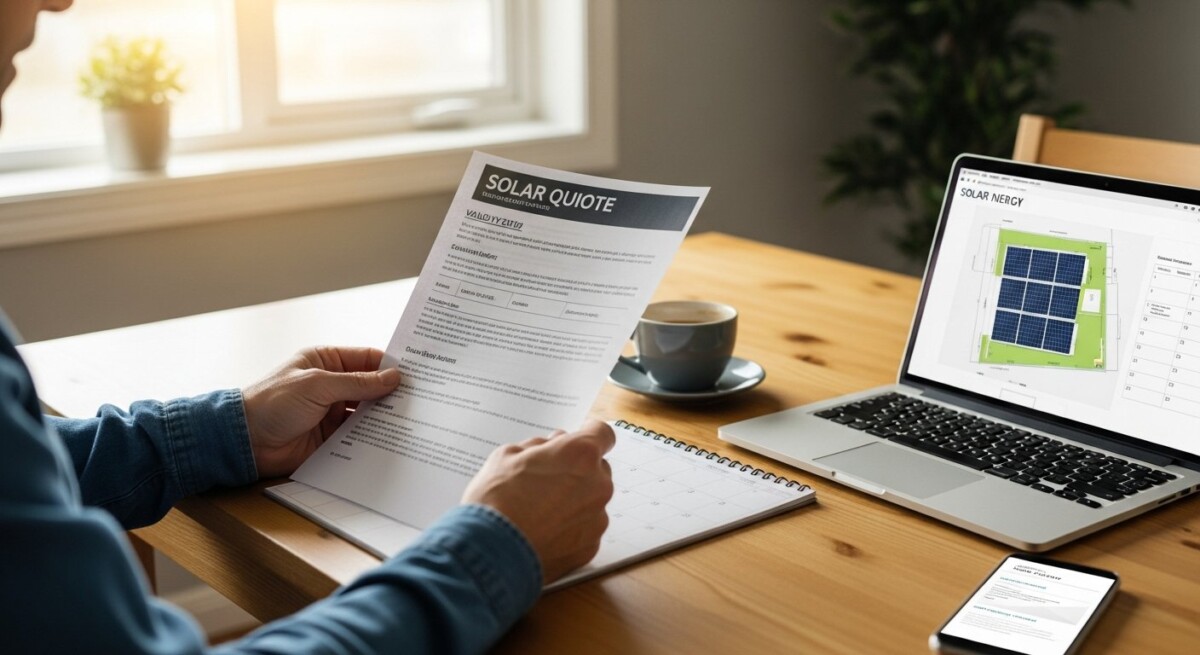
You have finally decided to explore solar energy after watching your electricity bills climb month after month. You request a few quotes from local installers, but then life gets busy and you set them aside. A few weeks later you wonder: how long solar quotes remain valid before the prices change. Understanding this timeline can help you lock in the best savings and move forward with confidence toward energy independence.
Solar quotes are not permanent offers. Most installers provide pricing that is valid for a specific period, usually between 14 and 60 days. Knowing this window helps you compare offers without feeling rushed, while still taking advantage of current incentives and equipment pricing. In this article we explain everything you need to know about solar quote validity, why it matters, and how to make an informed decision for your home.
Understanding How Long Solar Quotes Remain Valid
A solar quote is a detailed estimate from a solar installer that outlines the cost of equipment, labor, permits, and any applicable incentives. The validity period refers to how long that price is guaranteed. Most quotes are valid for 30 days, but some companies offer shorter windows of 14 days or longer periods up to 60 days.
The reason quotes expire is that solar equipment prices fluctuate based on supply chain conditions, manufacturer pricing, and changes in government incentives. For example, if the federal solar tax credit is set to decrease, installers may adjust their quotes accordingly. Additionally, labor costs and permitting fees can vary over time. By understanding the validity period, you can plan your decision-making process without losing a favorable price.
Why Solar Energy Is Becoming More Popular
More homeowners are turning to solar power to reduce their monthly electricity bills. With utility rates rising steadily across the United States, a solar panel system can generate significant long-term savings,often paying for itself within six to ten years. After that, the electricity your panels produce is essentially free, giving you predictable energy costs for decades.
Environmental concerns also drive interest in solar. Generating your own clean energy reduces your carbon footprint and helps combat climate change. Many homeowners feel good knowing they are contributing to a healthier planet while also gaining energy independence from the grid. Government incentives, such as the federal Investment Tax Credit (ITC), make solar more affordable than ever. In our guide on whether solar quotes are really free, we explain how these savings work.
If you are considering solar power for your home, comparing installation quotes can help you understand your options. Request a free solar quote or call to learn more.
Common Questions Homeowners Have About Solar
When you start researching solar, several questions naturally arise. The most common concern is installation cost and whether the system will pay for itself over time. Homeowners also worry about roof suitability,whether their roof has enough space, proper orientation, and structural integrity to support panels.
System performance is another frequent topic. People want to know how much electricity their panels will generate in cloudy weather or during winter months. Fortunately, modern solar panels are highly efficient and work well even in less-than-ideal conditions. Battery storage options can also provide backup power and increase your energy independence.
- How much will solar panels cost for my home?
- Is my roof suitable for solar installation?
- How long do solar panels last and what warranties cover them?
- Will solar panels work during a power outage?
- How long does installation take from start to finish?
- What happens if I move after installing solar panels?
How Solar Panel Installation Works
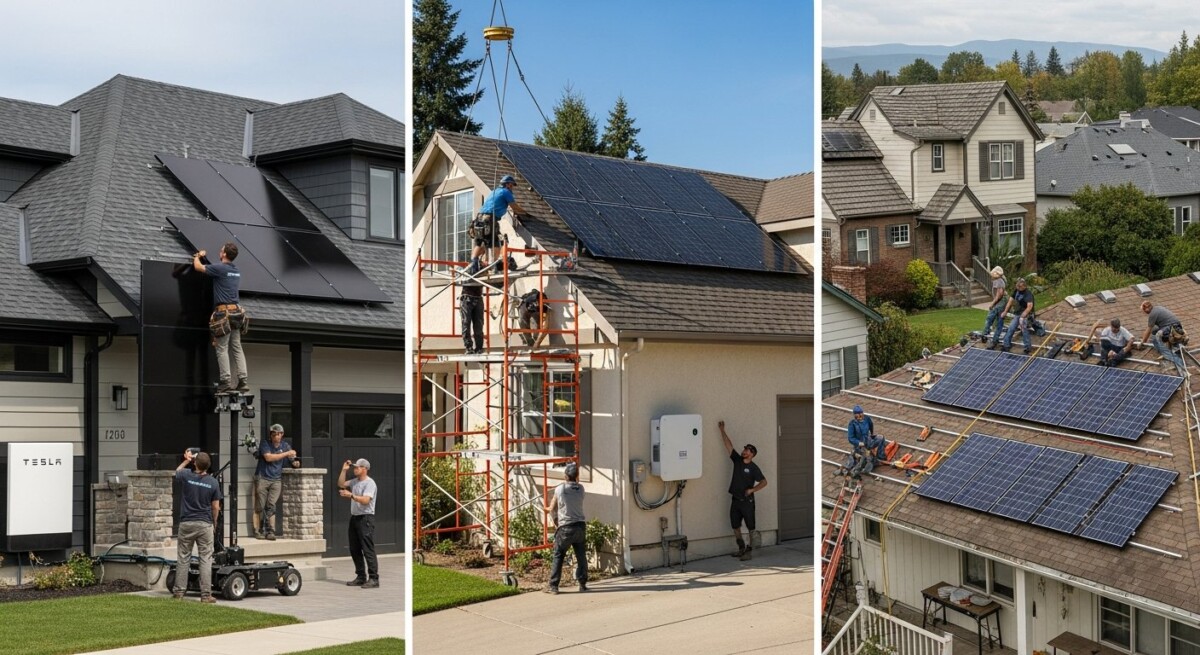
The installation process is straightforward when you work with a professional installer. It begins with a home energy assessment, where the installer reviews your electricity usage, roof condition, and sunlight exposure. Based on this data, they design a custom system that meets your needs and fits your budget.
Once you approve the design, the installer handles all permits and approvals with your local utility and building department. This step ensures your system meets safety codes and qualifies for net metering or other incentives. After permits are secured, the physical installation usually takes one to three days, followed by final inspection and system activation.
- Home energy assessment and consultation
- Custom system design and quote preparation
- Permits and utility approvals
- Panel and equipment installation
- Final inspection and system activation
Speaking with experienced installers can help you determine the best solar solution for your home. Compare solar quotes here or call to explore available options.
Signs Your Home May Be Ideal for Solar
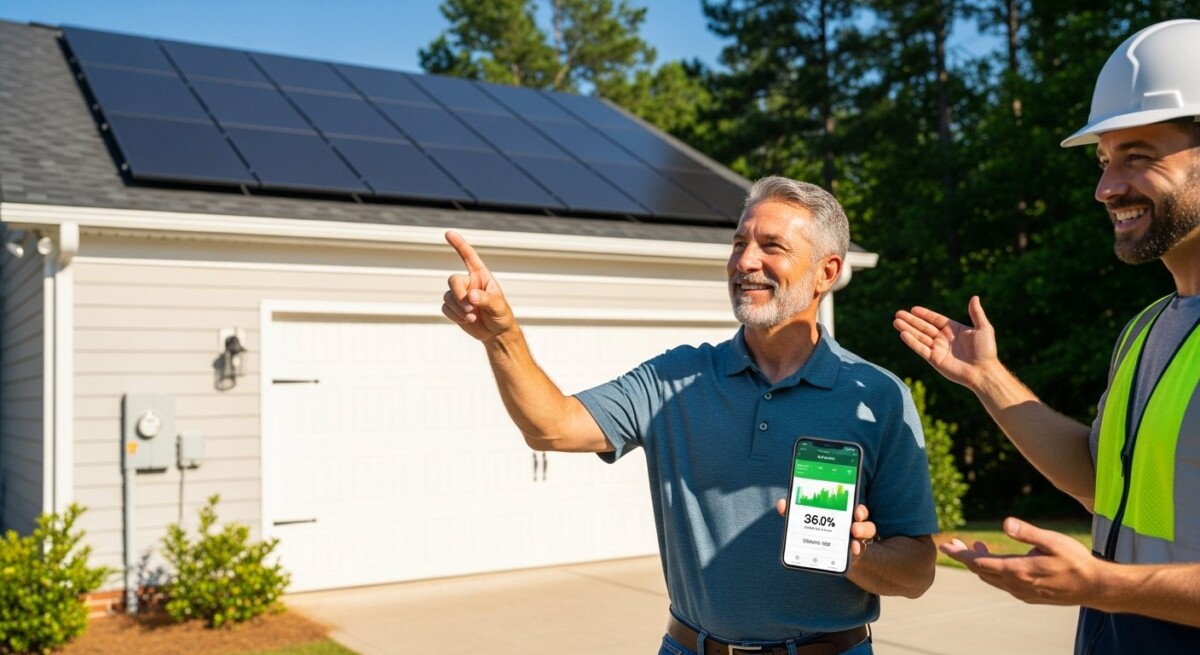
Not every home is equally suited for solar panels, but many properties can benefit. The most important factor is strong, unobstructed sunlight exposure. South-facing roofs with little shade from trees or neighboring buildings receive the most direct sunlight throughout the day.
Your electricity bills also provide clues. If you pay more than $100 per month on average, solar can likely save you money. Additionally, homes with adequate roof space,typically 300 to 500 square feet for a standard system,and roofs in good condition are excellent candidates. If you plan to stay in your home for several years, the long-term savings will be substantial.
- Your roof receives at least 5 hours of direct sunlight per day
- Your monthly electricity bill is consistently high
- You have enough unshaded roof space for panels
- Your roof is less than 10 years old or in good condition
- You plan to stay in your home for at least 5 to 7 years
- Your local utility offers net metering or favorable incentives
What Affects Solar Installation Costs
The cost of a solar system depends on several variables. System size is the biggest factor,larger systems with more panels generate more electricity but cost more upfront. The quality of equipment also matters: premium panels and inverters often come with better warranties and higher efficiency, which can lower your long-term costs.
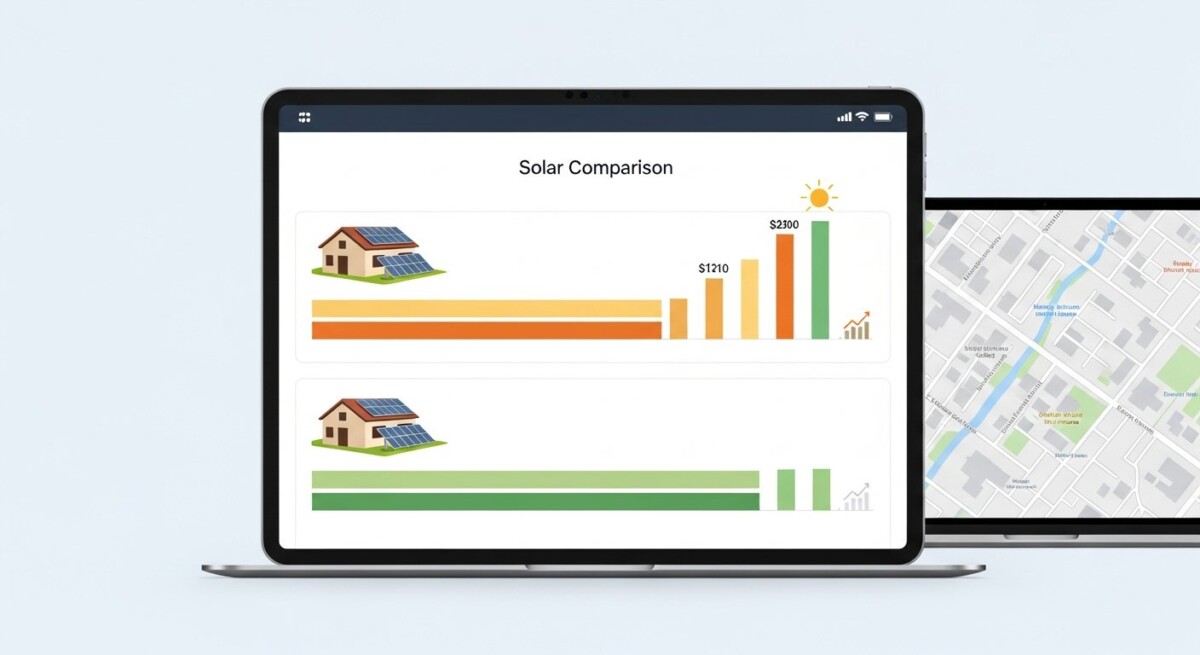
Installation complexity can add to the price. Roofs with steep slopes, multiple stories, or unusual materials require more labor and specialized equipment. Local incentives and rebates can significantly reduce your net cost. Many states offer additional tax credits or performance-based incentives that make solar more affordable. To get an accurate picture, it pays to compare multiple quotes from different installers. Our article on comparing solar quotes online offers practical tips for evaluating offers.
The cost of solar installation varies depending on your home and energy needs. Request personalized solar quotes or call to see what options are available.
Tips for Choosing a Reliable Solar Installer
Choosing the right installer is just as important as choosing the right equipment. A reputable company will have years of experience, proper licensing and insurance, and a track record of satisfied customers. Look for installers who work with high-quality equipment and offer strong warranties on both panels and labor.
Reading online reviews and asking for references can give you confidence in your choice. It is also wise to compare at least three quotes to ensure you are getting a fair price. Pay attention to the fine print: some quotes include financing costs or hidden fees. A transparent installer will explain everything clearly and answer your questions without pressure.
- Check the installer’s experience and certifications
- Review warranty terms for panels, inverters, and workmanship
- Read customer reviews on Google, Yelp, or the Better Business Bureau
- Compare at least three quotes to find the best value
- Ask about financing options and any hidden fees
- Confirm the installer handles permits and inspections
Long-Term Benefits of Installing Solar Panels
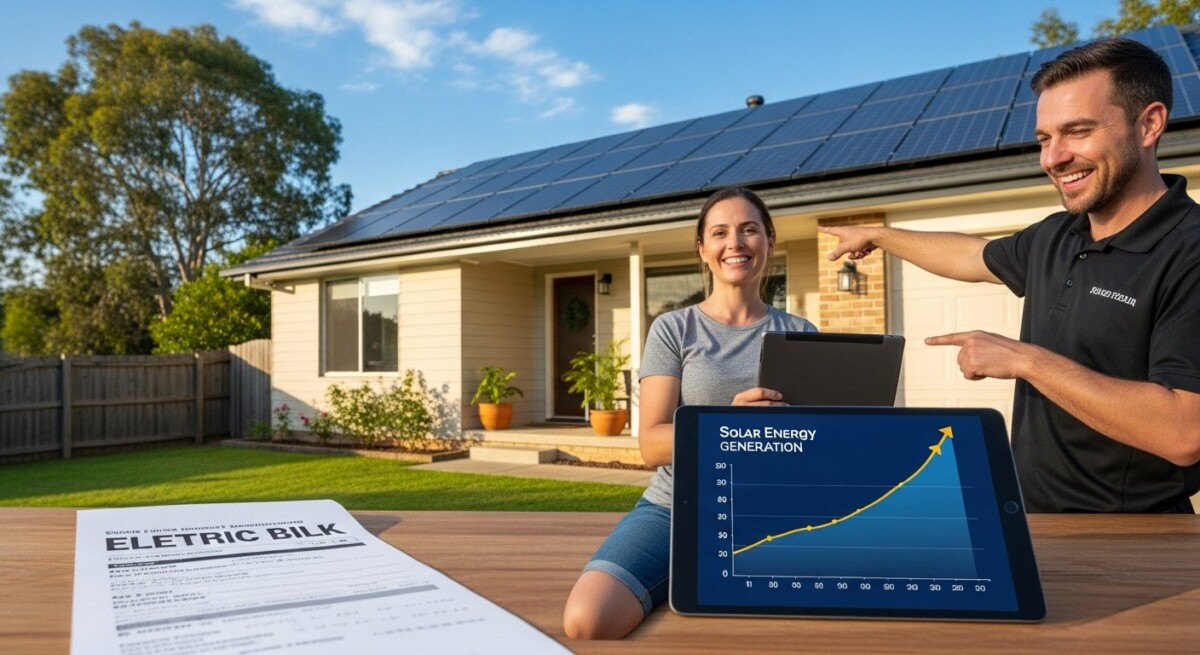
The most obvious benefit of solar panels is lower electricity bills. Depending on your system size and local utility rates, you could reduce your monthly bill by 50% to 100%. Over 25 years, that adds up to tens of thousands of dollars in savings. Solar also increases your home value,studies show that homes with solar panels sell for more than comparable homes without them.
Beyond financial gains, solar provides energy independence. You become less vulnerable to utility rate hikes and power outages, especially if you add battery storage. Environmentally, every kilowatt-hour of solar energy you use avoids carbon emissions from fossil fuels. Combined with government incentives like the federal tax credit, solar is one of the smartest long-term investments a homeowner can make.
How long are solar quotes typically valid?
Most solar quotes are valid for 14 to 60 days, with 30 days being the most common timeframe. The exact period depends on the installer and current market conditions. Always ask about the expiration date when you receive a quote.
Why do solar quotes expire?
Solar quotes expire because equipment prices, labor costs, and incentives can change. Manufacturers adjust panel and inverter prices based on supply and demand. Government incentives like the federal tax credit may also decrease over time, affecting overall system cost.
Can I extend the validity of a solar quote?
Some installers may extend a quote if you ask politely, especially if you are actively comparing options. However, extensions are not guaranteed. It is best to make a decision within the original validity period to lock in the price.
What happens if my solar quote expires?
If your quote expires, you will need to request a new one. The new quote may have different pricing due to changes in equipment costs or incentives. To avoid this, try to compare and decide before the expiration date.
Do all solar installers offer the same quote validity?
No, each installer sets its own validity period. Some offer shorter windows to encourage quick decisions, while others provide longer periods to give homeowners time to compare. Always check the validity terms on each quote you receive.
How can I get the best solar deal?
The best way to get a great deal is to compare multiple quotes while they are still valid. Look at total cost, equipment quality, warranties, and financing options. A slightly higher upfront cost may be worth it for better equipment or longer warranties.
Is the federal solar tax credit included in my quote?
Most quotes show the total system cost before incentives and then note the potential tax credit separately. The federal solar tax credit is 30% of the system cost and is claimed on your taxes, not deducted from the quote price. Make sure you understand how incentives are handled.
Should I wait for better solar deals?
Solar prices have generally decreased over time, but waiting also means missing months of energy savings. If you find a competitive quote from a reputable installer, it is often better to move forward rather than gamble on future price drops. Current incentives make now a great time to go solar.
Understanding how long solar quotes remain valid empowers you to make a confident, informed decision about your home’s energy future. By comparing multiple quotes, evaluating installer quality, and acting within the validity window, you can lock in savings, reduce your electricity bills, and enjoy the long-term benefits of clean, renewable energy. Compare solar quotes today and take the first step toward energy independence.