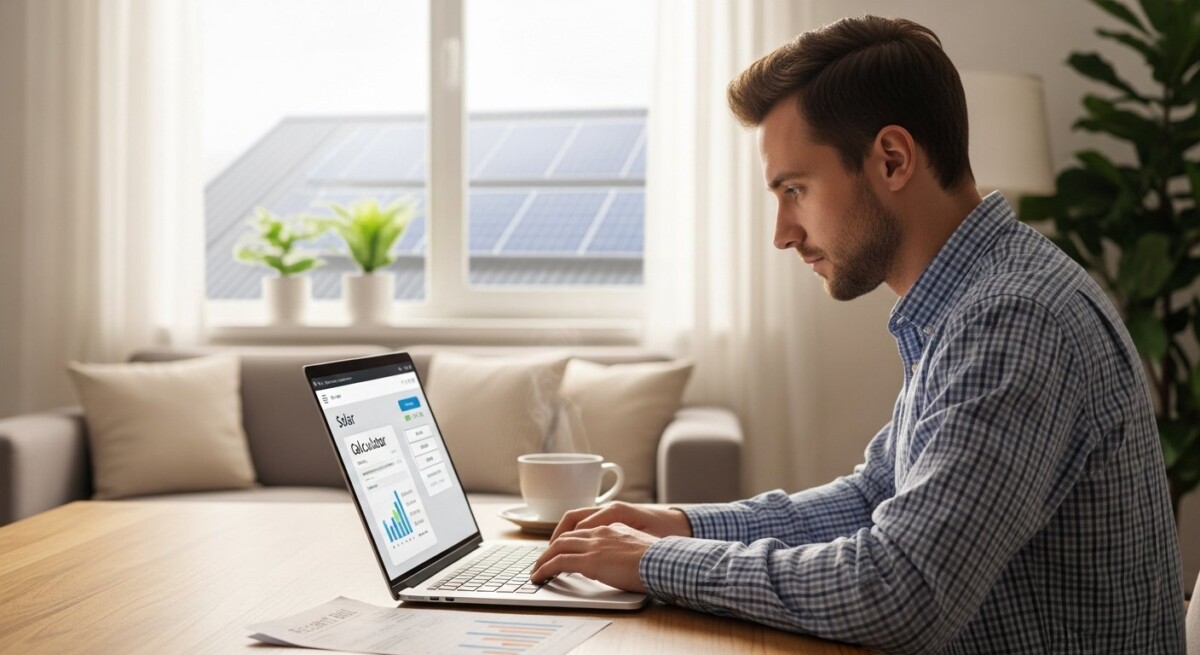
You have probably noticed your electricity bill creeping higher each year. Many homeowners now search for ways to reduce those monthly costs and gain more control over their energy future. That is why understanding why multiple solar quotes are important can save you thousands of dollars and help you avoid costly mistakes.
Solar panels offer a proven way to lower your electric bills and reduce dependence on the power grid. But not all solar systems or installers are the same. Comparing multiple quotes gives you the clarity you need to choose the right equipment, financing, and company for your home.
Understanding Why Multiple Solar Quotes Are Important
Getting multiple solar quotes means requesting price estimates and system proposals from at least three different solar installation companies. This simple step lets you see how different installers approach your home’s energy needs, equipment choices, and pricing.
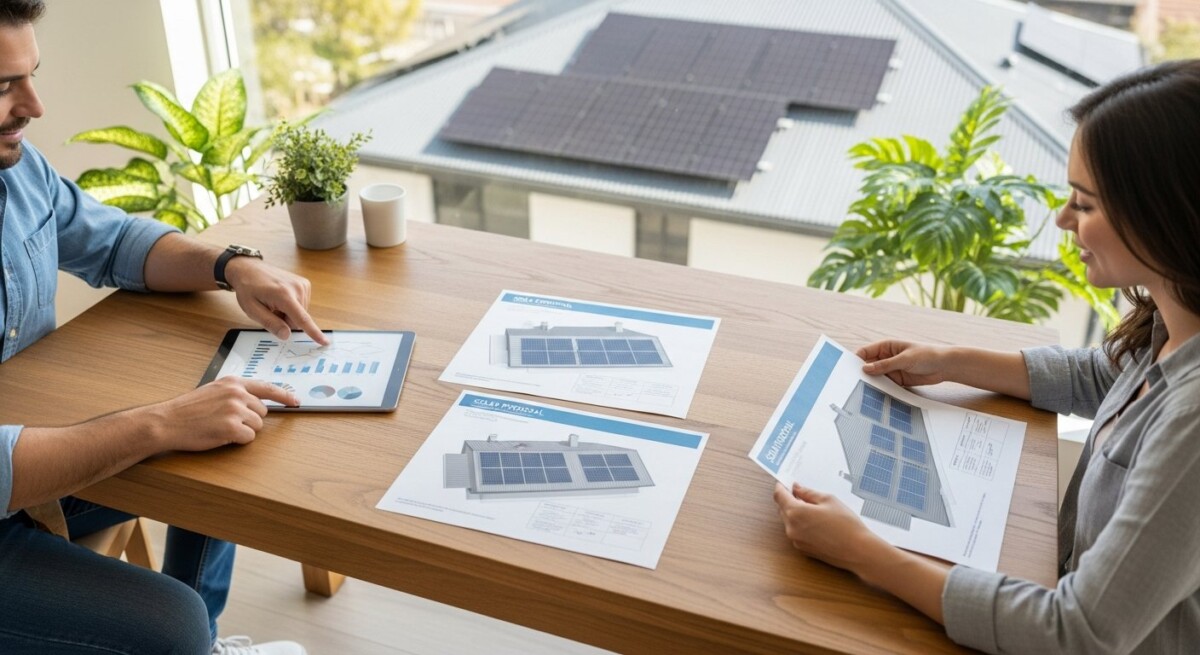
A single quote might seem reasonable, but you have no way to know if you are overpaying or getting inferior equipment. By comparing several quotes, you can spot outliers, negotiate better terms, and understand what a fair price looks like in your local market. In our guide on why multiple solar quotes matter for maximum savings, we explain how this process directly affects your long-term return on investment.
More homeowners are adopting solar because costs have dropped dramatically over the past decade. Federal tax credits, state rebates, and net metering programs make the switch more affordable than ever. Comparing quotes ensures you capture all available incentives and avoid missing out on savings.
Why Solar Energy Is Becoming More Popular
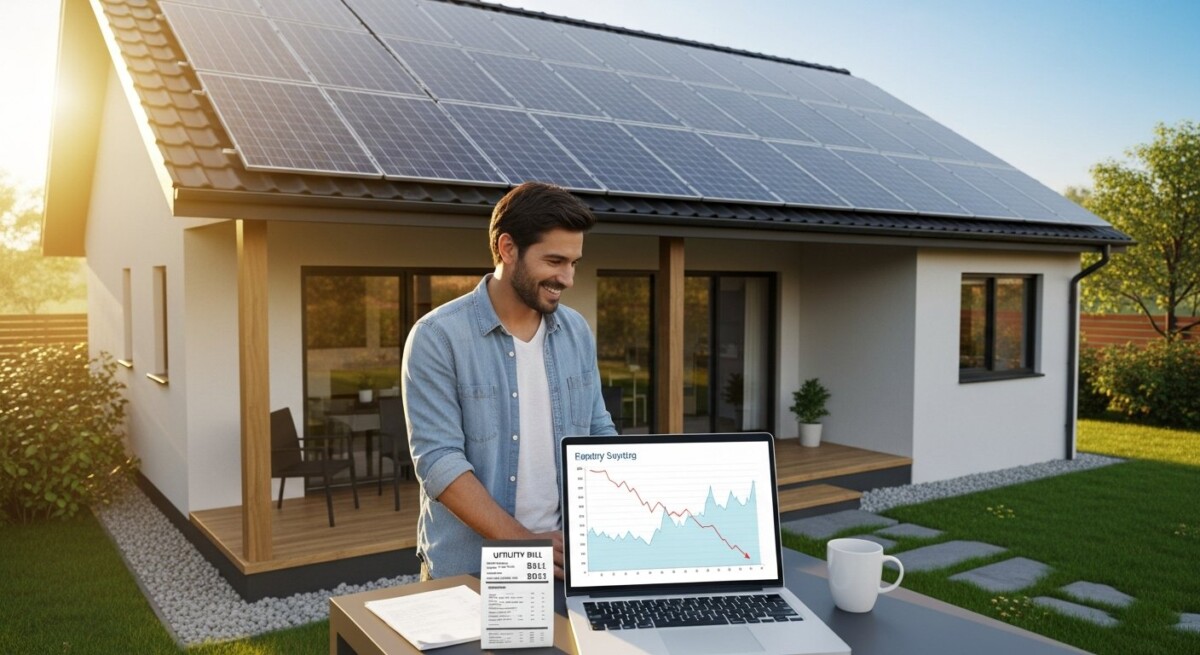
Rising electricity prices are the number one reason homeowners look into solar. The average cost of grid power increases about 3,5 percent each year, while solar panels lock in a fixed energy rate for 25 years or more. That stability protects your budget and builds long-term savings.
Environmental concerns also drive interest. Solar energy produces no greenhouse gases during operation, helping families reduce their carbon footprint. Many homeowners feel good knowing they are contributing to a cleaner future while also saving money.
Long-term financial savings are compelling. Most solar systems pay for themselves within 7 to 12 years, then provide free electricity for the remainder of their lifespan. That translates to tens of thousands of dollars in avoided utility costs over time.
If you are considering solar power for your home, comparing installation quotes can help you understand your options. Request a free solar quote or call to learn more.
Common Questions Homeowners Have About Solar
Many homeowners worry about the upfront installation cost. While solar systems do require an initial investment, financing options like solar loans, leases, and power purchase agreements make them accessible with little or no money down.
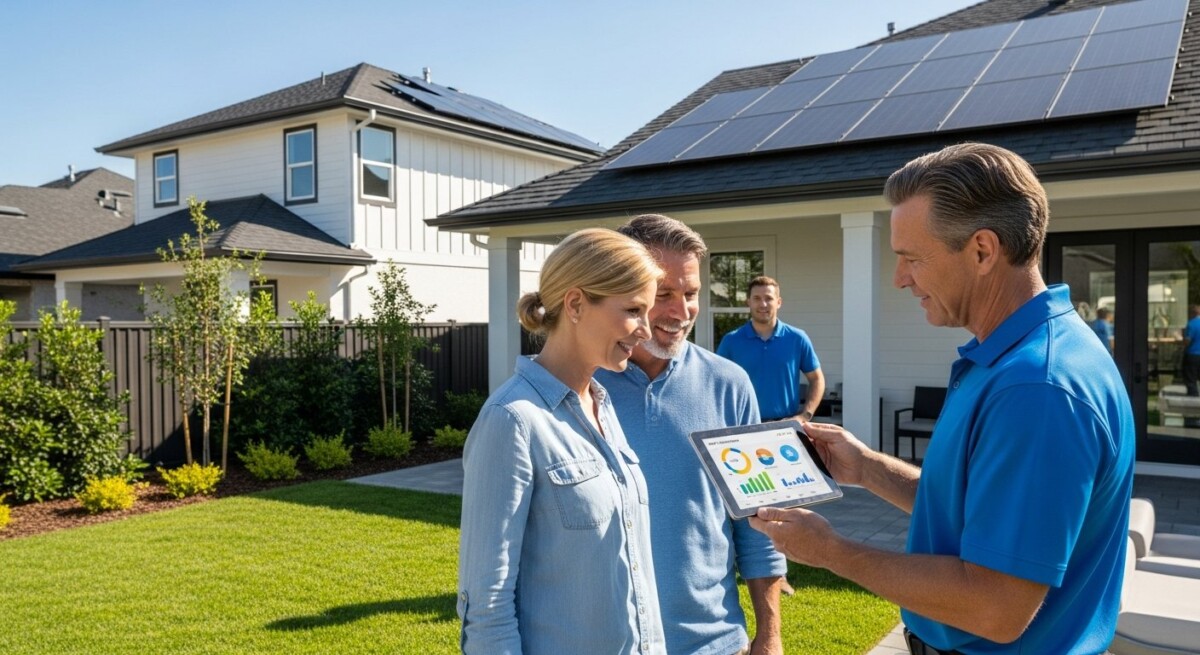
Roof suitability is another frequent concern. Your roof’s age, material, orientation, and shading all affect how well solar panels perform. A professional installer will evaluate these factors during a free site assessment and recommend the best setup for your home.
System performance questions often arise. Homeowners want to know how much electricity their panels will generate and how weather affects output. Modern panels work efficiently even on cloudy days, and monitoring software lets you track production in real time.
- How much does a typical solar system cost?
- Will solar panels work on my roof?
- How long does installation take?
- What happens if my panels produce more power than I use?
- Do I need a battery with my solar system?
- How long do solar panels last?
How Solar Panel Installation Works
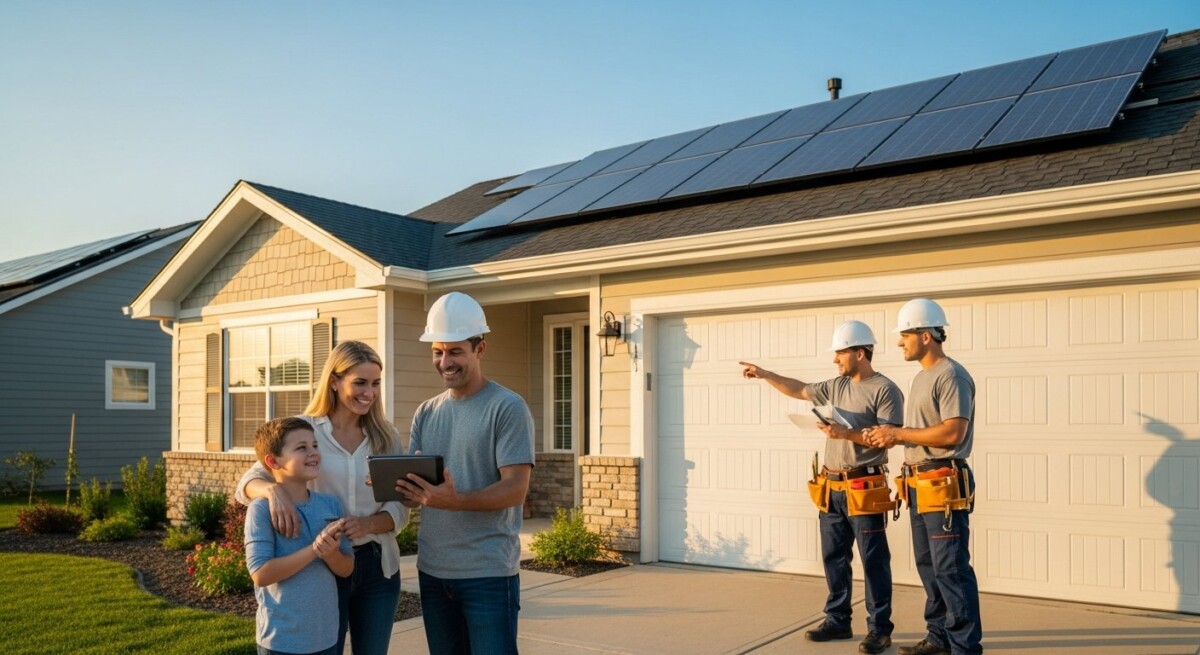
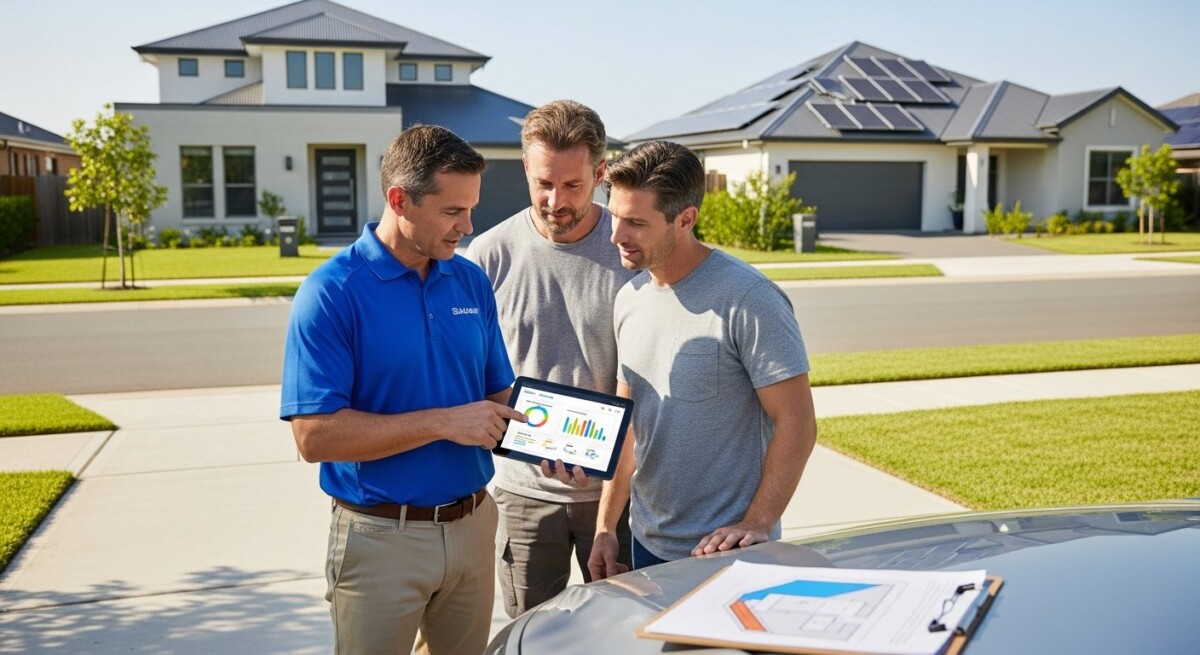
The installation process begins with a home energy assessment. An installer reviews your past electricity bills, inspects your roof, and measures sun exposure to design a system that meets your specific needs. This step ensures you get the right size system without overpaying.
After the design is finalized, the installer handles permits and approvals with your local government and utility company. This paperwork ensures your system meets building codes and qualifies for net metering or other incentives. The actual panel installation usually takes one to three days.
- Home energy assessment , Review bills and inspect your roof.
- System design , Customize panel layout and equipment choices.
- Permits and approvals , Secure necessary paperwork from local authorities.
- Panel installation , Mount panels, connect wiring, and set up inverters.
- System activation , Utility inspection and final connection to the grid.
Speaking with experienced installers can help you determine the best solar solution for your home. Compare solar quotes here or call to explore available options.
Signs Your Home May Be Ideal for Solar
Not every home is perfectly suited for solar, but many are. Homes with strong, unobstructed sunlight exposure on south- or west-facing roofs typically generate the most energy. Even roofs with some shading can still work well with modern panel technology.
High electricity bills are a strong indicator that solar will pay off quickly. If you pay more than $100 per month for electricity, a properly sized system can significantly reduce or eliminate that cost. Homeowners who plan to stay in their home for at least five to seven years see the greatest financial benefit.
- Your roof receives direct sunlight for most of the day.
- Your monthly electricity bill is consistently high.
- You have adequate roof space without too many obstructions.
- You plan to live in your home for several more years.
- Your roof is in good condition and less than 10 years old.
What Affects Solar Installation Costs
System size is the biggest cost driver. Larger homes with higher energy consumption need more panels, which increases the total price. However, larger systems also generate more savings over time, often providing a better return on investment.
Equipment quality matters. Premium panels and inverters cost more upfront but offer higher efficiency, longer warranties, and better performance in low-light conditions. Cheaper components may save money now but could lead to lower energy production and earlier replacements.
Installation complexity and local incentives also affect pricing. Roofs that are steep, have multiple angles, or require electrical upgrades add labor costs. On the positive side, federal tax credits and state rebates can reduce your net cost by 30 percent or more.
The cost of solar installation varies depending on your home and energy needs. Request personalized solar quotes or call to see what options are available.
Tips for Choosing a Reliable Solar Installer
Choosing the right installer is just as important as choosing the right equipment. A reputable company will offer clear contracts, transparent pricing, and strong warranties. They should also handle all permits and inspections so you do not have to worry about paperwork.
Reading customer reviews and checking the company’s track record can reveal potential red flags. Look for installers with at least several years of experience, proper licensing, and positive feedback from local homeowners. Never rush into a decision based on a single sales pitch.
- Review each installer’s experience and certifications.
- Check the warranties offered on panels, inverters, and workmanship.
- Read recent customer reviews on independent platforms.
- Compare at least three detailed quotes before signing anything.
- Ask about the timeline for installation and grid connection.
Long-Term Benefits of Installing Solar Panels
Lower electricity bills are the most immediate benefit. Once your system is active, you start generating your own power and buying less from the utility. Over 25 years, the average homeowner saves between $20,000 and $40,000 on electricity costs.
Solar panels also increase your home’s resale value. Studies show that homes with solar systems sell for about 4 percent more than comparable homes without them. Buyers recognize the value of lower utility bills and energy independence, making your property more attractive.
Reducing your environmental impact is another meaningful advantage. A typical residential solar system offsets roughly three to four tons of carbon dioxide each year,equivalent to planting more than 100 trees annually. Energy independence also protects you from future rate hikes and power outages when paired with battery storage.
How long does it take for solar panels to pay for themselves?
Most homeowners recover their solar investment within 7 to 12 years. The exact payback period depends on your electricity rates, system cost, available incentives, and how much sunlight your roof receives. After that point, the electricity your panels produce is essentially free.
Can I get solar panels if my roof is old or shaded?
Yes, but you may need to address those issues first. If your roof needs replacement within the next five years, it is wise to replace it before installing solar. Partial shading can be managed with microinverters or power optimizers, which allow each panel to perform independently.
What happens if I move after installing solar panels?
You have several options. You can include the solar system in your home sale, often increasing the asking price. Alternatively, if you leased the panels, you may transfer the lease to the new homeowner, provided they qualify. Buying your system outright gives you the most flexibility.
Do solar panels work during a power outage?
Standard grid-tied solar systems shut off during an outage to protect utility workers. If you want backup power, you need a battery storage system like the Tesla Powerwall or Enphase Encharge. Batteries store excess solar energy for use when the grid goes down.
Are there government incentives for solar in 2025?
Yes, the federal solar investment tax credit (ITC) allows you to deduct 30 percent of your solar installation cost from your federal taxes. Many states and local utilities offer additional rebates, performance payments, or net metering credits. Incentives vary by location, so comparing quotes helps you capture all available benefits.
What size solar system do I need for my home?
The ideal system size depends on your average monthly electricity usage, roof space, and sunlight exposure. A typical home uses about 900 kilowatt-hours per month and may need a 6 to 10 kilowatt system. A professional installer will calculate the exact size during your free assessment.
How much maintenance do solar panels require?
Solar panels are very low maintenance. Rain usually keeps them clean, but you may need an occasional rinse if dust or debris accumulates. Most systems come with monitoring software that alerts you to performance issues, and inverters may need replacement after 10,15 years.
Solar energy is a smart investment that pays off financially and environmentally. The key to getting the best value is comparing multiple quotes from qualified installers. Each home is unique, and a quote that works for your neighbor may not be the best fit for you. Take the time to request at least three proposals, ask questions, and choose a system that matches your budget and energy goals. Request a free solar quote today and start your journey toward lower bills and greater energy independence.