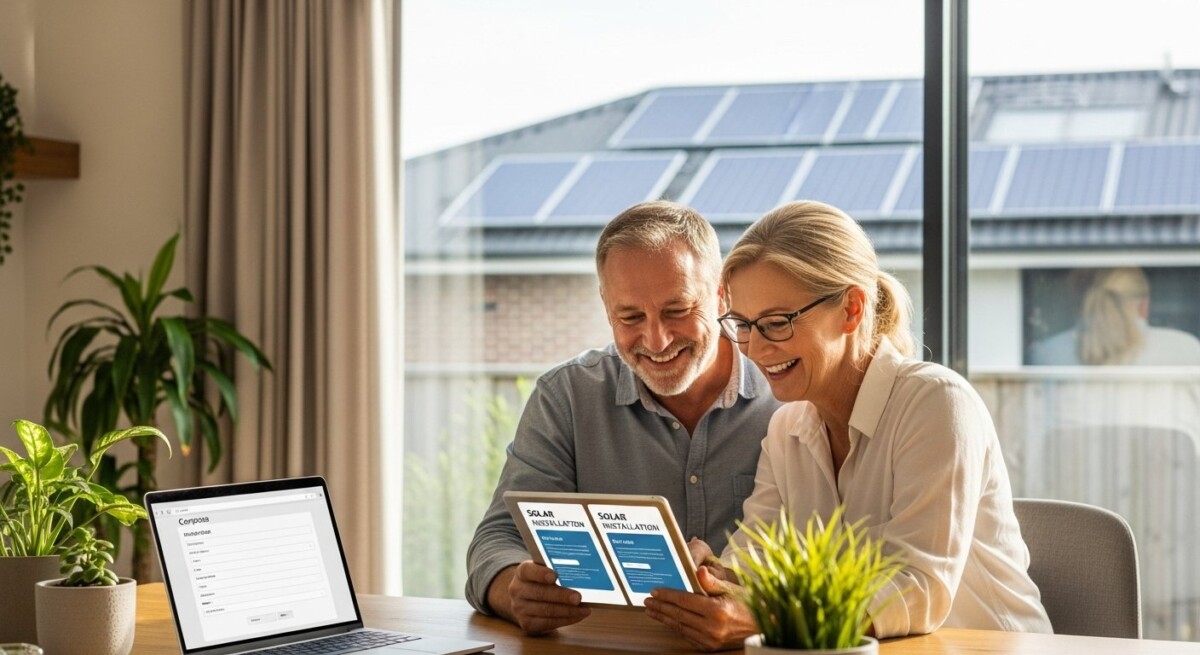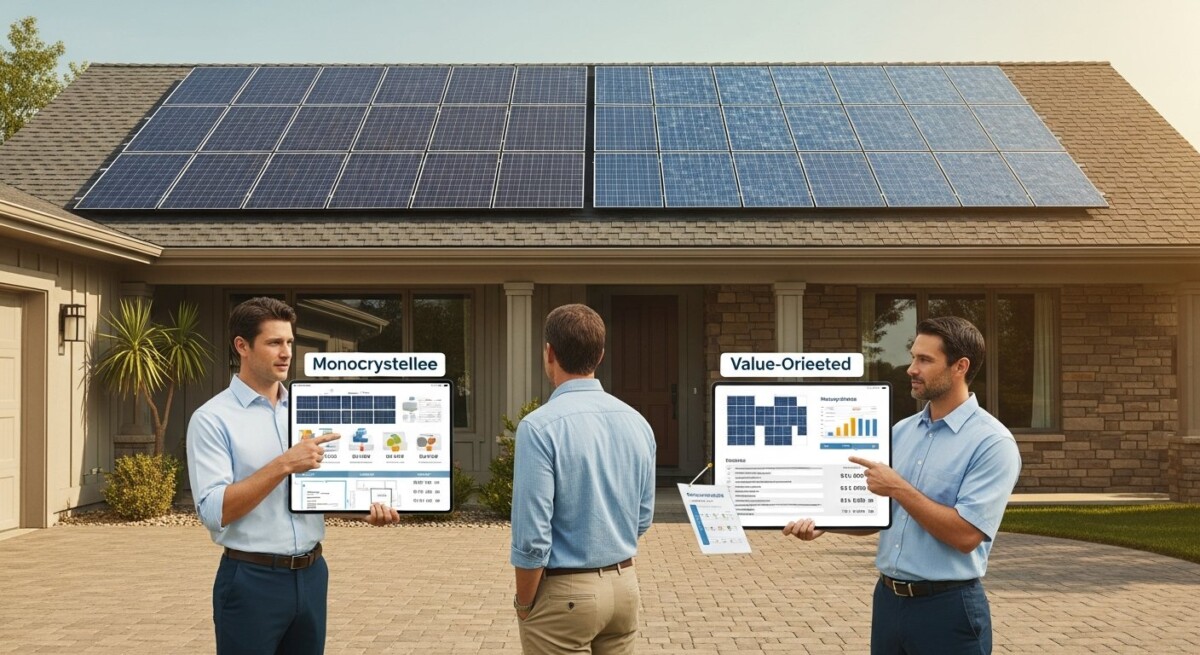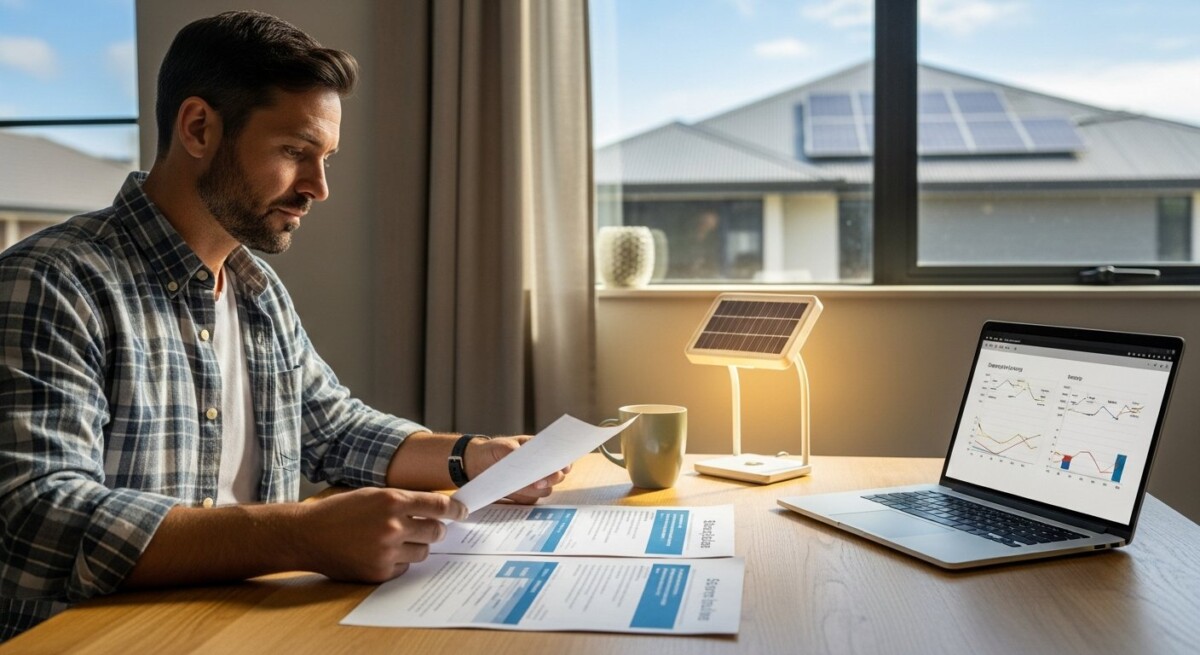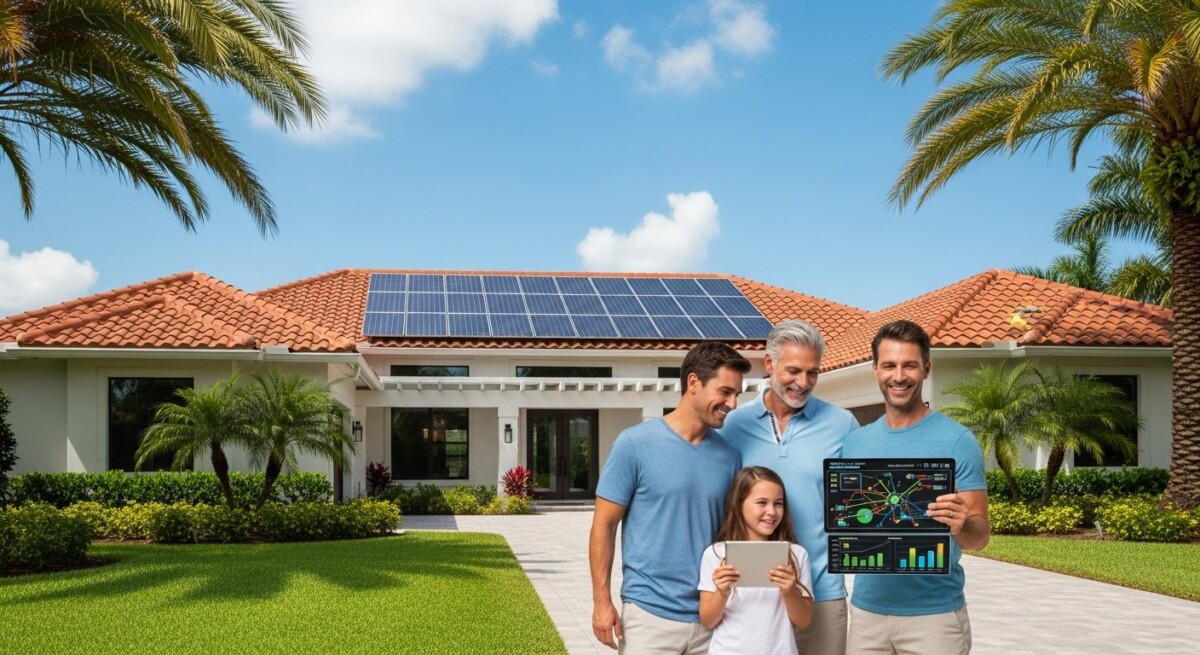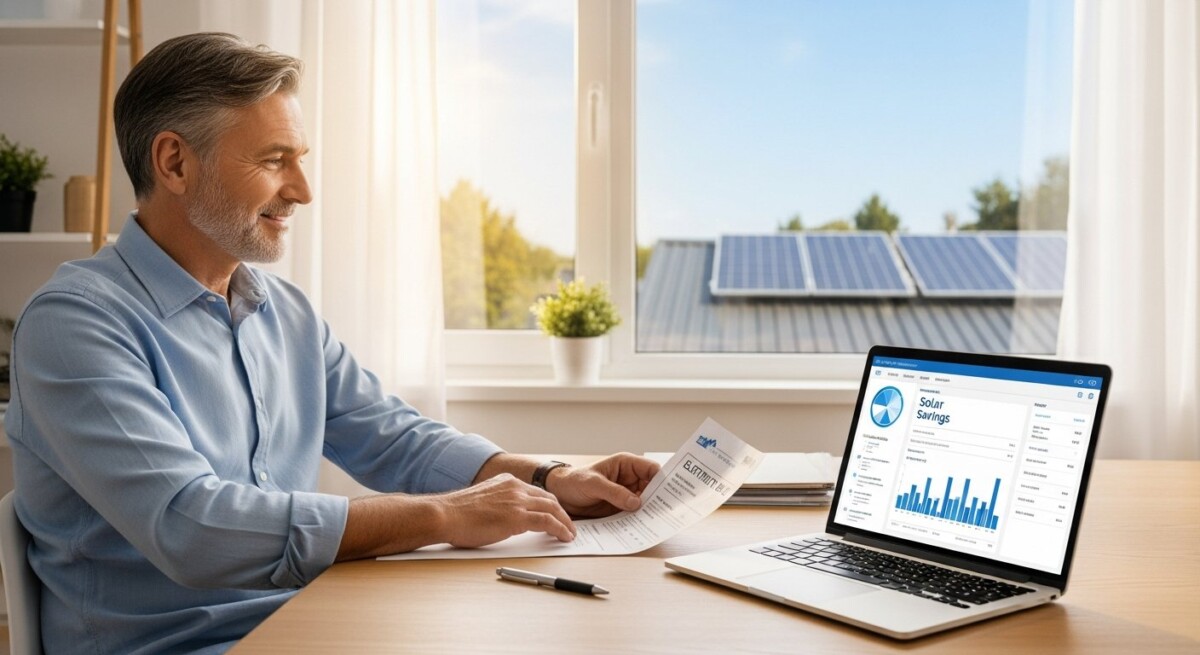
Imagine opening your monthly electricity bill and seeing a number that makes you wince. For many homeowners, rising energy costs are becoming harder to ignore. That is why more people are searching for what is solar installation timeline and wondering how quickly they can start saving. The idea of reducing your electric bills and becoming less dependent on the power grid is exciting, but the timeline can feel like a mystery. In this guide, we will walk you through every phase so you know exactly what to expect.
Understanding what is solar installation timeline
In simple terms, the solar installation timeline is the total time it takes from your first inquiry to the moment your solar panels start producing electricity. This includes research, design, permitting, physical installation, and final inspection. Most residential projects take between one and three months from contract signing to activation.
Why does it take that long? Solar is not just a product you buy off the shelf,it is a custom energy system designed for your home. Professionals need to evaluate your roof, design the layout, secure permits from your local government, and coordinate with your utility company. Each step adds a few days or weeks, but the result is a system that works safely and efficiently for decades.
What happens during each phase?
The timeline breaks down into five main stages: consultation and site assessment, system design and proposal, permitting and approvals, installation day, and final connection to the grid. The permitting stage is often the longest because it depends on your city or county. Some jurisdictions approve permits in a week, while others take a month or more.
Why Solar Energy Is Becoming More Popular
Electricity rates have been climbing steadily across the United States. Homeowners are tired of unpredictable bills and want control over their energy costs. Solar panels offer a way to lock in a lower, predictable rate for 25 years or more.
Beyond the financial side, environmental concerns are driving the shift. Solar power produces clean energy without carbon emissions. Many homeowners feel good about reducing their carbon footprint while also saving money. Long-term savings can be substantial,most systems pay for themselves within 6 to 10 years, then generate free electricity for the rest of their lifespan.
Government incentives sweeten the deal. The federal solar tax credit allows you to deduct 30% of your installation cost from your taxes. Many states and utilities offer additional rebates or performance payments. These incentives make solar more affordable than ever and shorten your payback period.
If you are considering solar power for your home, comparing installation quotes can help you understand your options. Request a free solar quote or call to learn more.
Common Questions Homeowners Have About Solar
When homeowners first research solar, they often worry about the upfront cost. A typical residential system costs between $15,000 and $25,000 before incentives. However, financing options like solar loans or leases can eliminate the need for a large cash payment.
Another frequent concern is roof suitability. Not every roof is ideal for solar, but most are. Installers evaluate your roof’s age, material, pitch, and shading to determine if it can support panels. If your roof needs replacement soon, it is often best to do that before installing solar.
Performance is also top of mind. Homeowners want to know if solar panels work on cloudy days or during winter. The answer is yes,panels still generate electricity from diffuse sunlight, though output is lower than on sunny days. Modern systems are designed to meet your annual energy needs, not just peak summer production.
- How much does solar installation cost?
- Will solar panels work on my roof?
- How long do solar panels last?
- What happens if I move?
- Do I need a battery?
- How much will I save on my electricity bill?
How Solar Panel Installation Works
The installation process is straightforward when broken into steps. Professional installers handle everything from start to finish, so you do not have to manage permits or electrical work yourself. Understanding the steps helps you set realistic expectations for the timeline.
Here is a typical sequence of events. The exact order may vary slightly depending on your location and installer, but this covers the essentials.
- Home energy assessment: An installer reviews your electricity bills and inspects your roof and electrical panel.
- System design: Engineers create a custom layout that maximizes sunlight exposure and meets your energy goals.
- Permits and approvals: Your installer submits permit applications to your city or county and notifies your utility company.
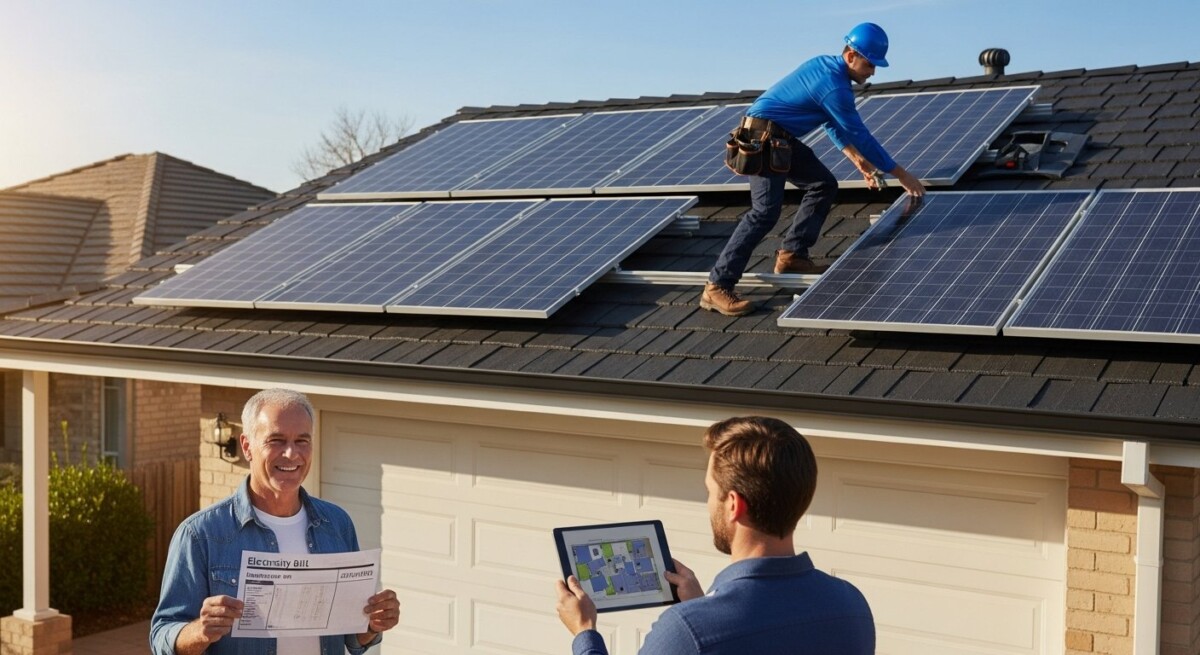
- Panel installation: A crew mounts the racking system, attaches the panels, and wires everything to your electrical panel.
- System activation: After passing inspection, your utility company installs a net meter and turns the system on.
Speaking with experienced installers can help you determine the best solar solution for your home. Compare solar quotes here or call to explore available options.
Signs Your Home May Be Ideal for Solar
Not every home is equally suited for solar, but many are. The best candidates have roofs that face south or west with minimal shading from trees or nearby buildings. If your roof gets strong sunlight for most of the day, you are in a great position.
High electricity bills are another strong indicator. The more you pay for power, the more you stand to save with solar. If your monthly bill exceeds $100, solar is likely a smart financial move. Also, if you plan to stay in your home for at least five to seven years, you will have time to recoup your investment.
- Unobstructed sunlight on your roof for most of the day
- Monthly electricity bills above $100
- Roof in good condition with at least 15 years of life remaining
- Plans to stay in your home for 5+ years
- Live in a state with strong net metering or solar incentives
- Have enough roof space to accommodate the number of panels needed
What Affects Solar Installation Costs
Several factors influence the final price of a solar system. The biggest is system size, measured in kilowatts (kW). A larger system costs more upfront but generates more electricity, leading to greater savings. Most homes install systems between 5 kW and 10 kW.
Equipment quality also matters. Premium panels and inverters cost more but offer higher efficiency and longer warranties. Installation complexity can add cost too,for example, if your roof is steep, has multiple angles, or requires electrical panel upgrades. Local incentives can offset a significant portion of these costs, so check what is available in your area.
The cost of solar installation varies depending on your home and energy needs. Request personalized solar quotes or call to see what options are available.
Tips for Choosing a Reliable Solar Installer
Choosing the right installer is just as important as choosing the right equipment. A reputable company will handle permits, answer your questions, and stand behind their work. Start by checking online reviews on platforms like Google, Yelp, and the Better Business Bureau.
Experience matters. Look for installers who have been in business for several years and have completed hundreds of projects. Ask about the warranties they offer,both on the equipment and the workmanship. A good installer will offer at least a 10-year workmanship warranty and help you understand the manufacturer warranties on panels and inverters.
- Verify the installer is licensed and insured in your state
- Read customer reviews and ask for references
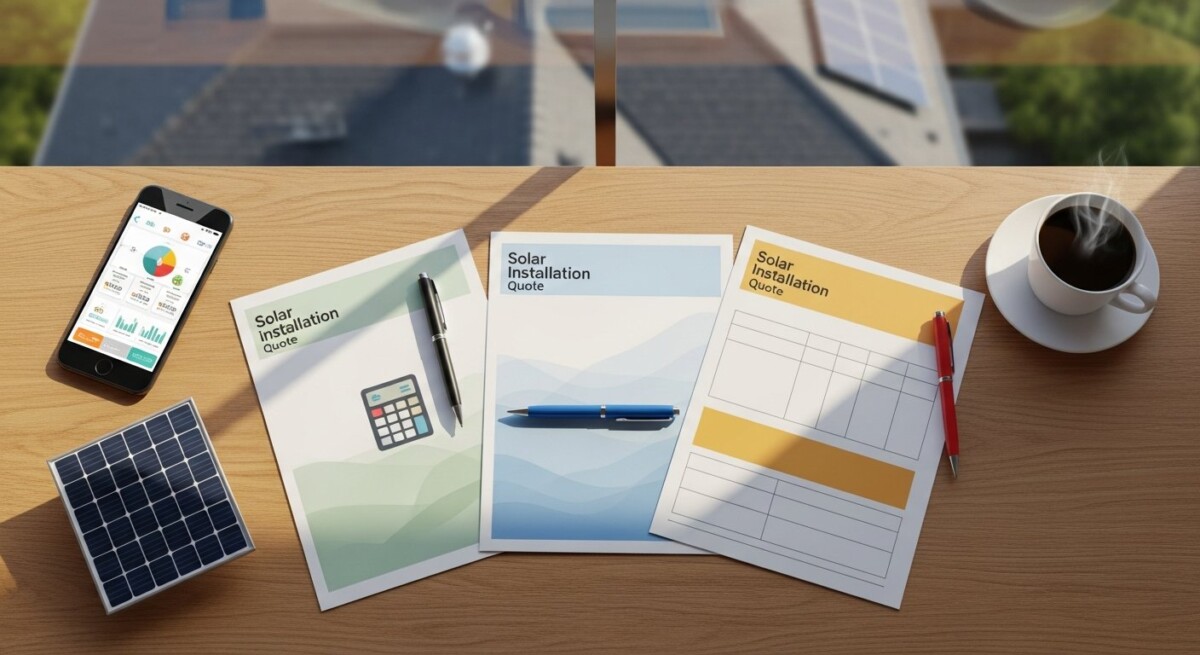
- Compare at least three quotes before deciding
- Ask about warranty coverage for panels, inverters, and labor
- Ensure they handle all permitting and utility paperwork
- Check if they offer monitoring and maintenance services
Long-Term Benefits of Installing Solar Panels
The most obvious benefit is lower electricity bills. Once your system is paid off, the electricity it generates is essentially free. Over 25 years, that can amount to tens of thousands of dollars in savings. Solar also increases your home’s resale value,studies show homes with solar sell for a premium compared to similar homes without it.
Energy independence is another significant advantage. By generating your own power, you are less affected by utility rate hikes and grid outages (especially if you add a battery). You also contribute to a cleaner environment. The average residential solar system offsets roughly 3 to 4 tons of carbon dioxide each year, equivalent to planting over 100 trees annually.
In our guide on how to review solar installation proposals for maximum savings, we explain how to evaluate offers and avoid common pitfalls. Combining that knowledge with a solar installation estimate request can help you save on electricity bills from day one.
Frequently Asked Questions
How long does the solar installation timeline usually take?
Most residential solar projects take between one and three months from contract signing to activation. The permitting phase is often the longest, depending on your local government. Your installer will give you a more specific timeline based on your area.
Will solar panels work on my roof if it is old?
If your roof is nearing the end of its life, it is best to replace it before installing solar. Solar panels last 25 to 30 years, so you want a roof that will last as long. A professional installer can inspect your roof and advise you.
How much can I save on my electricity bills with solar?
Savings vary by location, system size, and your current electricity rates. On average, homeowners save between $600 and $1,500 per year. Over 25 years, total savings often range from $15,000 to $40,000 or more.
Do I need a solar battery for my system?
No, a battery is optional. Without a battery, you still save money through net metering, where excess power is sent to the grid for credits. A battery provides backup power during outages and lets you use more of your own solar energy at night.
What government incentives are available for solar?
The federal solar tax credit allows you to deduct 30% of your installation cost from your federal taxes. Many states offer additional rebates or tax credits. Some utilities also provide performance payments or net metering programs.
How do I choose between solar financing options?
You can buy the system outright with cash, take out a solar loan, or lease the panels. Buying offers the highest long-term savings. Loans let you start saving immediately with no upfront cost. Leases have lower monthly payments but you do not own the system.
Will solar panels damage my roof?
No, when installed correctly by professionals, solar panels do not damage your roof. Installers use mounting hardware that seals against water intrusion. In fact, panels can protect the roof area underneath from sun and rain.
What happens if I move after installing solar?
If you own the system, it can increase your home’s resale value. Buyers often pay a premium for a home with low electricity bills. If you lease the panels, you may need to transfer the lease to the new homeowner or buy out the contract.
Understanding the solar installation timeline helps you plan your transition to clean energy with confidence. From the initial consultation to the moment your meter starts spinning backward, each step is designed to deliver reliable, long-term savings. The best way to move forward is to explore your options and compare quotes from trusted professionals. Start your journey today and take control of your energy future.