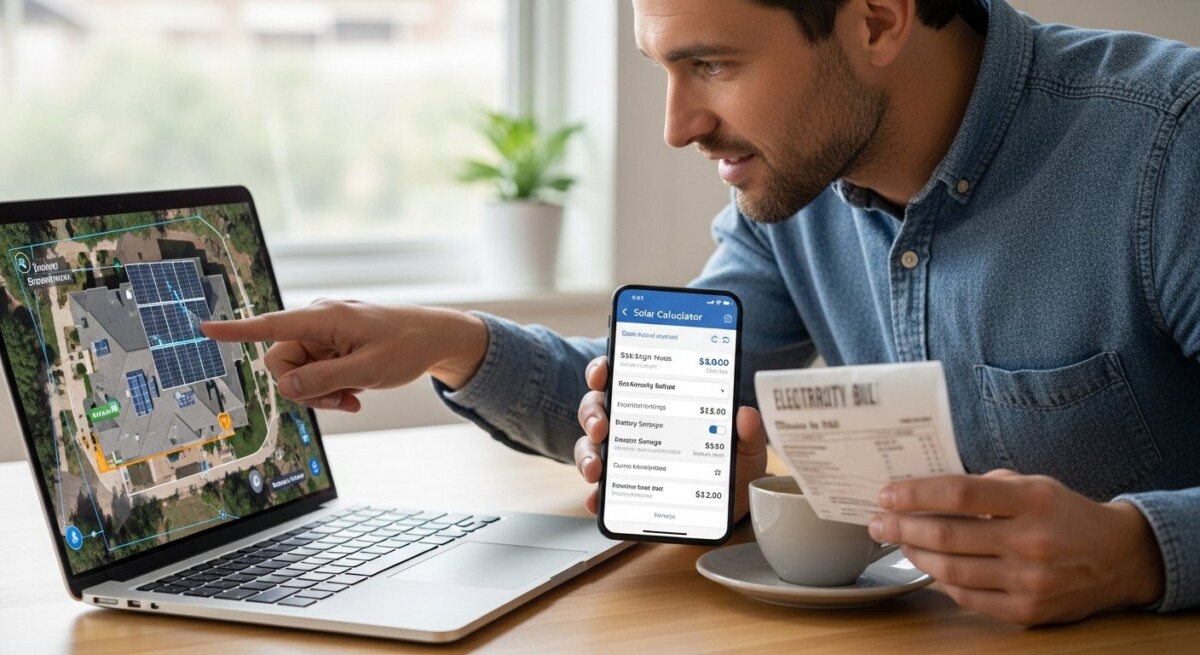
Every month, you open your electricity bill and wonder why it keeps climbing. You are not alone. Rising energy costs have pushed millions of homeowners to search for solar for energy bill reduction as a practical way to take control of their monthly expenses. The idea of generating your own power and relying less on the grid is more appealing than ever. Solar panels offer a path to lower bills, greater independence, and a cleaner planet.
Understanding Solar for Energy Bill Reduction
Solar for energy bill reduction simply means using photovoltaic panels to convert sunlight into electricity for your home. When the sun shines on these panels, they produce direct current (DC) electricity, which an inverter converts into the alternating current (AC) that powers your lights, appliances, and electronics. Any excess energy your system generates can often be sent back to the grid in exchange for credits through net metering, further lowering your bill.
More homeowners are turning to solar because it directly reduces the amount of electricity they need to buy from their utility company. In many cases, a properly sized system can cover 50% to 100% of a home’s annual electricity usage. This means your monthly bill shrinks dramatically, sometimes to just a small connection fee.
How Net Metering Works
Net metering is a billing arrangement that credits you for the excess solar power you send to the grid. During sunny hours, your panels may produce more electricity than your home uses. That surplus flows back to the utility, and your meter spins backward. At night or on cloudy days, you draw power from the grid and use those credits to offset the cost. This system makes solar for energy bill reduction even more effective.
Why Solar Energy Is Becoming More Popular
Electricity rates have risen steadily over the past decade, and they show no signs of slowing down. Homeowners are tired of unpredictable bills and want a solution that offers predictable, long-term savings. Solar energy provides exactly that,a fixed cost for power generation once your system is installed.
Environmental concerns also play a major role. Solar power produces no greenhouse gases during operation, which helps reduce your carbon footprint. Many people feel good knowing their home runs on clean, renewable energy instead of fossil fuels. The combination of financial and environmental benefits makes solar a compelling choice for families across the country.
Long-term savings are the biggest driver. While the upfront cost of solar panels can seem high, the average homeowner saves tens of thousands of dollars over the 25- to 30-year lifespan of their system. With proper financing or cash purchase, your panels can pay for themselves in 6 to 10 years and deliver free electricity for decades afterward.
If you are considering solar power for your home, comparing installation quotes can help you understand your options. Request a free solar quote or call to learn more.
Common Questions Homeowners Have About Solar
It is normal to have questions before investing in solar panels. The most common concerns involve installation cost, roof suitability, and system performance. Homeowners want to know if solar will actually work for their specific home and budget.
Many also worry about maintenance and whether solar panels will still perform well in cloudy or snowy weather. The truth is that solar panels are durable, require very little upkeep, and still generate electricity on overcast days,just at a reduced rate. Professional installers can address all of these concerns during a free consultation.
- How much does a solar system cost for an average home?
- Will solar panels work on my roof type or age?
- How long do solar panels last?
- What happens if I move after installing solar?
- Do I need a battery with my solar system?
- How much can I actually save on my electricity bills?
How Solar Panel Installation Works
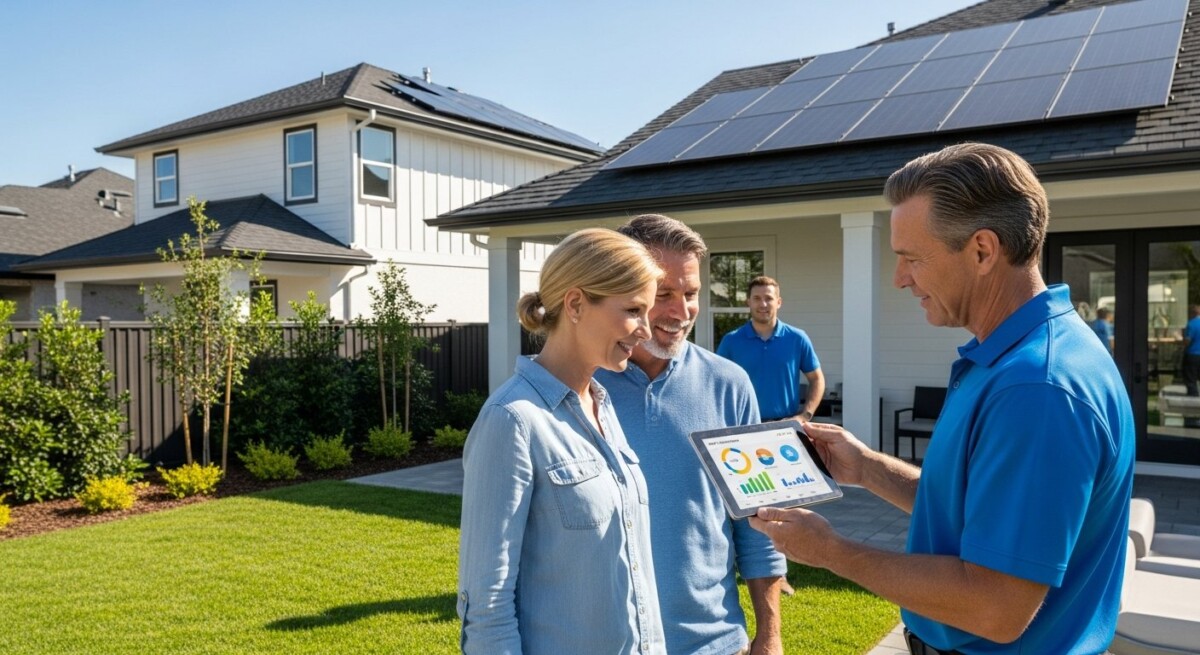
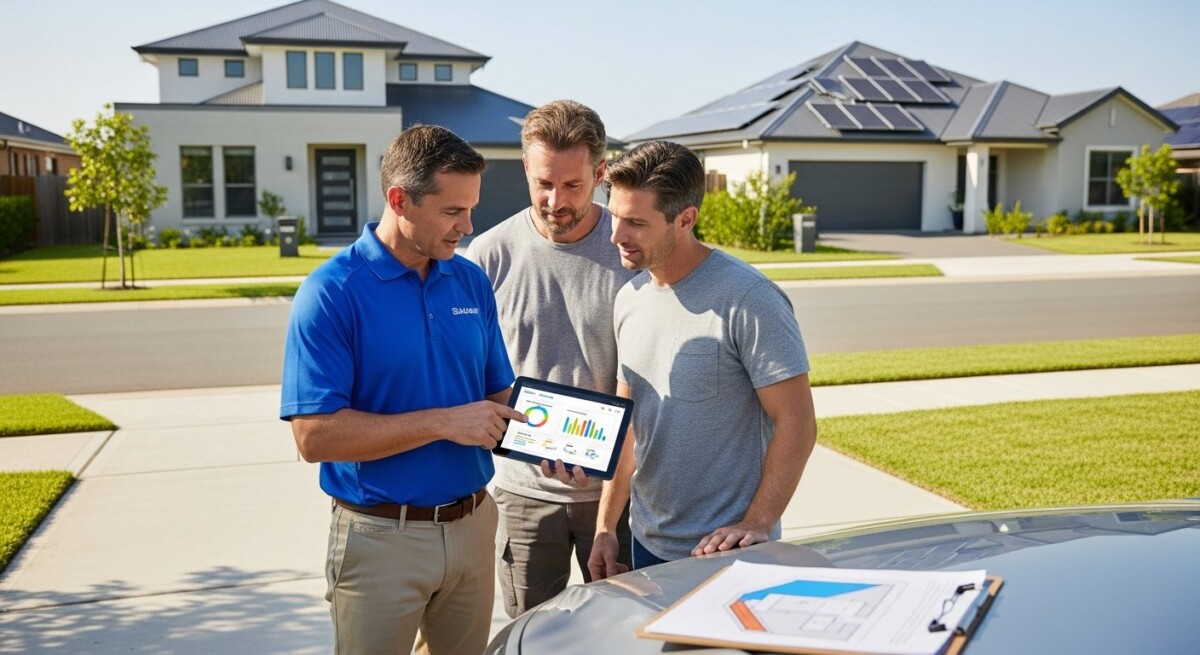
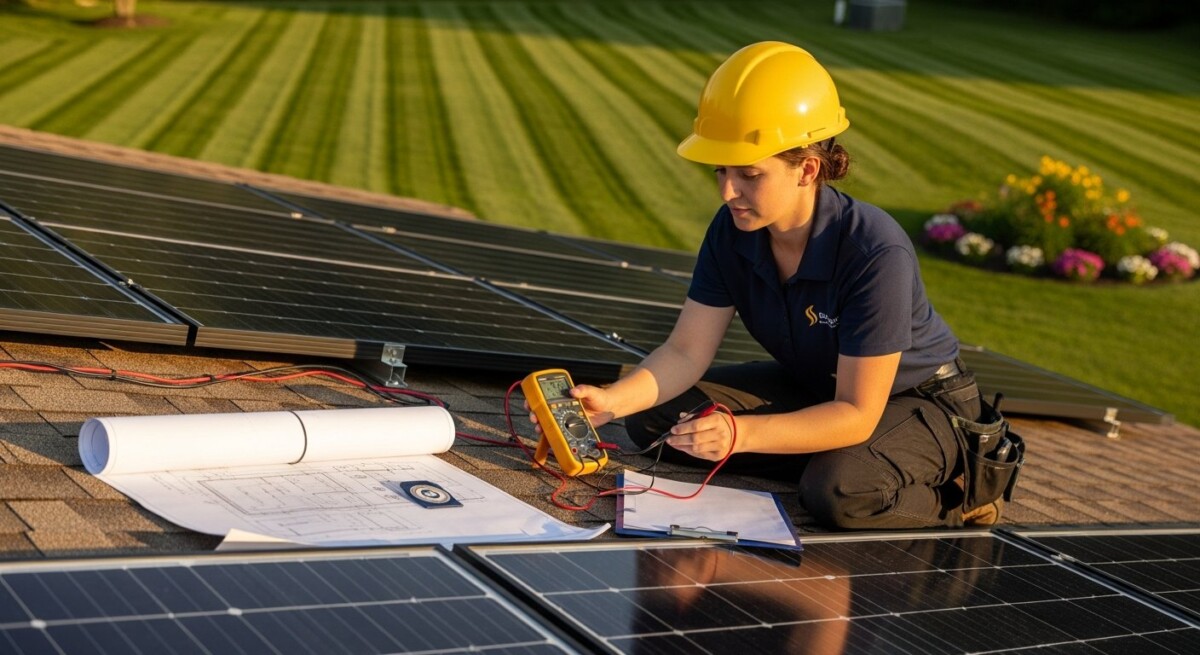
The installation process is simpler than most homeowners expect. A professional solar installer handles everything from the initial assessment to the final activation. You do not need to be an expert in electrical systems or roofing to go solar.
After you sign a contract, the installer takes care of permits, paperwork, and scheduling. The actual installation on your roof usually takes one to three days, depending on the size of the system. Once the panels are mounted and connected, your utility company performs a final inspection and turns on the system.
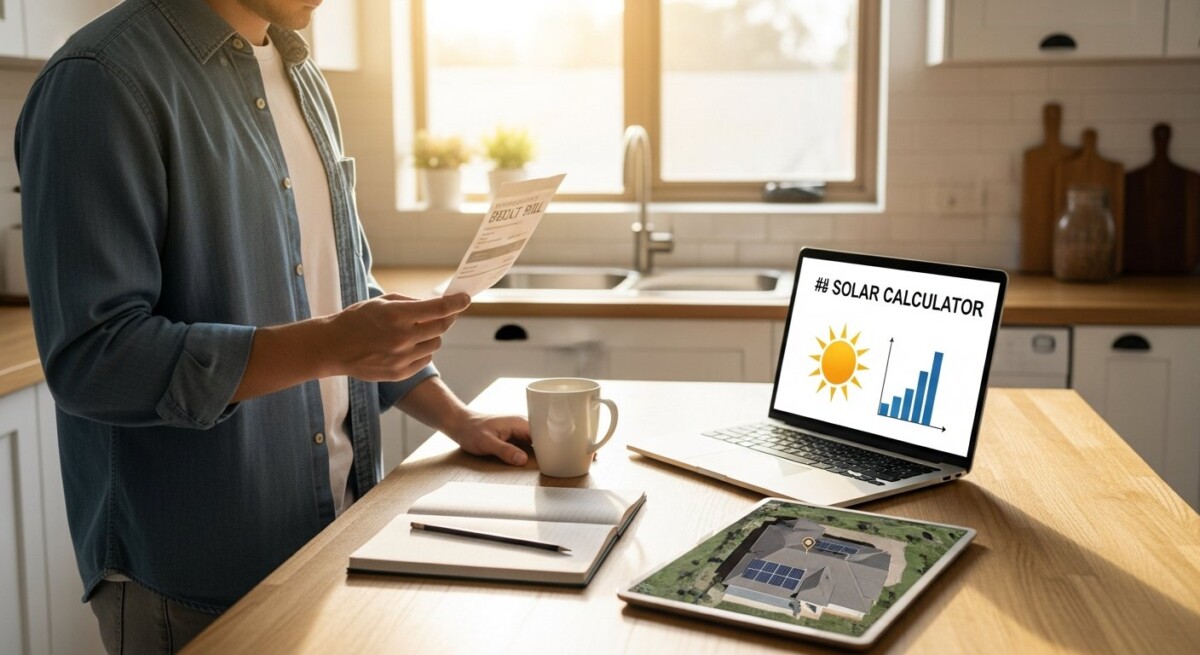
- Home Energy Assessment: The installer reviews your past electricity bills and evaluates your roof to design a system that meets your needs.
- System Design: A custom layout is created to maximize sunlight exposure and fit your roof’s dimensions.
- Permits and Approvals: The installer files necessary permits with your local government and utility company.
- Panel Installation: Racking is attached to your roof, panels are secured, and wiring is connected to your electrical panel.
- System Activation: After utility approval, your solar system is turned on and begins generating power immediately.
Speaking with experienced installers can help you determine the best solar solution for your home. Compare solar quotes here or call to explore available options.
Signs Your Home May Be Ideal for Solar
Not every home is equally suited for solar panels, but many are. The best candidates have a south-facing roof with little to no shade from trees or nearby buildings. Your roof should also be in good condition and able to support the weight of panels for at least 20 years.
If your electricity bills are consistently high, solar becomes an even smarter investment. Homes that use a lot of power during daylight hours,such as those with stay-at-home occupants or home offices,tend to benefit the most because they use solar electricity directly without relying on net metering credits. In our guide on Hybrid Solar Panels: The Future of Solar Energy, we explain how advanced systems can further boost your savings.
- You have a south-facing roof with strong sunlight exposure most of the day.
- Your monthly electricity bills are high, often over $100.
- Your roof has at least 300 to 500 square feet of usable space.
- You plan to stay in your home for at least 5 to 10 years.
- Your roof is less than 10 years old or in good repair.
- You live in a state with net metering or strong solar incentives.
What Affects Solar Installation Costs
The cost of a solar system depends on several key factors. The size of the system, measured in kilowatts (kW), is the biggest driver,larger systems cost more but also produce more electricity. The type and quality of solar panels and inverters also influence the price.
Installation complexity matters too. A simple, south-facing roof with easy access costs less to install than a steep, multi-section roof or one with skylights and chimneys. Local labor rates and permit fees also vary by region. Fortunately, government incentives such as the federal Investment Tax Credit (ITC) can reduce your total cost by 30%, making solar more affordable than ever.
The cost of solar installation varies depending on your home and energy needs. Request personalized solar quotes or call to see what options are available.
Tips for Choosing a Reliable Solar Installer
Finding the right installer is just as important as choosing the right equipment. A trustworthy company will conduct a thorough site assessment, explain your options clearly, and stand behind their work with solid warranties. Take your time and do your research before signing a contract.
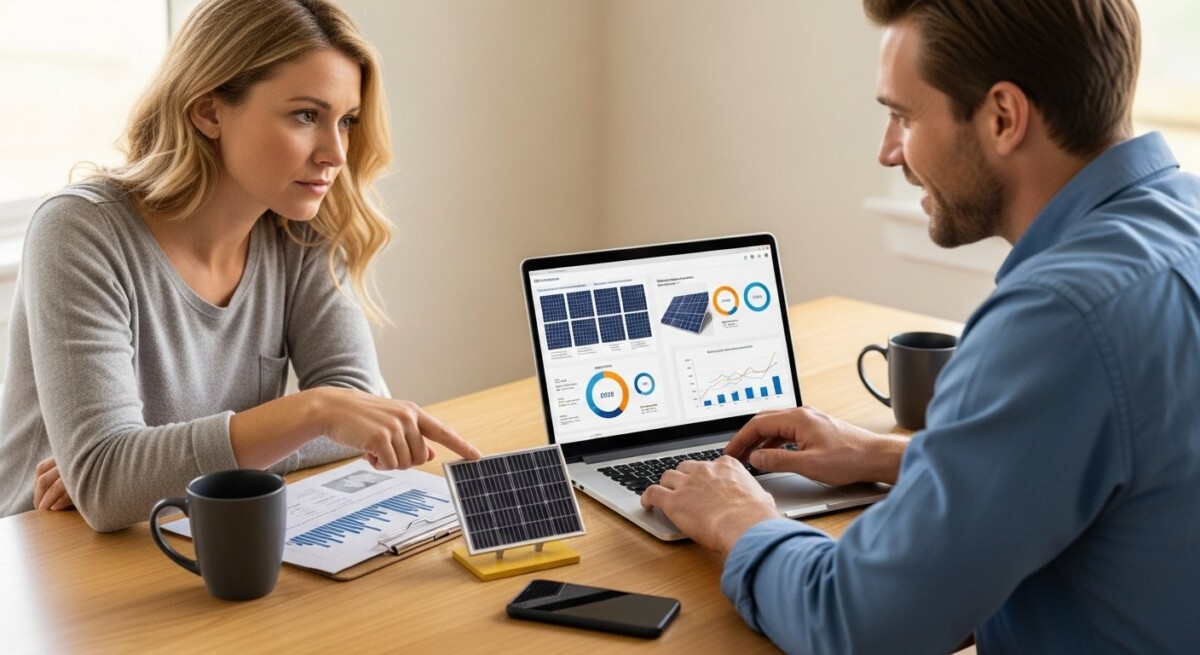
Comparing multiple quotes is the best way to ensure you get a fair price and high-quality service. Each quote should include the equipment brand, system size, total cost, and estimated energy production. This allows you to make an apples-to-apples comparison and avoid overpaying.
- Review the installer’s experience and ask how many solar systems they have installed.
- Check that they offer a workmanship warranty of at least 10 years.
- Read customer reviews on independent sites like Google or the Better Business Bureau.
- Ask about equipment warranties for panels (25 years) and inverters (10,25 years).
- Get at least three quotes from different companies before deciding.
- Confirm the installer is licensed, bonded, and insured in your state.
Long-Term Benefits of Installing Solar Panels
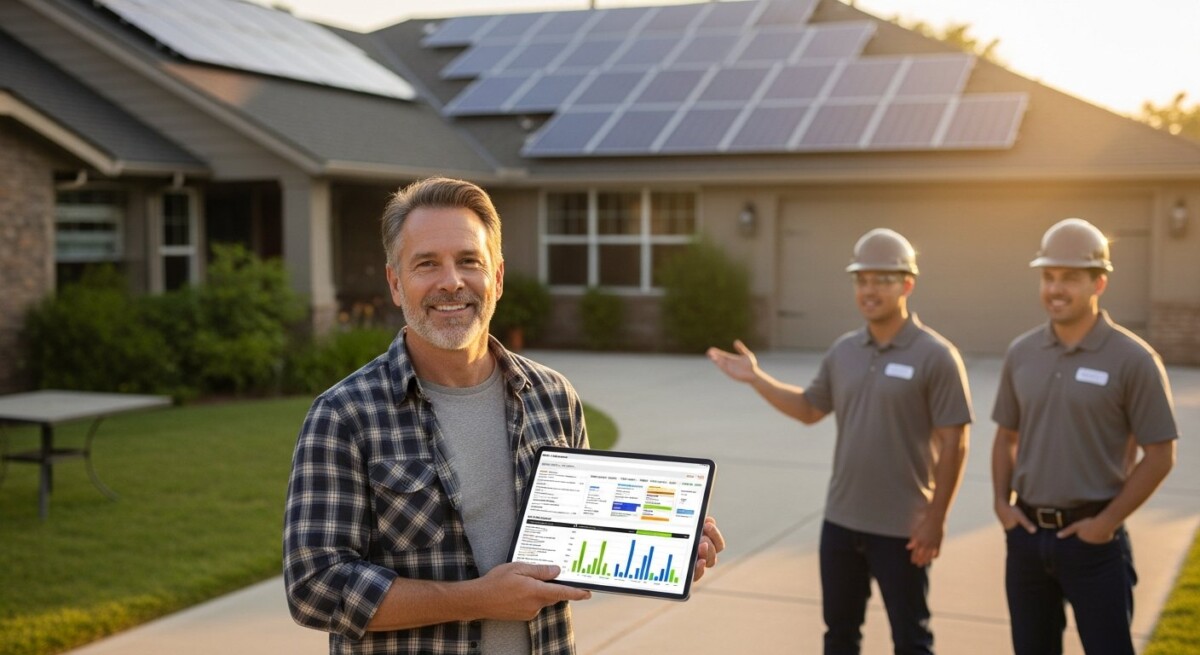
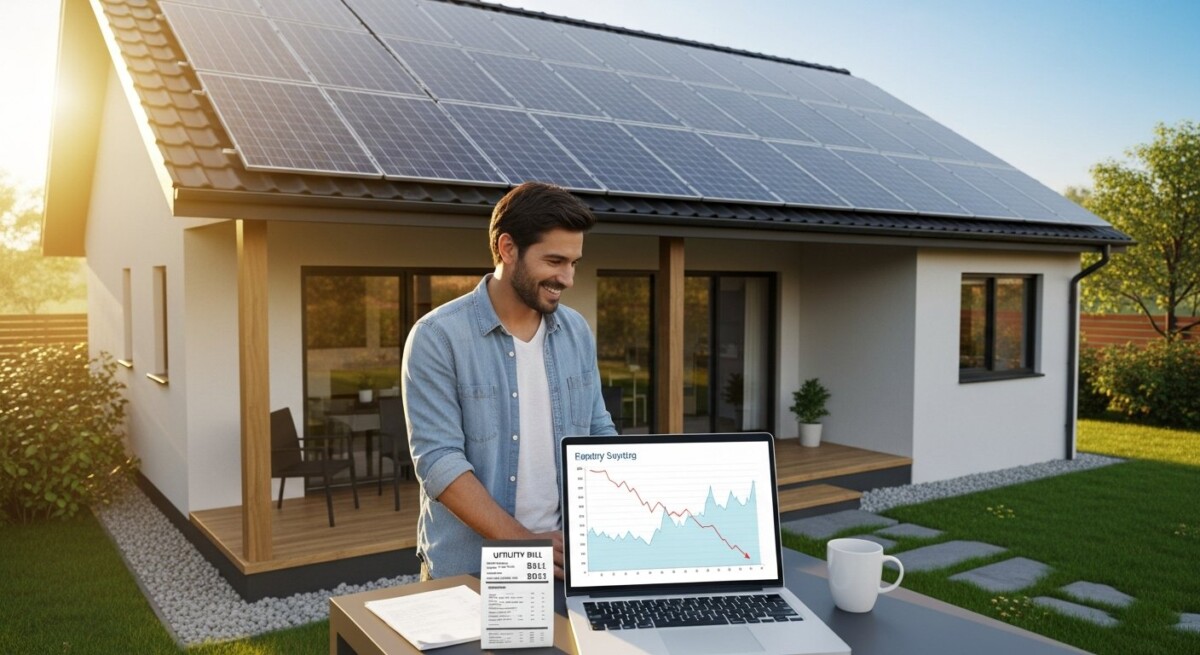
Lower electricity bills are the most immediate benefit, but the advantages go much further. Solar panels increase your home’s resale value,studies show that homes with solar sell for about 4% more on average than comparable homes without solar. Buyers see the panels as a valuable upgrade that reduces future utility costs.
Energy independence is another major perk. When you generate your own power, you are insulated from future rate hikes and grid outages (especially if you add a battery). You also reduce your reliance on fossil fuels, which helps fight climate change. For many homeowners, the peace of mind that comes with energy independence is priceless.
Over 25 years, the financial savings from solar can total $20,000 to $50,000 or more, depending on your location and electricity rates. And unlike other home improvements, solar panels require minimal maintenance,just occasional cleaning and an inverter check every few years. It is one of the few investments that pays you back month after month while making your home more sustainable. For more creative ways to harness the sun, read our article on The Power of the Sun: 15 Ways to Utilize Solar Energy.
Frequently Asked Questions
How much can I save on my electricity bill with solar panels?
Most homeowners save between 50% and 100% on their monthly electricity bills, depending on system size, local sunlight, and net metering policies. The average savings over 20 years can range from $20,000 to over $50,000. A professional installer can estimate your specific savings based on your energy usage and roof.
Do solar panels work in cloudy or rainy weather?
Yes, solar panels still generate electricity on cloudy days, though at a reduced rate,typically 10% to 25% of their full capacity. Rain can actually help by washing away dust and debris. Modern panels are designed to capture diffuse sunlight, so you will still see savings even in less sunny climates.
What is the federal solar tax credit for 2025?
The federal Investment Tax Credit (ITC) allows you to deduct 30% of your solar installation costs from your federal taxes. There is no cap on the credit amount, and it applies to both residential and commercial systems. This incentive is scheduled to step down in 2033, so acting sooner maximizes your savings.
How long does it take for solar panels to pay for themselves?
The payback period for solar panels typically ranges from 6 to 10 years, depending on your electricity rates, system cost, and available incentives. After that point, the electricity your panels produce is essentially free. With a 25- to 30-year lifespan, you can enjoy 15 to 20 years of pure savings.
Will solar panels damage my roof?
When installed correctly by a professional, solar panels do not damage your roof. They are mounted on racking systems that are sealed to prevent leaks. In fact, panels can protect the roof area underneath from sun and rain. Choose an experienced installer who includes a roof penetration warranty for extra peace of mind.
Do I need to replace my roof before installing solar?
If your roof is nearing the end of its lifespan (over 20 years old or showing signs of wear), it is wise to replace it before installing solar. Removing and reinstalling panels later adds cost and inconvenience. Most installers recommend a roof that has at least 10 to 15 years of life remaining.
Can I go off-grid with solar panels?
Technically yes, but going completely off-grid requires a large battery bank and often a backup generator to handle cloudy periods. For most homeowners, staying connected to the grid with net metering is more cost-effective. A hybrid system with a small battery provides backup power without the expense of full off-grid capability.
How do I compare solar installation quotes?
Look at the total system cost, equipment brands, warranty terms, and estimated annual energy production. Avoid focusing only on monthly payments,understand the cash price and financing terms. A lower upfront cost with poor equipment or a short warranty may cost you more in the long run.
Solar energy offers a practical, reliable way to reduce your electricity bills and invest in a cleaner future. By understanding how solar for energy bill reduction works, evaluating your home’s suitability, and comparing quotes from multiple installers, you can make a confident decision that saves you money for decades. Start exploring your options today by requesting free quotes from trusted professionals.