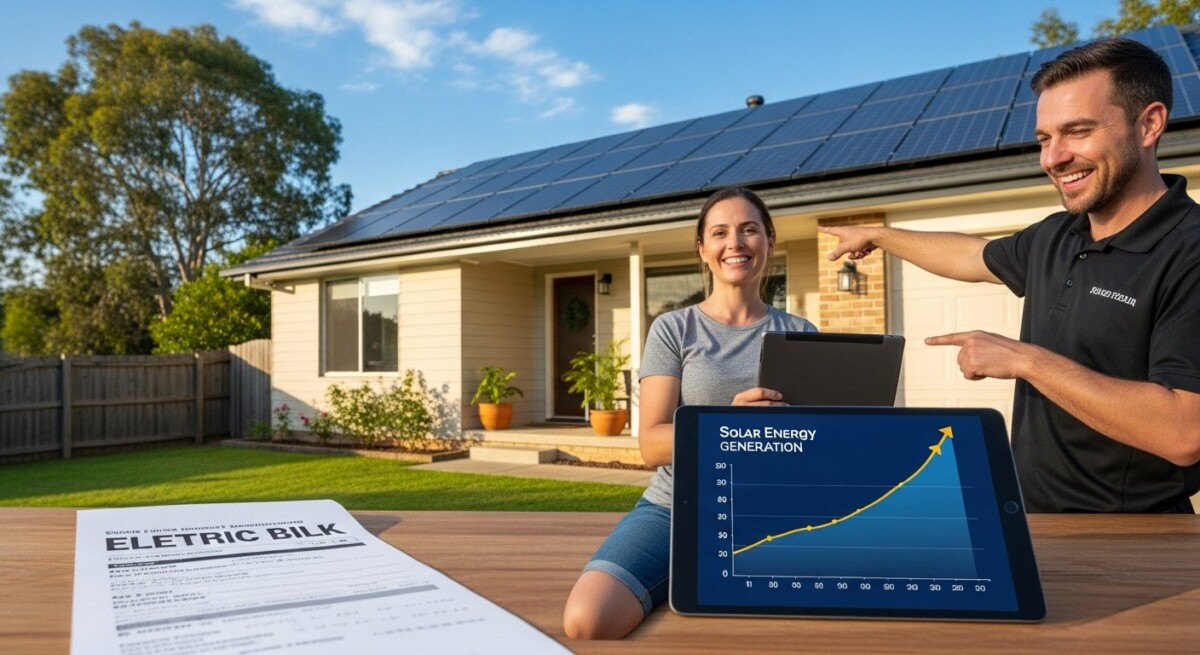
Imagine opening your monthly electricity bill and seeing it drop by half,or even more. That is the promise of solar energy, and it’s why millions of homeowners are exploring solar panel installation. But as you start researching, you quickly realize that not every solar company is trustworthy. Understanding how to verify solar installer legitimacy can mean the difference between a system that saves you money and a costly mistake.
Rising electricity costs have made energy independence a top priority for many families. You want to reduce your reliance on the power grid and protect yourself from future rate hikes. The challenge is finding a professional installer who delivers on those goals without cutting corners. In our guide on how to verify solar installer legitimacy for maximum savings, we break down the steps every homeowner should take.
Understanding how to verify solar installer legitimacy
Verifying a solar installer’s legitimacy means checking that the company is licensed, insured, and experienced enough to design and install a system that meets your home’s specific needs. A legitimate installer will have proper certifications, a solid track record, and transparent pricing. This process protects your investment and ensures your system performs as expected for decades.
A solar panel system works by converting sunlight into electricity using photovoltaic cells. The installer’s job is to size the system correctly, place panels for maximum sun exposure, and connect everything safely to your home’s electrical panel. More homeowners are considering solar because it offers predictable energy costs and a hedge against inflation.
Key credentials to look for
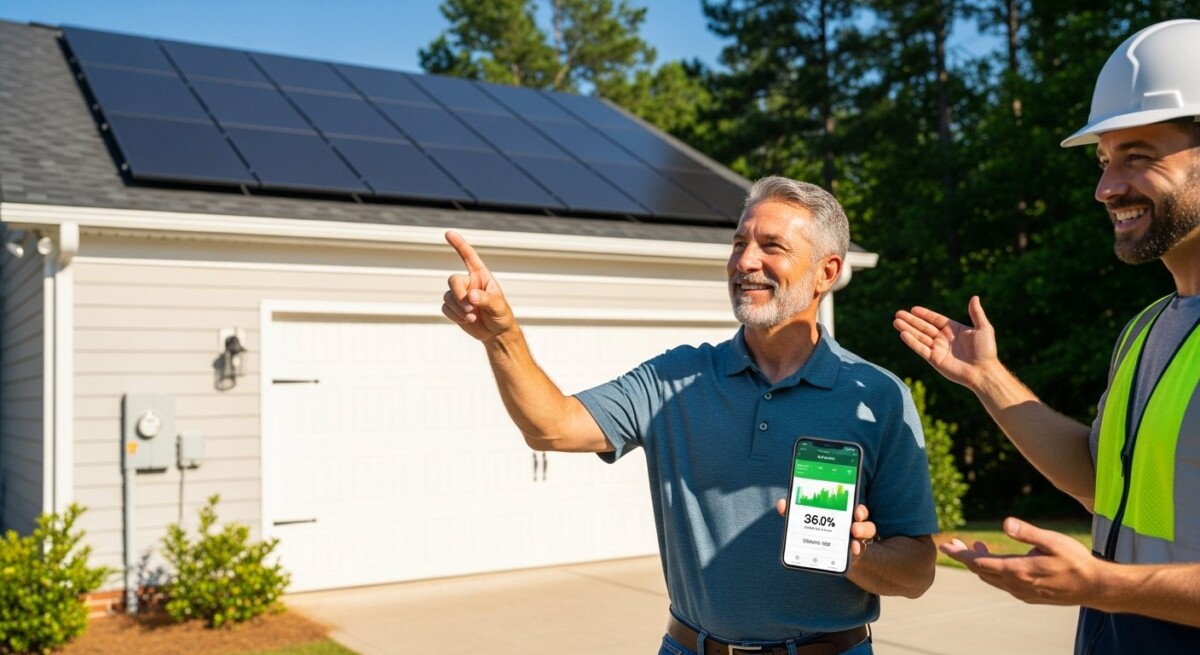
Start by confirming that the installer holds a valid contractor’s license in your state and has general liability insurance. Industry certifications, such as those from the North American Board of Certified Energy Practitioners, signal advanced training and professionalism. These credentials are a strong foundation for how to verify solar installer legitimacy.
Why Solar Energy Is Becoming More Popular
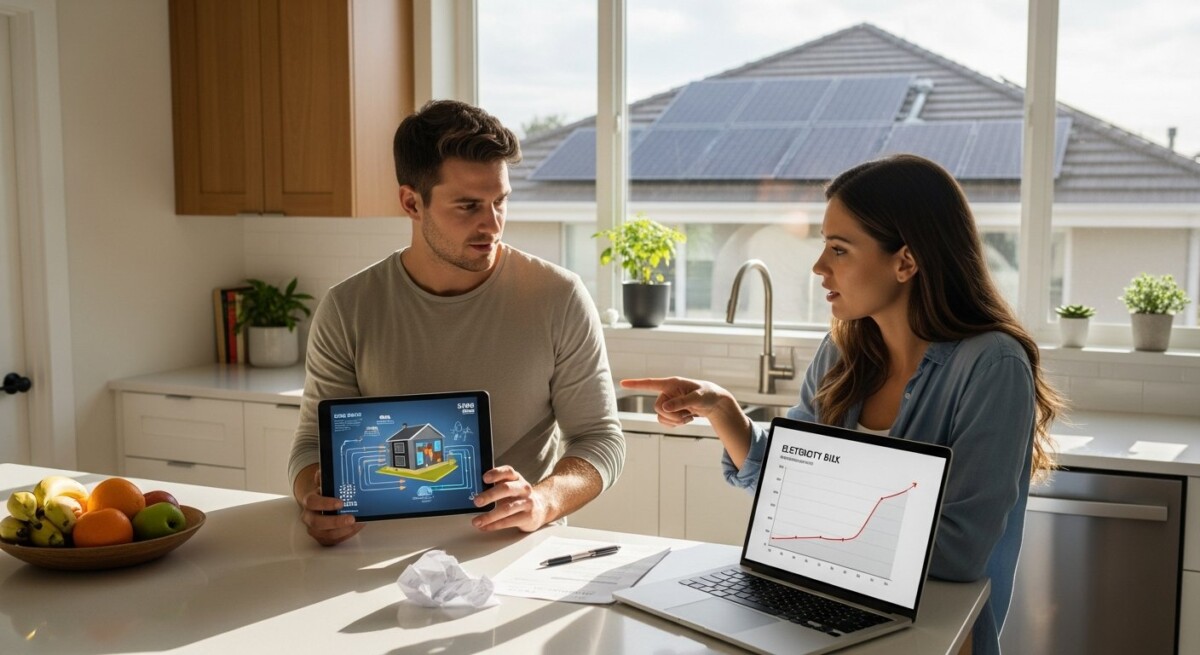
Electricity prices have risen steadily over the past decade, and they show no signs of slowing down. Solar energy allows homeowners to lock in a lower, more stable rate for their power. At the same time, growing awareness of climate change has motivated many families to reduce their carbon footprint by switching to renewable energy.
Long-term savings are another major driver. A well-designed solar system can pay for itself in 6 to 10 years through lower utility bills, and then continue producing free electricity for another 15 to 20 years. Government incentives, including the federal solar tax credit, make the upfront cost more affordable than ever.
If you are considering solar power for your home, comparing installation quotes can help you understand your options. Request a free solar quote or call +1 (888) 702-0596 to learn more.
Common Questions Homeowners Have About Solar
Many homeowners worry about the initial cost of solar installation, but financing options like solar loans and leases make it accessible for most budgets. Another frequent concern is whether their roof is suitable for panels,most roofs with 20 years of life remaining and good sun exposure can accommodate a system.
System performance is also a common question. Solar panels work even on cloudy days, though at reduced output. Modern panels are durable and require minimal maintenance, usually just occasional cleaning and annual inspections.
- How much does a typical solar installation cost?
- Will solar panels work during a power outage?
- How long do solar panels last?
- Do I need to replace my roof before installing solar?
- What happens if I move after installing solar?
How Solar Panel Installation Works
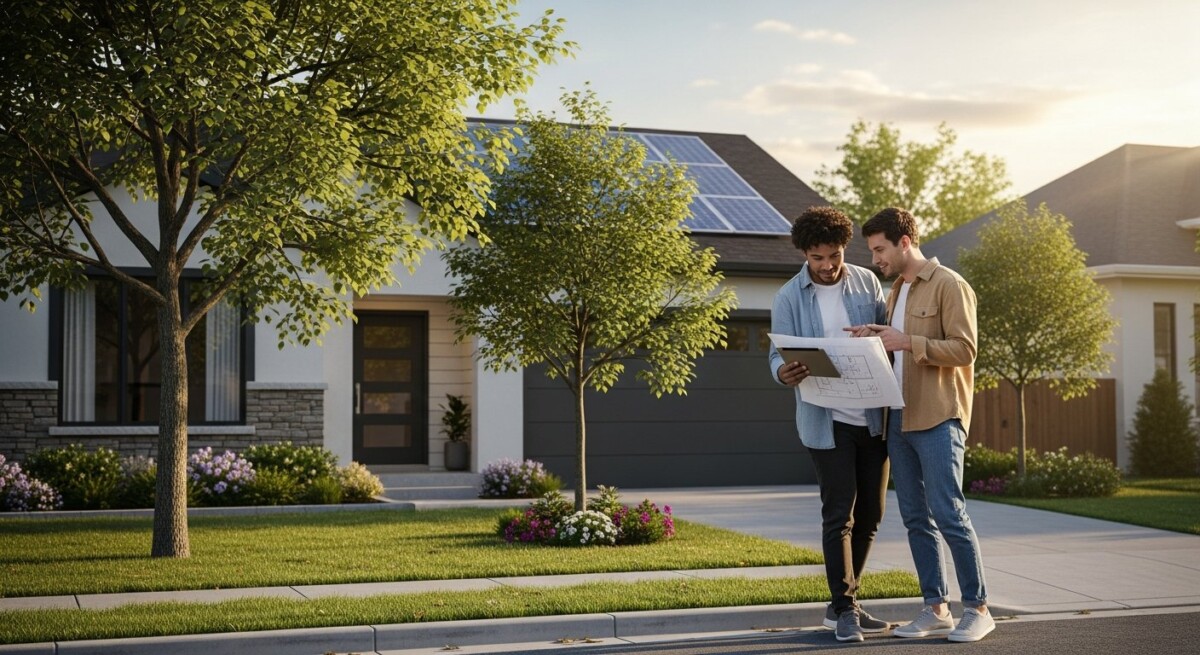
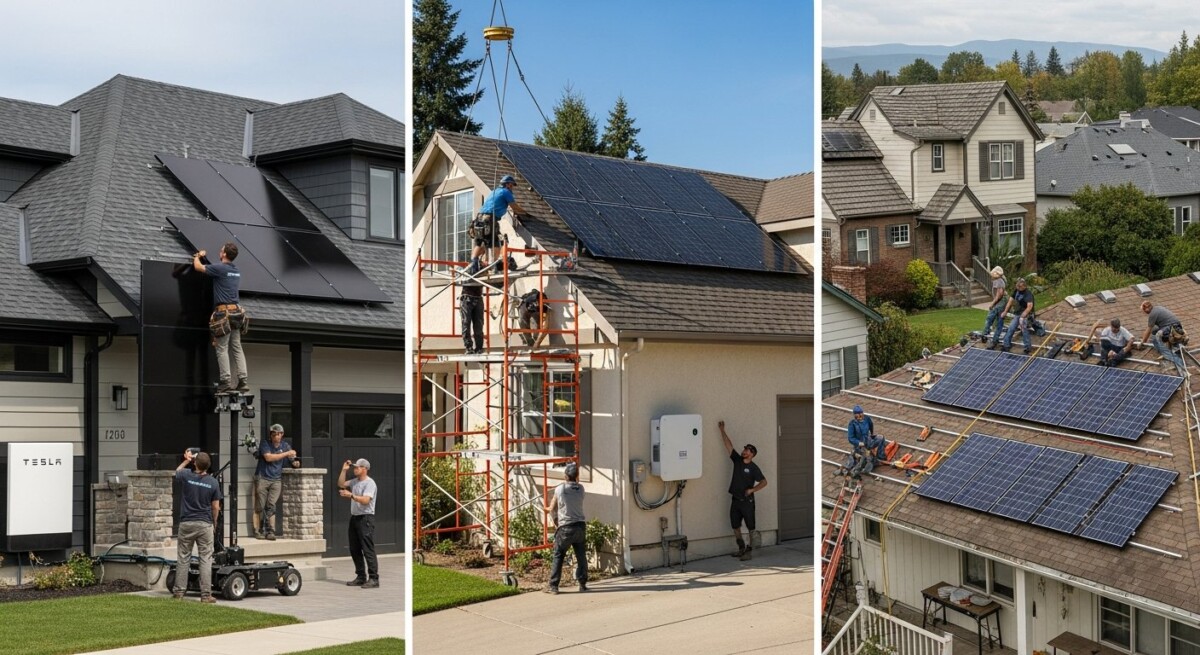
The installation process begins with a home energy assessment, where the installer reviews your electricity usage and roof conditions. They then design a system tailored to your energy needs and aesthetic preferences. After finalizing the design, the installer handles all necessary permits and approvals from your local utility and building department.
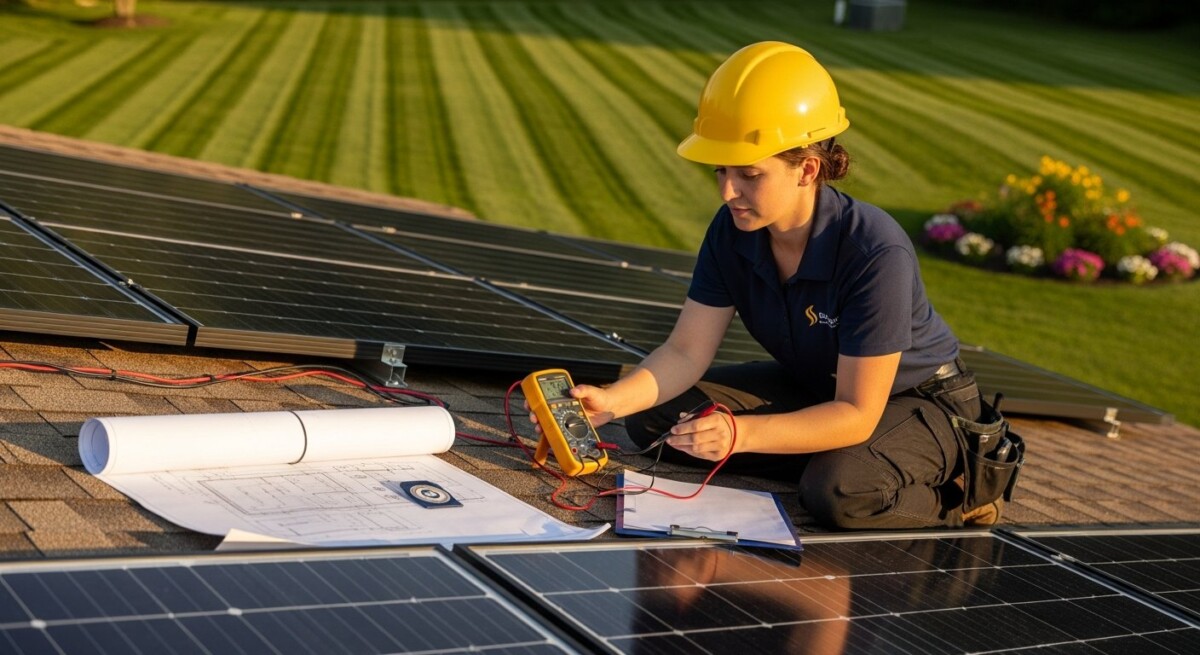
Physical installation usually takes one to three days, depending on system size and roof complexity. Once the panels are mounted and wired, the system is inspected and connected to the grid. Activation follows, and you start generating your own clean energy immediately.
- Home energy assessment and usage review
- Custom system design and equipment selection
- Permit applications and utility approvals
- Panel mounting, wiring, and inverter installation
- Final inspection and system activation
Speaking with experienced installers can help you determine the best solar solution for your home. Compare solar quotes here or call +1 (888) 702-0596 to explore available options.
Signs Your Home May Be Ideal for Solar
Homes with south-facing roofs that receive direct sunlight for most of the day are prime candidates for solar panels. If your roof is unobstructed by trees or nearby buildings, you can maximize energy production. High monthly electricity bills also indicate that solar could provide significant savings.
Planning to stay in your home for at least five more years allows you to fully realize the financial benefits. Many homeowners also find that solar increases property value, making it a smart investment even if you sell earlier than expected.
- Strong, consistent sunlight exposure on your roof
- Electricity bills exceeding $100 per month
- At least 500 square feet of usable, unshaded roof space
- Plans to remain in your home for 5+ years
- Roof in good condition with 20+ years of life remaining
What Affects Solar Installation Costs
System size is the biggest cost factor,larger systems produce more electricity but require more panels and labor. Equipment quality also matters: high-efficiency panels and premium inverters cost more upfront but often deliver better long-term performance and warranty coverage.
Installation complexity, such as a steep roof or unique electrical setup, can add to labor costs. Local incentives, including state rebates and net metering policies, can significantly reduce your net expense. Comparing multiple quotes helps you find the best balance of price and quality.
The cost of solar installation varies depending on your home and energy needs. Request personalized solar quotes or call +1 (888) 702-0596 to see what options are available.
Tips for Choosing a Reliable Solar Installer
Start by reviewing each installer’s experience and asking how many systems they have installed in your area. Check that they offer robust warranties on both equipment and workmanship,typically 25 years for panels and at least 10 years for labor. Reading online reviews on platforms like Google and the Better Business Bureau gives you insight into customer satisfaction.
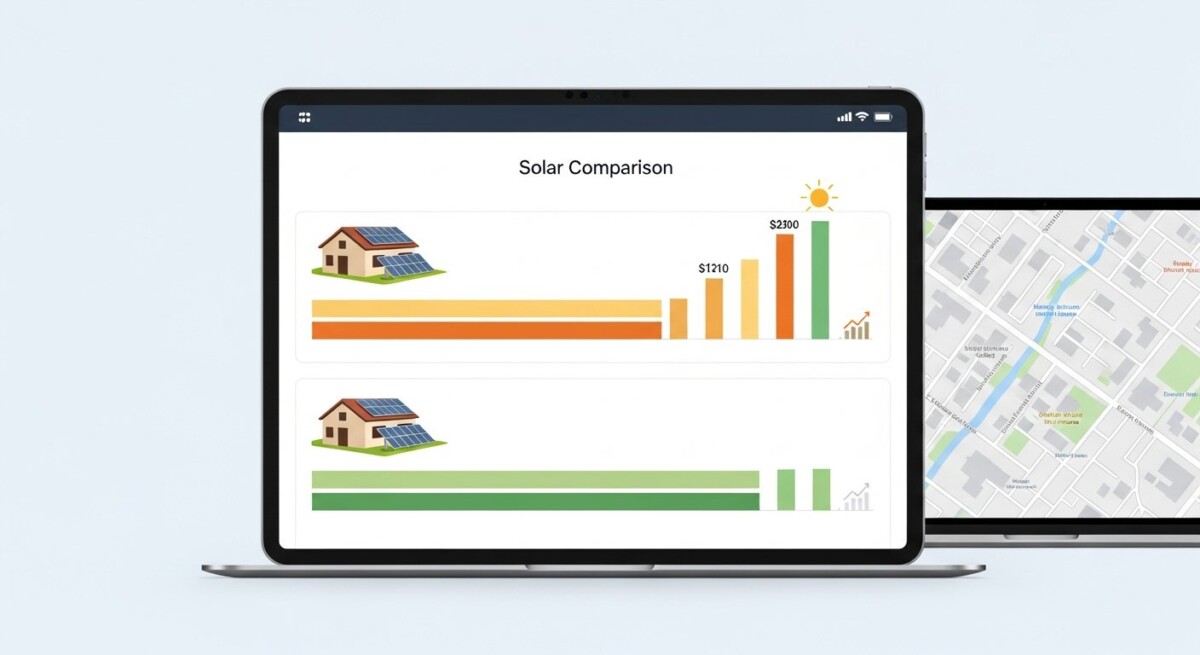
Always compare at least three quotes before making a decision. This not only helps you find competitive pricing but also reveals differences in equipment quality and system design. In our article on how to choose a solar installer for maximum savings, we provide additional strategies for vetting companies.
- Verify licensing, insurance, and industry certifications
- Ask about equipment warranties and performance guarantees
- Read recent customer reviews and request references
- Get written quotes from at least three installers
- Review the contract carefully before signing
Long-Term Benefits of Installing Solar Panels
Lower electricity bills are the most immediate and rewarding benefit. Over 25 years, a typical solar system can save a homeowner $20,000 to $50,000 or more, depending on local utility rates. Solar also increases your home’s resale value,studies show that homes with solar panels sell for a premium compared to those without.
Environmental impact is another powerful motivator. By generating clean energy, you reduce your household’s carbon emissions and contribute to a more sustainable future. Energy independence gives you peace of mind, knowing that a portion of your power comes from the sun rather than volatile fossil fuel markets.
Frequently Asked Questions
How do I check if a solar installer is licensed?
You can verify a solar installer’s license by visiting your state’s contractor licensing board website. Most states offer an online lookup tool where you can search by company name or license number. A legitimate installer will be happy to provide their license details upon request.
What certifications should a solar installer have?
Look for installers who hold NABCEP certification, which is the gold standard in the solar industry. Other useful credentials include manufacturer-specific training and membership in the Solar Energy Industries Association. These certifications demonstrate a commitment to quality and ongoing education.
How many solar quotes should I get?
We recommend obtaining at least three quotes from different installers. Comparing multiple proposals helps you identify fair pricing, evaluate equipment options, and avoid sales pressure. A range of quotes also gives you leverage to negotiate better terms.
Can I trust online reviews for solar companies?
Online reviews are a helpful starting point, but verify them by checking multiple platforms such as Google, Yelp, and the Better Business Bureau. Look for patterns in feedback,consistent complaints about communication or installation quality are red flags. Also, ask the installer for references from recent customers in your area.
What should a solar contract include?
A thorough contract should specify system size, equipment brands and models, total cost, payment terms, warranty details, and a timeline for installation. It should also outline the installer’s responsibilities for permits, inspections, and utility interconnection. Never sign a contract with blank sections or vague language.
How long does a solar installation take?
Most residential solar installations are completed in one to three days, but the entire process from quote to activation typically takes 4 to 8 weeks. Delays can occur due to permitting, utility approvals, or weather. A reputable installer will provide a realistic timeline upfront and keep you updated throughout.
What happens if my solar panels need repairs?
Most solar panels come with a 25-year performance warranty, and the inverter typically has a 10- to 12-year warranty. Workmanship warranties from the installer usually cover labor for repairs during the first 10 years. Keep copies of all warranties and contact the installer first if an issue arises.
Does solar increase my property taxes?
In many states, solar panel installations are exempt from property tax assessments, meaning your home’s value can increase without raising your tax bill. Check your local laws or ask your installer about exemptions in your area. This benefit makes solar an even more attractive investment.
Choosing the right solar installer is one of the most important decisions you will make for your home and your finances. By learning how to verify solar installer legitimacy, you protect your investment and set yourself up for decades of savings. We encourage you to request multiple quotes, ask the right questions, and move forward with confidence toward energy independence.