You open your monthly electricity bill, and the number seems higher than last year,again. Rising energy costs are pushing more homeowners to search for a clear solar cost breakdown for homeowners. The idea of reducing your monthly bills and gaining some independence from the power grid is appealing. Understanding what goes into the price of solar panels can help you make a confident, informed decision.
Understanding Solar Cost Breakdown for Homeowners
A solar energy system is an investment that converts sunlight into electricity for your home. The total cost includes hardware (panels, inverters, racking), labor, permits, and sometimes battery storage. For most homeowners, the price ranges from $15,000 to $25,000 before incentives, depending on system size and location.
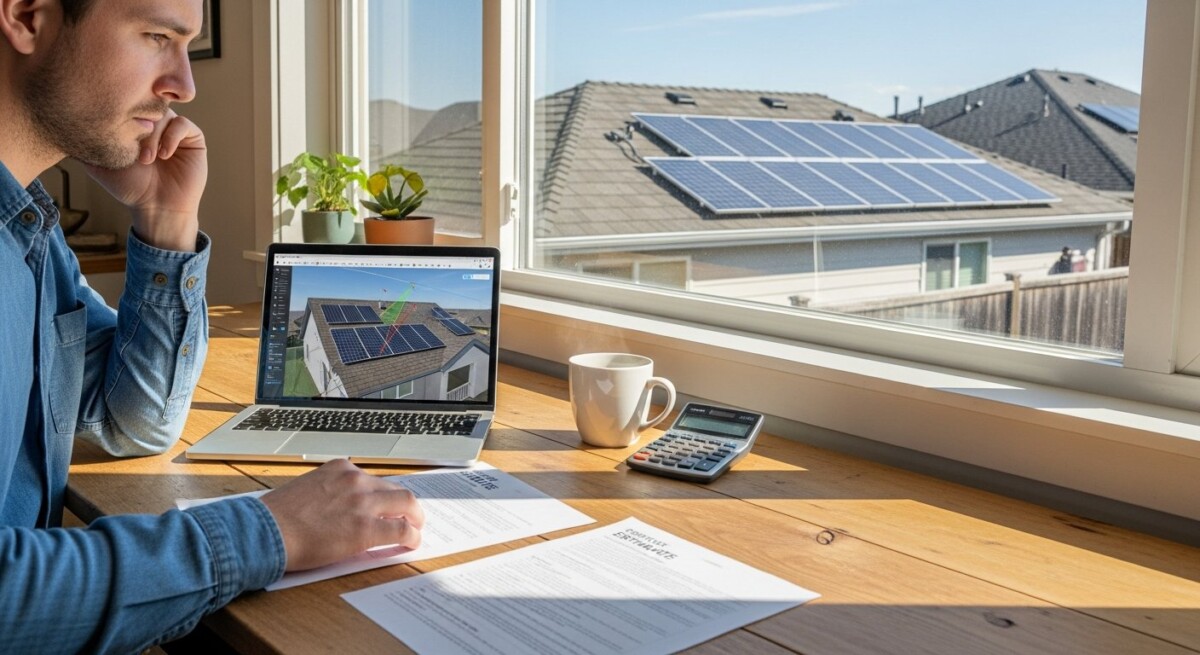
More families are exploring solar because the long-term savings often outweigh the upfront expense. Federal tax credits, state rebates, and net metering programs can reduce the net cost by 30% or more. By getting a detailed solar cost breakdown for homeowners, you can see exactly where your money goes and how quickly the system pays for itself.
Key Components of Solar Pricing
The three main cost categories are equipment, installation labor, and soft costs (permits, inspections, and profit margins). High-efficiency panels cost more upfront but produce more electricity over time, which can lead to greater savings. A professional installer will design a system that balances performance with your budget.
Why Solar Energy Is Becoming More Popular
Electricity rates have risen steadily over the past decade, and many homeowners feel the pinch. Solar offers a way to lock in lower energy costs and protect against future rate hikes. Environmental concerns also play a role,switching to solar reduces your carbon footprint and supports cleaner air.
Long-term financial savings are a major driver. A typical solar system saves homeowners $20,000 to $40,000 over 25 years, depending on local electricity prices and sunlight. With financing options like solar loans and leases, you can start saving from day one without a huge upfront payment.
If you are considering solar power for your home, comparing installation quotes can help you understand your options. Request a free solar quote or call (877) 255-2614 to learn more.
Common Questions Homeowners Have About Solar
Many people worry about the upfront installation cost and whether their roof can support panels. Others ask how well solar systems perform in cloudy weather or during winter months. These are valid concerns, and reputable installers address them during a free consultation.
Your roof’s age, angle, and shading all affect system performance. A professional installer will evaluate your home and design a system that maximizes energy production. Below are some of the most frequent questions homeowners ask.
- How much does a solar system cost for an average home?
- Will solar panels work on my roof type?
- How long do solar panels last?
- Do I need a battery with my solar system?
- What happens if I move after installing solar?
How Solar Panel Installation Works
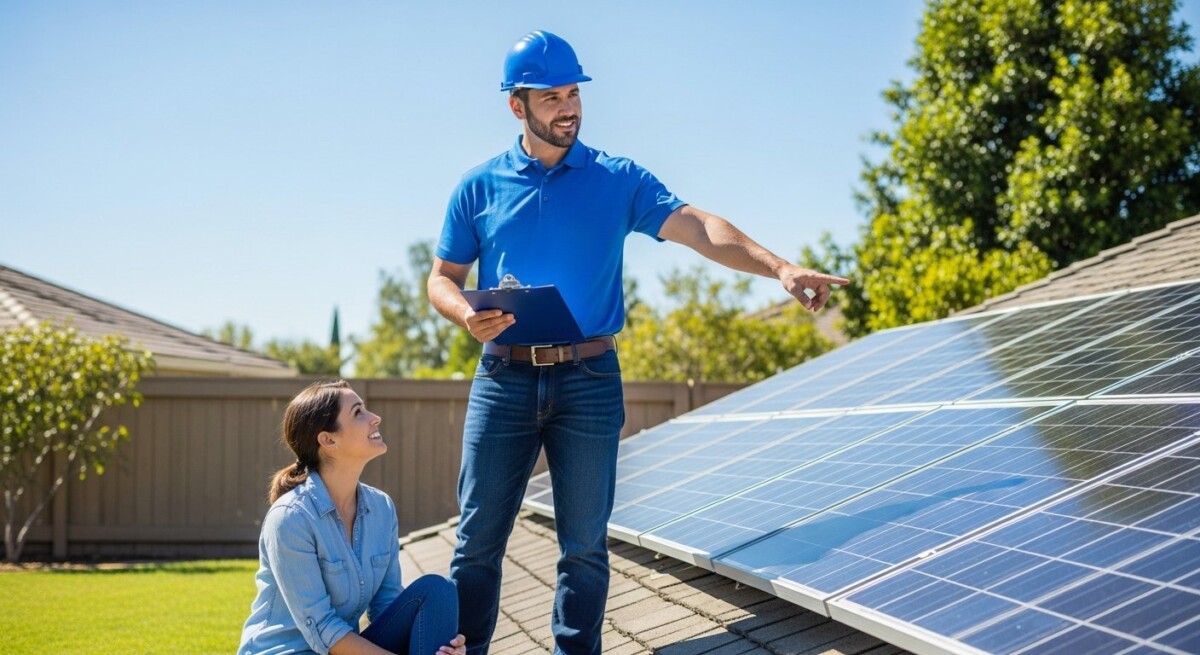
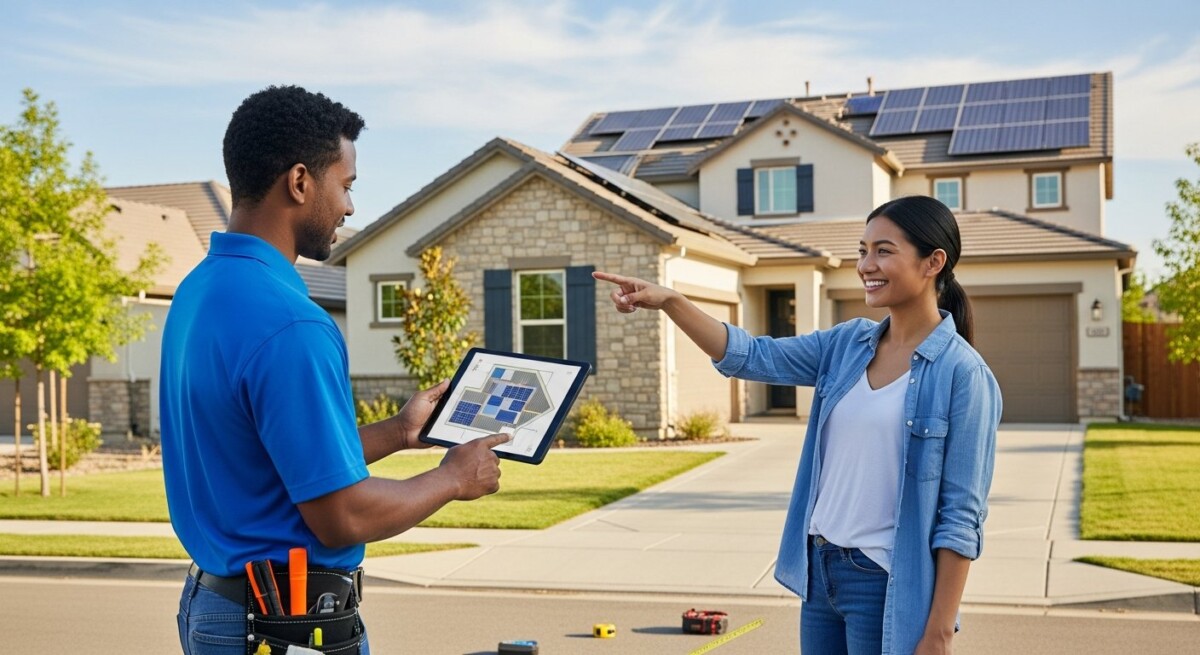
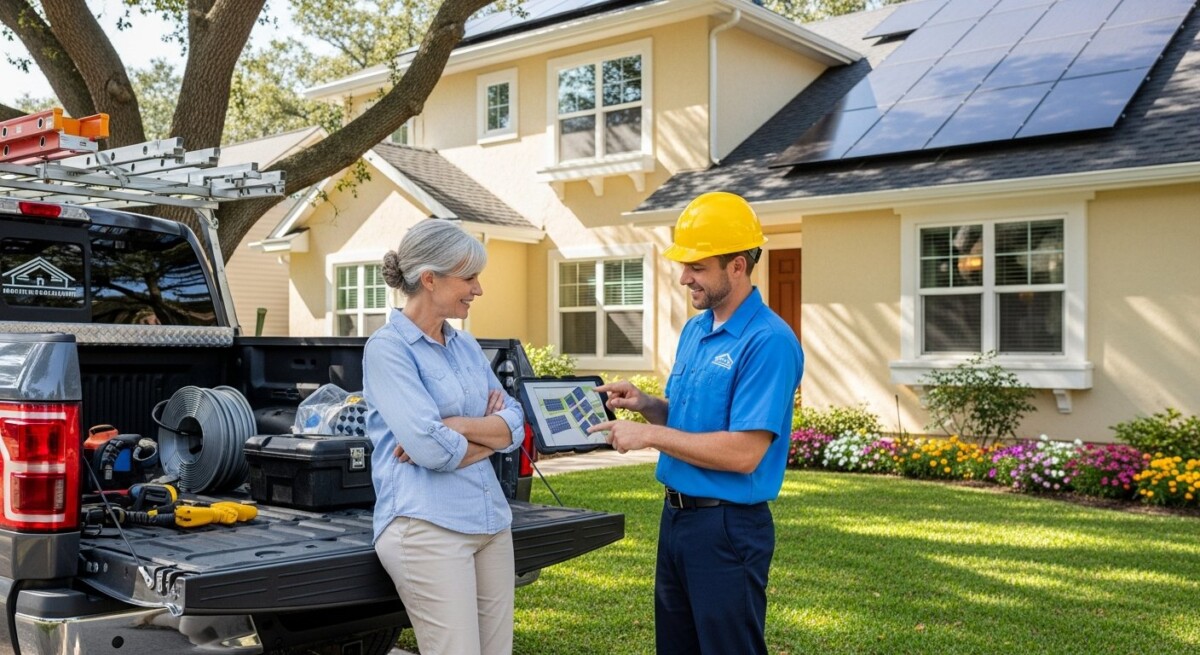
Installing solar panels is a straightforward process when you work with experienced professionals. The installer handles everything from design to permits, so you don’t have to navigate complex regulations alone. Most installations are completed in one to three days, depending on system size.
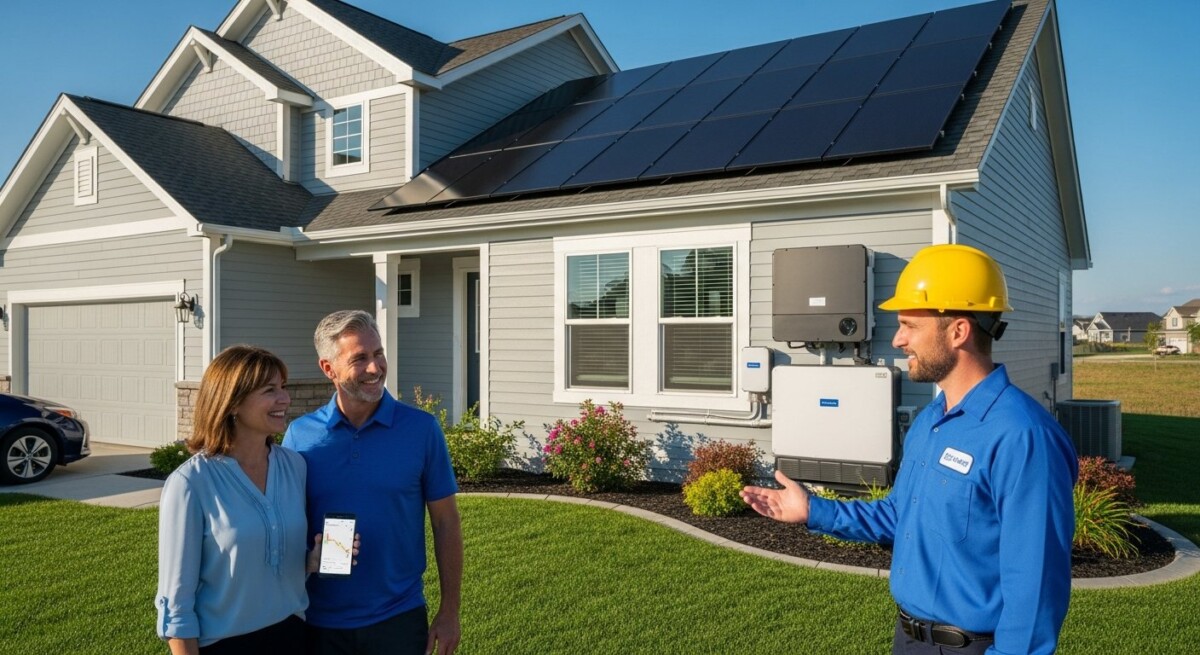
After installation, your system is connected to the grid and begins producing electricity immediately. A monitoring app lets you track your energy production and savings in real time. The entire journey from quote to activation typically takes four to eight weeks.
- Home energy assessment to review your usage and roof condition
- System design tailored to your home and energy goals
- Permits and approvals from your local utility and municipality
- Panel and inverter installation by certified technicians
- System activation and final inspection
Speaking with experienced installers can help you determine the best solar solution for your home. Compare solar quotes here or call (877) 255-2614 to explore available options.
Signs Your Home May Be Ideal for Solar
Not every home is a perfect candidate, but many are. If your roof faces south or west and receives direct sunlight for most of the day, you are likely a strong candidate. High electricity bills also indicate that solar could provide significant savings.
Homes with newer roofs in good condition are ideal because panels last 25,30 years. If you plan to stay in your home for at least five more years, the financial return on solar becomes very attractive. Here are some signs that solar may be right for you.
- Your roof gets at least four hours of direct sunlight daily
- Your monthly electricity bill exceeds $100
- You have a south- or west-facing roof with ample space
- You plan to live in your home for five years or more
- Your local utility offers net metering or solar incentives
What Affects Solar Installation Costs
System size is the biggest factor,larger systems with more panels cost more but also produce more electricity. Equipment quality matters too; premium panels and inverters are more efficient and often come with longer warranties. Installation complexity, such as a steep roof or multiple stories, can also increase labor costs.
Local incentives and rebates can dramatically lower your out-of-pocket expense. The federal Investment Tax Credit (ITC) currently allows you to deduct 30% of the system cost from your federal taxes. Some states and utilities offer additional cash rebates or performance-based incentives.
The cost of solar installation varies depending on your home and energy needs. Request personalized solar quotes or call (877) 255-2614 to see what options are available.
Tips for Choosing a Reliable Solar Installer
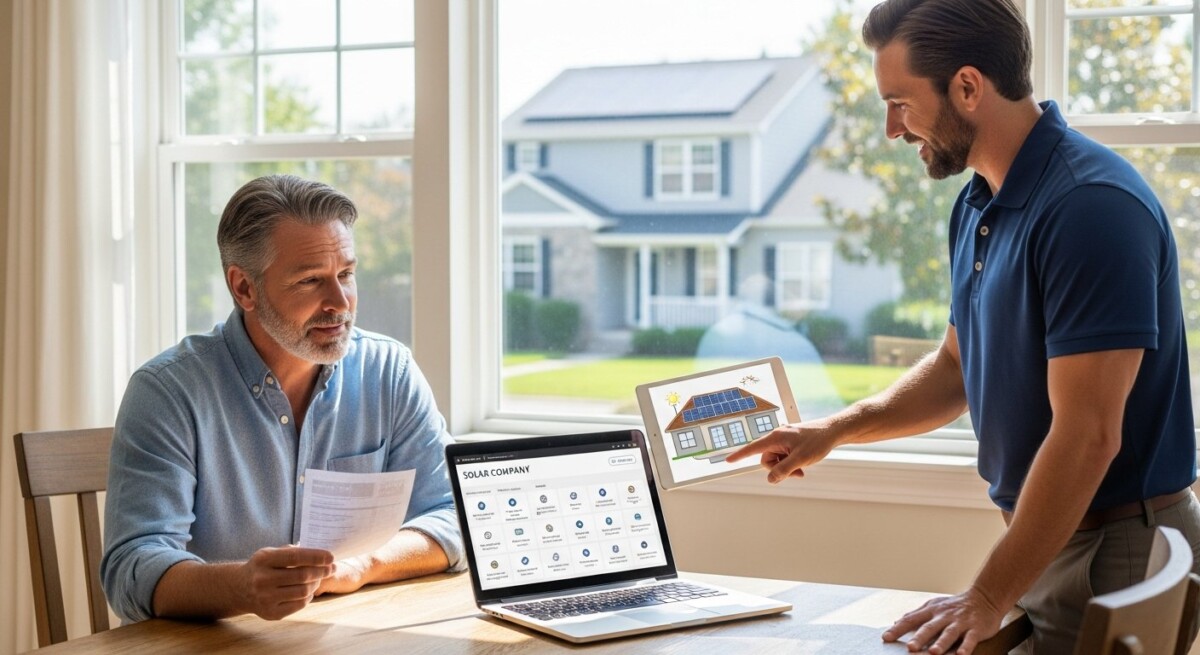
Choosing the right installer is just as important as choosing the right equipment. A trustworthy company will provide a detailed quote, explain the solar cost breakdown for homeowners, and answer all your questions. They should also handle permits, inspections, and grid connection on your behalf.
Always check that the installer is licensed, insured, and certified by the North American Board of Certified Energy Practitioners (NABCEP). Reading online reviews and asking for references can give you confidence in your choice. Comparing multiple quotes helps you find the best value and avoid overpaying.
- Look for NABCEP-certified installers with at least three years of experience
- Ask about warranties on panels (25 years), inverters (10,25 years), and workmanship (5,10 years)
- Read recent customer reviews on Google, Yelp, or EnergySage
- Get at least three quotes to compare pricing and system design
Long-Term Benefits of Installing Solar Panels
Lower electricity bills are the most immediate benefit. Most homeowners see a 50,90% reduction in their monthly energy costs, depending on system size and sun exposure. Over the system’s 25-year lifespan, those savings add up to tens of thousands of dollars.
Solar also increases your home’s resale value. Studies show that homes with solar panels sell for 4,6% more than comparable homes without them. Beyond finances, you gain energy independence and reduce your household’s environmental impact by using clean, renewable power.
How Much Does a Solar System Cost for a Home?
A typical residential solar system costs between $15,000 and $25,000 before incentives. After the 30% federal tax credit, the net cost drops to $10,500,$17,500. Your final price depends on system size, equipment quality, and local labor rates.
Will Solar Panels Work During a Power Outage?
Standard grid-tied solar systems shut down during an outage for safety reasons. If you want backup power, you need a battery storage system like the Tesla Powerwall or LG Chem. Batteries add $8,000,$15,000 to the total cost but provide energy independence.
How Long Does It Take for Solar Panels to Pay for Themselves?
The payback period is typically 6,10 years, depending on your electricity rates, system cost, and sunlight exposure. After that, the electricity your panels produce is essentially free. With net metering, you can earn credits for excess power sent to the grid.
Do I Need to Replace My Roof Before Installing Solar?
If your roof is older than 15 years or shows signs of damage, it’s wise to replace it before installing panels. Removing and reinstalling panels later costs extra. A roofer can inspect your roof and recommend whether replacement is necessary.
Can I Install Solar Panels Myself to Save Money?
DIY solar installation is possible but risky. Mistakes in wiring, mounting, or permitting can lead to safety hazards, voided warranties, or rejected grid connections. Professional installation ensures your system is safe, efficient, and eligible for incentives.
What Happens to My Solar System When I Sell My Home?
You can transfer your solar lease or loan to the new homeowner, or include the system’s value in your home sale price. Owned solar panels typically increase home value by 4,6%. Many buyers see solar as a desirable upgrade that lowers utility costs.
Are Solar Panels Worth It in Cloudy or Cold Climates?
Solar panels still produce electricity on cloudy days, just at a reduced rate. Cold temperatures actually improve panel efficiency. States like Massachusetts, New York, and Oregon have thriving solar markets despite less sun than Arizona.
How Do I Get Started with Solar Quotes?
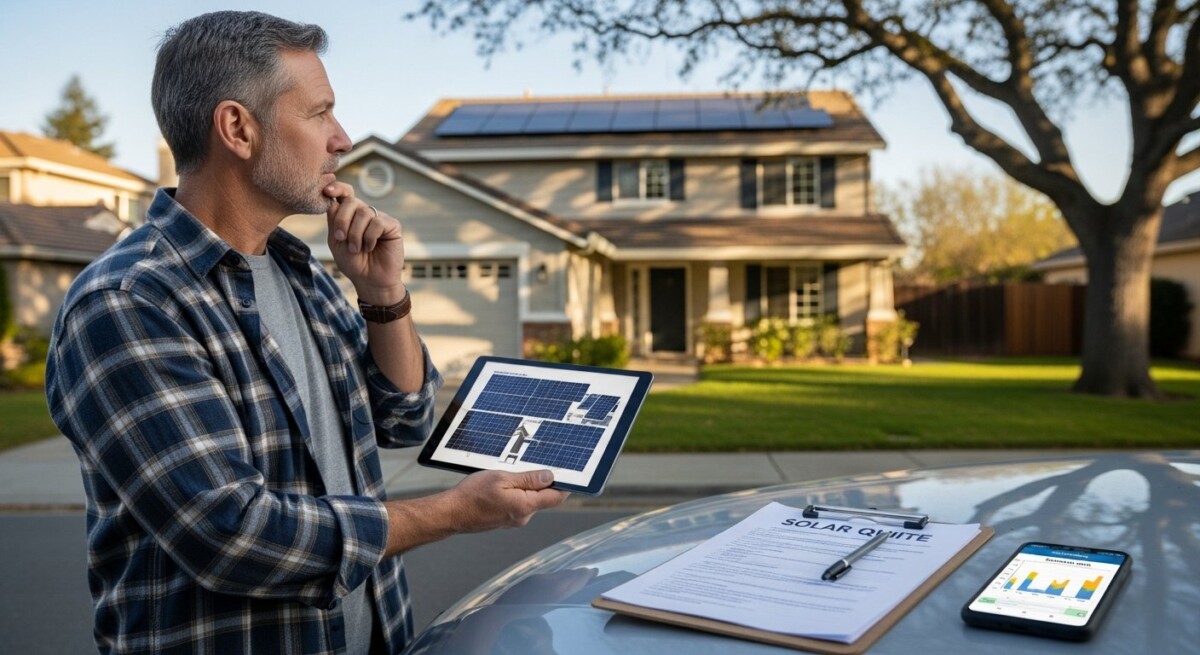
Start by gathering your past 12 months of electricity bills to understand your usage. Then request quotes from three to five licensed installers. Compare system size, equipment brands, warranties, and pricing to find the best fit for your home and budget.
Understanding the solar cost breakdown for homeowners is the first step toward lower bills and greater energy independence. By comparing quotes from multiple installers, you can find a system that fits your budget and meets your energy goals. Take the next step today,request free, no-obligation quotes and see how much you can save.