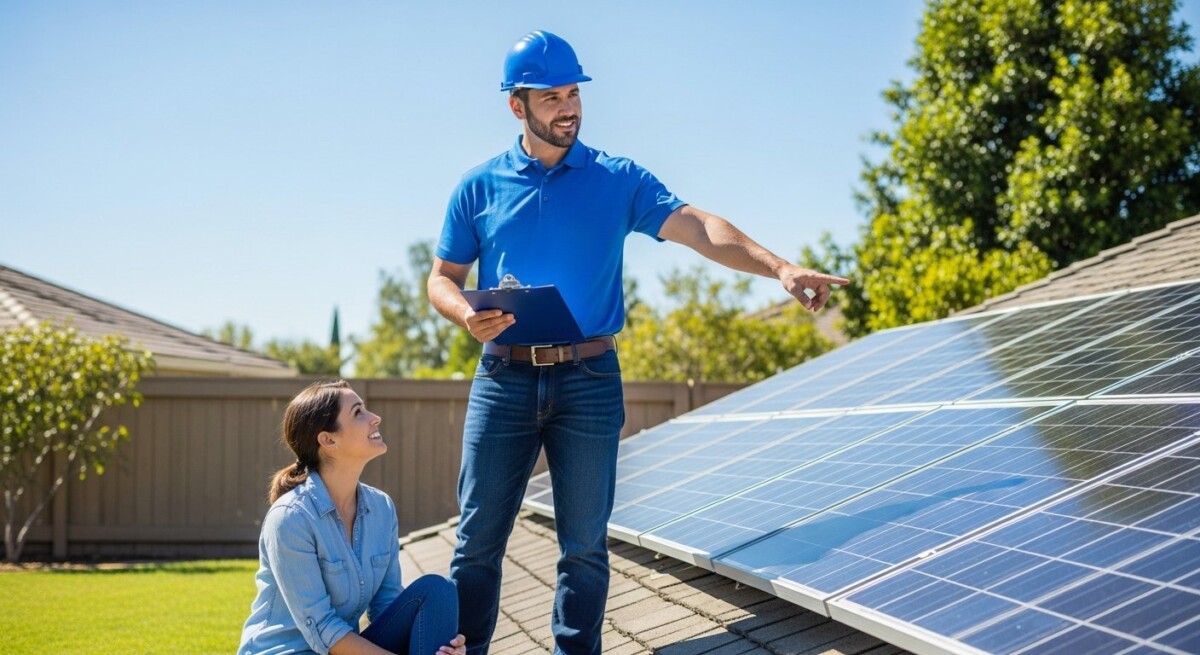
You open your monthly electricity bill and notice it has crept higher again. Like many homeowners, you have started searching for ways to reduce those costs and gain more control over your energy future. This is why more people are learning how to verify solar installer legitimacy before making a significant investment in their home.
Solar energy offers a practical path to lower electricity bills and greater energy independence. But the quality of your experience depends heavily on choosing a trustworthy professional. Understanding how to verify solar installer legitimacy helps you avoid costly mistakes and ensures your system delivers the long-term financial savings you expect.
Understanding How to Verify Solar Installer Legitimacy
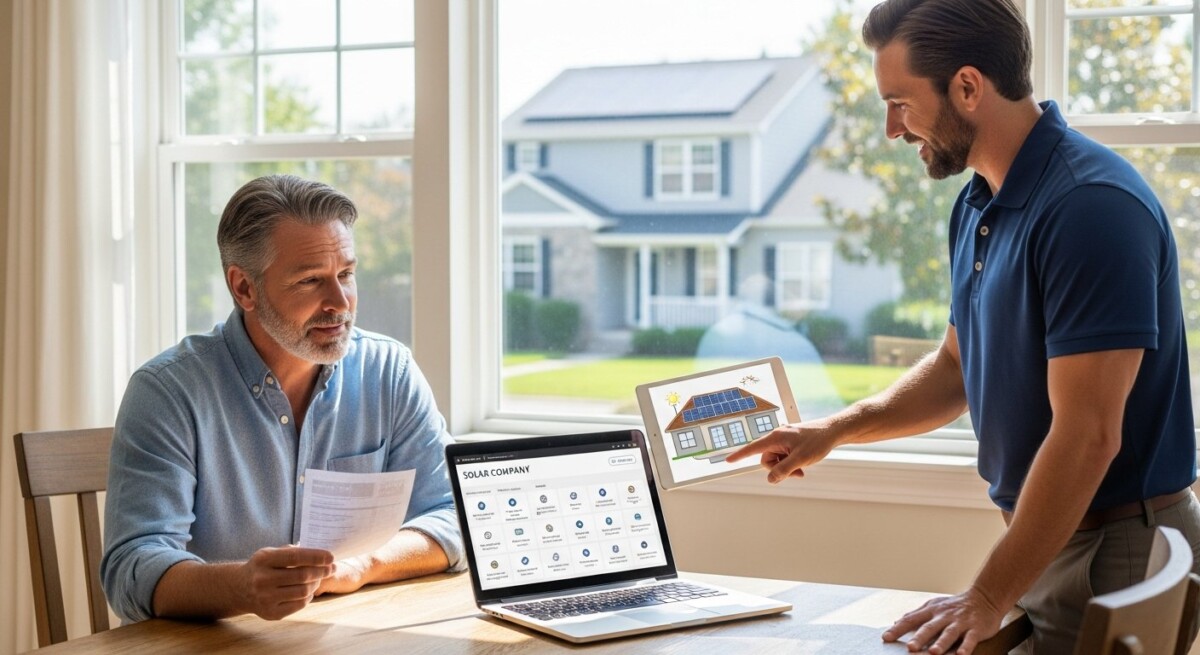
Verifying a solar installer’s legitimacy means confirming they are licensed, insured, experienced, and reputable. A legitimate installer holds proper state licenses, carries liability and workers’ compensation insurance, and has a track record of successful installations. They also provide transparent pricing and clear contracts.
When you learn how to verify solar installer legitimacy, you protect yourself from companies that use high-pressure sales tactics or promise unrealistic savings. A legitimate installer will walk you through the entire process, from home assessment to system activation, and answer all your questions honestly. They rely on word-of-mouth and repeat business, not deceptive marketing.
Why Solar Energy Is Becoming More Popular
Rising electricity prices are pushing more homeowners to explore solar power. The average cost of grid electricity has increased steadily over the past decade, and many expect this trend to continue. Solar panels offer a way to lock in lower energy costs for 25 years or more.
Environmental concerns also play a major role. Solar energy produces clean electricity without emitting greenhouse gases, helping homeowners reduce their carbon footprint. Government incentives and rebates further sweeten the deal, making solar more affordable than ever. Many homeowners also value the energy independence that comes from generating their own power.
If you are considering solar power for your home, comparing installation quotes can help you understand your options. Request a free solar quote or call to learn more.
Common Questions Homeowners Have About Solar
Most homeowners start with the same questions: How much does solar cost? Will my roof work? How much will I really save? These are valid concerns that a legitimate installer will address openly and thoroughly.
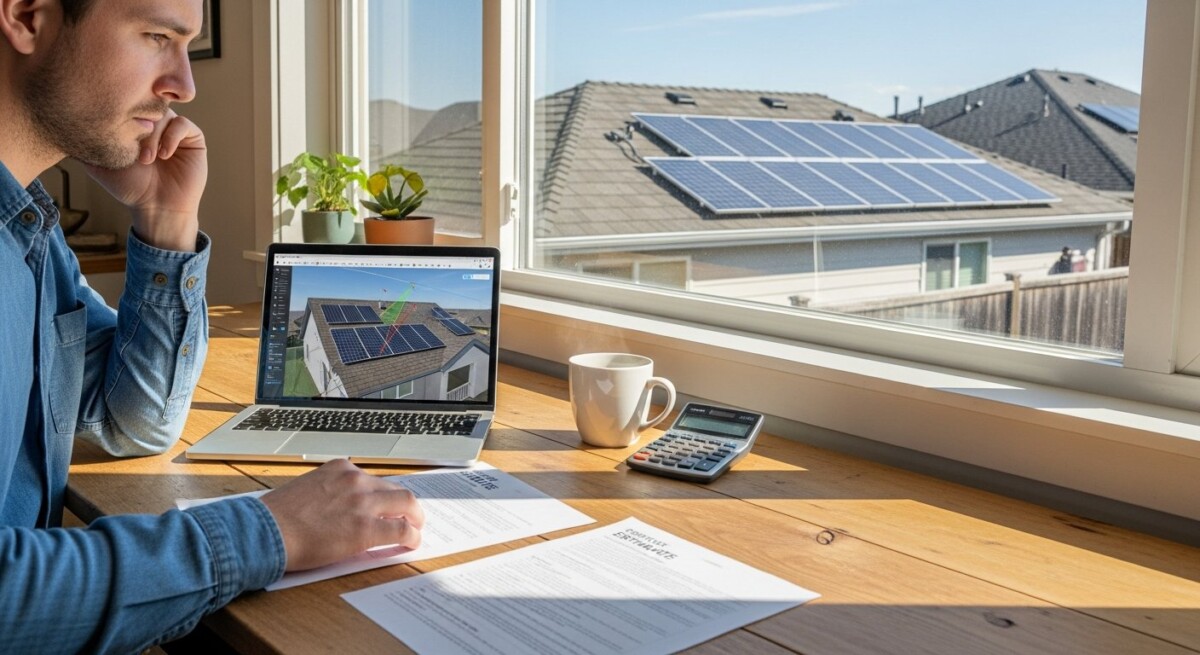
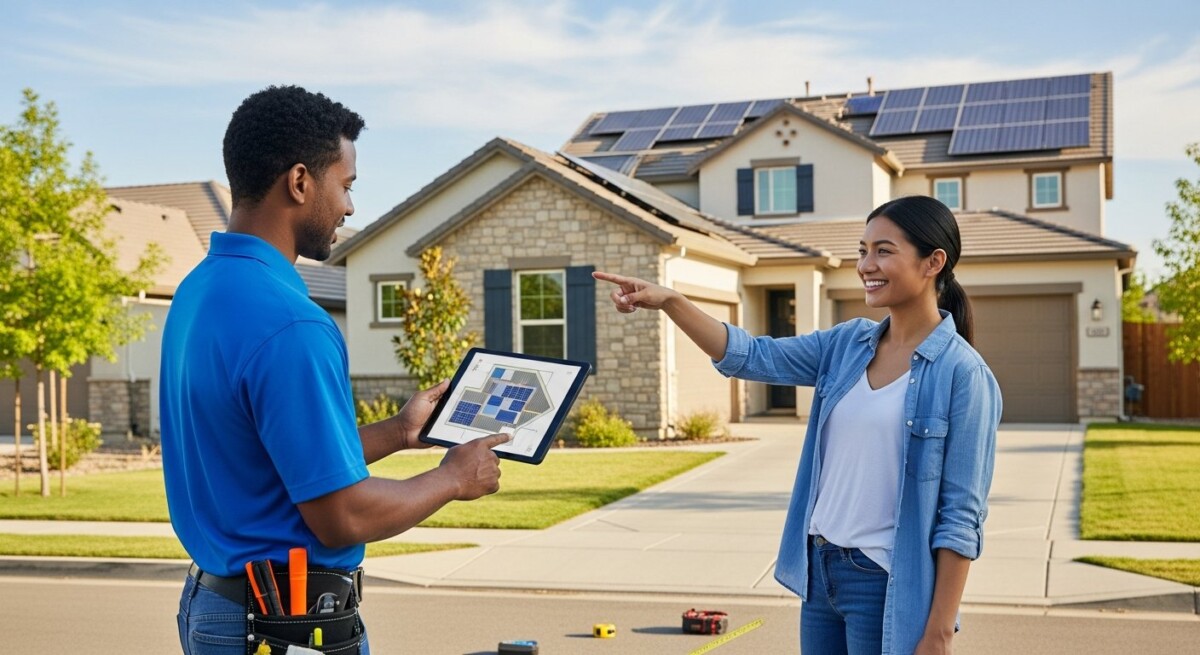
A trustworthy professional will perform a detailed site evaluation before quoting a price. They will examine your roof’s age, orientation, shading, and structural integrity. They will also review your past electricity bills to estimate realistic savings.
- How much do solar panels cost for an average home?
- Will solar panels work on my roof?
- How long does installation take?
- What happens during cloudy days or at night?
- How long do solar panels last?
- What maintenance do solar panels require?
How Solar Panel Installation Works
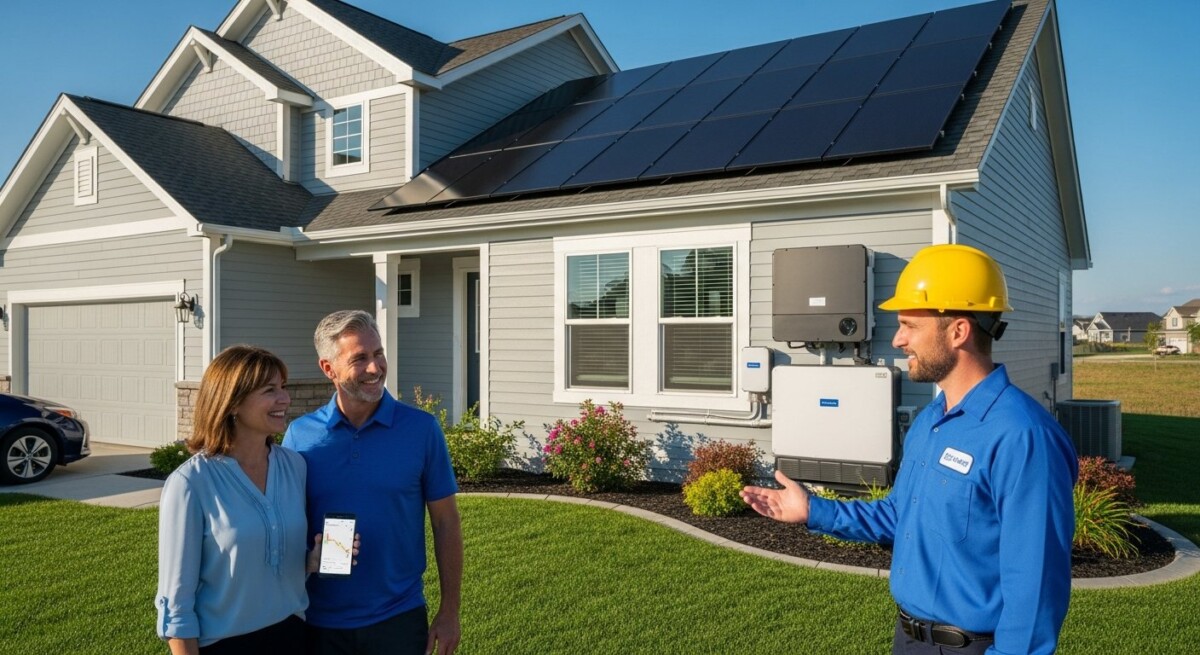
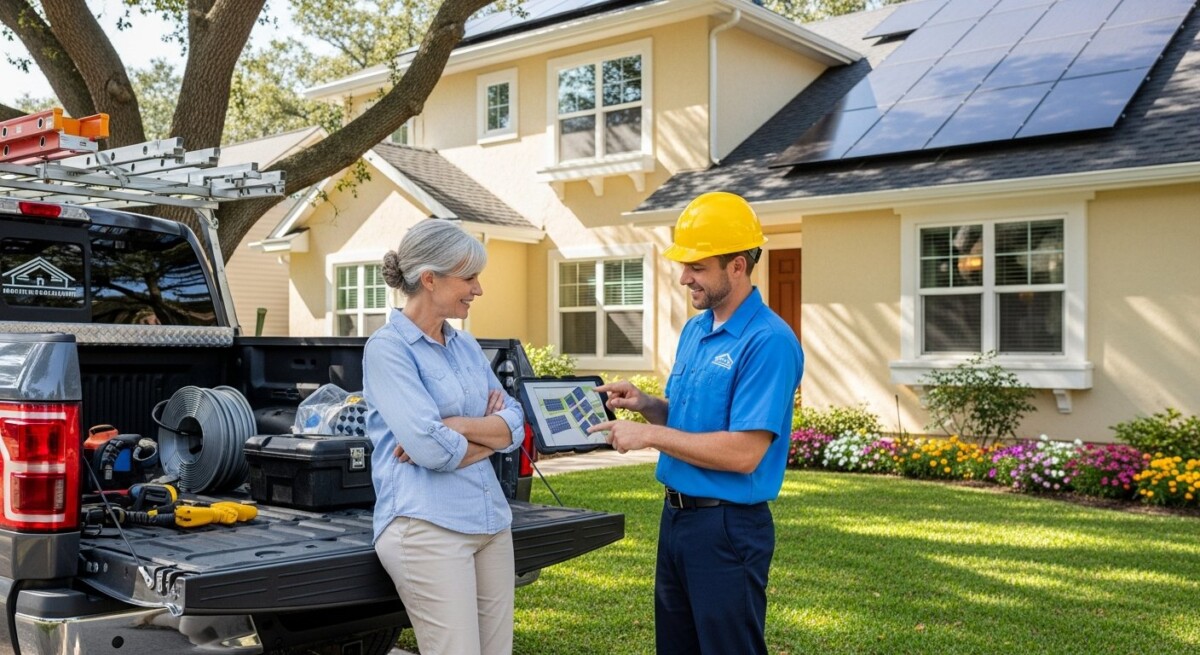
Solar panel installation follows a clear process that typically takes one to three days once permits are approved. The installer handles most of the work, from design to paperwork, so you don’t have to manage complex logistics.
Understanding the steps helps you know what to expect and spot any red flags. A legitimate installer will explain each stage upfront and keep you informed throughout the project.
- Home energy assessment , The installer reviews your electricity usage and roof conditions.
- System design , They create a custom solar layout that maximizes energy production.
- Permits and approvals , The installer secures necessary permits from your local government and utility company.
- Panel installation , Crews mount the panels, install inverters, and connect wiring safely.
- System activation , The utility gives final approval, and your system starts generating power.
Speaking with experienced installers can help you determine the best solar solution for your home. Compare solar quotes here or call to explore available options.
Signs Your Home May Be Ideal for Solar
Not every home is equally suited for solar, but many are. The best candidates have roofs that receive strong, direct sunlight for most of the day, especially between 9 a.m. and 3 p.m. South-facing roofs with little shading are typically the most productive.
Homes with high electricity bills benefit the most because solar offsets more expensive grid power. If you plan to stay in your home for at least five to seven years, the long-term savings usually outweigh the upfront investment.
- Your roof gets at least five hours of direct sunlight daily.
- You pay more than $100 per month for electricity.
- Your roof is less than 15 years old and in good condition.
- You have enough unobstructed roof space (typically 300,500 square feet).
- You plan to stay in your home for several more years.
- Your local utility offers net metering or other solar incentives.
What Affects Solar Installation Costs
Solar installation costs vary based on system size, equipment quality, and your home’s specific characteristics. A larger system that covers more of your energy usage costs more upfront but delivers greater long-term savings. High-efficiency panels and premium inverters also add to the price.
Installation complexity matters too. A simple roof with easy access costs less than a complex roof with multiple angles, skylights, or old wiring. Local incentives and federal tax credits can reduce your net cost by 30% or more, making solar more accessible.
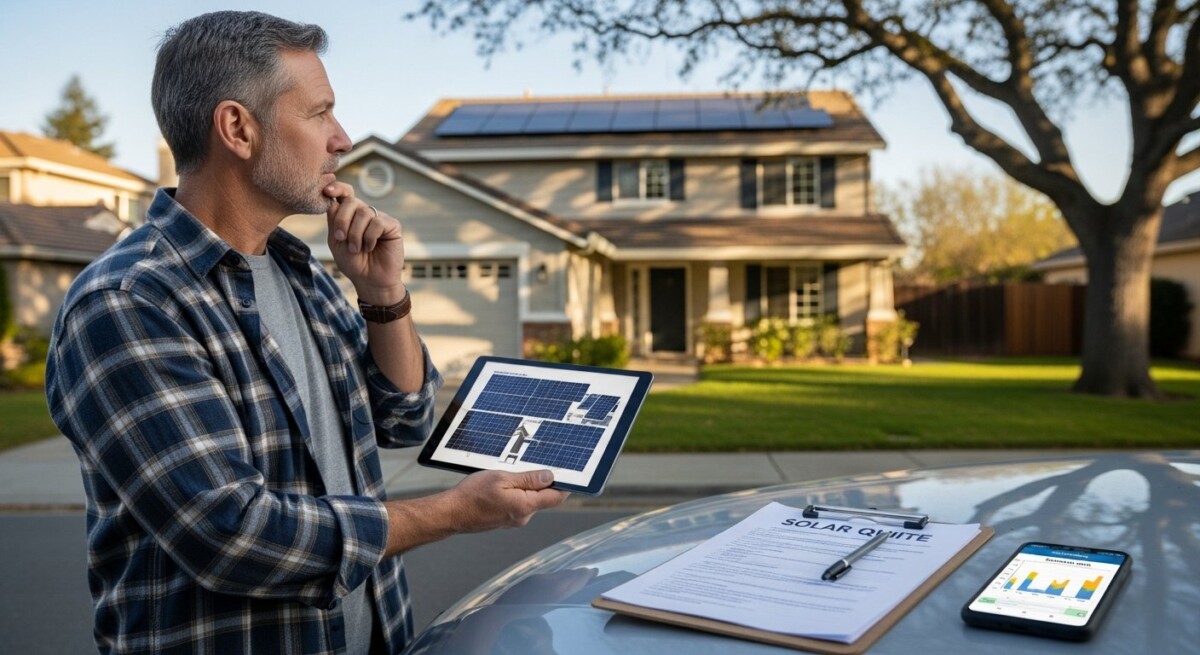
The cost of solar installation varies depending on your home and energy needs. Request personalized solar quotes or call to see what options are available.
Tips for Choosing a Reliable Solar Installer
Choosing the right solar installer is the most important decision you will make during this process. A reliable installer ensures your system performs optimally and lasts for decades. The best way to find one is by doing careful research and comparing multiple options.
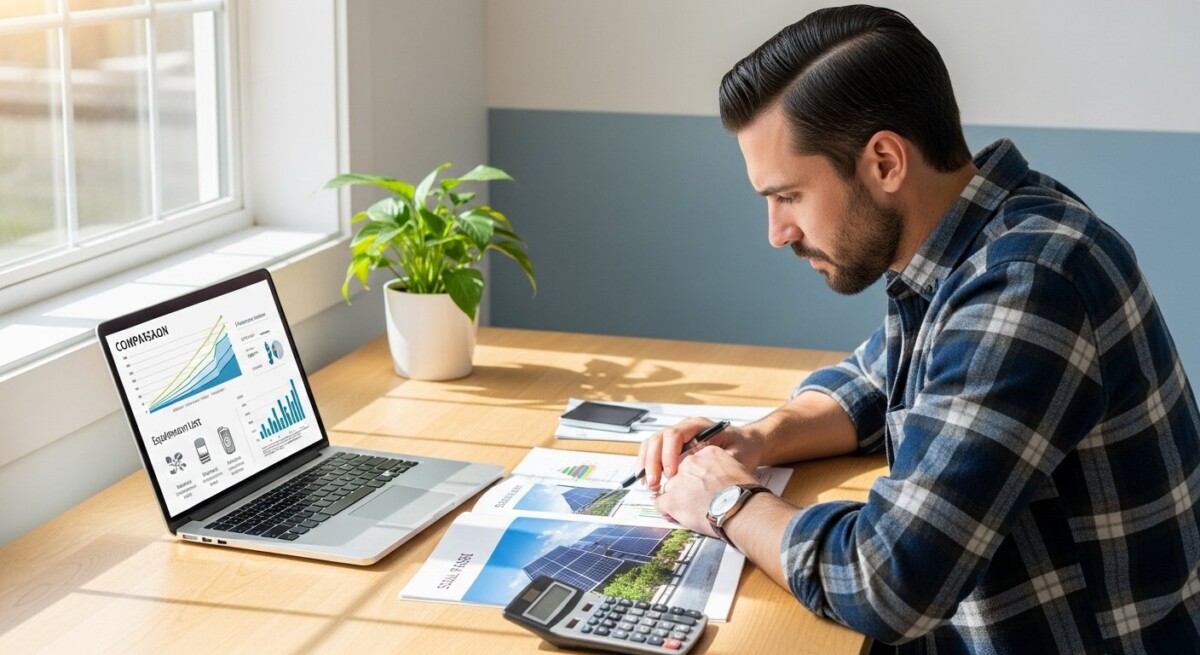
Start by asking for recommendations from neighbors or friends who have solar. Then verify each installer’s credentials, read reviews, and get at least three detailed quotes. Avoid companies that demand large deposits upfront or pressure you to sign immediately.
- Verify the installer’s state license and insurance coverage.
- Check how long they have been in business and their installation history.
- Read customer reviews on Google, Yelp, and the Better Business Bureau.
- Ask about equipment warranties (panels, inverters, and workmanship).
- Request references from recent installations in your area.
- Compare at least three quotes to spot pricing and quality differences.
Long-Term Benefits of Installing Solar Panels
Lower electricity bills are the most immediate benefit of solar panels. Most homeowners see their monthly bills drop significantly, and many eliminate their electric bills entirely over the course of a year. Over 25 years, these savings can total tens of thousands of dollars.
Solar panels also increase your home’s resale value. Studies show that homes with solar systems sell faster and at higher prices than comparable homes without solar. Beyond financial gains, you gain energy independence and reduce your environmental impact by using clean, renewable power.
How long does it take to recoup the cost of solar panels?
Most homeowners recoup their solar investment within six to ten years, depending on local electricity rates, system size, and available incentives. After that point, the electricity your panels generate is essentially free. A legitimate installer can provide a detailed payback estimate based on your specific situation.
What happens if I move before my solar panels are paid off?
If you move, you can transfer the remaining solar loan or lease to the new homeowner, or you can pay off the balance when you sell the house. Studies show that solar panels increase home value, often by more than the remaining balance. Discuss transfer options with your installer before signing.
Do solar panels work during a power outage?
Standard grid-tied solar systems shut down during a power outage for safety reasons. If you want backup power, you need a battery storage system or a special inverter that isolates your home from the grid. Ask your installer about these options if energy independence is a priority.
Are there financing options for solar panels?
Yes, many installers offer financing through loans, leases, or power purchase agreements (PPAs). Loans allow you to own the system and claim tax credits, while leases and PPAs require no upfront cost but offer smaller savings. Compare financing terms carefully and choose what fits your budget.
How much maintenance do solar panels require?
Solar panels require very little maintenance. Rain usually keeps them clean, but in dry or dusty areas, occasional hosing off may help. Most systems come with monitoring software that alerts you to performance issues. A legitimate installer will explain any maintenance needs upfront.
What warranty should I expect with solar panels?
Solar panels typically come with a 25-year performance warranty that guarantees they will produce at least 80% of their original output. Inverters usually have 10- to 15-year warranties, and workmanship warranties from the installer range from 5 to 25 years. Always get warranty details in writing.
Do I need a new roof before installing solar?
If your roof is old or damaged, it is wise to replace it before installing solar panels. Removing panels later for roof repairs adds cost and complexity. A legitimate installer will inspect your roof and advise you on whether replacement is necessary before installation.
Can I install solar panels myself to save money?
DIY solar installation is risky and often not cost-effective. You may void warranties, miss out on incentives, and create safety hazards. Professional installers ensure proper permitting, safe wiring, and optimal system performance. The long-term savings from a professional installation far outweigh the initial cost.
Exploring solar energy is an exciting step toward lower bills, energy independence, and a cleaner environment. The key to success lies in choosing a legitimate, experienced installer who puts your needs first. Start by comparing quotes from multiple providers to find the best system and price for your home.