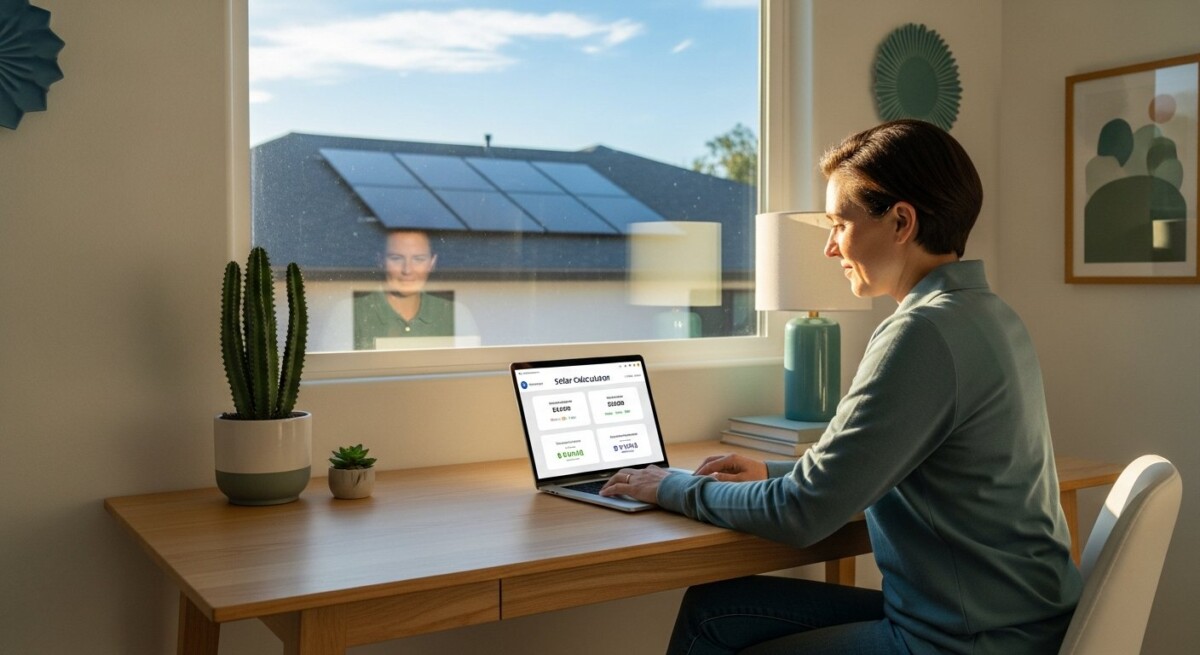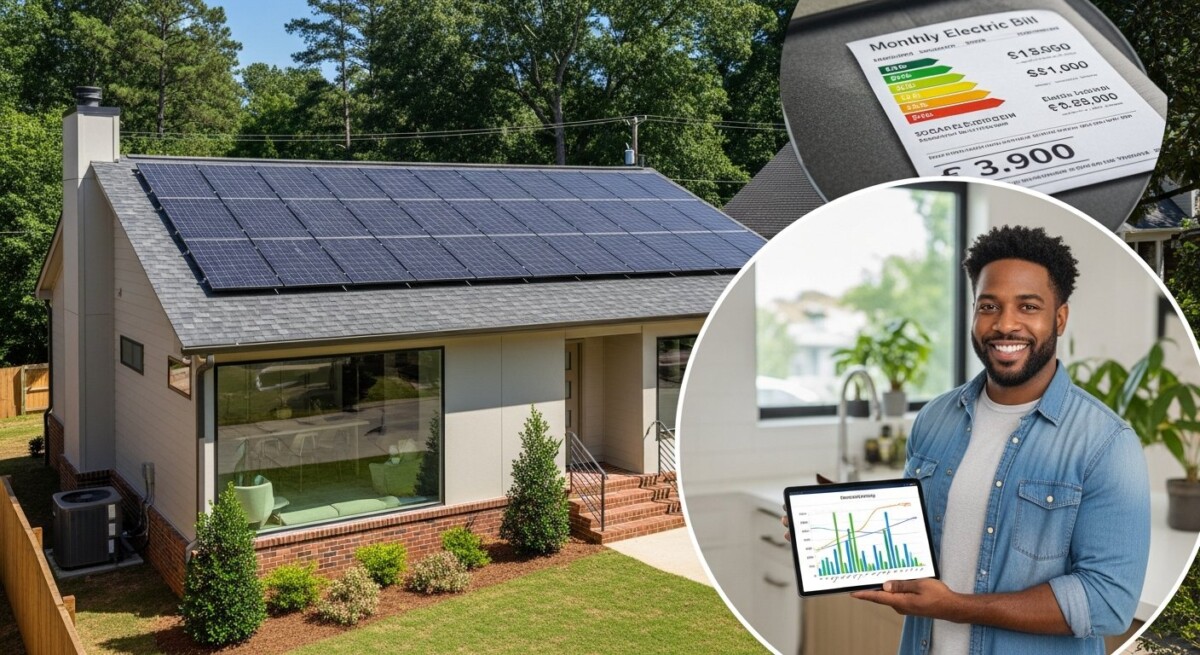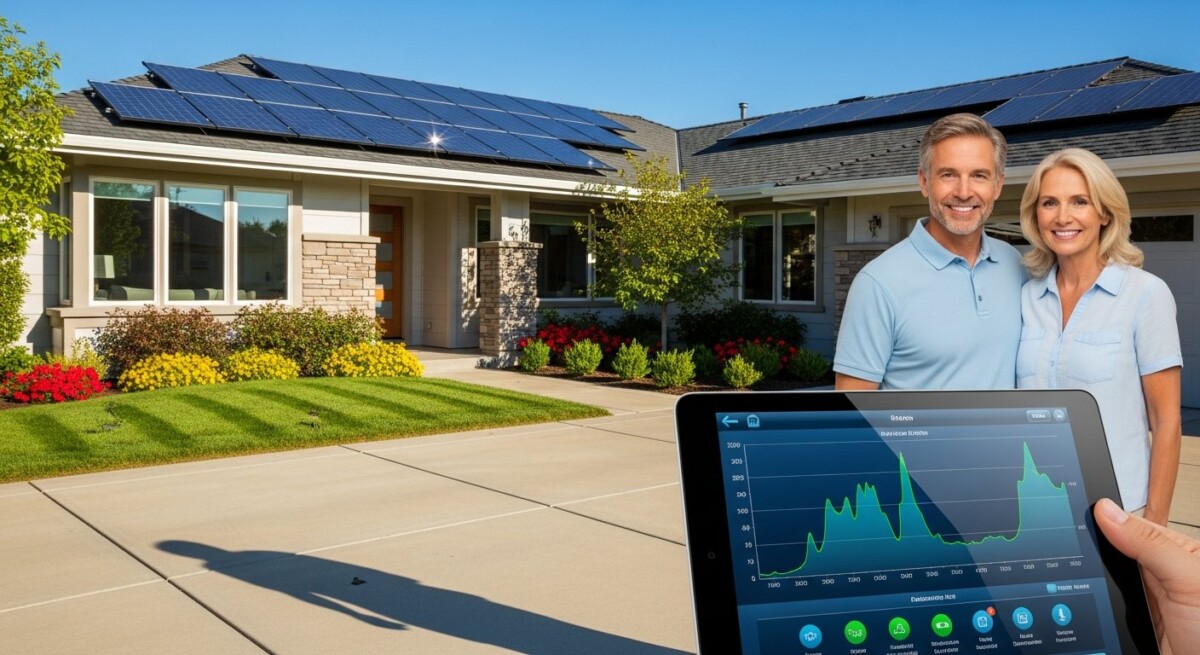
Every month, you open your electricity bill and feel that familiar pinch. Rising energy costs are pushing more homeowners to look for ways to take control. That is why so many people now search for a solar installer quote request to see if solar panels can lower their monthly expenses.
Reducing your electricity bills and becoming less dependent on the power grid sounds appealing, but the process can feel overwhelming. You may wonder where to start, what questions to ask, and whether solar is right for your home. This guide will walk you through everything you need to know, from understanding quotes to choosing a trusted installer.
Understanding Solar Installer Quote Request
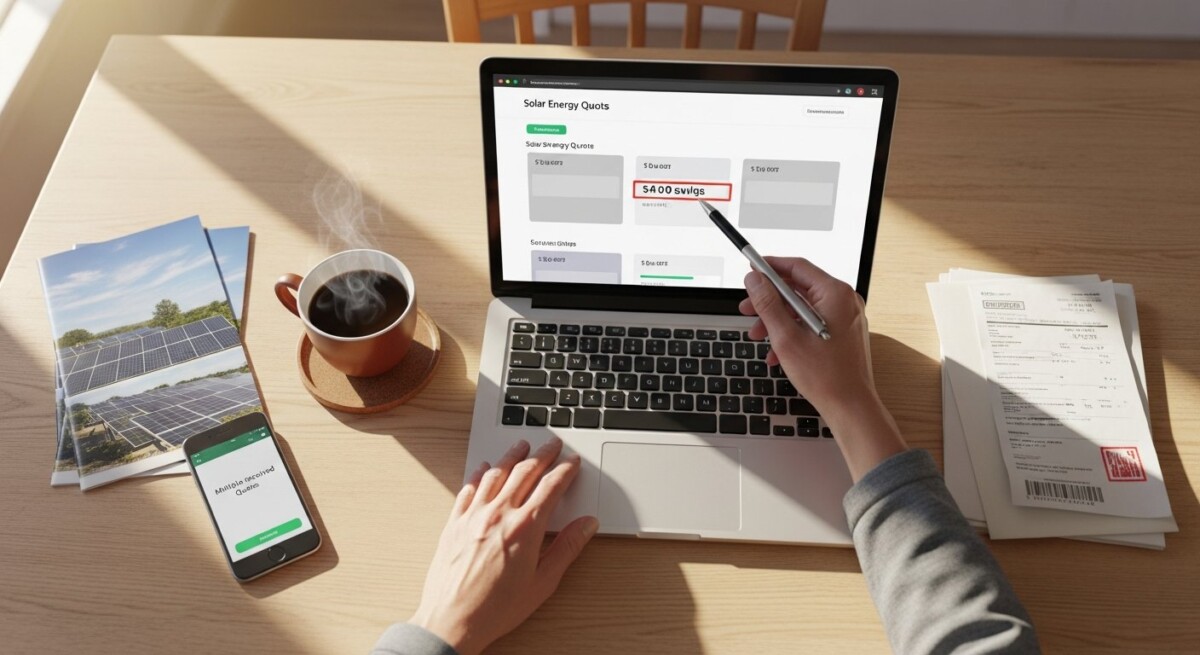
A solar installer quote request is simply the first step toward getting a professional assessment of your home’s solar potential. When you submit a request, local solar companies review your energy use, roof space, and sunlight exposure to design a system that fits your needs.
Each quote typically includes the cost of equipment, installation labor, permits, and any available incentives. The goal is to give you a clear picture of what solar would cost upfront and how much you could save over time.
More homeowners are turning to solar because it offers a way to lock in lower energy rates for decades. Instead of paying a utility company that raises prices every year, you generate your own power from the sun.
Why Solar Energy Is Becoming More Popular
Electricity prices have been climbing steadily across the country. According to the U.S. Energy Information Administration, residential electricity rates have risen by roughly 15% over the past five years. This trend is pushing homeowners to explore alternatives that offer stable, predictable costs.
Environmental concerns also play a major role. Solar energy produces no carbon emissions while generating electricity, which helps reduce your household’s carbon footprint. Many families feel good about contributing to a cleaner planet while also saving money.
Long-term savings are the biggest driver. A typical solar installation pays for itself in 7 to 10 years, after which your electricity is essentially free for the remaining life of the system,often 25 years or more.
If you are considering solar power for your home, comparing installation quotes can help you understand your options. Request a free solar quote or call (888) 454-9979 to learn more.
Common Questions Homeowners Have About Solar
Before making a decision, most homeowners have a few important questions. One common concern is installation cost. The upfront price of solar panels has dropped dramatically over the past decade, and federal tax credits can cover 30% of the total cost.
Roof suitability is another frequent worry. Not every roof is ideal, but most homes with a south- or west-facing roof that gets at least four hours of direct sunlight per day can benefit. A professional installer will evaluate your roof during the quote process.
System performance also raises questions. Solar panels still produce electricity on cloudy days, though at a reduced rate. Net metering programs allow you to send extra power back to the grid and earn credits, so you rarely waste any energy you generate.
- How much does a solar system cost after incentives?
- Will solar panels work on my roof?
- How long does installation take?
- What happens if my panels produce more energy than I use?
- Do I need a battery with my solar system?
- How long do solar panels last?
How Solar Panel Installation Works
The installation process is more straightforward than most people expect. It begins with a home energy assessment, where an installer reviews your past electricity bills and examines your roof. This helps them determine the right system size to offset your usage.
Next comes system design. The installer creates a layout showing where each panel will go, how the wiring will run, and where the inverter will be placed. After you approve the design, the company handles all permits and approvals with your local government and utility.
- Home energy assessment and bill review
- Custom system design and layout
- Permit applications and utility approvals
- Panel mounting and electrical wiring
- System inspection and activation
Speaking with experienced installers can help you determine the best solar solution for your home. Compare solar quotes here or call (888) 454-9979 to explore available options.
Signs Your Home May Be Ideal for Solar
Certain features make a home especially well-suited for solar panels. If your roof gets strong sunlight for most of the day, you are already in a great position. South-facing roofs with little shade from trees or chimneys produce the most energy.
High electricity bills are another strong indicator. If you pay more than $100 per month, solar can likely reduce those costs significantly. Many homeowners find that their panels cover 80% to 100% of their annual electricity usage.
Suitable roof space matters, too. Most residential systems need about 300 to 400 square feet of unobstructed roof area. If you plan to stay in your home for at least five more years, the long-term savings make the investment even more worthwhile.
- Unshaded roof receiving at least four hours of direct sunlight daily
- Monthly electricity bills above $100
- Roof in good condition with at least 300 square feet of space
- Plan to remain in your home for five years or more
What Affects Solar Installation Costs
The price of a solar system depends on several factors. System size is the biggest variable,larger systems cost more but also produce more electricity. A typical home might need a 6 to 10 kilowatt system, which can range from $12,000 to $20,000 before incentives.
Equipment quality also influences the cost. Premium panels with higher efficiency ratings cost more upfront but generate more power per square foot. Cheaper panels can save money initially but may produce less energy over their lifetime.
Installation complexity plays a role as well. A simple roof with easy access costs less to install than a complex roofline with multiple angles or obstacles. Local incentives, such as state tax credits or utility rebates, can further reduce your out-of-pocket expense.
The cost of solar installation varies depending on your home and energy needs. Request personalized solar quotes or call (888) 454-9979 to see what options are available.
Tips for Choosing a Reliable Solar Installer
Finding a trustworthy installer is just as important as selecting the right equipment. Start by reviewing each company’s experience in the solar industry. Installers with at least five years of experience and hundreds of completed projects often provide better service and workmanship.
Check warranties carefully. A good installer offers a workmanship warranty of at least 10 years, while solar panel manufacturers typically provide 25-year performance guarantees. These protections ensure you are covered if anything goes wrong.
Reading customer reviews on platforms like Google, Yelp, or the Better Business Bureau can reveal how a company treats its clients. Pay attention to comments about communication, timeliness, and post-installation support.
- Look for installers with at least five years of experience
- Verify that warranties cover both equipment and workmanship
- Read recent customer reviews on independent platforms
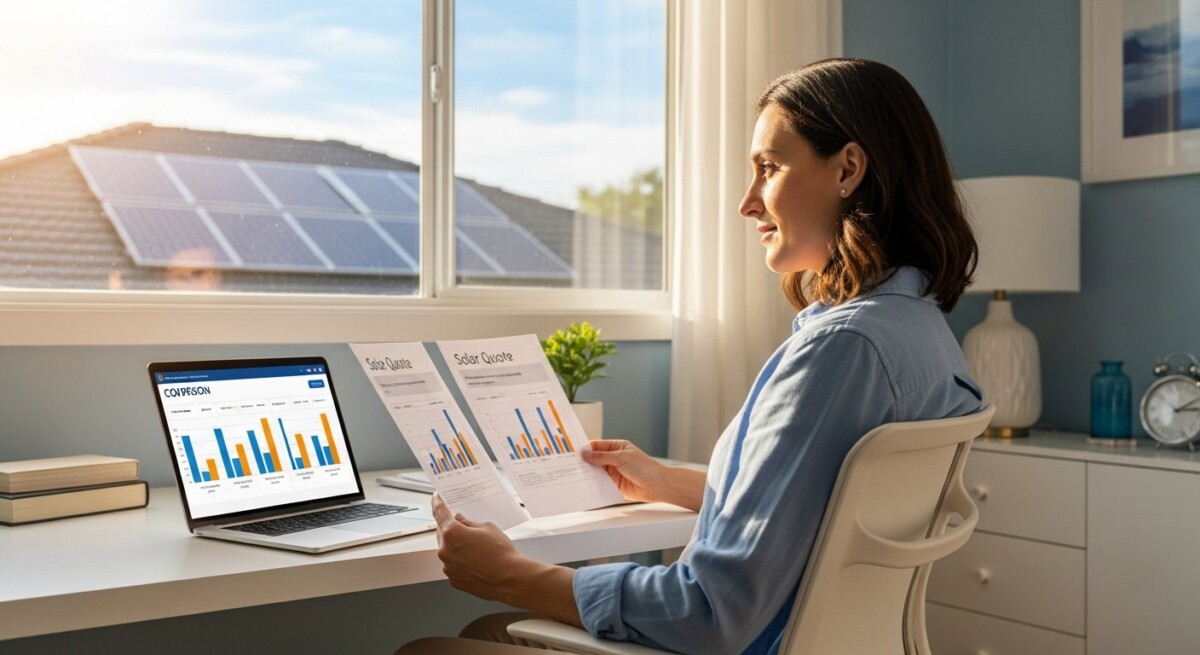
- Compare quotes from at least three different companies
Long-Term Benefits of Installing Solar Panels
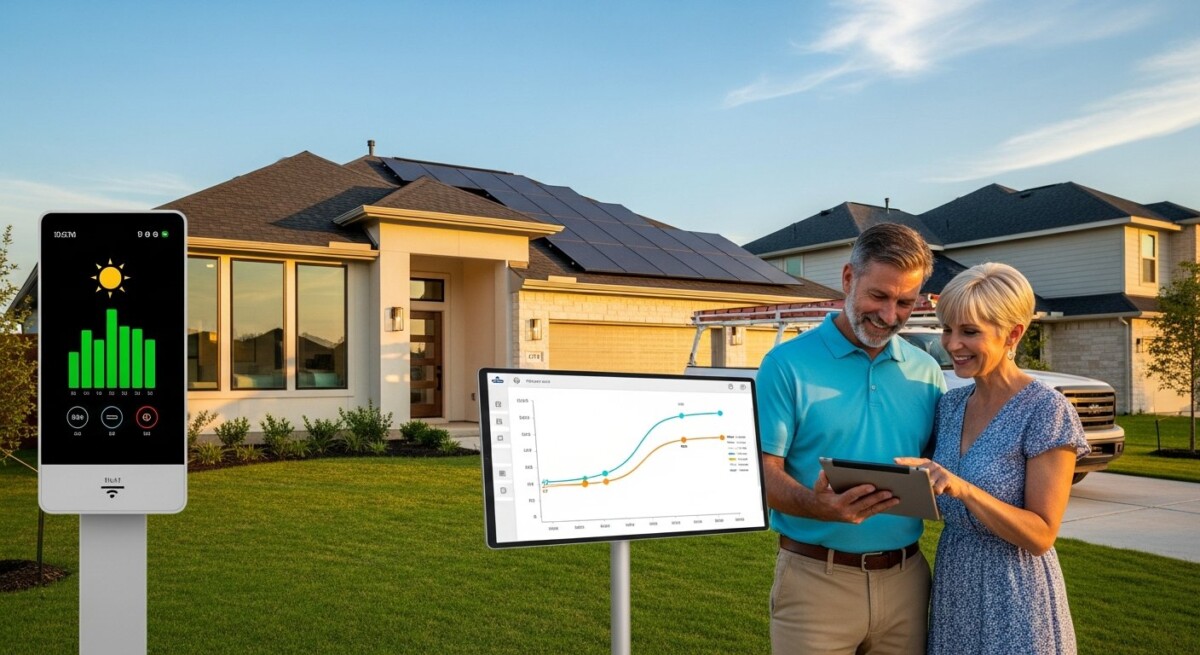
Once your solar system is up and running, you will immediately notice lower electricity bills. Many homeowners save $1,000 to $2,000 per year, depending on their energy usage and local utility rates. Over 25 years, those savings can total $25,000 to $50,000 or more.
Solar panels also increase your home’s value. Studies show that homes with solar systems sell for about 4% more than comparable homes without them. Buyers recognize the value of lower utility costs and energy independence.
Beyond financial gains, solar gives you peace of mind. You become less vulnerable to grid outages and rate hikes. And every kilowatt-hour you generate helps reduce greenhouse gas emissions, making a tangible impact on the environment.
Frequently Asked Questions
How long does it take to get a solar installer quote?
Most companies respond within 24 to 48 hours after you submit a solar installer quote request. The quote itself usually arrives within a few days, once the installer reviews your energy usage and roof details. The entire process from request to signed contract often takes one to two weeks.
Do I need to be home for a solar quote?
Some installers can generate a preliminary quote using satellite imagery and your utility bill. However, a final, accurate quote typically requires an on-site visit to inspect your roof, electrical panel, and shading. You can usually schedule that visit at your convenience.
Can I get a solar quote if I have an old roof?
Yes, but the installer may recommend replacing your roof before installing panels. Solar panels last 25 to 30 years, so it makes sense to start with a roof that has at least that much life left. The quote will note if roof work is needed.
What is included in a typical solar quote?
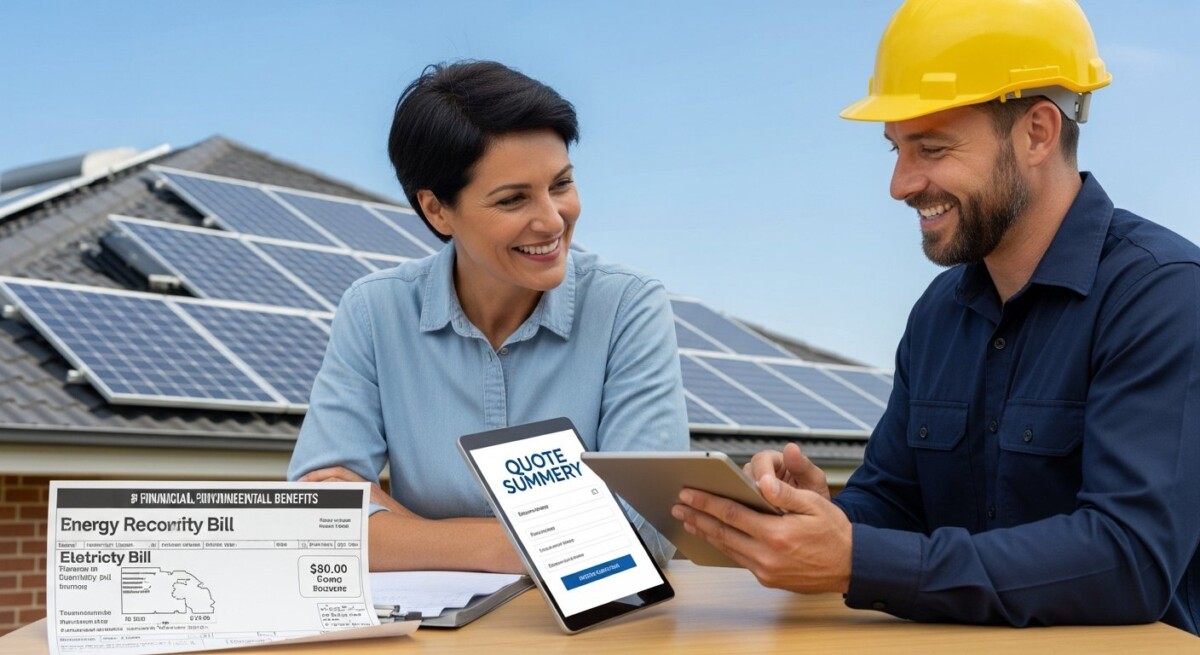
A standard quote includes the cost of solar panels, inverter, mounting hardware, labor, permits, and any applicable taxes. It also shows estimated energy production, projected savings, and financing options. Always ask for a breakdown so you know exactly what you are paying for.
How much can I save with solar panels?
Savings depend on your electricity rates, system size, and sunlight exposure. Most homeowners reduce their electricity bills by 50% to 90% after installing solar. On average, a system pays for itself within 7 to 10 years, then provides free electricity for the remaining 15 to 20 years.
Will solar panels work during a power outage?
Standard grid-tied solar systems shut off during outages to protect utility workers. If you want backup power, you need a solar battery system. Many quotes offer battery options as an add-on, which can keep your lights on when the grid goes down.
Are there government incentives for solar?
Yes, the federal solar Investment Tax Credit (ITC) allows you to deduct 30% of your installation costs from your federal taxes. Many states and utilities also offer rebates, performance payments, or net metering programs. Your quote should include any applicable incentives.
What happens if I move after installing solar?
If you own your system outright, it can increase your home’s resale value. If you lease or have a power purchase agreement, the new owner may need to take over the contract. Many buyers see solar as a plus, especially when it lowers monthly utility costs.
Taking the first step toward solar energy does not have to be complicated. By comparing multiple solar installer quote requests, you can find a system that fits your budget, meets your energy needs, and delivers long-term savings. The sooner you start, the sooner you can stop overpaying for electricity and start generating your own clean power.