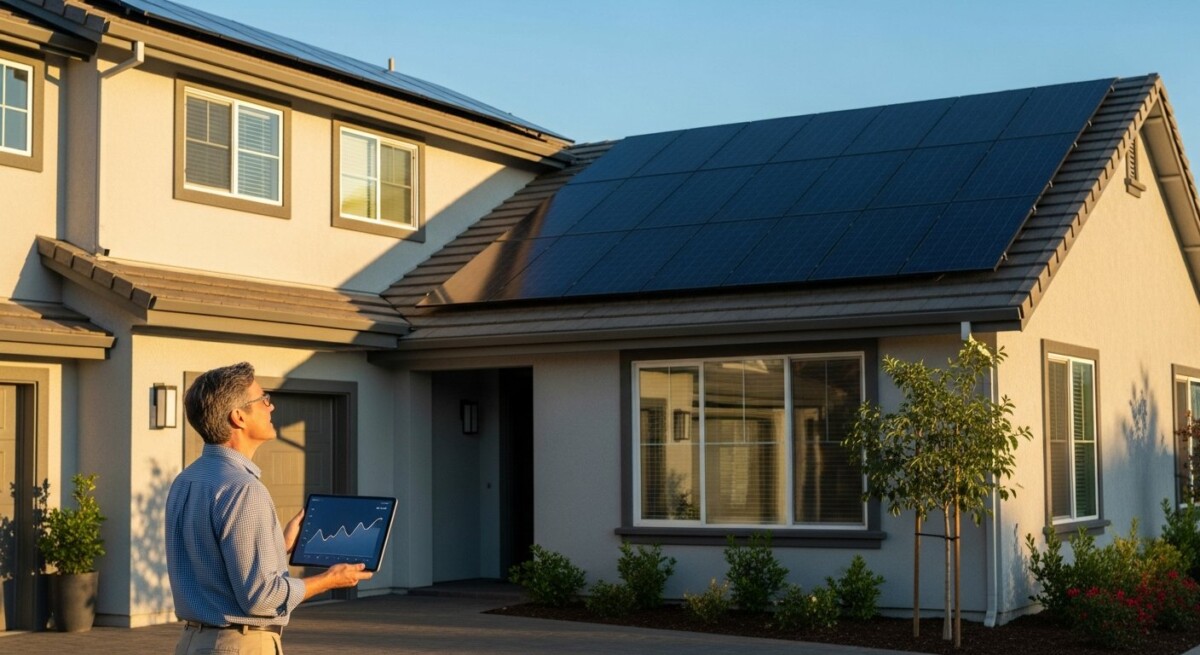
If you’ve watched your electricity bill climb steadily, you’re not alone. More homeowners are looking for a reliable way to reduce their energy costs and gain independence from the unpredictable power grid. This search often leads to a crucial question: how long do solar panels last? Understanding their impressive lifespan is the first step toward unlocking decades of financial and environmental benefits.
Understanding How Long Solar Panels Last
When we talk about how long solar panels last, we’re referring to two key concepts: their physical durability and their power production warranty. Most high-quality solar panels are built to withstand harsh weather for 25 to 30 years or more. This means the physical hardware on your roof is incredibly resilient.
However, solar panels don’t simply stop working after their warranty period. Instead, they slowly produce less electricity over time. This gradual decline is measured by a performance warranty, which is a guarantee from the manufacturer. A standard warranty guarantees that your panels will still produce at least 80-92% of their original power output after 25 years.
What Is Solar Panel Degradation?
Degradation is the natural, slow loss of efficiency that all solar panels experience. It’s typically around 0.5% to 0.8% per year. This means a panel that starts at 100% efficiency might still be producing around 85% of its original power after 25 years. This slow rate is why modern panels are such a dependable, long-term investment.
Why Solar Energy Is Becoming More Popular
The primary driver for most homeowners is the powerful combination of rising utility rates and long-term savings. By generating your own power, you lock in a predictable energy cost for decades, protecting yourself from future price hikes. The system often pays for itself well within its lifespan, leading to pure savings for many years.
Beyond the wallet, environmental concerns are a major factor. Solar power is a clean, renewable resource that directly reduces your household’s carbon footprint. This allows homeowners to contribute to a healthier planet while also achieving greater energy independence, making your home more self-sufficient.
If you are considering solar power for your home, comparing installation quotes can help you understand your options. Request a free solar quote or call to learn more.
Common Questions Homeowners Have About Solar
It’s normal to have questions before making a significant home upgrade. Many wonder about the upfront cost, which is often offset by financing options, tax credits, and the rapid decline in system prices over the last decade. Others are concerned about their roof’s suitability or what happens on cloudy days.
Modern systems are designed to handle various conditions, and professional installers can assess your specific situation. A common misconception is that panels require constant, direct sunlight. In reality, they generate power from daylight and are surprisingly efficient in many climates. For a deeper dive into equipment choices, our guide on the most efficient solar panels available can help you understand the technology.
- Will solar panels work on my roof?
- What is the total upfront cost, and are there financing options?
- How much will I really save on my electricity bill?
- What happens during a power outage?
- Do I need to clean or maintain my panels?
- How do government incentives and rebates work?
How Solar Panel Installation Works
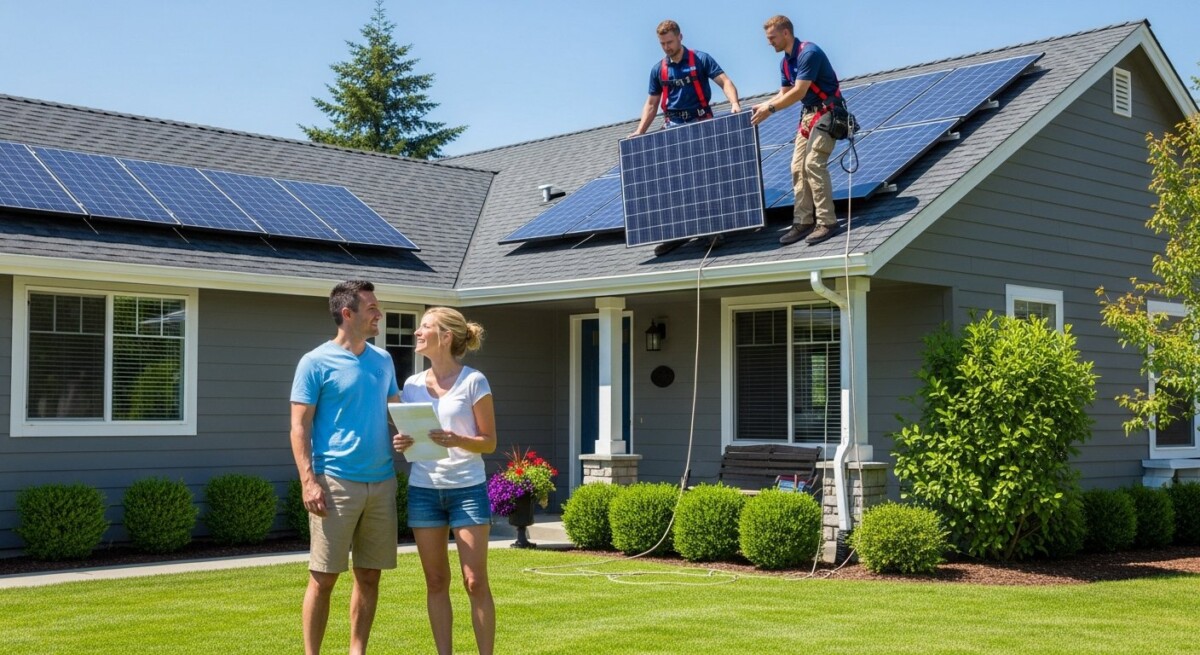
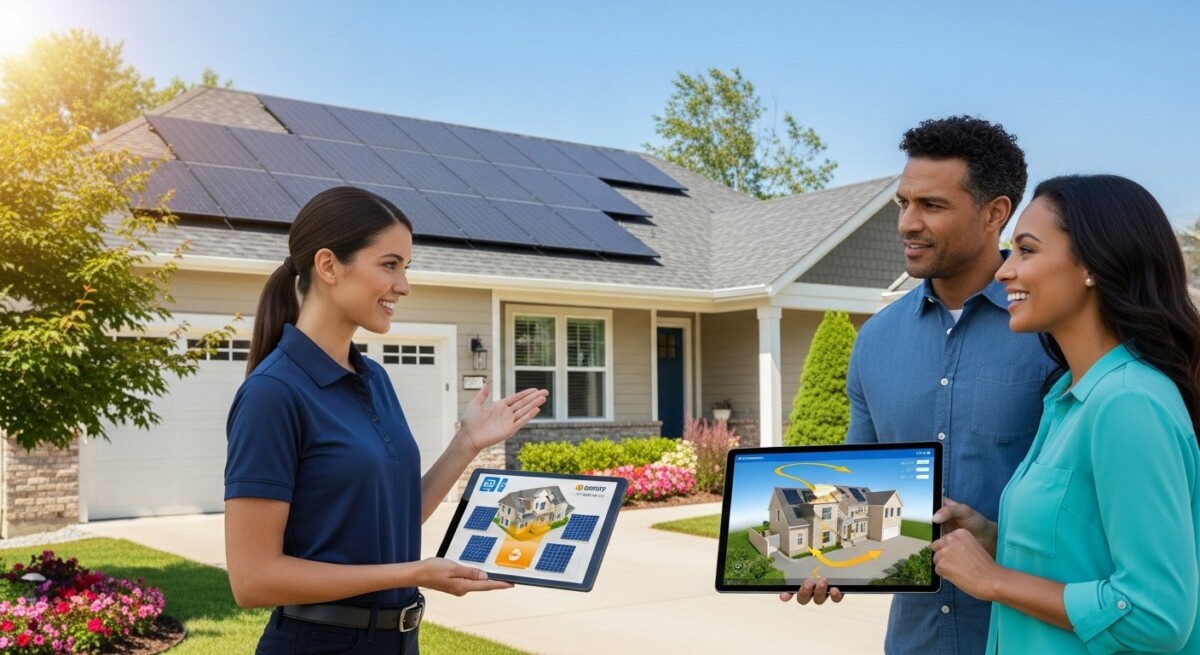
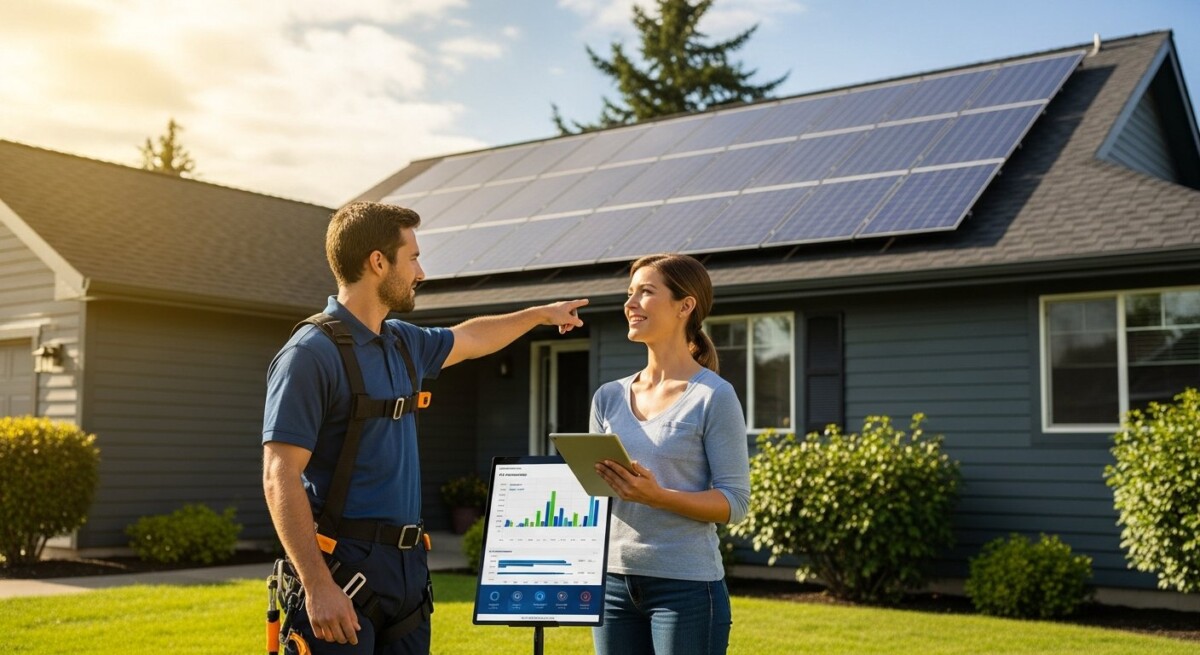
The installation process is managed by professionals from start to finish, making it surprisingly straightforward for the homeowner. It begins with a detailed assessment of your energy needs and your home’s solar potential. This data is used to design a system tailored to maximize your savings.
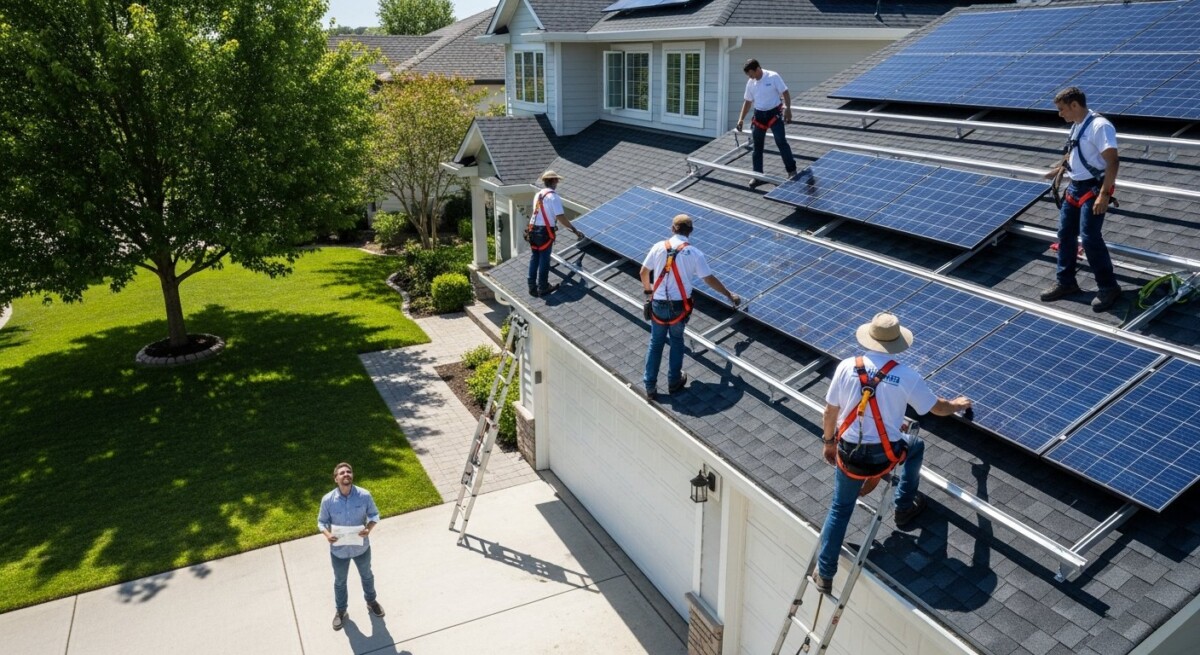
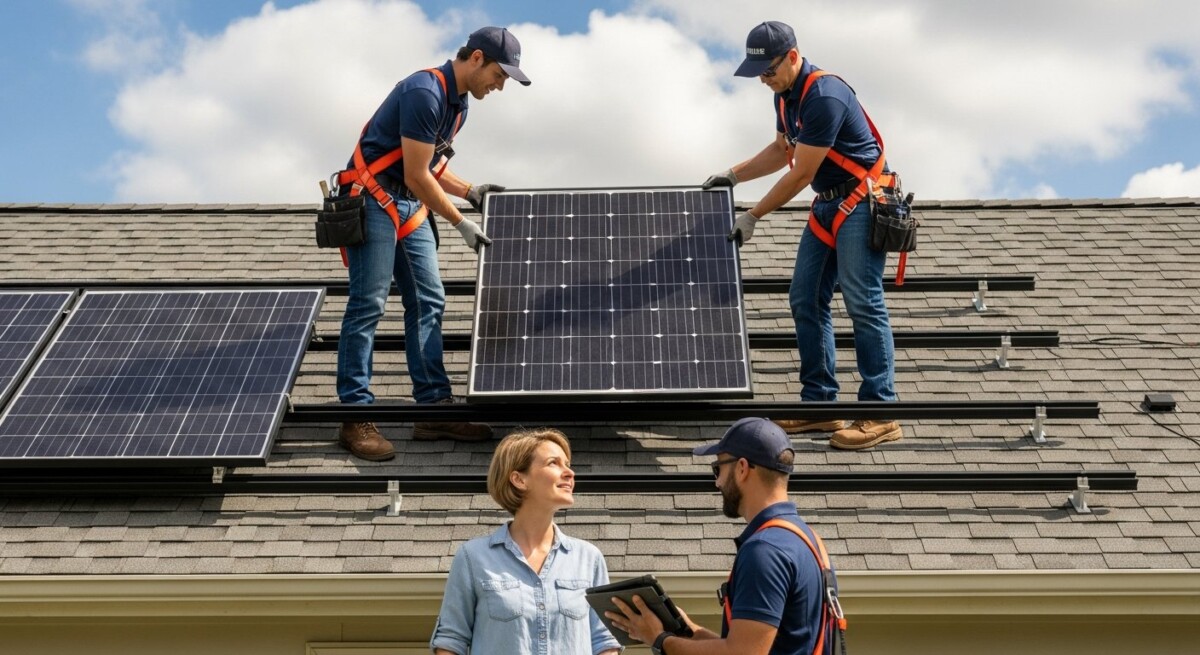
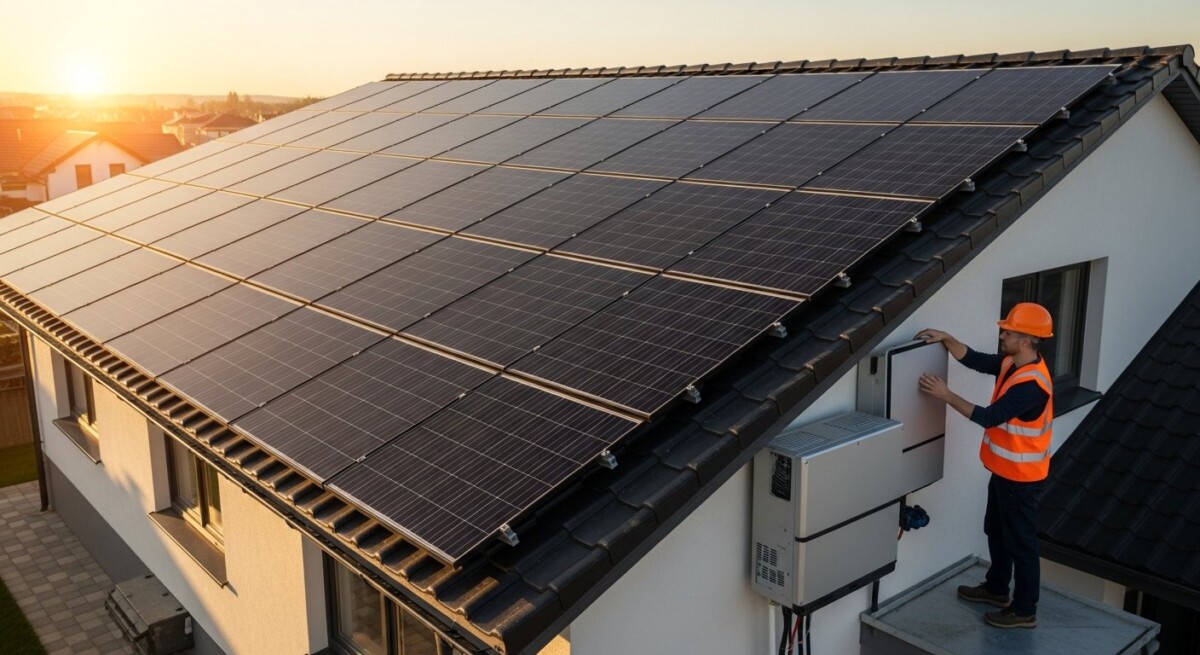
The installer then handles all the necessary permits and paperwork before the physical installation day. The actual mounting of panels and inverters is typically completed in one to three days. Finally, your system is connected to the grid and activated, often after a final inspection by your local utility company.
- Home Energy Assessment and Consultation
- Custom System Design and Proposal
- Permitting and Utility Approvals
- Physical Installation of Equipment
- Final Inspection and System Activation
Speaking with experienced installers can help you determine the best solar solution for your home. Compare solar quotes here or call to explore available options.
Signs Your Home May Be Ideal for Solar
Certain home characteristics make solar panels particularly effective and financially rewarding. The most obvious is a roof with strong, unobstructed sunlight exposure for most of the day, typically facing south, east, or west. Shading from trees or chimneys can impact production, but a good installer will design around it.
If you have high monthly electricity bills, solar can offer substantial relief by offsetting that costly consumption. You should also have a roof in good condition with enough usable space. Finally, since solar is a long-term investment, planning to stay in your home for several years allows you to fully realize the return on your investment.
- Your roof gets good sunlight for 6+ hours a day.
- You pay high monthly electricity bills.
- Your roof is in good condition and not due for replacement soon.
- You have plans to own your home for 5+ years.
- You live in an area with strong net metering policies.
- You are motivated by long-term savings and environmental impact.
What Affects Solar Installation Costs
The total cost of your solar system depends on several key factors. The size of the system, measured in kilowatts (kW), is the biggest driver,a larger system to cover high usage costs more. The quality and type of equipment, like panels and inverters, also influence the price, with premium, high-efficiency options commanding a higher price.
Installation complexity matters too. A simple, single-plane roof is easier and less expensive to work on than a multi-angled roof with skylights. Crucially, local and federal incentives can dramatically reduce your net cost. The federal solar tax credit, for example, allows you to deduct a significant percentage of the system cost from your federal taxes. For the hands-on homeowner, understanding the full scope can be helpful; our resource on installing your own solar panels outlines what the process entails.
The cost of solar installation varies depending on your home and energy needs. Request personalized solar quotes or call to see what options are available.
Tips for Choosing a Reliable Solar Installer
Selecting the right installer is as important as choosing the right equipment. A reputable company ensures your system is designed correctly, installed safely, and performs optimally for decades. They will also be your point of contact for warranty claims and any future service needs.
Always check for proper licensing and insurance, and look for installers with several years of experience in your local area. They will understand regional weather patterns, building codes, and utility requirements. Don’t hesitate to ask for references and read online reviews from past customers.
- Verify licenses, insurance, and certifications (like NABCEP).
- Choose a company with several years of local experience.
- Review the warranties offered on both equipment and workmanship.
- Read customer reviews and ask for references.
- Get detailed, written proposals from multiple companies.
- Ensure they handle all permitting and interconnection paperwork.
Long-Term Benefits of Installing Solar Panels
The most immediate and compelling benefit is the drastic reduction or even elimination of your electricity bill. Over 25+ years, these savings can amount to tens of thousands of dollars, providing an excellent return on investment. Solar panels also increase your home’s market value, with studies showing buyers are willing to pay a premium for homes with owned solar systems.
Beyond finances, you gain energy independence by producing your own clean power. This reduces your reliance on the traditional grid and fossil fuels. Every kilowatt-hour you generate is a direct positive step for the environment, reducing greenhouse gas emissions and air pollution for a cleaner community.
How long do solar panels typically last?
Most quality solar panels come with a 25 to 30-year performance warranty, guaranteeing they will still produce a high percentage of their original power. Physically, the panels can often continue functioning well beyond that timeframe, though at a gradually reduced efficiency.
Do solar panels require a lot of maintenance?
Solar panels require very little maintenance. Occasional cleaning with water to remove dust, pollen, or bird droppings is usually sufficient, and rain often handles this. You should also have a professional check the system components every few years to ensure optimal performance.
What happens to solar panels after their warranty expires?
They don’t just stop working. Panels will continue to produce electricity, just at a lower efficiency than when they were new. Many systems continue to provide significant energy savings for years after the warranty period ends, making them a long-lasting asset.
Can hail or severe weather damage my solar panels?
Solar panels are rigorously tested to withstand severe weather, including hail, high winds, and heavy snow loads. Most are rated to survive hail up to one inch in diameter falling at 50+ miles per hour. Your installer can confirm the specific durability ratings of your chosen equipment.
Will solar panels work if my roof is shaded?
Shading can reduce output, but modern systems use technologies like power optimizers or microinverters to minimize this impact. These devices allow each panel to operate independently, so shade on one panel doesn’t cripple the entire system’s production.
How do I know if my roof is suitable for solar?
A professional solar installer will conduct a site assessment. They will evaluate your roof’s age, condition, material, angle, and sun exposure. Most common roofing materials and angles are suitable, and adjustments can often be made in the system design to maximize production.
What is the federal solar tax credit?
The federal solar tax credit, or Investment Tax Credit (ITC), allows you to deduct a significant percentage of your solar system’s cost from your federal income taxes. This incentive directly reduces the net price of going solar and is a major factor in the system’s affordability.
Do I need battery storage with my solar panels?
Battery storage is optional but adds valuable benefits. It allows you to store excess solar energy to use at night or during a power outage, increasing your energy independence. For most homeowners, starting with a grid-tied system without batteries is the most cost-effective approach.
Understanding the long lifespan and reliable performance of modern solar panels reveals why they are a wise investment for so many homeowners. By generating your own power for decades, you secure predictable energy costs, increase your home’s value, and contribute to a cleaner environment. The best way to start your journey is to gather personalized information from trusted local professionals.