You have probably seen solar advertisements promising huge savings, only to receive quotes that look very different from what you expected. This confusion is common because solar pricing varies widely from one installer to the next. Rising electricity costs are driving more homeowners to explore solar energy, but the question remains: why does the price differ so much between providers? Understanding this is the first step toward reducing your energy bills and gaining greater independence from the power grid. In this guide, we explain why solar pricing differs by provider and how comparing quotes can help you save more.
Understanding why solar pricing differs by provider
Solar panel pricing is not a one-size-fits-all number. Each installer sets their own prices based on the equipment they use, their overhead costs, and the level of service they provide. Some companies offer premium panels with higher efficiency, while others use standard modules that cost less. The inverter, racking system, and monitoring technology also affect the final price. Simply put, you are paying for a combination of hardware, labor, and business margins, and every provider weighs these factors differently.
Another major reason for price variation is how each company structures its operations. A local installer with lower marketing costs may charge less than a national brand that spends heavily on advertising. Some providers bundle extra services such as roof repairs, battery storage options, or extended warranties, which raise the upfront cost but may offer better long-term value. Our detailed article on why solar pricing differs by provider explains these factors in more depth to help you compare apples to apples.
More homeowners are considering solar because of falling equipment prices and attractive financing options. However, the lack of price transparency can make the decision overwhelming. By understanding that pricing differences are normal and often justified, you can approach quotes with confidence. The goal is to find a provider whose price reflects the quality, warranty, and service that match your home’s needs.
Why Solar Energy Is Becoming More Popular
Electricity rates have been climbing steadily across the United States, and many homeowners feel the pinch in their monthly budgets. Solar panels offer a way to lock in lower energy costs for decades. At the same time, people are more aware of their environmental footprint and want to reduce reliance on fossil fuels. Solar power is clean, renewable, and increasingly affordable, making it a practical choice for the average household.
Long-term savings are a powerful motivator. While the upfront cost of solar installation can seem high, the return on investment often exceeds that of traditional home improvements. Federal tax credits, state rebates, and net metering programs can slash the net cost by thousands of dollars. Over 20 to 25 years, most homeowners save tens of thousands on electricity. For those who plan to stay in their home for several years, solar is one of the smartest financial moves available.
If you are considering solar power for your home, comparing installation quotes can help you understand your options. Request a free solar quote or call to learn more.
Common Questions Homeowners Have About Solar
Before investing in solar, most homeowners want clear answers about cost, installation, and performance. The most common concerns include the total installation cost, whether their roof can support panels, and how much electricity the system will actually produce. People also worry about maintenance, the impact on home value, and what happens during cloudy days or at night.
These questions are valid, and a good installer will address each one thoroughly. The answers often depend on your specific home and location. For example, a south-facing roof with little shade will generate more power than a shaded north-facing roof. Similarly, your local utility rates and net metering policies affect how quickly your system pays for itself. The best way to get reliable answers is to speak with multiple installers who can evaluate your home in person.
- How much does a typical residential solar system cost?
- Will solar panels work on my roof type and age?
- How long does installation take from start to finish?
- What happens if my panels produce more electricity than I use?
- Are solar panels covered by homeowners insurance?
- Do I need to replace my roof before installing solar?
How Solar Panel Installation Works
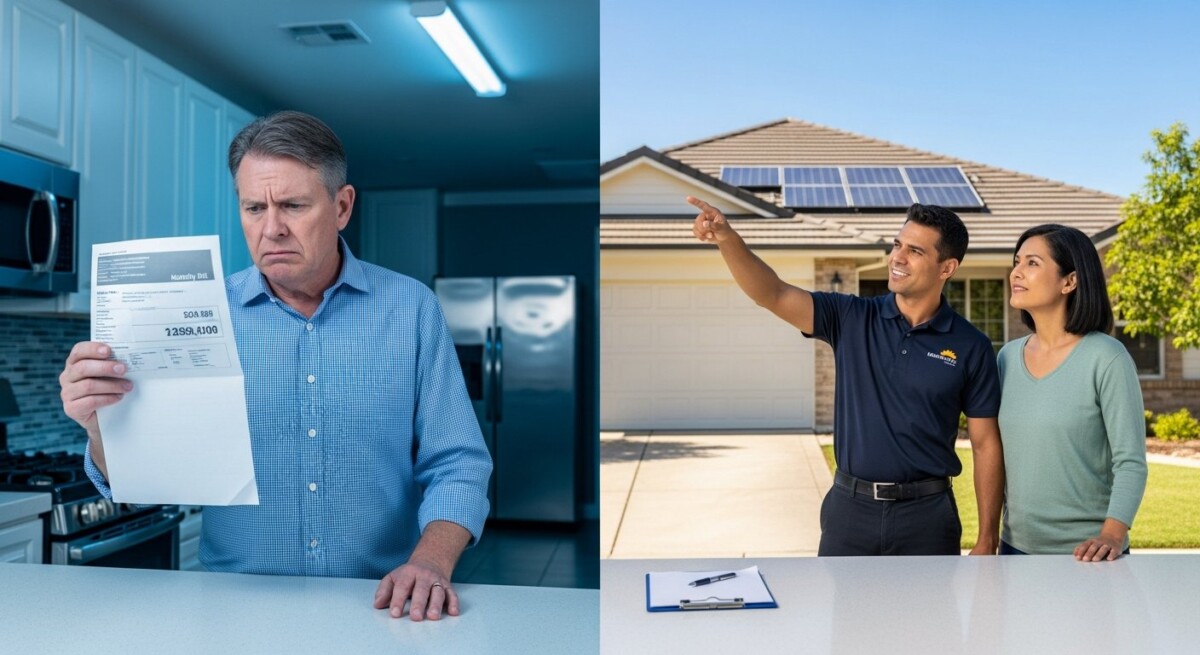
The installation process is more straightforward than most people think. It starts with a home energy assessment, where an installer reviews your electricity bills, roof condition, and sun exposure. Based on that information, they design a system tailored to your household’s energy needs. After you approve the design, the installer handles all permits and approvals with your local utility and building department.
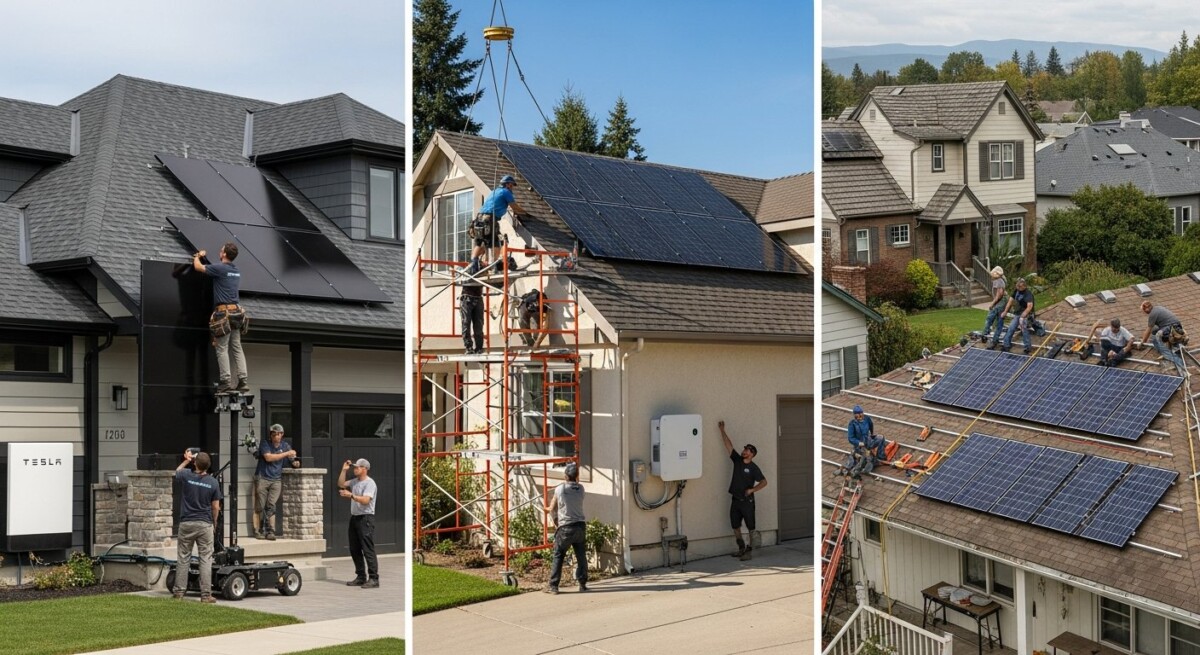
Once the paperwork is in place, the physical installation usually takes one to three days. Workers mount the panels on your roof, connect the inverter, and wire the system into your electrical panel. After installation, your utility company inspects the system and grants permission to operate. From that point, your panels start generating electricity and offsetting your monthly bills.
- Home energy assessment and bill analysis
- Custom system design and equipment selection
- Permit applications and utility approvals
- Panel mounting, wiring, and inverter installation
- Final inspection and system activation
Speaking with experienced installers can help you determine the best solar solution for your home. Compare solar quotes here or call to explore available options.
Signs Your Home May Be Ideal for Solar
Not every home is equally suited for solar, but many are. The most important factor is sunlight exposure. Homes with roofs that face south, west, or east and receive direct sunlight for most of the day will generate the most electricity. If your roof is shaded by tall trees or nearby buildings, your system’s output will be lower, but it may still be worthwhile with modern panel technology.
Your current electricity bills also tell a clear story. If you pay more than $100 per month on average, solar can likely save you money. Additionally, if you plan to stay in your home for at least five to seven years, the investment will pay off before you sell. Finally, check your roof’s age and condition. A roof with 10 or more years of life remaining is ideal, since panels last 25 to 30 years and are best installed on a sturdy surface.
- Unobstructed sunlight on your roof for most of the day
- Monthly electricity bills above $100
- At least 500 square feet of suitable roof space
- Plans to remain in your home for five years or more
- Roof in good condition with 10+ years of life left
- Local incentives or net metering programs available
What Affects Solar Installation Costs
The size of your solar system is the biggest cost driver. A larger system that covers 100% of your electricity use will cost more upfront than a smaller system that covers only part of your needs. Equipment quality also matters. Premium panels from brands like SunPower or LG are more expensive but produce more power per square foot and often come with better warranties. Standard panels are more affordable and still offer excellent performance.
Installation complexity can raise the price as well. A simple roof with easy access and standard shingles is cheaper to work on than a steep, tile, or slate roof. If your electrical panel needs upgrades or if you want to add battery storage, those costs add up. Local incentives, including the federal solar tax credit, state rebates, and utility performance payments, can reduce your net cost by 30% or more. To understand your real cost, always ask for an itemized quote that shows equipment, labor, and fees separately.
The cost of solar installation varies depending on your home and energy needs. Request personalized solar quotes or call to see what options are available.
Tips for Choosing a Reliable Solar Installer
Choosing the right installer is as important as choosing the right panels. A reliable company will have years of experience, proper licensing, and a track record of satisfied customers. They should also offer strong warranties on both equipment and workmanship. A good warranty protects you if something goes wrong after installation.
Reading customer reviews on platforms like Google, Yelp, and the Better Business Bureau gives you insight into how a company treats its clients. Do not rely on a single quote. Instead, compare at least three to five quotes from different providers. This helps you spot outliers and understand the market rate for your area. A trustworthy installer will take the time to explain their pricing and answer your questions without pressure.
- Look for installers with at least five years of experience
- Check for valid licenses, certifications, and insurance
- Read recent customer reviews on independent platforms
- Ask about equipment and workmanship warranties
- Compare multiple itemized quotes before deciding
- Choose a provider who communicates clearly and patiently
Long-Term Benefits of Installing Solar Panels
The most obvious benefit of solar panels is lower electricity bills. Once your system is paid off, the electricity it produces is essentially free. Over 25 years, that can add up to $20,000 to $50,000 in savings, depending on your location and energy use. Solar also increases your home’s resale value. Studies show that homes with solar panels sell faster and for a premium compared to similar homes without them.
Beyond financial gains, solar panels reduce your carbon footprint. A typical residential system offsets about three to four tons of carbon dioxide each year, which is equivalent to planting more than 100 trees annually. You also gain energy independence. When paired with battery storage, you can keep your lights on during power outages and rely less on the grid. For many homeowners, the peace of mind that comes from producing your own clean energy is priceless.
Frequently Asked Questions
How much should I expect to pay for solar panels?
The average cost of residential solar panels in the U.S. ranges from $15,000 to $25,000 before incentives. After the federal tax credit, the net cost drops to roughly $10,500 to $17,500. Prices vary by location, system size, and equipment quality. Comparing multiple quotes is the best way to find a fair price.
Why do solar quotes from different companies vary so much?
Quotes differ because each provider uses different equipment, has different overhead costs, and offers different levels of service. Some include warranties, monitoring, and battery options, while others offer a basic package. Always compare the full scope of work, not just the total price.
How long does it take for solar panels to pay for themselves?
The payback period typically ranges from six to ten years. This depends on your electricity rates, system size, available incentives, and how much sun your roof receives. After the payback period, the electricity your panels generate is essentially free for the remaining life of the system.
Will solar panels work on a cloudy day?
Yes, solar panels still generate electricity on cloudy days, though at a reduced rate,usually 10% to 25% of their normal output. Modern panels are designed to capture diffuse sunlight. Net metering or battery storage helps cover your needs when production is low.
Do I need to clean my solar panels regularly?
In most areas, rain is sufficient to keep panels clean. If you live in a dusty region or under trees that drop leaves, occasional cleaning may improve performance. Most homeowners find that cleaning once or twice a year is enough. Many installers offer maintenance plans.
Can I install solar panels myself to save money?
DIY installation is possible but not recommended for most homeowners. Solar projects require electrical work, roof sealing, and knowledge of local codes. Mistakes can lead to roof leaks, electrical hazards, or voided warranties. Professional installers also help you qualify for incentives and ensure the system performs as expected.
What happens if I sell my home with solar panels?
Selling a home with solar panels is generally positive. Buyers see the value of lower electricity bills, and studies show that solar homes sell faster and at a higher price. If you have a solar loan, you can transfer it to the new owner or pay it off at closing.
Are there government incentives for going solar in 2025?
Yes, the federal solar Investment Tax Credit (ITC) allows you to deduct 30% of your system cost from your federal taxes. Many states and utilities offer additional rebates, performance payments, or net metering programs. These incentives can significantly lower your upfront cost and improve your return on investment.
Understanding why solar pricing differs by provider empowers you to make a confident decision. Every home is unique, and the right system for your neighbor may not be the best fit for you. The key is to gather multiple quotes, ask detailed questions, and choose a provider who offers a fair price for quality equipment and reliable service. Request your free solar quotes today and take the first step toward lower bills and energy independence.