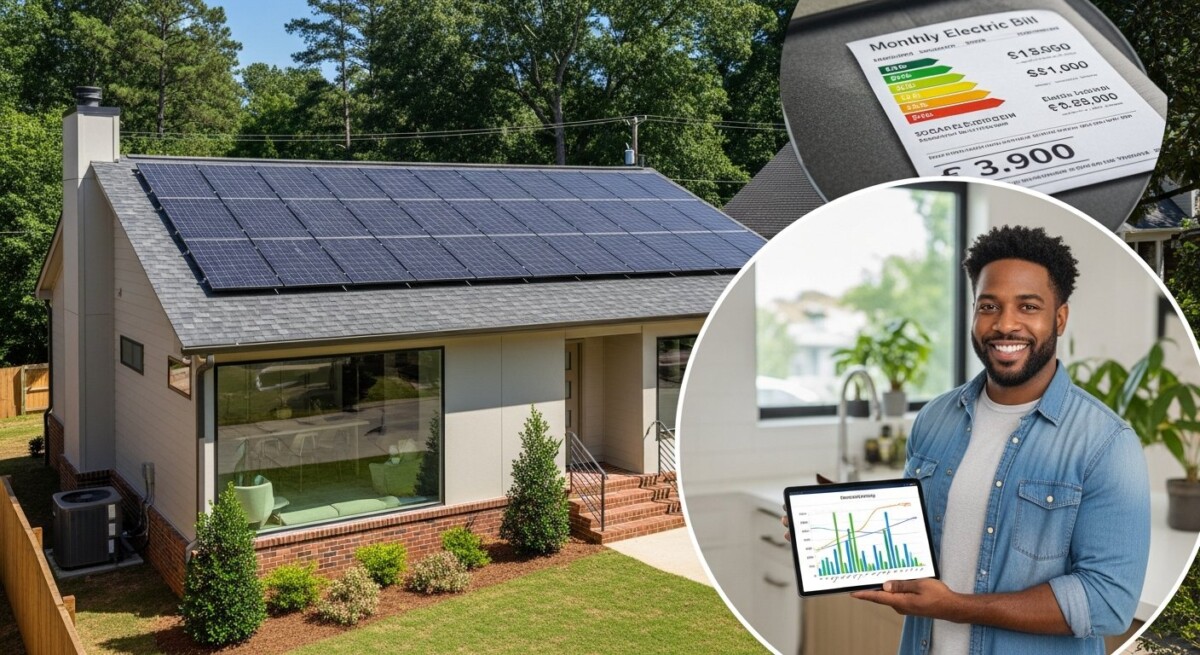
Your electricity bill keeps climbing, and you have started searching for ways to lower it. Many homeowners now look into solar energy to reduce monthly costs and gain more control over their power usage. Learning how to review solar installation proposals is the first step toward making a smart investment that saves money for decades.
Understanding how to review solar installation proposals
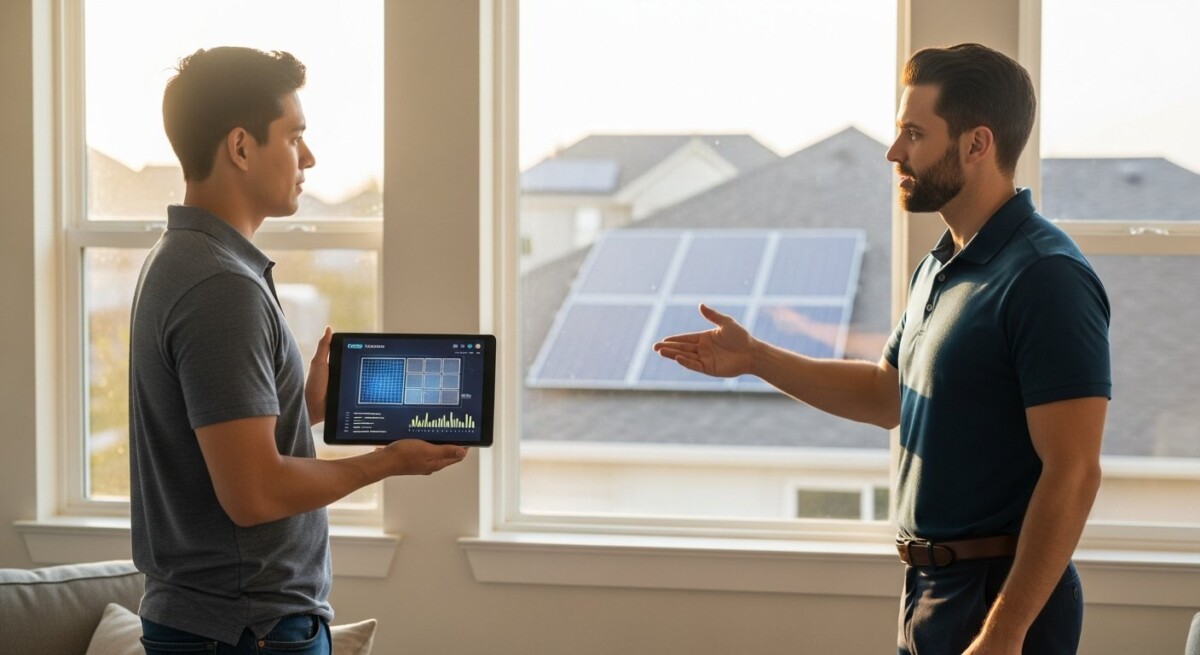
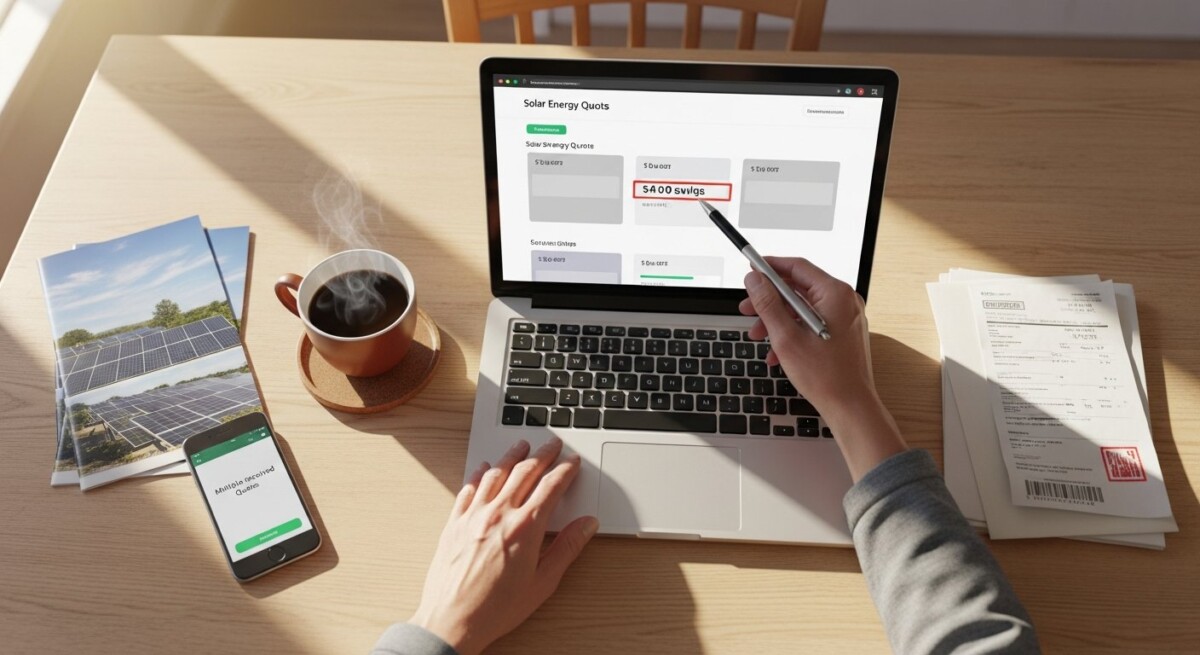
A solar installation proposal is a detailed document from a solar company that outlines the equipment, costs, savings, and timeline for putting panels on your roof. Think of it as a roadmap that shows exactly what you will get and how much you will pay.
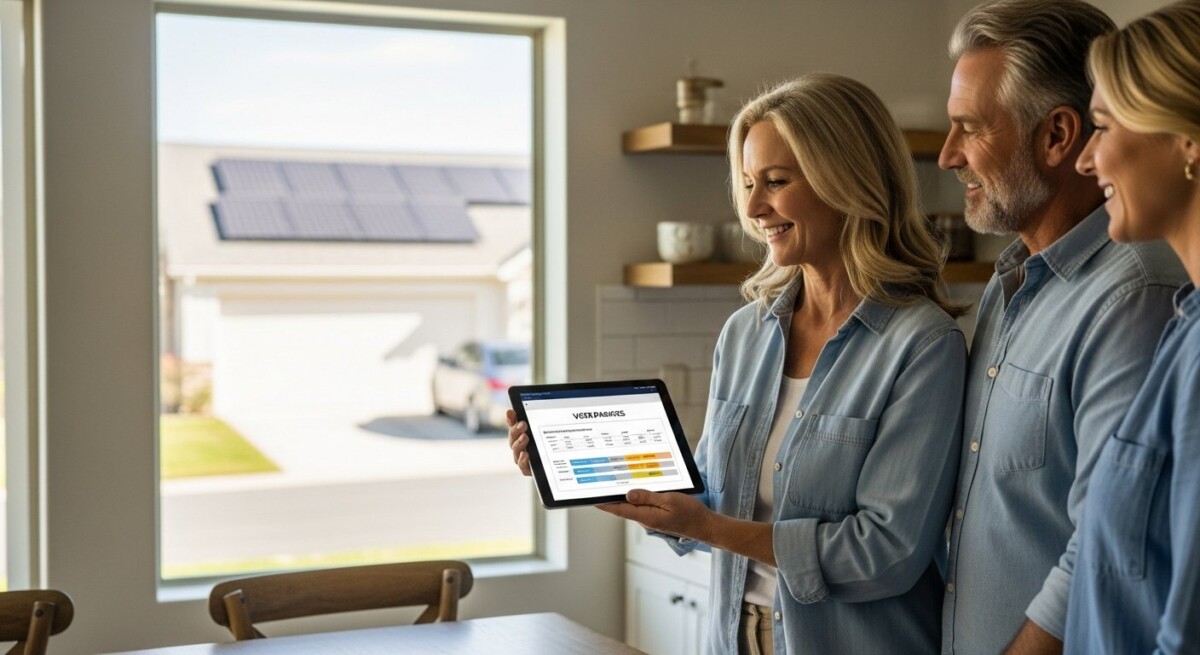
These proposals include system size (measured in kilowatts), panel and inverter brands, estimated annual energy production, financing options, and warranty terms. By comparing multiple proposals side by side, you can spot which installer offers the best value,not just the lowest price.
More homeowners are reviewing proposals carefully because solar technology has become more affordable and efficient. With federal tax credits and local incentives available, understanding the fine print helps you maximize long-term savings.
Why Solar Energy Is Becoming More Popular
Electricity rates across the United States have risen steadily over the past decade, and they show no signs of slowing down. Solar panels let you lock in a lower, predictable energy cost while protecting your household from future rate hikes.
Beyond saving money, many families choose solar to reduce their carbon footprint and support cleaner air. Generating your own power from sunlight cuts greenhouse gas emissions and decreases reliance on fossil fuels.
Long-term financial savings also drive adoption. A typical residential solar system pays for itself in 6 to 10 years and continues producing free electricity for 25 years or more. That combination of environmental and economic benefits makes solar an attractive choice for homeowners across the country.
If you are considering solar power for your home, comparing installation quotes can help you understand your options. Request a free solar quote or call (855) 780-1177 to learn more.
Common Questions Homeowners Have About Solar
Before diving into proposals, most homeowners ask about upfront costs and whether solar will work on their property. Installation prices vary widely based on system size and roof complexity, but federal incentives and financing options make solar accessible for many budgets.
Roof suitability is another key concern. Panels perform best on south-facing roofs with little shade, but east- and west-facing roofs can also work well with modern high-efficiency panels. A professional site assessment will tell you exactly what your home can support.
Here are common questions homeowners ask when reviewing solar proposals:
- How much will I save on my electricity bill each month?
- What happens if my roof needs repairs after panels are installed?
- How long does the installation process take from start to finish?
- What warranties cover the panels, inverter, and workmanship?
- Can I add more panels later if my energy needs increase?
- How does net metering work with my local utility company?
How Solar Panel Installation Works
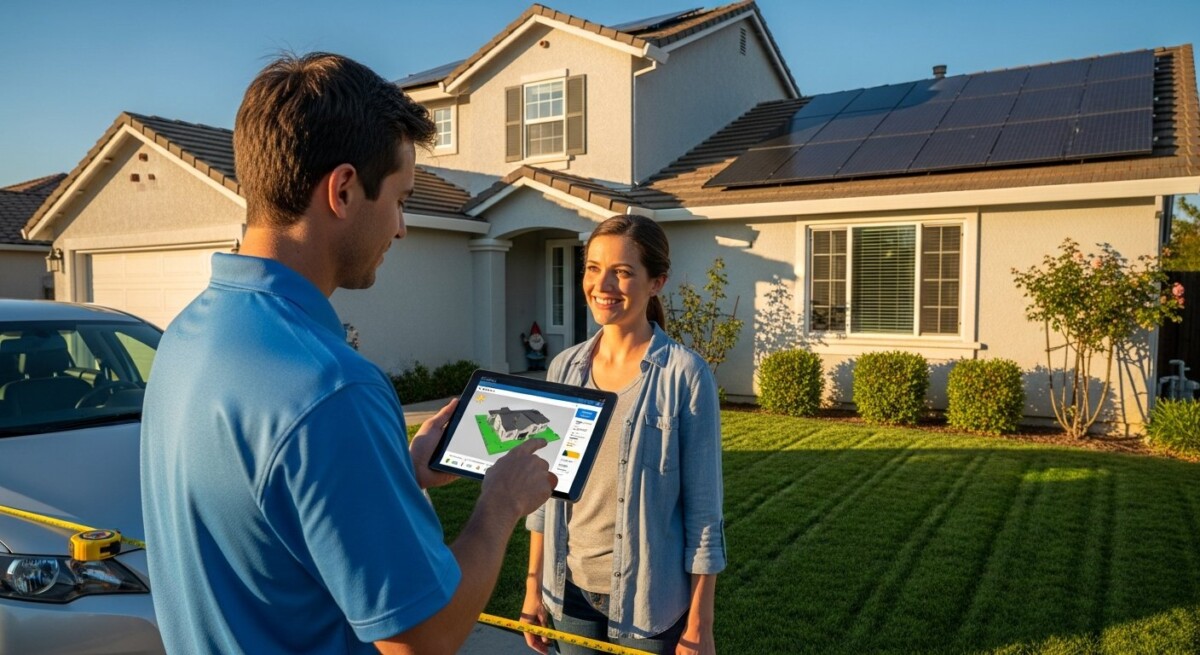
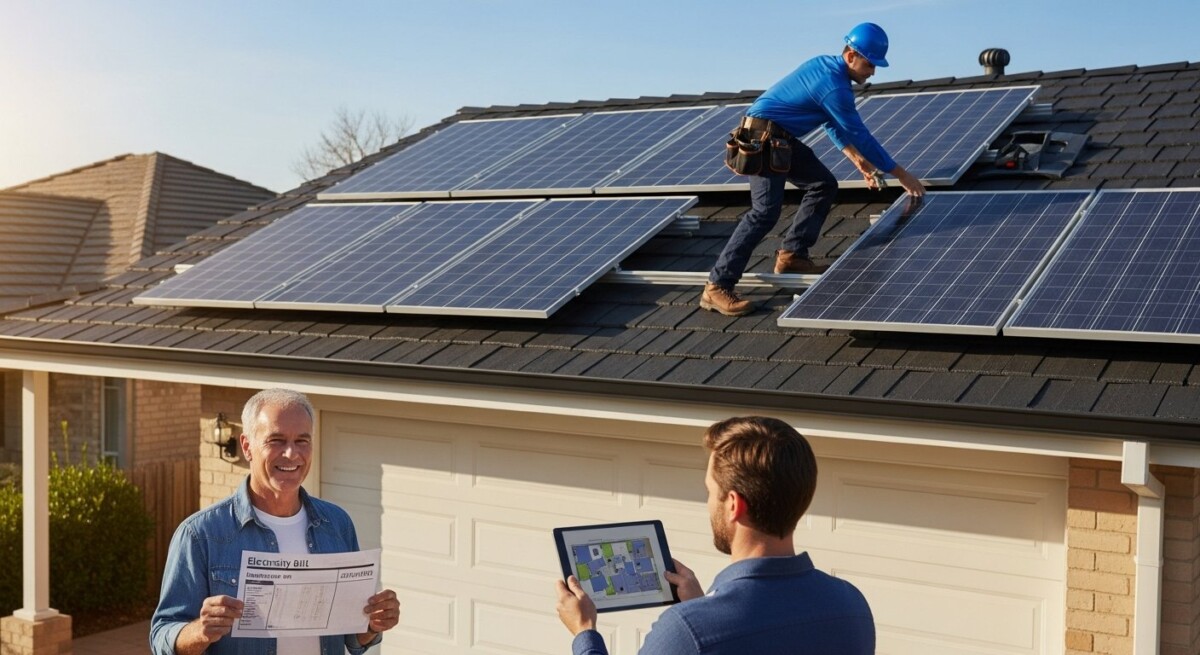
Installing solar panels is a straightforward process when you work with an experienced contractor. The installer starts by reviewing your past electricity bills and evaluating your roof’s condition, sun exposure, and available space.
Once the design is finalized, the company handles all permits and approvals from your local government and utility. The actual panel installation usually takes one to three days, followed by a final inspection and system activation.
- Home energy assessment , Review your usage history and roof characteristics.
- System design , Create a custom layout matching your energy goals.
- Permits and approvals , Secure necessary permissions from local authorities.
- Panel installation , Mount racks, panels, and wiring on your roof.
- System activation , Connect to the grid and start generating power.
Speaking with experienced installers can help you determine the best solar solution for your home. Compare solar quotes here or call (855) 780-1177 to explore available options.
Signs Your Home May Be Ideal for Solar
Not every home is a perfect candidate for solar, but many properties can benefit significantly. The best indicators include strong, consistent sunlight on your roof and high monthly electricity costs that solar panels can offset.
You also need enough unobstructed roof space,typically 300 to 500 square feet for an average system. If you plan to stay in your home for at least five more years, the long-term savings will almost certainly outweigh the upfront investment.
- Your roof gets at least 4 to 5 hours of direct sunlight daily.
- Your electricity bills exceed $100 per month on average.
- You have 300+ square feet of unshaded roof space.
- Your roof is less than 15 years old or in good condition.
- You plan to own your home for at least 5 to 10 more years.
What Affects Solar Installation Costs
Several factors determine the final price of a solar system, starting with system size. Larger systems that generate more electricity cost more upfront but also deliver greater long-term savings on your power bills.
Equipment quality matters too. Premium panels and inverters from top brands typically cost more but offer higher efficiency and longer warranties. Installation complexity,such as roof pitch, wiring challenges, or the need for electrical panel upgrades,can also add to the total price. Our guide on essential documents for solar installation explains what paperwork you will need to keep costs on track.
Local incentives and rebates significantly reduce out-of-pocket expenses. The federal Investment Tax Credit (ITC) currently covers 30% of your system cost, and many states offer additional rebates or performance-based incentives.
The cost of solar installation varies depending on your home and energy needs. Request personalized solar quotes or call (855) 780-1177 to see what options are available.
Tips for Choosing a Reliable Solar Installer
Choosing the right installer is just as important as choosing the right equipment. A reputable company will walk you through every detail of the proposal and answer your questions honestly without high-pressure sales tactics.
Always check that the installer is licensed, insured, and certified by organizations like the North American Board of Certified Energy Practitioners (NABCEP). Reading online reviews and asking for local references gives you confidence in their track record.
- Verify the installer’s license and insurance coverage.
- Ask about workmanship and equipment warranties (10+ years is standard).
- Read recent customer reviews on Google, Yelp, or the Better Business Bureau.
- Request quotes from at least three different companies before deciding.
- Ask each installer to explain line items you do not understand.
Long-Term Benefits of Installing Solar Panels
The most obvious benefit of solar panels is lower electricity bills. After your system is paid off, you enjoy free power from the sun for the remaining life of the panels,typically 20 to 25 years.
Solar also increases your home’s resale value. Studies show that homes with solar panels sell for a premium compared to similar homes without them. Plus, generating your own energy gives you protection from unpredictable utility rate increases.
On the environmental side, a typical residential solar system offsets roughly 3 to 4 tons of carbon dioxide each year,equivalent to planting over 100 trees annually. That combination of financial and environmental benefits makes solar a powerful choice for forward-thinking homeowners.
Frequently Asked Questions
How long does it take to get solar panel quotes?
Most solar companies provide quotes within one to three business days after reviewing your roof and energy usage. Online quote services like FreeSolarPowerQuotes can connect you with multiple installers quickly.
What should I look for in a solar proposal?
Pay attention to system size, panel efficiency, warranty length, estimated annual production, and total cost after incentives. Also check the financing terms if you are not paying cash.
Are solar panels worth it in 2025?
Yes. With the 30% federal tax credit still available and electricity rates rising, solar panels offer strong returns for most homeowners. Payback periods typically range from 6 to 10 years.
Can I install solar panels myself to save money?
DIY solar installation is risky and often voids warranties. Professional installers ensure the system is safe, code-compliant, and eligible for incentives. Mistakes can cost more than hiring a pro.
How do I know if my roof is suitable for solar?
A professional installer will inspect your roof’s age, material, pitch, and shading. Most asphalt shingle roofs in good condition can support solar panels.
What happens to solar panels when it snows?
Snow usually slides off tilted panels as they warm up. Even in snowy climates, solar systems produce meaningful power year-round, especially during sunny winter days.
Will solar panels damage my roof?
Properly installed panels do not damage roofs. Installers use mounting systems that seal around attachments, and the panels actually protect the roof area underneath from weather exposure.
How often do solar panels need maintenance?
Solar panels require very little maintenance. Rain typically cleans off dust and debris. An annual inspection and occasional cleaning in dry climates keep them performing optimally.
Reviewing solar installation proposals carefully helps you choose the right system and installer for your home. By comparing multiple quotes and understanding what each proposal includes, you can save thousands of dollars over the life of your panels while reducing your carbon footprint. Start exploring your options today and take the first step toward energy independence.