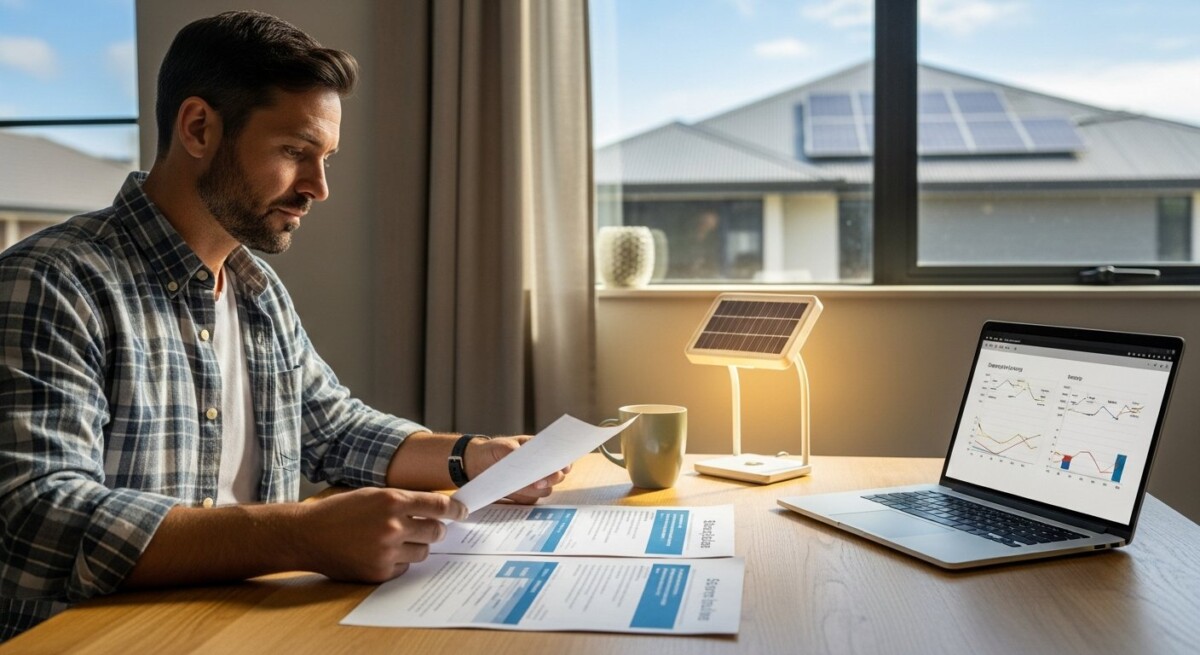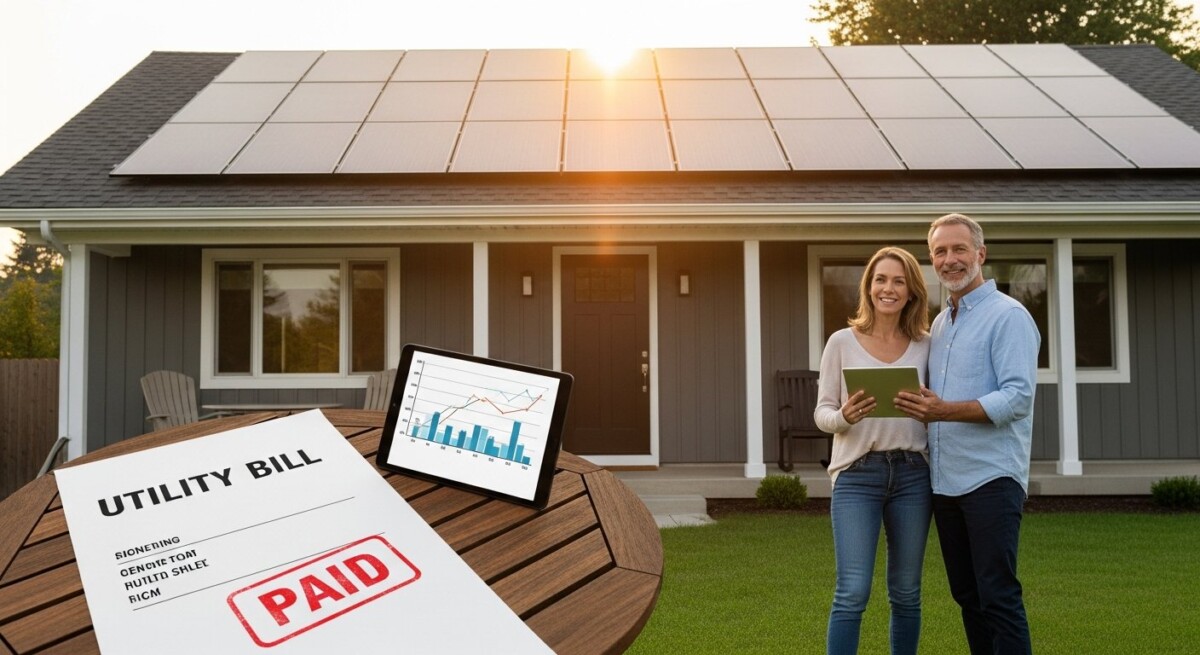
Your monthly electricity bill keeps climbing, and you are starting to wonder if there is a way to escape the cycle. Many homeowners find themselves in the same situation, searching for a solar cost breakdown for homeowners that makes sense. The idea of reducing energy bills and becoming less dependent on the power grid is appealing. Solar power offers a practical path forward, and understanding the numbers is the first step.
Understanding Solar Cost Breakdown for Homeowners
A solar cost breakdown for homeowners simply means looking at all the pieces that make up the total price of a solar panel system. This includes the panels, inverter, wiring, permits, labor, and any additional equipment like batteries. Think of it like buying a car: you see the sticker price, but the real cost includes taxes, fees, and add-ons.
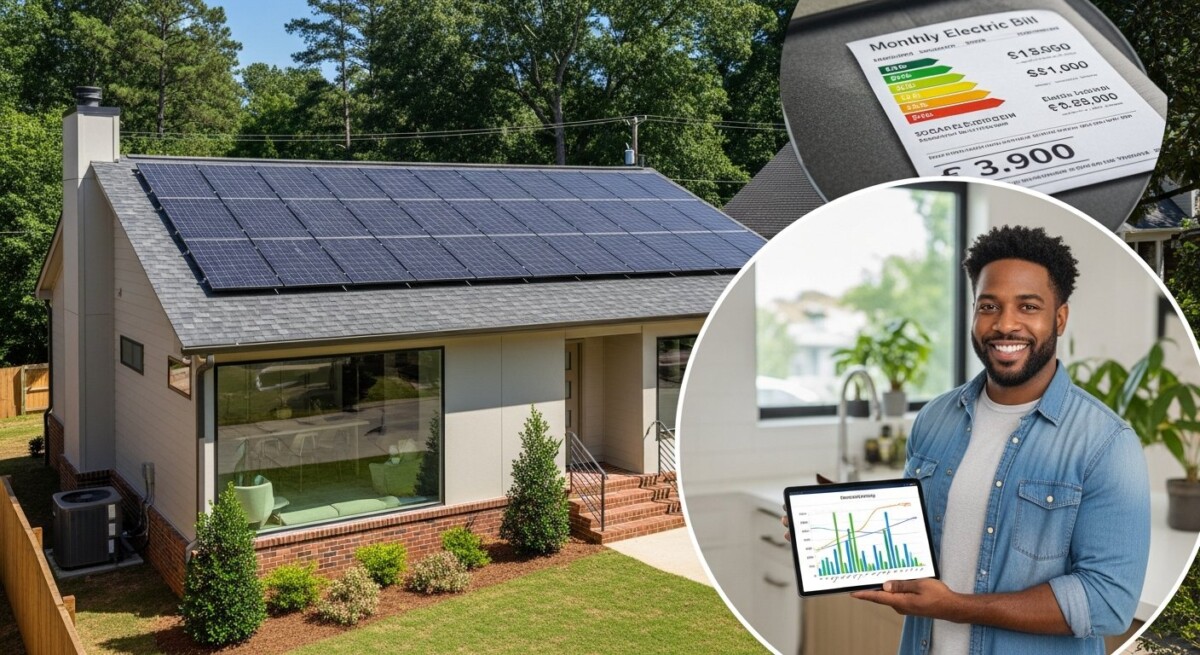
More homeowners are considering solar because the long-term savings often outweigh the upfront investment. The system works by converting sunlight into electricity using photovoltaic (PV) panels. This electricity powers your home, and any extra energy can often be sent back to the grid for credits, further lowering your bill.
Why Solar Energy Is Becoming More Popular
Rising electricity prices are the number one reason homeowners switch to solar. When your utility company raises rates year after year, locking in a fixed energy cost with solar becomes very attractive. Environmental concerns also play a big role. Solar energy produces no greenhouse gases, helping you reduce your carbon footprint while saving money.
Long-term savings are the real draw. Most solar systems pay for themselves within 7 to 10 years, and they last 25 years or more. After that break-even point, your electricity is essentially free. This combination of financial and environmental benefits makes solar one of the smartest home improvements available today.
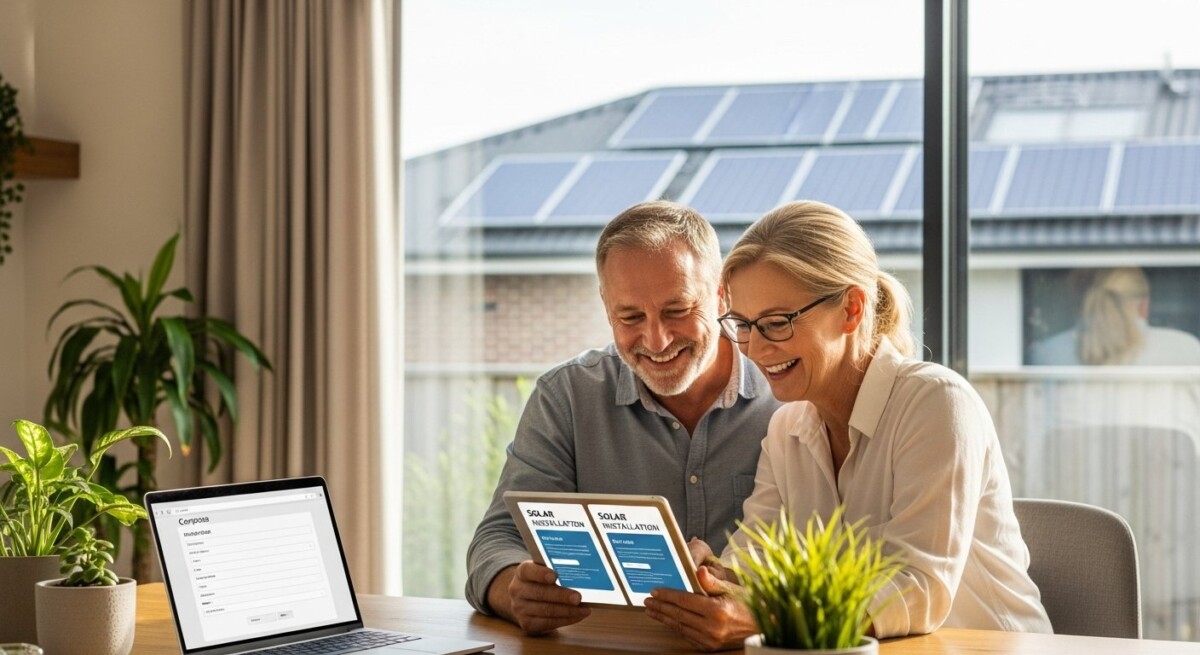
If you are considering solar power for your home, comparing installation quotes can help you understand your options. Request a free solar quote or call to learn more.
Common Questions Homeowners Have About Solar
Many homeowners worry about the upfront installation cost. While solar systems can cost $15,000 to $25,000 before incentives, federal tax credits and local rebates can reduce that by 30% or more. Another common concern is roof suitability. Most roofs with at least 20 years of life left and good sun exposure can support solar panels.
System performance is another frequent question. Solar panels work even on cloudy days, though they produce less energy. Modern panels are highly efficient and come with strong performance warranties. Here are some of the most common questions homeowners ask:
- How much will solar really save me each month?
- What happens if my roof needs repairs after installation?
- Do I need a battery, or can I stay connected to the grid?
- How long does the entire installation process take?
- Will solar panels increase my home insurance costs?
- What happens if I move before the system pays for itself?
How Solar Panel Installation Works
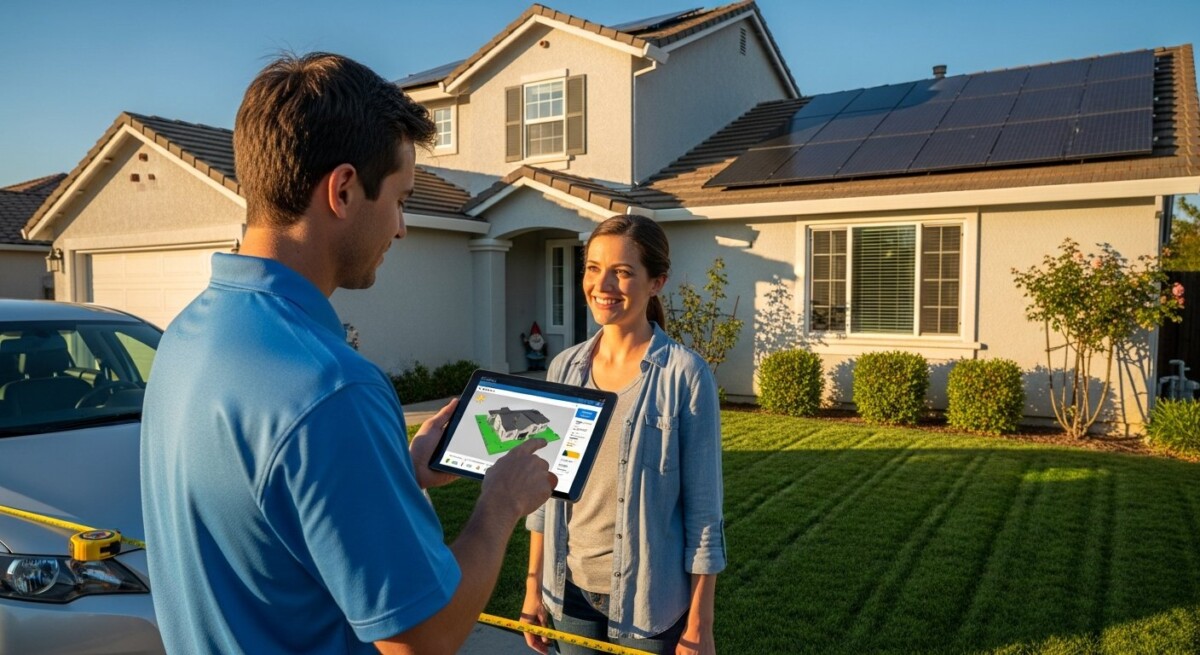
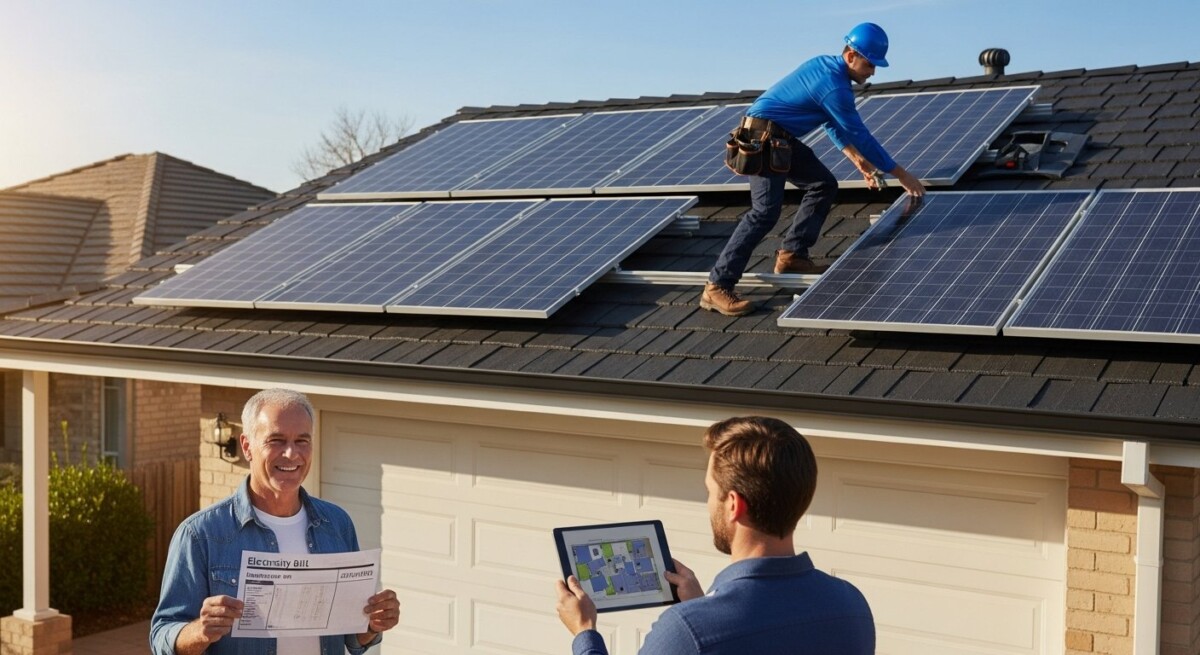
The installation process is more straightforward than most people expect. First, a professional installer visits your home to assess your energy usage, roof condition, and sun exposure. They use this data to design a system tailored to your needs. After you approve the design, the installer handles all the permits and paperwork with your local government and utility company.
Once permits are approved, the actual installation typically takes one to three days. The crew mounts the panels on your roof, connects the inverter, and wires the system into your electrical panel. Finally, a local inspector checks the work, and your utility company gives the green light to turn the system on. Here are the main steps:
- Home energy assessment and consultation
- Custom system design and proposal
- Permit applications and utility approvals
- Professional panel and inverter installation
- Final inspection and system activation
Speaking with experienced installers can help you determine the best solar solution for your home. Compare solar quotes here or call to explore available options.
Signs Your Home May Be Ideal for Solar
Not every home is a perfect fit for solar, but many are. The most important factor is strong sunlight exposure. If your roof faces south or west and gets direct sun for most of the day, you are in a great position. High electricity bills are another strong indicator,the more you pay the utility, the more you stand to save.
Suitable roof space is also critical. You need enough unshaded area to install enough panels to meet your energy needs. Finally, if you plan to stay in your home for at least five to seven years, solar makes financial sense because you will be around to enjoy the long-term savings. Look for these signs:
- Your roof gets at least five hours of direct sunlight daily
- You currently pay more than $100 per month for electricity
- You have at least 500 square feet of usable, unshaded roof space
- Your roof is less than 15 years old and in good condition
- You plan to stay in your home for five years or more
- Your local utility offers net metering or solar incentives
What Affects Solar Installation Costs
The biggest factor in your solar cost is system size, measured in kilowatts (kW). A larger system that covers all your electricity needs costs more upfront but saves more over time. Equipment quality also matters. Premium panels and microinverters cost more but often produce more energy and last longer than budget options.
Installation complexity can raise the price. A simple roof mount on a single-story house costs less than a complex installation on a multi-story home with tile roofing. Local incentives and rebates can dramatically lower your net cost. The federal Investment Tax Credit (ITC) currently gives you a 30% tax credit on the total system cost, and many states and utilities offer additional rebates.
The cost of solar installation varies depending on your home and energy needs. Request personalized solar quotes or call to see what options are available.
Tips for Choosing a Reliable Solar Installer
Choosing the right installer is just as important as choosing the right equipment. A reliable installer will help you navigate permits, incentives, and financing options. They will also ensure the system is designed correctly for your home and energy usage, preventing costly mistakes down the road.
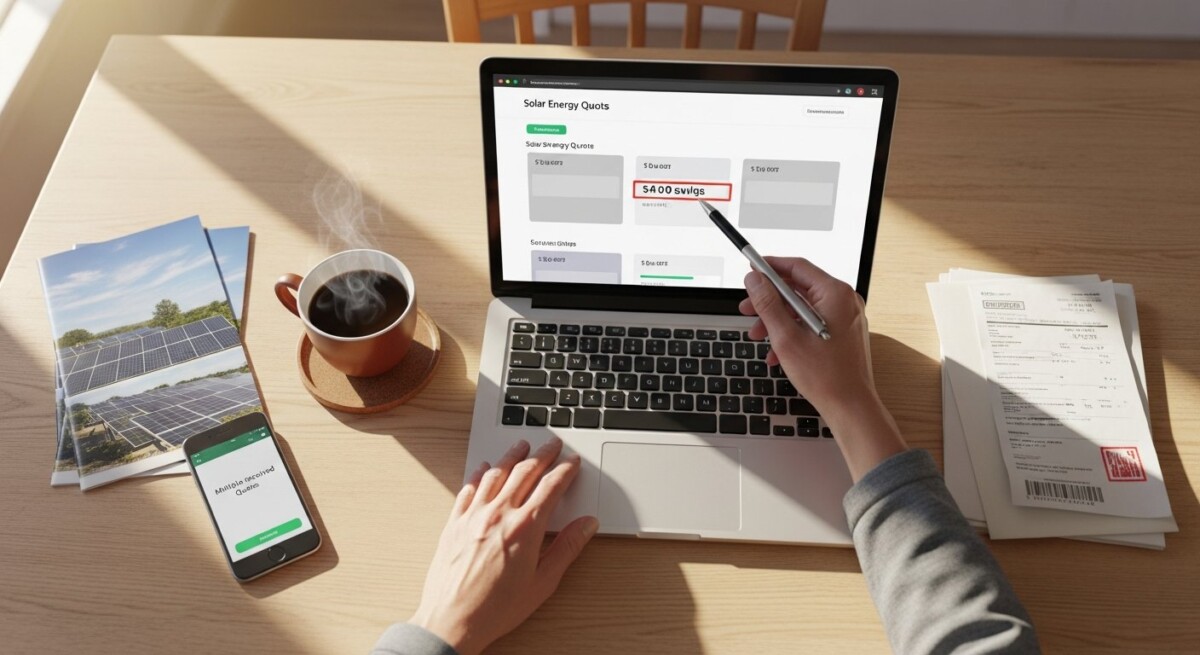
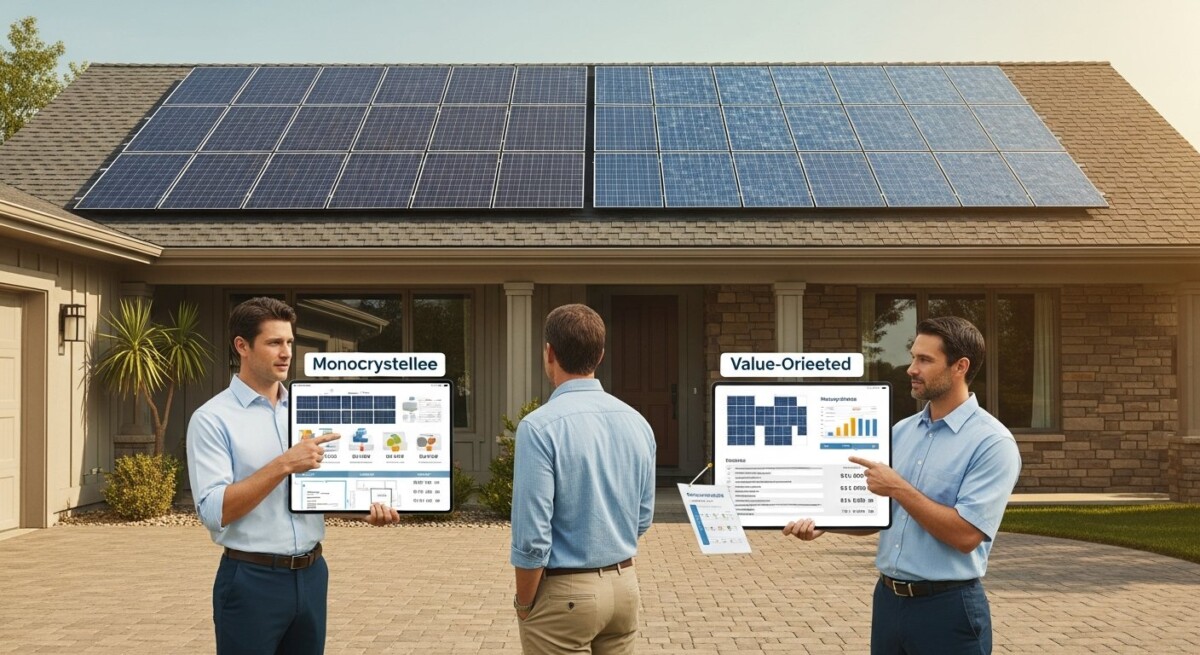
Always compare multiple quotes before making a decision. This gives you a sense of fair pricing and helps you spot red flags. Ask each installer about their experience, certifications, and warranties. A trustworthy company will be transparent about costs and timelines. Here are some practical tips:
- Review the installer’s experience and ask for local references
- Check that they carry proper licenses and insurance
- Look for strong equipment and workmanship warranties
- Read recent customer reviews on independent platforms
- Compare at least three quotes to find the best value
- Ask about financing options, including loans and leases
Long-Term Benefits of Installing Solar Panels
The most obvious benefit is lower electricity bills. Once your system is paid off, your monthly energy costs drop dramatically, often to just a small grid connection fee. Over the 25-year lifespan of a typical system, this can add up to tens of thousands of dollars in savings. Solar also increases your home’s resale value. Studies show that homes with solar panels sell for a premium compared to similar homes without them.
Energy independence is another major advantage. When you generate your own power, you are less affected by utility rate hikes and grid outages. Environmentally, solar energy cuts your household carbon emissions significantly. If you are interested in how these savings add up over time, our guide on calculating savings from solar quotes explains how to project your long-term return.
How much does a solar panel system cost for a typical home?
The average cost for a residential solar system ranges from $15,000 to $25,000 before incentives. After the 30% federal tax credit, that drops to $10,500 to $17,500. Your final cost depends on system size, equipment, and local labor rates.
How long does it take for solar panels to pay for themselves?
Most homeowners recoup their investment within 7 to 10 years. This payback period depends on your electricity rates, system cost, and how much sun your roof gets. After that, your electricity is essentially free for the remaining life of the panels.
Can I install solar panels myself to save money?
DIY solar installation is possible but risky. Most homeowners lack the electrical expertise to wire the system safely and meet local codes. Mistakes can void warranties, cause fires, or lead to fines. Professional installation is strongly recommended for safety and reliability.
Do solar panels work during a power outage?
Standard grid-tied solar systems shut off during an outage for safety reasons. If you want backup power, you need a solar battery system like the Tesla Powerwall or Enphase Encharge. Batteries add to the cost but provide energy independence during blackouts.
How much maintenance do solar panels require?
Solar panels require very little maintenance. Rain usually keeps them clean enough, but in dusty areas, an occasional hose-down helps. Most systems have no moving parts, and inverters typically last 10 to 15 years before needing replacement.
Will solar panels damage my roof?
When installed correctly by professionals, solar panels actually protect the roof underneath. The mounting system is designed to be watertight and can extend the life of your roof by shielding it from weather. Always work with a licensed installer to ensure proper installation.
What happens if I sell my home with solar panels?
Solar panels typically increase your home’s resale value. If you own the system outright, you can include it in the sale. If you have a solar loan, you may need to pay it off at closing or transfer it to the new owner. Leased systems can be transferred as well, but they may complicate the sale.
Can I get solar panels if my roof is old or shaded?
An old roof may need replacement before installation, which adds to the cost. For shaded roofs, ground-mounted panels or community solar programs are alternative options. A professional installer can evaluate your specific situation and recommend the best solution.
Understanding the solar cost breakdown for homeowners is the first step toward energy savings and independence. By comparing quotes from multiple installers, you can find a system that fits your budget and home. For businesses considering solar, commercial solar panels offer similar benefits for reducing operating costs. Take the next step by requesting free quotes and seeing how much you can save.