Have you watched your electricity bill climb higher every year? You’re not alone. Many homeowners are searching for ways to take control of their energy costs and reduce their reliance on the unpredictable power grid. One of the most powerful tools available is the federal solar tax credit, a significant incentive that makes investing in solar energy more affordable than ever.
Understanding The Federal Solar Tax Credit
The federal solar tax credit, officially known as the Residential Clean Energy Credit, is a dollar-for-dollar reduction in the federal income taxes you owe. Think of it as a direct discount from the government for choosing clean energy. It’s designed to encourage homeowners to install solar panels and other renewable energy systems.
When you install a qualifying solar system on your home, you can claim a percentage of the total cost as a credit on your federal tax return. This credit directly reduces the amount of tax you pay, potentially leading to a larger refund or a smaller tax bill. It’s a powerful financial incentive that has helped millions of families make the switch to solar power.
What Costs Are Included?
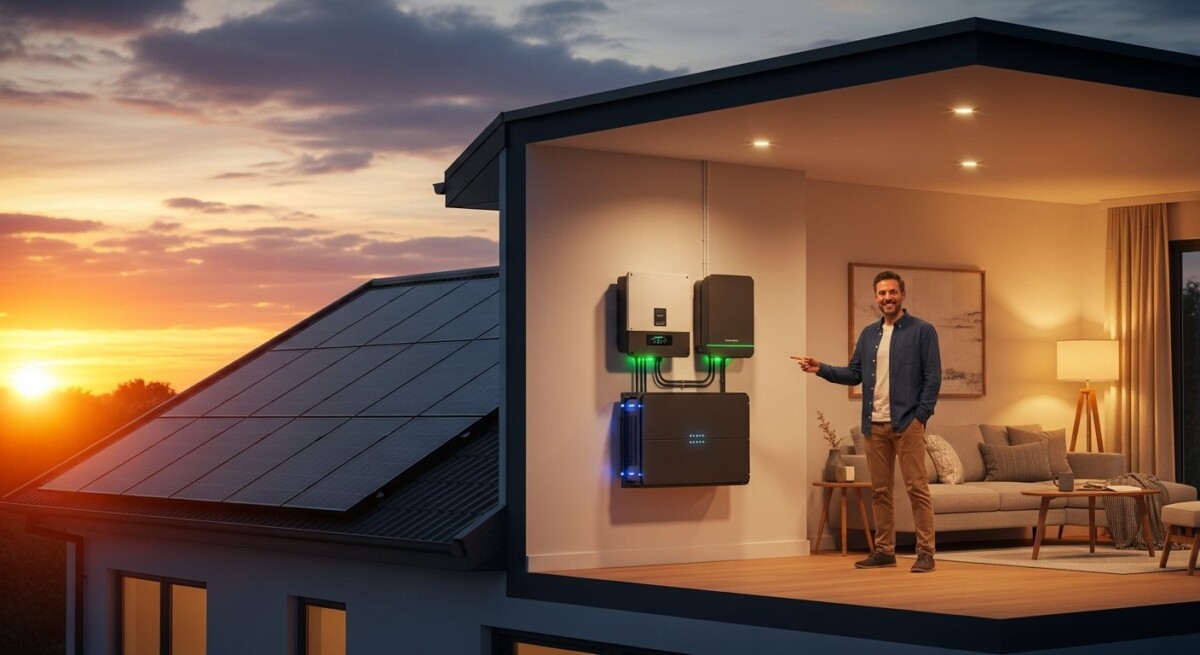
The credit applies to more than just the solar panels themselves. It includes the cost of the equipment, such as inverters and wiring, as well as the labor for site preparation, assembly, and installation. Even certain energy storage devices, like solar batteries, can qualify if they are charged exclusively by the solar system.
Why Solar Energy Is Becoming More Popular
Homeowners are turning to solar power for several compelling reasons. First and foremost, it provides a reliable shield against rising electricity prices. Once your system is installed, you generate your own power, protecting yourself from future utility rate hikes.
Beyond the financial benefits, there’s a strong desire for energy independence and environmental stewardship. Solar power allows you to produce clean electricity right on your roof, reducing your carbon footprint. This combination of long-term savings, stability, and positive environmental impact makes solar an increasingly smart choice.
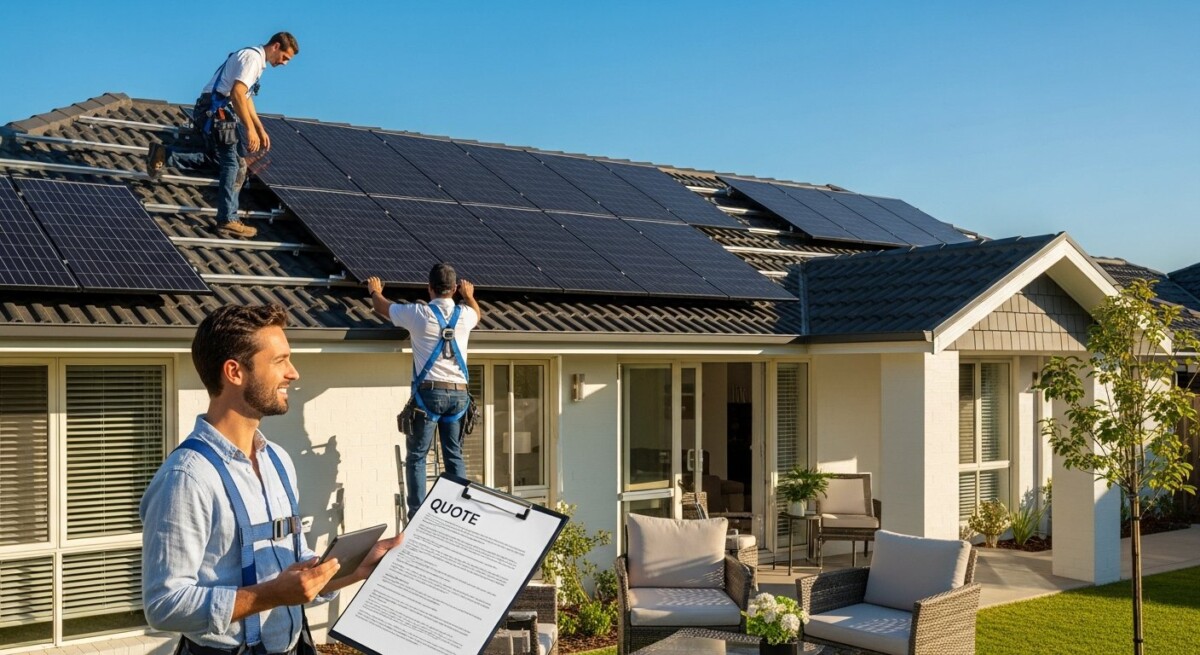
If you are considering solar power for your home, comparing installation quotes can help you understand your options. Request a free solar quote or call to learn more.
Common Questions Homeowners Have About Solar
It’s normal to have questions before making a significant home investment like solar panels. Many people wonder about the upfront cost and how long it will take to see a return. Others are concerned about whether their roof is suitable or what happens on cloudy days.
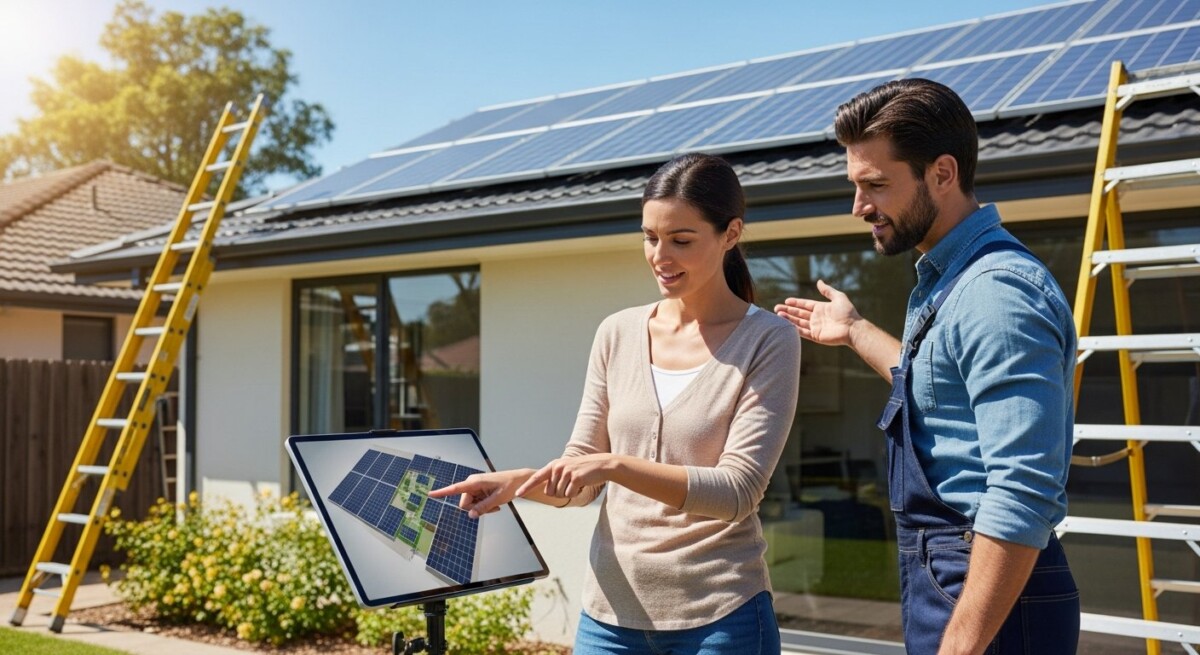
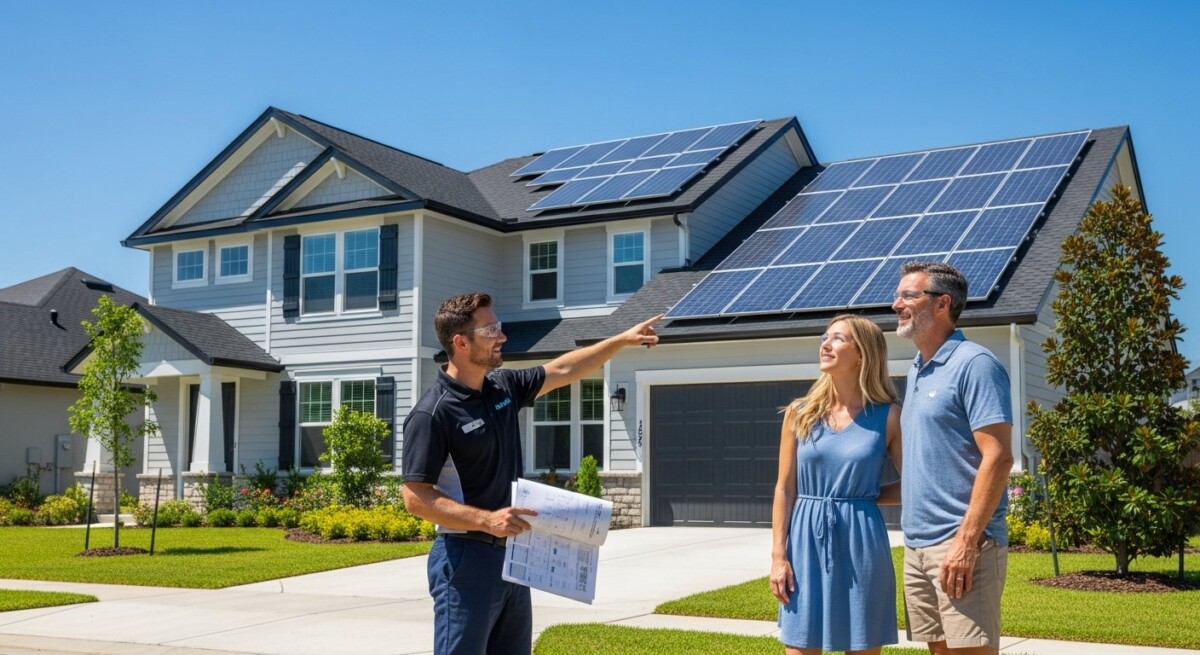
A professional installer can address all these concerns with a personalized assessment. They will evaluate your roof’s condition, orientation, and shading to give you accurate performance estimates. Understanding these details upfront helps you make a confident, informed decision.
- How much will a solar panel system cost for my home?
- Is my roof strong enough and facing the right direction for solar?
- What happens to my solar panels when the power goes out?
- How much will I really save on my electricity bill?
- Do I need to replace my roof before installing solar?
- How does the federal solar tax credit work with my specific tax situation?
How Solar Panel Installation Works
The process of going solar is straightforward when you work with a qualified professional. It begins with a detailed consultation to understand your energy needs and goals. The installer will then design a system tailored to your home’s unique characteristics.
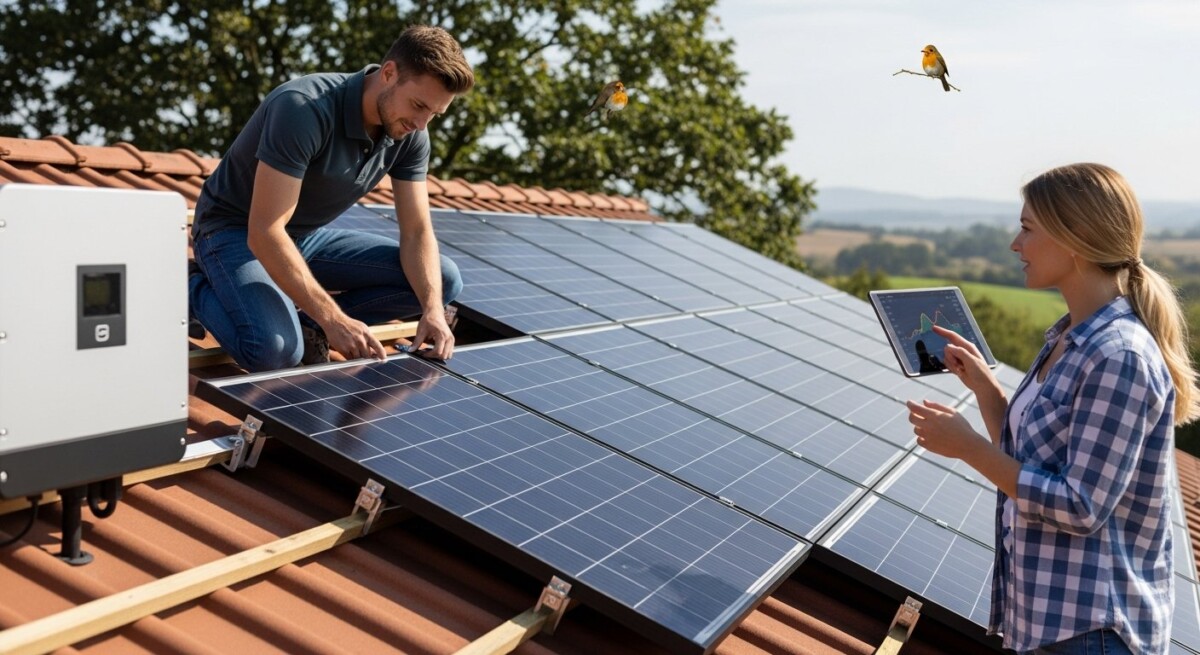
Once you approve the design, the installer handles all the necessary permits and paperwork. The actual installation is typically quick, often completed in just a few days. After a final inspection by your local utility company, your system is activated, and you can start generating your own clean power.
- Home Energy Assessment and Consultation
- Custom System Design and Proposal
- Permitting and Utility Approvals
- Physical Installation of Panels and Equipment
- Final Inspection and System Activation
Speaking with experienced installers can help you determine the best solar solution for your home. Compare solar quotes here or call to explore available options.
Signs Your Home May Be Ideal for Solar
While solar can work for many homes, some characteristics make the investment particularly advantageous. The most obvious factor is access to strong, unobstructed sunlight for most of the day. A south-facing roof with minimal shading from trees or other structures is ideal.
Your current energy consumption and future plans also play a key role. If you have high electricity bills, you stand to save more, accelerating your payback period. Furthermore, if you plan to stay in your home for many years, you’ll have more time to enjoy the free electricity your system produces after it’s paid for itself.
- Your roof receives direct sunlight for at least 5-6 hours per day.
- You pay high monthly electricity bills.
- You have a suitable, unshaded roof area (or adequate ground space).
- You plan to own your home for the next 5-10+ years.
- Your roof is in good condition or will soon be replaced.
- You are motivated by long-term savings and energy independence.
What Affects Solar Installation Costs
The final price of your solar system depends on several key factors. The system’s size, measured in kilowatts (kW), is the primary driver,larger systems that produce more power cost more. The quality and efficiency of the equipment you choose, such as premium solar panels or microinverters, also influence the price.
Installation complexity matters too. A simple, single-story roof is easier to work on than a steep, multi-story one. Crucially, the net cost is dramatically reduced by incentives like the federal solar tax credit. For a deeper look at how these incentives work together, our guide on maximizing savings with solar tax credits provides valuable insights.
The cost of solar installation varies depending on your home and energy needs. Request personalized solar quotes or call to see what options are available.
Tips for Choosing a Reliable Solar Installer
Selecting the right installer is critical to a successful solar experience. Look for a company with a strong track record, proper licensing, and positive customer reviews. A trustworthy installer will conduct a thorough site evaluation and provide a clear, detailed proposal without using high-pressure sales tactics.
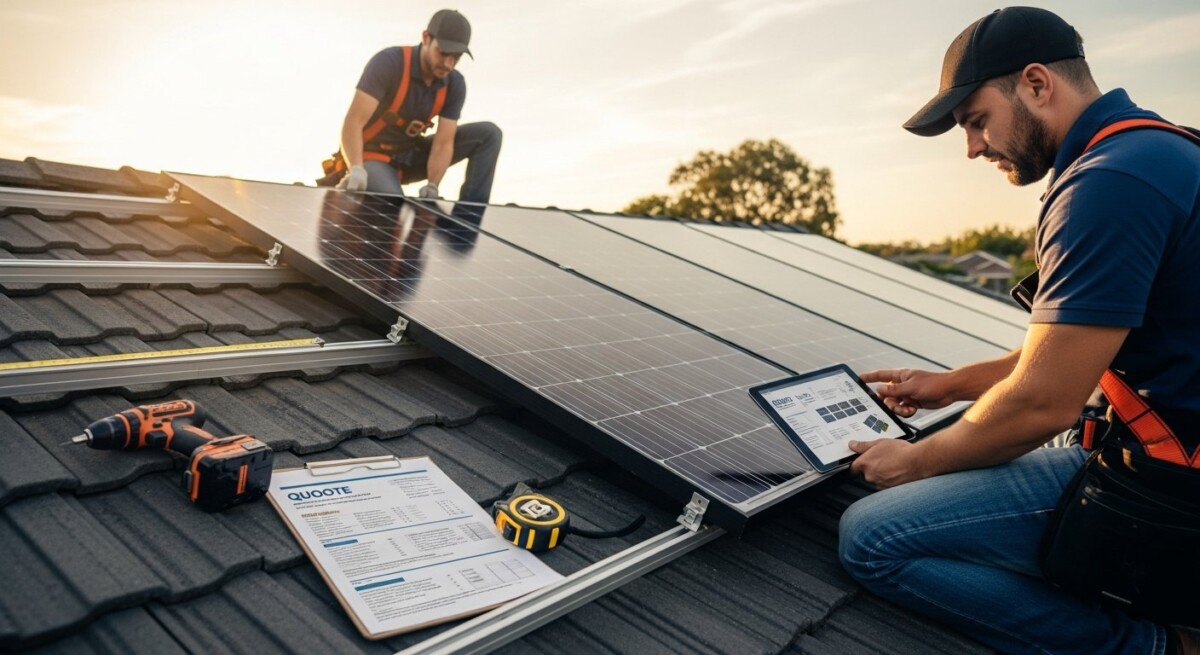
Always review the warranties offered on both the equipment and the installation workmanship. Most importantly, get detailed quotes from at least three different companies. Comparing these proposals side-by-side is the best way to ensure you get a fair price and a system designed for your specific needs.
- Verify licenses, insurance, and certifications (like NABCEP).
- Read customer reviews and ask for local references.
- Ensure they offer strong warranties for equipment and labor.
- Get a detailed, written proposal outlining all costs and production estimates.
- Compare multiple quotes to find the best value and service.
Long-Term Benefits of Installing Solar Panels
The advantages of solar power extend far beyond the initial tax credit. The most immediate benefit is dramatically lower, predictable monthly electricity bills. Over the 25+ year lifespan of a system, these savings can amount to tens of thousands of dollars, offering a fantastic return on investment.
Solar panels also increase your property value and make your home more attractive to future buyers. You gain energy independence, reducing your vulnerability to grid outages and price spikes. Perhaps most importantly, you contribute to a cleaner environment by reducing reliance on fossil fuels. Understanding all the tax benefits for solar panel installation is a key part of realizing this long-term value.
How does the federal solar tax credit work?
You claim the credit when you file your federal income taxes for the year your solar system is installed. The credit amount is calculated as a percentage of your total system cost. This credit directly reduces your tax liability, and if the credit is larger than your tax bill, you can carry the remaining amount forward to future tax years.
What happens if I don’t have enough tax liability to use the full credit?
The federal solar tax credit is non-refundable, meaning it can reduce your tax bill to zero, but you won’t get a refund for any leftover amount. However, any unused portion of the credit can be rolled over to offset your federal taxes in the following year, and it continues to roll over until the credit is fully used.
Do I need a new roof before installing solar?
It’s highly recommended. Solar panels are designed to last 25-30 years. If your roof needs replacement in the next 5-10 years, it’s much more cost-effective to do it before installation. A qualified installer will assess your roof’s condition and advise you accordingly during the consultation.
Will solar panels work during a power outage?
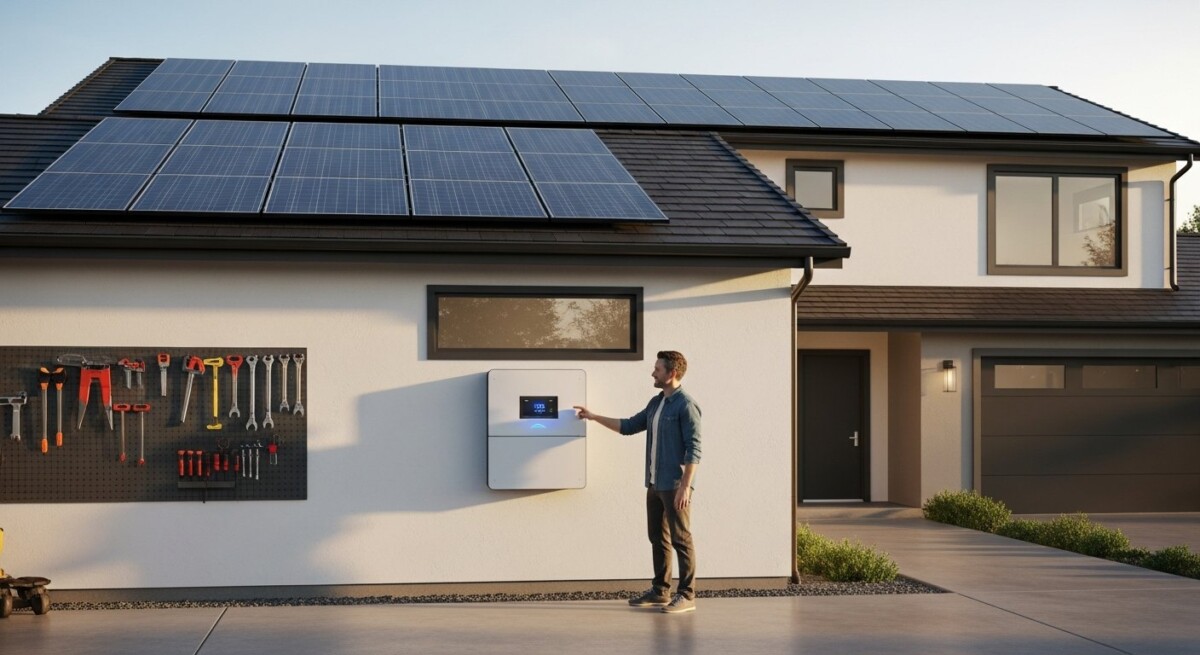
Standard grid-tied solar systems automatically shut off during a blackout for safety reasons, to protect utility workers. To have power during an outage, you need a solar system paired with a battery storage solution. This setup allows you to store excess energy and use it when the grid is down.
How long do solar panels last?
Most high-quality solar panels come with a performance warranty guaranteeing they will produce at least 80-85% of their original output after 25 years. The panels themselves can continue to produce electricity well beyond that timeframe, though at a gradually decreasing efficiency.
Can I install solar panels myself and still claim the tax credit?
Yes, but with a major caveat. The credit applies to equipment costs for DIY installations, but you cannot claim the credit for the value of your own labor. Furthermore, improper installation can void equipment warranties, create safety hazards, and may not meet local building and electrical codes, making professional installation strongly advisable.
Investing in solar energy is a significant decision that offers substantial financial and environmental rewards. By understanding the federal solar tax credit and the long-term benefits, you can make an informed choice for your home and family. The best next step is to gather information tailored to your specific situation from qualified professionals.